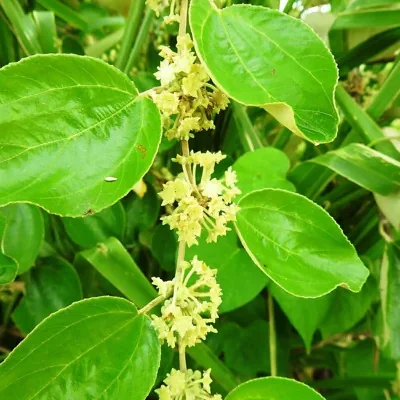
Dodonaea viscosa — Hopbush | Medicinal gem with lantern-like colored fruits

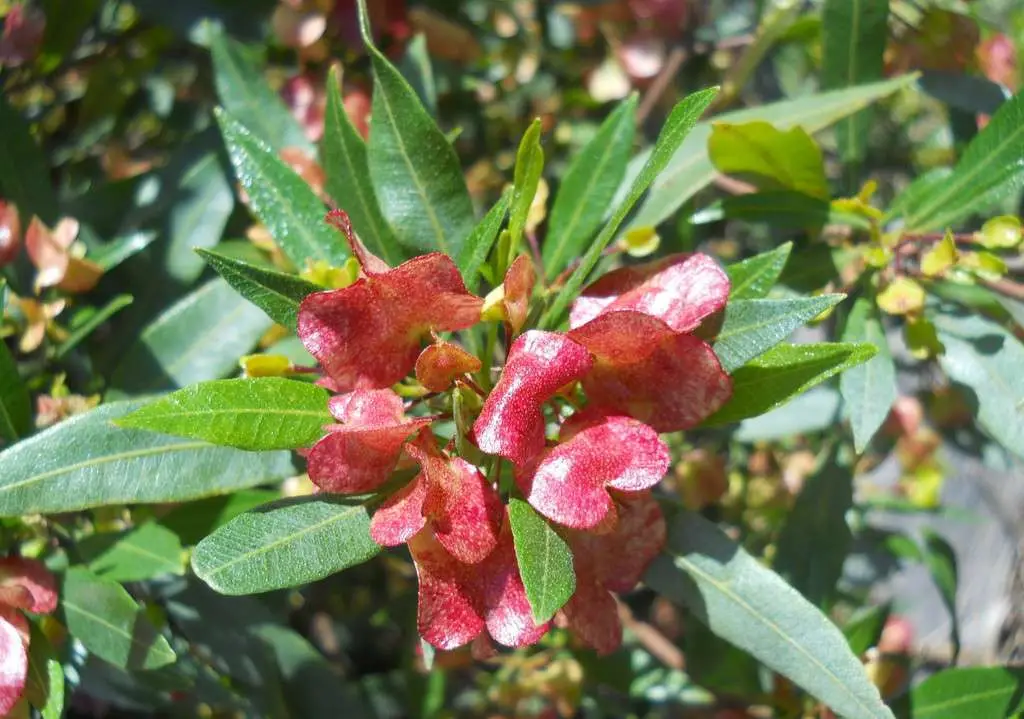
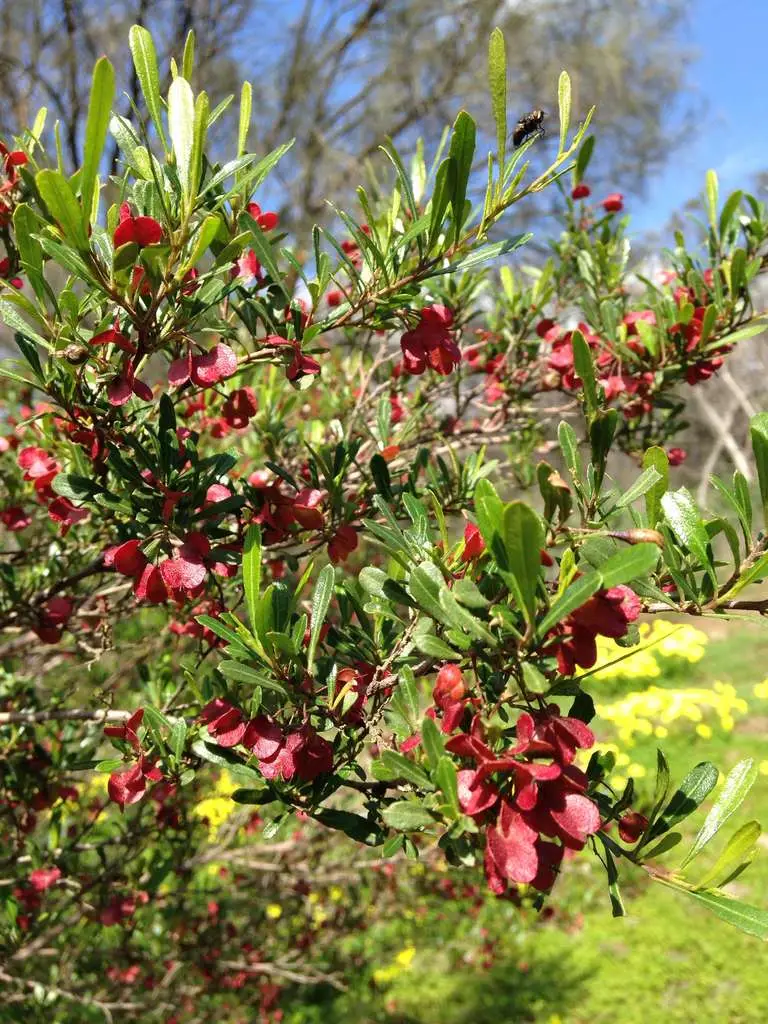
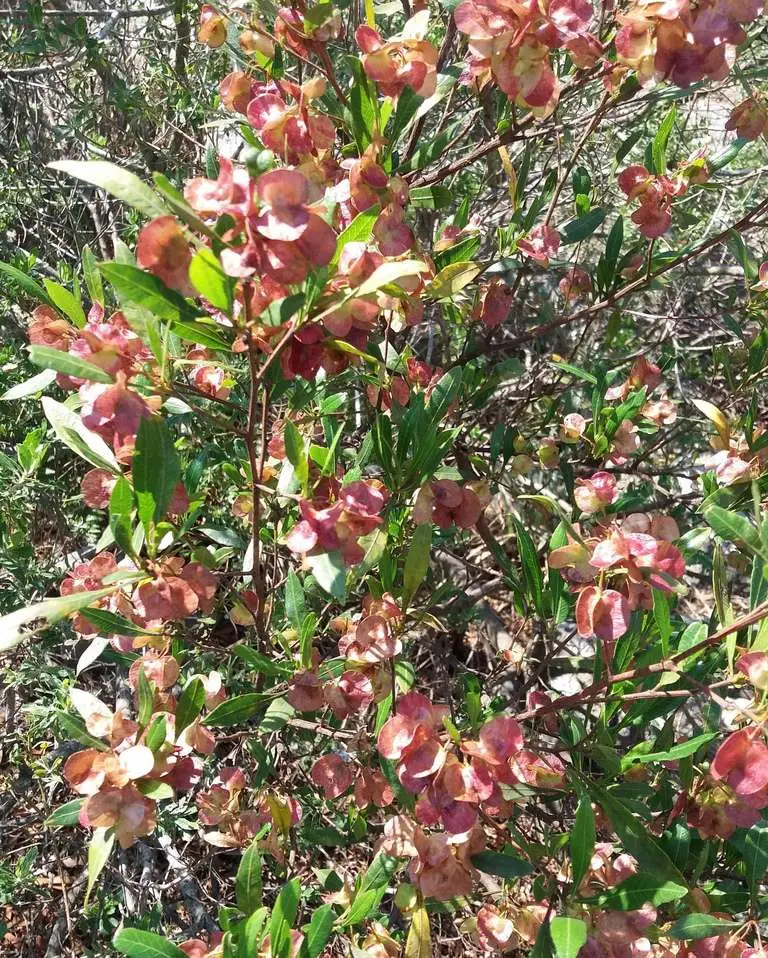
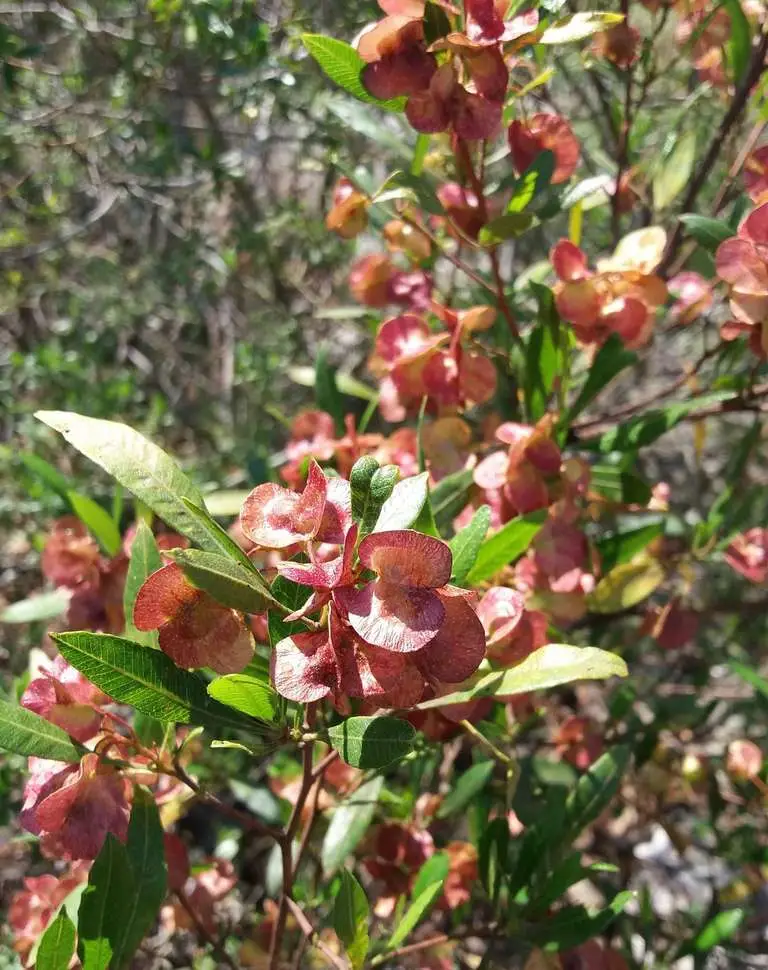
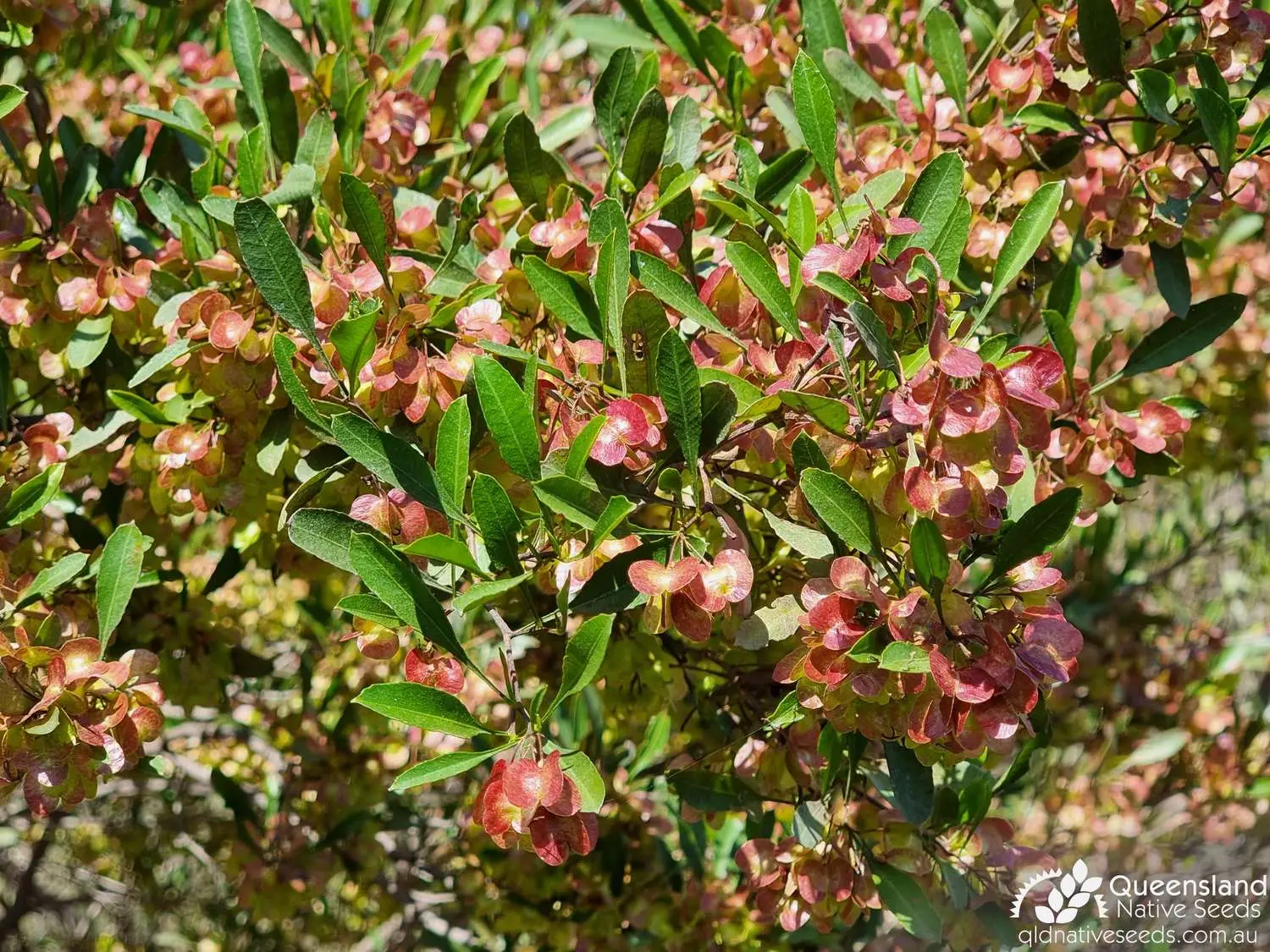
Behold the botanical miracle: magnificent seed capsules that persist for months in white, green, yellow, cream, pink, orange, brick red, and red-purple hues. But here’s what sets viscosa apart—its leaves deliver potent anodyne, astringent, diaphoretic, and vulnerary benefits, used externally to treat toothache, sore throats, wounds, skin rashes and stings. A dense,

1.92

SKU: P-2132 Category: Tags: , , ,

You May Also Like

Description

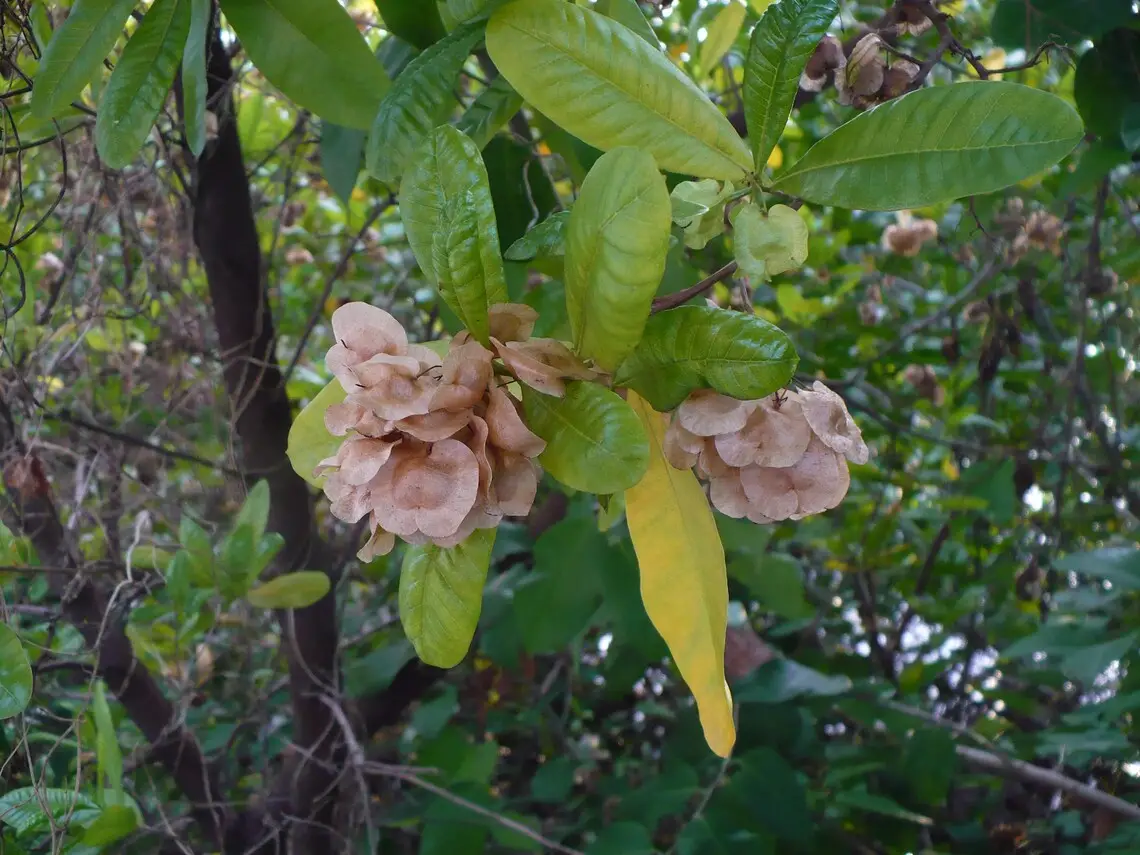
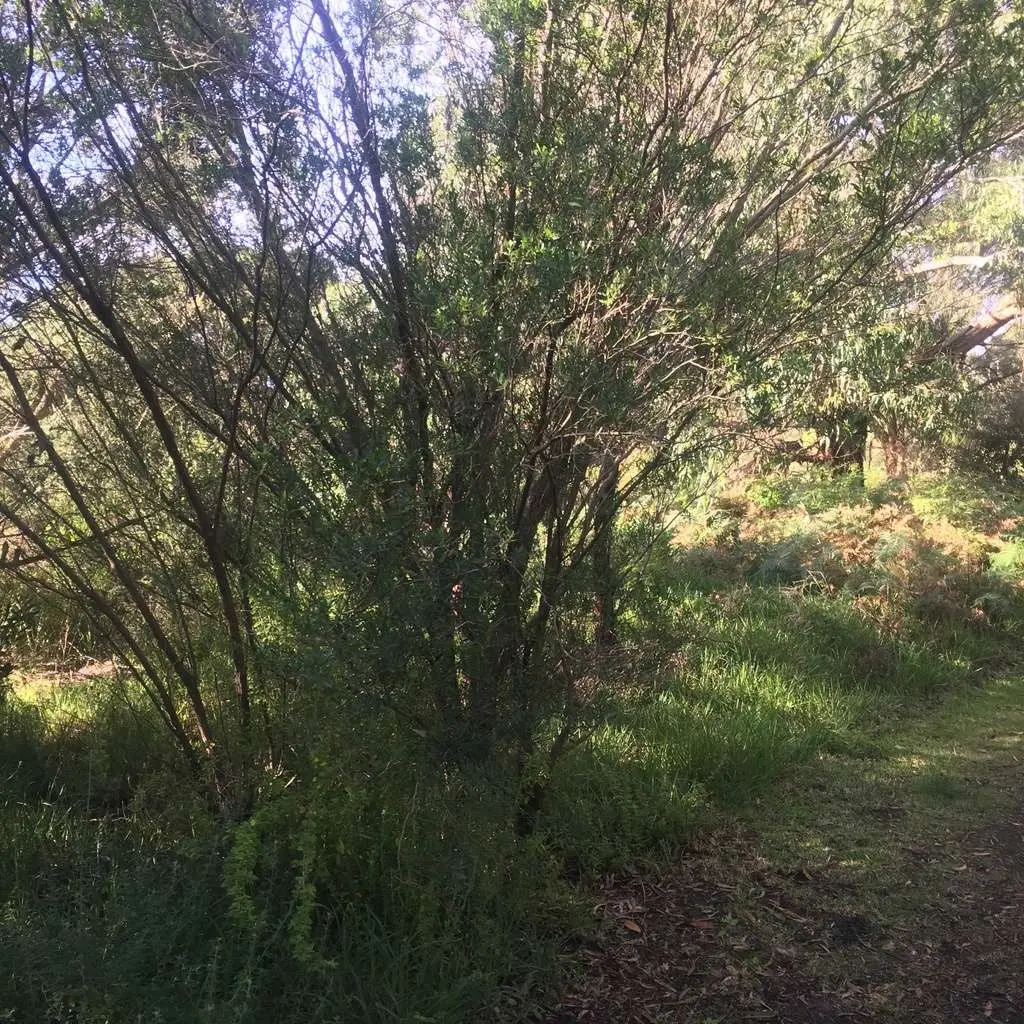
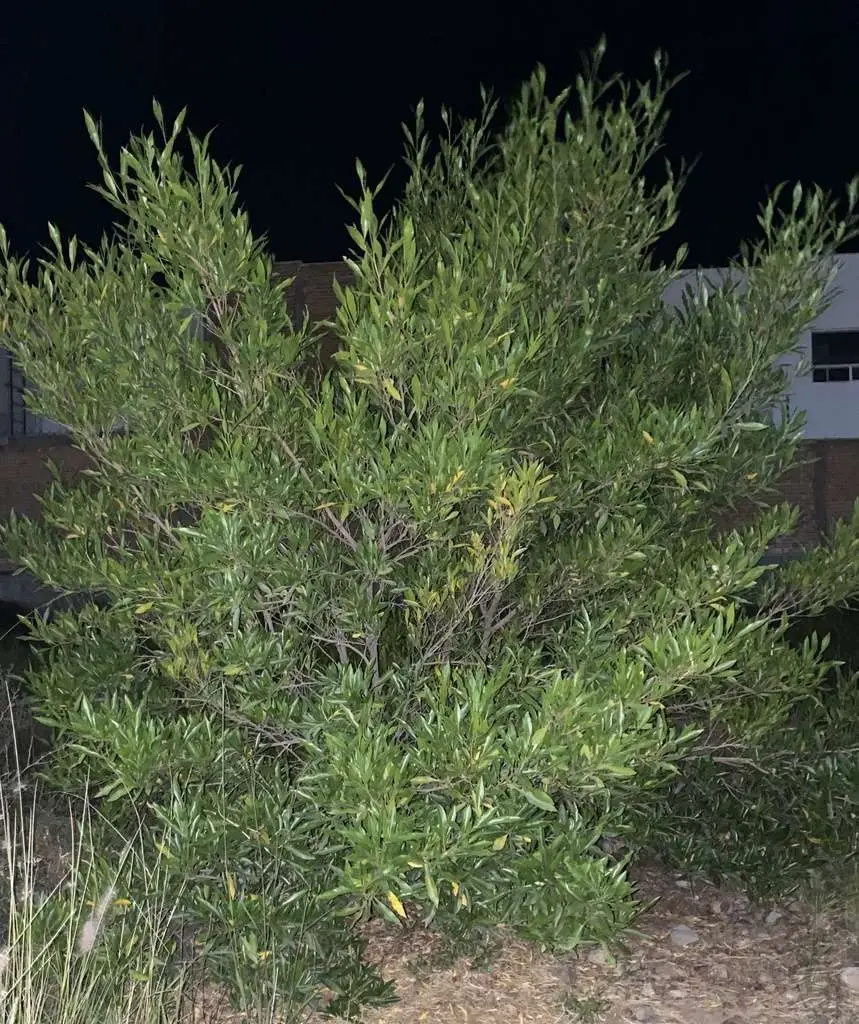
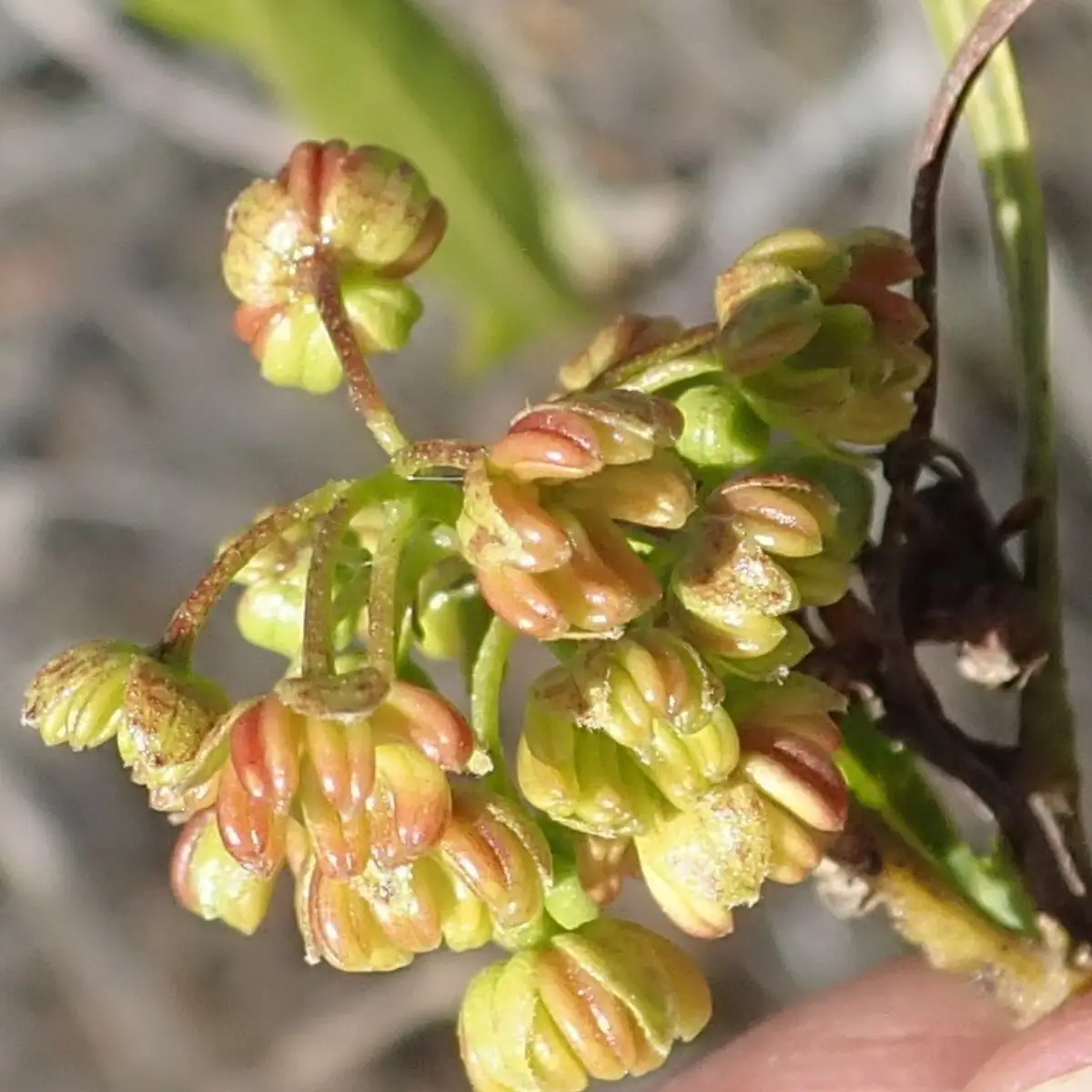
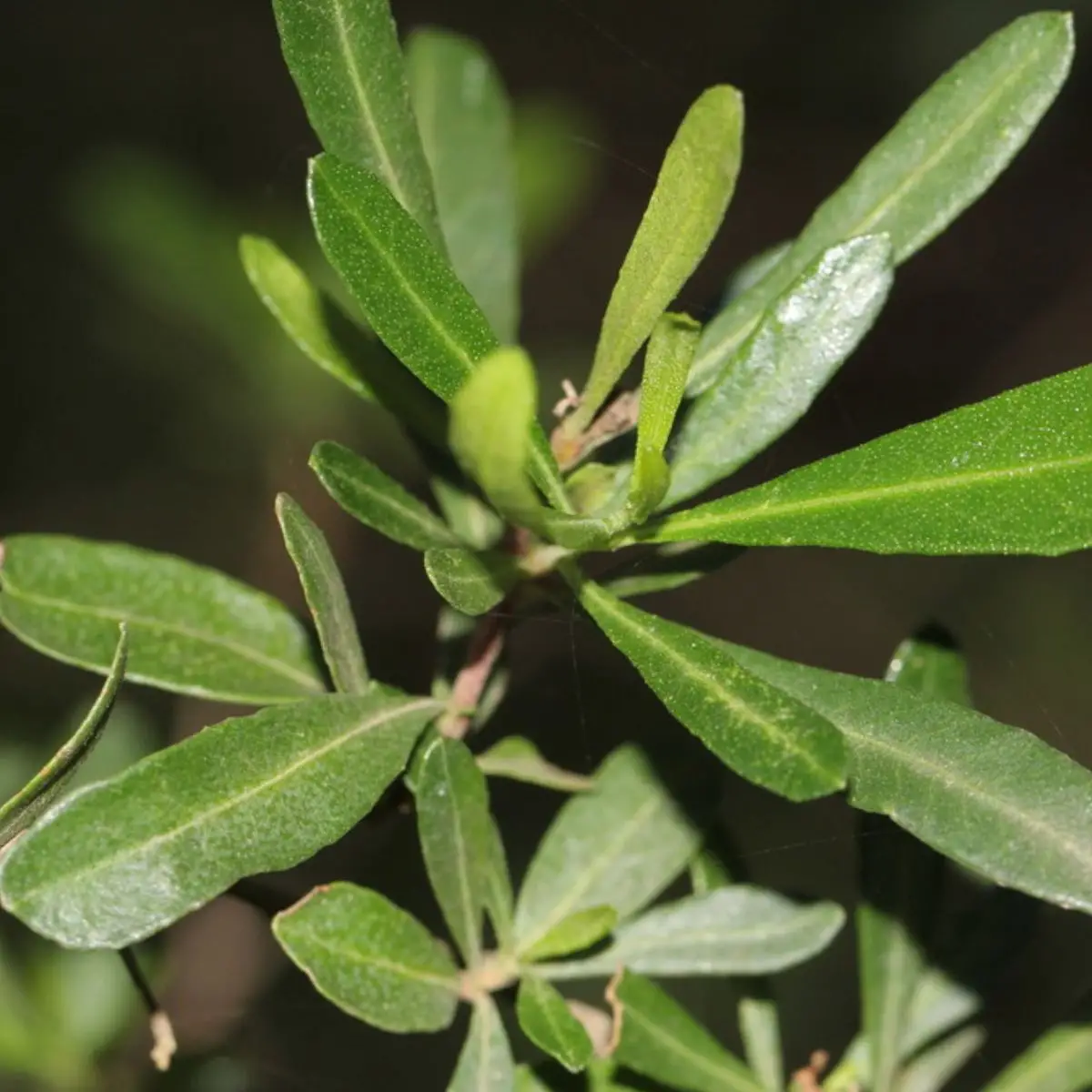
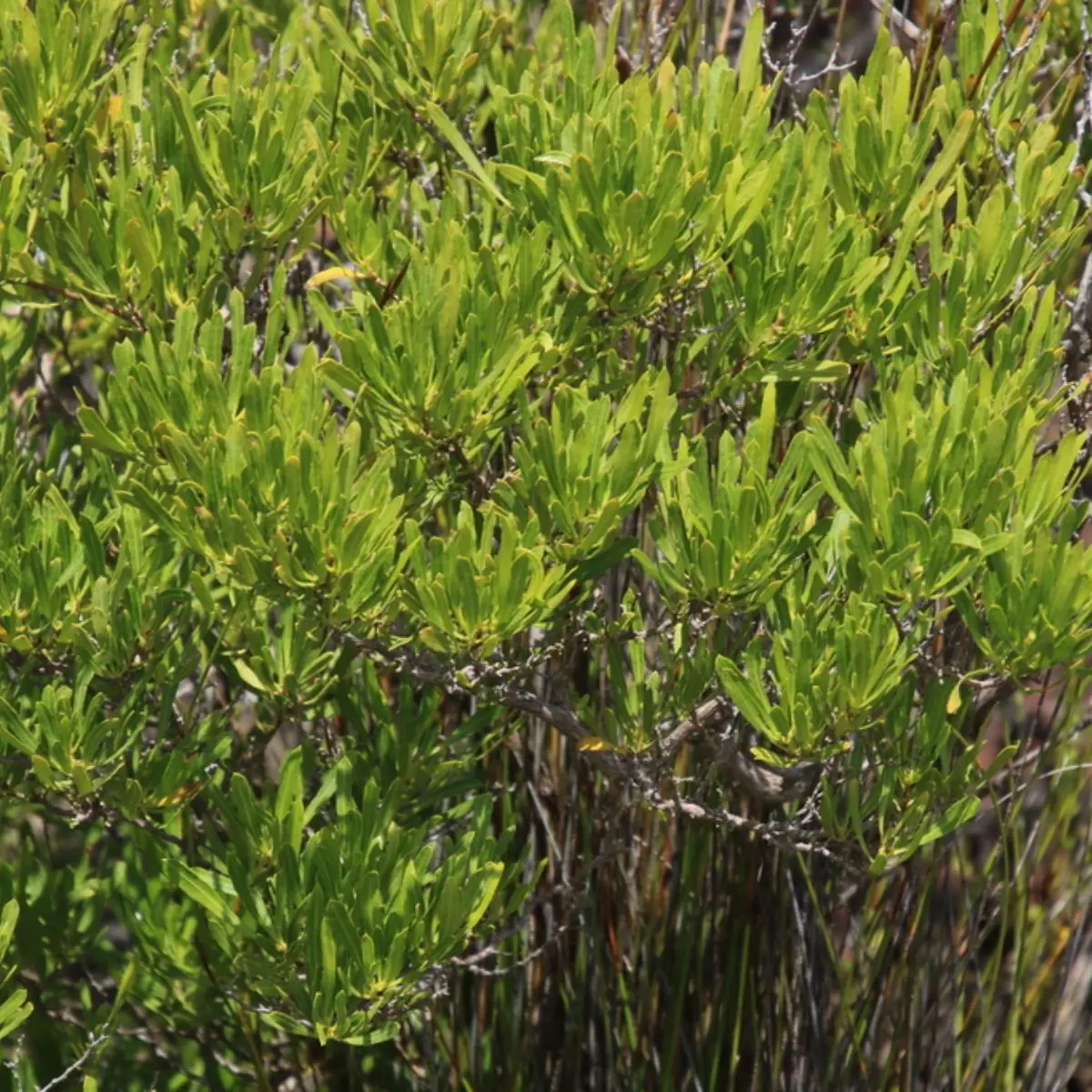
The plant is willow-like in appearance but extremely drought tolerant, and its most distinguishing feature is the highly decorative, papery 3 sided seed pod.

This species is notable for its extremely wide distribution, which it achieved only over the last 2 million years (from its region of origin in Australia) via oceanic dispersal, with distribution equal to some of the world’s greatest transoceanic dispersers. Named to honor 16th-century botanist Rembert Dodoens, this species of flowering plant in the Dodonaea genus has a cosmopolitan distribution in tropical, subtropical and warm temperate regions of Africa, the Americas, southern Asia and Australasia. The wood is extremely resilient (the Maori call it Ake Ake which means forever and ever) and excellent for tool handles and other crafty projects.

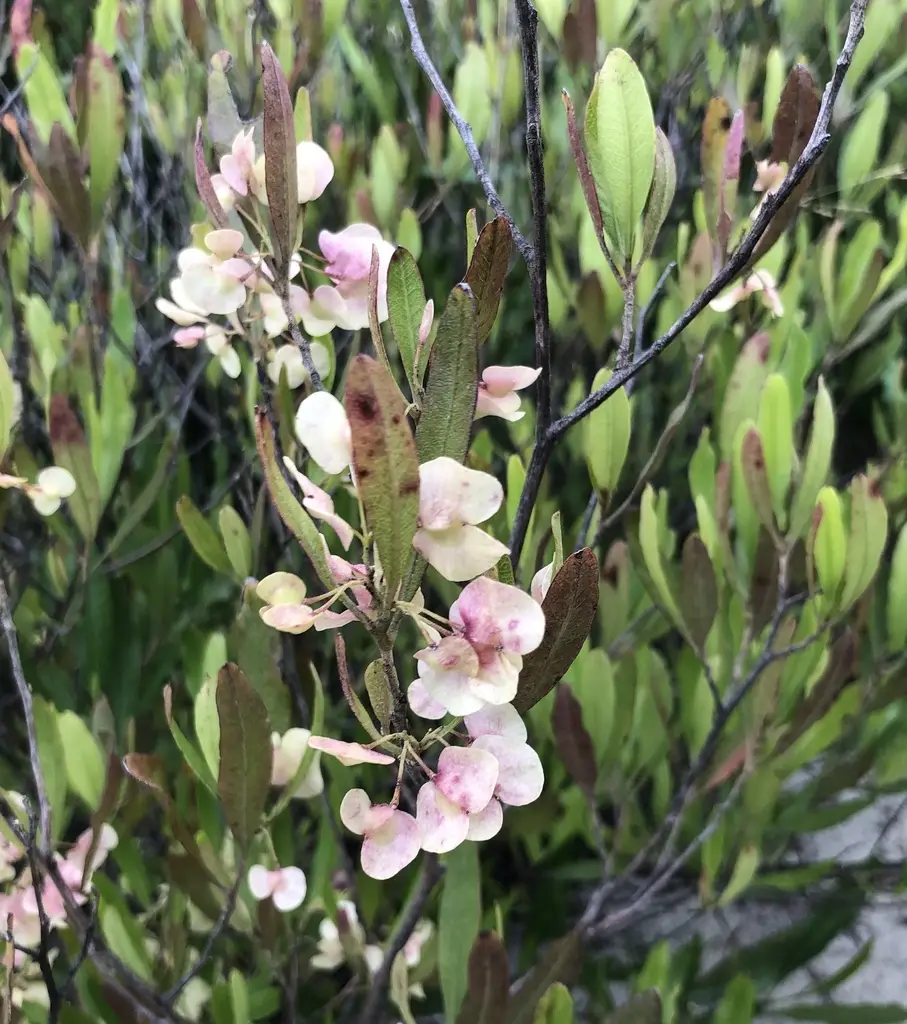
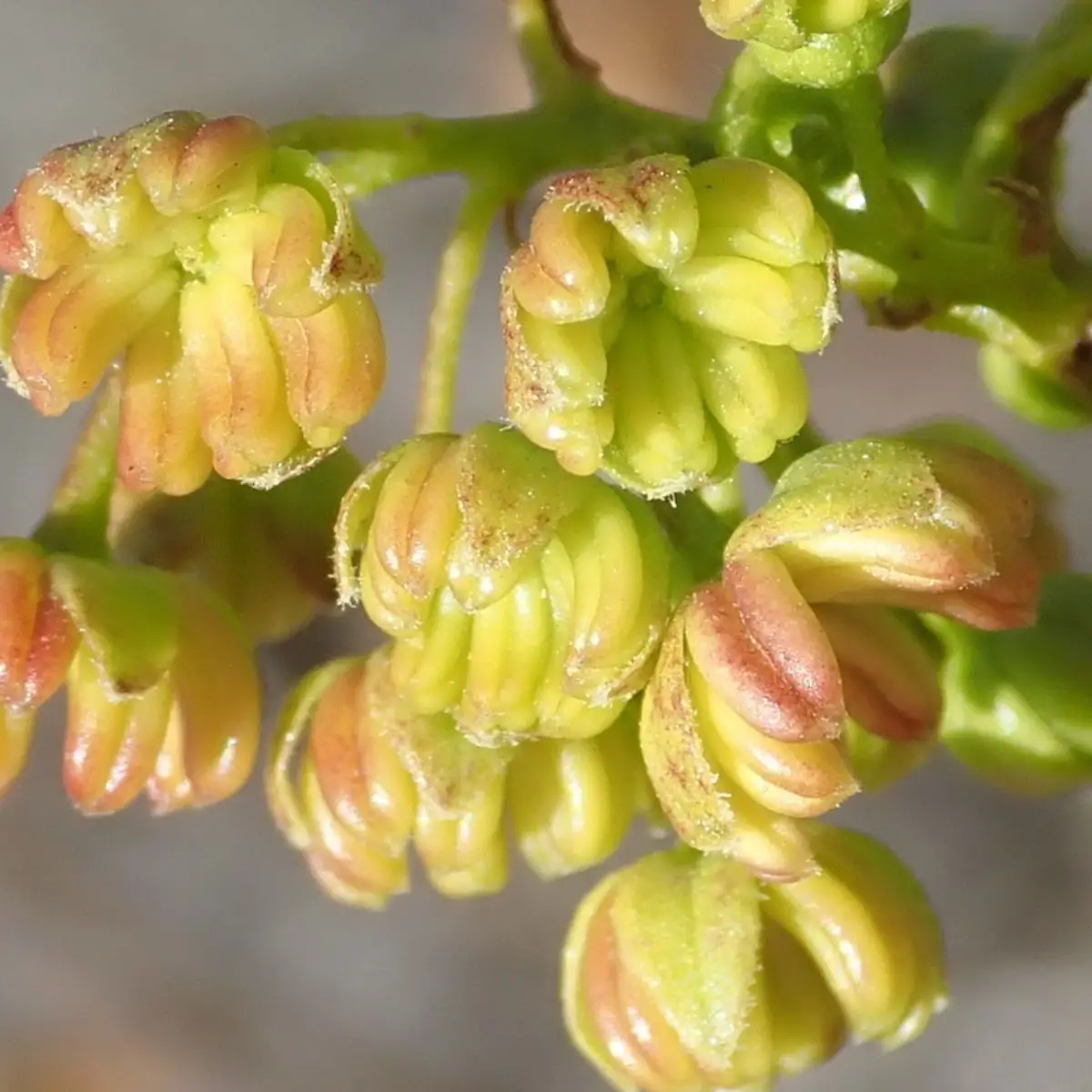
What truly ignites passion: The seed capsules, only produced from female flowers, can be greenish-white, straw yellow, pink, orangish, light red, brick red, or reddish-purple, and often a mottled combination of colors. The contrast between the leaves and seed capsules is striking. But beyond visual glory lies traditional medicine gold. This evergreen shrub is valued in Ayurveda for its anti-inflammatory, analgesic, and wound-healing properties. The leaves are anodyne, astringent, diaphoretic, febrifuge and vulnerary, applied internally in the treatment of fevers and externally used to treat toothache, sore throats, wounds, skin rashes and stings. The leaves are apparently effective in the treatment of toothache if they are chewed without swallowing the juice. This pan-tropical tree has been used for a variety of medicinal uses, typically as an extract or tea, with the list varying from skin rashes, to sore throats, to stomach ailments, to a variety of serious diseases. It was also used to stimulate lactation in mothers, as a dysentery treatment, to cure digestive system disorders, skin problems and rheumatism in Africa and Asia. For the craft-minded, this plant works well for bonsai projects, with small stature offering a beautiful bonsai work of art.

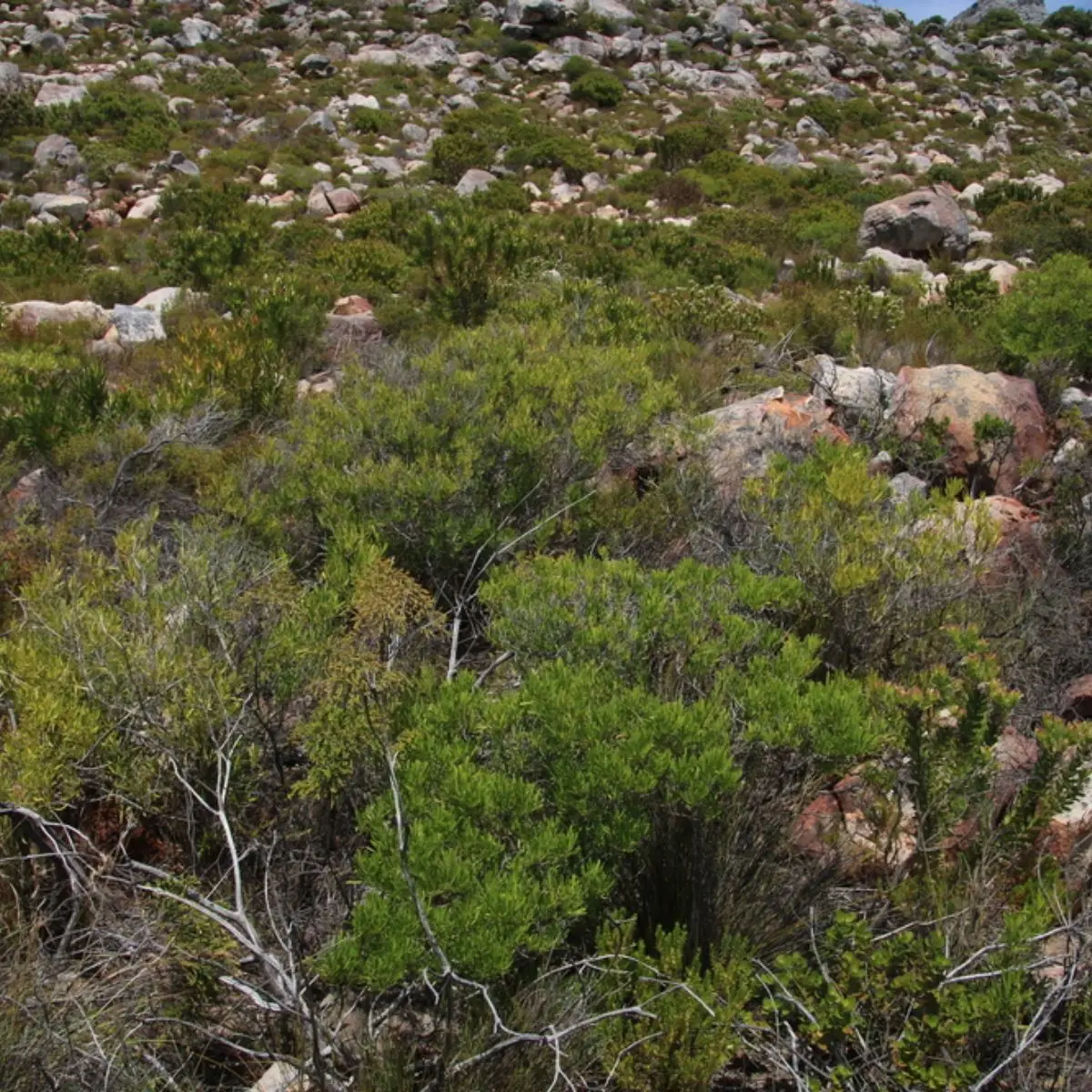
Cultivation is refreshingly straightforward—a gift to growers of all levels. It grows rapidly. Thrives in full sun but also tolerates partial shade. The “varnished” leaves of this plant have a resinous coating that is a protection against water loss, and this allows the plants to be exceptionally drought tolerant. Its wide distribution reflects its tolerance of heat, drought, wind, salt exposure, poor soils, and seasonally dry conditions. Requires well draining soil with pH 6.1-8.5 (slightly acidic to alkaline); this plant is very tolerant of soil types. Regular watering is necessary, but the soil should be allowed to dry out almost completely between waterings; can withstand occasional dry spells. Full sun to light shade lover, easily grown in well-drained soils, tolerates dry sandy or rocky soils, salt spray, and windy areas, drought-tolerant once established, but will also take regular water. Tolerates pruning well, even severe cuts, can be shaped into a hedge, windbreak, or kept natural. In containers, traditionally raised as an ornamental or container plant, plant in full sun to part shade, requires little care or pruning but will tolerate shearing if desired.

Grow Dodonaea viscosa and you’re cultivating more than a shrub—you’re nurturing an ancient healer, a botanical time-tr

Germination Guide

🌍 Australia
Moderate

Dodonaea viscosa (Hopbush) is a cosmopolitan evergreen shrub native to Australia, found in tropical, subtropical and warm temperate regions worldwide. Seeds have physical dormancy with water-impermeable coat, successfully broken by scarification.

Germination
Germination time
Expect germination in

10 – 42 days

Temperature

Min 5°C
Ideal 25°C
Max 25°C

Light
☁️ Indifferent

Substrate moisture
💧 Medium

Sowing depth
Lightly covered

Germination rate
91 %


Seed Pre-treatment
  • 💧

    Soaking — 24 hours
    Soak in hot water or treat with sulfuric acid to break water-impermeable seed coat
  • 🔨

    Chemical scarification
    H2SO4 (10 min) or hot water immersion (10 min) or dry heat (50°C, 1 min) - acid treatment achieved 91% germination
  • ❄️


    Cold stratification — 42 days at 4°C
  • 📋

    Additional notes
    Physical dormancy due to water-impermeable seed coat; mechanical scarification, chemical (H2SO4), hot water or heat treatments all effective; untreated seeds only 30% germination

Substrate & Container
Recommended substrate
sterile medium or well-draining seed starting mix

Recommended container
Dibble tubes or seed trays


Growing Tips
Light has little effect on germination; avoid salinity in medium; seeds sensitive to osmotic inhibition; germination may take several weeks; store dry seeds for extended periods; propagate in shade house with 50% shade after last frost; keep warm and moist but avoid waterlogging

Reviews

There are no reviews yet.

Only logged in customers who have purchased this product may leave a review.

Related Products