Description
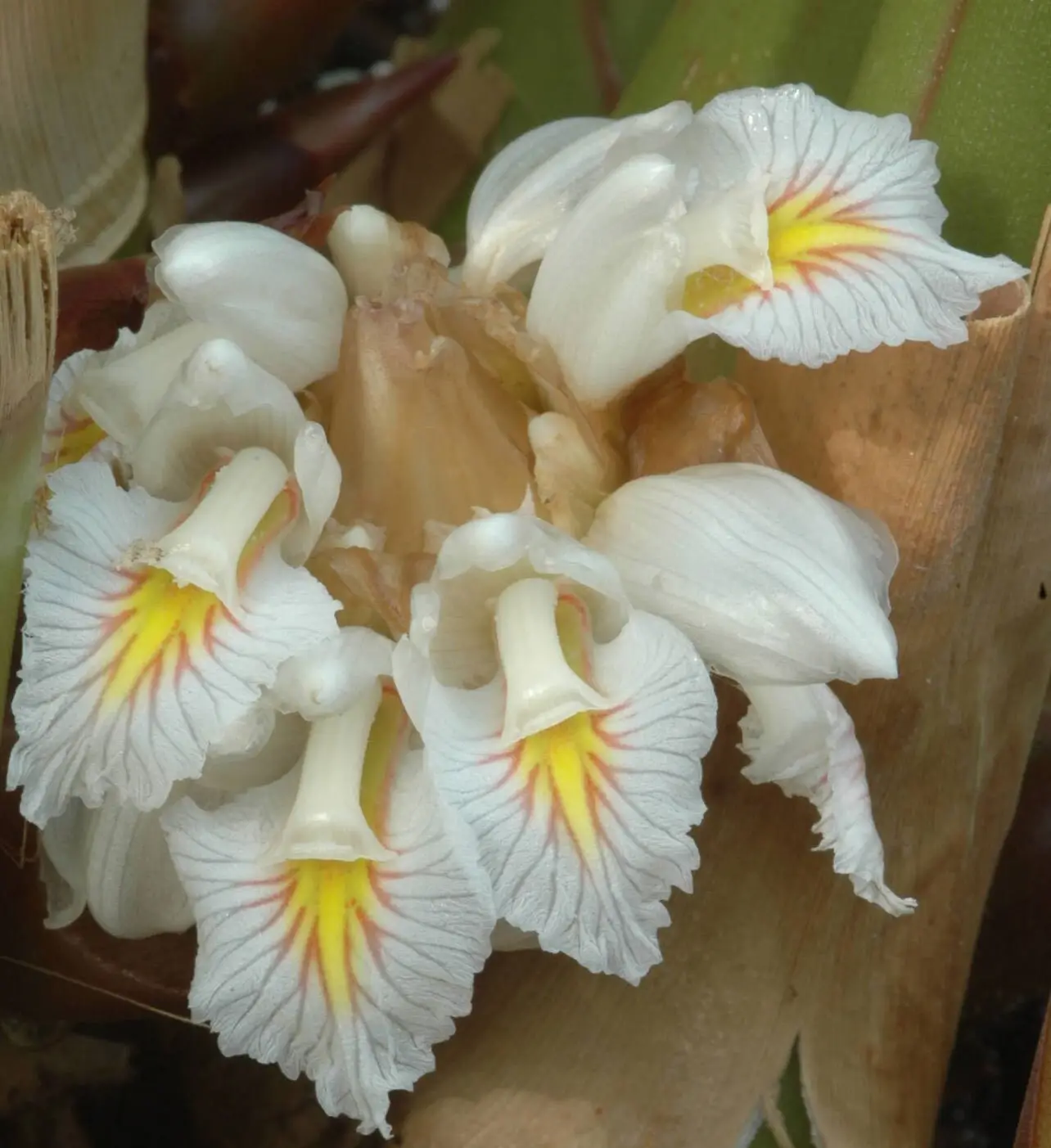
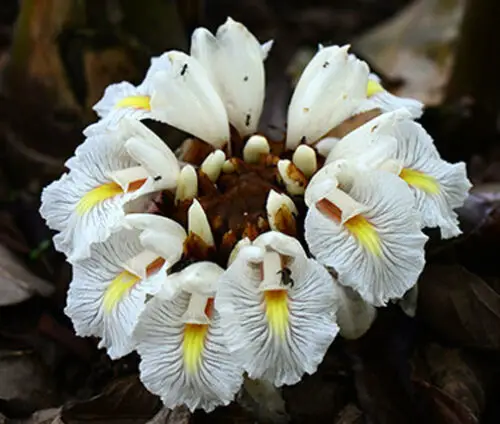
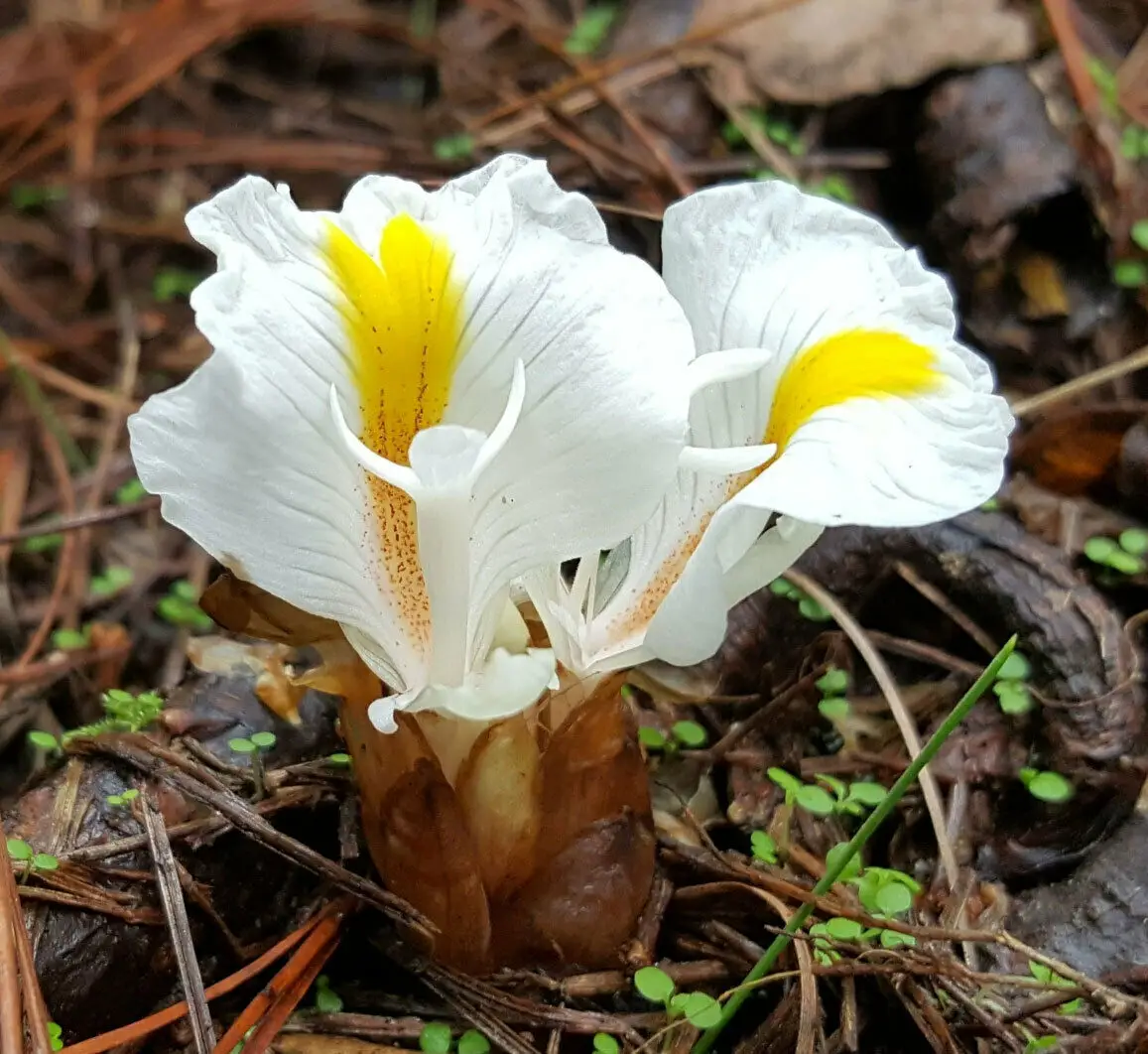
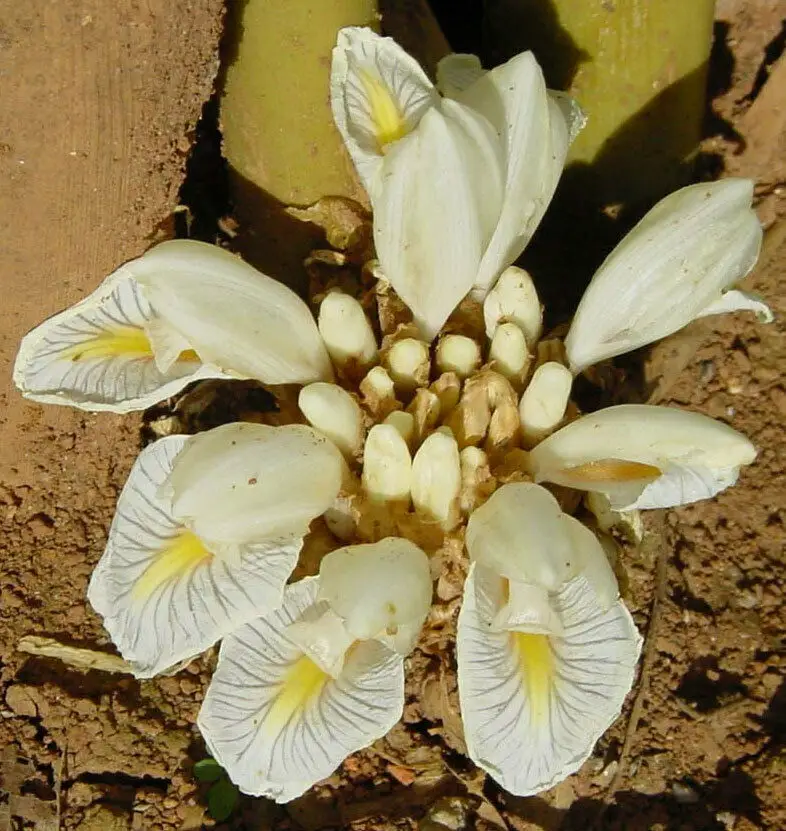
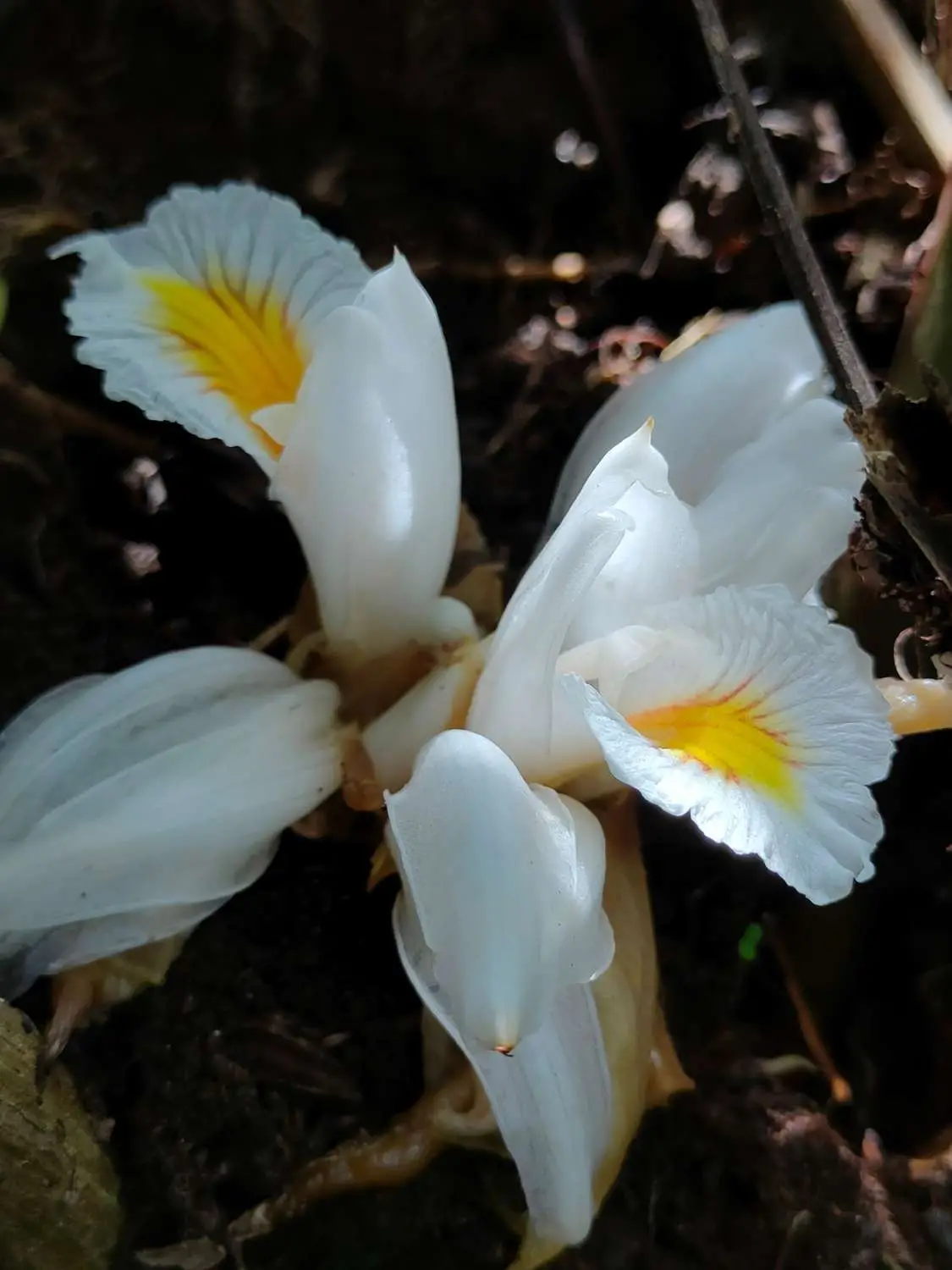
Java Cardamom is a tall, leafy plant that grows 1 to 3.5 meters high. It produces round clusters of flowers about 3 to 5 cm across, held on short stalks. The flowers are mostly white, with yellow and red markings on the lip, and sit among reddish bracts that add a splash of color.
The leaves are long and narrow, up to 70 cm, bright green on top and velvety beneath, giving the plant a lush tropical look. After flowering, it forms purple-green, ellipsoid capsules with winged ribs, each about 2.5 to 3 cm long, which remain closed around the seeds.
Java Cardamom grows naturally in shady forests and hillsides across South and Southeast Asia, including India, Nepal, Bangladesh, and the Western Ghats, usually at altitudes of 600 to 800 meters.
Germination Guide
🌍 Tropical and Subtropical Asia including southern India, Sri Lanka, southern China to Indo-China and Papua
Difficult
Amomum maximum, commonly known as Java cardamom, is a tropical ginger family member native to Southeast Asia where seed pods are used as a spice. Germination is notoriously difficult due to the hard seed coat and physical dormancy, requiring mechanical scarification and water soaking pretreatment. Seeds typically germinate slowly and irregularly over 40-60 days under consistently warm and humid conditions.
Germination
Germination time
Expect germination in
40 – 60 days
Temperature
Min 22°C
Ideal 27°C
Max 32°C
Substrate moisture
💧💧 High
Sowing depth
Lightly covered
Seed Pre-treatment
-
💧
Soaking — 24 hours
Soak seeds in lukewarm water for 24 hours to help soften the seed coat and break dormancy.
-
🔨
Mechanical scarification
Gently rub seeds with fine sandpaper to scarify the hard seed coat. Chemical scarification with 2.5% nitric acid solution for a few minutes followed by thorough rinsing is an alternative for experienced growers. Soaking in thiourea solution has also shown success.
-
📋
Additional notes
Breaking seed dormancy through scarification and soaking is crucial due to the hard seed coat and physical dormancy characteristics of Amomum species.
Substrate & Container
Recommended substrate
Well-draining, humus-rich, slightly acidic potting mix with organic matter
Recommended container
Seed trays or pots with drainage holes, kept in warm humid location
Growing Tips
Keep soil consistently moist but not waterlogged to mimic native rainforest understory conditions. Provide partial shade or diffused light and maintain high humidity around seedlings. Germination is often slow and sporadic; patience is essential as seedling emergence may extend beyond 60 days. Once emerged, transplant seedlings when 3-4 months old and about 15 cm tall. Maintain warm temperatures of 22-30°C and never allow soil to dry out completely.
Only logged in customers who have purchased this product may leave a review.



Reviews
There are no reviews yet.