
Botanical name:Moringa oleifera
Common name: Moringa, Drumstick Tree, Horseradish Tree, And Ben Oil Tree, Benzolive Tree
Kingdom: Plantae
Clade: Tracheophytes
Clade: Angiosperms
Clade: Eudicots
Clade: Rosids
Order: Brassicales
Family: Moringaceae
Genus: Moringa
Species: M. oleifera
€2.95
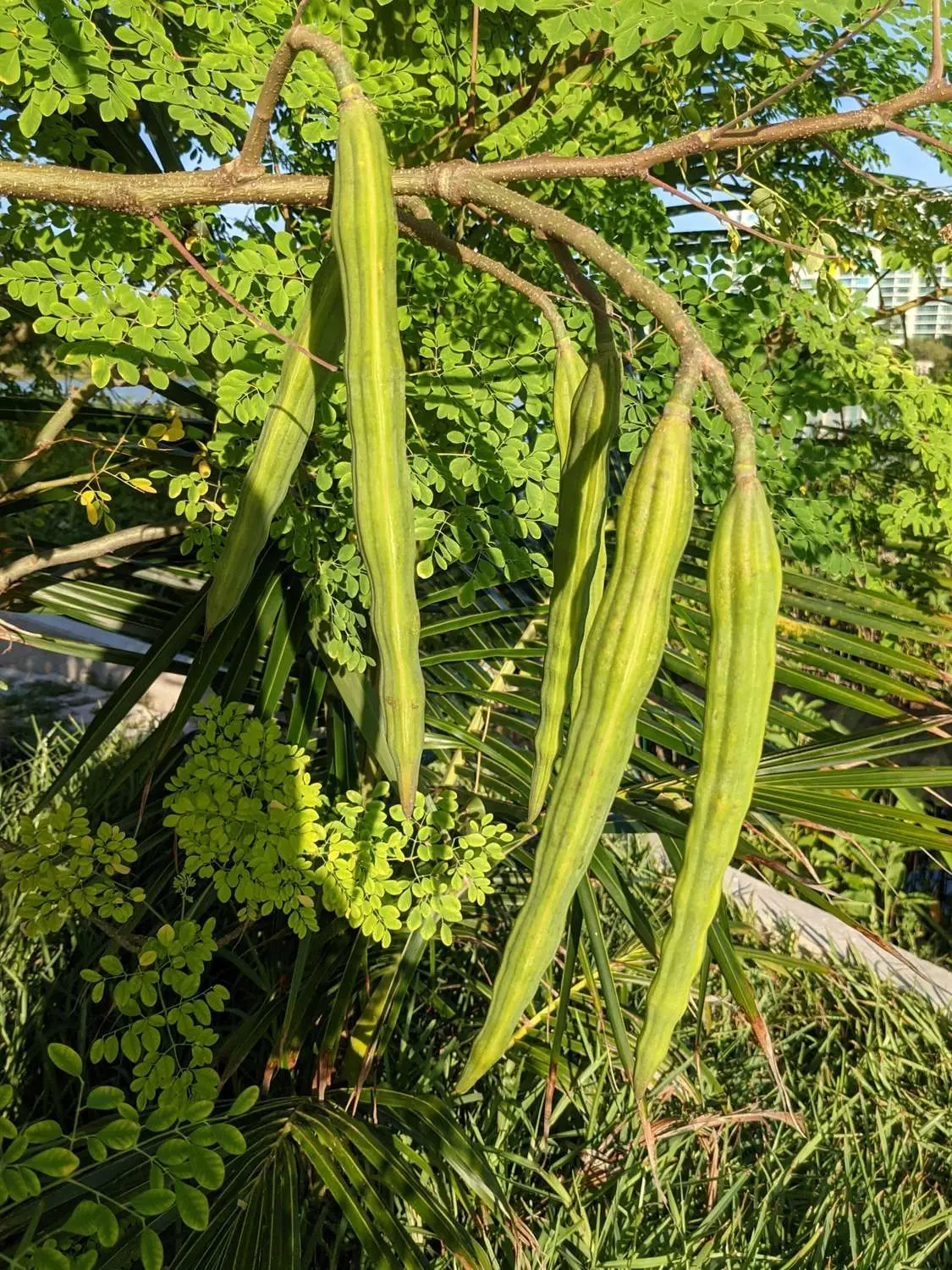
Moringa oleifera is a fast-growing, drought-resistant tree of the family Moringaceae, native to the Indian subcontinent. Common names include moringa, drumstick tree (from the long, slender, triangular seed-pods), horseradish tree (from the taste of the roots, which resembles horseradish), and ben oil tree or benzolive tree.
It is widely cultivated for its young seed pods and leaves, used as vegetables and for traditional herbal medicine. It is also used for water purification. Although listed as an invasive species in several countries, M. oleifera has “not been observed invading intact habitats or displacing native flora”, so “should be regarded at present as a widely cultivated species with low invasive potential.”
The genus name Moringa derives from the Tamil word, murungai, meaning “twisted pod”, alludes to the young fruit. The species name oleifera is derived from the Latin words oleum “oil” and ferre “to bear”.
The plant has numerous common names across regions where it is cultivated, with drumstick tree, horse radish tree or simply moringa used in English.
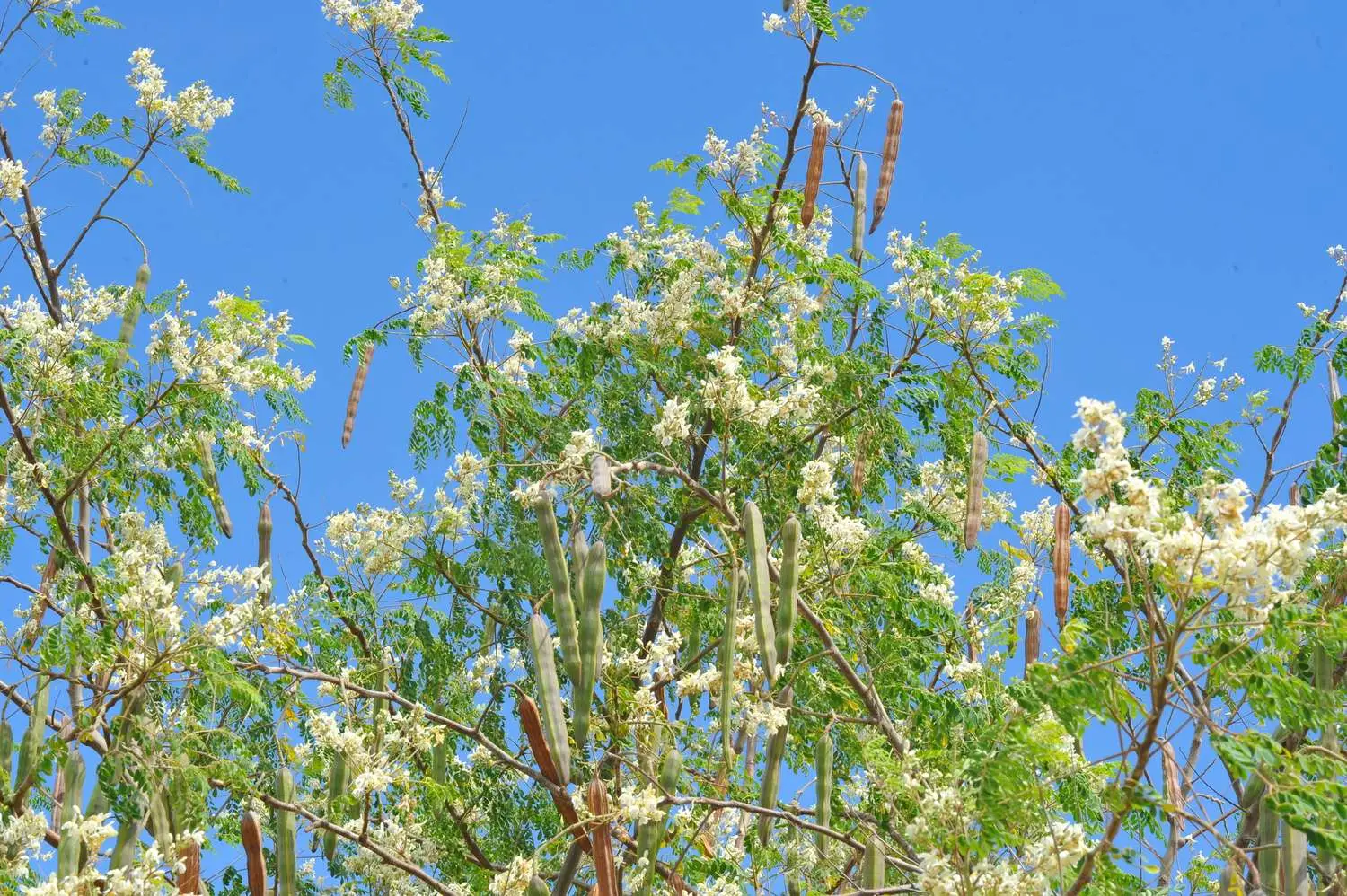
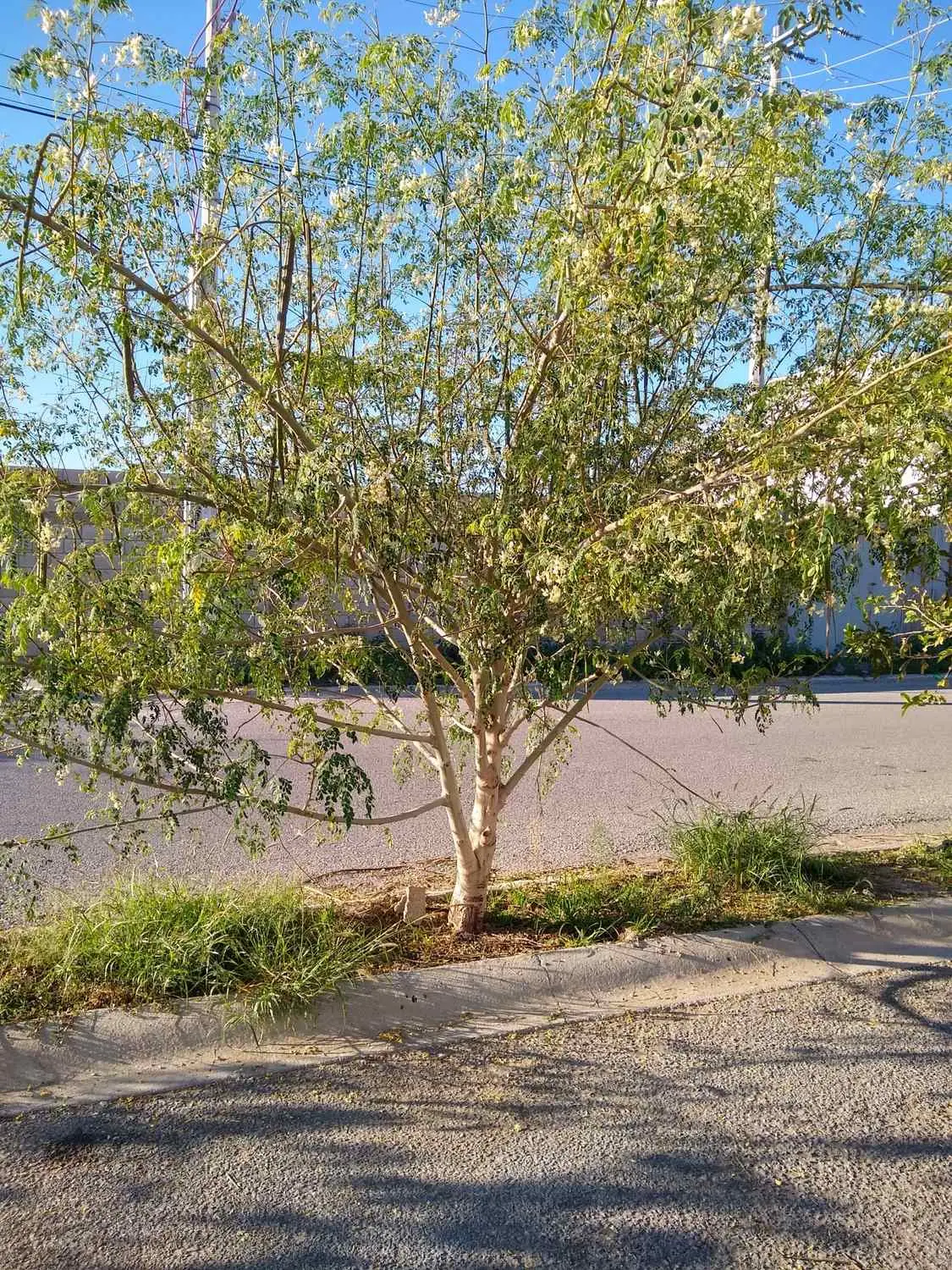
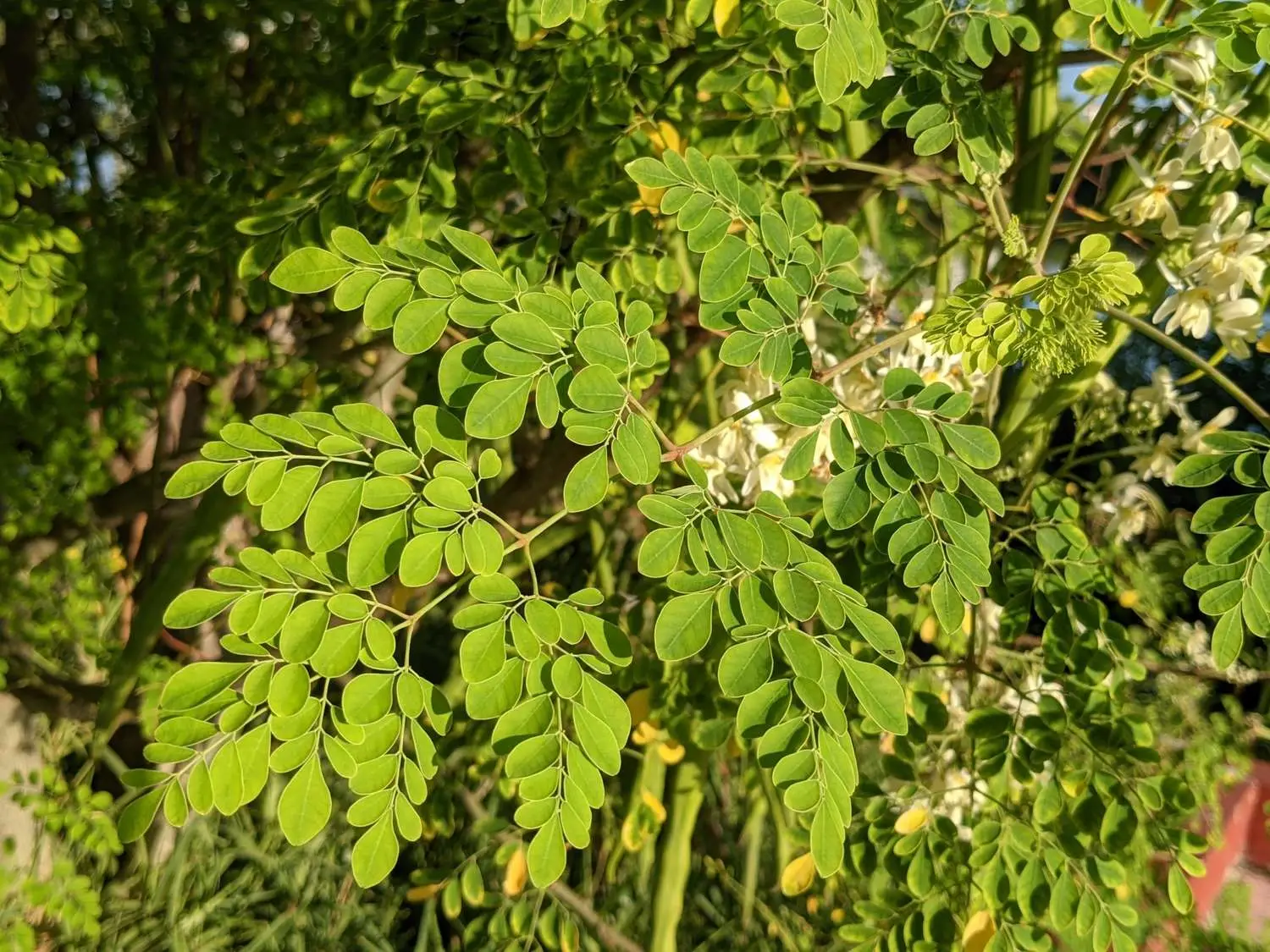
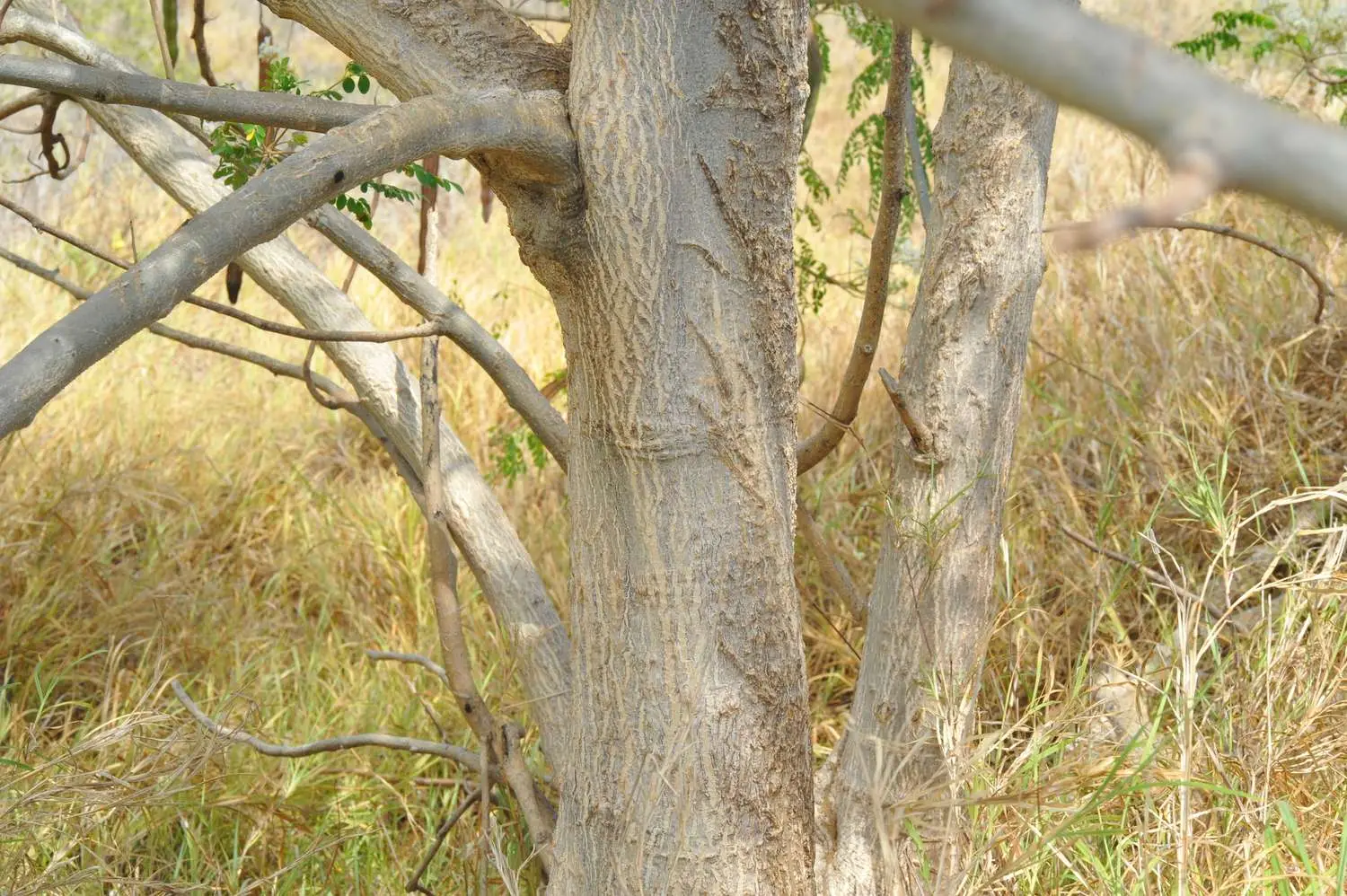
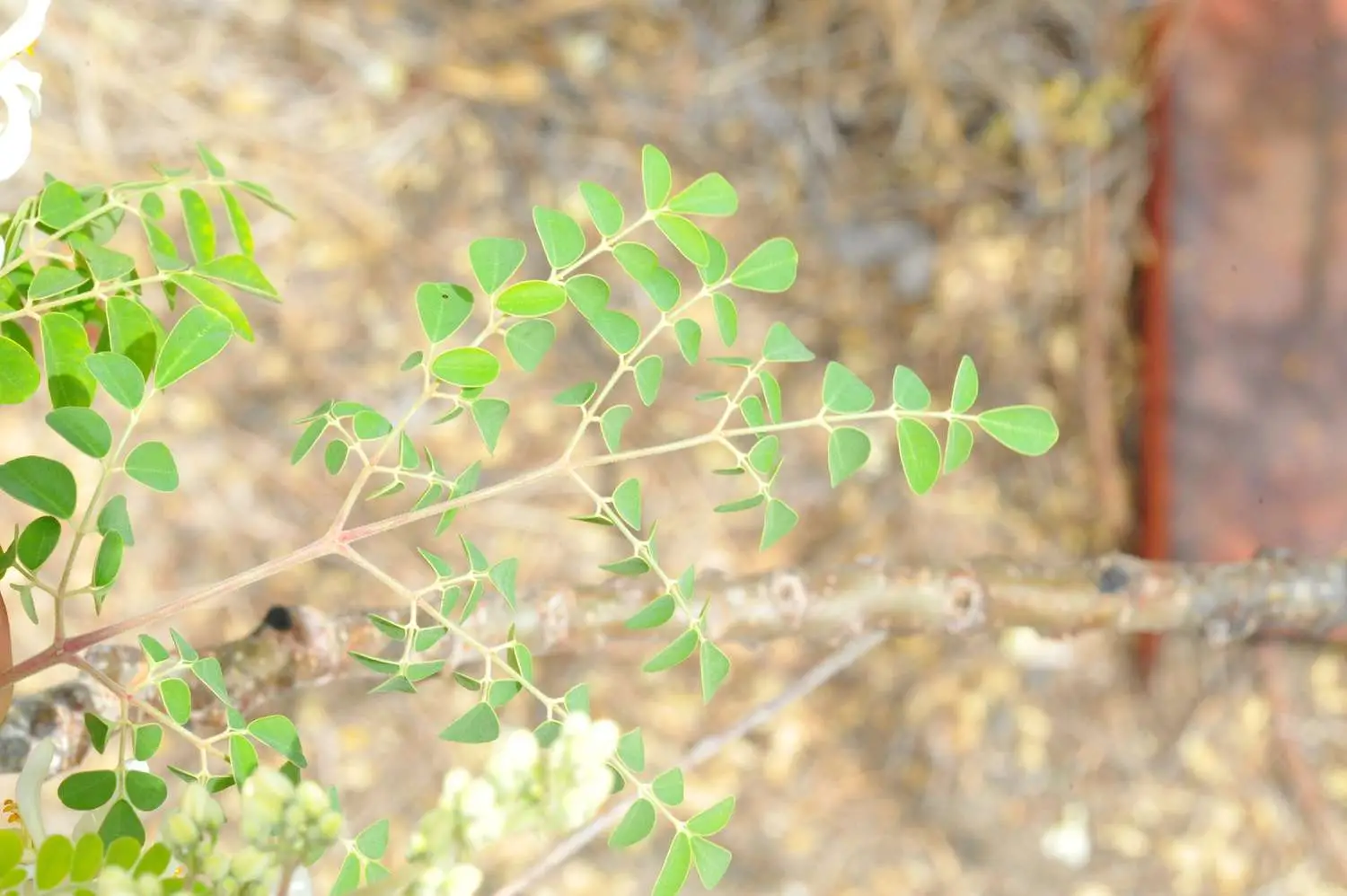
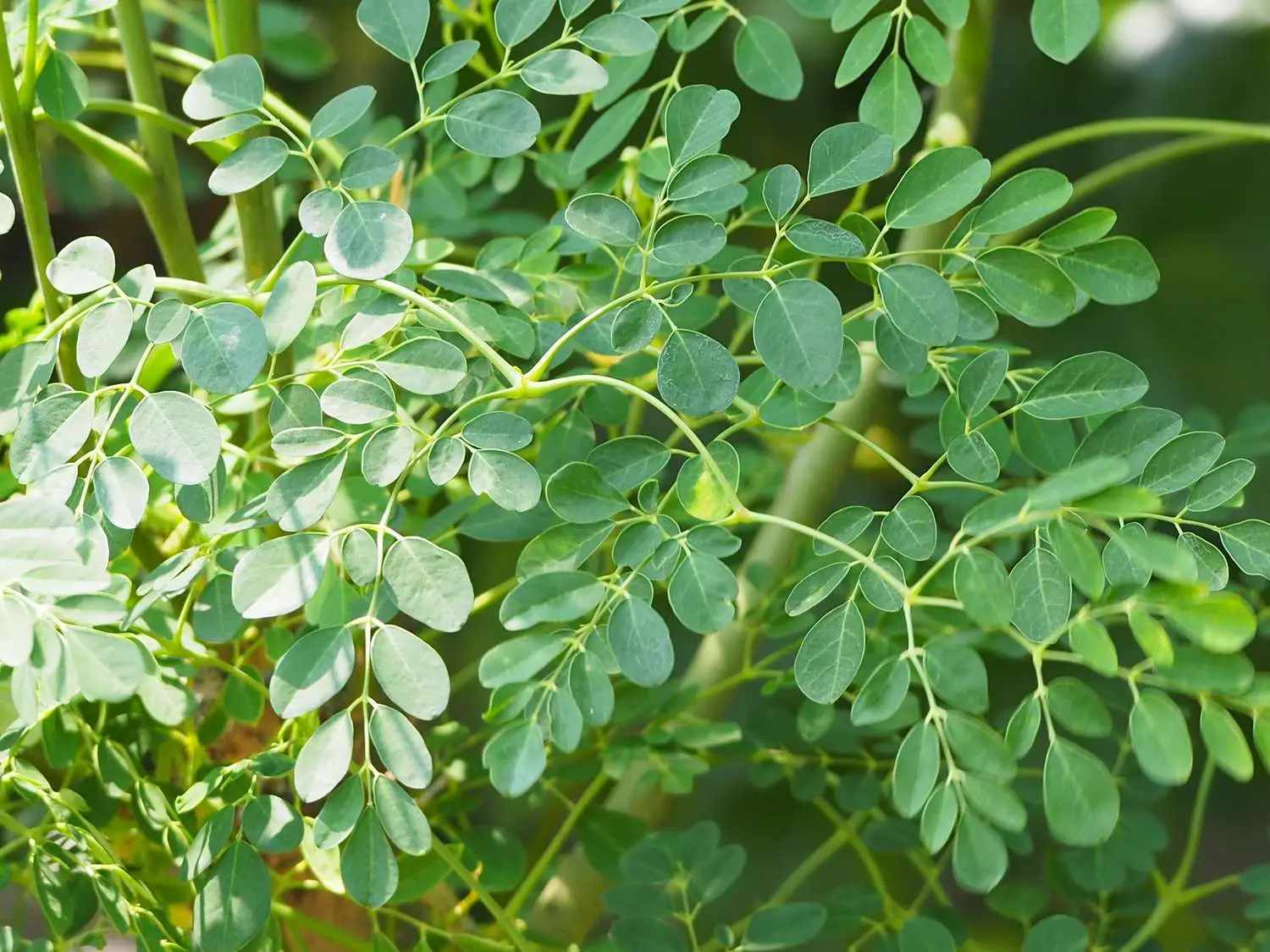
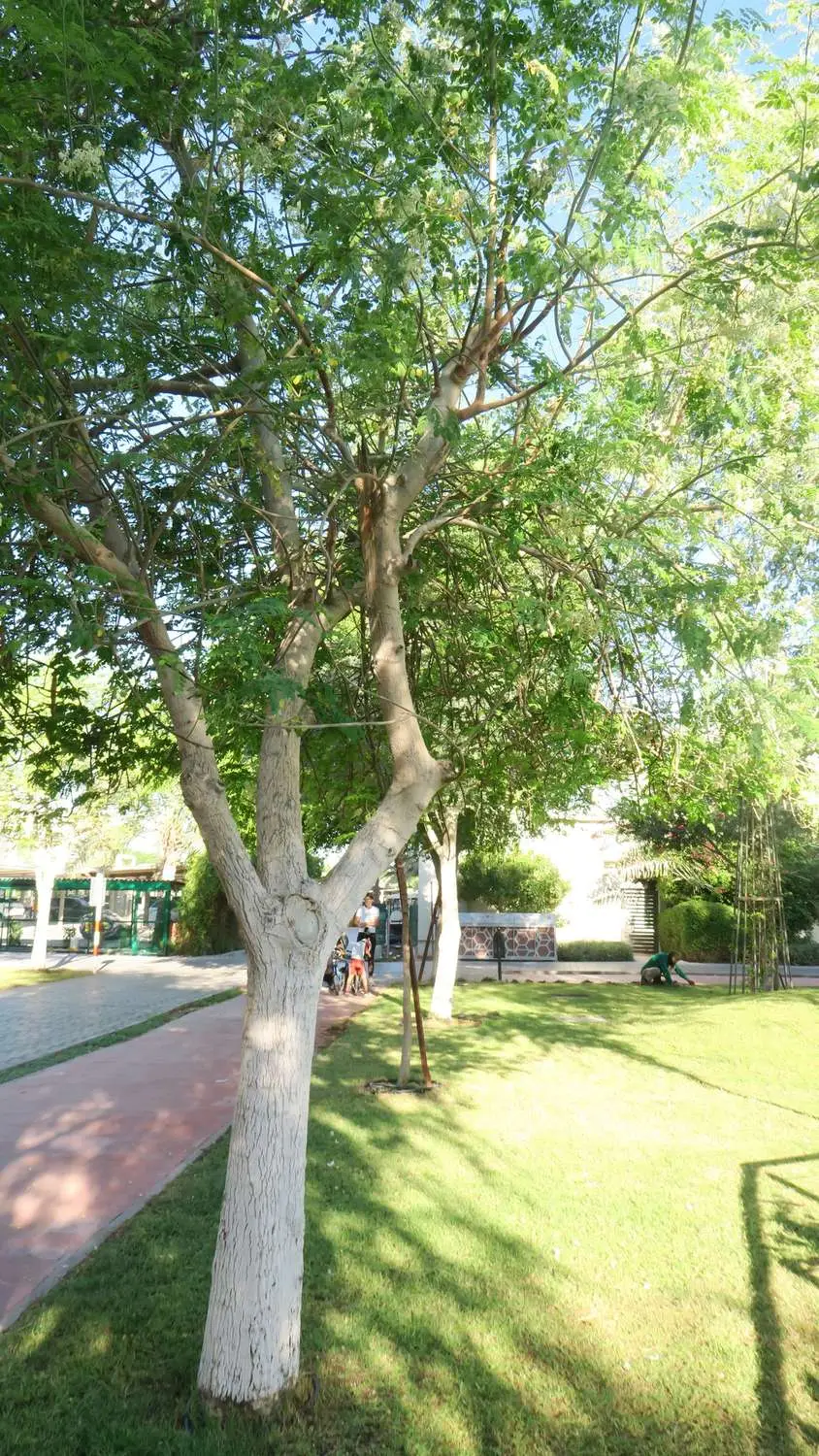
M. oleifera is a fast-growing, deciduous tree that can reach a height of 10–12 m (32–40 ft) and trunk diameter of 45 cm (1.5 ft). The bark has a whitish-grey color and is surrounded by thick cork. Young shoots have purplish or greenish-white, hairy bark. The tree has an open crown of drooping, fragile branches, and the leaves build up a feathery foliage of tripinnate leaves.
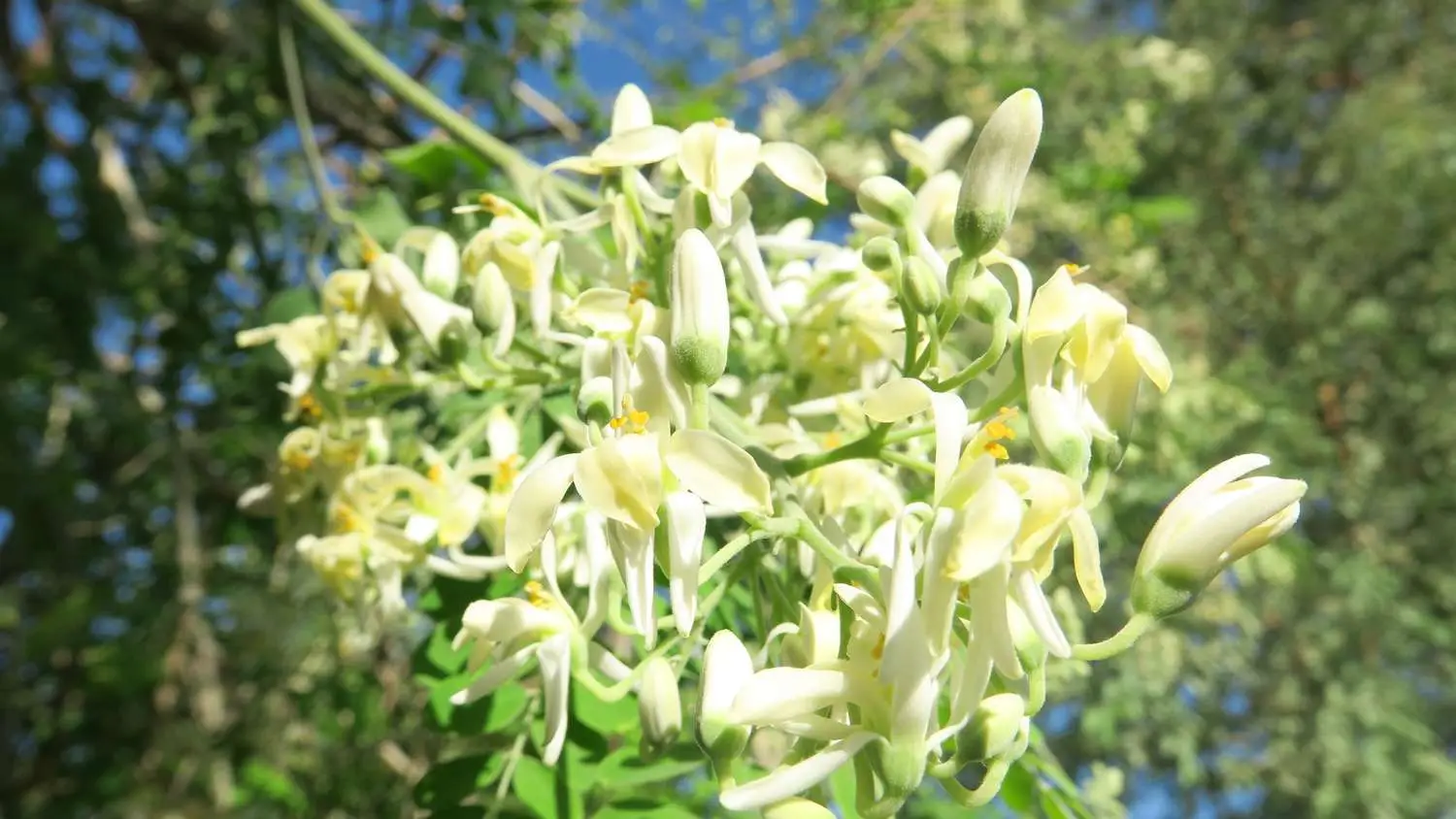
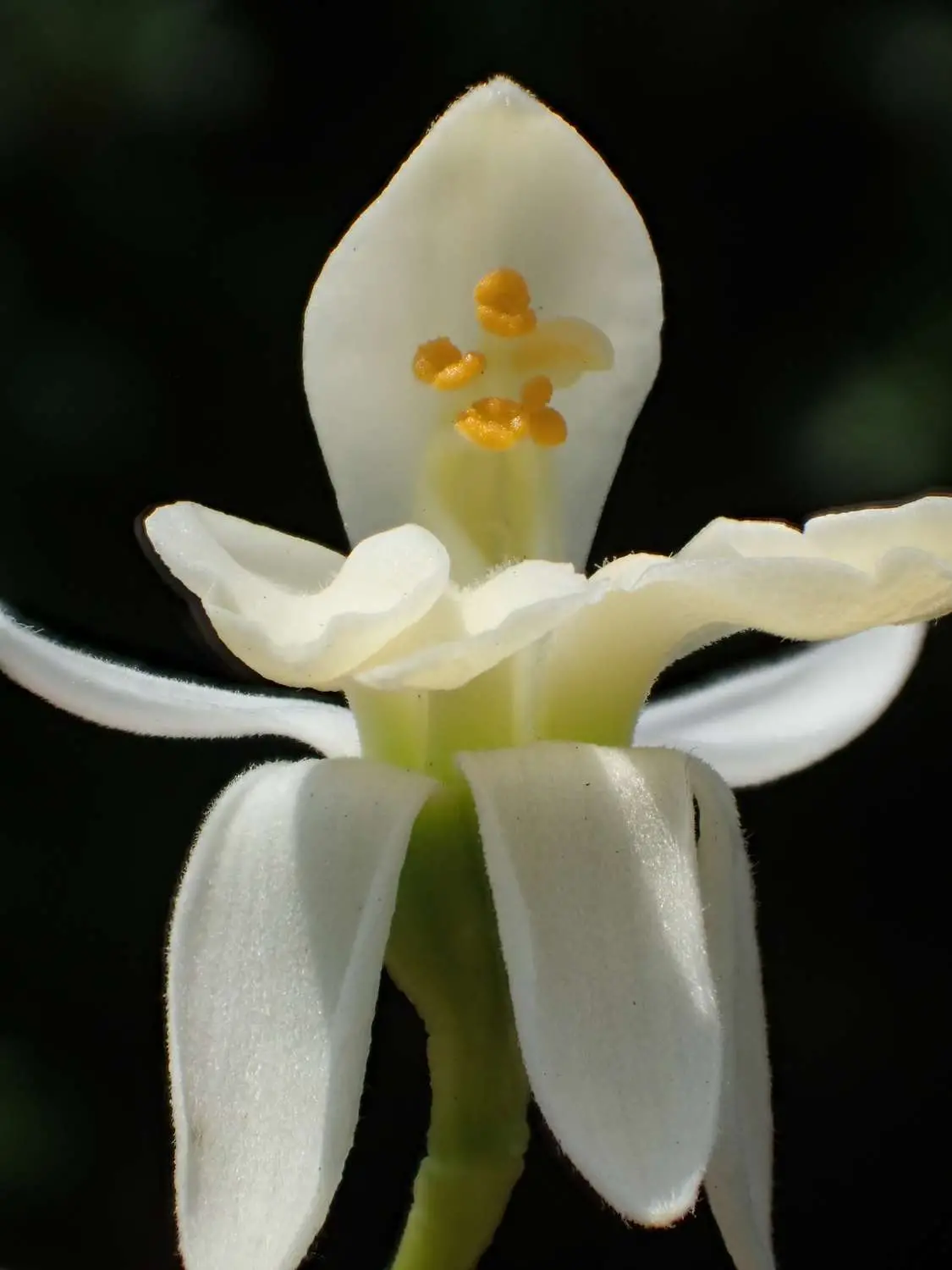
The flowers are fragrant and hermaphroditic, surrounded by five unequal, thinly veined, yellowish-white petals. The flowers are about 1.0–1.5 cm (1/2 in) long and 2.0 cm (3/4 in) broad. They grow on slender, hairy stalks in spreading or drooping flower clusters, which have a length of 10–25 cm.
Flowering begins within the first six months after planting. In seasonally cool regions, flowering only occurs once a year in late Spring and early Summer (northern hemisphere between April and June, southern hemisphere between October and December). In more constant seasonal temperatures and with constant rainfall, flowering can happen twice or even all year-round.
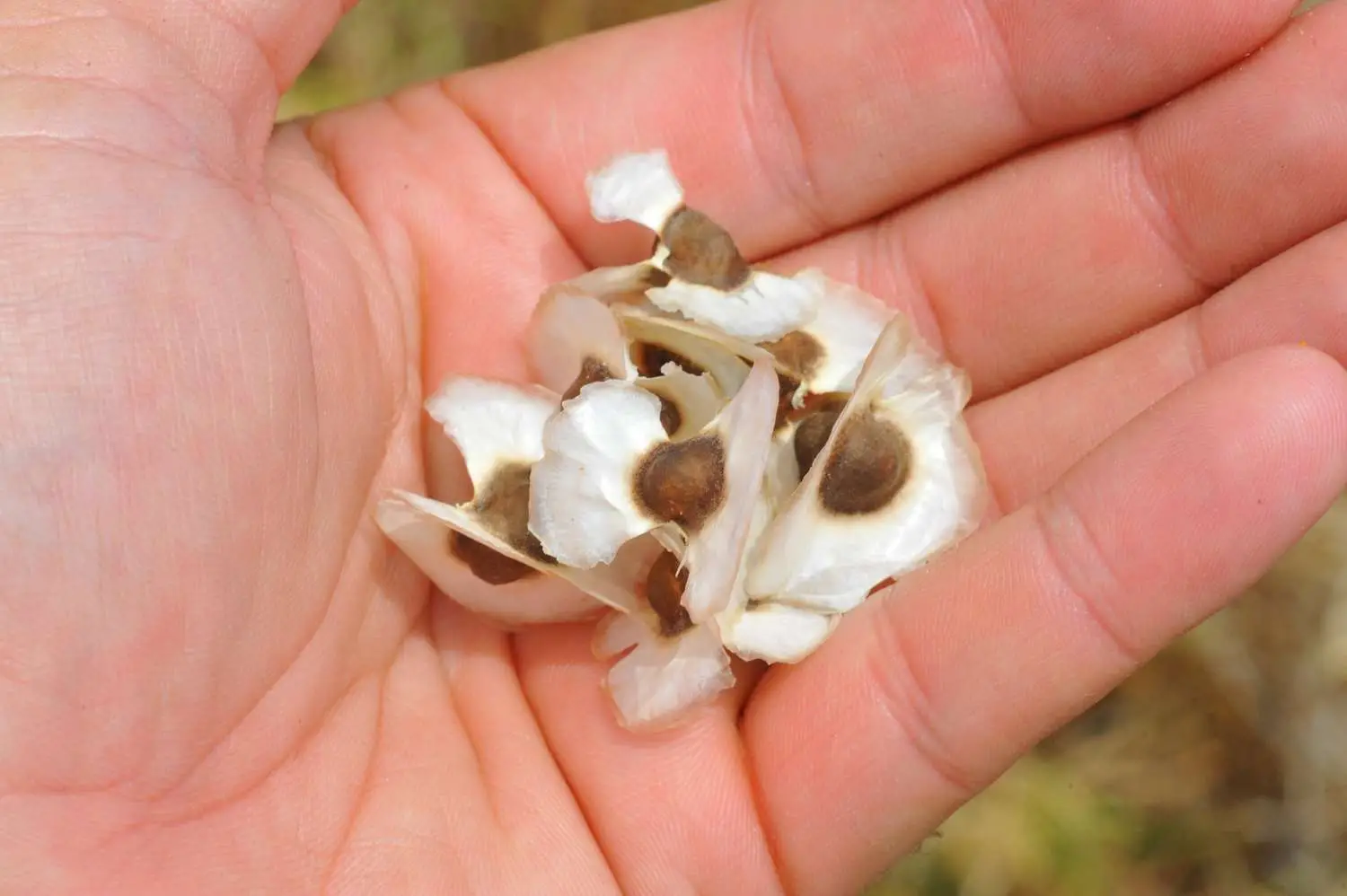
The fruit is a hanging, three-sided brown capsule of 20–45 cm size, which holds dark brown, globular seeds with a diameter around 1 cm. The seeds have three whitish papery wings and are dispersed by wind and water.
In cultivation, it is often cut back annually to 1–2 m (3–6 ft) and allowed to regrow so the pods and leaves remain within arm’s reach.
Only logged in customers who have purchased this product may leave a review.

Reviews
There are no reviews yet.