
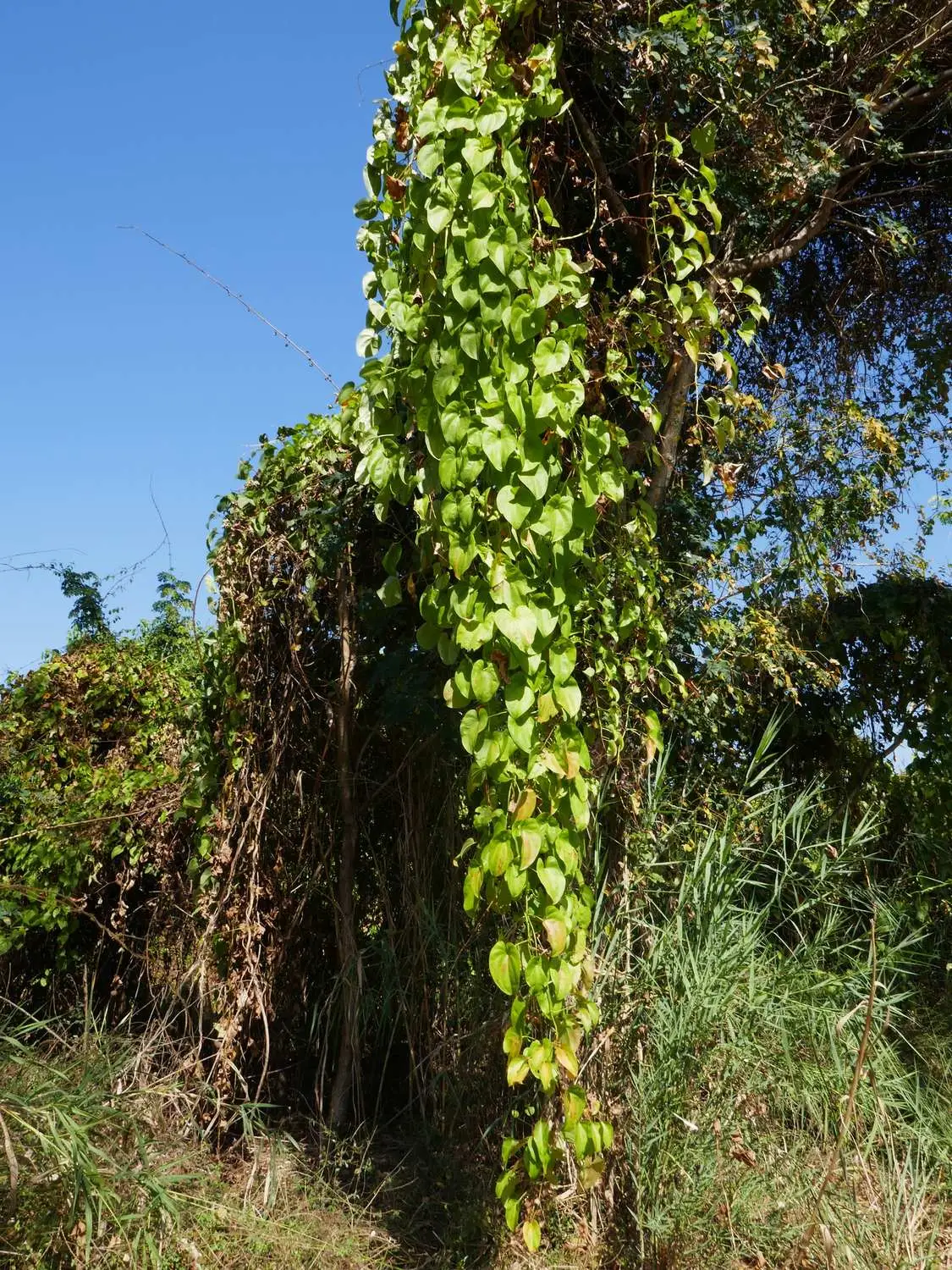
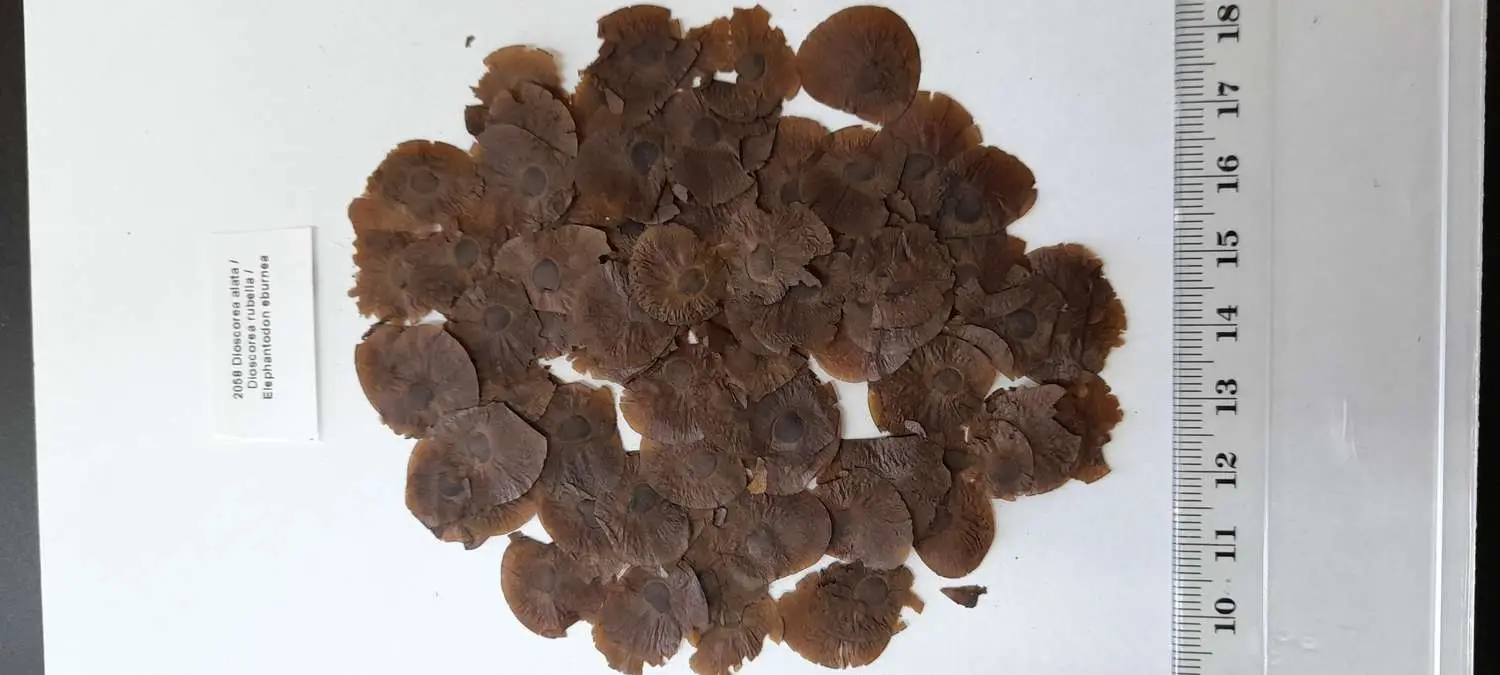
Botanical nomenclature: Dioscorea alata / Dioscorea rubella / Elephantodon eburnea
Common name: Purple yam, Ube, Greater Yam
Kingdom: Plantae
Clade: Tracheophytes
Clade: Angiosperms
Clade: Monocots
Order: Dioscoreales
Family: Dioscoreaceae
Genus: Dioscorea
Species: D. alata
€3.48
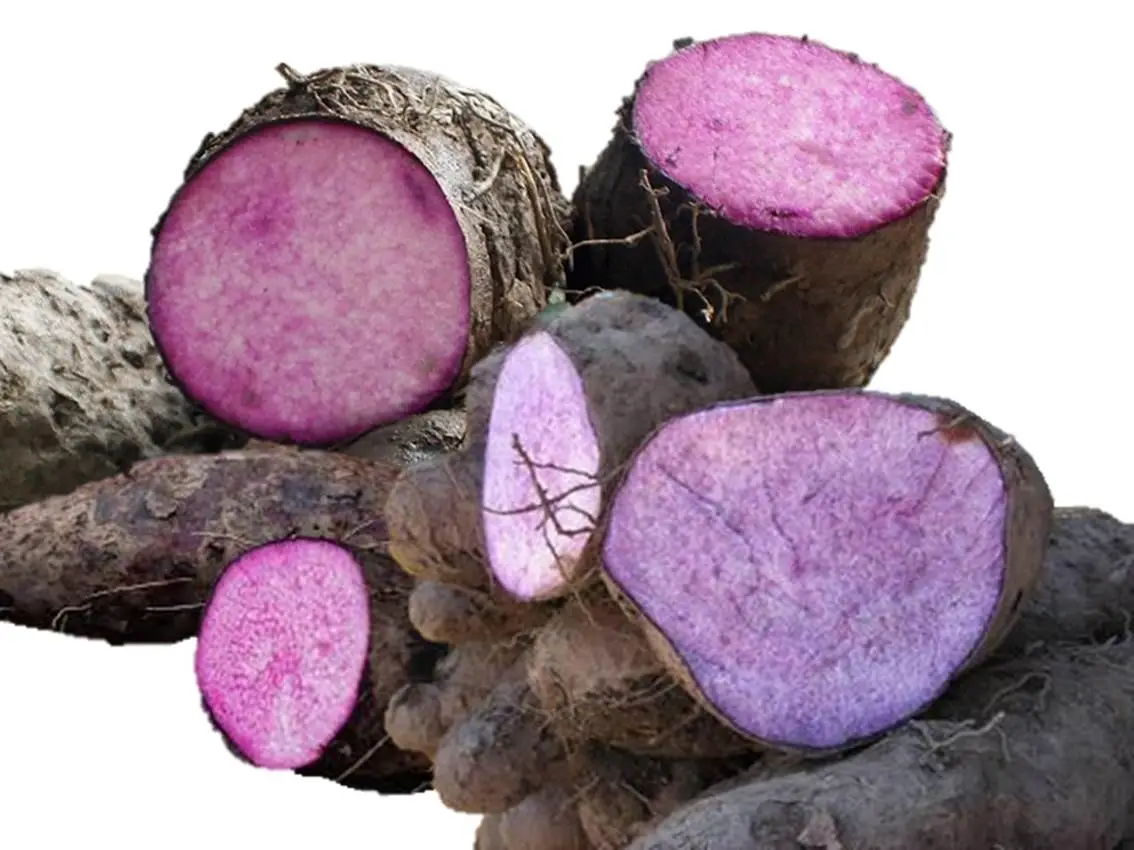
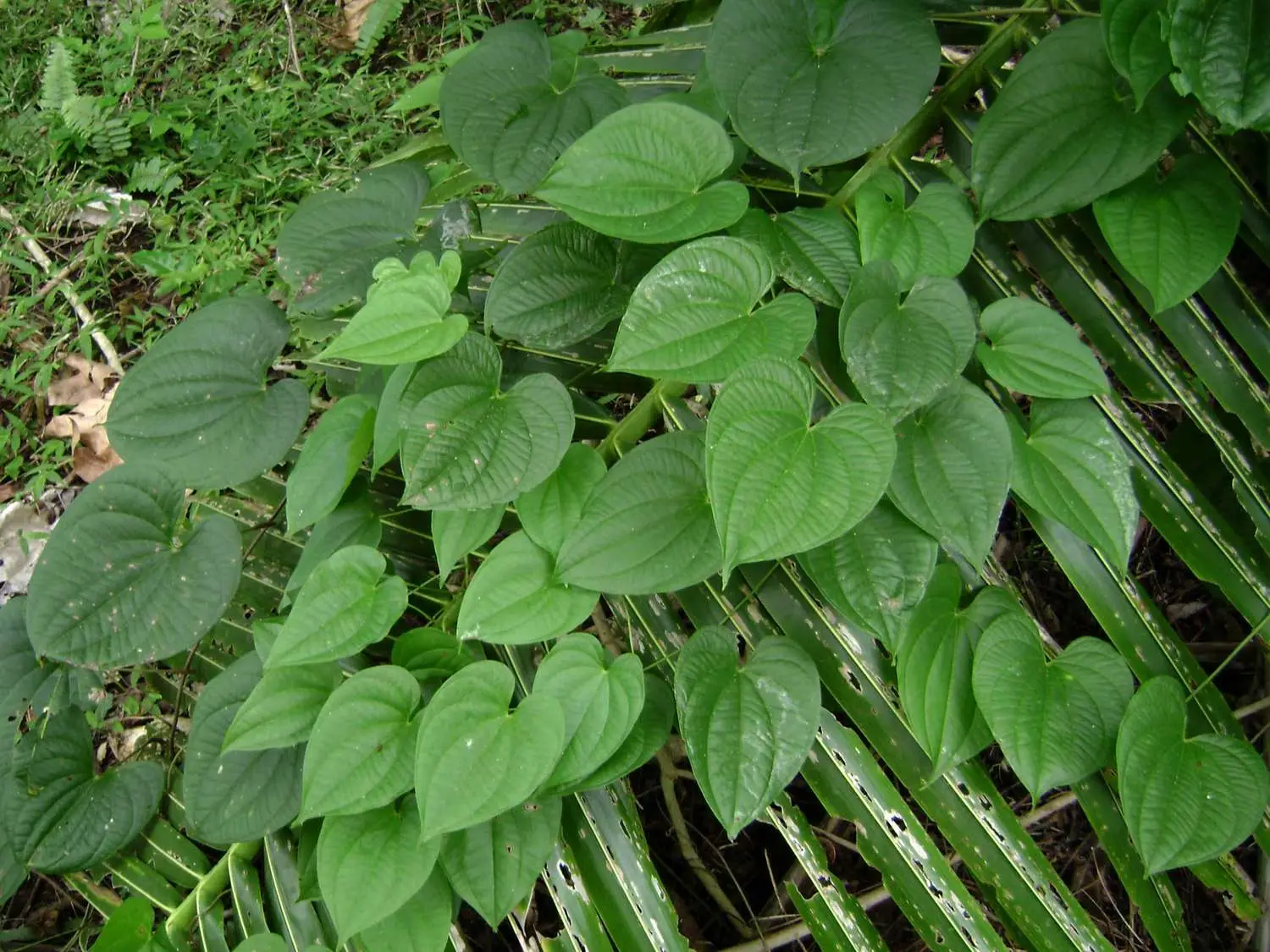
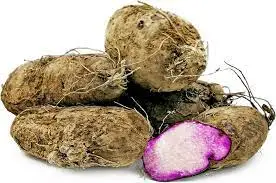
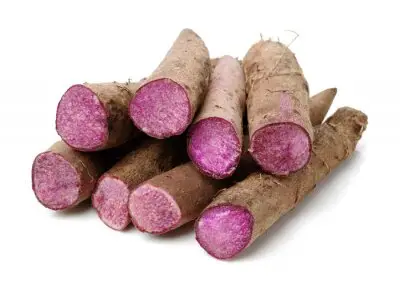
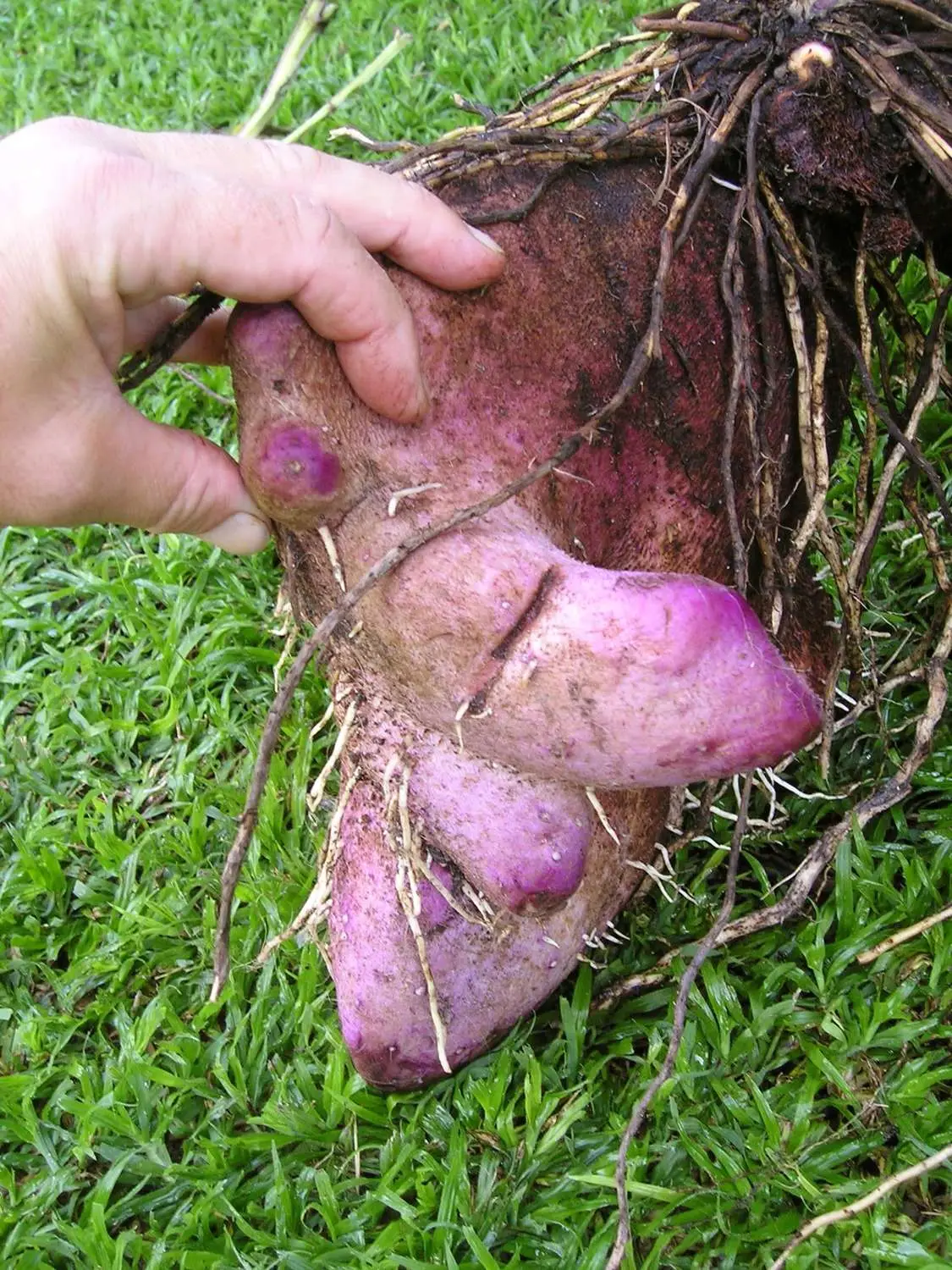
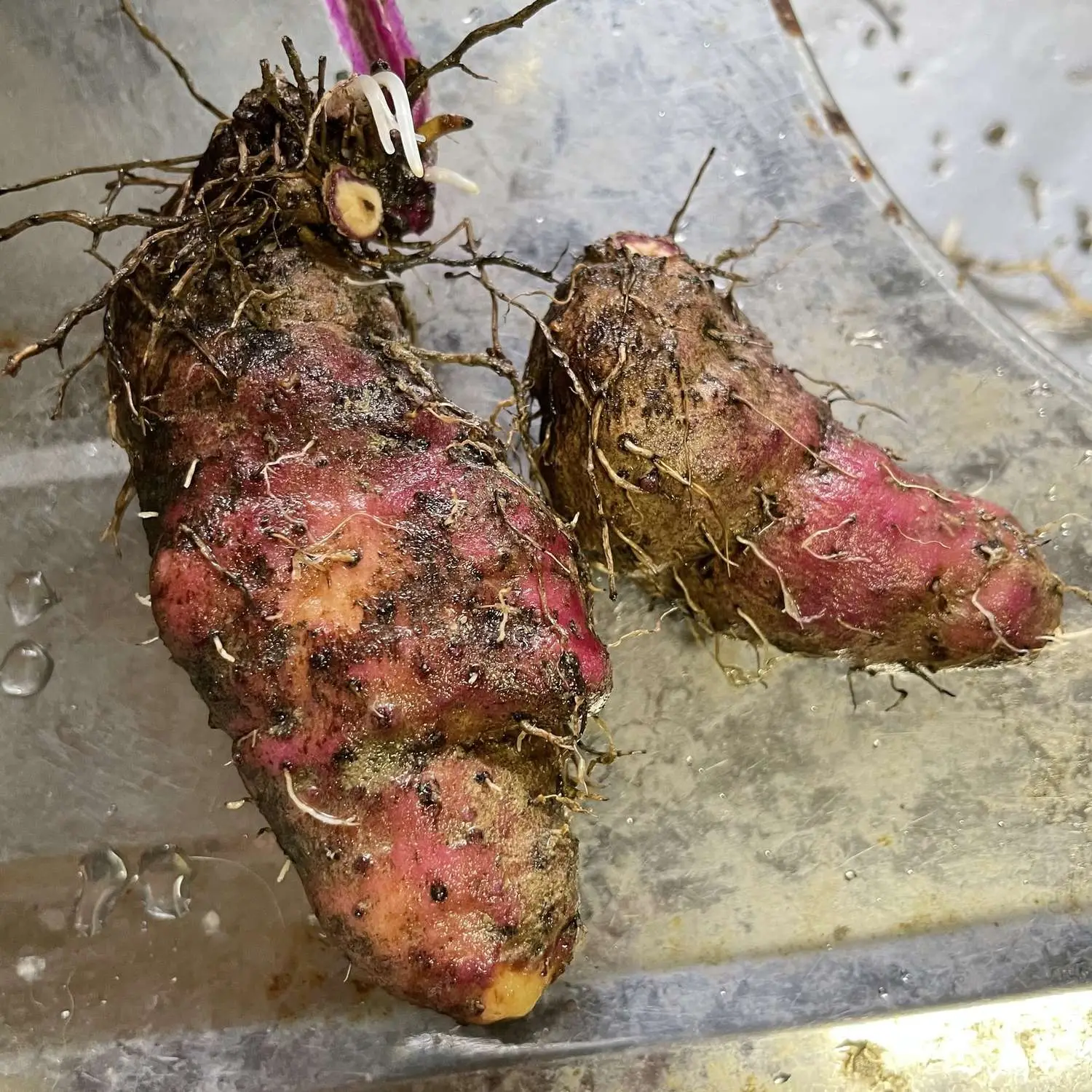
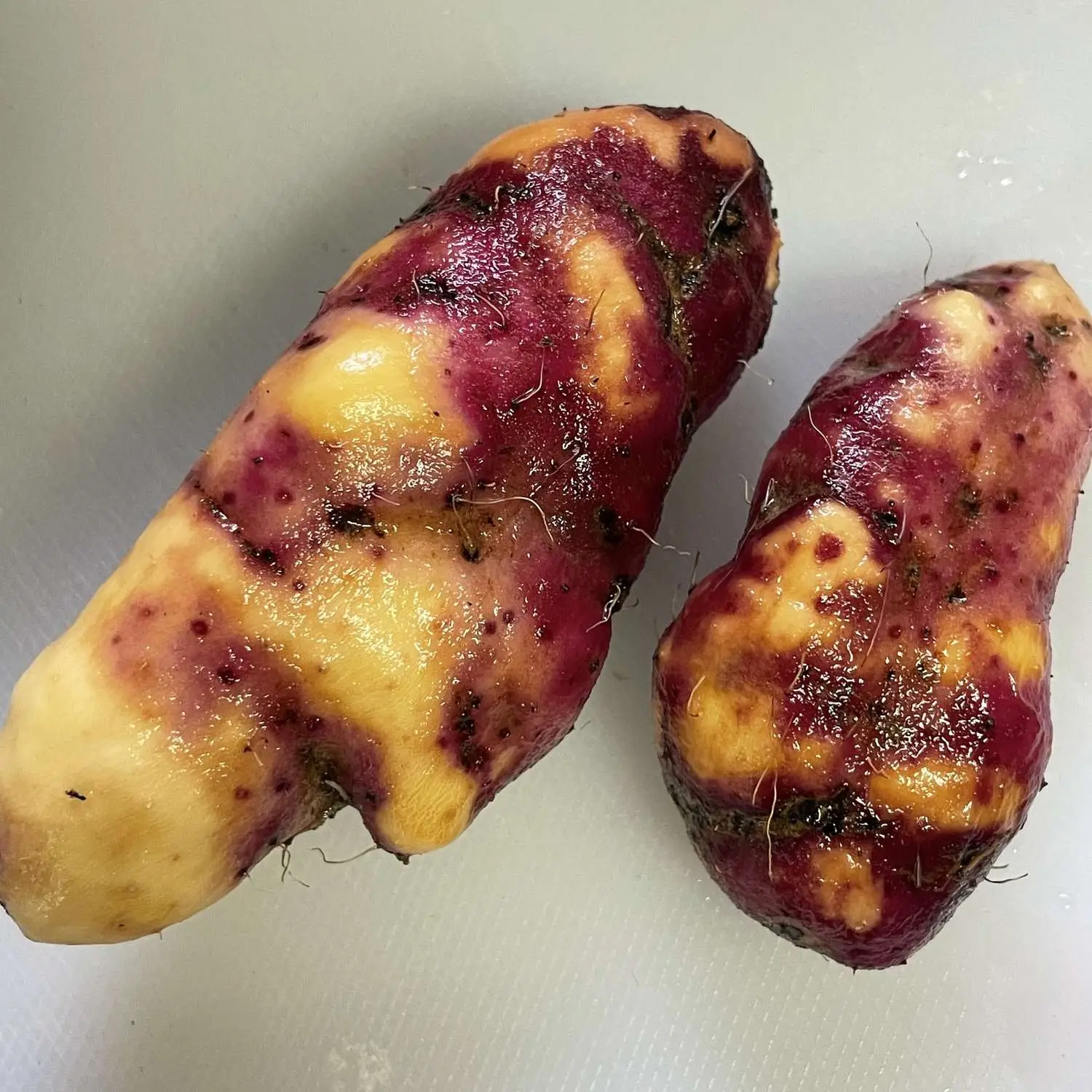
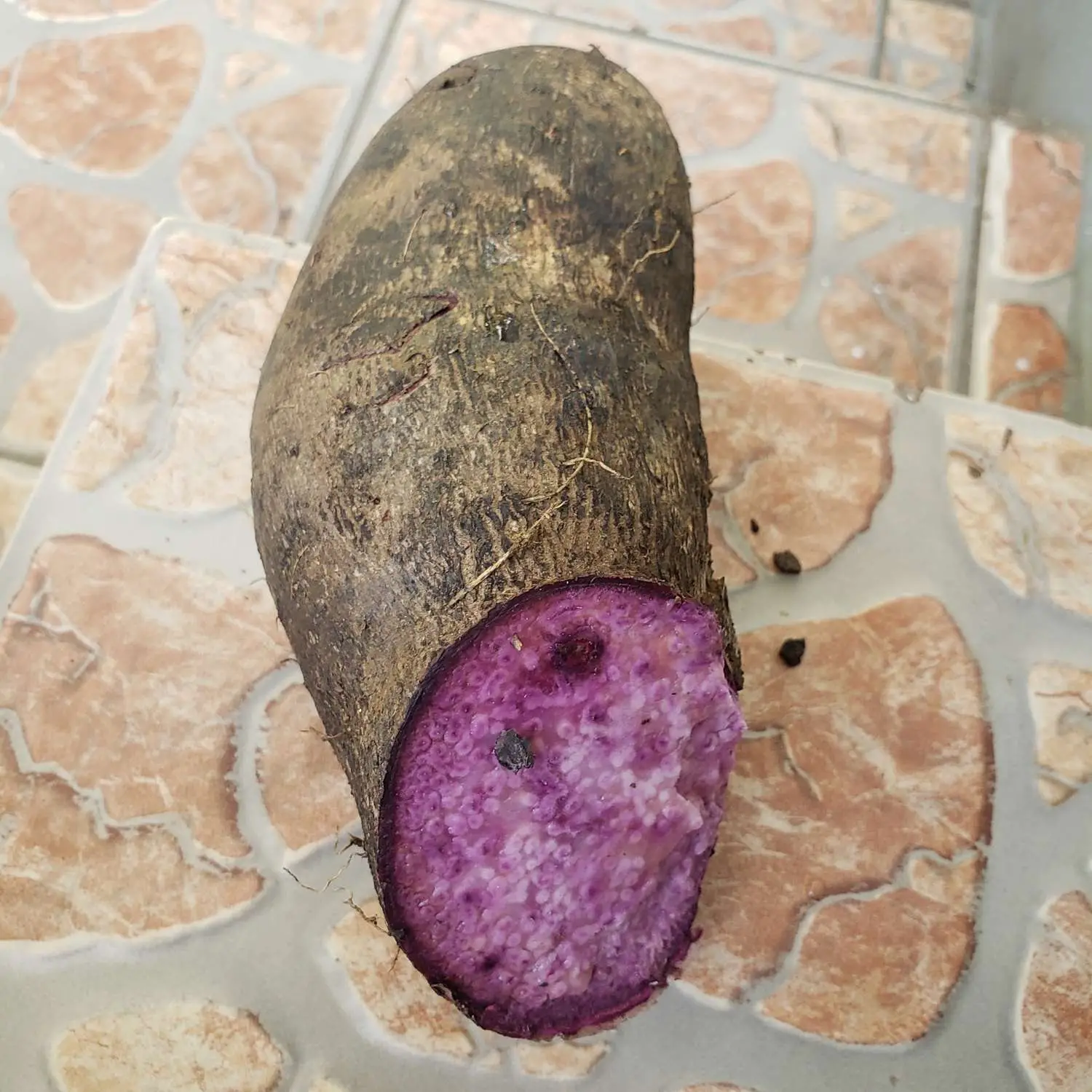
Dioscorea alata, also known as purple yam, ube, or greater yam, among many other names, is a species of yam (a tuber). The tubers are usually a vivid violet-purple to bright lavender in color (hence the common name), but some range in color from cream to plain white. It is sometimes confused with taro and the Okinawa sweet potato (Ipomoea batatas cv. Ayamurasaki), although D. alata is also grown in Okinawa where it is known as beniimo. With its origins in the Asian tropics, D. alata has been known to humans since ancient times.
Because it has become naturalized throughout tropical South America, Africa, Australia, the southeastern U.S., D. alata is referred to by many different names in these regions. In English alone, aside from purple yam, other common names include Guyana arrowroot, ten-months yam, water yam, white yam, winged yam, violet yam, or simply yam.
Dioscorea alata is one of the most important staple crops in Austronesian cultures. It is one of various species of yams that were domesticated and cultivated independently within Island Southeast Asia and New Guinea for their starchy tubers, including the round yam (Dioscorea bulbifera), ubi gadong (Dioscorea hispida), lesser yam (Dioscorea esculenta), Pacific yam (Dioscorea nummularia), fiveleaf yam (Dioscorea pentaphylla), and pencil yam (Dioscorea transversa). Among these, D. alata and D. esculenta were the only ones regularly cultivated and eaten, while the rest were usually considered as famine food due to their higher levels of the toxin dioscorine which requires that they be prepared correctly before consumption. D. alata is also cultivated more than D. esculenta, largely because of its much larger tubers.
D. alata and D. esculenta were the most suitable for long transport in Austronesian ships and were carried through all or most of the range of the Austronesian expansion. D. alata in particular, were introduced into the Pacific Islands and New Zealand. They were also carried by Austronesian voyagers into Madagascar and the Comoros.
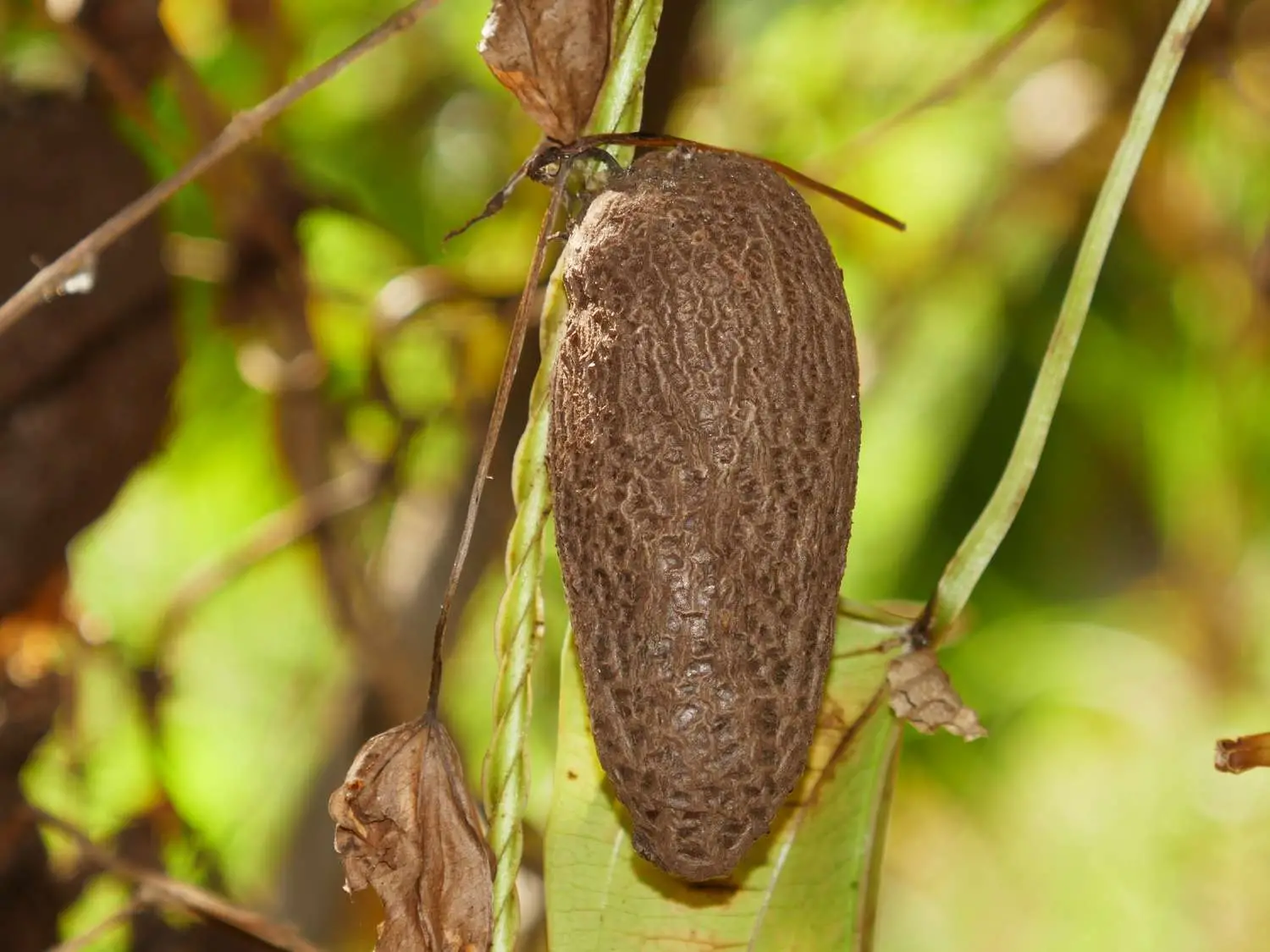
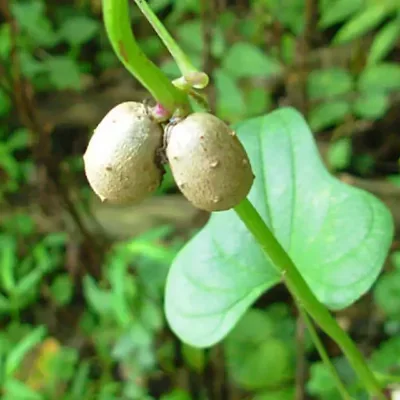
Aerial tuber of a white variety of D. alata from Maui, Hawaii
The center of origin of purple yam is unknown, but archaeological evidence suggests that it was exploited in Island Southeast Asia and New Guinea before the Austronesian expansion. Purple yam is believed to be a true cultigen, only known from its cultivated forms. The vast majority of cultivars are sterile, which restricts its introduction into islands purely by human agency, making them a good indicator of human movement. Some authors have proposed, without evidence, an origin in Mainland Southeast Asia, but it shows the greatest phenotypic variability in the Philippines and New Guinea.
Based on archaeological evidence of early farming plots and plant remains in the Kuk Swamp site, authors have suggested that it was first domesticated in the highlands of New Guinea from around 10,000 BP and spread into Island Southeast Asia via the Lapita culture at around c. 4,000 BP, along with D. nummularia and D. bulbifera. In turn, D. esculenta is believed to have been introduced by the Lapita culture into New Guinea. There is also evidence of an agricultural revolution during this period brought by innovations from contact with Austronesians, including the development of wet cultivation. However, much older remains identified as being probably D. alata have also been recovered from the Niah Caves of Borneo (Late Pleistocene, <40,000 BP) and the Ille Cave of Palawan (c. 11,000 BP), along with remains of the toxic ubi gadong (D. hispida) which requires processing before it can be edible. Although it doesn’t prove cultivation, it does show that humans already had the knowledge to exploit starchy plants and that D. alata were native to Island Southeast Asia. Furthermore, it opens the question on whether D. alata is a true species or cultivated much older than believed.
Purple yam remains an important crop in Southeast Asia, particularly in the Philippines where the vividly purple variety is widely used in various traditional and modern desserts. It also remains important in Melanesia, where it is also grown for ceremonial purposes tied to the size of the tubers at harvest time. Its importance in eastern Polynesia and New Zealand, however, has waned after the introduction of other crops, most notably the sweet potato.
Only logged in customers who have purchased this product may leave a review.


Reviews
There are no reviews yet.