Description
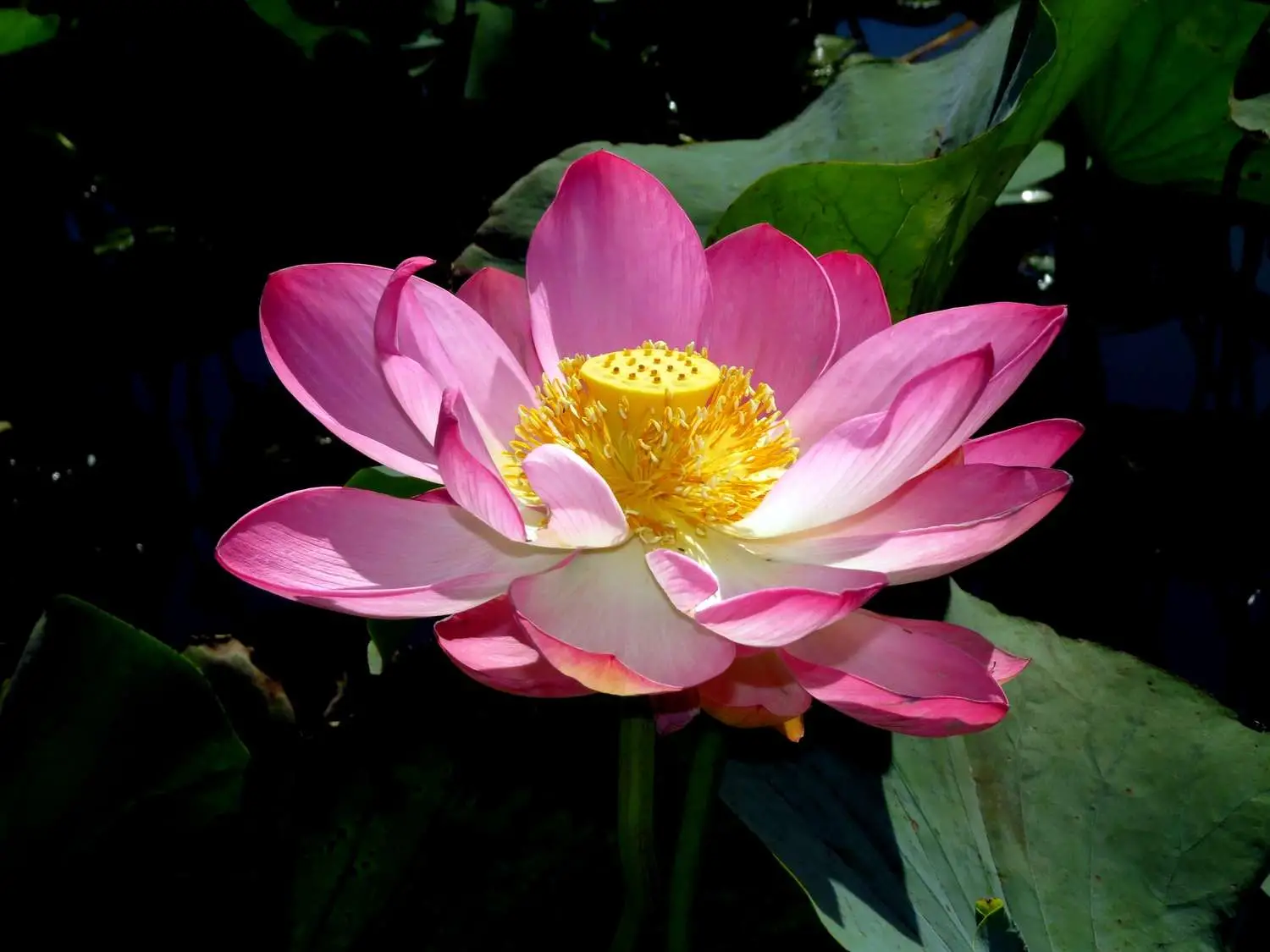
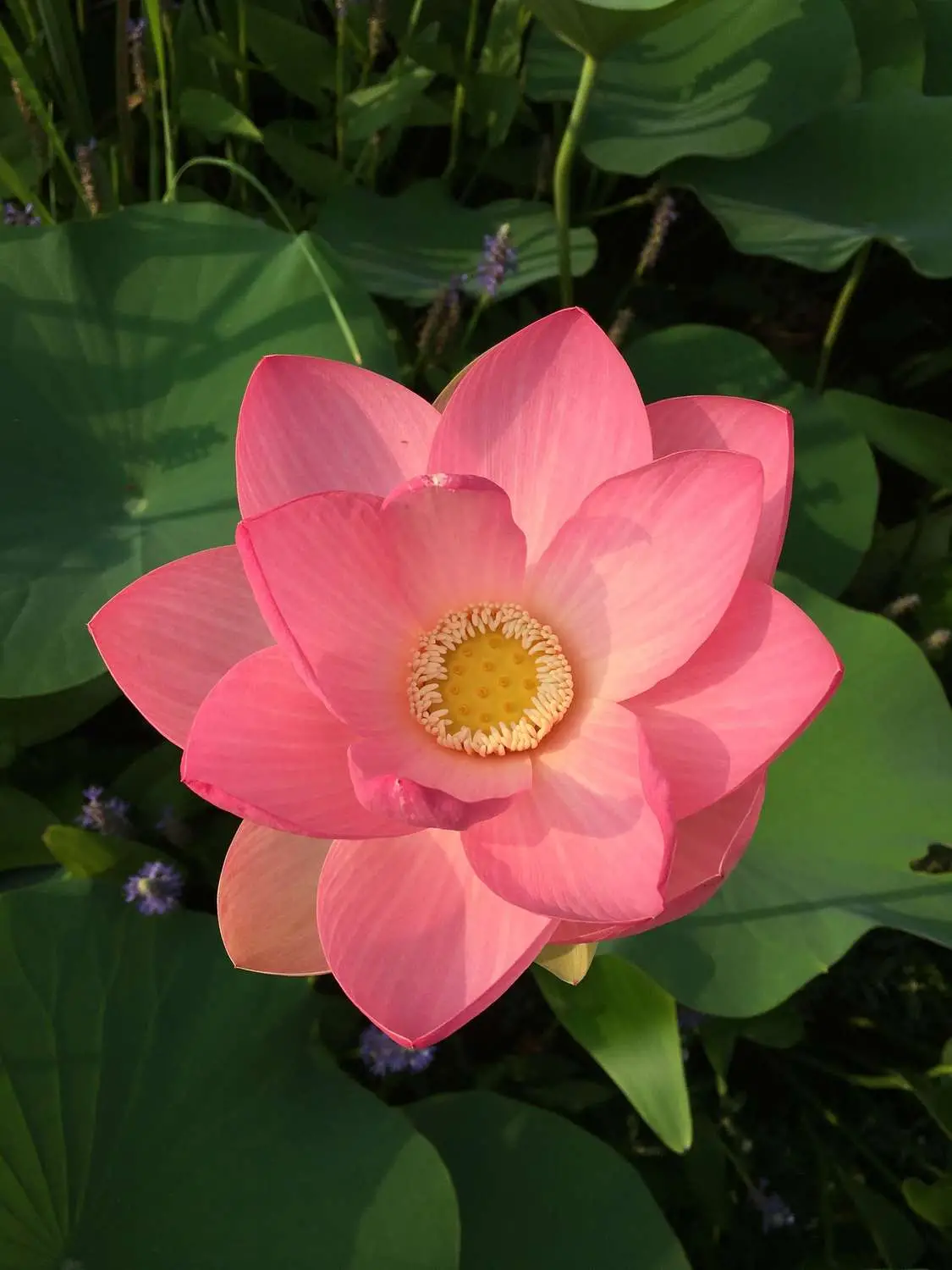
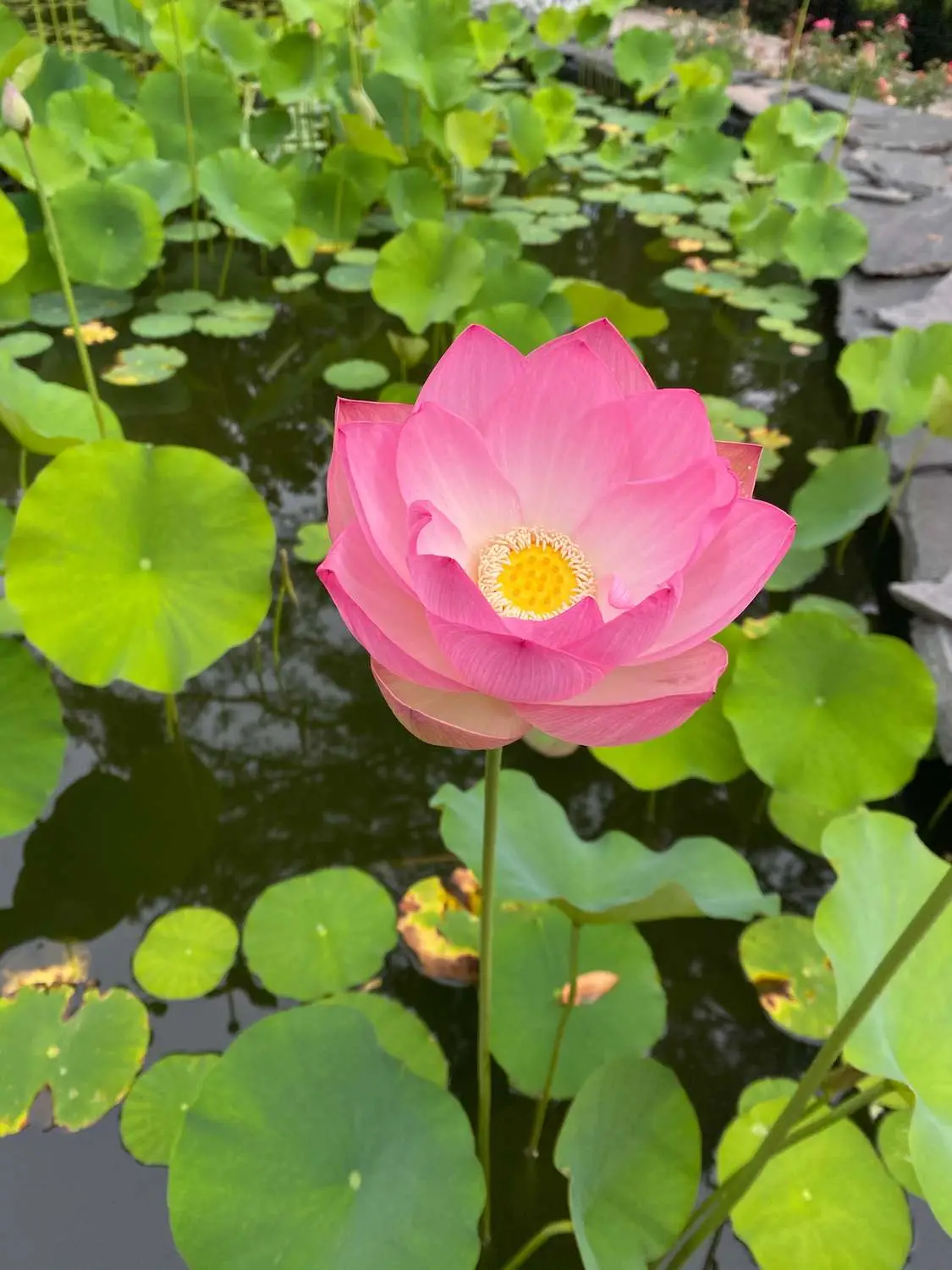
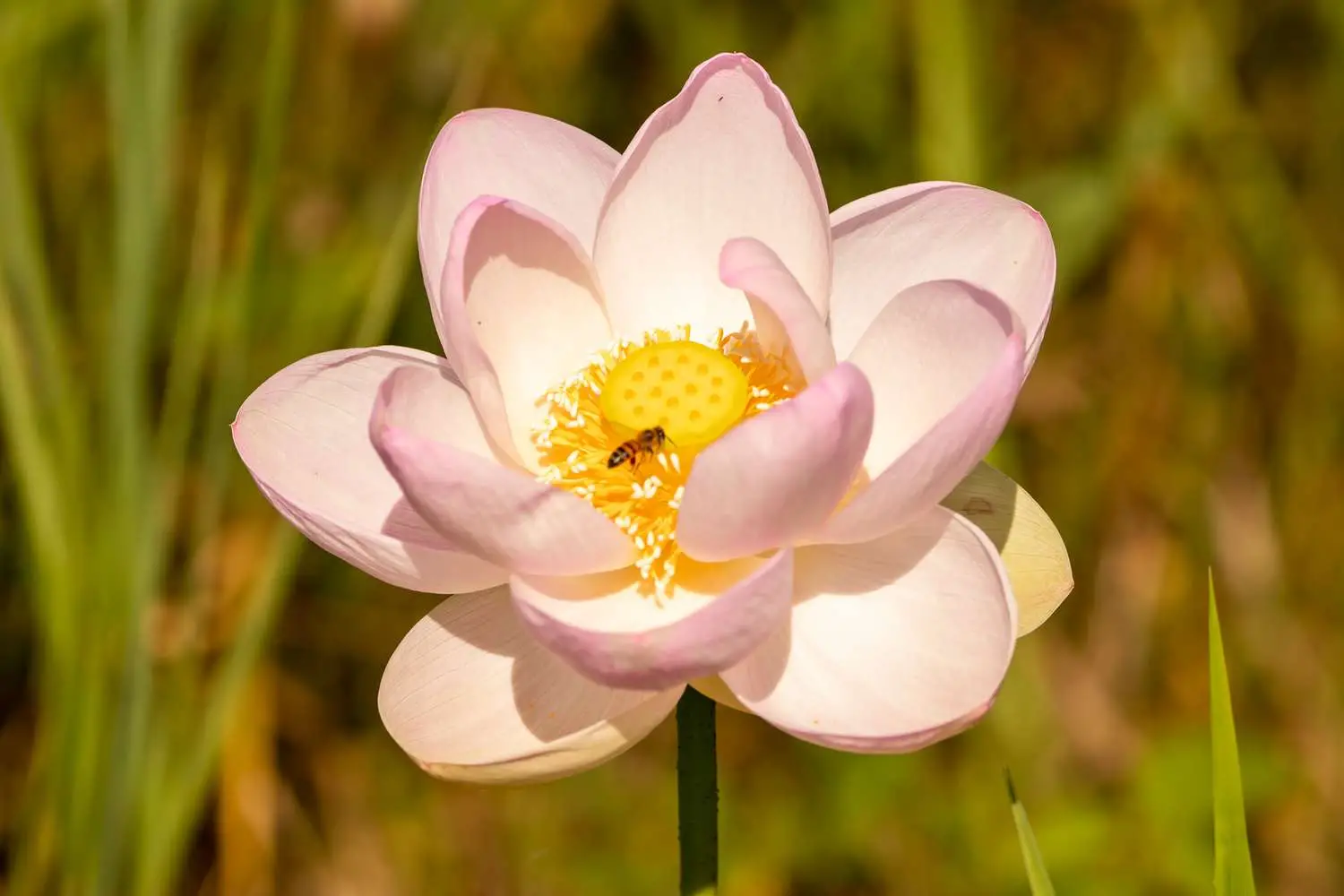
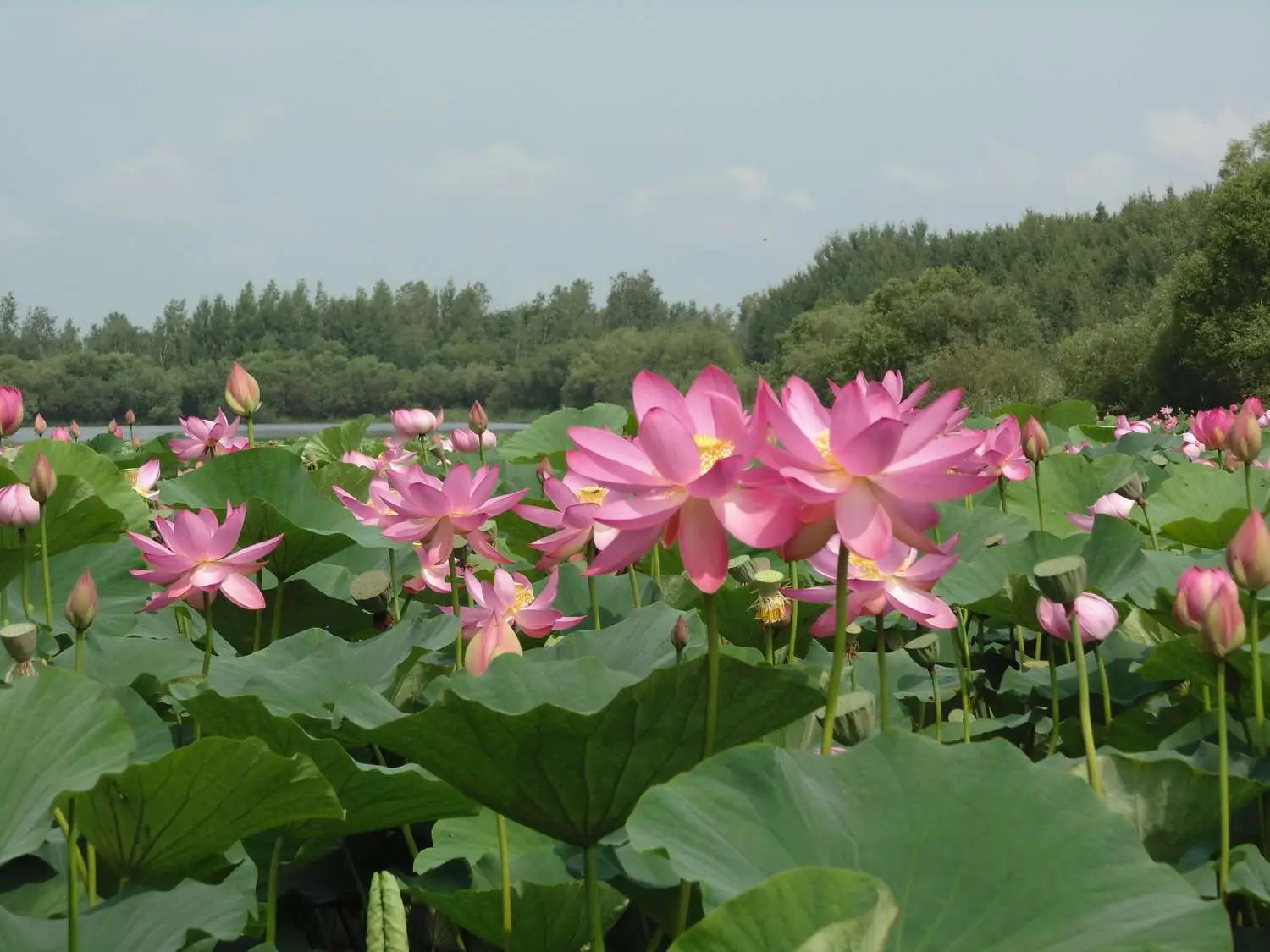
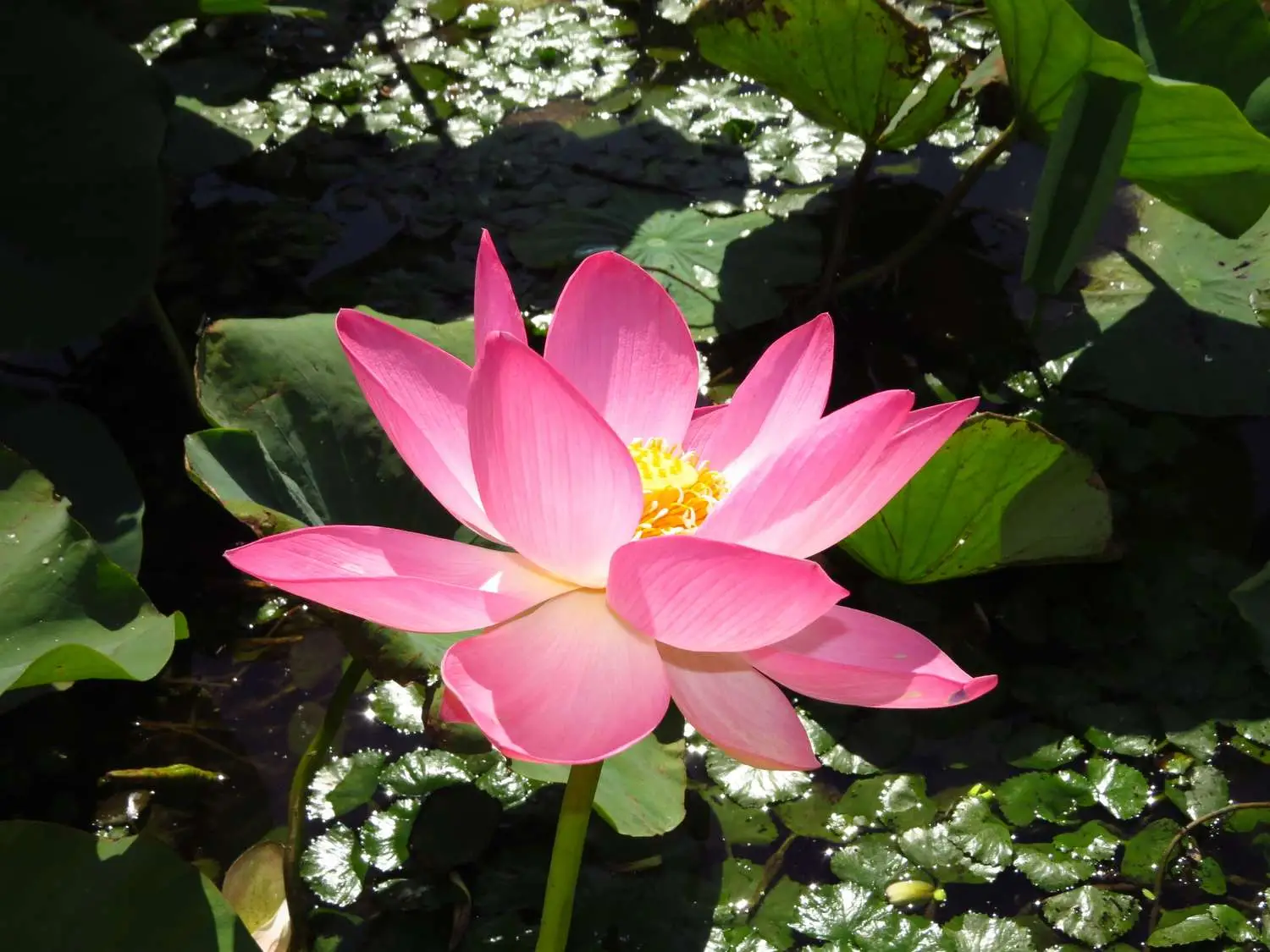
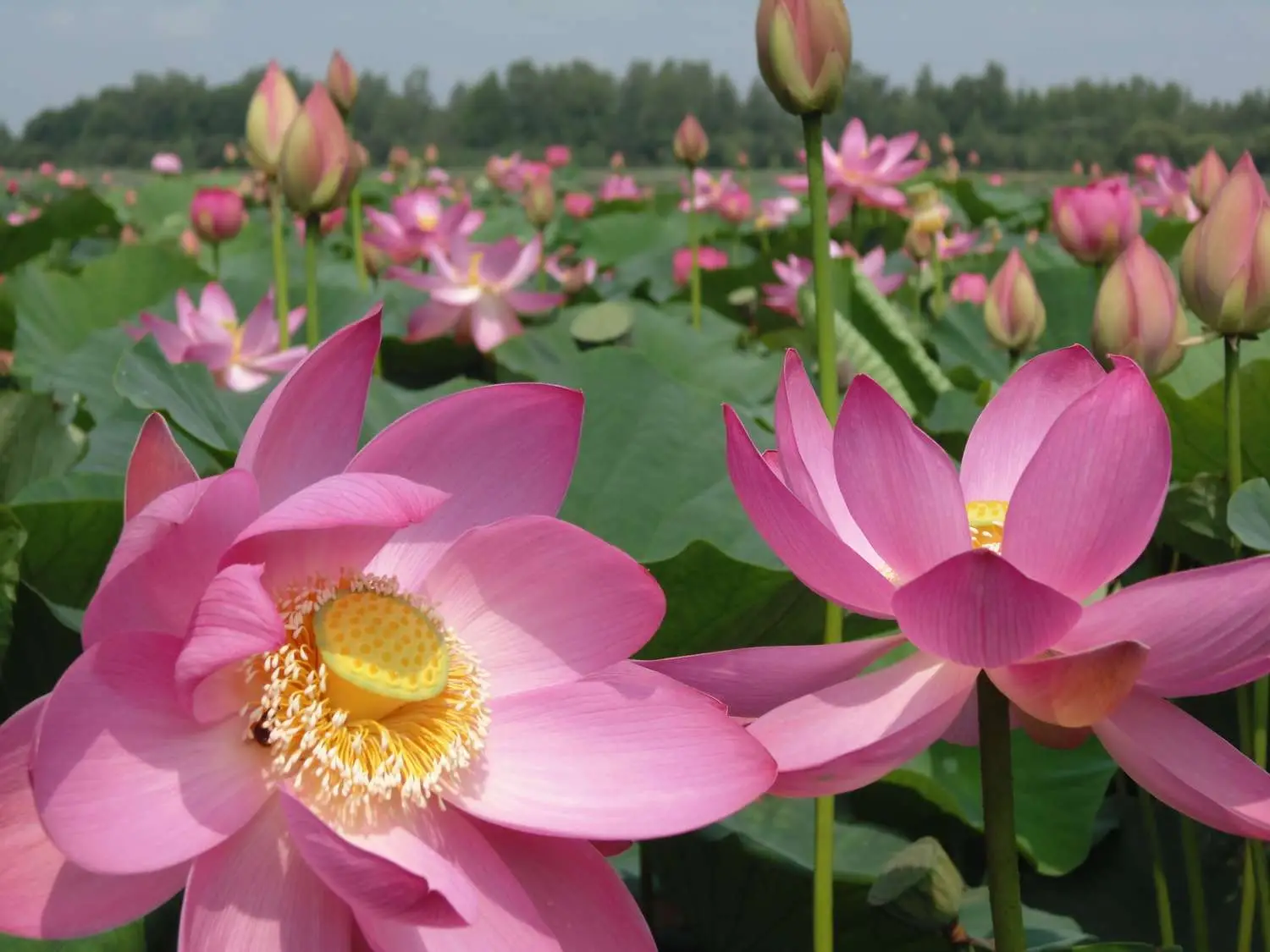
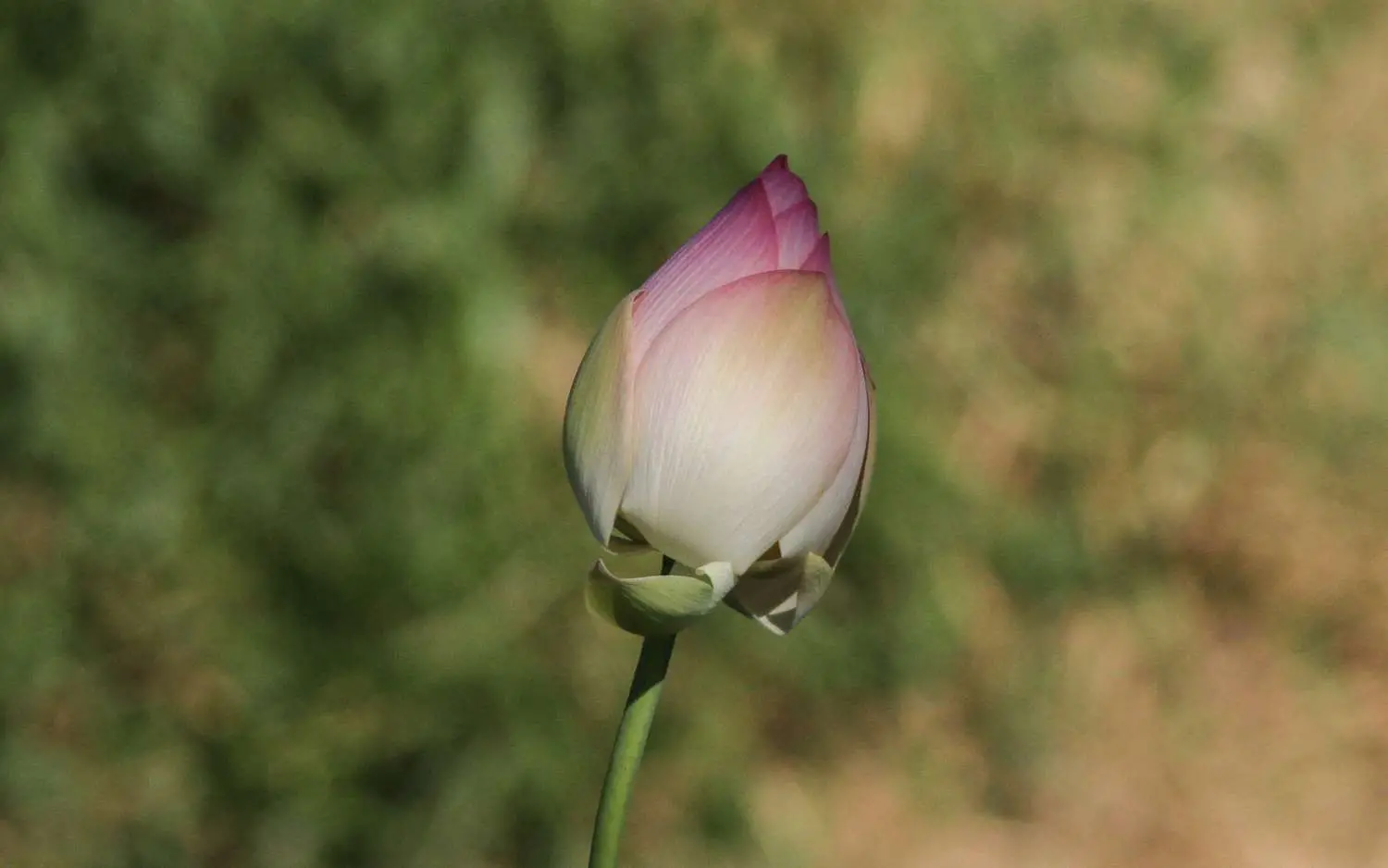
Nelumbo nucifera, also known as Indian lotus, sacred lotus, or simply lotus, is one of two extant species of aquatic plant in the family Nelumbonaceae. It is sometimes colloquially called a water lily, though this more often refers to members of the family Nymphaeaceae.
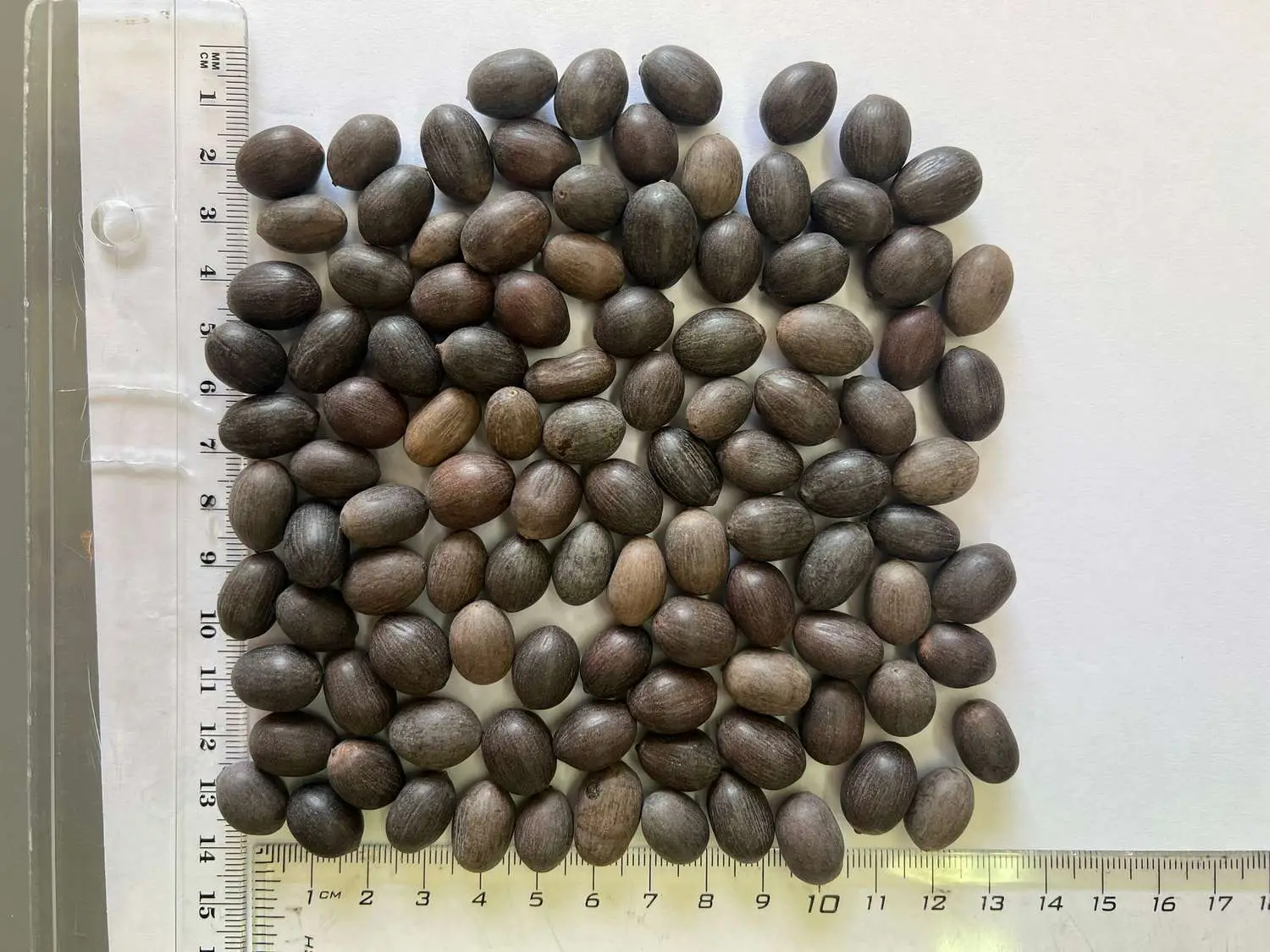
Lotus plants are adapted to grow in the flood plains of slow-moving rivers and delta areas. Stands of lotus drop hundreds of thousands of seeds every year to the bottom of the pond. While some sprout immediately, and most are eaten by wildlife, the remaining seeds can remain dormant for an extensive period of time as the pond silts in and dries out. During flood conditions, sediments containing these seeds are broken open, and the dormant seeds rehydrate and begin a new lotus colony.
Under favorable circumstances, the seeds of this aquatic perennial may remain viable for many years, with the oldest recorded lotus germination being from seeds 1,300 years old recovered from a dry lakebed in northeastern China. Therefore, the Chinese regard the plant as a symbol of longevity.
It has a very wide native distribution, ranging from central and northern India (at altitudes up to 1,400 m or 4,600 ft in the southern Himalayas), through northern Indochina and East Asia (north to the Amur region; the Russian populations have sometimes been referred to as “Nelumbo komarovii”), with isolated locations at the Caspian Sea. Today the species also occurs in southern India, Sri Lanka, virtually all of Southeast Asia, New Guinea and northern and eastern Australia, but this is probably the result of human translocations. It has a very long history (c. 3,000 years) of being cultivated for its edible seeds, and it is commonly cultivated in water gardens. It is the national flower of India and Vietnam.
Germination Guide
🌍 Central and northern India, northern Indochina, East Asia (north to Amur region in Russia), and tropical Asia
Moderate
Nelumbo nucifera (Sacred Lotus) is a revered aquatic perennial native to Asia with ancient spiritual and cultural significance in Buddhism and Hinduism. Its seeds possess remarkable viability—some documented specimens remained viable for over 1,300 years—but have an extremely hard, waxy seed coat that requires mechanical scarification to permit water uptake and germination. Once the physical dormancy is breached, seeds germinate rapidly in warm water (25-30°C) within 3-7 days, with shoots emerging before roots.
Germination
Germination time
Expect germination in
3 – 14 days
Temperature
Min 13°C
Ideal 25°C
Max 30°C
Substrate moisture
💧💧 High
Sowing depth
Lightly covered
Seed Pre-treatment
-
💧
Soaking — 6 hours
Soak scarified seeds in warm water (25-30°C / 77-86°F) and change water daily or every 12 hours. Seeds swell noticeably within 24 hours and germinate within 3-7 days (occasionally up to 14 days for older seeds). Cloudy water is normal from seed exudation; frequent water changes prevent fungal rot.
-
🔨
Mechanical scarification
File or sand the seed coat on the blunt end (opposite the pointed tip) for 8-30 seconds until a pale yellow or cream-colored spot appears. Use gentle, controlled abrasion—do not cut deeply to avoid embryo damage. Mechanical scarification at 20-30 seconds yields >92% germination versus <15% with unscaRified seeds.
-
📋
Additional notes
Scarification is absolutely essential; untreated seeds rarely germinate. Do not boil (kills embryo). Avoid acid scarification indoors unless trained. Mechanical scarification with sandpaper/file is safest and most effective.
Substrate & Container
Recommended substrate
Rich loam or clay-loam soil with organic matter; avoid sandy soils as they wash away easily
Recommended container
Warm water containers for initial soaking (20-25°C); then transfer sprouted seeds to pots with heavy loam or clay soil submerged in water (30-60 cm depth for mature plants)
Growing Tips
Scarify gently with fine sandpaper or a metal file for 8-30 seconds on the blunt (pale) end—avoid the pointed tip and do not cut too deeply. Soak scarified seeds in warm (25-30°C), non-chlorinated water, changing daily. Floating seeds germinate as readily as submerged ones. After 3-7 days, transfer sprouted seedlings (shoot-first germination is normal) to pots containing heavy clay-loam soil enriched with compost, keeping pots in warm standing water. Young seedlings prefer partial shade in very hot periods. Best germination occurs in summer; winter attempts often fail. Keep substrate consistently moist but not waterlogged.
Only logged in customers who have purchased this product may leave a review.



Reviews
There are no reviews yet.