Description
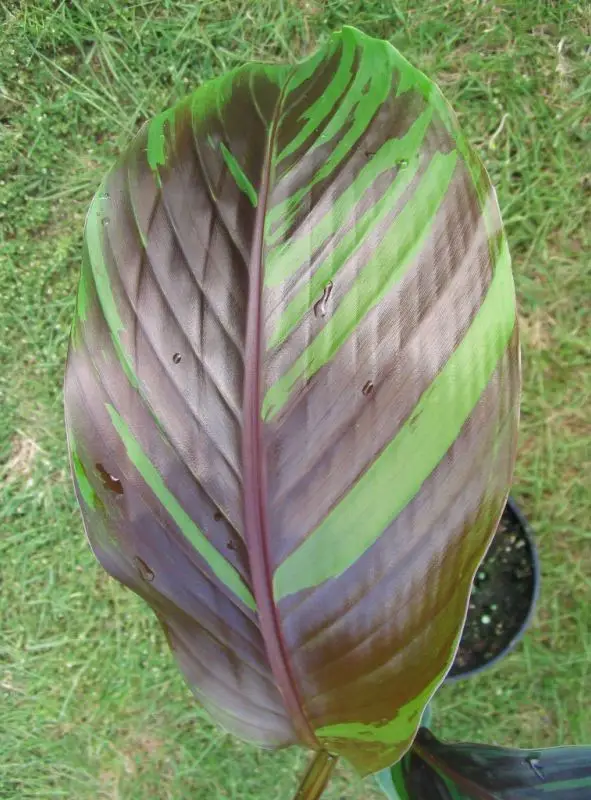
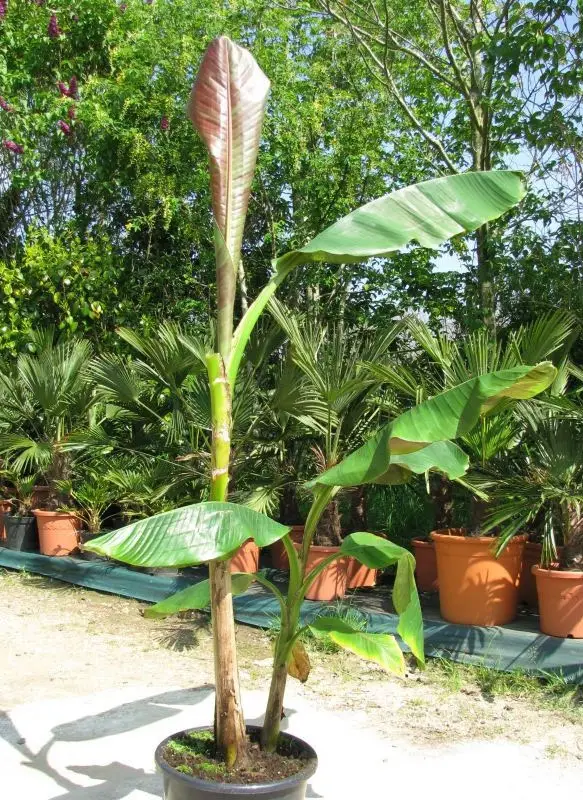
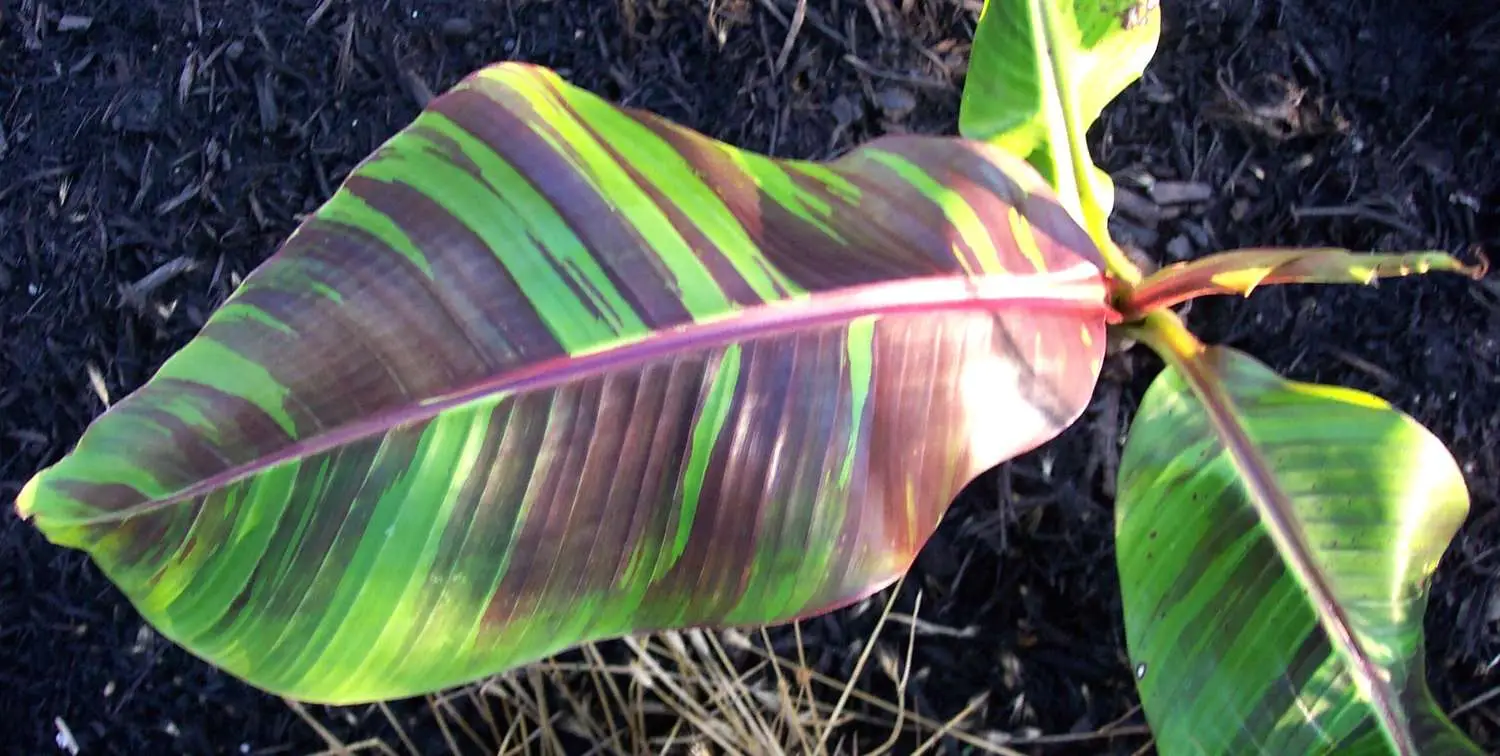
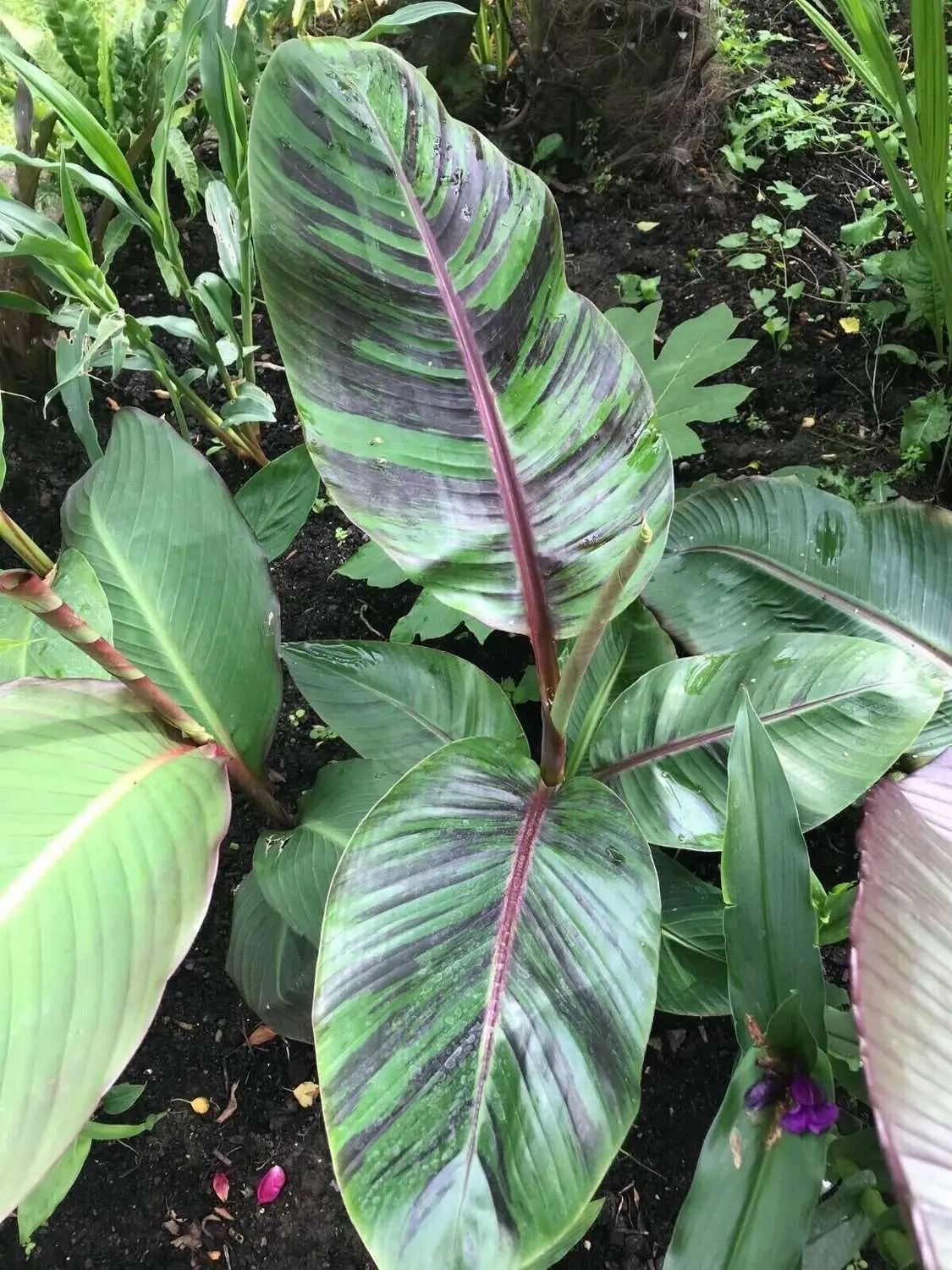
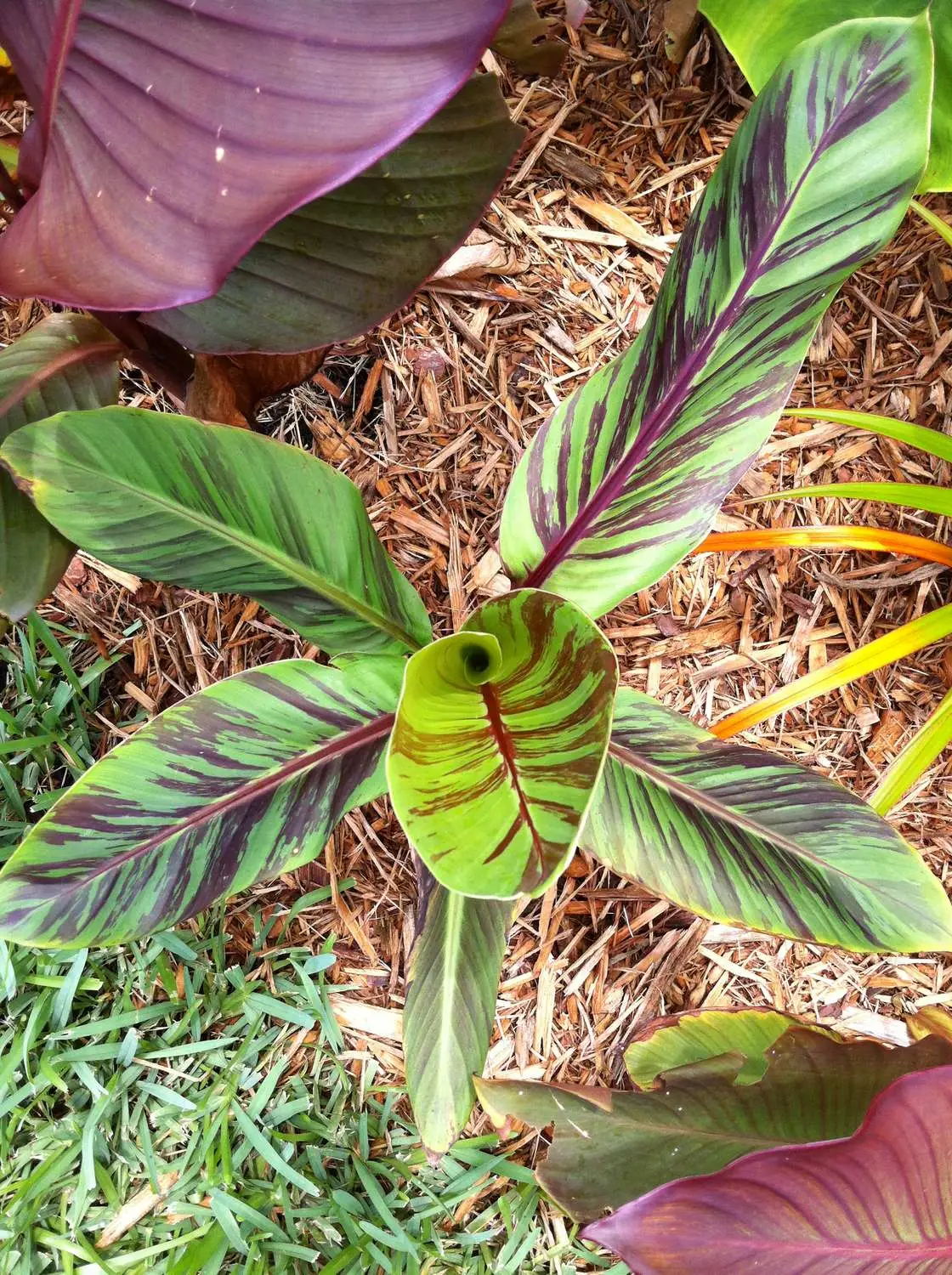
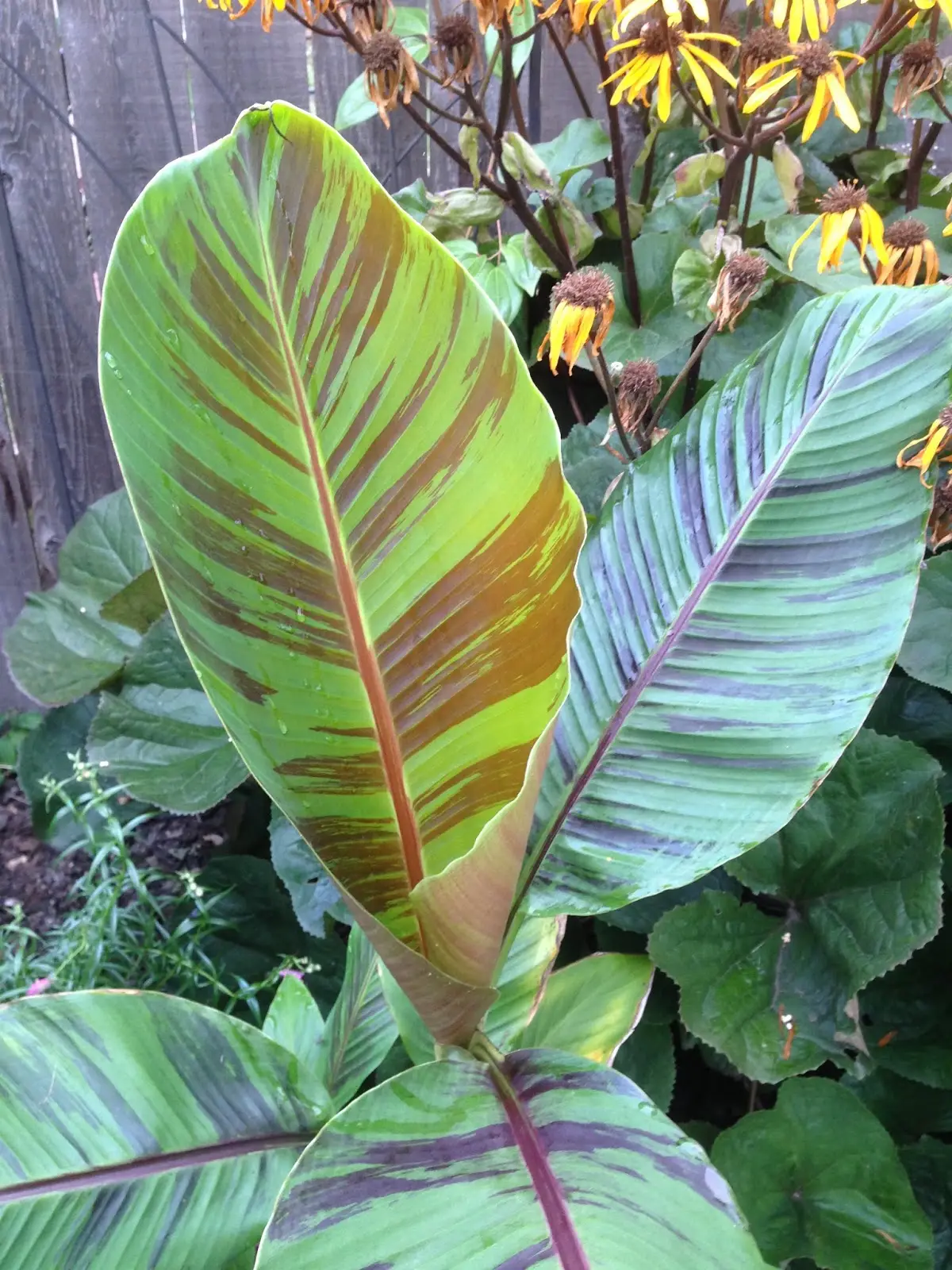
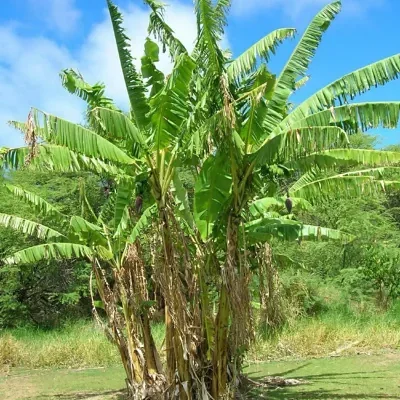
From monsoonal mountain forests in extreme eastern India on the border to Myanmar comes this colorful variety of the famous Darjeeling banana. While just as easy to grow and just as cold tolerant as the regular M. sikkimensis, young plants have a most stunning pattern to their leaves, with dark purple zebra stripes on the upper surface and a reddish purple below. The pseudostems are yellowish green.
Germination Guide
🌍 Eastern Himalayas, India (Sikkim), Bhutan, Nepal, Bangladesh, and Myanmar
Difficult
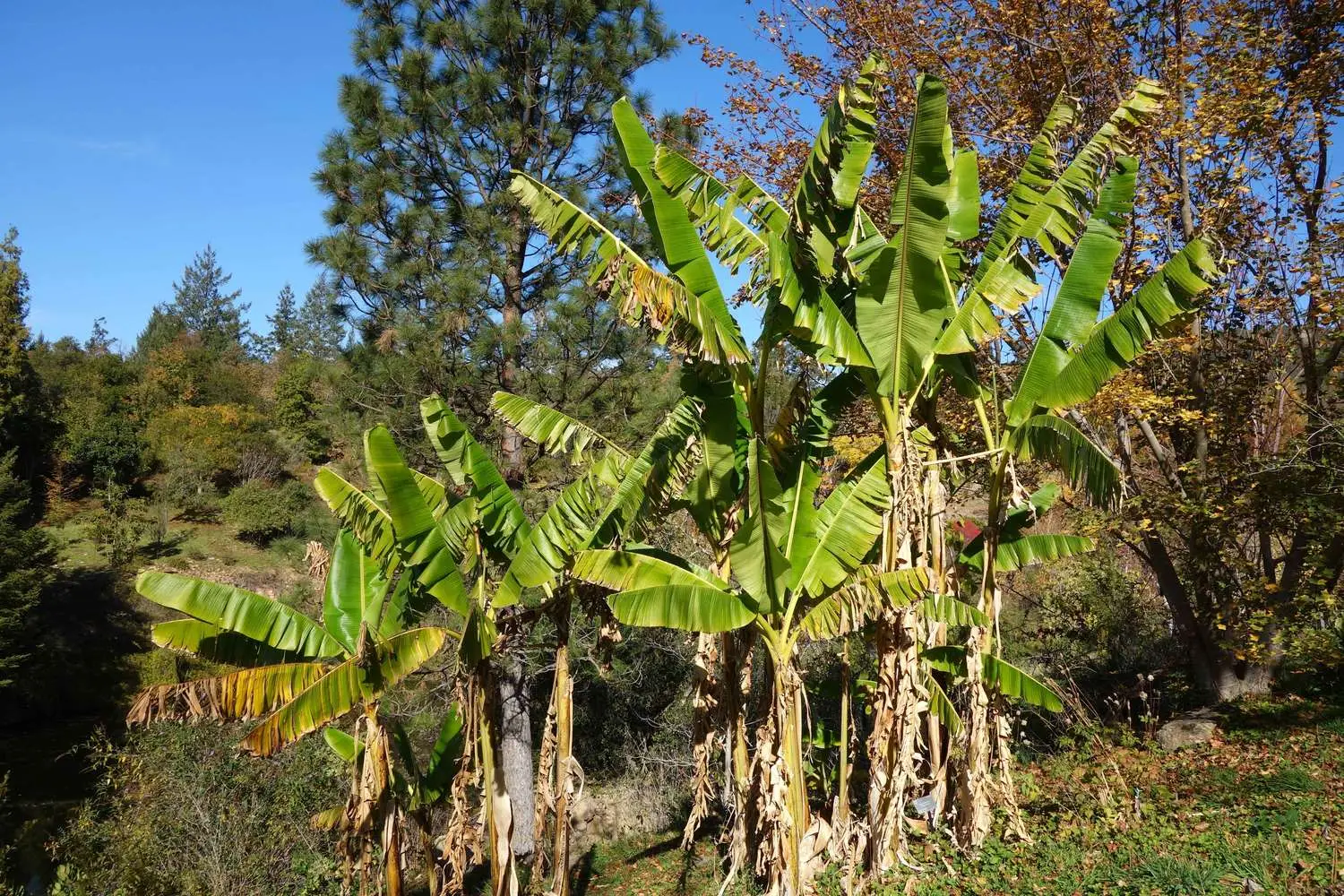
Musa sikkimensis, also known as the Darjeeling Banana or Red Tiger Banana, is a cold-hardy ornamental banana native to the montane forests of the Eastern Himalayas at altitudes up to 2000m. Seed germination is notoriously erratic and slow, often taking 1-12 months or longer, requiring fresh seed, proper temperature fluctuations, and patience for successful propagation.
Germination
Germination time
Expect germination in
14 – 365 days
Temperature
Min 20°C
Ideal 25°C
Max 28°C
🌡️ Temperature alternation recommended
— Fluctuating temperatures essential for germination. Hot days (around 30°C) and cool nights (12-15°C) significantly improve germination rates. Can use heated propagator at 28°C or provide bottom heat.
Substrate moisture
💧 Medium
Seed Pre-treatment
-
💧
Soaking — 48 hours
Soak seeds in lukewarm to hand-hot water for 24-48 hours to soften seed coat and remove chemical inhibitors. If soaking longer than 24 hours, change water daily. Remove seeds immediately as they swell.
-
🔨
Mechanical scarification
Gently abrade seed coat with sandpaper or rough brick to soften hard seed coat
-
📋
Additional notes
Sow in seed compost or loamy compost, covering with 6mm (quarter inch) or 2cm of soil. Use transparent container or propagator to maintain moisture and allow light exposure. Fresh seed is critical for germination success.
Substrate & Container
Recommended substrate
Peat-free loam-based compost, seed compost, or loamy well-draining potting mix
Recommended container
Transparent seed tray or small pot in heated propagator or warm place with transparent cover to maintain humidity and light exposure
Growing Tips
Use only fresh seed for optimal germination rates. Sow during late winter/late spring or late summer/autumn. Ensure light exposure as seeds require it to germinate. Maintain consistent moisture without waterlogging. Once germinated, improve ventilation immediately to prevent fungal infections on delicate roots and foliage. Do not discard seed pots prematurely as germination can be delayed. Pot seedlings individually into 9cm pots once root system establishes, using coarse loose compost for rapid growth. After potting, keep in warm, frost-free position with bright indirect light. Water well during growing season and fertilize every 2 weeks with liquid soluble fertilizer.
Only logged in customers who have purchased this product may leave a review.



Reviews
There are no reviews yet.