Description
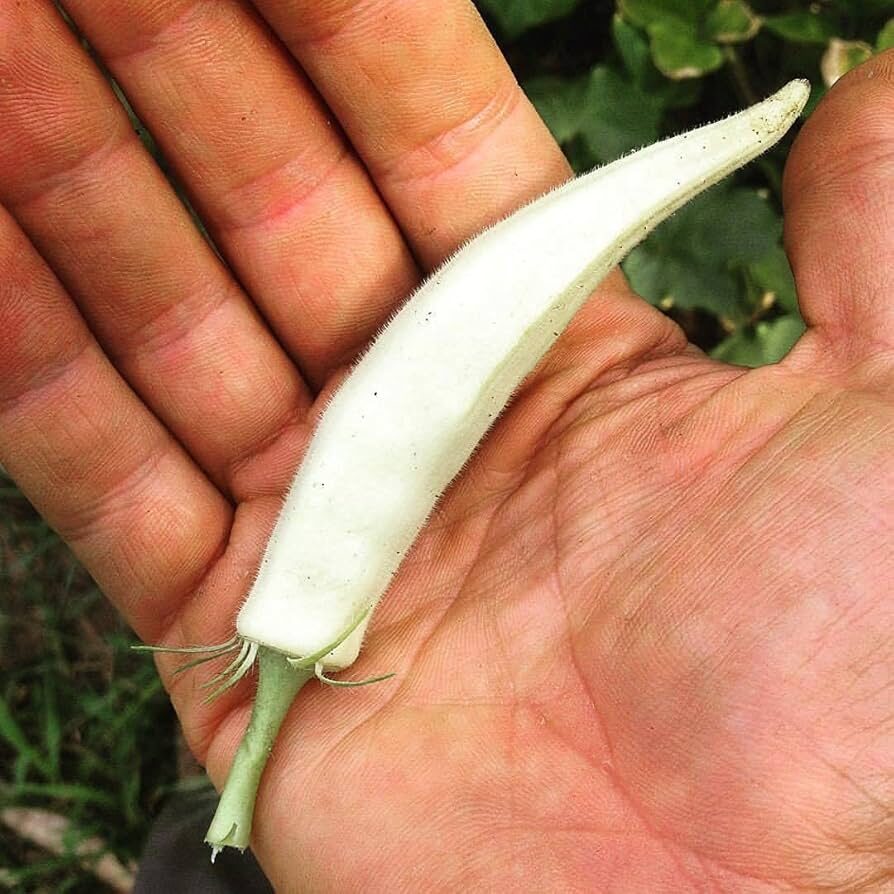
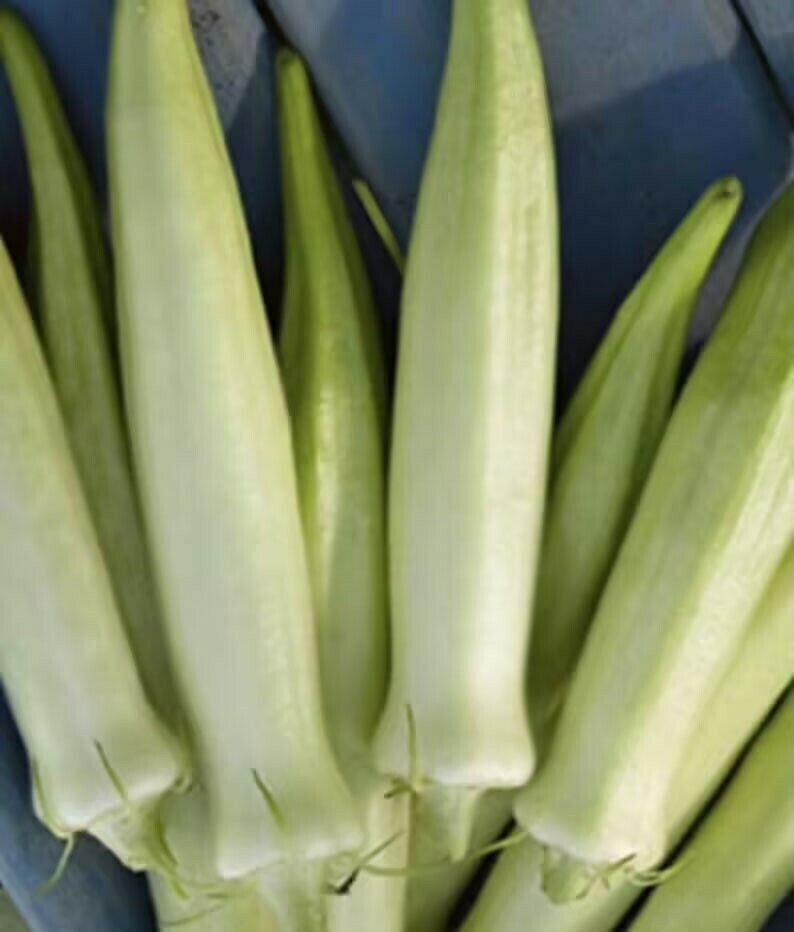
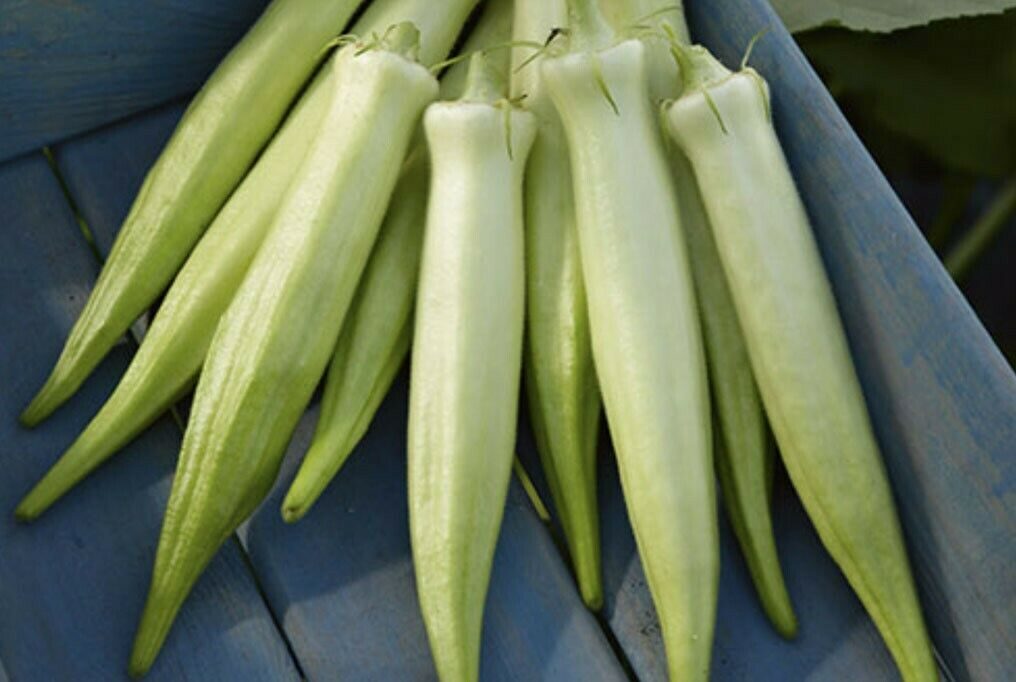
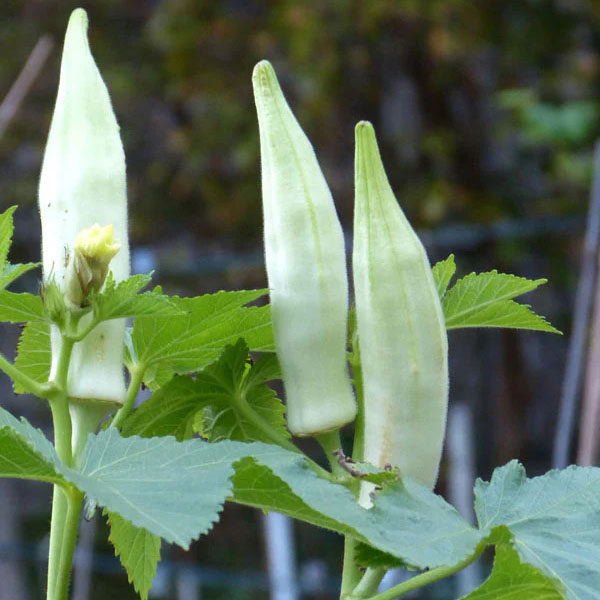
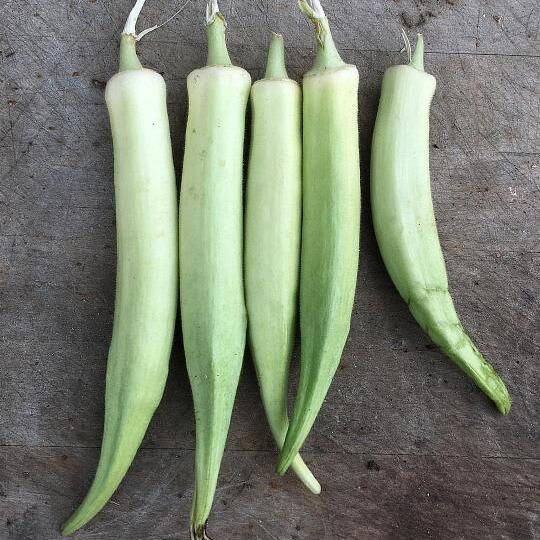
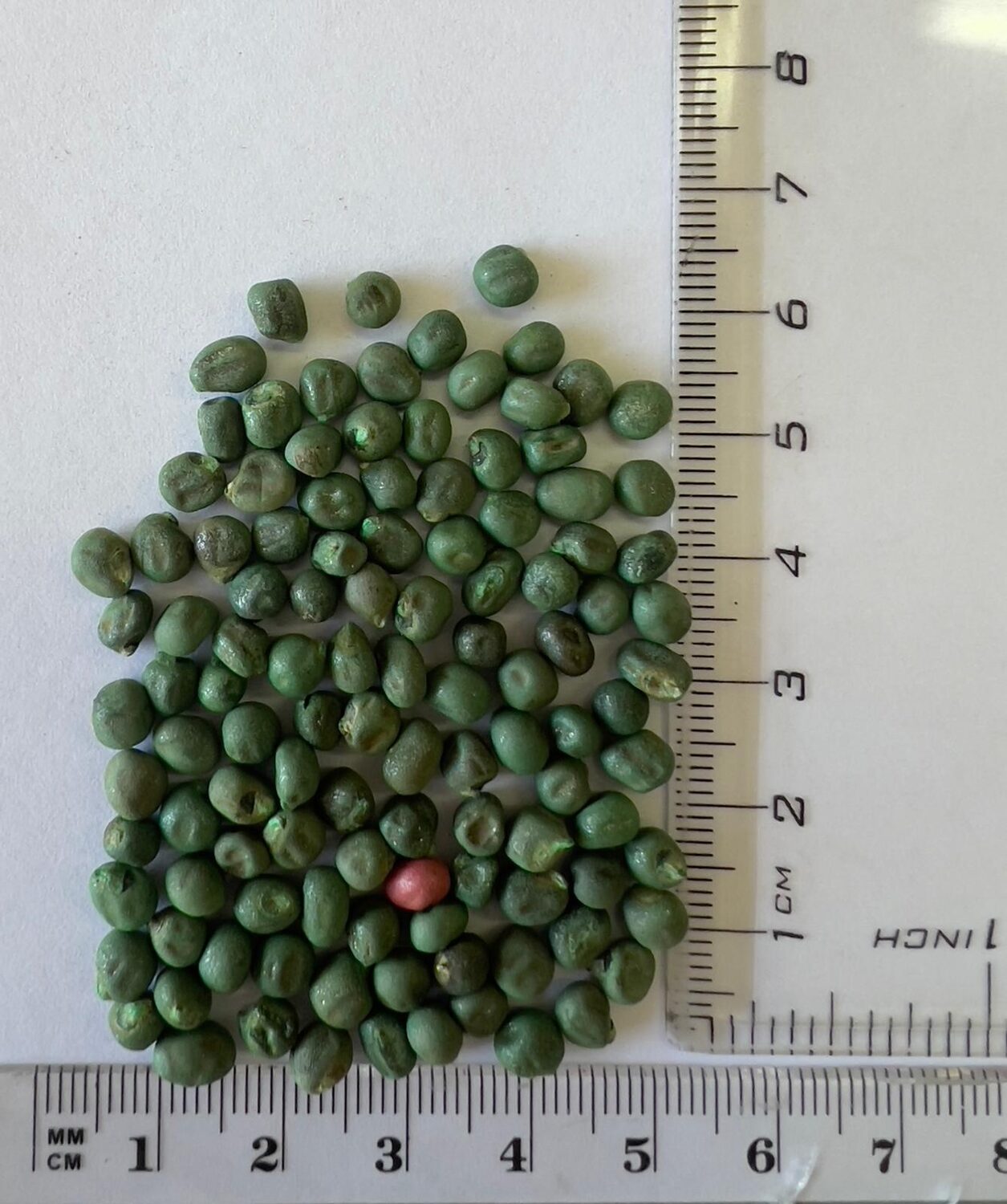
These seeds were collected from Abelmoschus esculentus which had White Fruit, also known as White Velvet Okra, and white Ladies Fingers. This annual vegetable should be grown in full sun. It can get about 8 feet tall and has yellow and white blossoms from late spring until early fall. The fruit is harvested young when it is the most tender and delicious. All parts of this plant are edible but the roots are not very good, and they are tough and stringy. The seeds on the other hand are delicious and can be cooked into dishes or roasted and used as a coffee substitute. Of all the coffee substitutes, this may be the best choice. The seeds can also be ground into a flour and used to make bread, tofu, and tempeh. The stems of this plant are also used to make cord, rope, and paper. This annual can be grown in and USDA Hardiness Zone.
Germination Guide
🌍 East Africa
Moderate
Okra (Abelmoschus esculentus), also known as lady's fingers, is a warm-season vegetable native to East Africa and cultivated worldwide for its edible green seed pods. Extremely sensitive to cold, optimal germination occurs at 30-35°C, with temperatures below 20°C significantly delaying or preventing germination. The hard seed coat requires pre-treatment through soaking or scarification to achieve consistent germination within 6-21 days.
Germination
Germination time
Expect germination in
6 – 21 days
Temperature
Min 20°C
Ideal 30°C
Max 35°C
Substrate moisture
💧 Medium
Seed Pre-treatment
-
💧
Soaking — 12 hours
Soak seeds in warm water (25-30°C) for 12-24 hours before sowing to soften the hard seed coat and improve germination
-
🔨
Mechanical scarification
Mechanical scarification with sandpaper or gentle nicking of seed coat is recommended; chemical scarification with 80% H2SO4 for 3 minutes achieves highest germination (96.6%), but 12-hour water soaking at 30°C achieves 91.3% germination as safer alternative
-
📋
Additional notes
Combine mechanical scarification or gentle nicking with 12-24 hour warm water soaking for optimal results
Substrate & Container
Recommended substrate
Well-drained seed starting mix; sandy loam or light seed compost preferred; avoid mixes with added fertilizer
Recommended container
Deep containers (at least 3 inches/7.5 cm) for taproot development; individual peat pots or cell trays with drainage holes recommended
Growing Tips
Combine mechanical scarification (gentle nicking or light sanding) with 12-24 hour warm water soak for best results. Maintain consistent warmth (25-30°C) and medium soil moisture—excess water promotes rot while insufficient water prevents development. Plant seeds 0.5-1 cm deep and do not press down. In warm climates, seeds can be sown directly at the growing site after soil reaches 20°C minimum. Harvest pods 50-80 days after planting; prune 20 cm from ground for second harvest. Store seeds in cool, dry conditions; they remain viable for 5-10 years. Keep okra varieties isolated to preserve seed purity.
Only logged in customers who have purchased this product may leave a review.

Reviews
There are no reviews yet.