Description
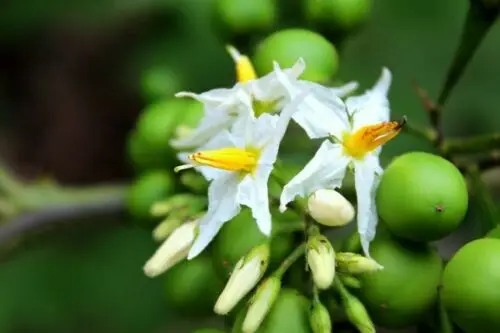
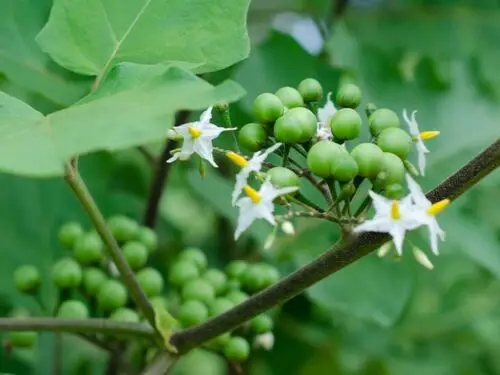
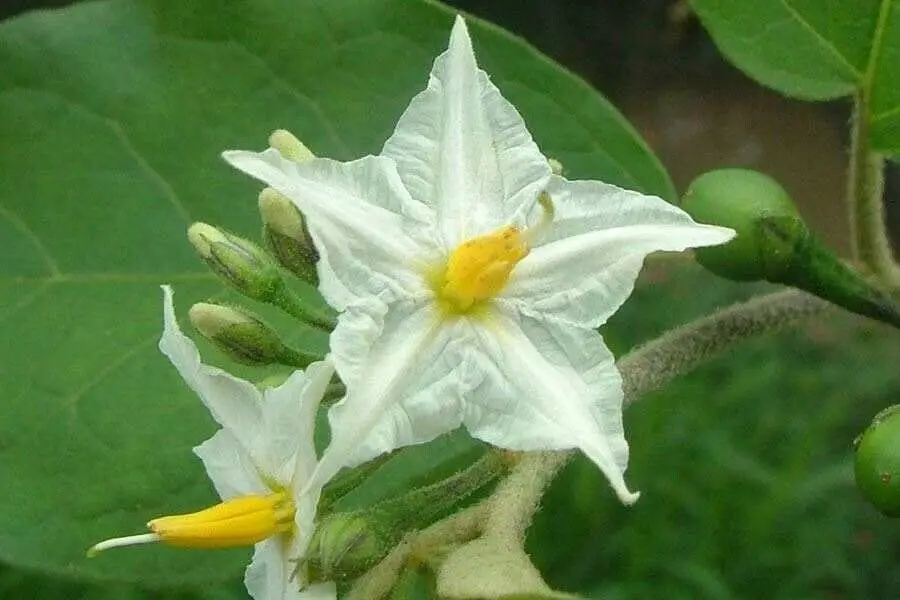
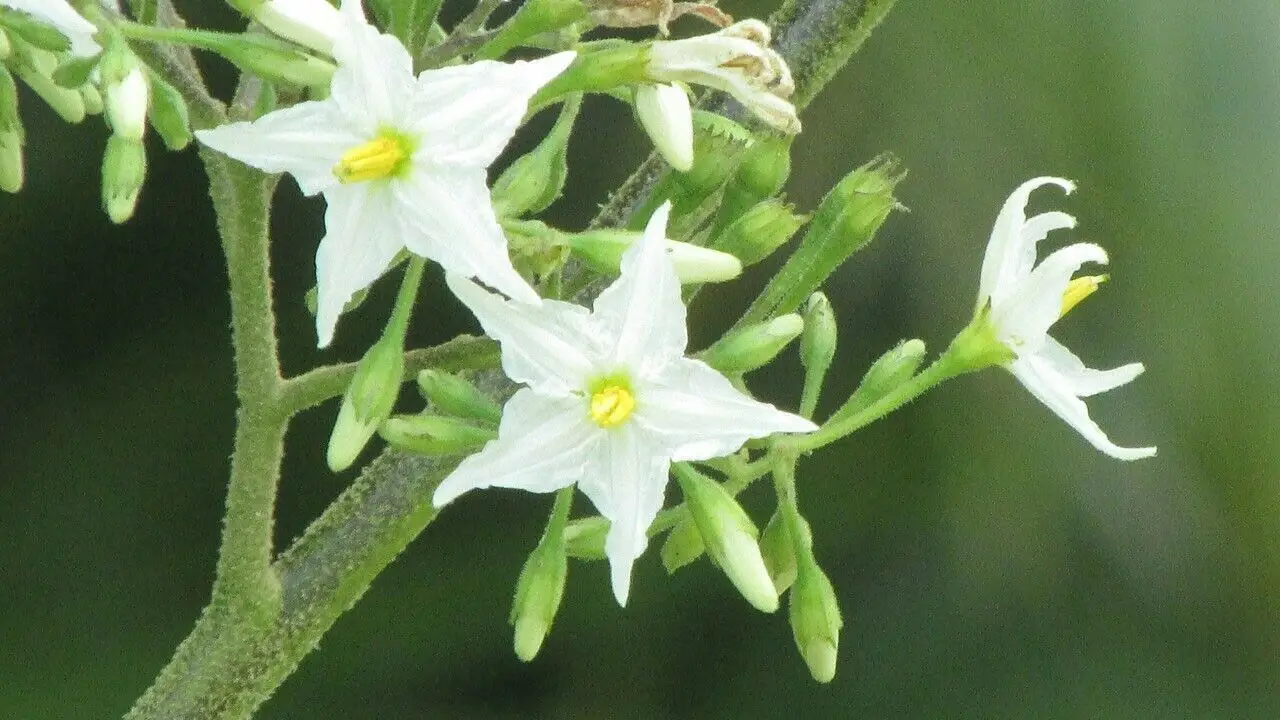
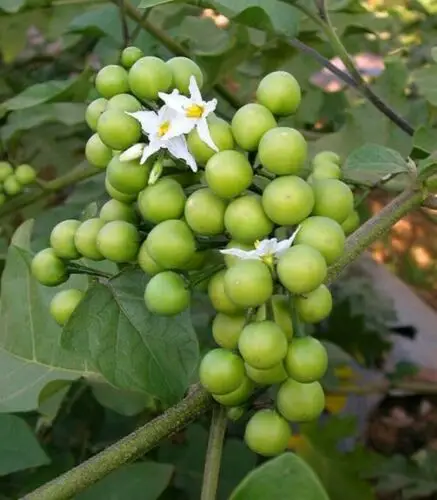
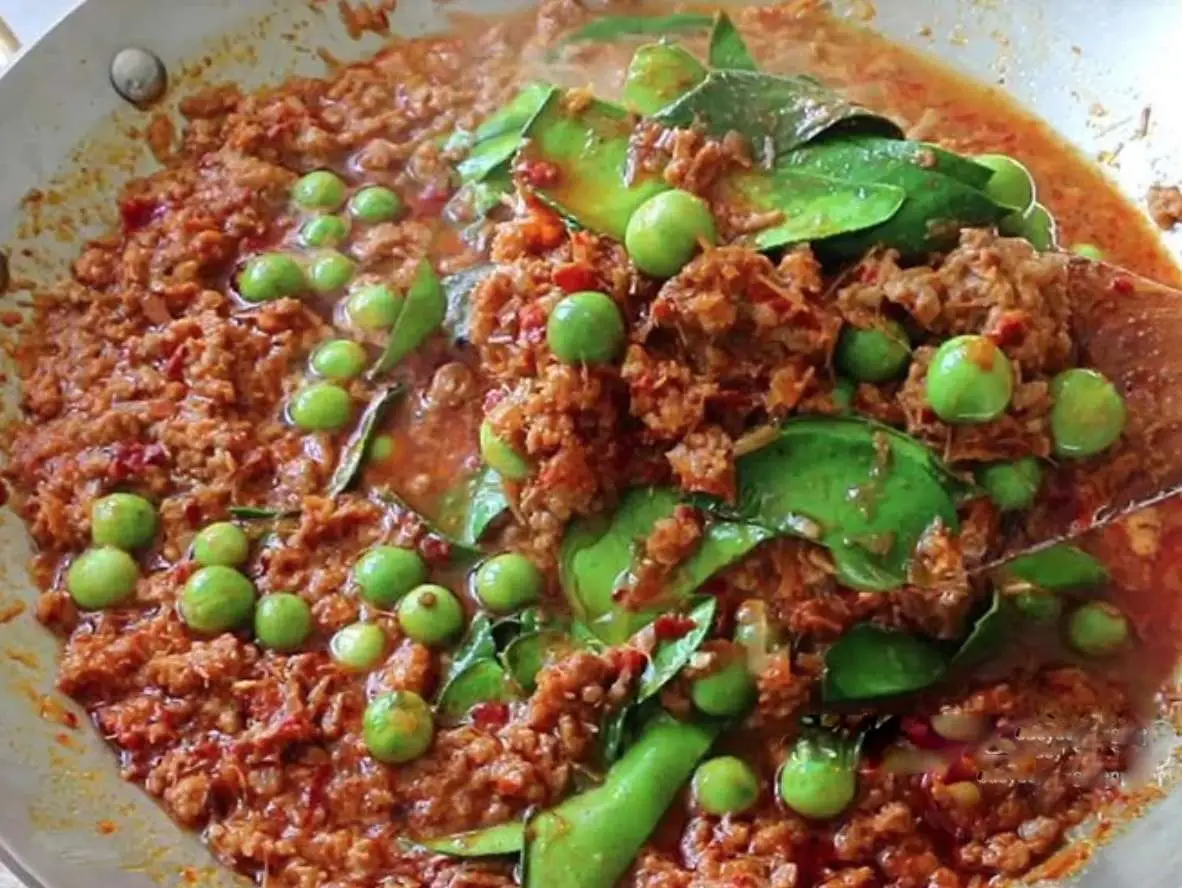
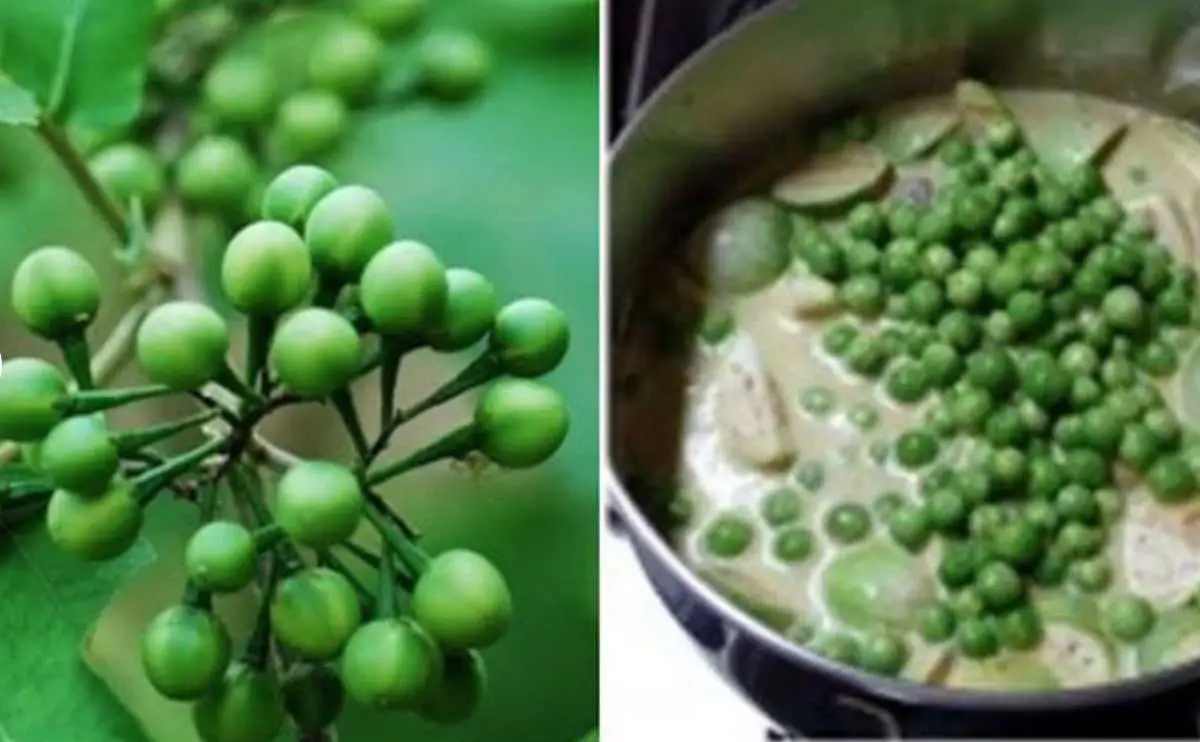
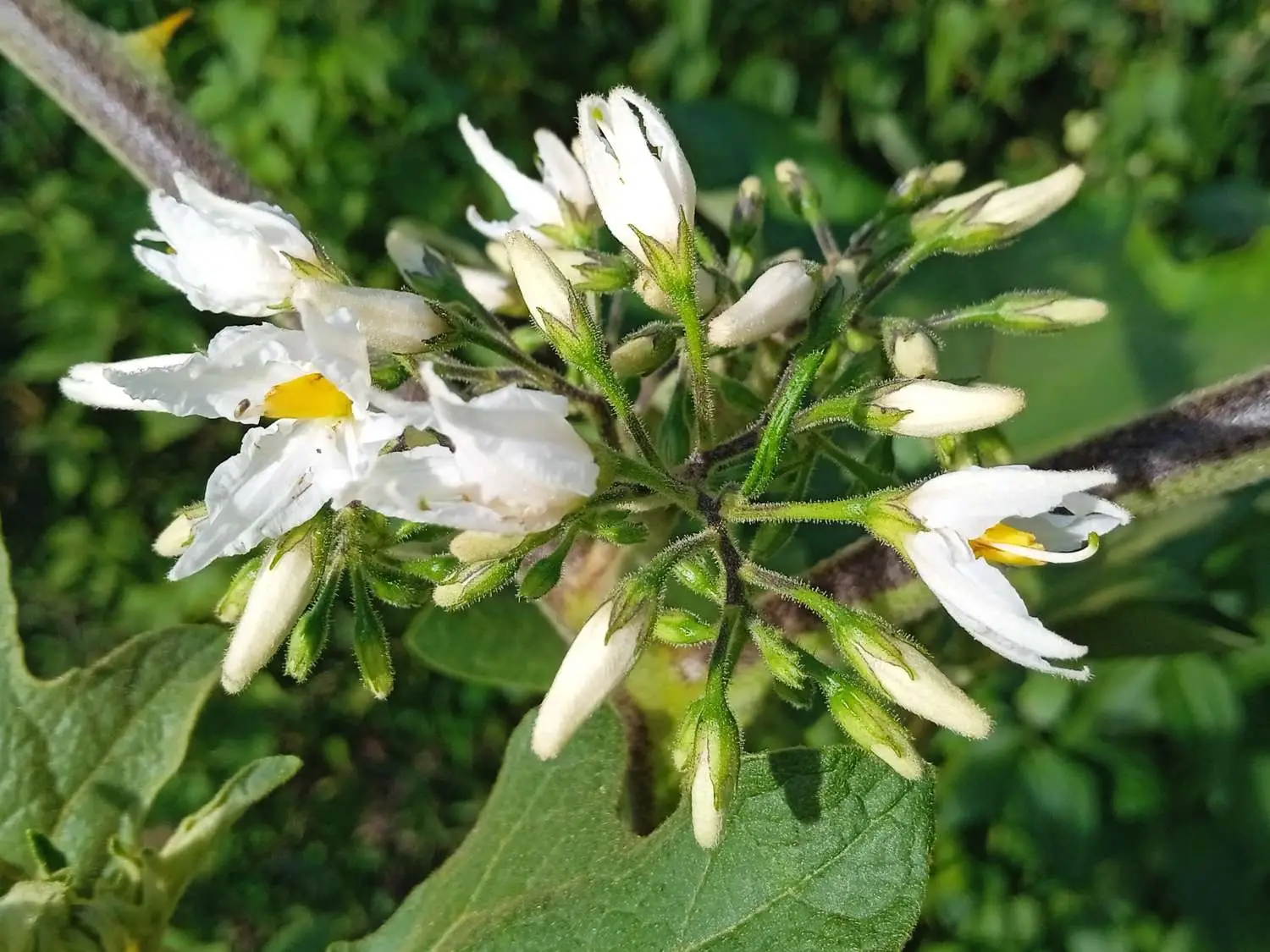
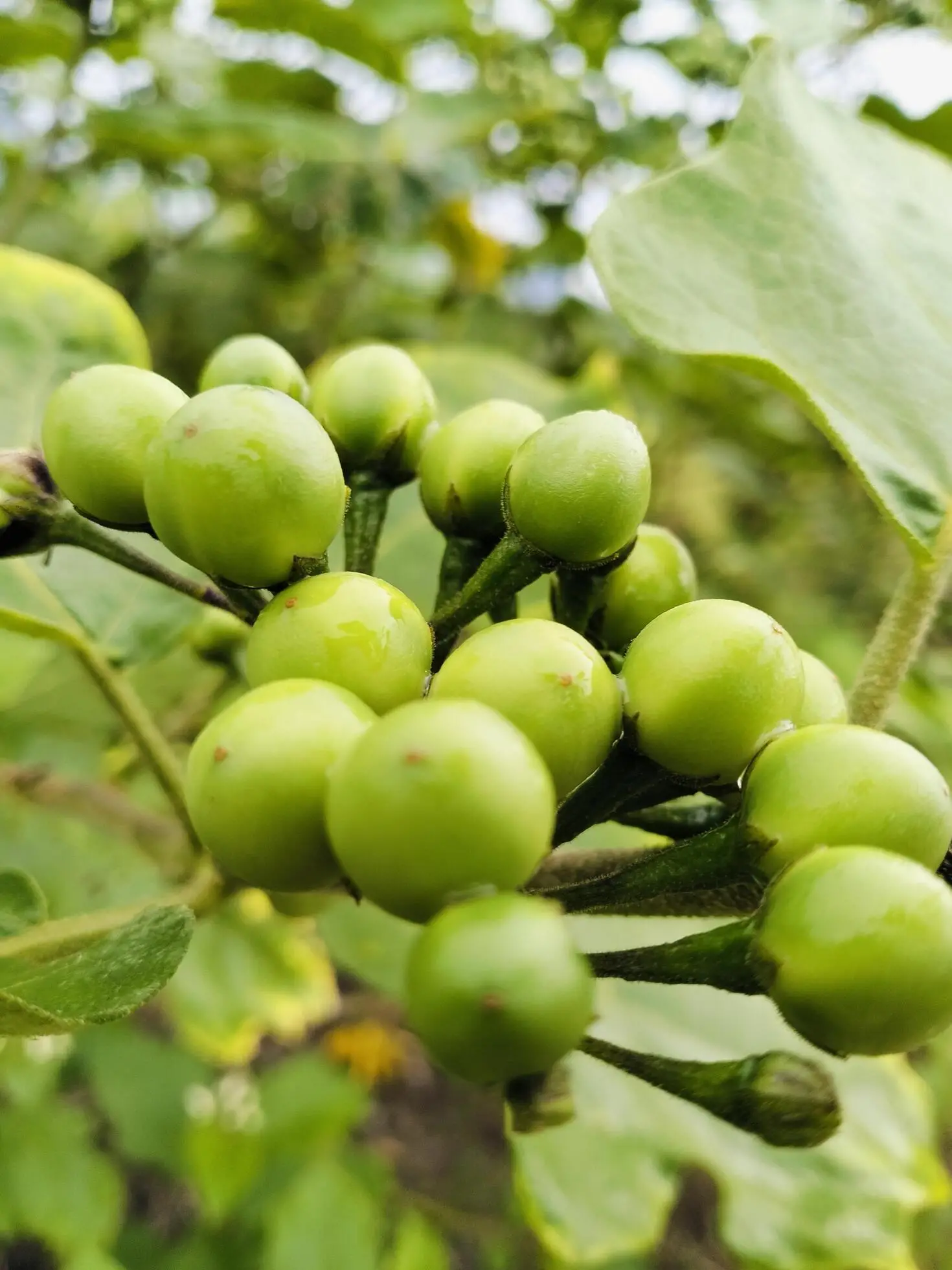
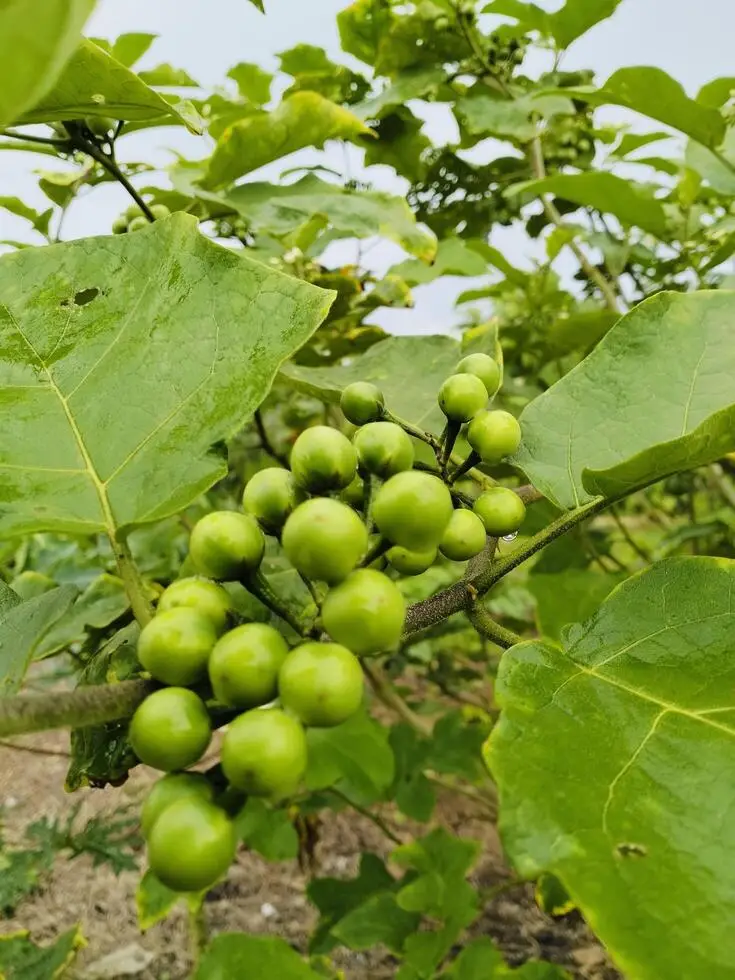
Solanum torvum, commonly known as turkey berry, devil’s fig, or wild eggplant, is a fast-growing perennial shrub in the nightshade family Solanaceae. Native to tropical regions, it can reach up to 2 – 3 meters tall and produces clusters of small white flowers followed by pea-sized green fruits. The fruits are edible when cooked and widely used in Asian and African cuisines, often in curries, soups, and more.
Germination Guide
🌍 Central America, Caribbean, South America
Difficult
Solanum torvum (turkey berry, pea eggplant) is a tropical Solanaceae species native to Central America and the Caribbean. Seeds exhibit strong physiological dormancy requiring pre-treatment to achieve adequate germination rates. The species is widely used as a rootstock for eggplant and tomato due to disease resistance.
Germination
Germination time
Expect germination in
3 – 28 days
Temperature
Min 15°C
Ideal 25°C
Max 30°C
🌡️ Temperature alternation recommended
— Alternating temperatures 15°C for 7 days then 30°C for 7 days improves germination to 81%. Temperature fluctuation required to break dormancy.
Substrate moisture
💧💧 High
Seed Pre-treatment
-
💧
Soaking — 24 hours
Pre-imbibition in gibberellic acid solution recommended
-
🔨
Mechanical scarification
Scrubbing seeds in a rubbing bag with flowing water
-
❄️
Cold then warm stratification — 7 days at 15°C
-
📋
Additional notes
Gibberellic acid (GA3) at 10 ppm or potassium nitrate (KNO3) 0.2% soaking significantly improves germination. Cold stratification at 15°C for 7 days followed by heat shock at 30°C for 7 days optimal.
Substrate & Container
Recommended substrate
Potting mix, cocopeat (pH 5.5-6.8), sandy or loamy soil
Recommended container
50-cell seed trays or pots
Growing Tips
Fresh seeds present strong dormancy with no germination untreated. Seed batches show variable response to treatments. Gibberellic acid treatment most effective overall. Seeds from ripe yellow fruits achieve highest germination (95%) at 12 days mean time. Store seeds under ambient conditions for up to 16 weeks to improve dormancy alleviation.
Only logged in customers who have purchased this product may leave a review.

Reviews
There are no reviews yet.