
Grow the tree that has produced the world’s most precious natural gum for 4,000 years. Acacia senegal yields authentic gum arabic—the versatile gold-standard stabilizer for food, cosmetics, and pharmaceuticals. Fragrant white flowers attract bees. Elegant fern-like grey-green foliage. Even your young seedling holds the power to become a profitable, slow-growing treasure. Surprisingly hardy; thrives in poor soil where others fail.
Acacia senegal is the tree the ancient world knew as the source of liquid gold—gum arabic, one of humanity’s most valued botanical treasures for over four millennia.
Origin: The Real Deal
Native to the semi-arid Sahel region stretching across Sudan, Senegal, and beyond, Acacia senegal is the only acacia species whose gum is certified toxicologically safe for food use globally. This is not just any acacia; this is the botanical equivalent of a Bordeaux vintage. Sudan supplies approximately 80% of the world’s gum arabic, and the tree has been cultivated in deliberate “gum gardens” for centuries because its value is undeniable. The natural distribution—across the harshest landscapes from the Red Sea to the Atlantic—speaks to its legendary drought tolerance and resilience.
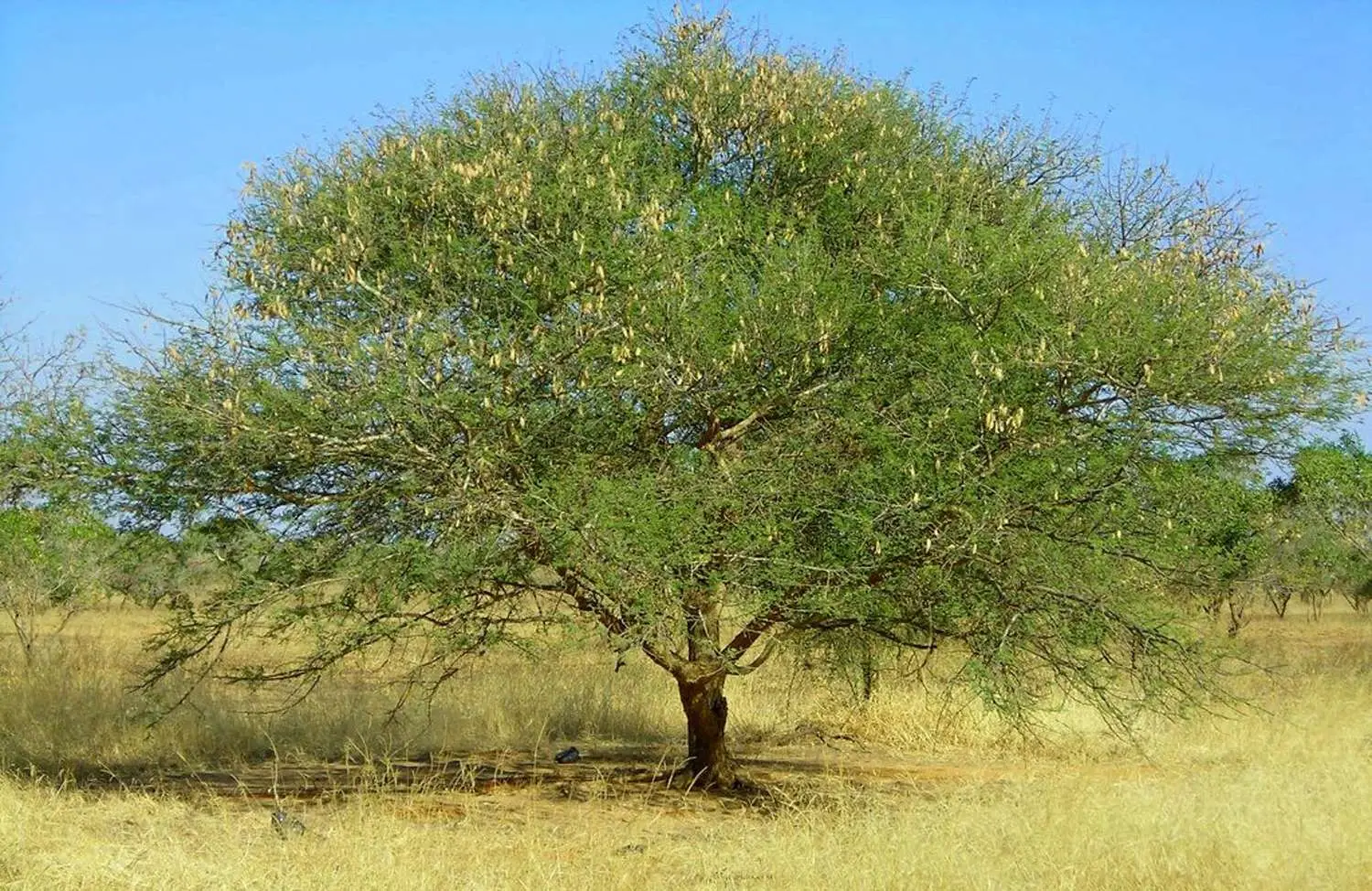
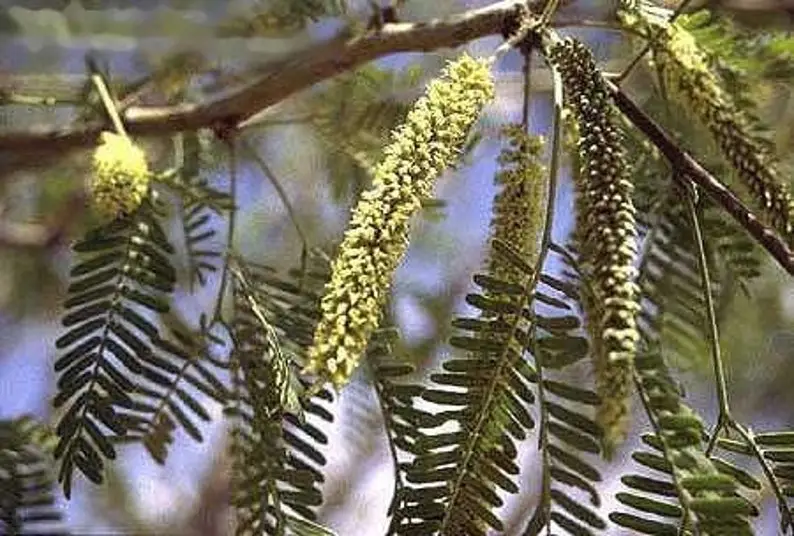
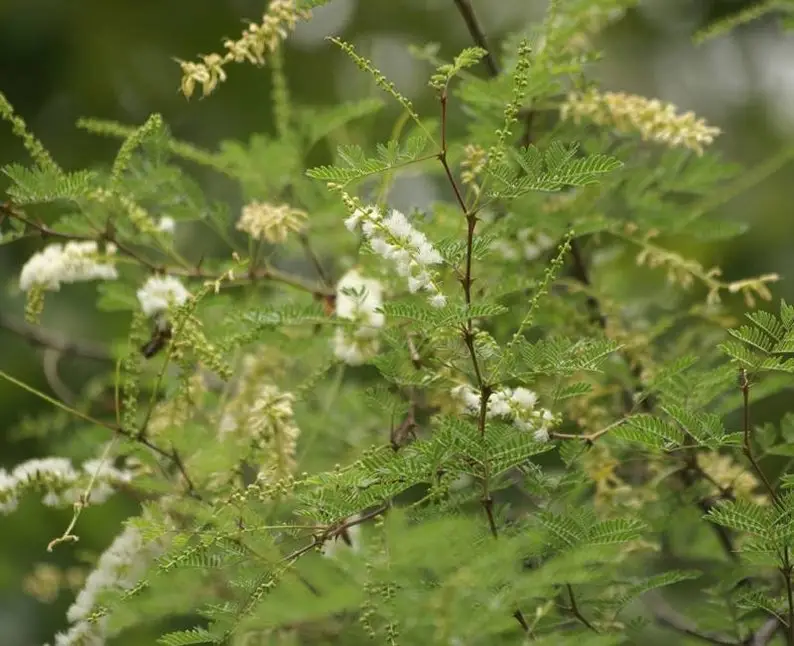
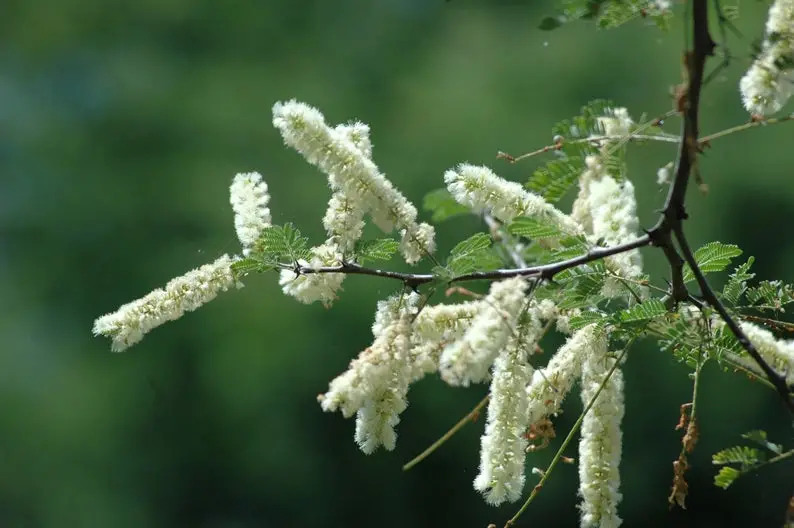
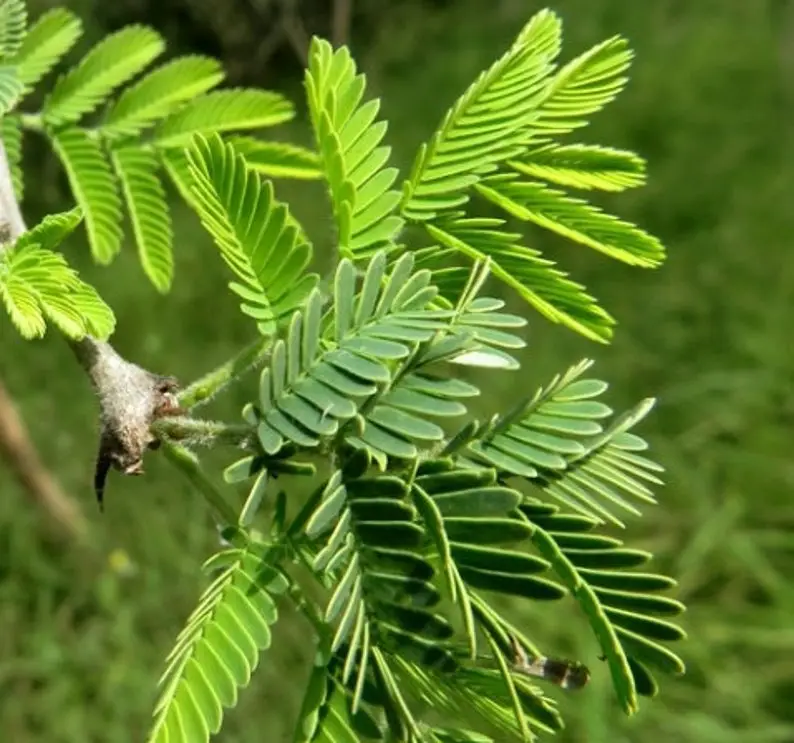
Visually, it’s a showstopper in its restraint. The tree grows as a delicate, low-branching shrub or small tree (5-15 m), with an elegant umbrella-like or rounded crown. Young bark gleams smooth and pale yellow-brown; mature bark darkens dramatically to deep grey with gnarled, fissured texture. The foliage is unmistakably refined: small, finely bipinnate leaves in cool grey-green, creating that feathery, fern-like canopy that acacia connoisseurs cherish. Flowers are fragrant and pure white to pale yellow, arranged in cylindrical spikes 5-10 cm long—utterly charming, arriving during the rainy season and beckoning bees from far away.
Gum Arabic: The Protagonist, The Prize
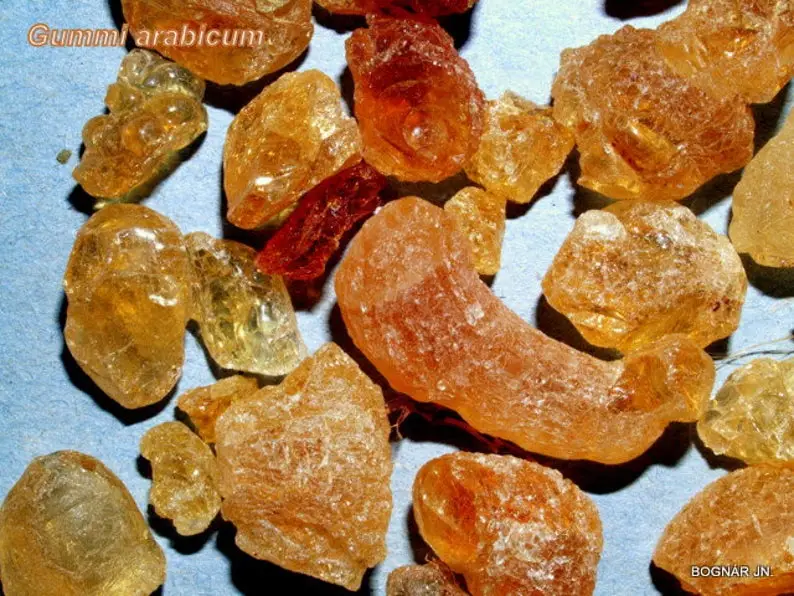
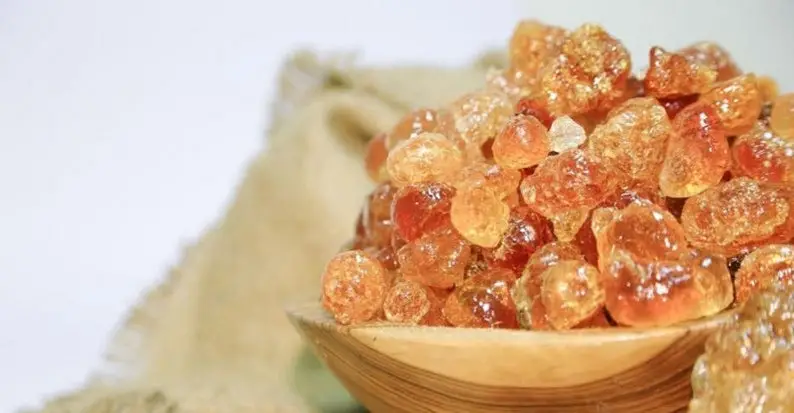
Here is where Acacia senegal becomes legendary. When bark is naturally stressed during the hot season (or deliberately tapped by experienced growers), the tree exudes a resinous sap that hardens into translucent, tear-shaped nodules of gum arabic—raw, unrefined brilliance. An individual mature tree yields 200-300 grams of this liquid gold per season. What makes it extraordinary is not just the harvest; it’s what the world does with it. Gum arabic is the world’s only universally recognized, safe, natural emulsifier and stabilizer approved for food use in every major market. It stabilizes soft drinks (Coca-Cola famously depends on it), thickens and binds confectionery and ice cream, gives cosmetics and pharmaceuticals their silky texture, works in printing inks, watercolor paints, adhesives, and textiles. The global gum arabic market is valued at over $1 billion and growing 6.5% annually—demand that shows no sign of slowing. Growers in Sudan’s “gum gardens” have known for centuries: plant Acacia senegal, and you’re planting currency. Professional gum harvesters begin tapping trees at 4-5 years of age; production accelerates at year 7 and reaches full, consistent yield by year 5 in the field, making this a medium-term investment with real returns. Secondary benefit: the dried gum itself is visually striking—amber-brown nodules that hang from the bark like nature’s jewelry, a tangible reminder of the tree’s quiet power.
Bonus Uses: Pollinator Paradise & Soil Healer
While gum is king, this tree gives more. The fragrant white flower spikes are irresistible to bees—honey from Acacia senegal flowers is legendary, amber-hued with mild aroma and rapid granulation, commanding premium prices in markets where beekeepers understand its value. As a legume, Acacia senegal fixes atmospheric nitrogen, restoring depleted soils and playing a critical role in agroforestry and desertification recovery across Africa. Its leaves and pods provide nutritious fodder for livestock. Nothing goes to waste; the heartwood is dense and valuable for tool handles, the bark yields fiber for cordage, and the wood burns hot for fuel or charcoal. This is a multipurpose tree disguised as a delicate ornamental.
Growing Your Gum Arabic Dream: Easier Than You’d Think
Contrary to assumptions about tropical exotics, Acacia senegal is *surprisingly amenable* to cultivation, especially for a tree with such valuable output. It is xerophytic—truly adapted to arid and semi-arid regions where water is scarce. It tolerates poor, sandy, or even
Only logged in customers who have purchased this product may leave a review.

Reviews
There are no reviews yet.