
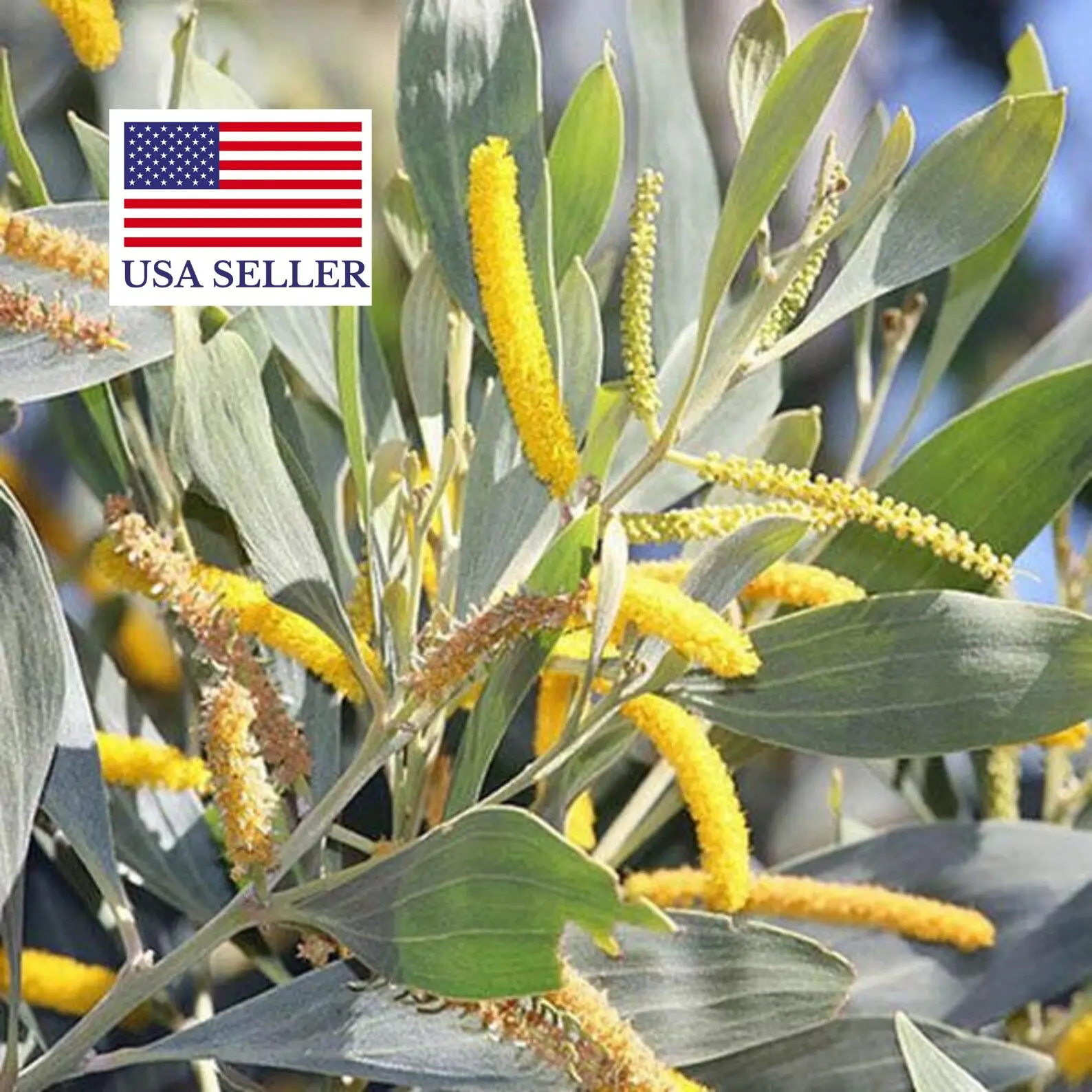
Golden-spired beauty with silky silver foliage that creates soap when rubbed in water—no chemicals, pure botanical magic. Handpick edible seeds used for centuries by Aboriginal peoples, or simply admire the stunning twisted seed pods. Fast-growing, adaptable, and easy from seed. Bring this multipurpose marvel into your garden.
€1.92
Imagine touching leaves so soft they feel like velvet, then rubbing them in your palm under running water to produce creamy, natural lather. That’s Acacia holosericea—the tree that washes itself.
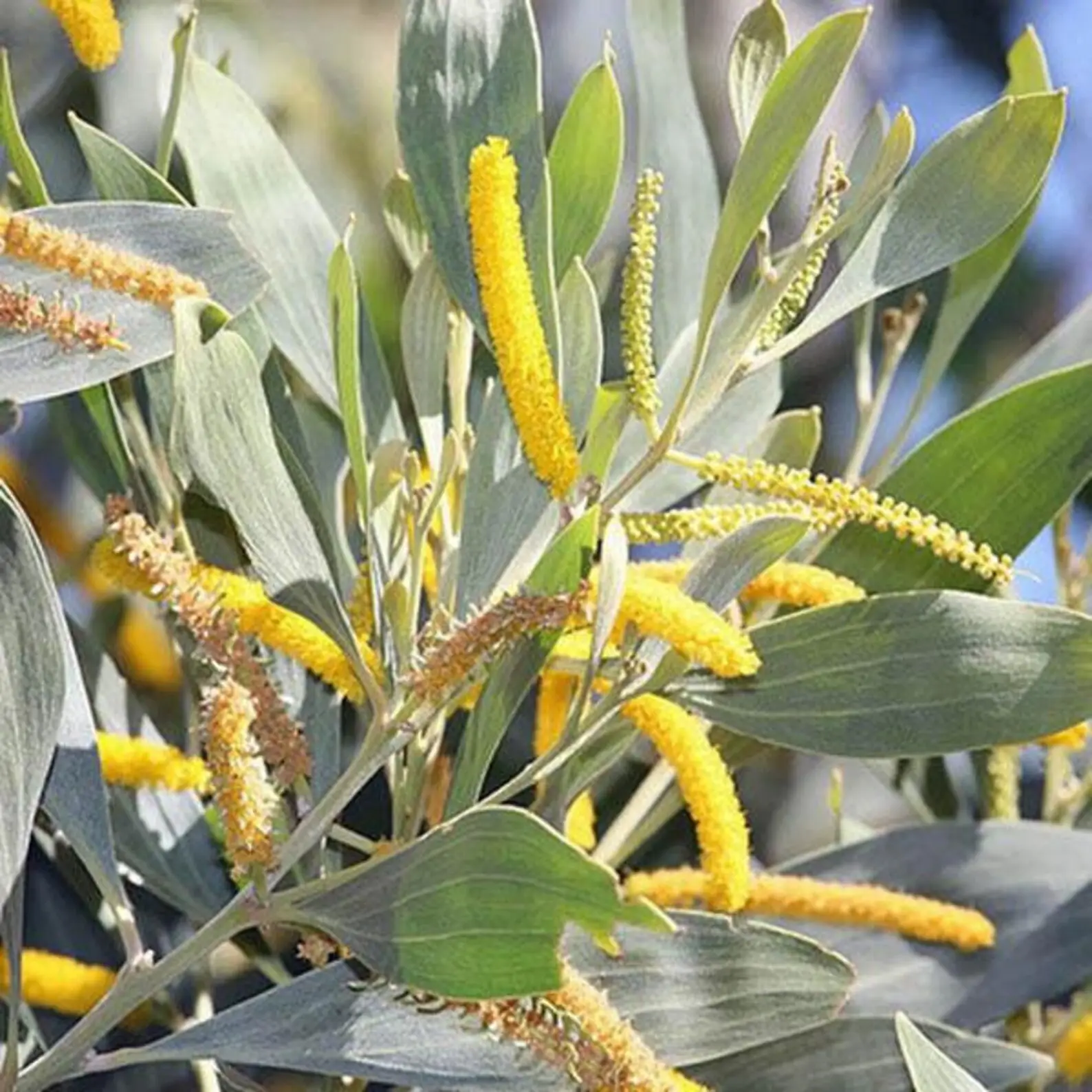
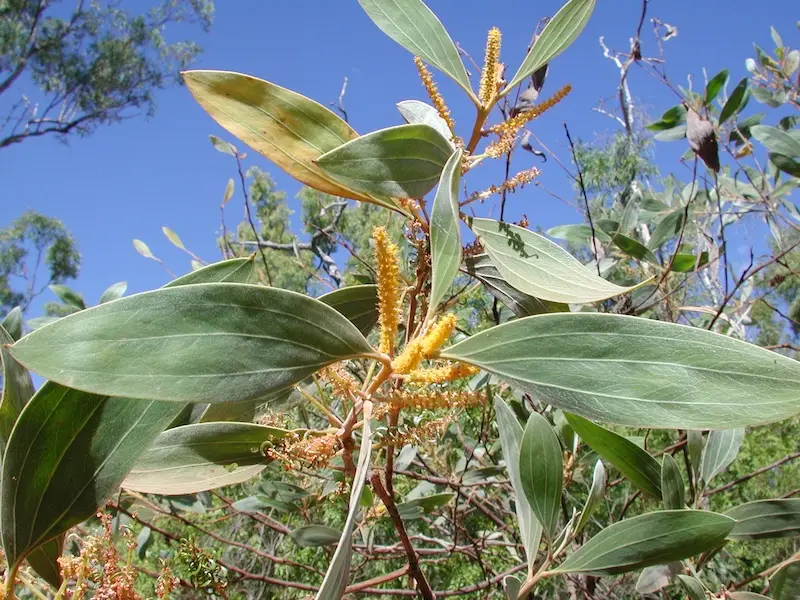
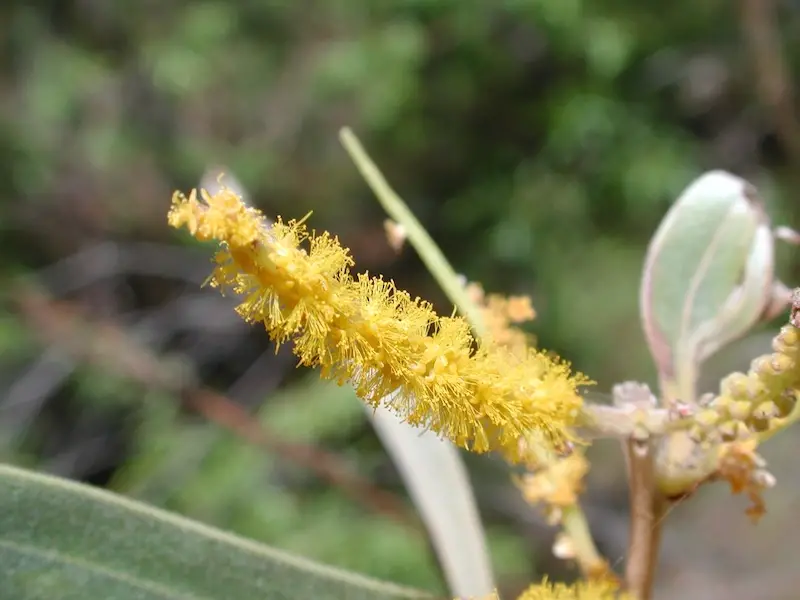
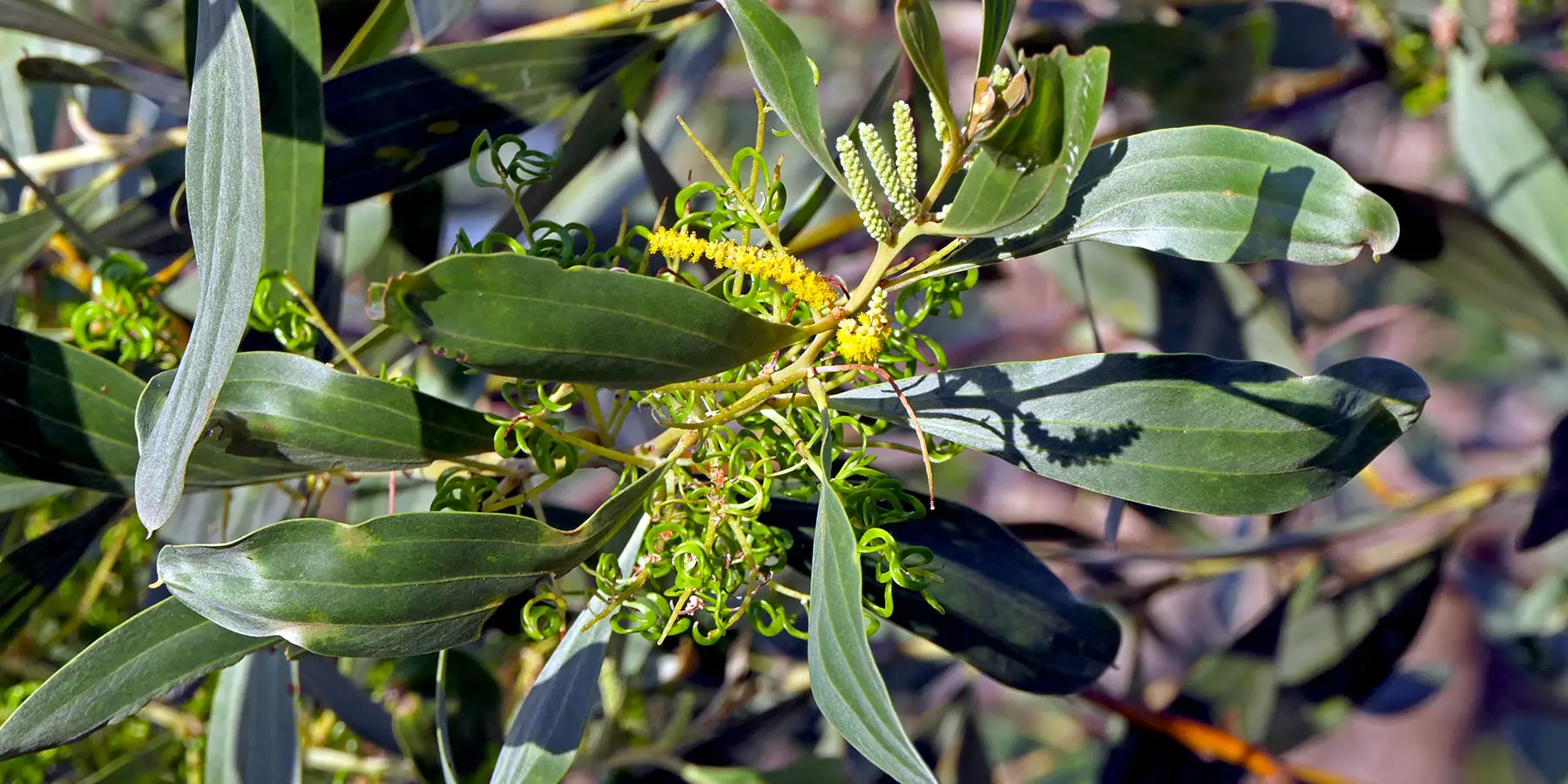
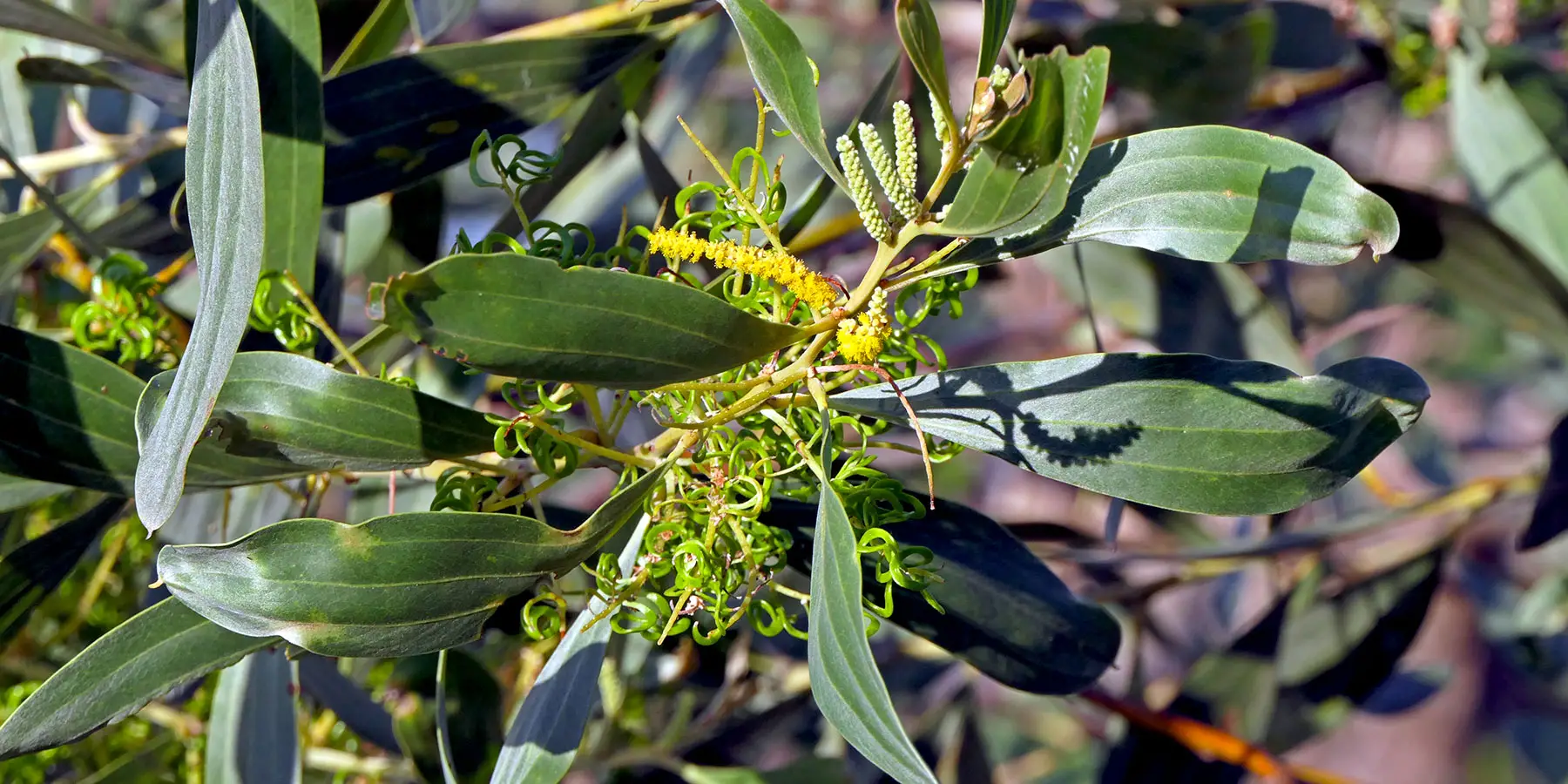
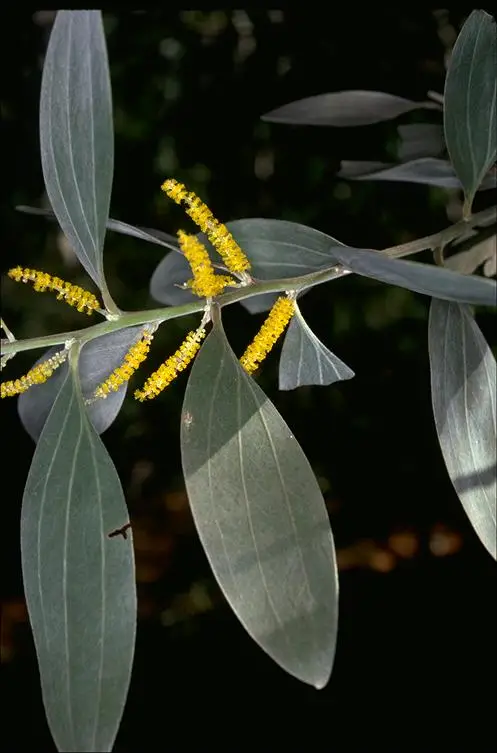
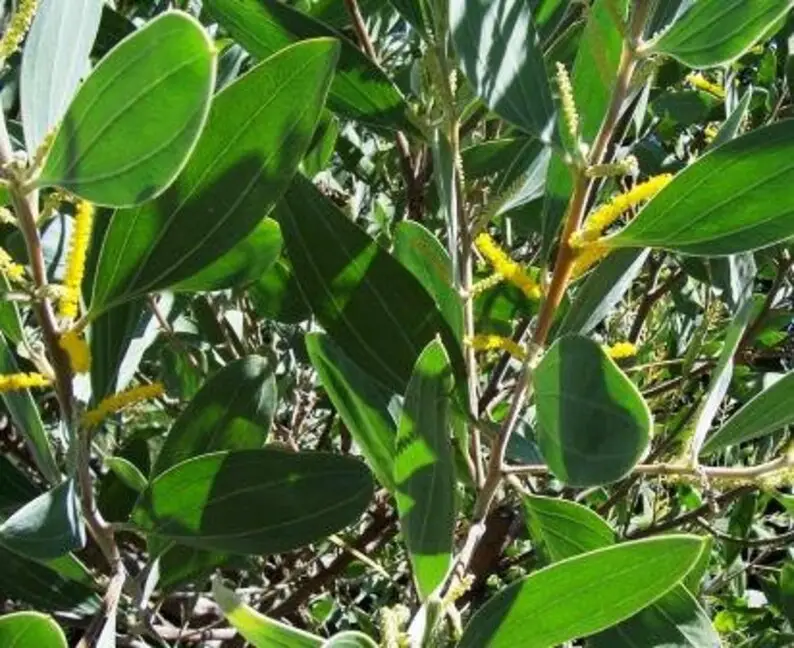
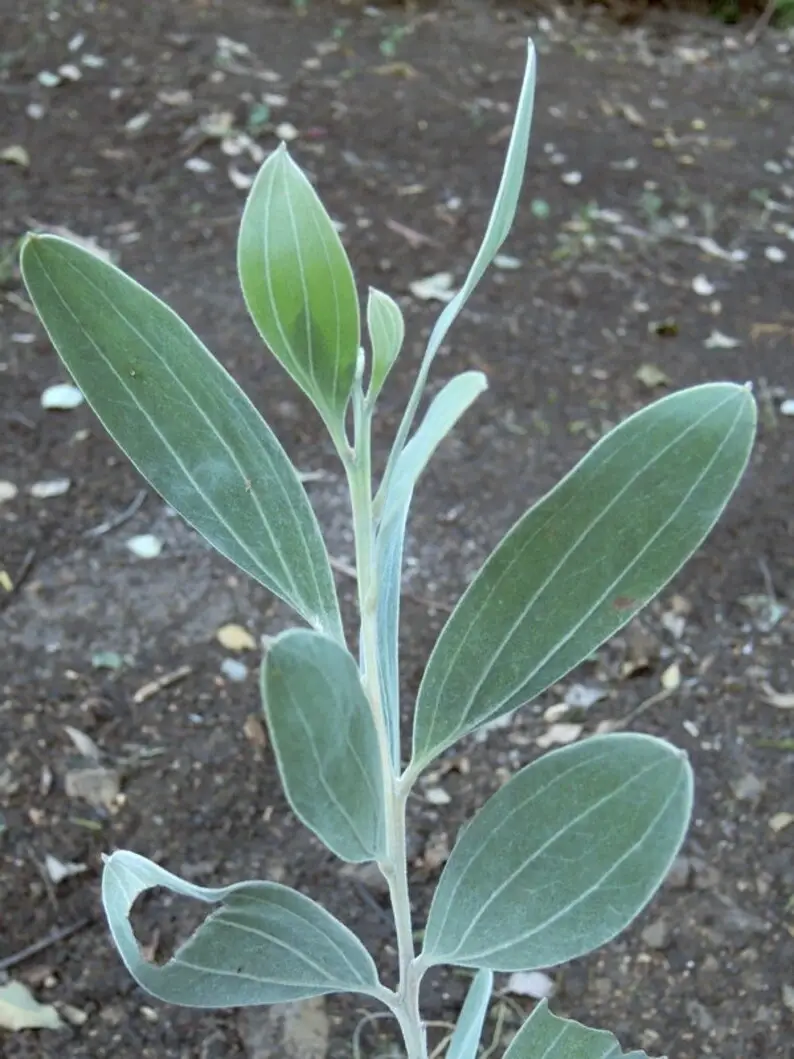
Native to tropical northern Australia, this species is endemic to tropical northern Australia, where it has thrived for millennia in the harshest conditions. This shrub or tree typically grows to 3–8 m high and 4 m wide, and has branchlets and young shoots covered with silvery, silky hairs. Every detail speaks to beauty: phyllodes are obliquely narrowly elliptic, 100–200 mm long, 20–50 mm wide and usually covered with silky hairs, usually with three to four prominent veins. Winter arrives with a spectacular gift—golden yellow flowers borne in rod-like spikes 20–40 mm long—followed by tightly and sometimes irregularly coiled pods that remain as entangled clumps after the seeds have been released, creating an ornamental display that lasts well into summer.
But the true magic lies in those touchably soft leaves. The soft leaves can be used as bush soap, producing a soapy form when rubbed in water. This isn’t a metaphor or gentle exaggeration—it’s genuine, natural surfactant action waiting in your garden. Imagine replacing plastic bottles of synthetic cleanser with a living plant that generates pure botanical soap on demand. Traditional peoples have known this secret for generations; now you can experience it yourself. Beyond the soap, the seed is edible and has been used as a food source for centuries, and raw seeds can be collected when dry and ground to a flour base. This flour can then be mixed with water and made into a paste or baked as damper. The phyllodes, bark and pods are used indigenous peoples of the Northern Territory for pruritic skin conditions, headache and tropical infection—a living pharmacy alongside your soap factory.
Growing Acacia holosericea is genuinely refreshing. It is generally adaptable in cultivation and responds well to sunny, reasonably well drained positions in most soil types. All acacia species need to receive full sun to thrive, and it can fix nitrogen, enriching poor soils as it grows. It grows at a fast rate, rewarding your patience quickly. Starting from seed is straightforward: for successful germination, boiling water should be poured over the seeds, after which they are soaked for 24 hours. From that single act of scarification, you’ll have eager seedlings ready to transform into a productive, beautiful shrub. Although naturally a tropical species it is frost hardy once established, extending its range beyond steamy climates. Regular tip pruning keeps the form compact and bushy—a task made delightful by those impossibly soft leaves beneath your fingertips.
This is the plant that bridges worlds: ornamental excellence, edible abundance, natural cosmetics, and traditional medicine all in one silvery-leaved frame. Growing Acacia holosericea from seed isn’t just gardening—it’s claiming an heirloom skill, a living connection to Indigenous knowledge, and a small rebellion against plastic packaging. Sow it, watch it thrive, and begin harvesting nature’s own cleansing magic.
Only logged in customers who have purchased this product may leave a review.
Reviews
There are no reviews yet.