Description
Imagine cultivating a tree that ancient healers treasured more than gold—a living medicine cabinet with leaves exchanged as sacred gifts on India’s most holy festival days.
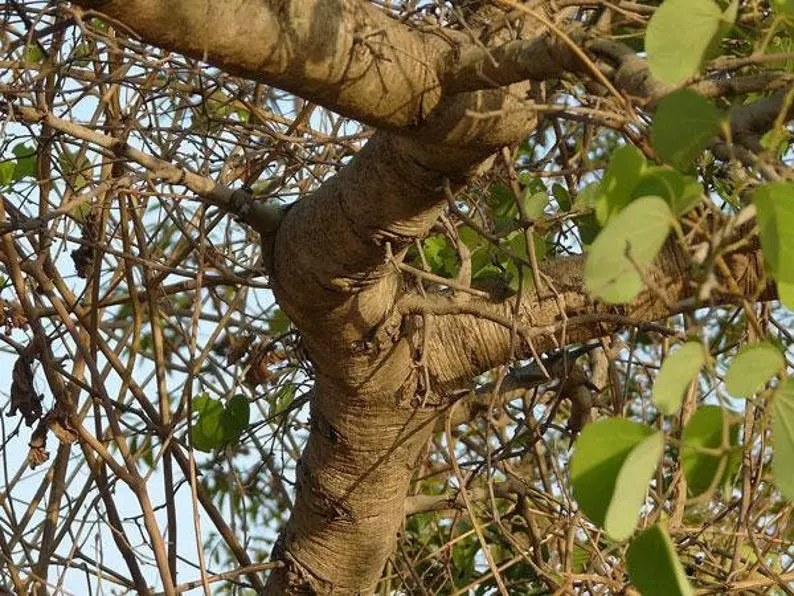
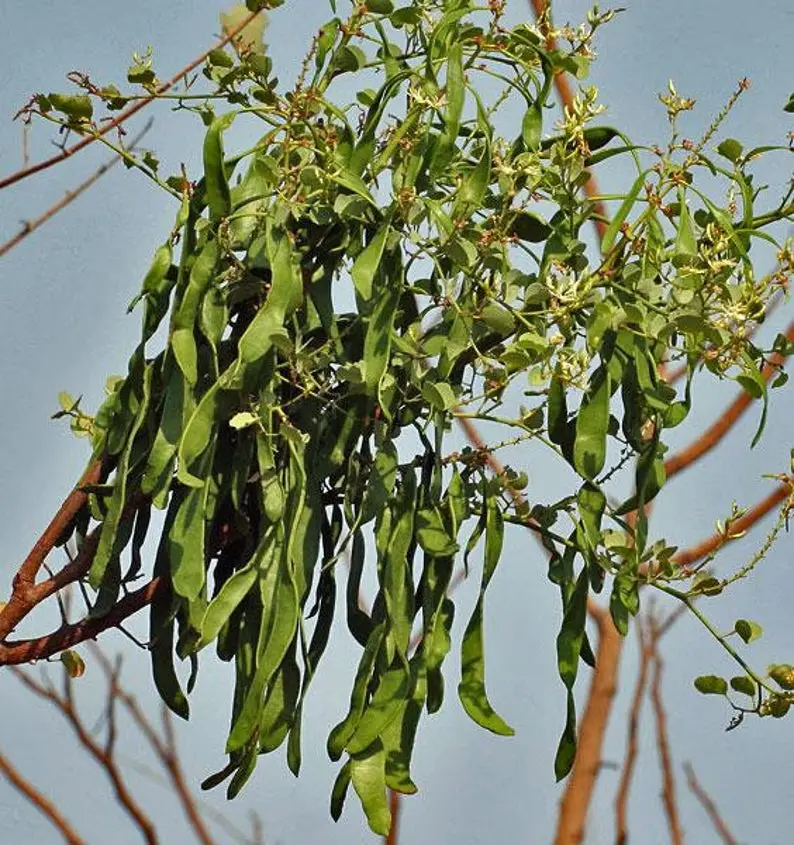
Bauhinia racemosa, the Bidi Leaf Tree, is no ordinary ornamental. This rare deciduous shrub hails from the dry deciduous forests and scrub jungles of India, Southeast Asia, and southern China, where it has flourished for millennia as one of nature’s most versatile remedies. Reaching 3–5 meters with gracefully drooping branches and a crooked, character-filled trunk, it embodies the wild resilience and beauty of its native tropics.
WHAT MAKES IT EXTRAORDINARY: THE HEALING POWER IN EVERY PART
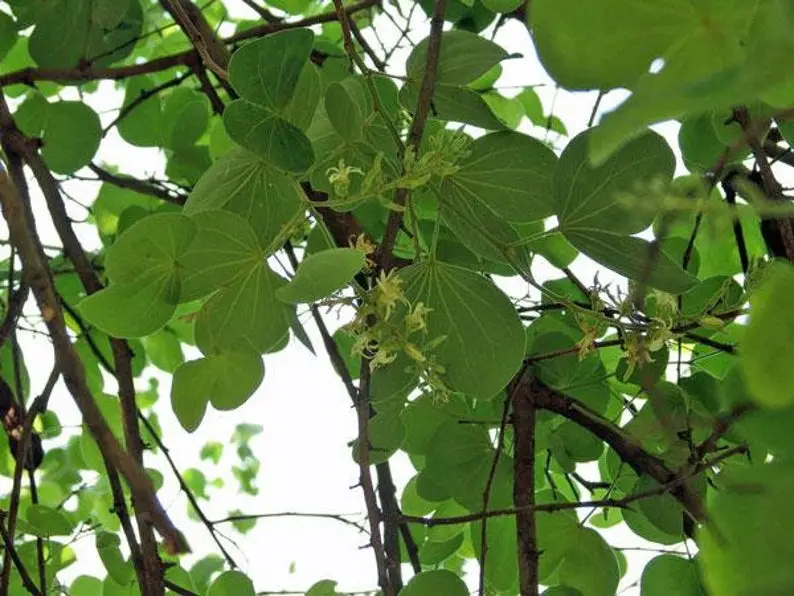
This is where Bauhinia racemosa becomes truly special. Every part of this tree—bark, leaves, roots, flowers, even seeds—carries potent therapeutic compounds. In Ayurvedic and traditional medicine systems across India and beyond, it is prized as a powerful astringent, anti-inflammatory, and antimicrobial agent. The bark and leaves work as a refrigerant to cool fever and treat inflammation. Decoctions of the bark heal ulcers and wounds. Fresh or dried leaves address dysentery, diarrhea, skin diseases, and blood disorders. During monsoon seasons, healers brew it against respiratory cough. Active phytochemicals—lupeol, kaempferol, quercetin, tannins, and resveratrol—give it remarkable antioxidant and anti-inflammatory activity that modern science is only beginning to validate. For skincare enthusiasts, the flavonoid content supports clearer, healthier skin, traditionally used in folk face packs. And here’s the cultural kicker: in Maharashtra, its yellowish-green leaves are exchanged symbolically as “Sonpatta” (leaves of gold) during the sacred festival of Dussehra—a spiritual honor reserved for few plants. As a bonus, tender young leaves and delicate flowers are entirely edible, rich in nutrients, and can be added fresh to salads or simmered into healing soups and curries.
HOW TO GROW YOUR MEDICINAL TREASURE
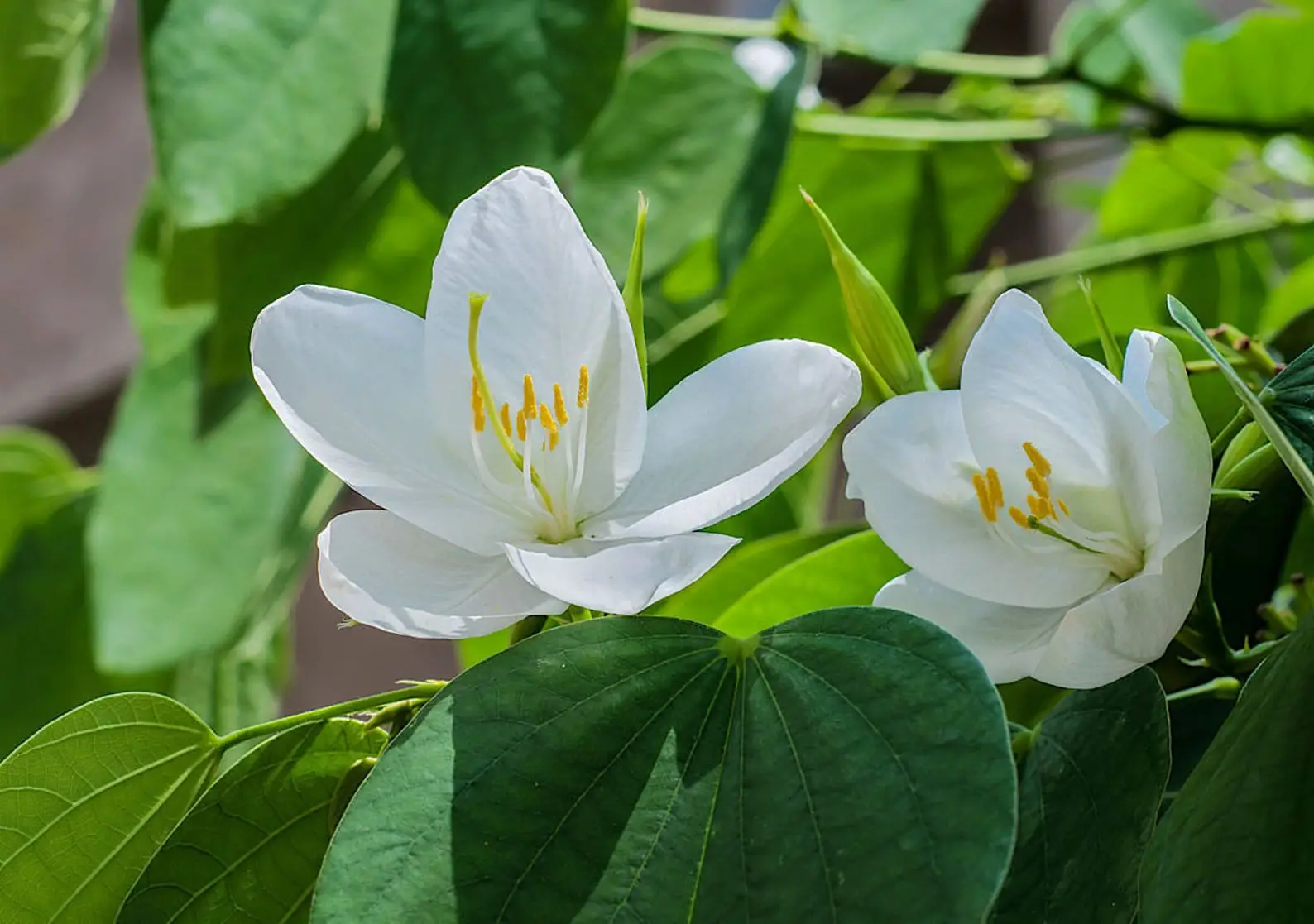
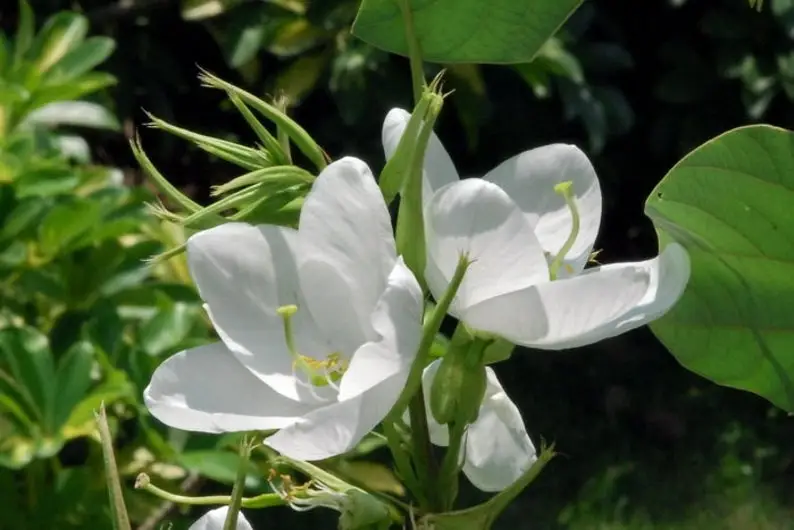
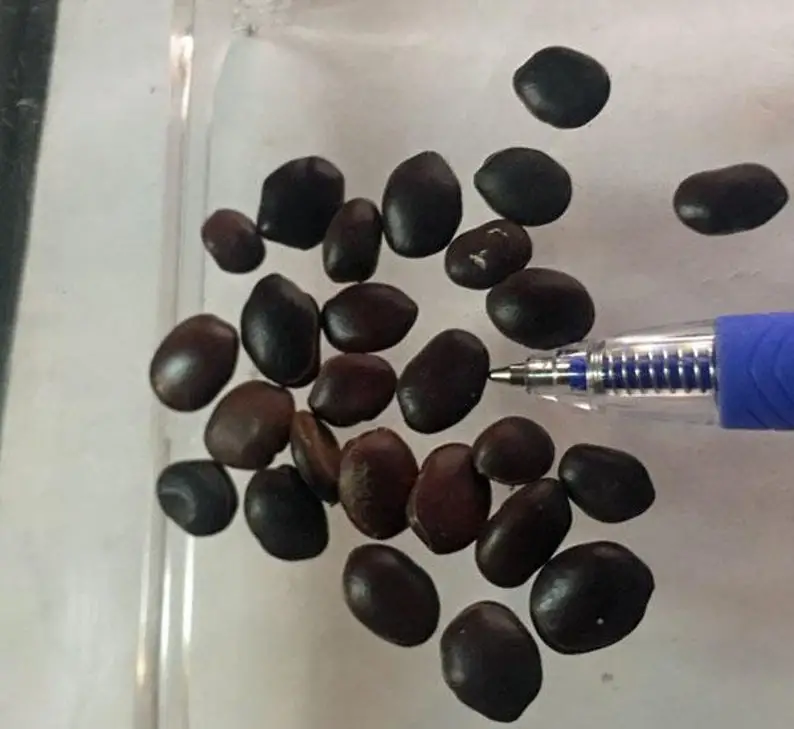
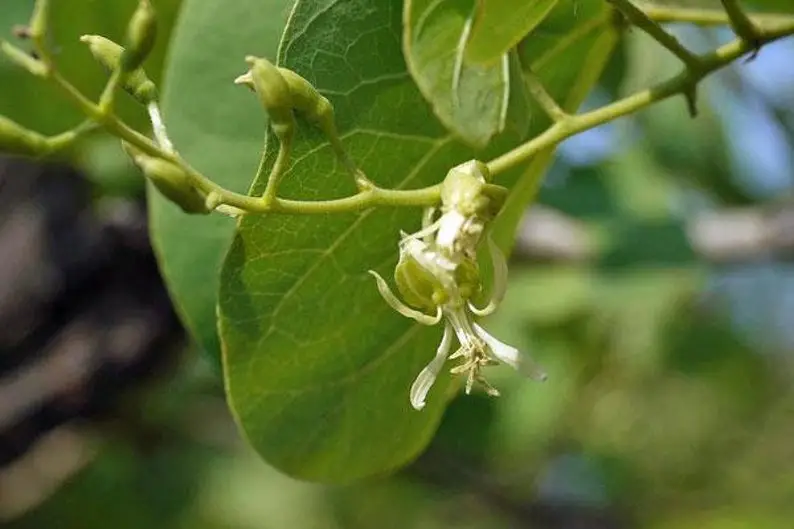
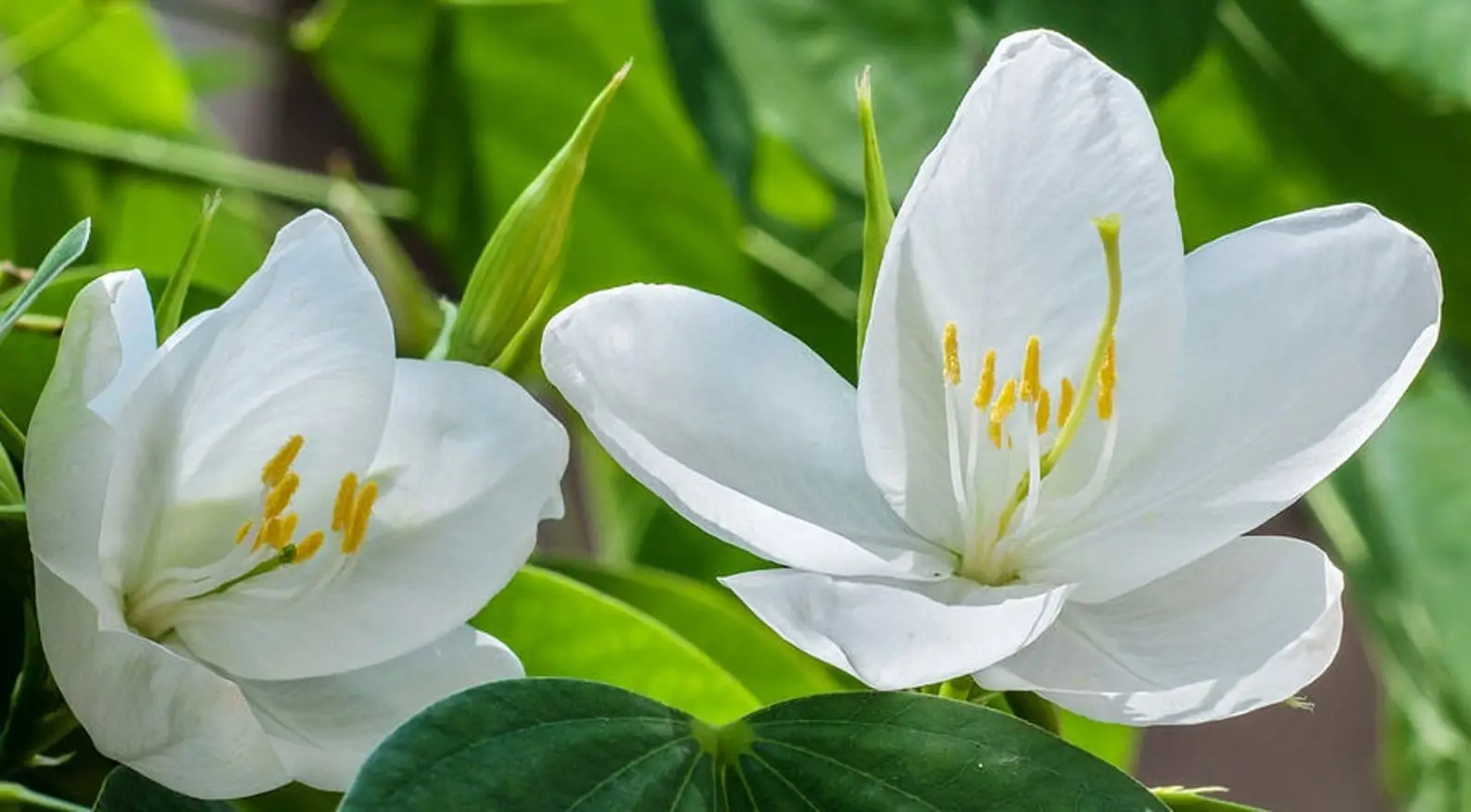
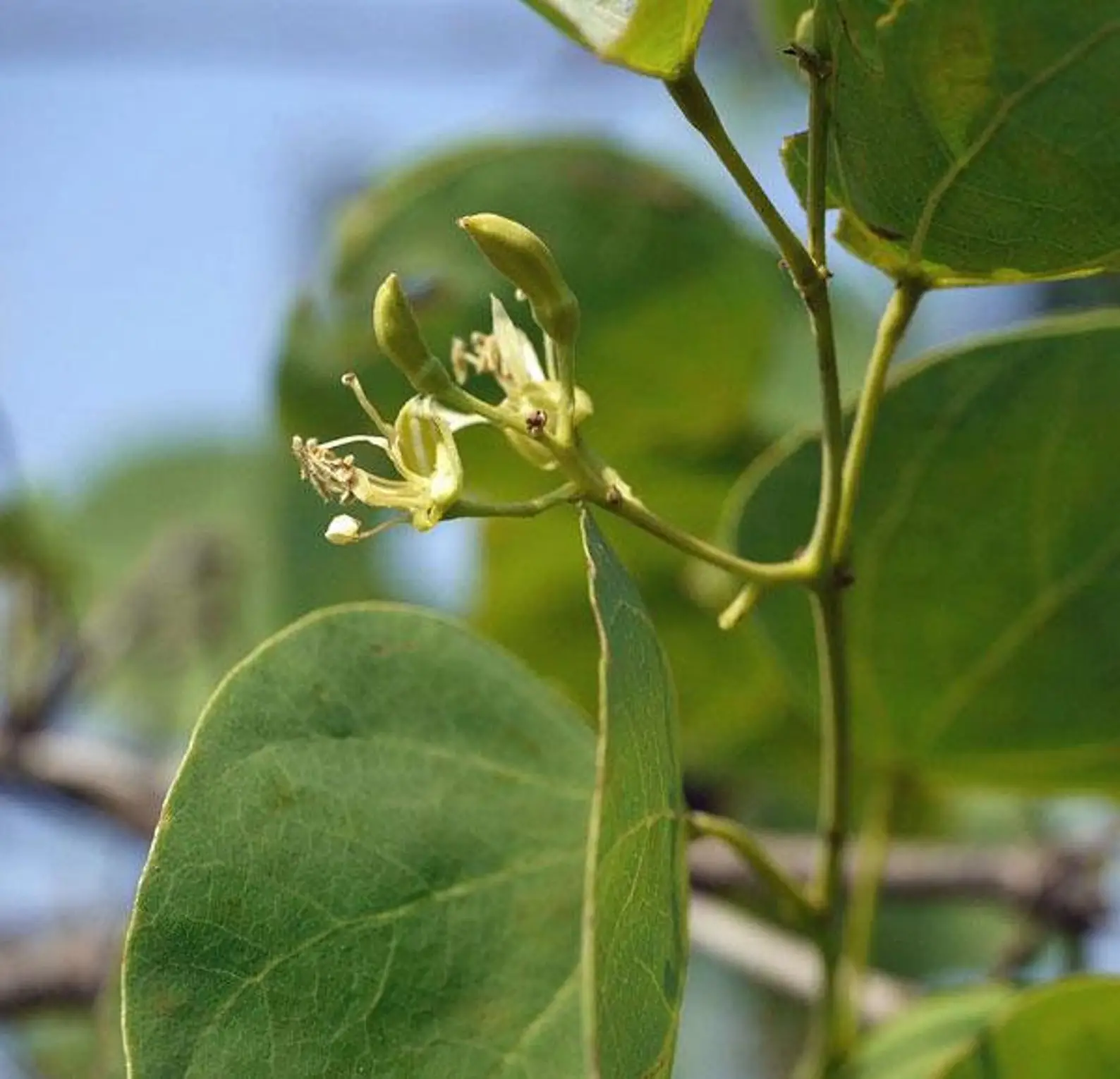
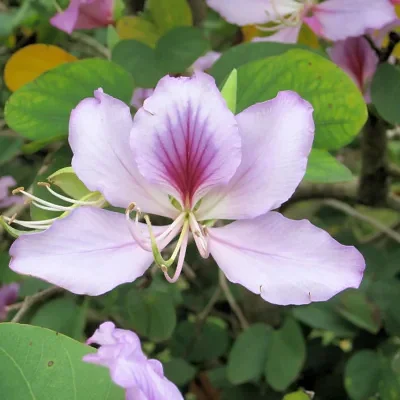
The beauty of Bauhinia racemosa is its remarkable adaptability. It thrives in full sun to partial shade and performs beautifully in well-drained soils—sandy, loamy, or clay—tolerating slightly acidic to slightly alkaline conditions. Once established, it is remarkably drought-tolerant, a quality that makes it perfect for water-conscious gardeners and hotter climates. In tropical and subtropical zones (temperatures 20–35°C / 68–95°F), it flourishes with minimal fussing. Young plants grow with impressive vigor—side branches can reach one meter by the end of the first year, and under good conditions, they’ll reach 4.5 meters within three years. Seeds germinate readily in 2–4 weeks in warm, moist soil. Water regularly during establishment, then reduce frequency as the plant matures. Late winter to early spring brings your reward: delicate, fragrant clusters of pale yellow to white flowers arranged in elegant racemes, attracting pollinators and adding refined beauty to any garden or medicinal herb plot.
GROW THIS, AND YOU OWN A THOUSAND YEARS OF HEALING WISDOM
When you plant Bauhinia racemosa from seed, you’re not just growing a tree—you’re nurturing an ancient healer, a cultural icon, a medicinal powerhouse, and a living symbol of resilience. Whether you brew its bark as a wellness tea, harvest leaves for your skin, explore its Ayurvedic applications, or simply admire its graceful form and fragrant blooms, every moment with this extraordinary plant becomes an act of connection to tropical forests, ancient traditions, and nature’s own pharmacy. Start from seed today and watch it transform your space into a sanctuary of healing.


Reviews
There are no reviews yet.