Description
Pongamia pinnata is a remarkable species native to the Indian subcontinent and Southeast Asia, boasting numerous benefits that extend beyond its aesthetic appeal. This is not just another shade tree—this is a living biofuel generator.
Native to South and Southeast Asia, it is now known in various languages as Indian beech, pongam, karanja, honge, kanuga, and is now grown all over the world. For centuries, it has been revered in traditional cultures, but today it represents the future: a leguminous, oilseed-bearing tree that is a potential resource for renewable fuels in general and sustainable aviation fuel in particular. The tree can live for over 100 years, making it a long-lasting addition to any landscape.
**THE OIL: LIQUID ENERGY WAITING TO GROW**
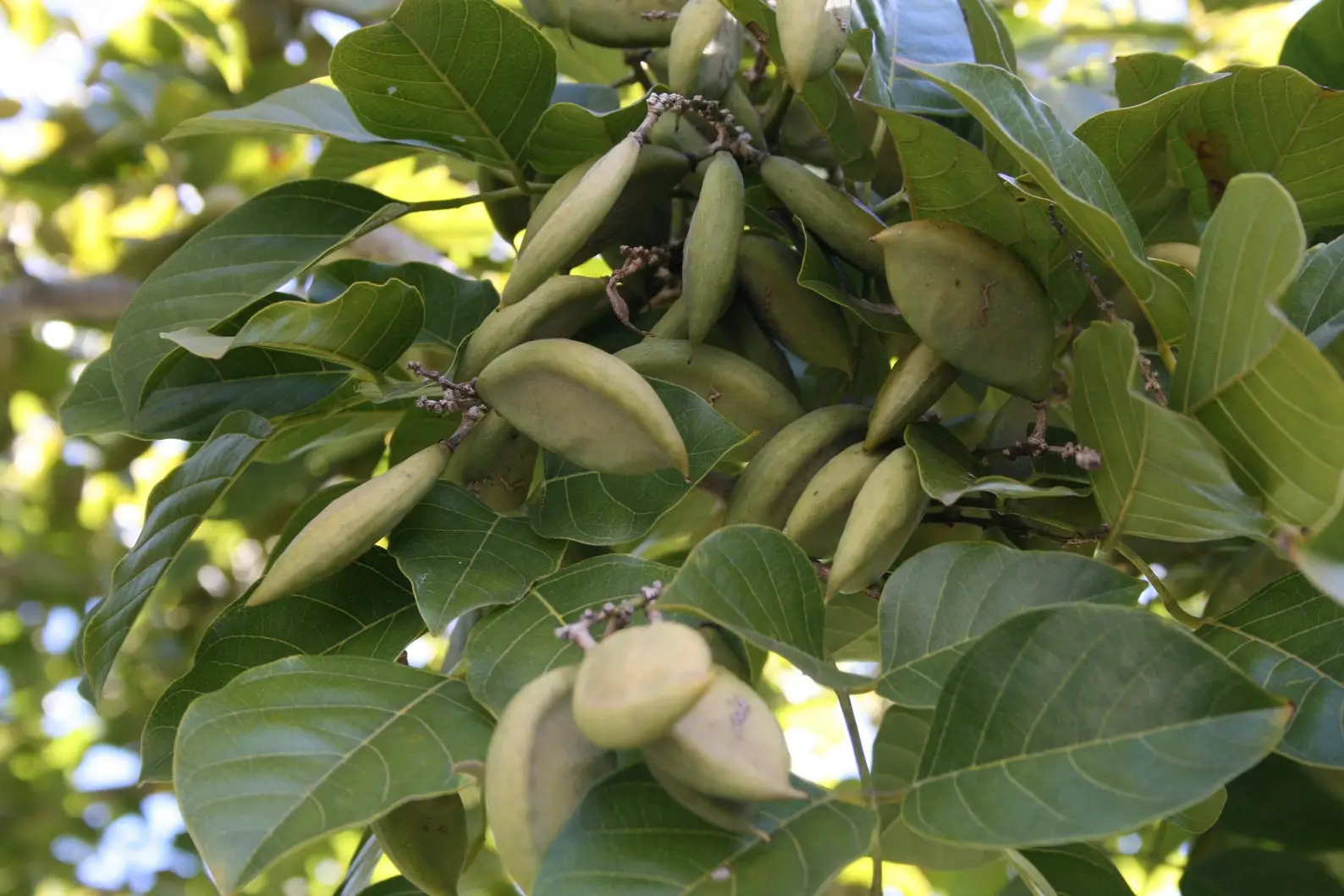
This is where Millettia pinnata transforms from ornamental into opportunity. Seeds contain about 30-40% oil, which can be extracted and converted into biodiesel, making the tree a sustainable source of biofuel contributing to renewable energy initiatives. Pongamia oil has been used as lamp oil, in leather tanning, in soap making, and as a lubricant for thousands of years, but modern research has revealed its true power: environmentally safe, nontoxic, and biodegradable biodiesel that can power diesel generators, water pumps, and engines. Its oil-rich seeds and adaptability to marginal lands make it an attractive option for renewable energy, reducing dependence on fossil fuels while offering income-generating opportunities in rural areas. Some villages in India have created their own power grid systems to run water pumps using Papri or Honge oil. Imagine harvesting your own fuel from your property—this tree makes it possible.
Beyond energy, the oil extracted from seeds is used in soap and cosmetics production thanks to its moisturizing properties, and the leaves have many medicinal purposes, with oil from the seeds used as a liniment for skin diseases and rheumatic illnesses. Historically, Millettia pinnata medicinal uses include detoxification and blood purification, with leaves powder aiding in flushing out toxins and supporting liver and kidney function.
**BEAUTY AS BONUS**
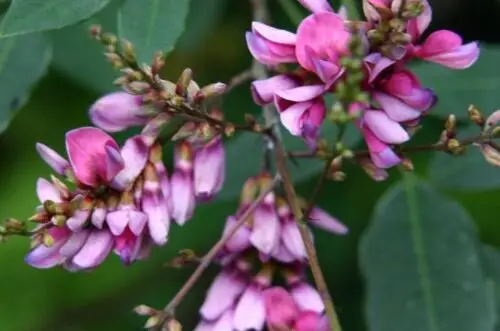
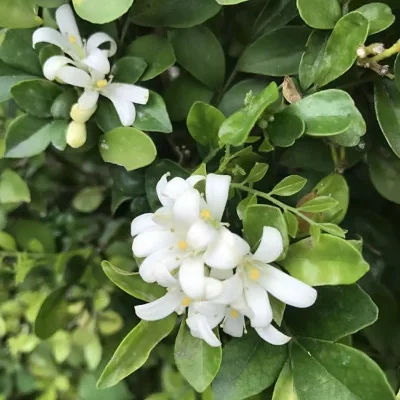
While you’re building your energy independence, the tree rewards you with breathtaking beauty. In spring, the tree is at its finest with showy, hanging clusters of white, pink, or lavender, pea-like, fragrant blossoms, the clusters up to 10 inches long. This species is perfect for attracting butterflies, hummingbirds, and other pollinators. Fragrant flowers are a source of pollen and nectar from which bees produce dark honey, which can be harvested for apiculture and become a source of livelihood. Six- to nine-inch-long, pinnately compound, shiny dark green leaves are briefly deciduous, quickly replaced by new growth.
**GROWING NATURE’S INVESTMENT**
It is adaptable to tropical and sub-tropical regions, requires excellent drainage and a sunny location, and grows easily from seed. The tree grows well in humid and subtropical environments, with a dense root network and thick taproot making it drought tolerant. Once established, pongam is a relatively low-maintenance tree, resistant to high winds and drought. It’s a nitrogen-fixing leguminous tree making it good for the soil. Because it tolerates moderate levels of salinity, pongam is ideal for recovering a variety of wastelands such as saline soil reclamation and is used in reforestation of
Germination Guide
🌍 Eastern and tropical Asia, Australia, Pacific islands
Easy
Millettia pinnata is a tropical legume tree native to Asia with hard seed coats requiring water softening for germination
Germination
Germination time
Expect germination in
7 – 60 days
Temperature
Min 20°C
Ideal 25°C
Max 30°C
Substrate moisture
💧 Medium
Seed Pre-treatment
-
💧
Soaking — 24 hours
Seed soaking in water for 24 hours improves germination
-
🔨
Hot water scarification
Soak seeds in warm water for 24 hours to soften seed coat
-
📋
Additional notes
Some sources indicate no special pre-treatment required, seeds remain viable for one year
Substrate & Container
Recommended substrate
Well-draining soil
Recommended container
Trays or pots in warm location
Growing Tips
Seeds have brittle, oily coat; germination occurs within 1-5 weeks naturally; pods must decompose for natural seed release; maintain consistent moisture during germination
Only logged in customers who have purchased this product may leave a review.



Reviews
There are no reviews yet.