Description
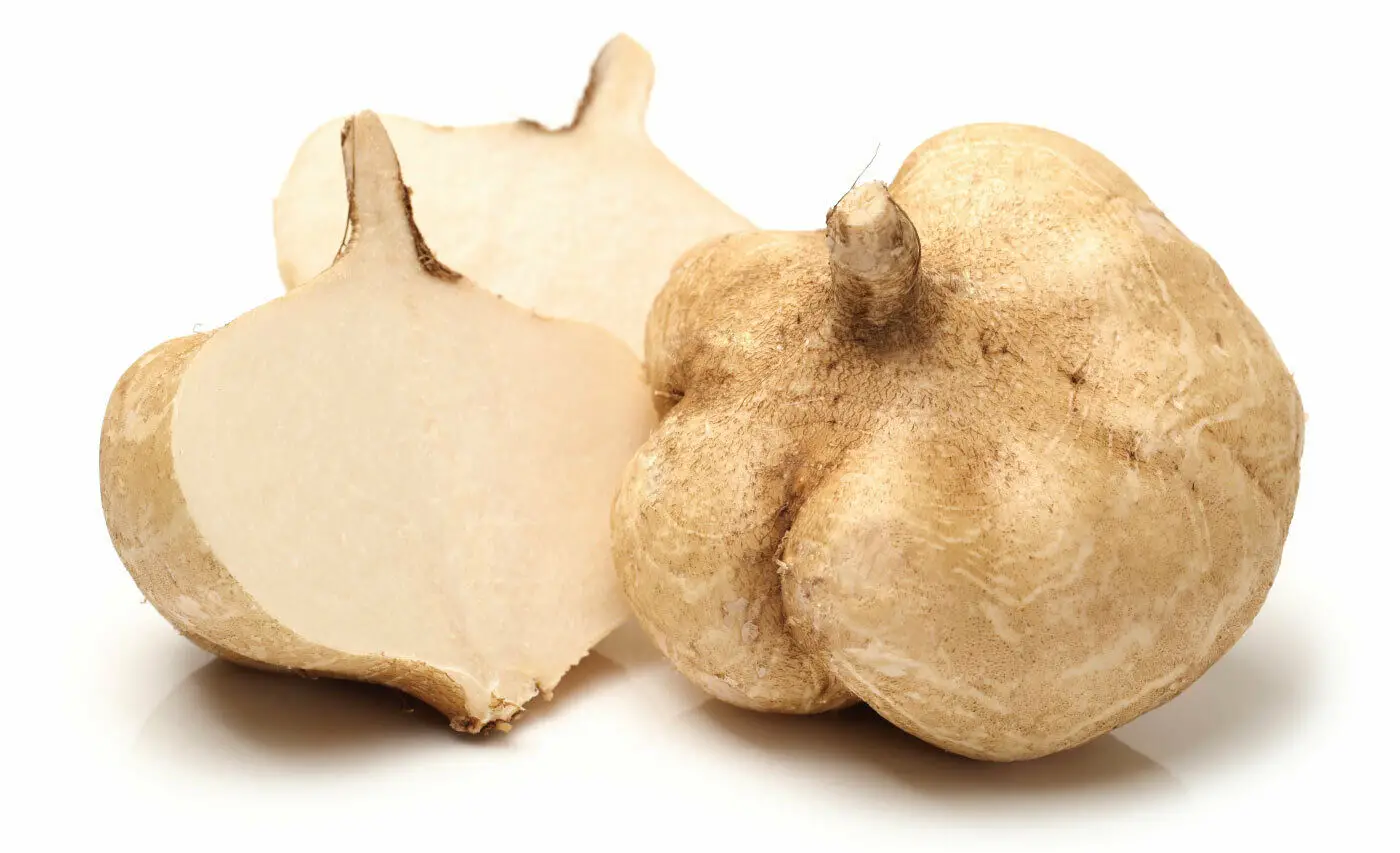
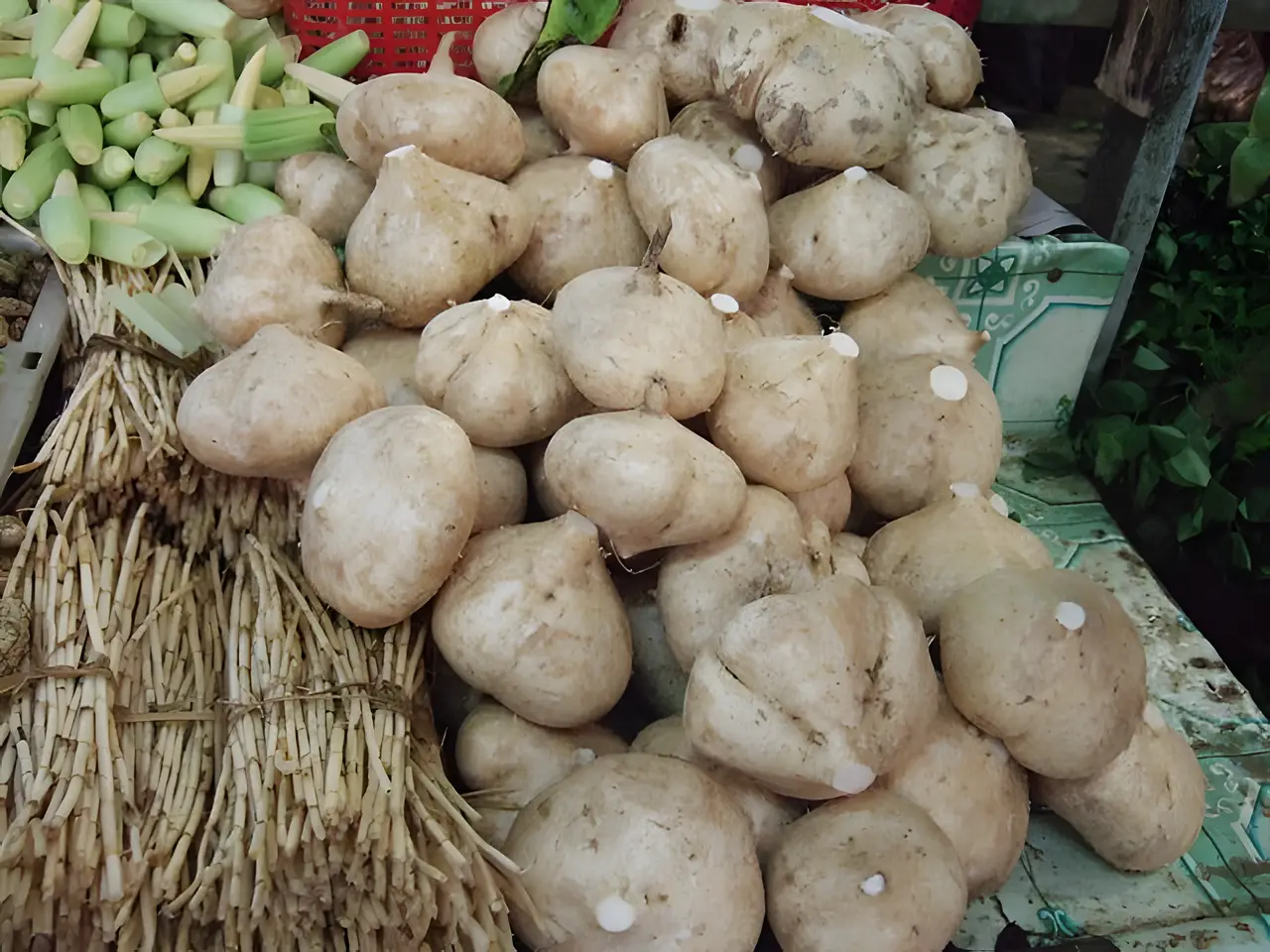
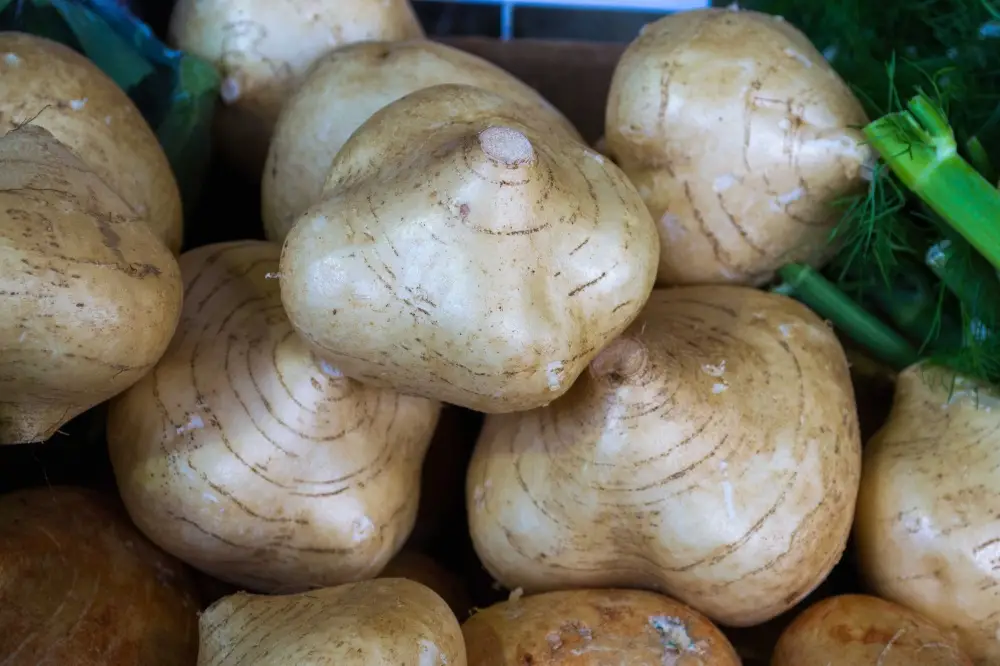
Imagine biting into a root vegetable so crisp, so refreshingly juicy, so naturally sweet—it tastes like a cross between an apple, a pear, and water chestnut all at once.
That’s jícama: Pachyrhizus erosus, a pre-Columbian treasure from Mexico and Central America that has been feeding people for thousands of years. What began as a staple of indigenous diets—so beloved that it appears at Día de Muertos altars in Mexico—has now spread across Asia, the Caribbean, and modern kitchens worldwide. The name itself comes from the Nahuatl word *xicamatl*, meaning “watery root,” a poetic nod to the juicy perfection inside every tuber.
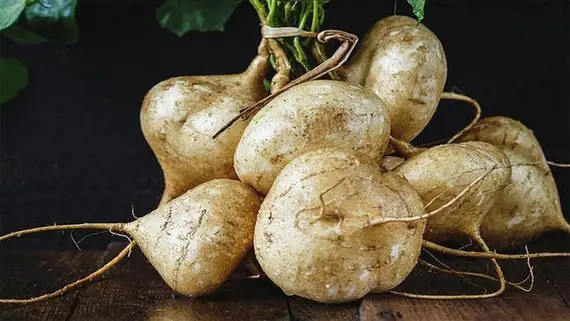
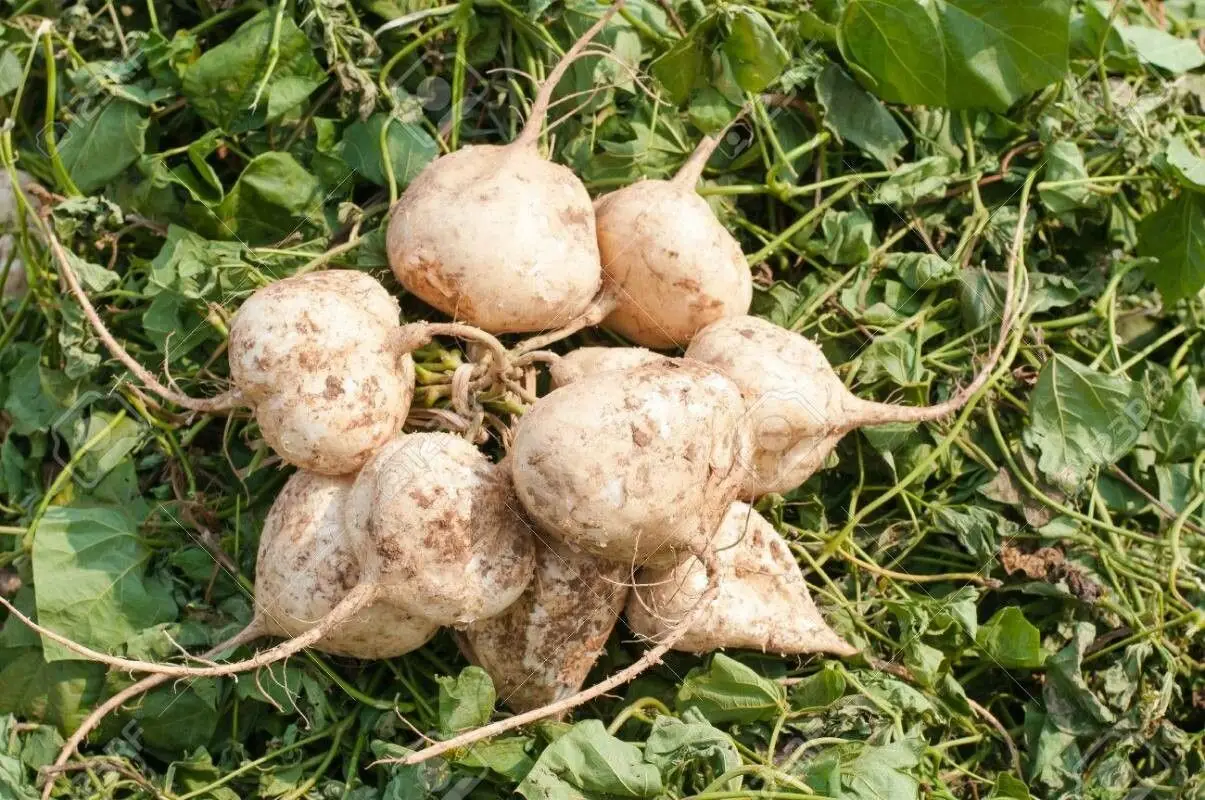
But here’s what makes jícama a game-changer: it’s the edible root vegetable for health-conscious growers and eaters. Each creamy-white, crisp tuber is a nutritional powerhouse—low in calories (just 38 per 100 grams), loaded with fiber (especially prebiotic inulin that feeds your gut), rich in vitamin C, and 90% water. You can peel and eat it raw straight from the ground, slice it into salads for unstoppable crunch, dip it in nut butter for a fiber-packed snack, sauté it for soups, or roast it for fries. It’s the potato’s healthier, crunchier, sweeter cousin—versatile enough for any cuisine, from Mexican street snacks (lime, salt, chili powder) to Asian stir-fries to contemporary health bowls. Unlike potatoes, jícama shines raw, making it endlessly adaptable and irresistibly fresh.
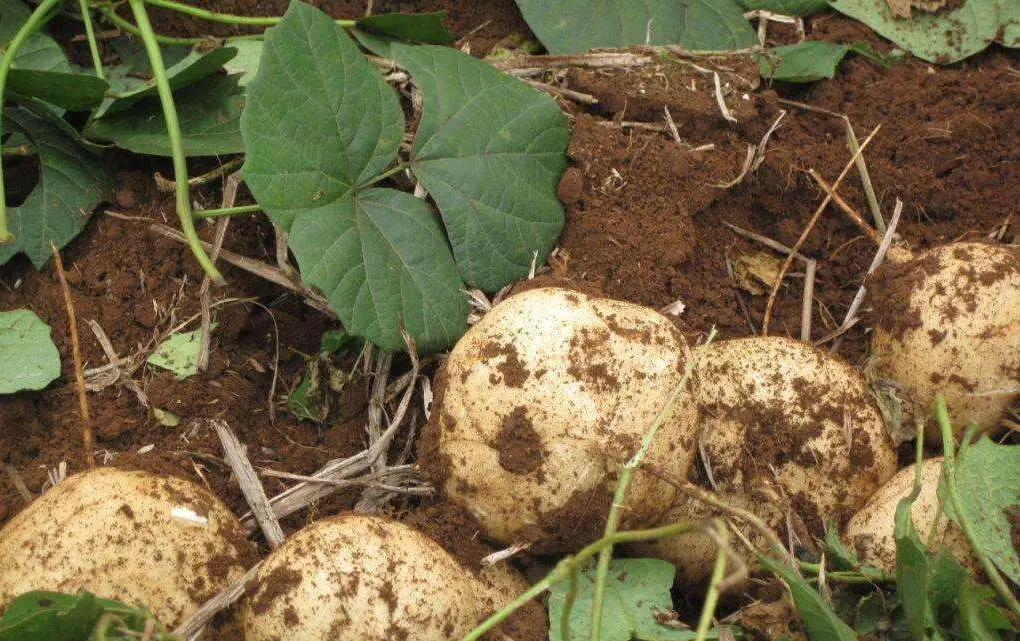
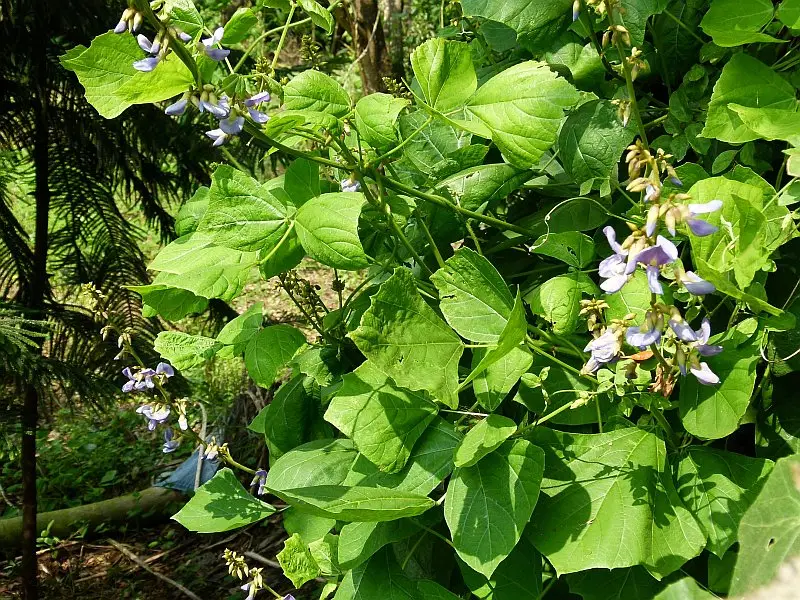
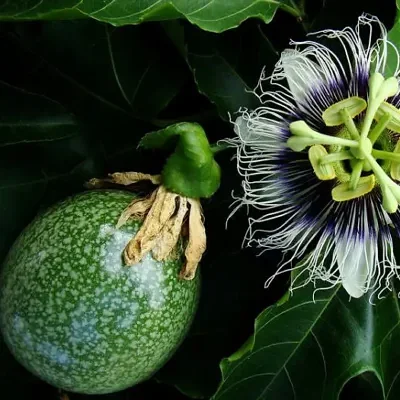
Growing jícama is surprisingly rewarding, even for gardeners in subtropical climates. This vigorous legume vine thrives in warm conditions and produces its harvest in 6–8 months—a manageable timeline that beats many tropical crops. Direct sow seeds after the last frost (or start indoors in cooler regions) into warm, well-draining soil rich in compost. The vine itself is ornamental: it climbs readily to 4–5 metres, producing decorative heart-shaped trifoliate leaves and delicate blue or white pea-like flowers that cluster along the stems. Pinch off flowers late in the season to push all energy into root development. Give it full sun, regular water (let soil dry between waterings), and avoid excess nitrogen to prevent leafy growth at the tuber’s expense. In 150–200 frost-free days, you’ll have restaurant-quality roots ready to harvest. As a legume, jícama also fixes atmospheric nitrogen through its root nodules, making it an excellent green-manure cover crop after harvest—nature’s gift to your soil.
Grow jícama from seed and you’ll join centuries of growers who discovered what indigenous peoples knew long ago: this root is pure abundance. Plant it this season and bite into the crisp, juicy future of your kitchen garden. Your digestive system—and your taste buds—will thank you.
Germination Guide
🌍 Mexico and Central America
Moderate
Pachyrhizus erosus (jicama) is a tropical legume vine native to Mexico and Central America, grown for its edible crisp, sweet tuberous root. Seeds have a hard outer coat requiring pre-treatment.
Germination
Germination time
Expect germination in
5 – 12 days
Temperature
Min 21°C
Ideal 24°C
Max 32°C
Substrate moisture
💧 Medium
Seed Pre-treatment
-
💧
Soaking — 12 hours
Soak seeds overnight or 12-24 hours in warm water to improve germination
-
🔨
Mechanical scarification
Nick or scratch seed coat with sandpaper or nail file to break hard outer coat
-
📋
Additional notes
Mechanical scarification followed by warm water soaking significantly improves germination rates
Substrate & Container
Recommended substrate
Well-draining, fertile, sandy soil with pH 6.0-7.0
Recommended container
Individual peat pots or seed-starting trays
Growing Tips
Bottom heat recommended for germination. Plant soil temperature should reach 70-80°F (21-27°C). Keep soil consistently moist but never waterlogged. Germination is somewhat erratic ranging 1-3 weeks. Seeds must be fresh; old jicama seed loses vigor. Start indoors 4-6 weeks before last frost in cool climates.
Only logged in customers who have purchased this product may leave a review.


Reviews
There are no reviews yet.