
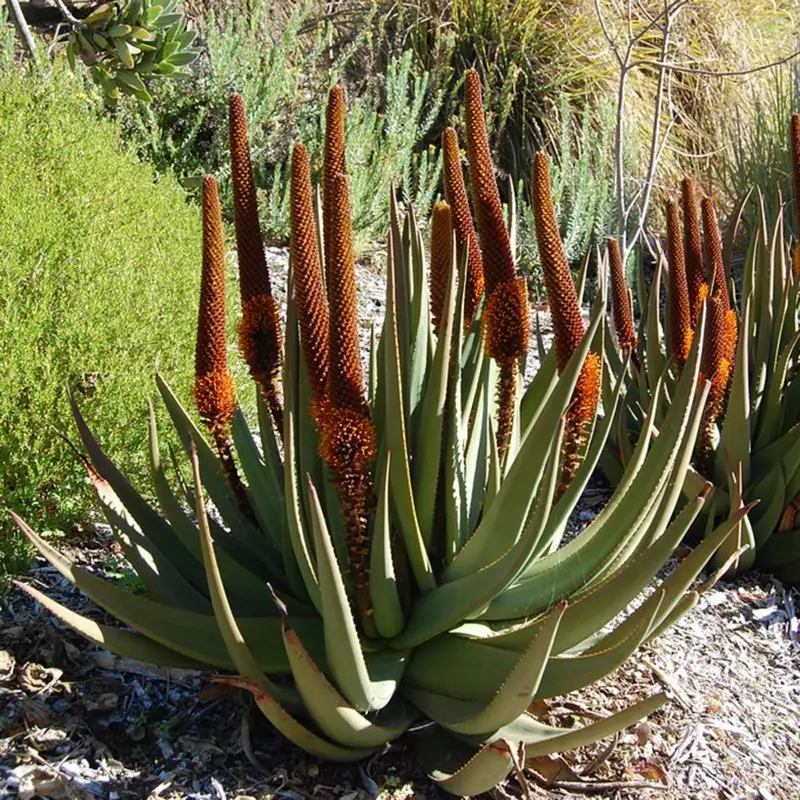
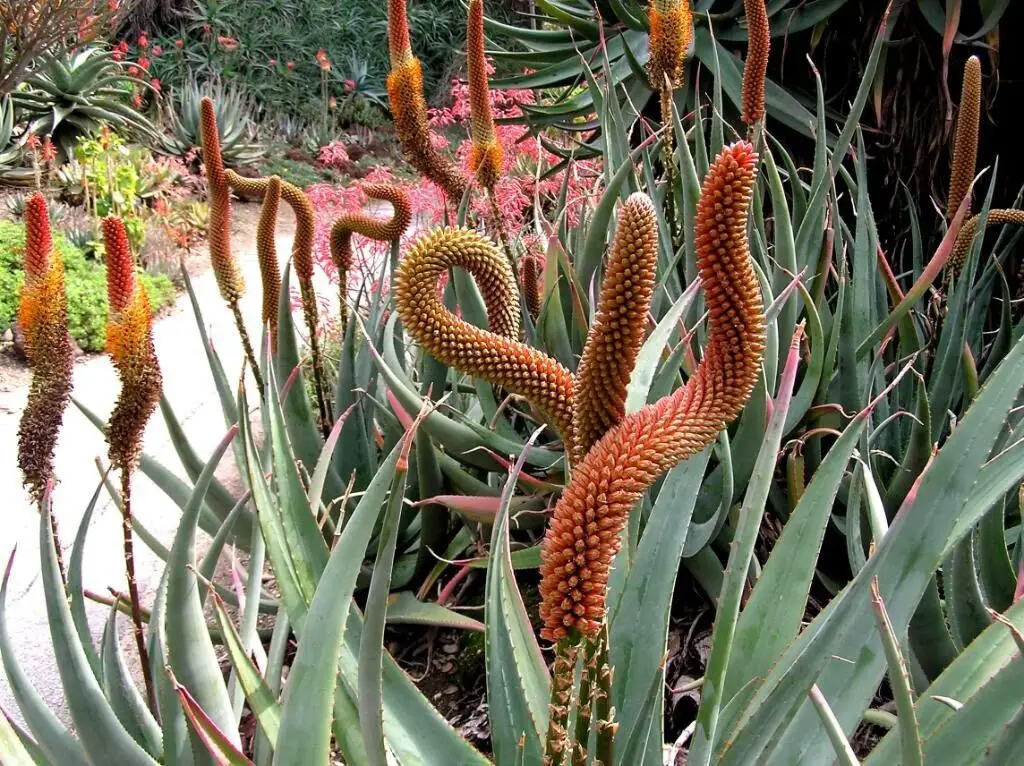
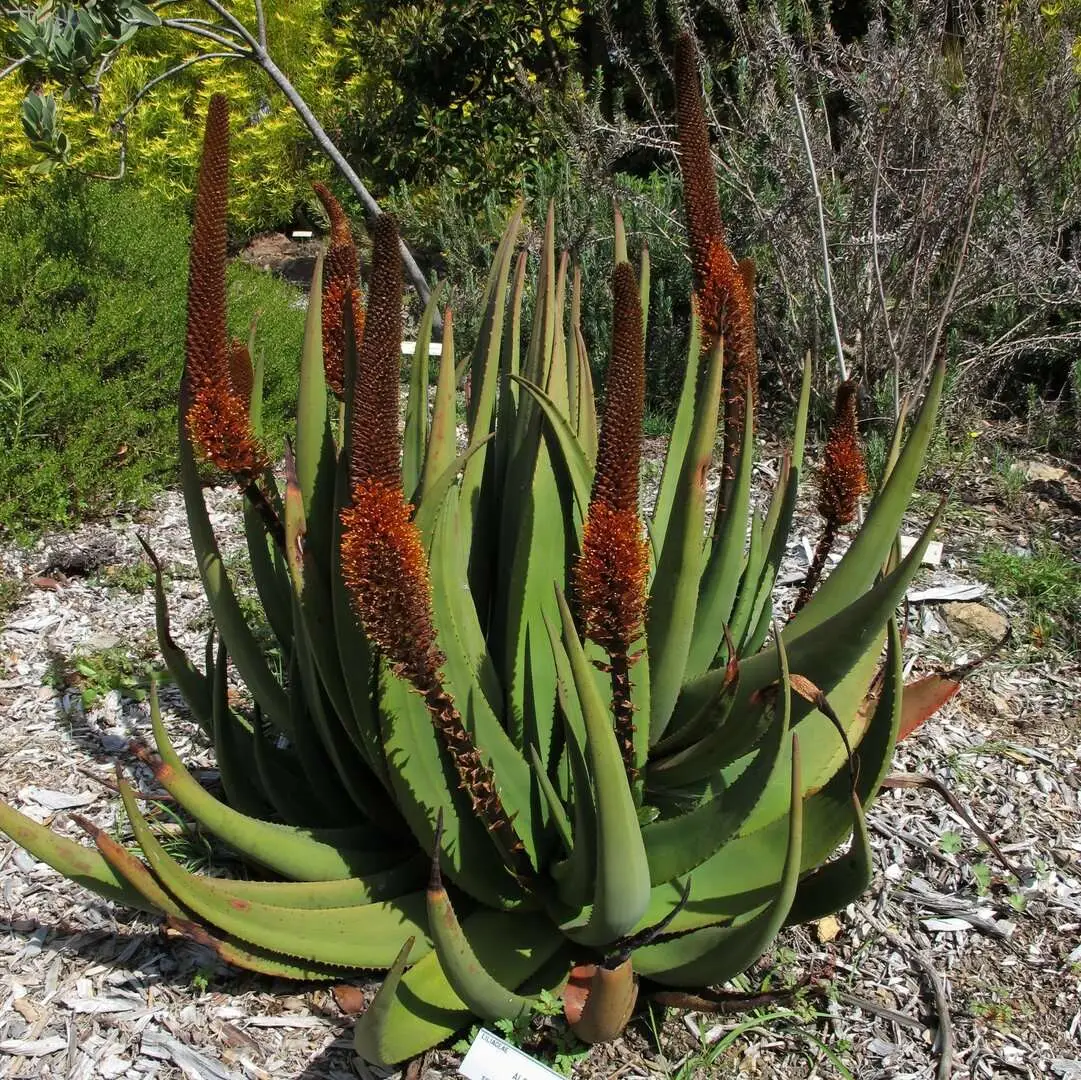
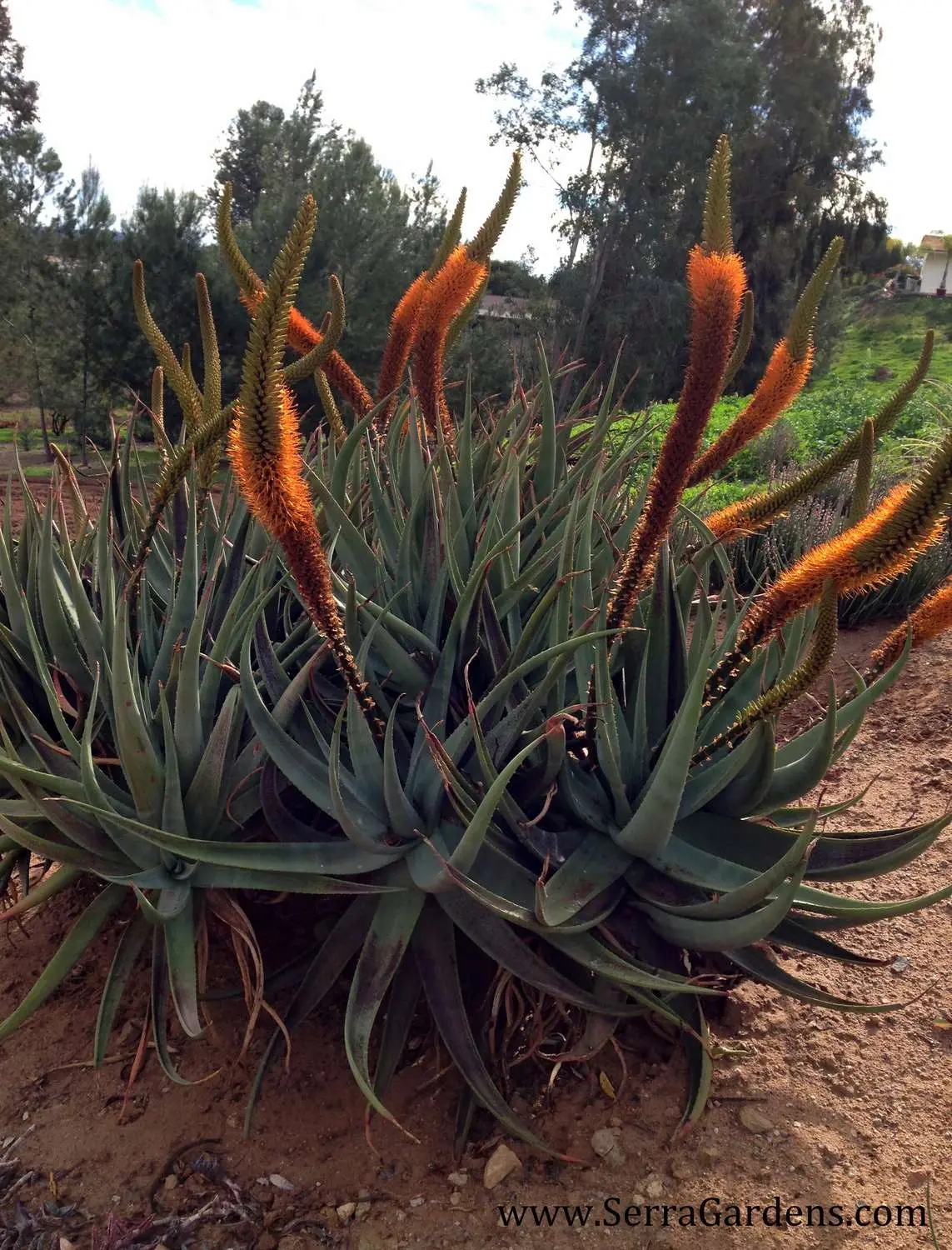
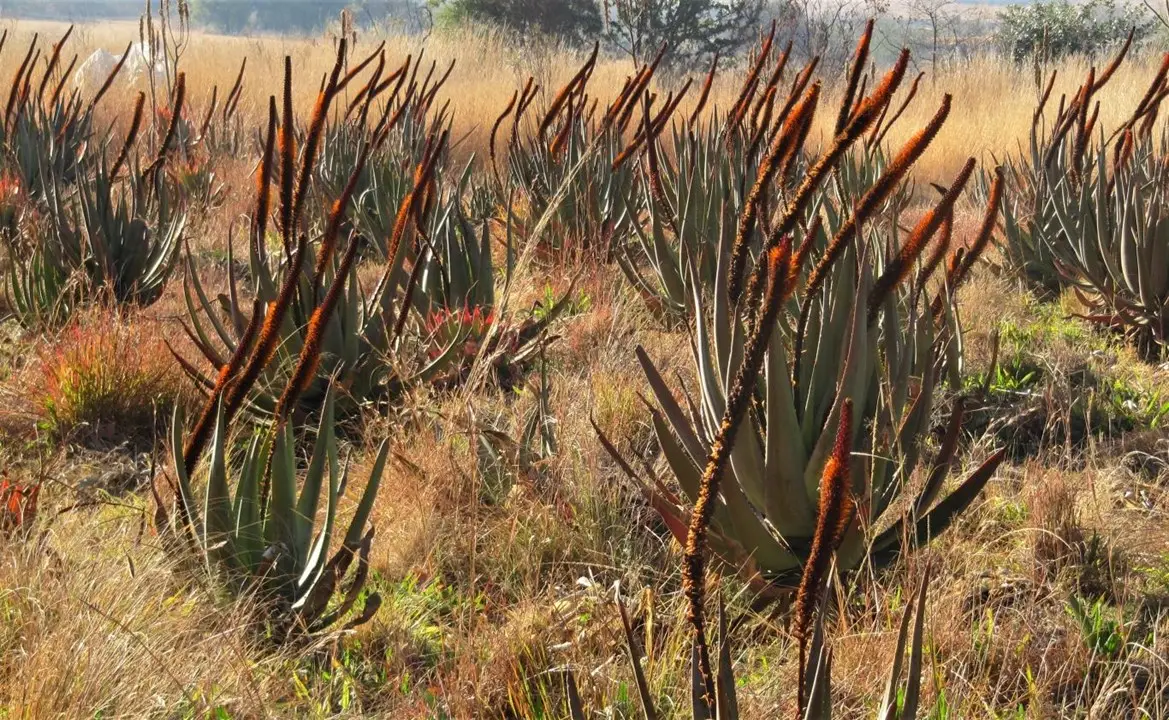
Grow the nectar fountain every pollinator craves. Aloe castanea erupts with rich chocolate-brown flowers packed with dark, sticky nectar each winter—a feast for honey bees, sunbirds, and beneficial insects. Its sculptural blue-green foliage and whimsical curved inflorescences become living architecture in any garden. Drought-tolerant, unfussy, and easily grown from seed. Watch your garden come alive.
€1.92
This is the aloe that changes everything about your relationship with your garden.
Imagine winter mornings where your plants buzz with life—nectar-drunk bees working the curved spires, sunbirds diving into chocolate-brown flowers, the whole scene moving with purpose and hunger. That’s Aloe castanea. Native to the rocky bushveld of northeastern South Africa, this striking tree aloe has evolved to be irresistible to the creatures that matter most to a healthy ecosystem. While many succulents sit in silent beauty, *castanea* *sings*.
The flowers are the heart of this plant’s soul. Each winter from May through August in the Southern Hemisphere—reliably in mid-winter where you garden—this aloe sends up unbranched flower spikes that curve and arch like a cat stretching. The flowers themselves are cup-shaped, reddish-brown, packed along the stalk in dense clusters. But here’s what makes *castanea* legendary among pollinator enthusiasts: the nectar. A rare chestnut-brown in color, extraordinarily abundant, and sticky enough to photograph light passing through it. Honey bees will find your garden specifically because of this plant. Sunbirds will depend on it. The entire pollinator network of your landscape will reorganize around those winter blooms. This isn’t ornament—it’s communion.
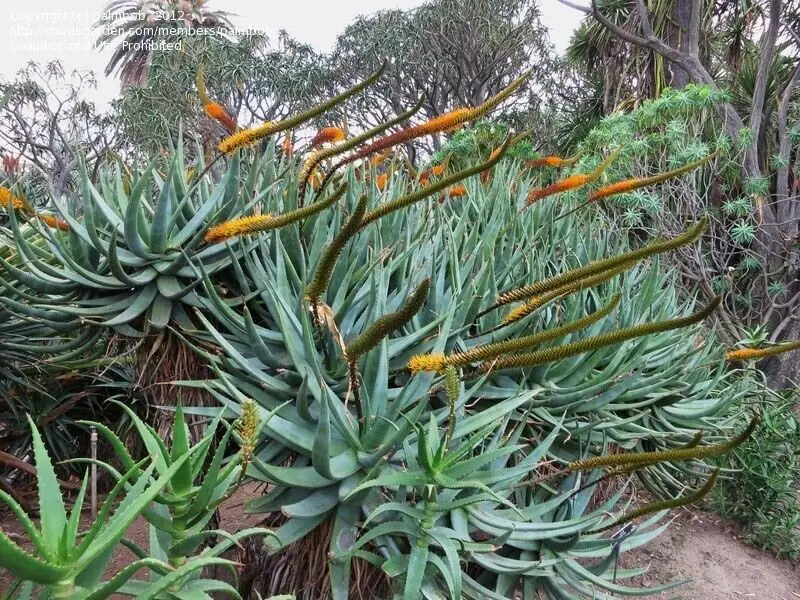
But the beauty doesn’t end with nectar-feeding season. Aloe castanea grows as a broad-stemmed small tree or multi-branching shrub, reaching 8–12 feet in ideal conditions. Its foliage is architectural: long, narrow, blue-green leaves (up to 1 meter!) arranged in dense rosettes, with small toothed margins that catch light beautifully. The glaucous texture—that powdery, waxy patina—gives the whole plant an ethereal quality, like it’s dusted with magic. Even in its dormant season, *castanea* commands respect. In temperate climates, it becomes a signature specimen in a container, moved indoors for winter or wintered under frost cloth. In warm zones 9–11, it thrives outdoors as a focal point that grows more magnificent each year.
Aloe castanea was traditionally used as a grain preservative in its native lands—ashes from the burned leaves would dust stored grain, protecting it through months of storage. Today, while other aloes have become culinary and medicinal workhorses, *castanea* has found its noblest calling: feeding the creatures that feed your garden. If you keep bees, this plant justifies itself infinitely. If you’re building a water-wise, wildlife-first landscape, this is non-negotiable. If you simply want to grow something that whispers ecological meaning, this is your plant.
Cultivation is refreshingly straightforward—perhaps the kindest part of an already generous plant. Aloe castanea thrives in full sun, grows comfortably in average, gritty, well-drained soil, and once established, laughs at drought. It wants nearly no water in winter (when it flowers!), moderate soaking during summer growth. A single spring application of bloom fertilizer (10-40-10) deepens the nectar production. It grows from seed with ease, particularly in warm climates. Even in cooler regions, young plants in pots respond beautifully to warmth and light. The slow, deliberate growth becomes a meditation—watching it transform from seed to flowering specimen to the beating heart of your garden’s pollinator ecosystem.
Start your seeds now. In two to three years, you’ll have a plant that doesn’t just exist in your garden—it *activates* it. Every flower that opens will draw creatures you’ve never noticed before. Every winter, while much else sleeps, your *castanea* will bloom with an abundance that reminds you why plants matter, why bees matter, why your small patch of earth can be a sanctuary. This is the aloe for gardeners with vision.
Only logged in customers who have purchased this product may leave a review.
Reviews
There are no reviews yet.