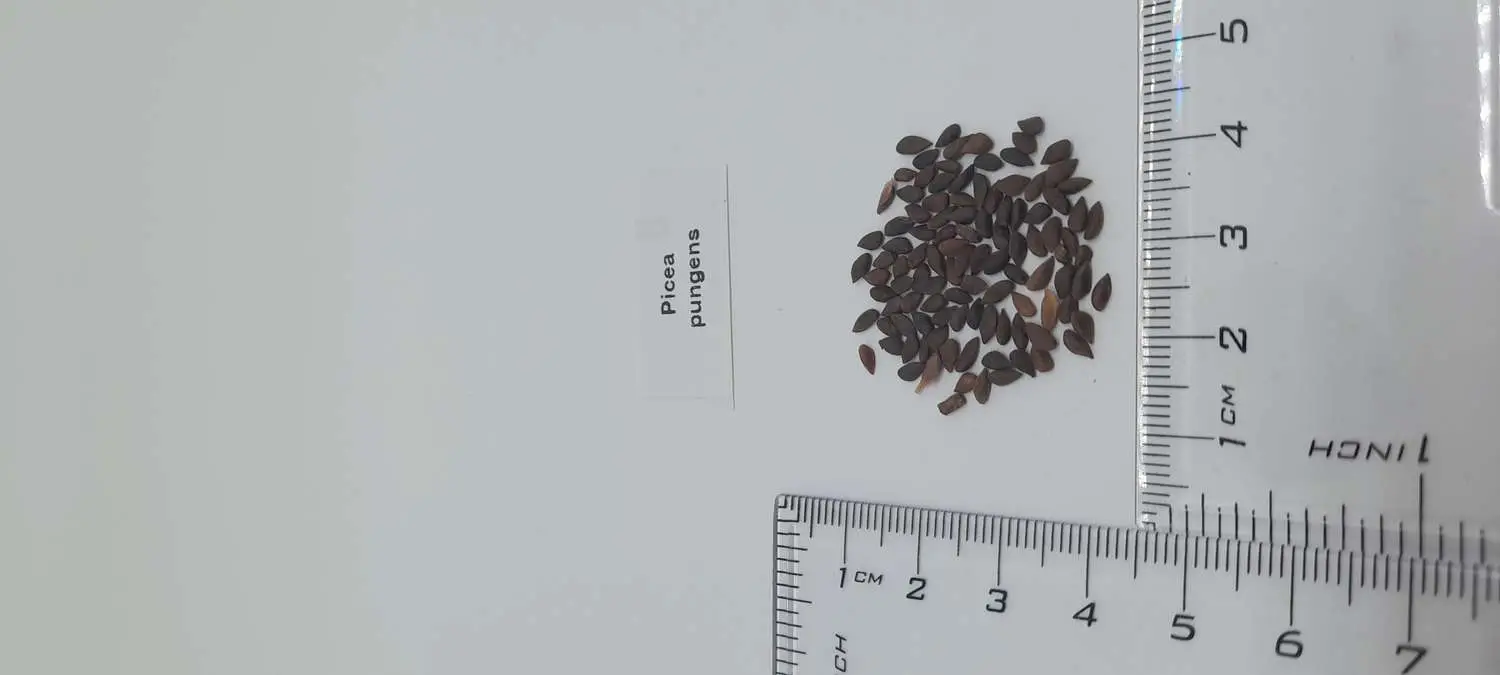
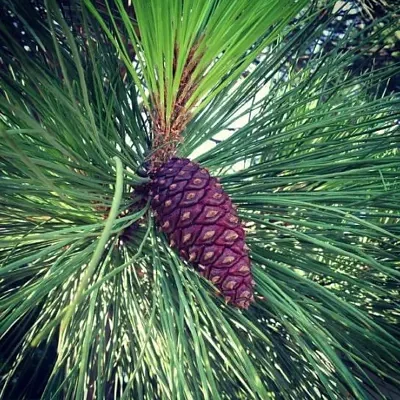
Picea pungens — Colorado Blue Spruce | The Ultimate Bonsai Conifer

Grow the most captivating bonsai on your patio. Picea pungens transforms into a living masterpiece with stunning silvery-blue needles and naturally perfect pyramidal form. Prized by bonsai artists for its slow, controlled growth and resilience, this Rocky Mountain native develops striking character year after year. Seed-grown trees offer genetic richness and authentic mountain beauty. Start your journey now—patience and sun are all you need.

2.11

SKU: P-1899 Category: Tags: , , ,

You May Also Like

Description

The Colorado Blue Spruce isn’t just an ornamental tree—it’s a portal to the rugged beauty of alpine landscapes, waiting to be miniaturized into living art.

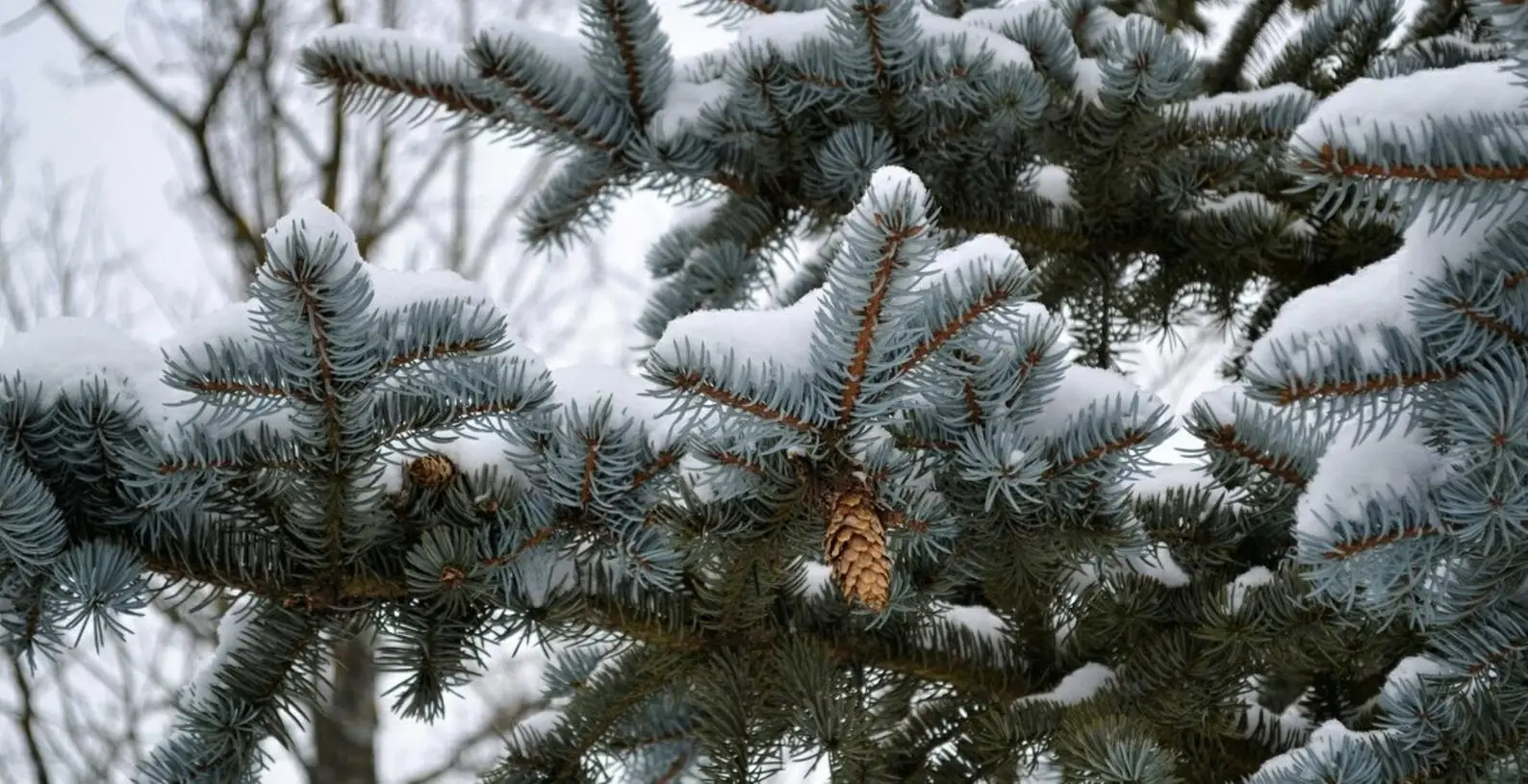
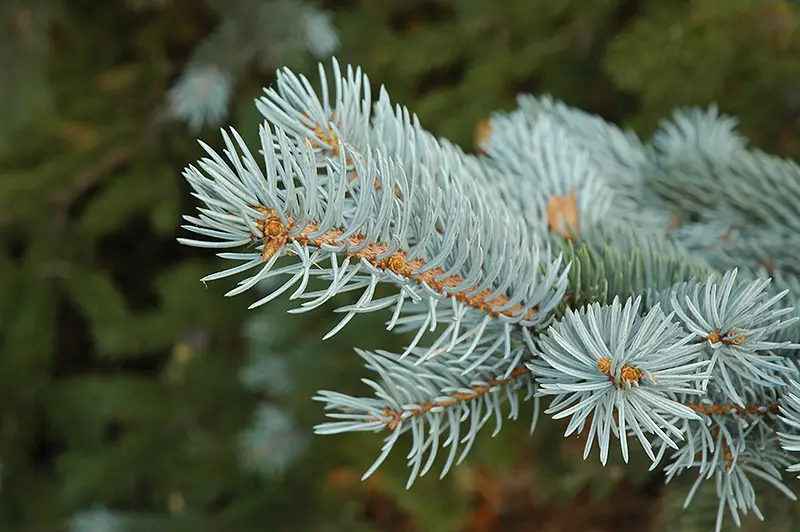
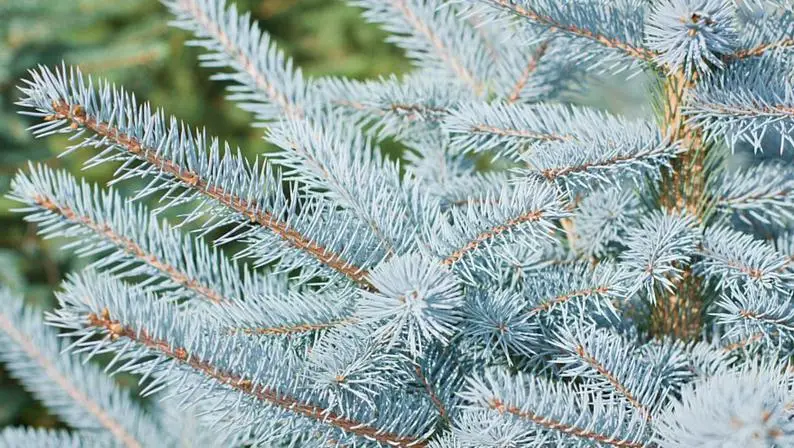
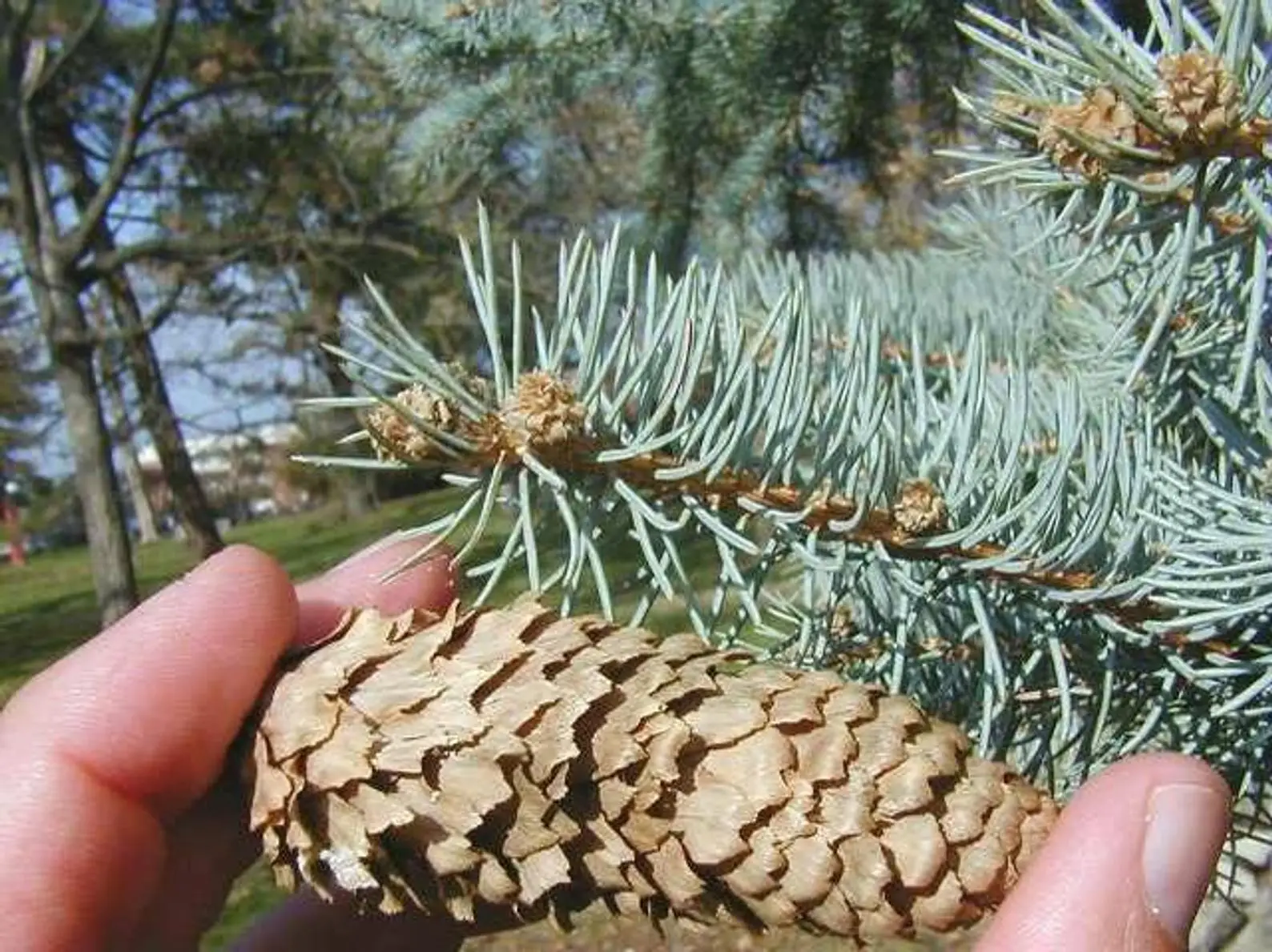
Native to the Rocky Mountains of Colorado, Utah, Wyoming, and New Mexico, Picea pungens grows wild at elevations between 6,000 and 11,000 feet, where harsh winters, intense sun, and thin soil forge its character. For centuries, this species has captivated gardeners and landscapers with its sharply pointed needles that range from blue-green to silvery blue due to a protective waxy coating. But its true magic emerges when scaled down—in the art of bonsai.

**BONSAI: WHERE PICEA PUNGENS TRULY SHINES**

The Colorado Blue Spruce’s striking blue-gray foliage, natural conical form, and hardy nature make it an excellent choice for creating impressive miniature trees that capture the essence of mountain landscapes. While it requires patience due to its slow growth rate, this characteristic actually makes it well-suited to bonsai cultivation, as it needs less frequent pruning and styling than faster-growing species. For the serious bonsai enthusiast, this is the species that rewards restraint and vision. In bonsai culture, Colorado Blue Spruce gained popularity in North America during the mid-20th century as enthusiasts began exploring native species for bonsai cultivation, and its natural adaptation to harsh mountain conditions makes it inherently suited to the miniaturization and aesthetic styling of bonsai.

Whether you envision a formal upright specimen with refined branches or a weathered, windswept alpine form, Picea pungens responds to patient training. The blue coloration intensifies under full sun, and with each growing season, your tree develops the dignity of an ancient mountain sentinel in miniature. These species are typically easy to bend, readily produce back buds, and can be developed rapidly into quality bonsai trees. A secondary benefit: this species is also valued for larger landscape use as a specimen tree and Christmas tree, meaning you have flexibility in where your tree ultimately lives.

**CULTIVATION: SURPRISINGLY FORGIVING FOR SUCH DRAMA**

Yes, Colorado Blue Spruce demands cool winters and full sun—but that’s precisely what makes it resilient. It grows easily in average, acidic, medium moisture, well-drained soils in full sun and tolerates some light shade. As the spruce matures, it becomes more drought tolerant, making established bonsai increasingly low-maintenance. For seed-grown trees, seedlings require two to three years before developing true blue pigmentation, a trait expressed more strongly under full sun exposure—but that journey is part of the reward.

Indoor cultivation? This species requires winter dormancy with temperatures between 20-40°F and high light levels that are difficult to provide indoors; for best results, keep your spruce bonsai outdoors where it can experience natural seasonal changes. This isn’t a houseplant—it’s an alpine ambassador that insists on honest conditions. Growing from seed, stratify seeds with moist sand or peat moss and refrigerate for 4–6 weeks to simulate winter and break dormancy; place in a bright location with cool temperatures of 60–65°F; seeds germinate in 2–4 weeks.

**GROW THIS FROM SEED AND BECOME A BONSAI ARTIST**

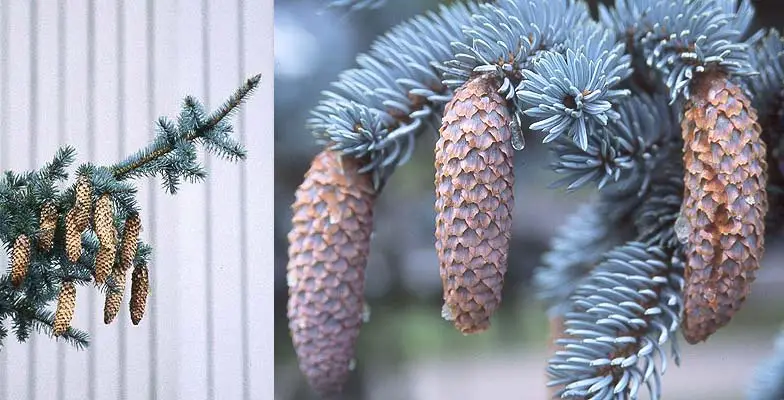
When you plant a Picea pungens seed, you’re not just growing a tree—you’re beginning a decades-long conversation with nature. The slow emergence of that signature blue-gray color, the gradually thickening trunk, the first miniature cones: each milestone marks your mastery deepening. From these seeds will grow a living sculpture that connects you to the high peaks of the American West and to the ancient Japanese art of bonsai. Start now. Your patience will be rewarded with a tree of extraordinary beauty.

Germination Guide

🌍 Rocky Mountains of North America (Arizona, Colorado, Idaho, Montana, New Mexico, Utah, Wyoming), elevations 1,500-3,000 meters
Moderate

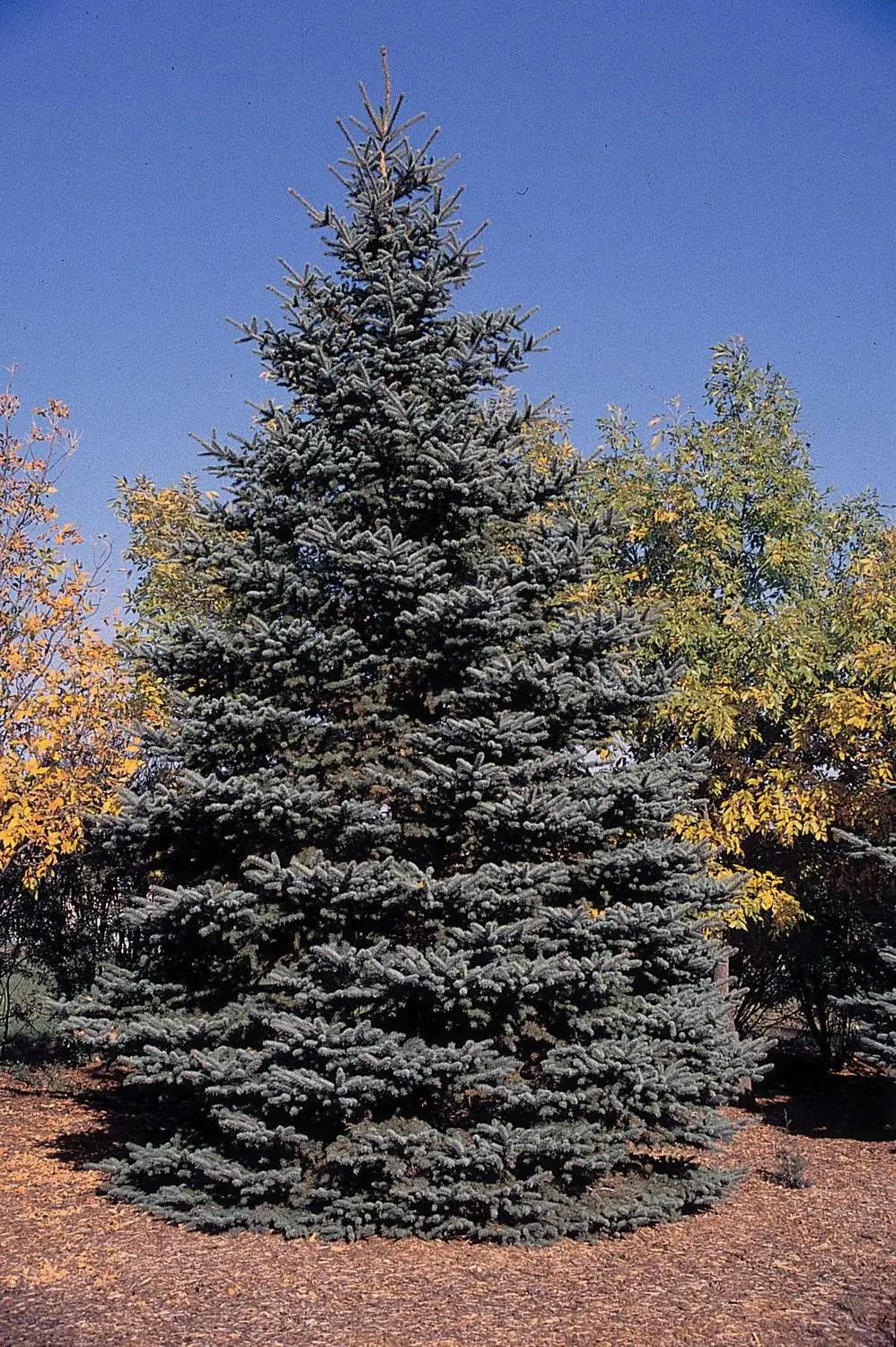
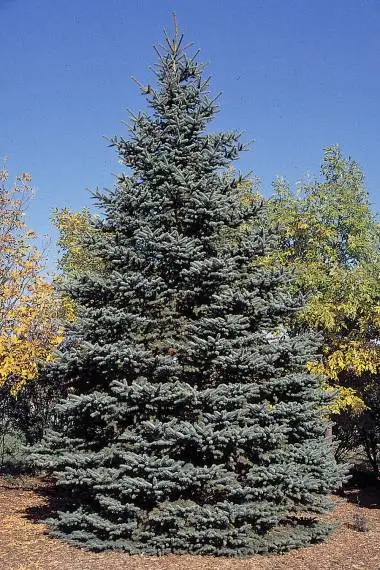
Picea pungens, commonly known as Colorado Blue Spruce, is a medium to large coniferous evergreen native to the Rocky Mountains of North America, prized for its distinctive blue-gray to silvery-blue foliage and pyramidal form. The species has shallow seed dormancy that requires cold stratification for optimal germination. While capable of germinating without pre-treatment, proper stratification significantly improves success rates and is strongly recommended for reliable seed starting.

Germination
Germination time
Expect germination in

7 – 28 days

Temperature

Min 3°C
Ideal 18°C
Max 21°C

Light
☀️ Light required

Substrate moisture
💧 Medium

Sowing depth
Lightly covered

Press seed
👆 Yes

Germination rate
70 %


Seed Pre-treatment
  • 💧

    Soaking — 24 hours
    Submerge seeds in room temperature water and leave to soak for 24 hours before cold stratification.
  • 🔨

    Hot water scarification
    Soak seeds in room temperature water for 24 hours before sowing to soften the seed coat.
  • ❄️


    Cold stratification — 30 days at 4°C
  • 📋

    Additional notes
    Cold stratification significantly improves germination rates. 30-60 days of cold, moist stratification at 3-5°C (37-41°F) breaks dormancy, though seeds may germinate without it at slower rates.

Substrate & Container
Recommended substrate
Acidic, well-drained seed compost (pH 5.5-6.5), peat and perlite mixture, or mineral soil (sandy, loamy)

Recommended container
Seed trays or pots filled with quality seed compost


Growing Tips
Always provide cold stratification (30-60 days at 3-5°C) for best results; without it, germination rates drop dramatically. Sow seeds superficially or lightly covered with 3mm compost; light is beneficial for germination. Use acidic, well-drained soil (pH 5.5-6.5) and provide excellent air circulation to prevent damping-off disease. Keep soil moist but never waterlogged. After stratification, germination occurs within 1-4 weeks at warm temperatures (18-21°C). Provide at least 16 hours of light daily; seedlings in shade will not develop blue coloration. Avoid outdoor fall sowing to prevent premature germination and winter damage.

Reviews

There are no reviews yet.

Only logged in customers who have purchased this product may leave a review.

Related Products