
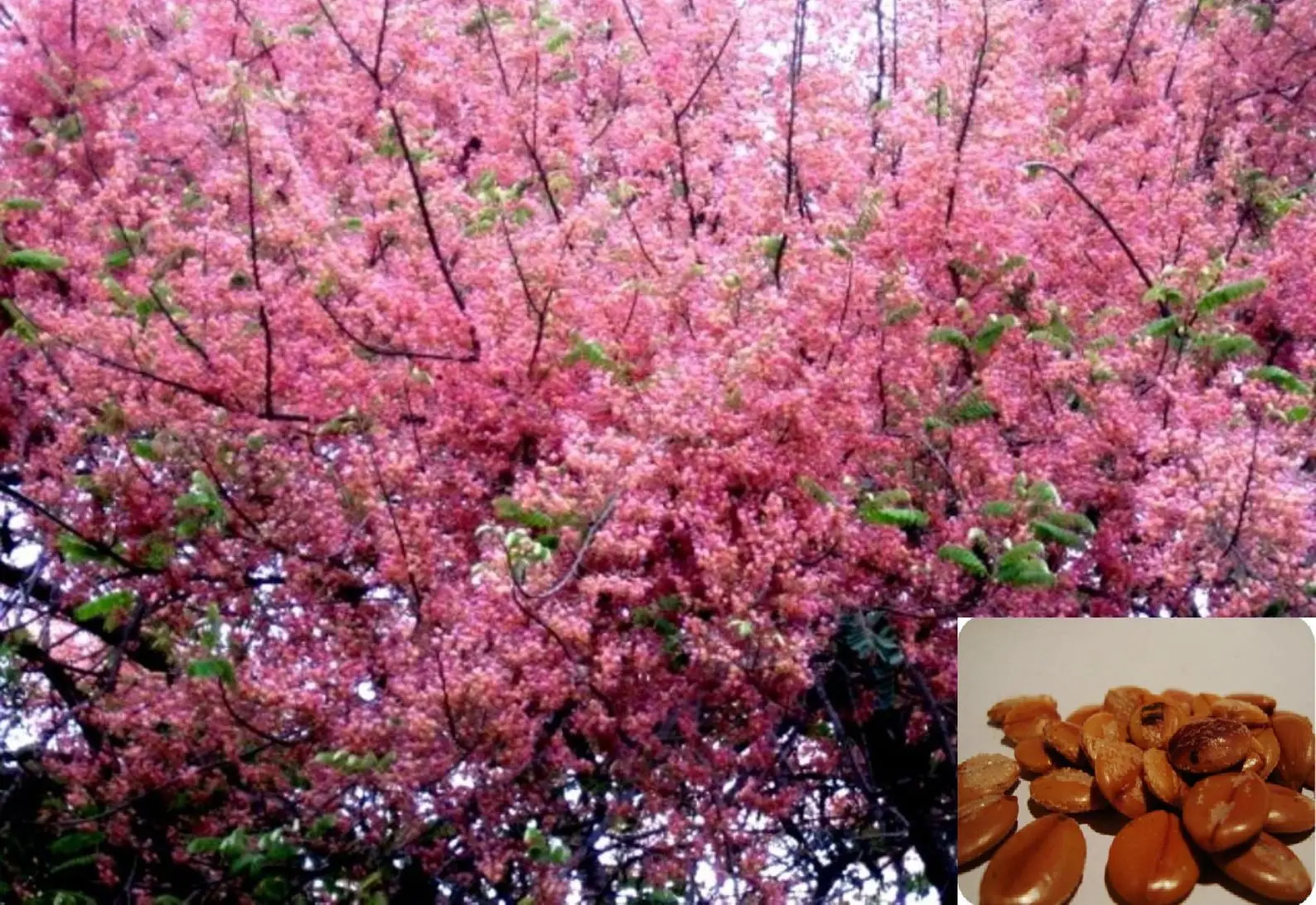
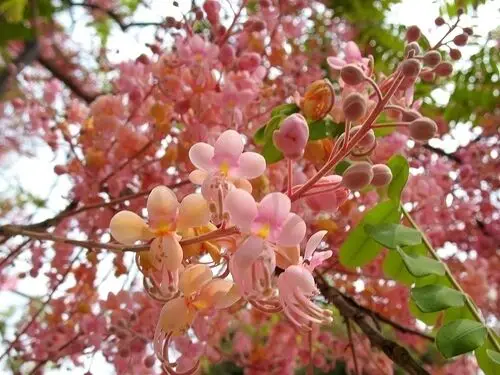

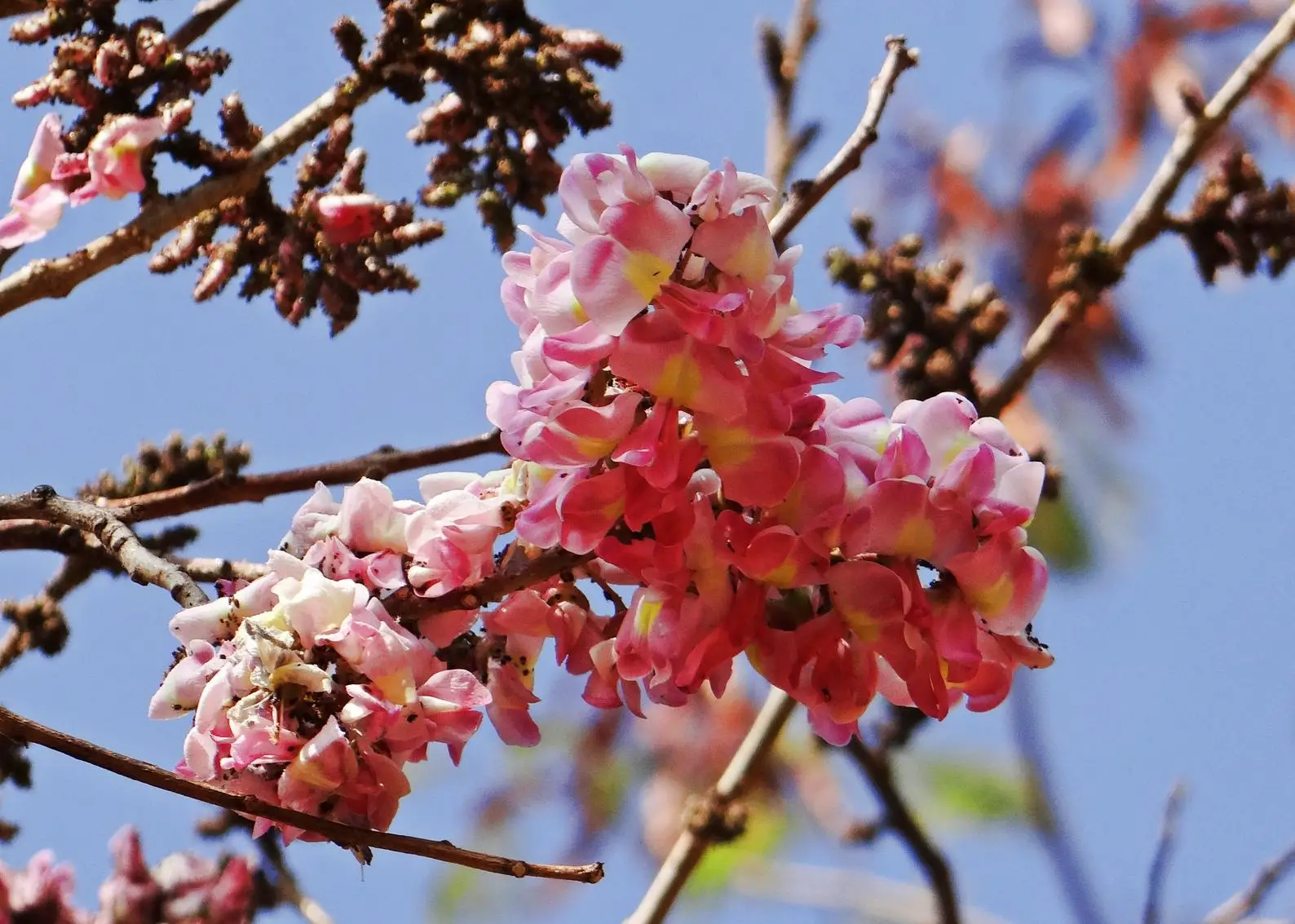
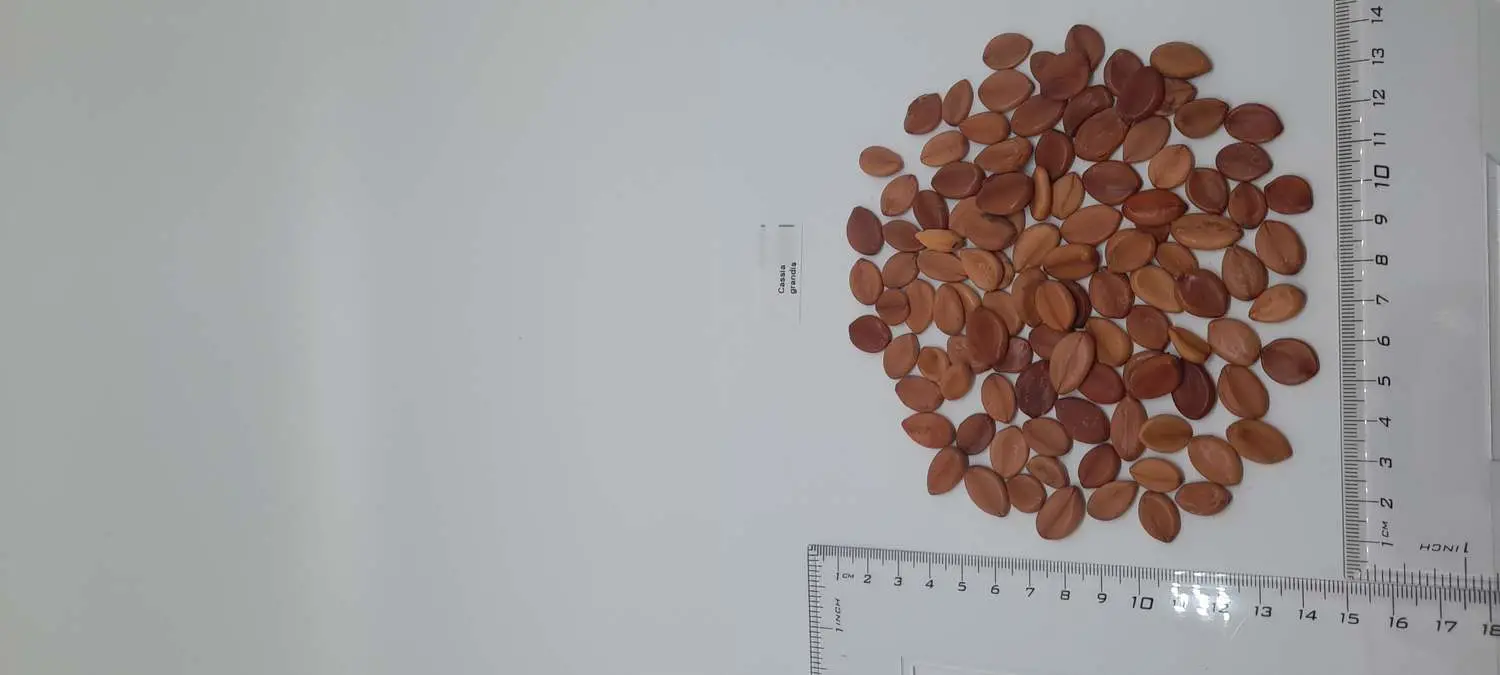
Prepare for a revolution in your garden. This stunning tree bursts with pendulous racemes of fragrant, pink to rose-colored flowers in spring, transforming your landscape into a living watercolor. But here’s the magic: its edible pods are stewed into a thick, molasses-like syrup called Jarabe de Carao, prized as a sweetener and consumed for nutritional and medicinal effects. Grow it from seed and you’
€3.30
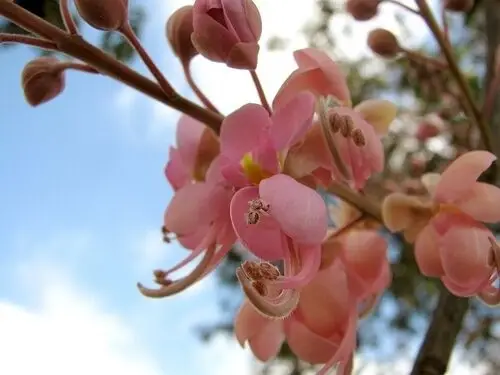
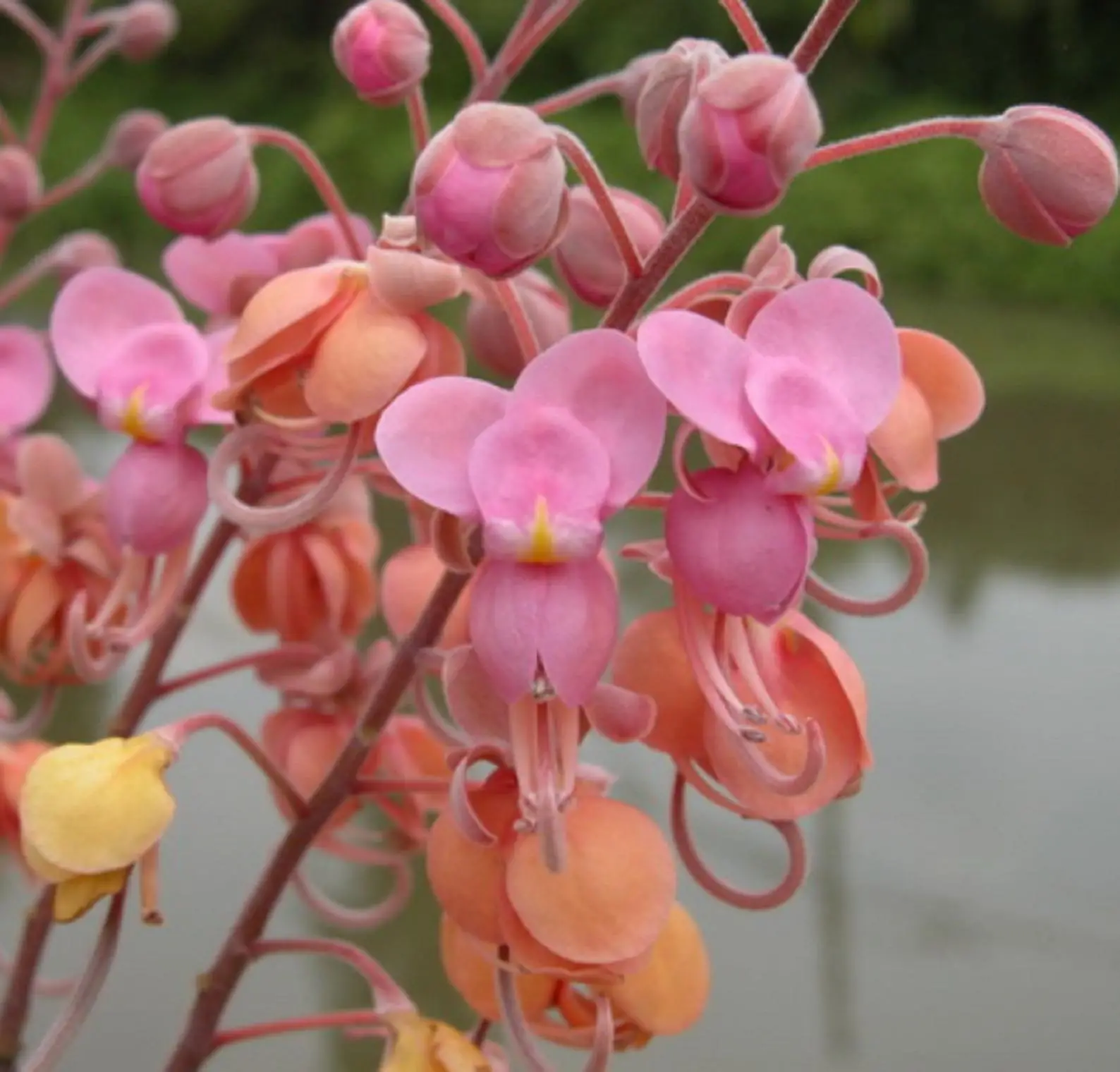
The Pink Shower Tree erupts with striking, pendulous racemes of fragrant, pink to rose-colored flowers—a sight that stops you mid-breath. But this is no mere ornamental. Cassia grandis is native to tropical rainforests and seasonally dry forests in Central and South America, from southern Mexico to Venezuela and Ecuador. For centuries, this tree has been treasured by indigenous communities as both a landscape anchor and a source of profound nourishment.
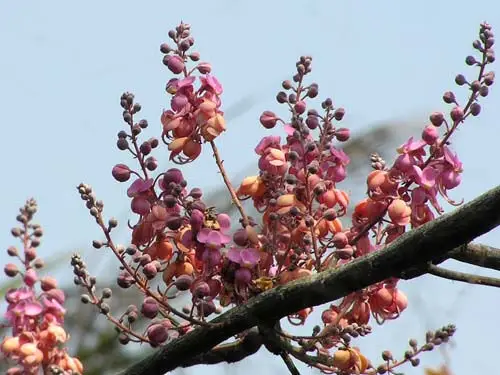
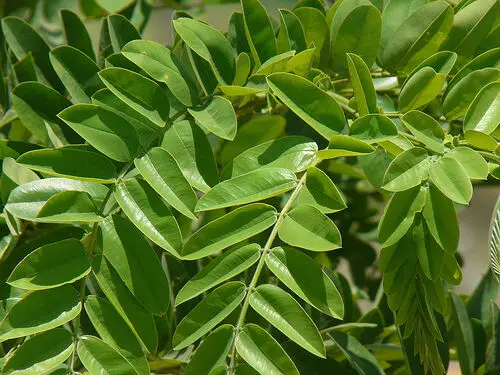
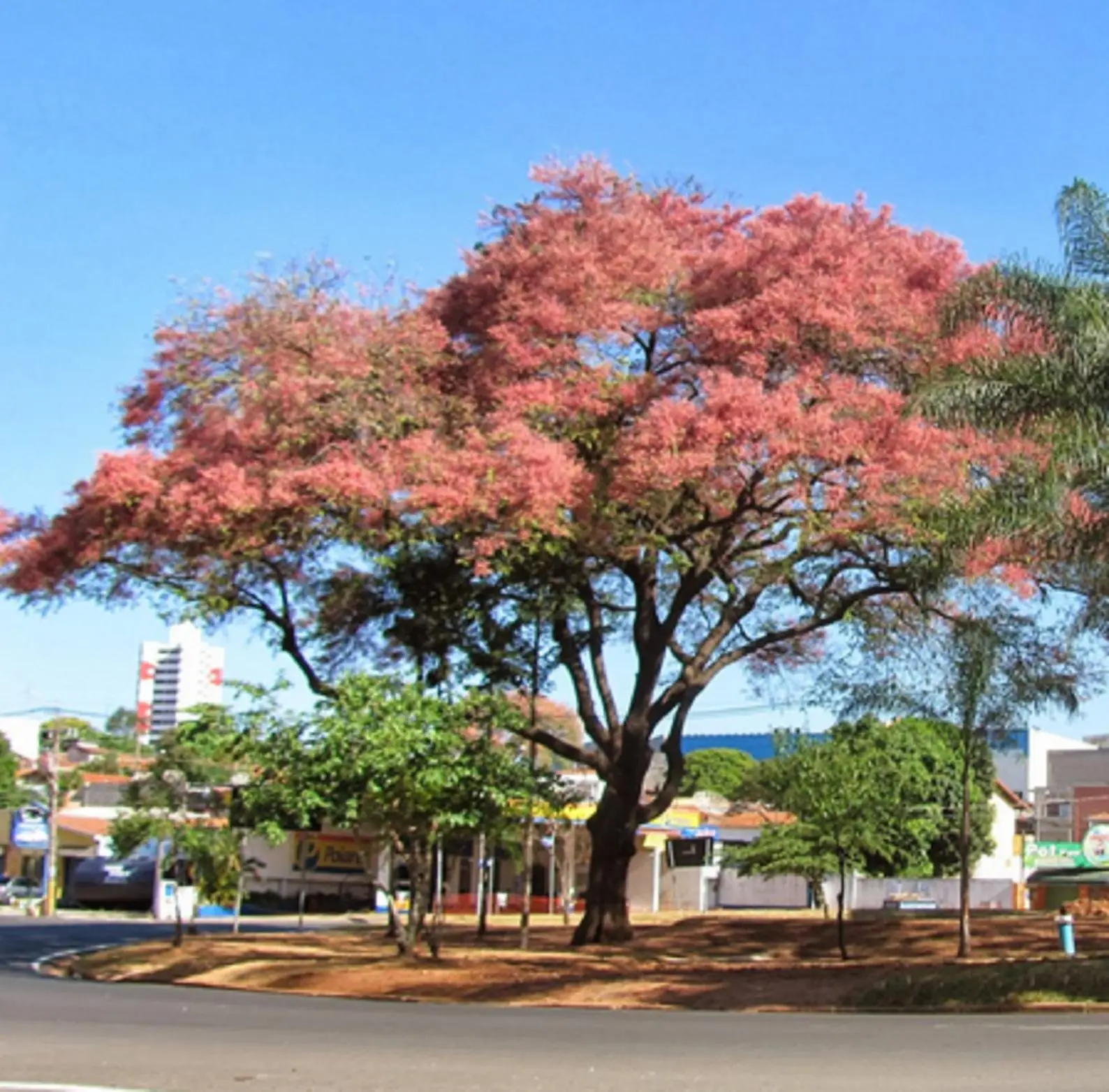
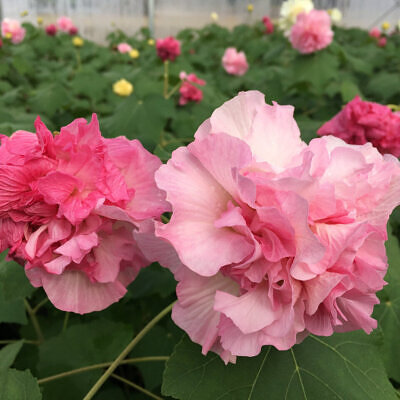
The Pink Shower Tree is native to tropical regions of America, apparently originating in the Amazon, and is found growing in Cuba, Puerto Rico, Jamaica and Hawaii. It can grow up to 98 feet tall, with a dense, spreading canopy that provides significant shade. The leaves are large, composed of about 16 pairs of leaflets with two-toned coloration—green above and maroon below. During the tree’s short leafless period between March and April, it produces abundant flowers in long axillary racemes displaying pastel shades of pink and orange, covering the entire crown and earning the name Pink Shower.
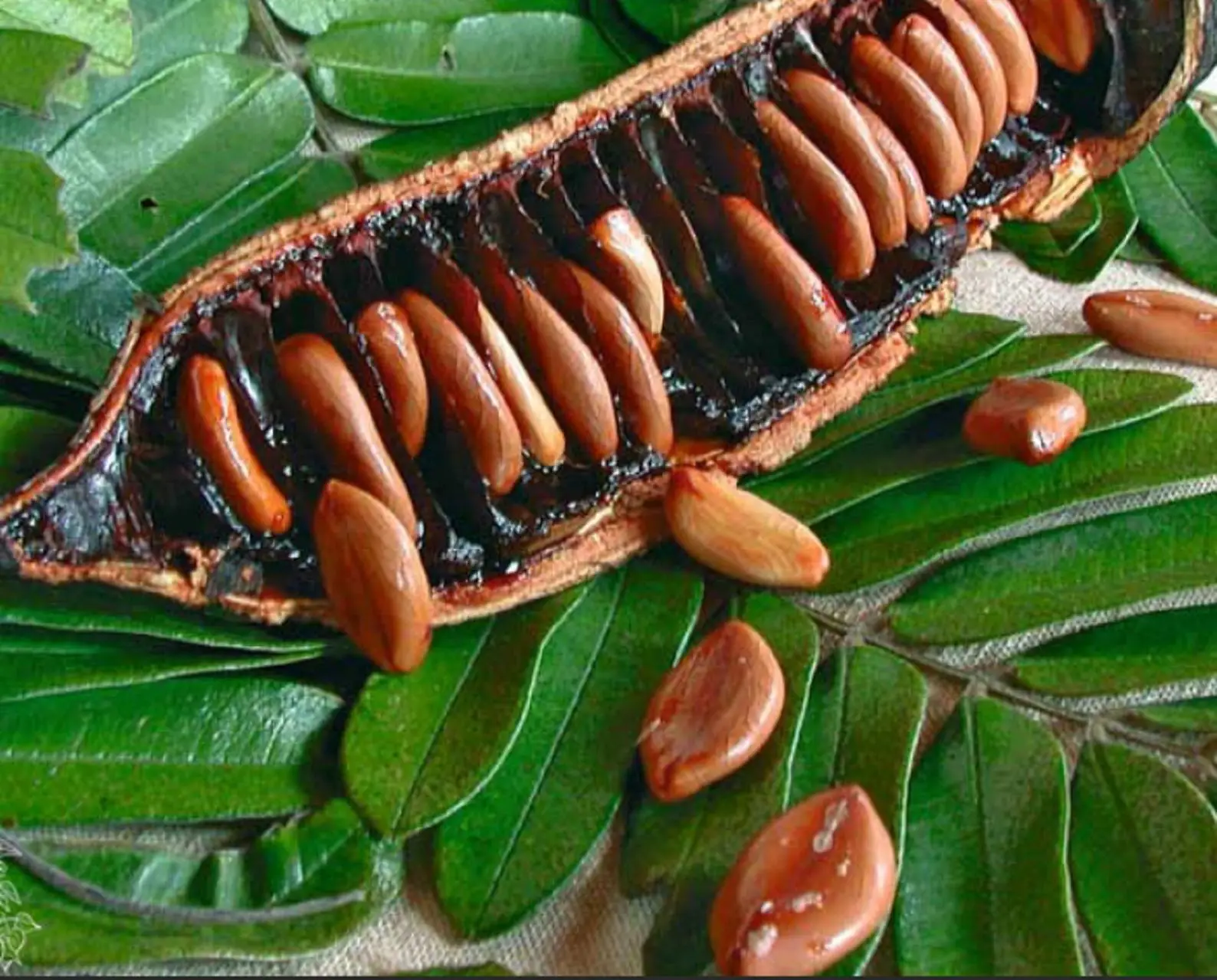
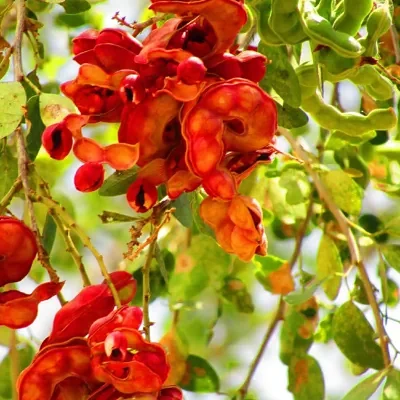
Now comes the showstopper—the reason growers around the world are planting this tree: Its edible pods are stewed to produce a thick, molasses-like syrup called Jarabe de Carao or Miel de Carao, used as a sweetener and consumed for its claimed nutritional and medicinal effects. The tree is known worldwide as an amazing natural anemia treatment, with a slightly sweet taste due to natural sugar content, and is known by older generations as a folk remedy for low iron or sickle cell anemia. Traditionally, the sweet pulp of the pods has been used as a gentle yet effective natural laxative to promote digestive health and relieve constipation, with its mild nature making it especially popular for children and the elderly. Beyond digestion, Cassia grandis has been employed to support respiratory wellness, with decoctions of the bark and leaves used to soothe coughs, colds, and bronchial discomfort thanks to expectorant properties. This is functional medicine wrapped in a landscape treasure. Plus, it is a honey-producing species that attracts wildlife due to the sweet pulp of its pods—your own living ecosystem.
Cultivation is refreshingly straightforward. The tree prefers full sun to light shade and thrives in well-drained soils, though it is tolerant of a range of soil types. Cassia grandis requires full sun to flower, prefers acidic, neutral, or well-drained soil, and requires regular watering but does not overwater. It is winter hardy to USDA Zone 9b in average, medium moisture well-drained soils in full sun, tolerates light shade, and established trees have some drought tolerance. Seed propagation is straightforward: soak seeds in water overnight to soften the hard exterior, scarify with sandpaper to nick the surface, then sow in well-draining soil containing a mix of perlite or sand for better drainage. Seeds germinate within two to three weeks, and once seedlings reach a suitable size, they can be transplanted into larger containers or directly into the ground. Once established, Cassia grandis requires minimal care, prefers full sun and well-aerated areas, and regular watering is needed initially but the tree becomes somewhat drought-tolerant once grown.
Imagine it: a mature Pink Shower Tree anchoring your tropical garden, its crown aflame with pink blossoms each spring, producing pods that yield the golden carao syrup your family can harvest, bottle, and treasure. Every flo
Only logged in customers who have purchased this product may leave a review.
Reviews
There are no reviews yet.