
Grow the tree that bees dream of. Paulownia elongata produces such abundant, fragrant flowers that a single hectare yields over 800 kg of premium honey—pure, organic, and medicinal. Beyond the hive, its leaves hold antioxidants prized in cosmetics and tea; its wood grows fast enough to harvest. Remarkably easy to cultivate. Start from seed today.
€1.92
Imagine spring arriving in waves of fragrant, pink-violet blooms so irresistible that bees arrive in clouds—and you harvest 800+ kilograms of liquid gold per hectare.
Paulownia elongata, native to central and eastern China, has been treasured for centuries as one of nature’s most versatile trees. Revered as the “Emerald Tree,” it belongs to a genus historically honored in Asia, with a regal legacy matching its majesty. But what truly separates this Pink Empress from the ordinary is not just its spectacular spring flowering—it’s what that flowering enables.
**HONEY PRODUCTION: THE HEART OF THE MATTER**
If you’ve ever wanted to understand why beekeepers and honey producers speak of Paulownia elongata with reverence, this is why. The tree’s abundant, aromatic flowers are a nectar source so generous that a single hectare can yield over 800 kg of exceptional honey per season. This isn’t ordinary honey: it’s pale gold with a delicate aroma, rich in enzymes and micronutrients. Because Paulownia requires no pesticides during cultivation, every drop is pure and organic—commanding premium prices in health and wellness markets. Paulownia honey is prized for soothing, healing, and immune-boosting properties, making it sought after by natural health enthusiasts worldwide. But the magic doesn’t stop there. Those magnificent flowers are also edible and used as a decorative ingredient in Asian cuisine. And for those looking beyond honey, the leaves are remarkably nutrient-dense—rich in antioxidants, anti-inflammatory compounds, and used in traditional medicinal tea preparations. Modern cosmetic and pharmaceutical companies are now incorporating leaf and flower extracts for creams and health products due to their powerful antioxidant and anti-inflammatory properties. You’re not just growing a tree; you’re cultivating a multi-revenue ecosystem.
**BEAUTY MEETS FUNCTION**
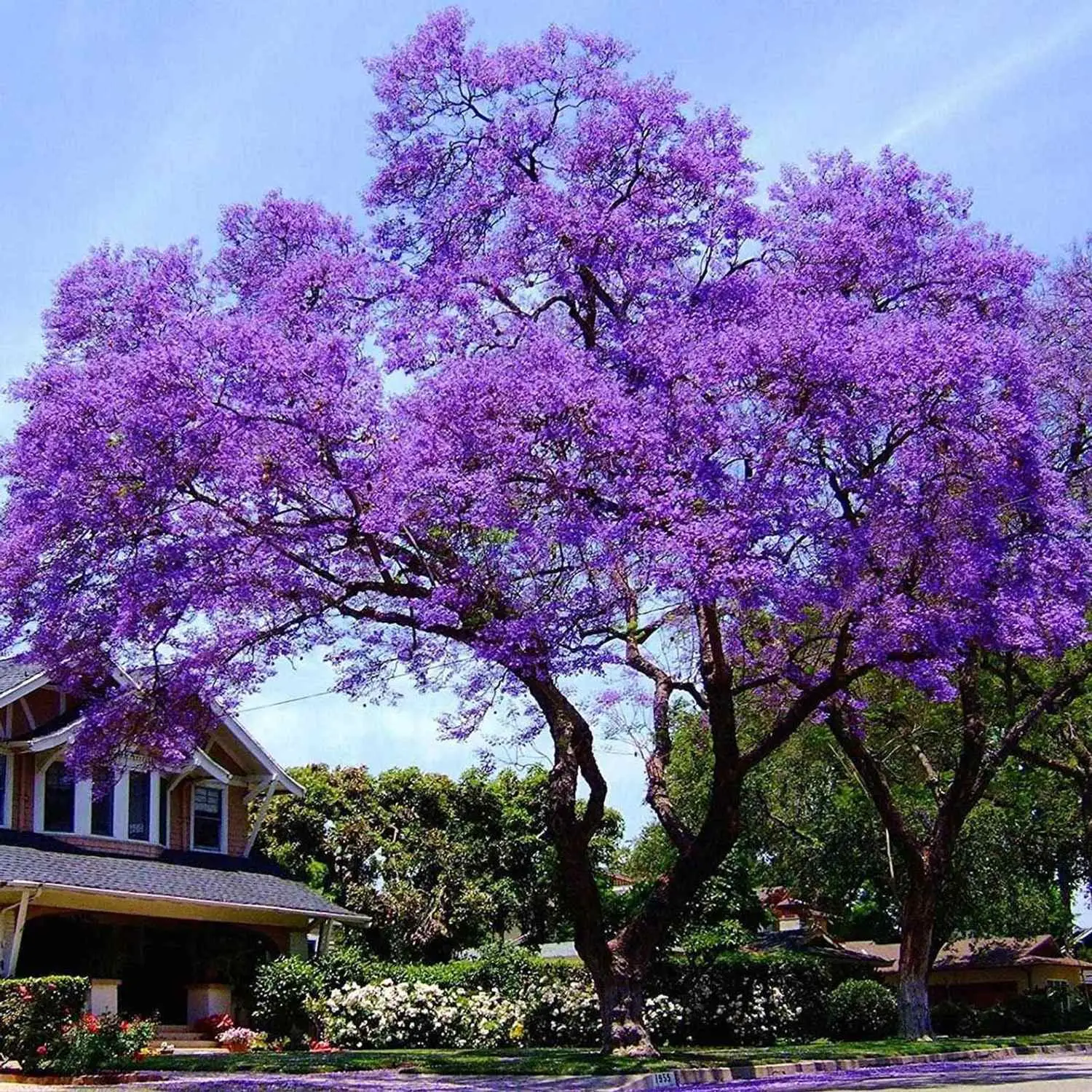
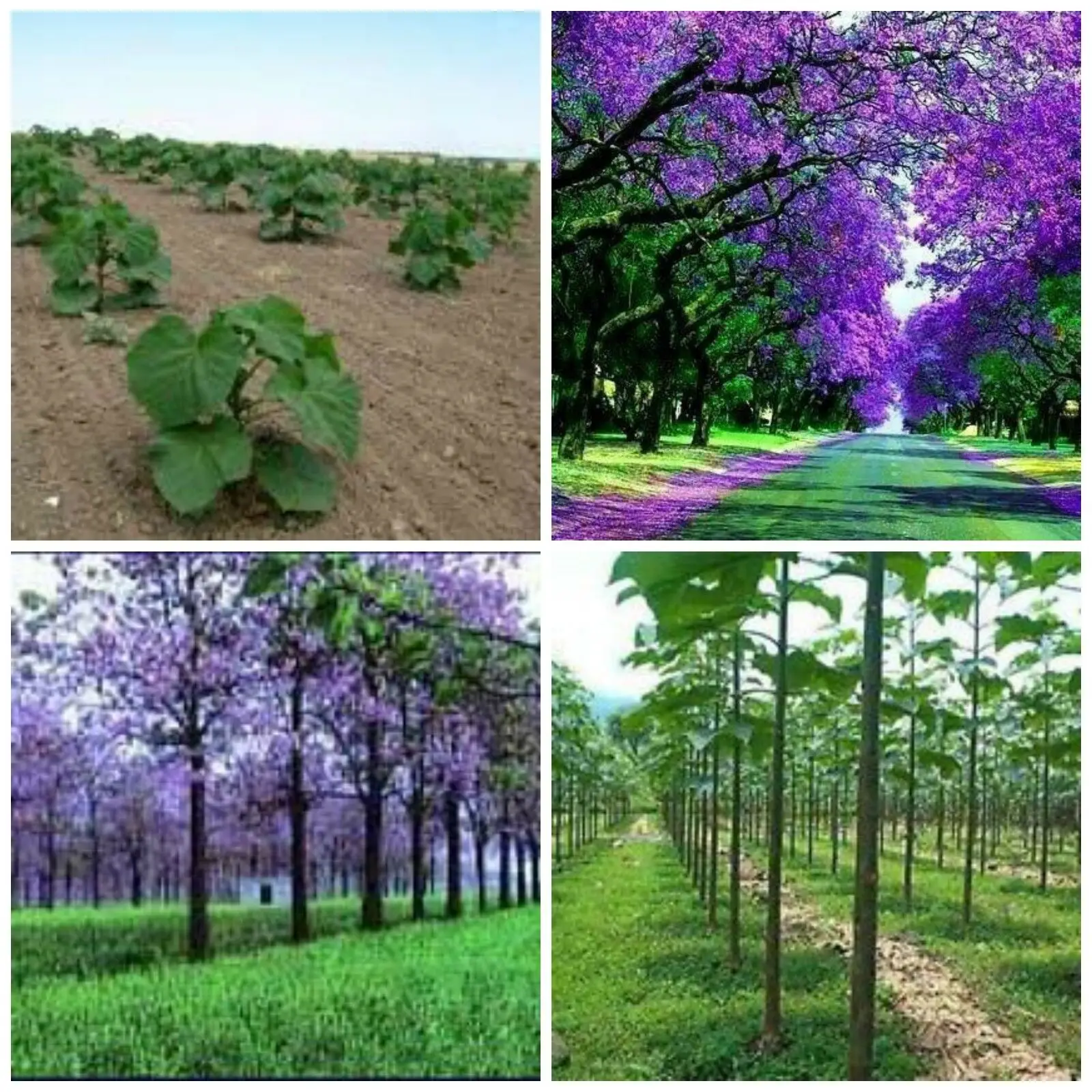
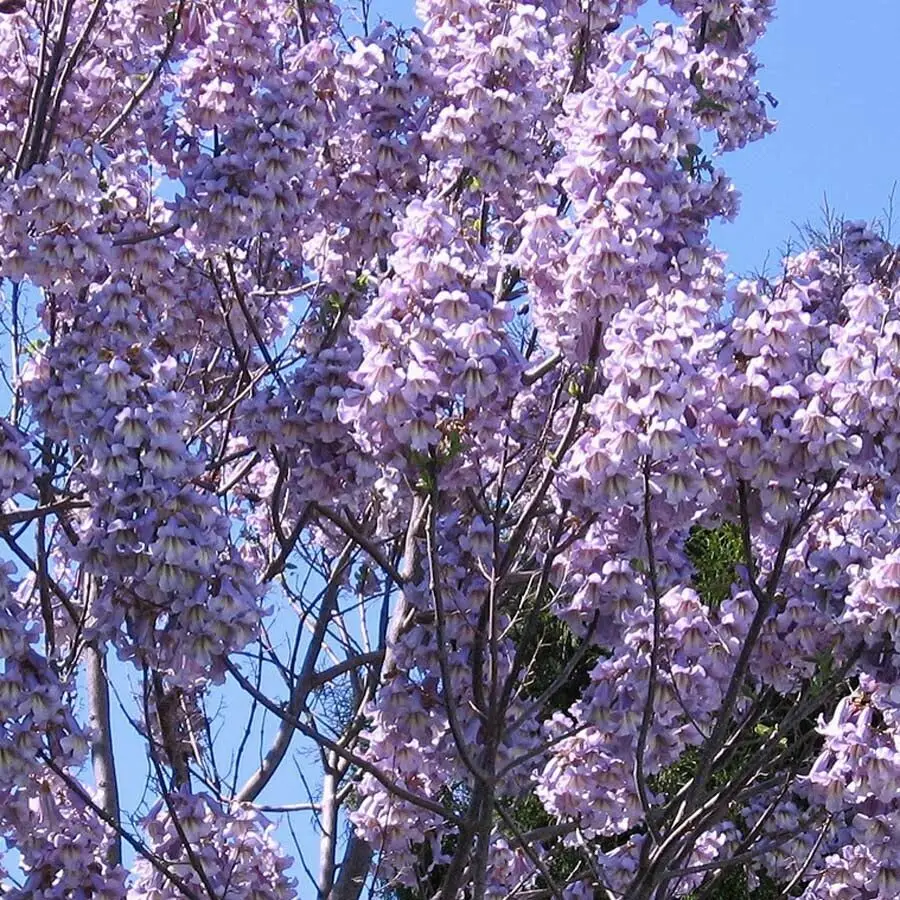
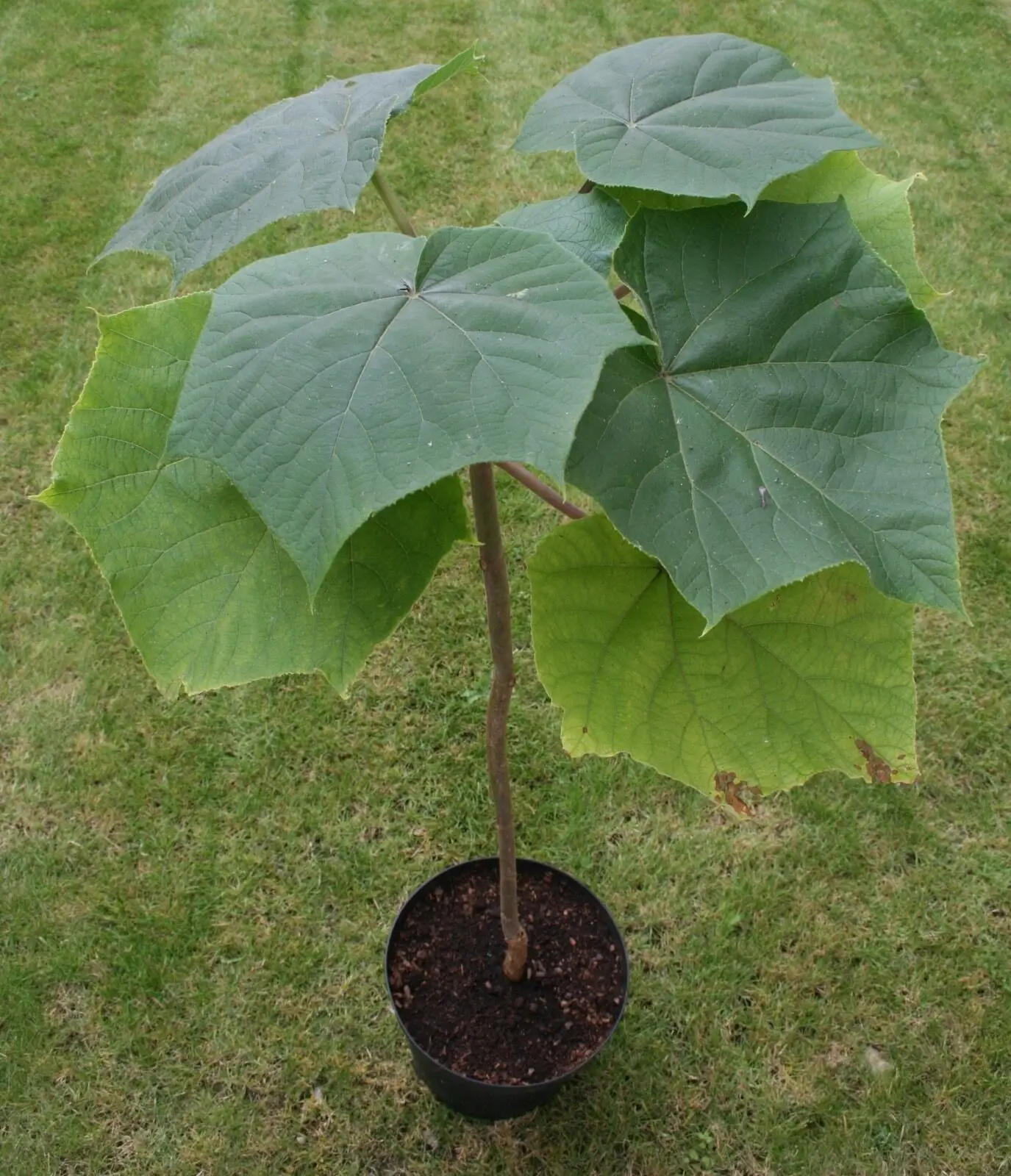
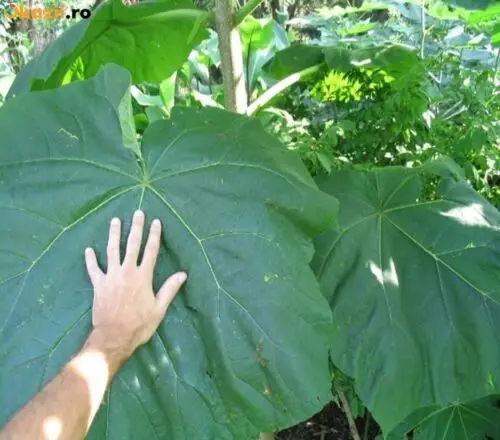
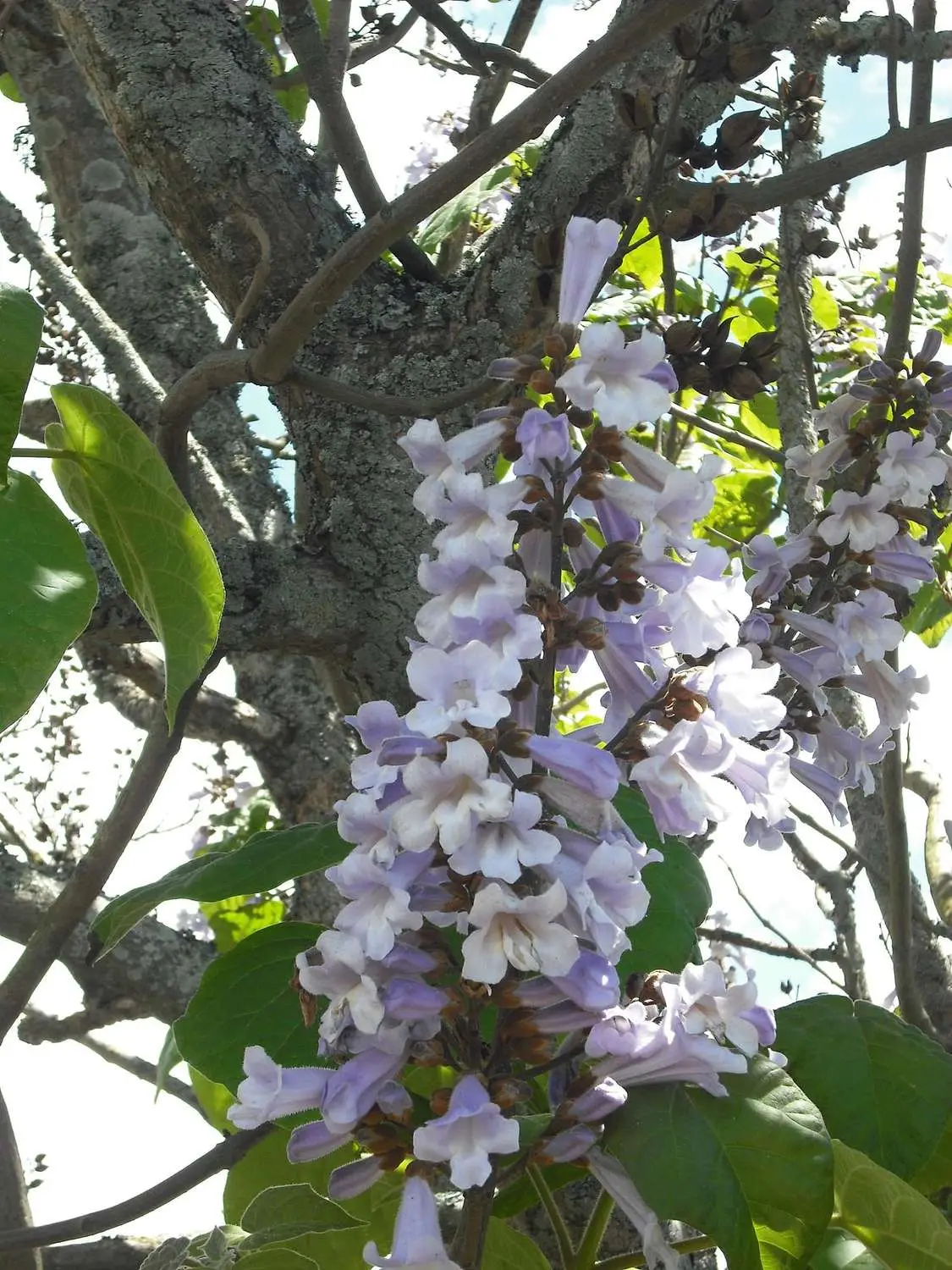
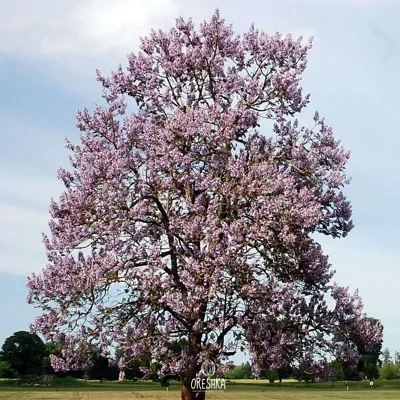
Before the honey arrives, there’s the spectacle. Spring arrives in an explosion of pink-violet, trumpet-shaped flowers arranged in upright clusters that bloom before the leaves fully emerge—nature’s promise of abundance to come. The foliage that follows is equally generous: large, heart-shaped leaves with soft texture create a dense, cooling canopy ideal for shade in urban spaces and gardens. The smooth, grayish-brown bark ages with quiet elegance. Come late summer, distinctive woody seed pods persist through winter, adding another layer of visual interest to the winter garden.
**GROWING THE EMPRESS: SURPRISNGLY SIMPLE**
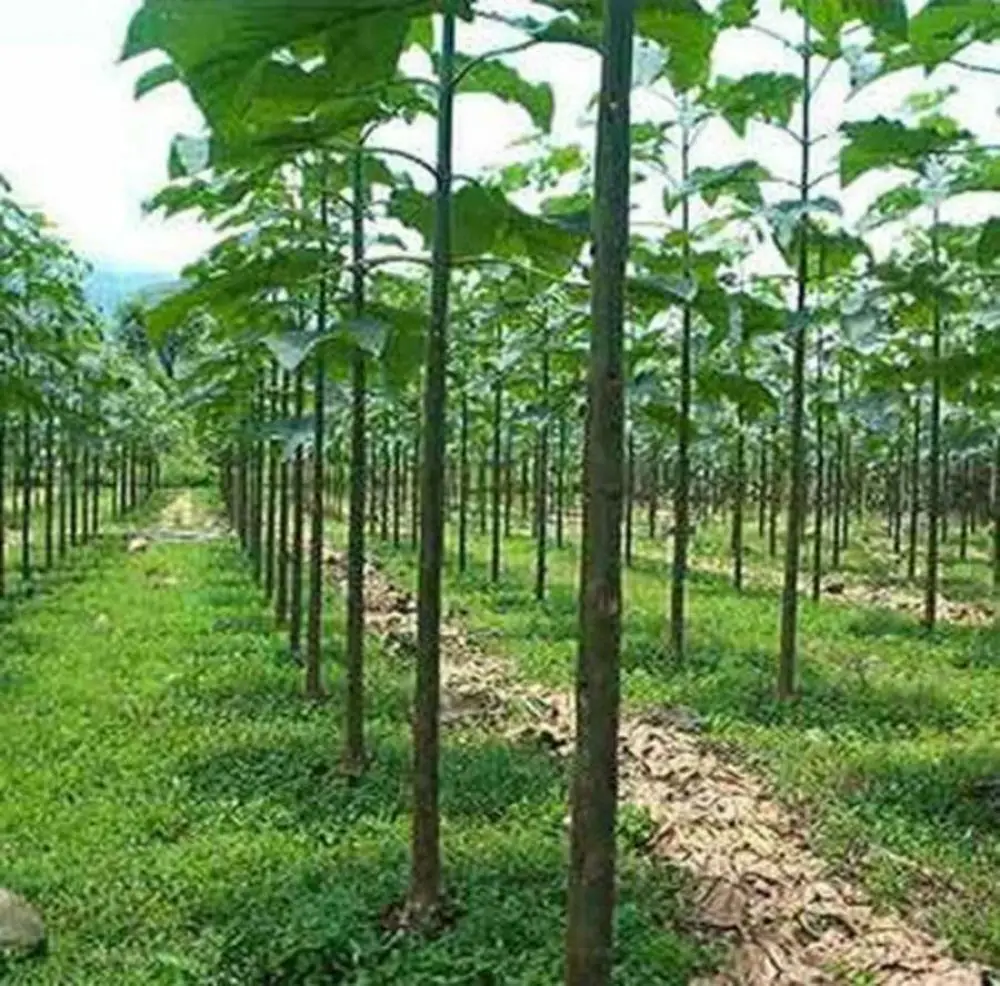
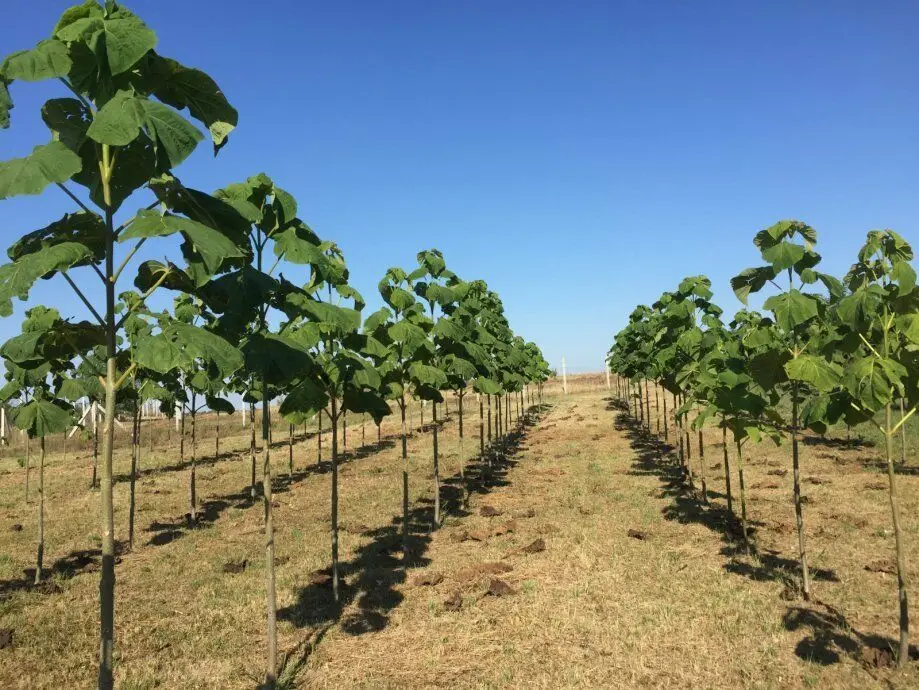
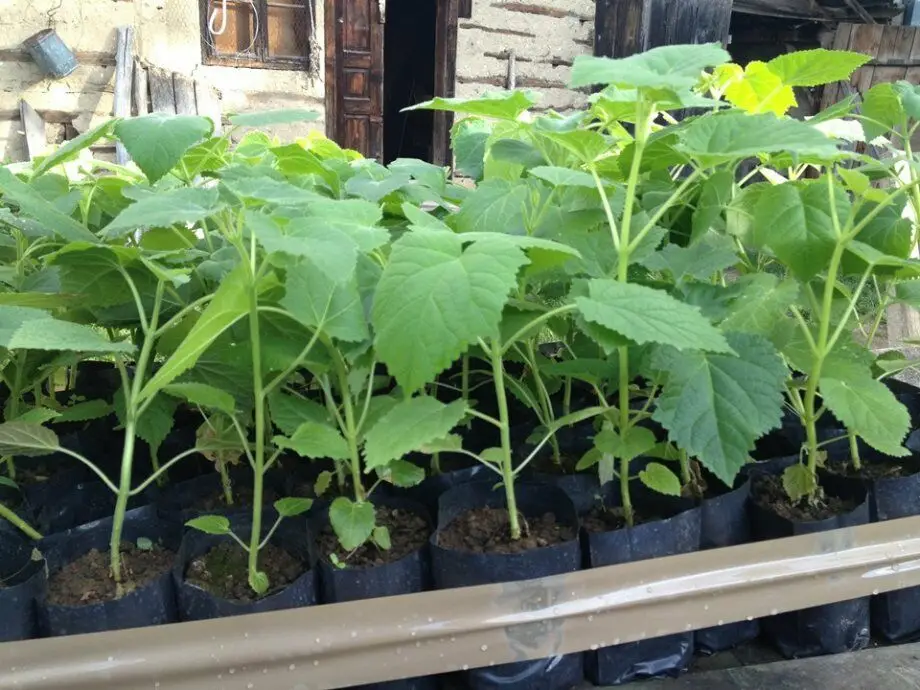
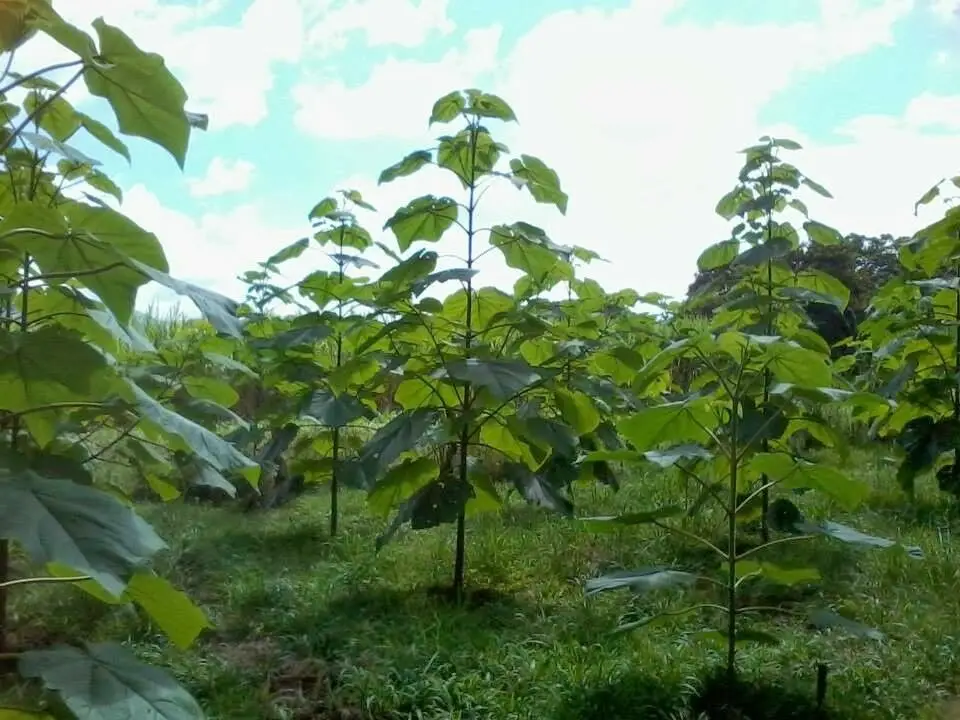
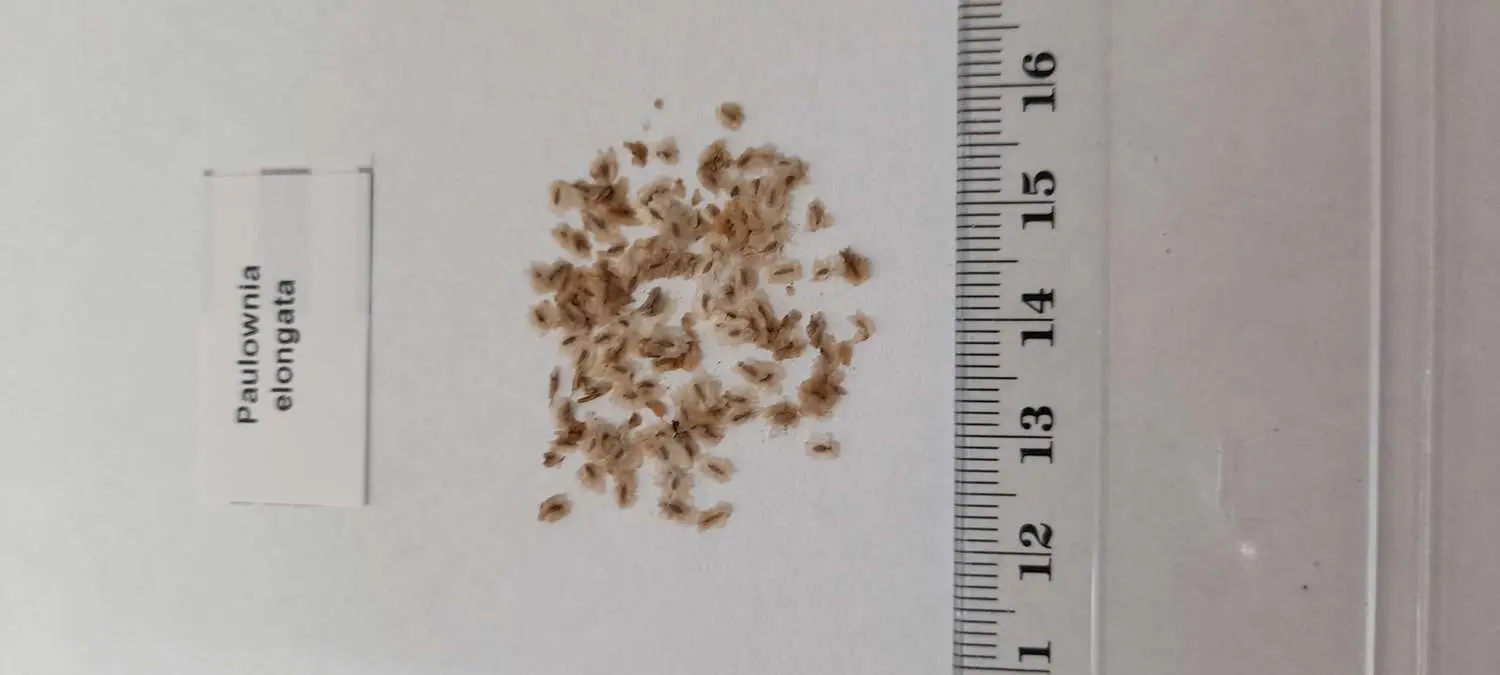
What shocks most gardeners is how easily Paulownia elongata establishes itself. Under favorable conditions, young trees can grow 3–5 feet per year—sometimes reaching 20 feet in a single year when well-established. This rapid growth makes it ideal for all gardeners, from the impatient to the ambitious timber growers. The tree is remarkably adaptive: it tolerates a range of soils (sandy to loamy, though it prefers well-drained, fertile earth), adapts to USDA zones 5–9, and actually thrives on moist, sheltered sites with full sun. It asks for moderate, consistent moisture—nothing extreme. Young trees benefit from frost protection in cold regions, but mature plants develop impressive cold tolerance, enduring temperatures down to –20°C in regions with proper summer warmth. The tree is highly tolerant of atmospheric pollution, making it perfect for urban gardens and parks where other trees struggle. Seed germinates readily when exposed to light; sow on the surface of moist, sandy seed mix and keep warm. Seedlings emerge quickly and grow vigorously—raising them from seed is genuinely rewarding. Within years, not decades, you’ll have a honey-producing powerhouse and ornamental gem.
**YOUR LEGACY BEGINS WITH A SEED**
Plant Paulownia elongata and you’re not just adding a tree to your landscape—you’re opening a door to multiple harvests. Honey that heals. Leaves that nourish body and garden. Wood that builds value. Flowers that feed pollinators and delight the eye. Wh
Only logged in customers who have purchased this product may leave a review.

Reviews
There are no reviews yet.