
Watch this African giant transform barren ground into a canopy paradise. Musanga cecropioides is the reforestation champion—a fast-growing pioneer that builds soil, prevents erosion, and creates lush shade in months, not years. Native healers prize its bark and leaves for inflammation and fever. Bonus: tap the sweet, potable sap from its stilt roots. Remarkably adaptable once established. Grow from seed in warm tropical climates.
€2.18
Musanga cecropioides, commonly known as the African Corkwood, Umbrella Tree, or Parasolier, is a fast-growing, tropical tree native to the rainforests of Central and West Africa. This is the tree that pioneers respect the regeneration of broken forest—a living evidence of nature’s power to heal itself.
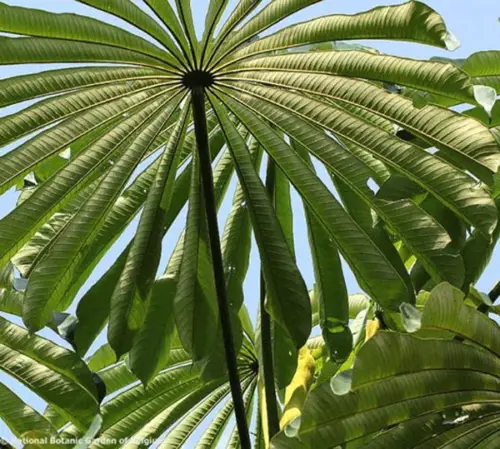
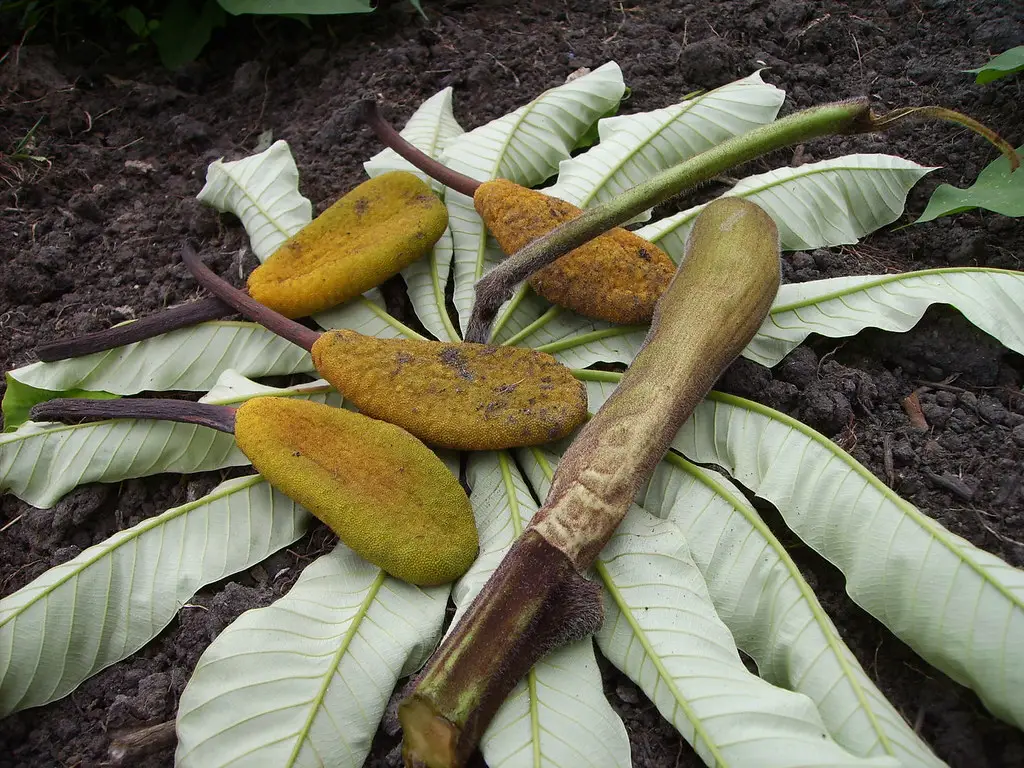
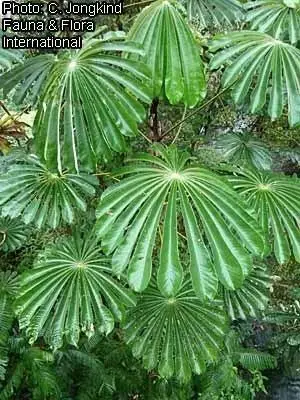
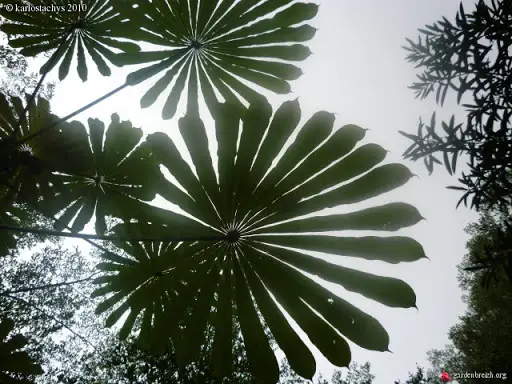
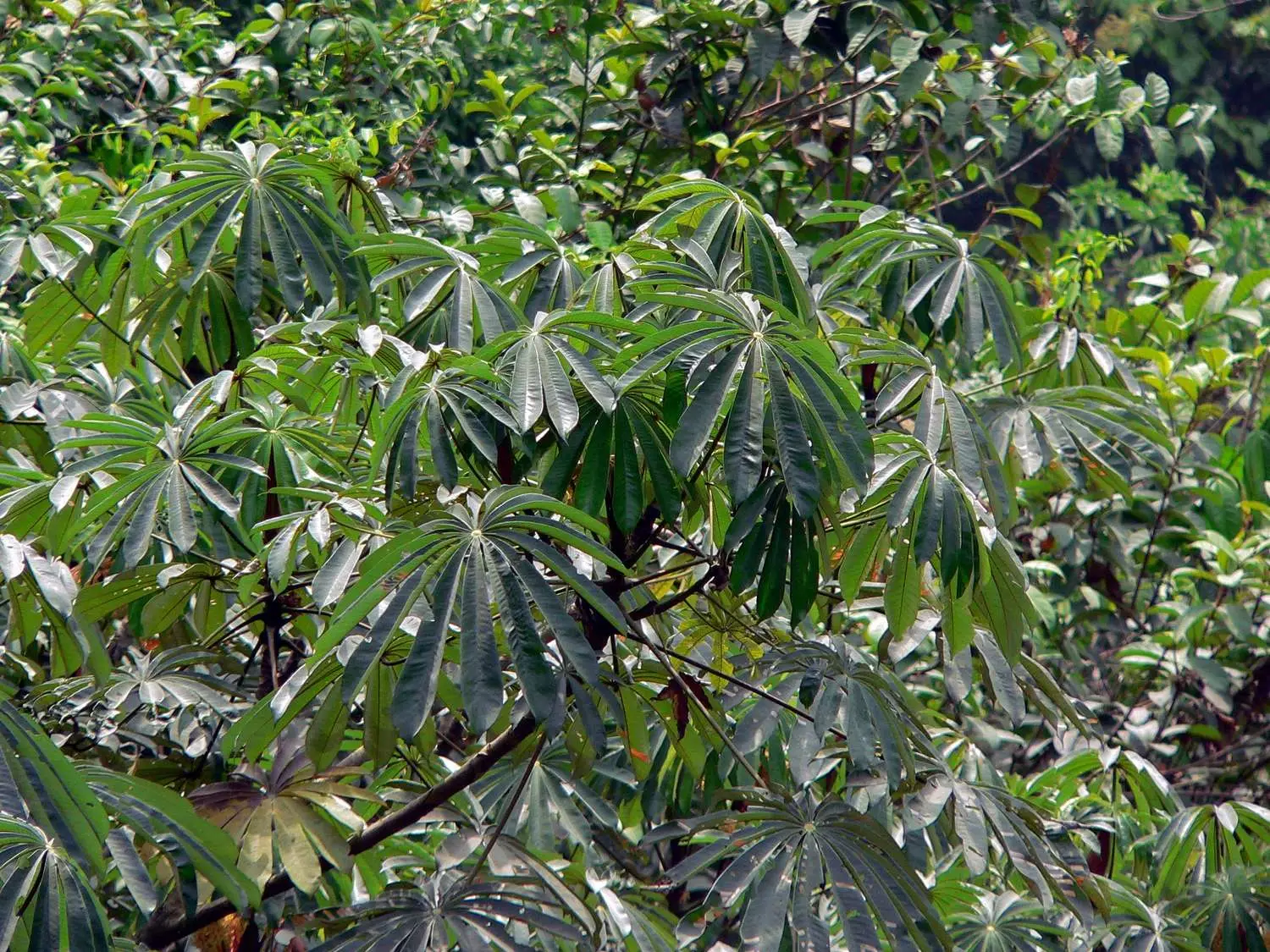
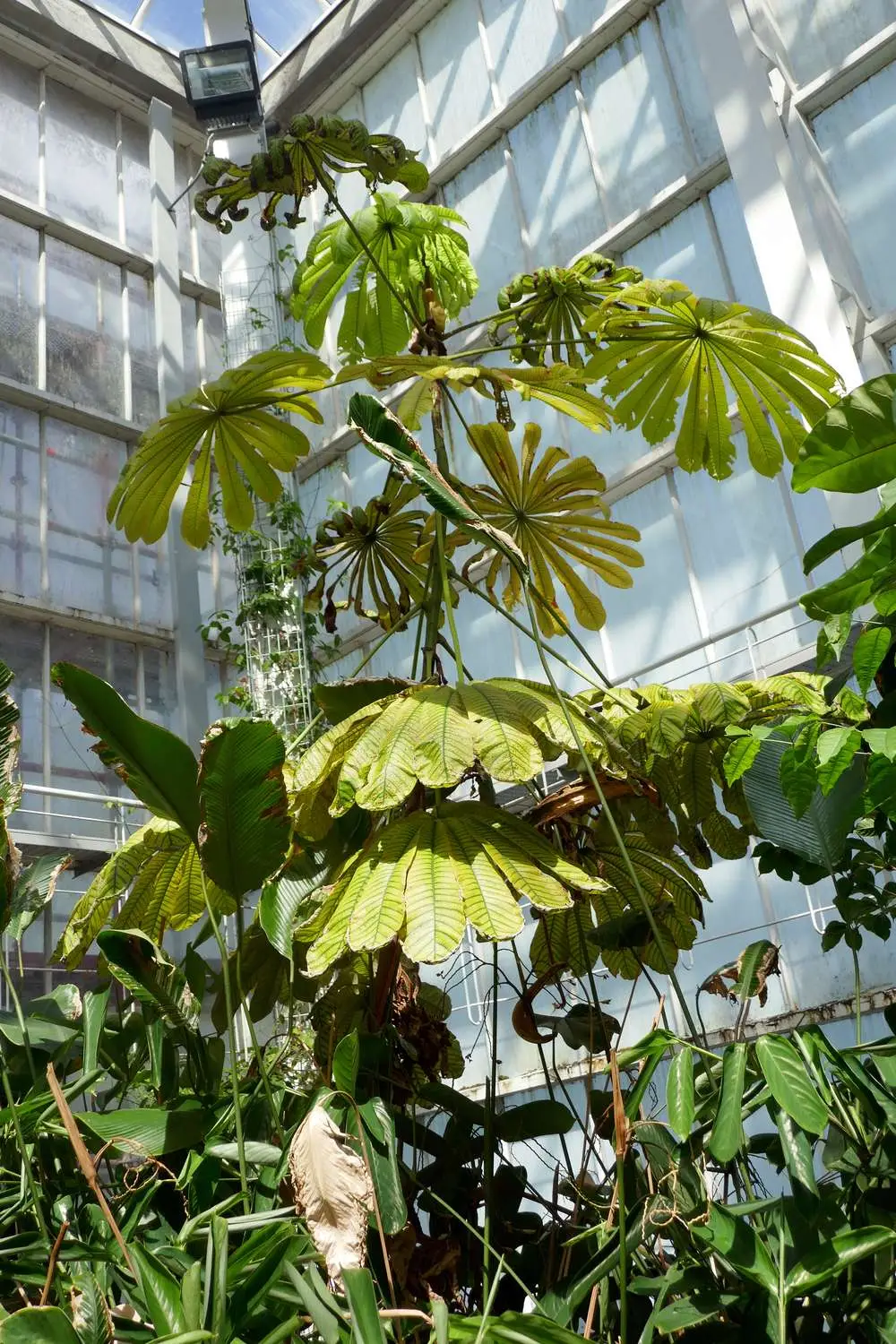
Its trunk has a pale whitish/yellow tone with a rough, granular texture, and its leaves have palmately arranged leaflets, up to twenty-six together, forming an eccentric circle up to 110 cm (43 in) diameter. This deciduous tree can grow up to 30 meters (98 feet) tall and is characterized by its smooth, light-gray bark and hollow branches that house symbiotic ants. The crown spreads like a great umbrella, shading everything beneath—a sculptural, living landmark from seedling to giant.
**Where Musanga truly shines: reforestation and ecological recovery.** Musanga cecropioides is an ecological powerhouse, valuable for reforestation and agroforestry. M. cecropioides is a pioneer colonizer constituting the first phase of succession leading to the rebuilding of rain forest, and is abundant in forest clearings, swamp forest, river or lakesides, showing height increments of up to 5 m in one year. This isn’t just speed—it’s ecological intelligence. The tree canopy produces a dense leaf-litter which creates a heavy layer of humus that serves as a nursery for other hardwood species which take over in succession. Plant Musanga and you’re planting the future forest. Beyond reforestation, leaf litter of the umbrella tree enriches the soil and is ideal as compost material, making it the perfect nurse tree for degraded land, erosion control, and agroforestry systems. M. cecropioides is used as a shade tree in coffee plantations.
Traditional medicine knows this tree intimately. The bark, leaves, roots, and latex are employed to treat various ailments due to the plant’s anti-inflammatory, analgesic, antimicrobial, antioxidant, and antidiabetic properties. Traditional uses include the treatment of rheumatism, fevers, wounds, ulcers, toothaches, and respiratory conditions such as asthma and coughs. The stem bark and root decoctions are also used for malaria, gastrointestinal disorders, and as a liver tonic. And here’s something extraordinary: the aerial stilt-roots, and also the younger branches, are noted for their capacity of yielding a large amount of potable sap—’half a bucketful’ is said to be obtainable from a single tree overnight. The sap is colourless, odourless and of an insipid sweetish taste. This source of drinking water is of great importance in some areas of the tree’s range, where whole villages can depend upon it in dry seasons.
**Growing your own is straightforward.** Musanga cecropioides thrives in full sun to partial shade and grows best with plenty of sunlight, which promotes healthy growth and leaf development. This tree prefers warm, tropical climates and grows well in USDA zones 10–12, suited to temperatures ranging from 20–30°C (68–86°F). Musanga cecropioides prefers well-draining, fertile soils rich in organic matter. Musanga cecropioides is a low-maintenance tree once established, requiring only occasional pruning to remove dead or damaged branches. The tiny seeds germinate quickly in warm, humid conditions. Give it sun, warmth, and well-draining soil, and watch it surge skyward.
Imagine this: three years from seed, your Musanga stands as tall as a house, its giant umbrella leaves casting shade across your land. Around year five, it has begun the conversation with the s
Only logged in customers who have purchased this product may leave a review.

Reviews
There are no reviews yet.