
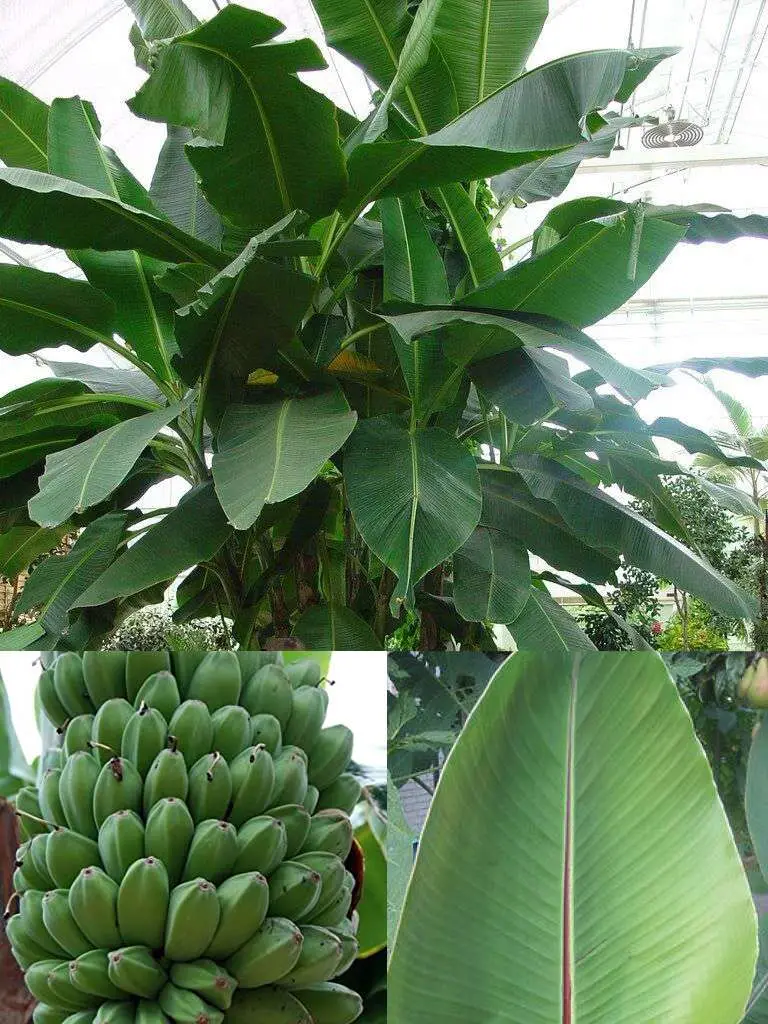
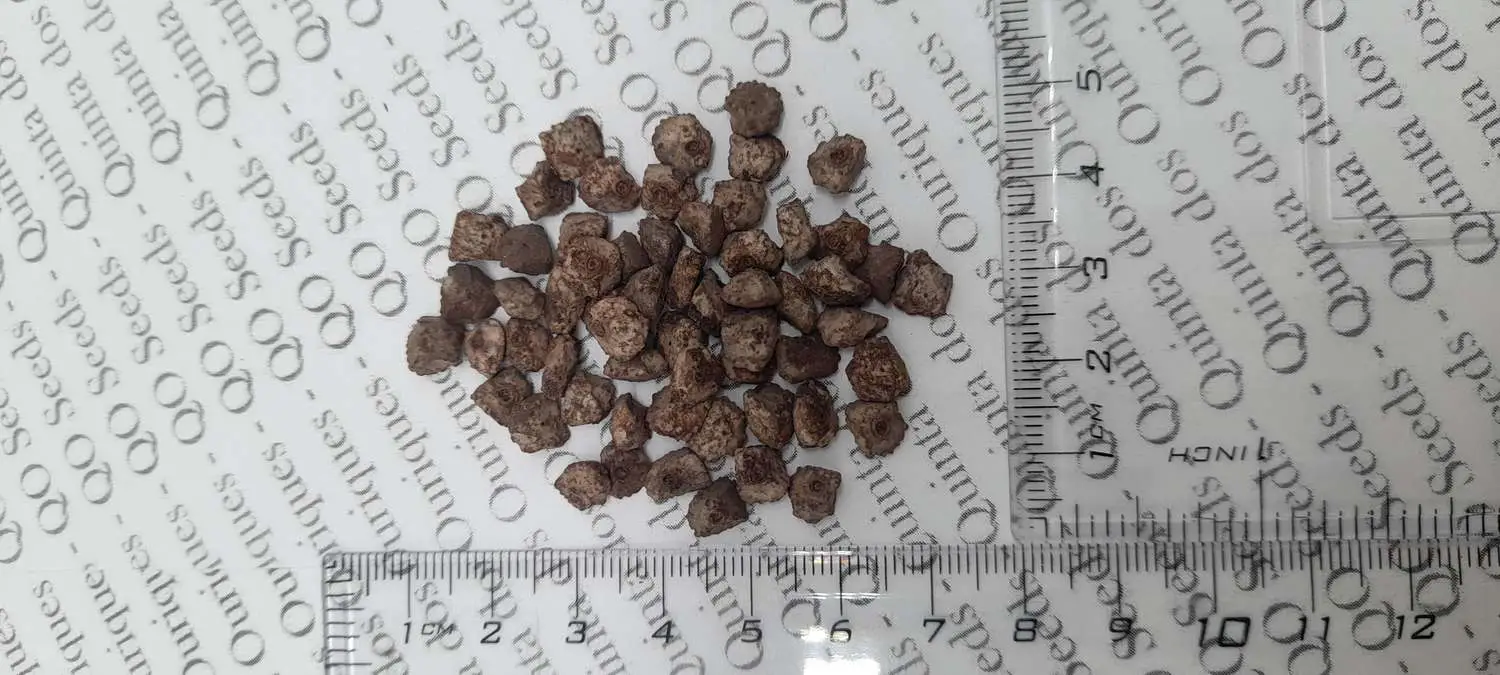
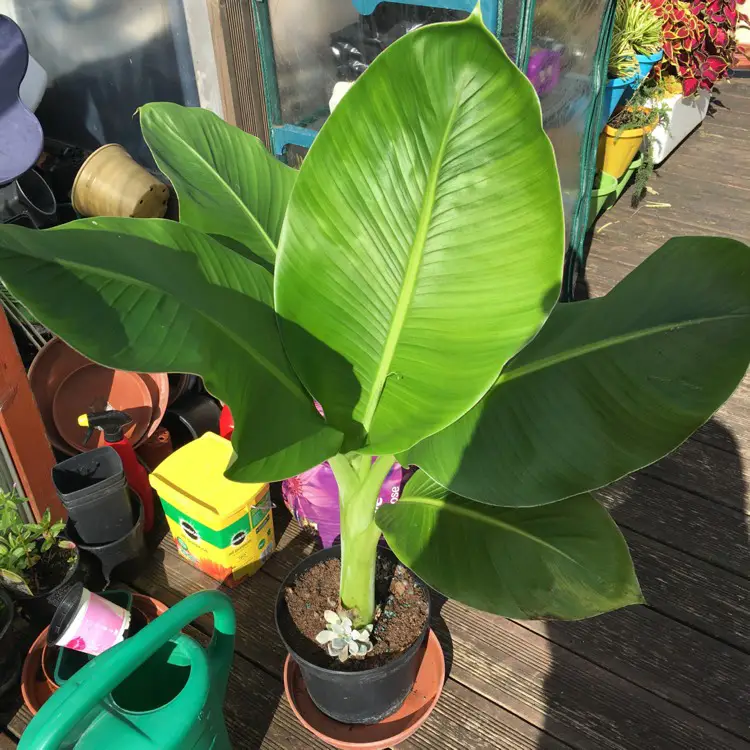
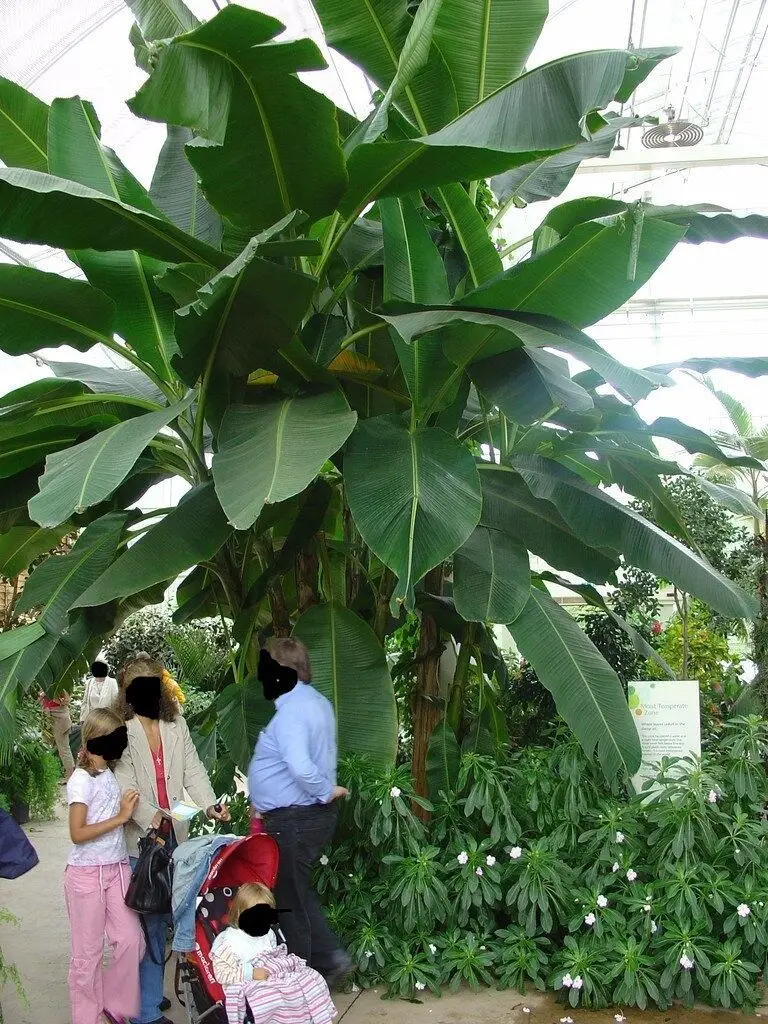

Imagine a lush 14-foot giant with burgundy-banded leaves and magenta leaf undersides thriving in your temperate garden—and surviving freezes. This rare Himalayan banana is the ornamental game-changer: one of the hardiest Musa species ever, yet impossibly beautiful. Grows explosively fast in rich soil with consistent moisture. Grow it from seed and own a true tropical statement plant that laughs at cold. A once-in-a-lifetime species finally in reach.
€4.93
Prized primarily for its visual impact, this striking species has earned recognition as one of the more ornamentally valuable wild banana species. If you’ve ever dreamed of a towering banana—all dramatic burgundy undersides and emerald-and-maroon striped leaves—thriving outdoors in a place where winter bites, this is the moment your garden transforms.
Native to the Himalayan region extending from Sikkim in India through the eastern mountain forests into northern Myanmar, Musa sikkimensis is named after the state of Sikkim, as it grows at some of the highest known elevations of any banana; for example, in Yuksom, West Sikkim, it has been recorded at roughly 1780 metres above sea level. This Himalayan pedigree is everything. These aren’t shy tropical exotics that melt at first frost; they’re mountain warriors wrapped in the most extravagant foliage you’ve ever seen.
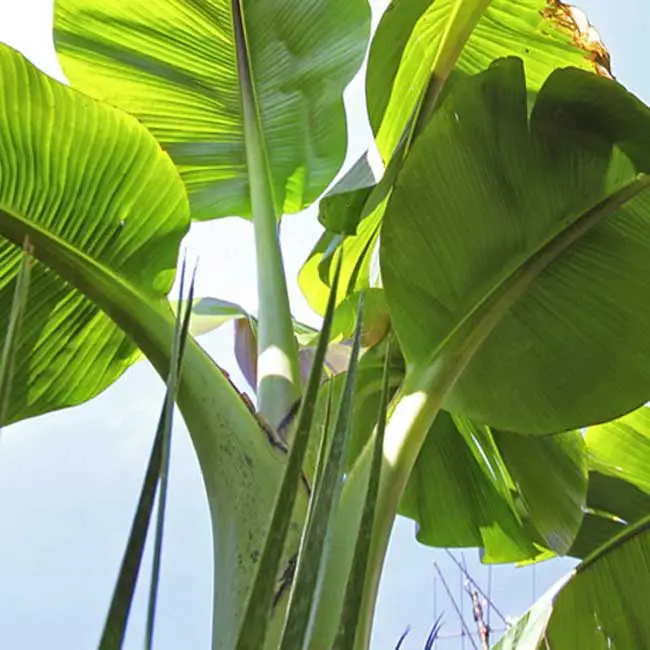
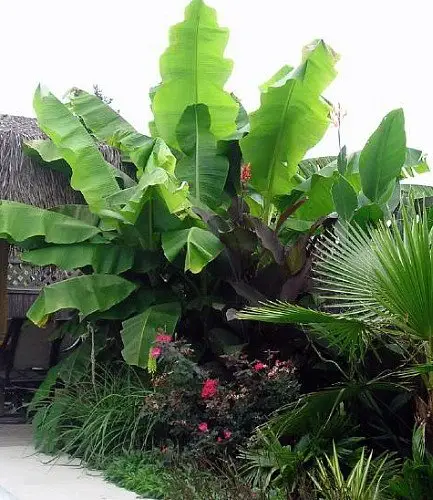
**THE VISUAL SPECTACLE:** This is where Musa sikkimensis stops hearts. The massive pseudostem reaches 4.5 m (14 ft.) tall and 45 cm (18 in.) in diameter, tinged with red, while its new leaves and leaf midribs are purple, with a percentage of plants even exhibiting beautifully dark red mottled leaves when young. More specifically, each plant varies but generally there is maroon staining on the upper leaf surface, the leaf underside has a metallic mauve sheen, and the flower, when produced, is a rich purple. The ‘Red Tiger’ cultivar is even more striking—featuring large, paddle-shaped leaves with a unique pattern of green and maroon stripes, with prominent red midribs. Plant one in spring; by midsummer you’ll have a 12-foot focal point that stops every visitor in their tracks. Leaves are held more upright and are more wind tolerant than other bananas. This means the drama won’t shred in a stiff breeze.
**COLD HARDINESS—THE GAME CHANGER:** The Darjeeling Banana is very hardy to cold, coming as it does from montane forests up to 2000 m in the Himalayas of Northeast India, and first trials outdoors in the U.S., Britain, Germany, and Switzerland have shown excellent resistance to cold and frost. Estimated to be hardy in USDA zones 7-10, with a minimum rhizome survival temperature of approximately -15°C (5°F). Unlike every other show-stopping banana, you can actually overwinter this outdoors where you live. The pseudostem will freeze back, but with the rhizome protected by heavy mulching, it can be grown outdoors in USDA zones 7-10, by cutting the pseudostem to 60 cm after frost kills the foliage, then insulating the crown with dry mulch and a waterproof cap. Every spring it resurrects itself, stronger and hungrier for growth.
**SPEED & EASE:** Like all bananas, it is extremely fast growing given rich soil and an abundance of water. Fast growing, these plants can quickly reach 10 to 15 feet in height, sometimes in a single growing season. From seed, you’re looking at a genuinely manageable 3-4 years to first flowers (and potentially small ornamental fruits), but the vegetative drama arrives far faster. Give it full sun, rich, humus-charged soil, and deep, consistent watering through the warm months. In cooler climates, best results come with mulching in winter; in containers, it becomes a portable tropical palace. It can be container grown and is a great element for patios and porches.
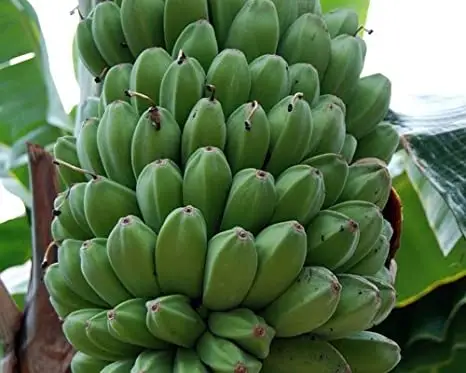
**FRUIT BONUS:** The fruits have a sweetish pulp but are hard and contain large seeds, and like Musa basjoo, Musa sikkimensis will produce little sterile ‘banana fruits’—quite a novelty. They’re ornamental, seedy, not for eating—but that small, exotic fruit cluster
Only logged in customers who have purchased this product may leave a review.



Reviews
There are no reviews yet.