Description
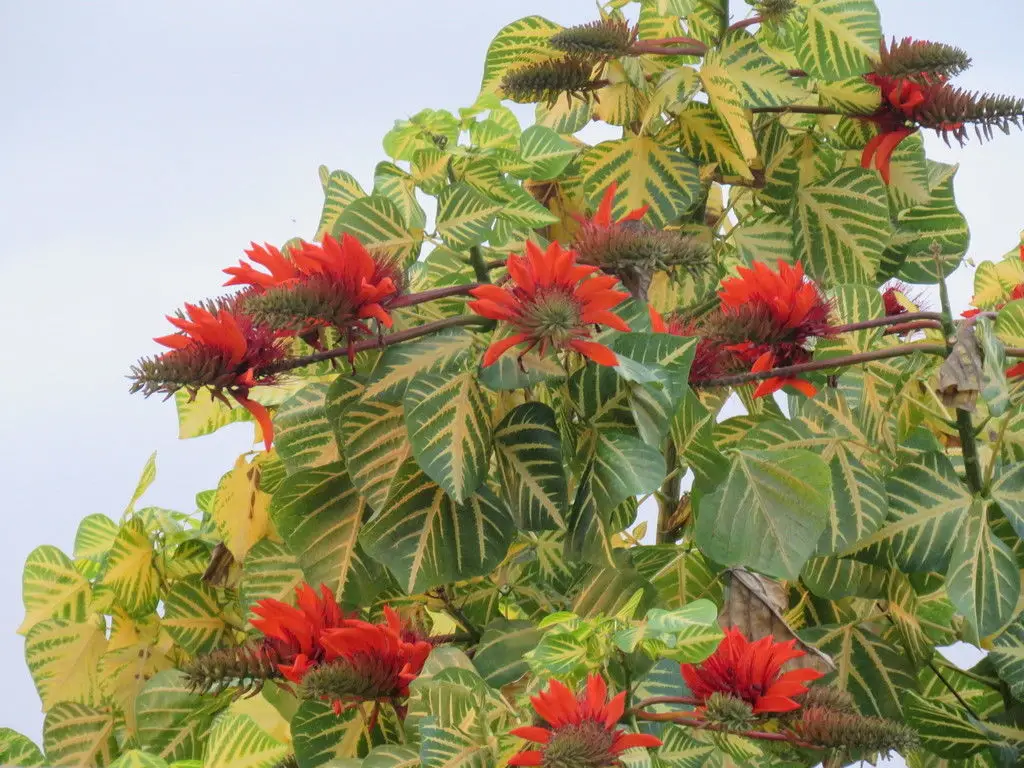
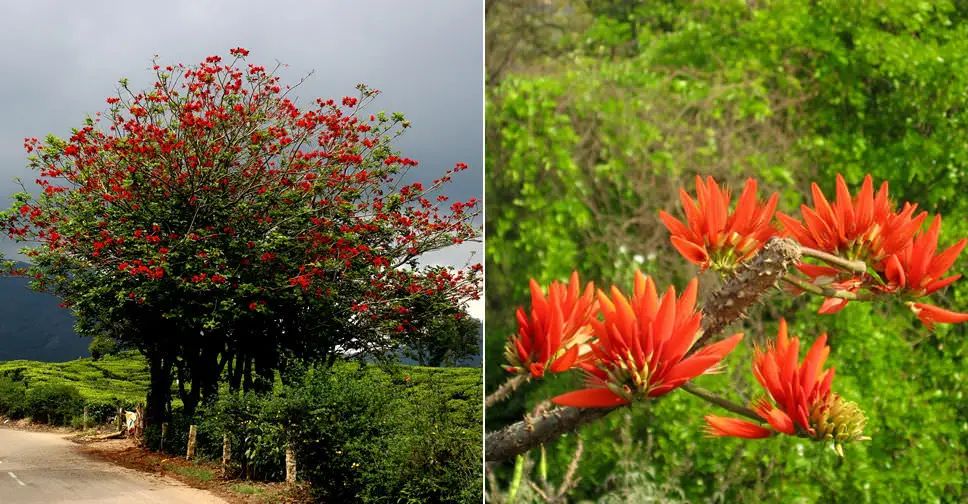
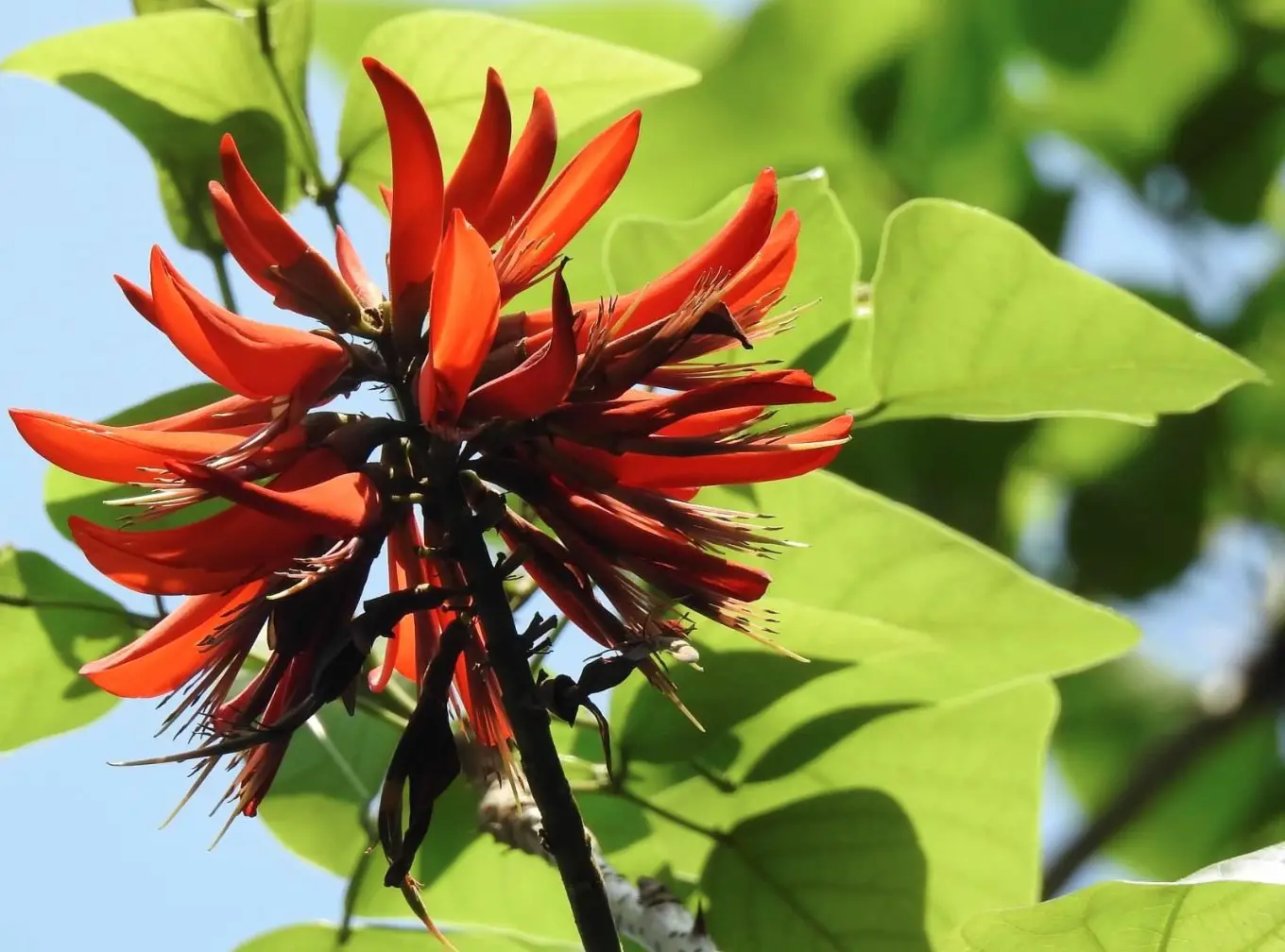
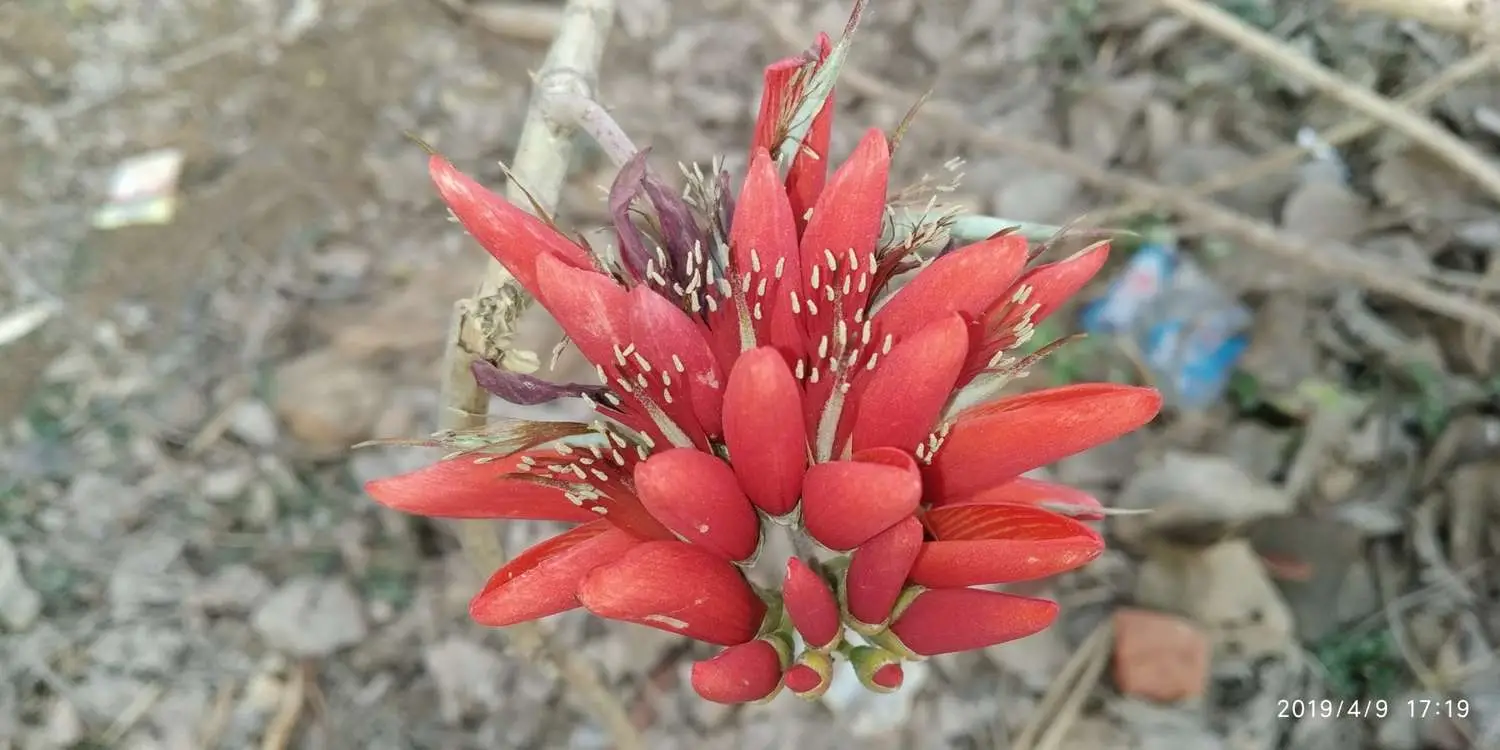
A popular, medium-sized flowering tree with stunning red flowers, widely distributed from India and many Indian Ocean islands throughout much of tropical Asia to Australia and many islands in the Pacific. Its seeds float and can be distributed by ocean currents, so it is hard to differentiate between naturally distributed trees and escapees from cultivation, where the plant is also popular and common.
Erythrina variegata, commonly known as tiger’s claw or Indian coral tree, is a species of Erythrina native to the tropical and subtropical regions of eastern Africa, the Indian subcontinent, northern Australia, and the islands of the Indian Ocean and the western Pacific Ocean east to Fiji.
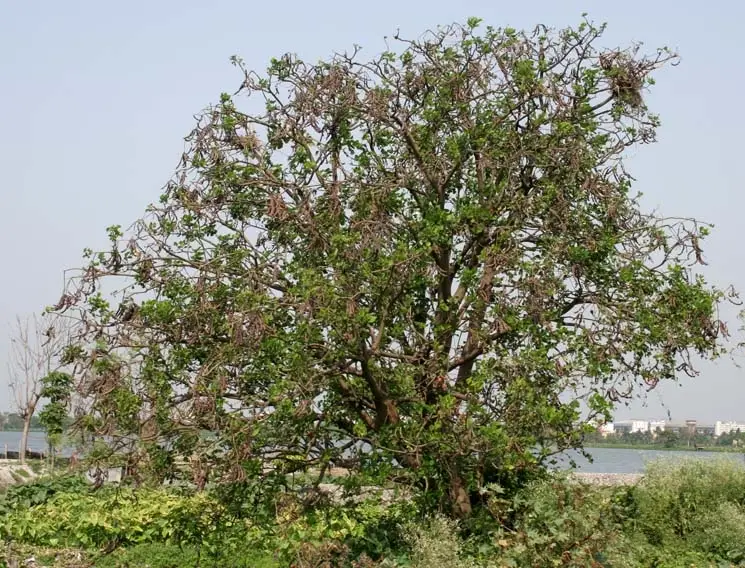
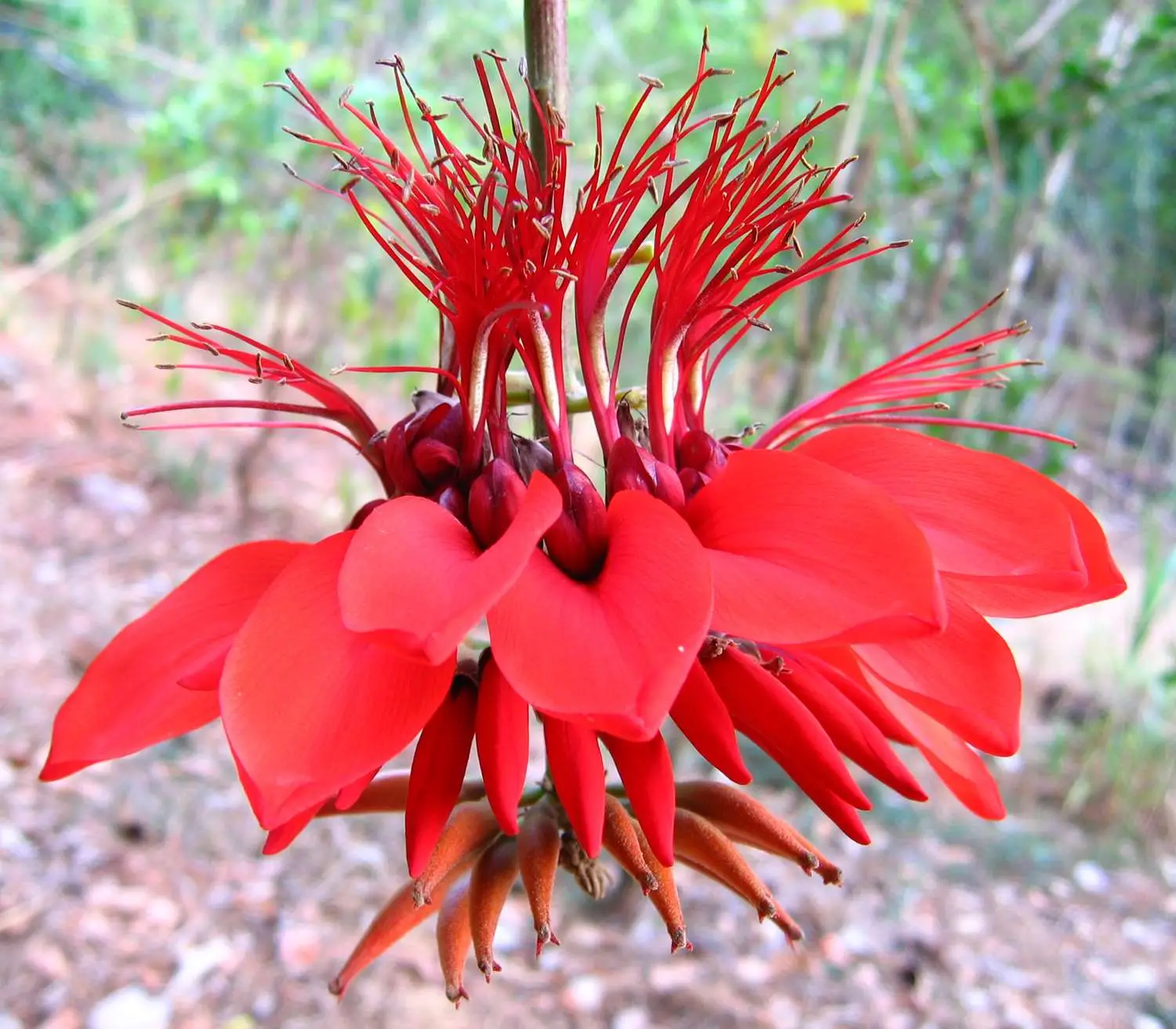
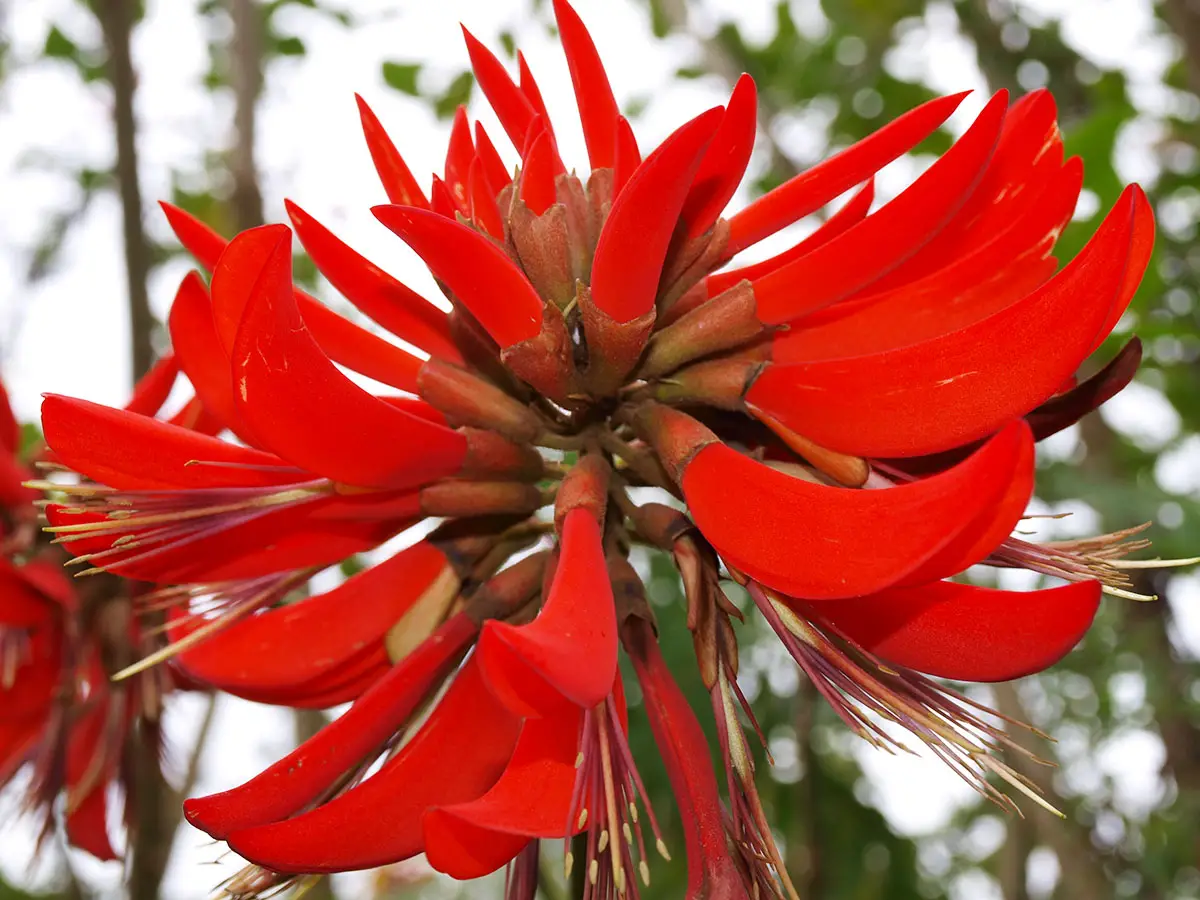
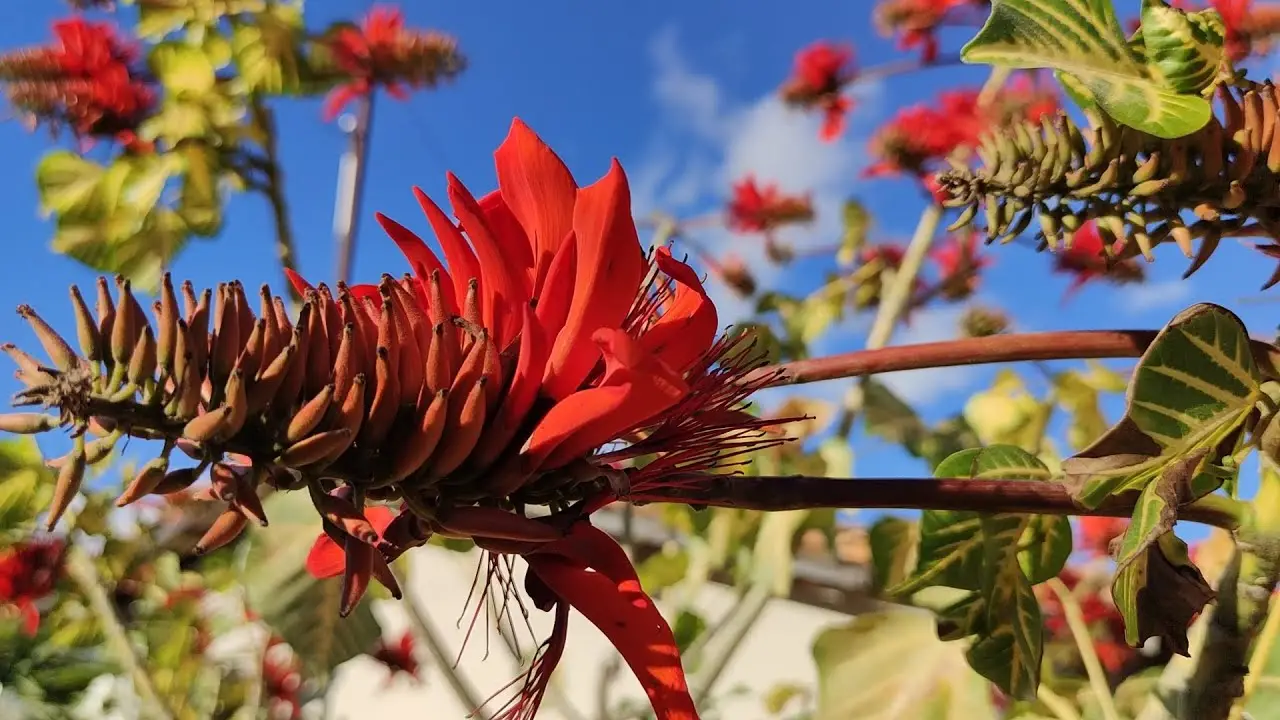
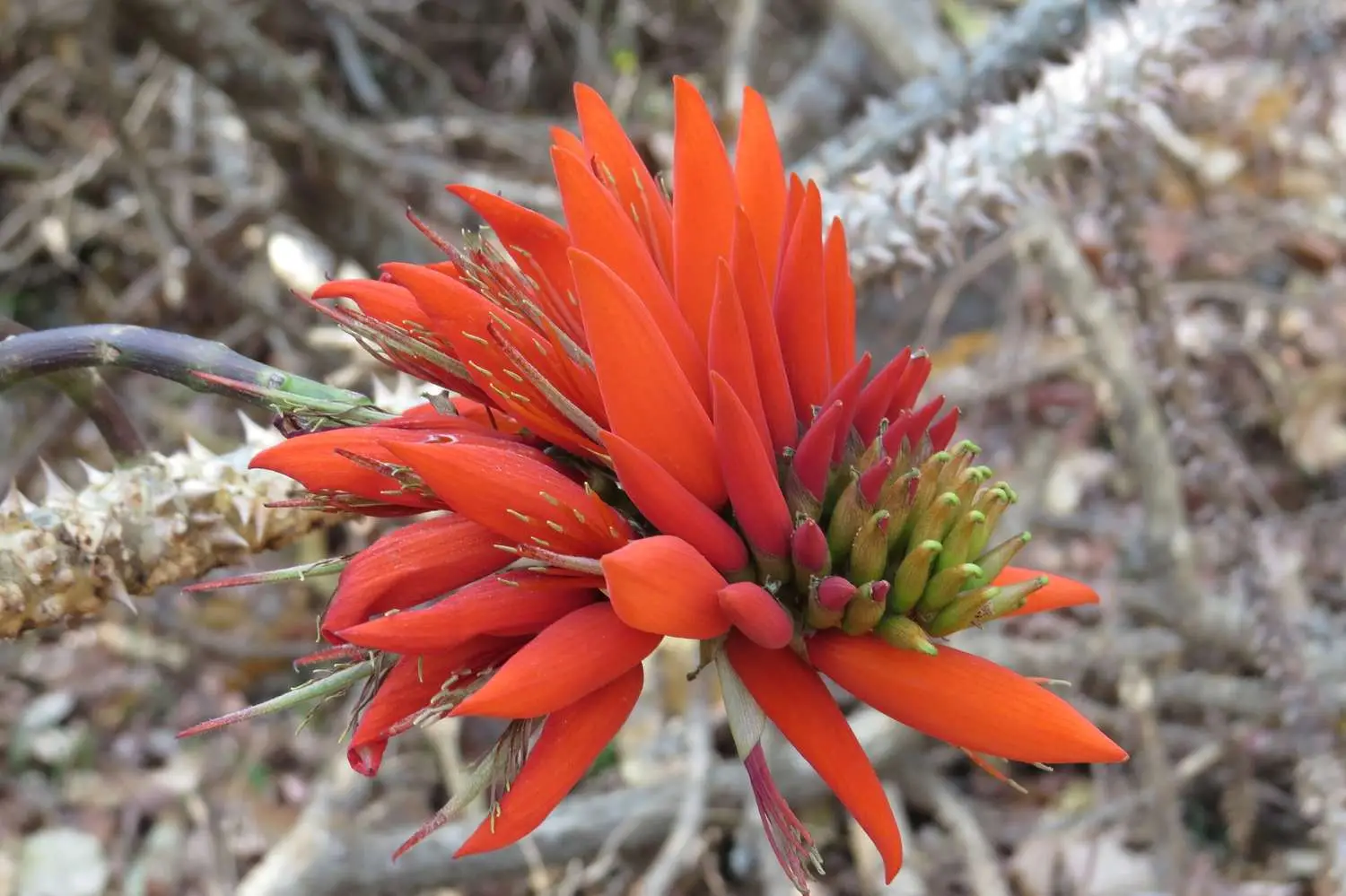
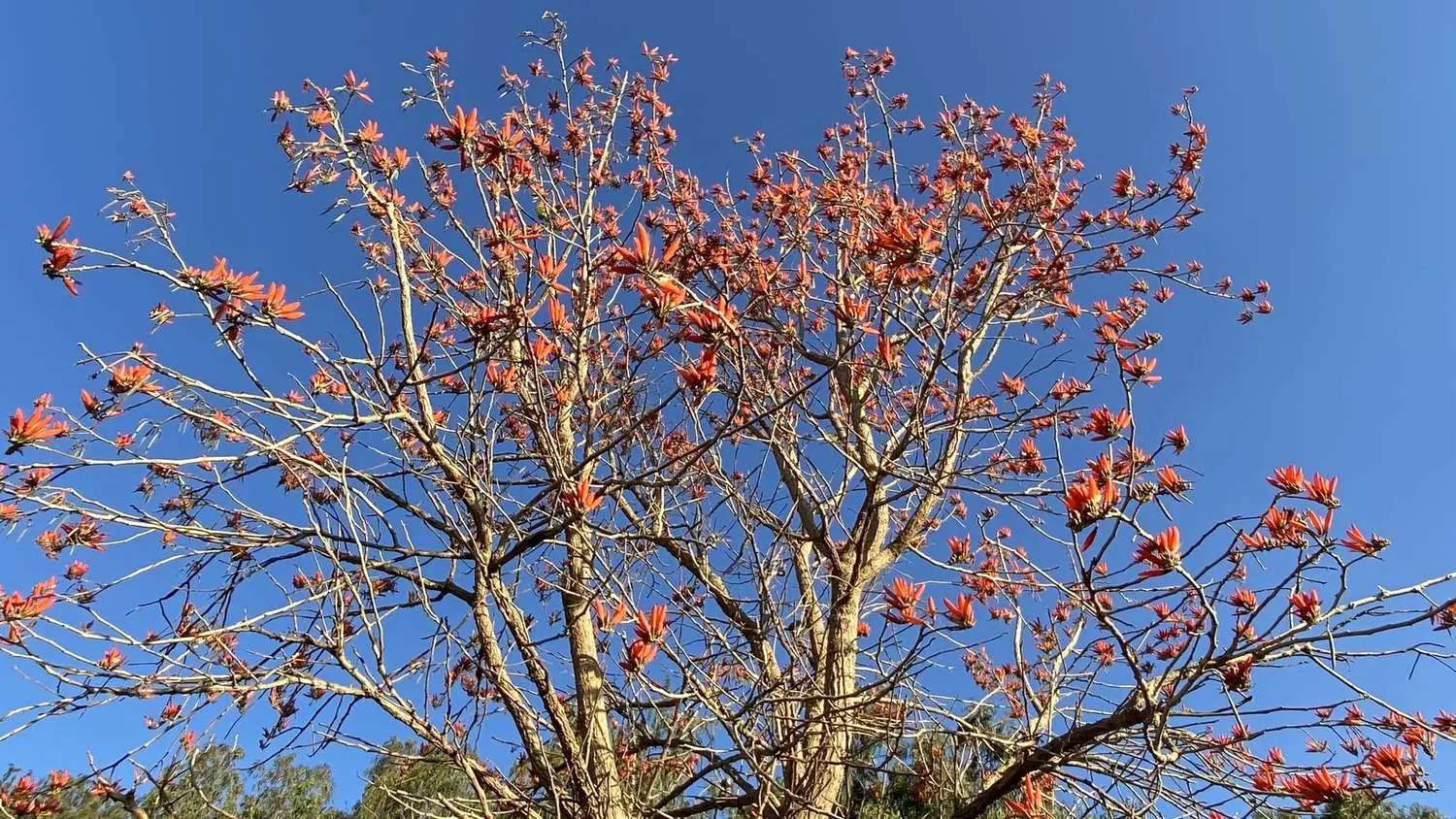
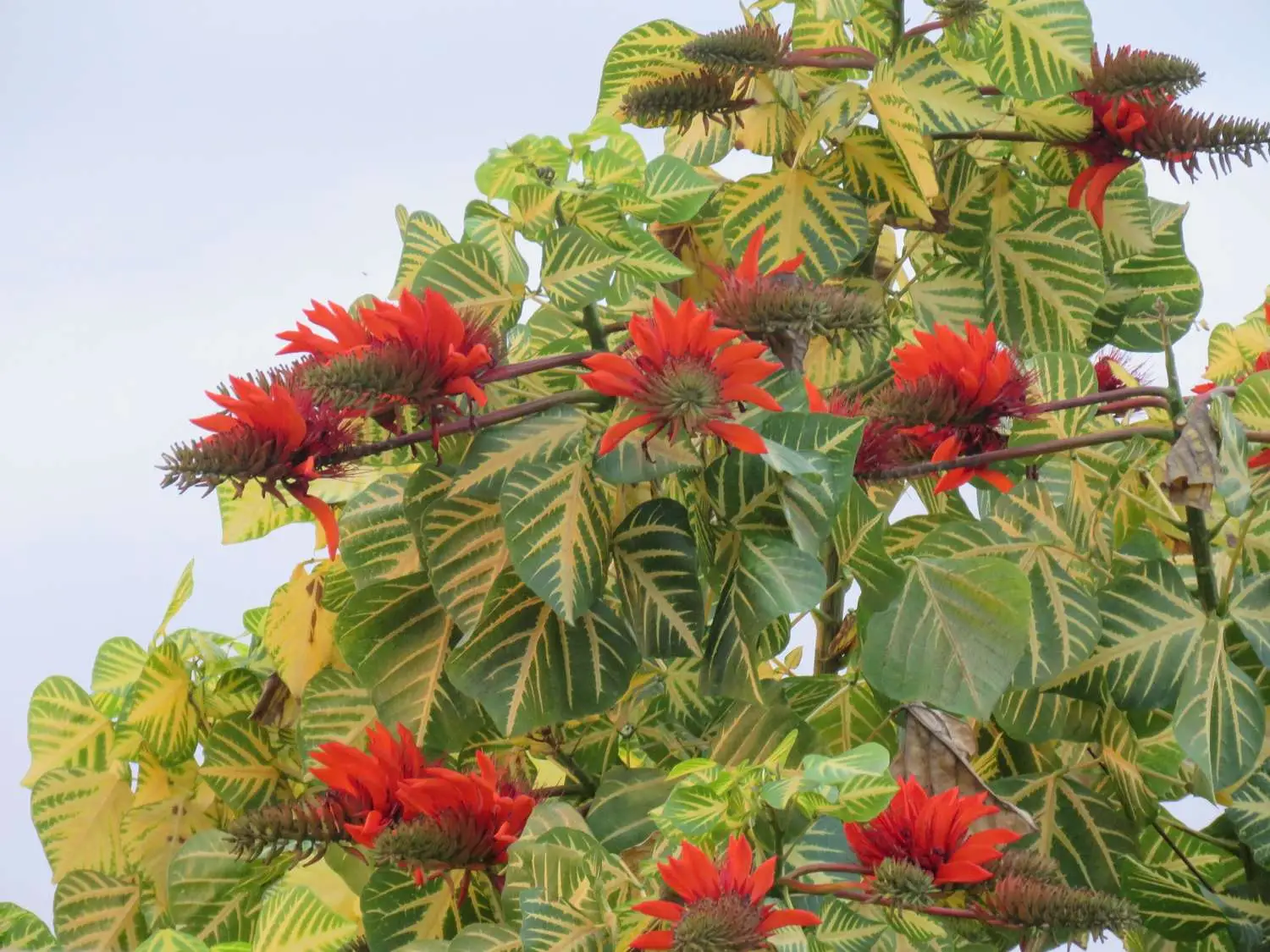
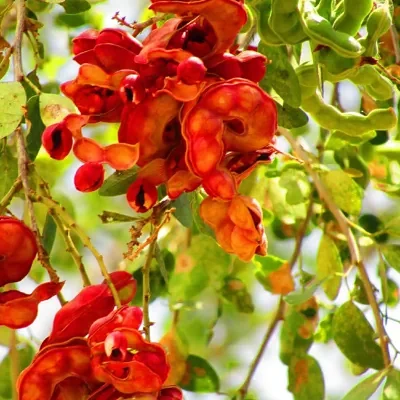
E. variegata is a thorny deciduous tree growing to 27 m (89 ft) tall. The leaves are pinnate with a 20 cm (7.9 in) petiole and three leaflets, each leaflet up to 20 cm (7.9 in) long and broad. It has dense clusters of scarlet or crimson flowers and black seeds.
Erythrina variegata is valued as an ornamental tree. Several cultivars have been selected, including ‘Alba’ with white flowers.
In Vietnam, the leaves are used to wrap fermented meat.
E. variegata is known as dapdap in the Philippines where its bark and leaves are used in alternative medicine.
E. variegata is often used in agroforestry systems. It can be used for fodder as its foliage has a good nutritive value for most livestock.
The seeds are poisonous in their raw state, but can be cooked and eaten. Along with the bark, the seeds were used to stupefy fish, making them easier to catch.
The Formosan aboriginal tribe, the Puyuma carve a mortar called a ta?ur from the trunk of the tree. It is used for pounding sticky rice that is later to be steamed.
E. variegata was designated the official flower of Okinawa Prefecture in 1967. The deigo flower features in the popular song “Shima Uta” by The Boom, one of the most well-known songs associated with Okinawa. In addition, the use of the wood of the deigo tree is one of the unique characteristics of Ryukyuan lacquerware.
In Sri Lanka, the blossoming flowers of the tree are associated with the advent of the Sri Lankan (April) New Year.
Germination Guide
🌍 Eastern Africa, Indian subcontinent, northern Australia, Indian Ocean islands, western Pacific islands to Fiji
Easy
Erythrina variegata, commonly known as the Indian Coral Tree or Tiger's Claw, is a fast-growing tropical legume native to coastal regions from eastern Africa through India to the Pacific. Known for its spectacular scarlet-orange flowers and drought tolerance, it is widely cultivated in agroforestry systems for shade and fodder production. Seeds have a hard, water-impervious seed coat requiring pre-treatment to achieve reliable germination within 8-10 days.
Germination
Germination time
Expect germination in
8 – 10 days
Temperature
Min 20°C
Ideal 25°C
Max 25°C
Substrate moisture
💧 Medium
Seed Pre-treatment
-
💧
Soaking — 24 hours
Soak in warm water with daily water changes. Fresh seeds are preferred as older seeds develop harder seed coats over time. Seeds that swell during soaking should be sown immediately.
-
🔨
Mechanical scarification
Mechanical scarification with sandpaper or gentle filing recommended. Alternatively, soak seeds in hot water at 80°C for 10 minutes, then cool in tepid water overnight for better results.
-
📋
Additional notes
Recommended method: Soak seeds in hot water at 80°C for 10 minutes followed by overnight soaking in tepid water. Alternatively, soak in warm water for 24 hours with daily water changes, or mechanically scarify with sandpaper before soaking.
Substrate & Container
Recommended substrate
Well-draining seed mix or peaty seed sowing mix
Recommended container
Small pots or seedling trays with drainage holes
Growing Tips
Use fresh seeds whenever possible as older seeds develop increasingly harder seed coats and may require longer pre-treatment or germination periods. Hot water pre-treatment (80°C for 10 minutes) is the most effective and practical method for breaking dormancy. Maintain substrate at medium moisture, never waterlogged. Provide warmth at 25°C and bright indirect light for optimal germination. Seedlings reach transplantable size (30-50 cm) in 8-10 weeks with proper care. Soaking treatment duration may extend to 12 hours for seeds older than 3 years.
Only logged in customers who have purchased this product may leave a review.


Reviews
There are no reviews yet.