Description
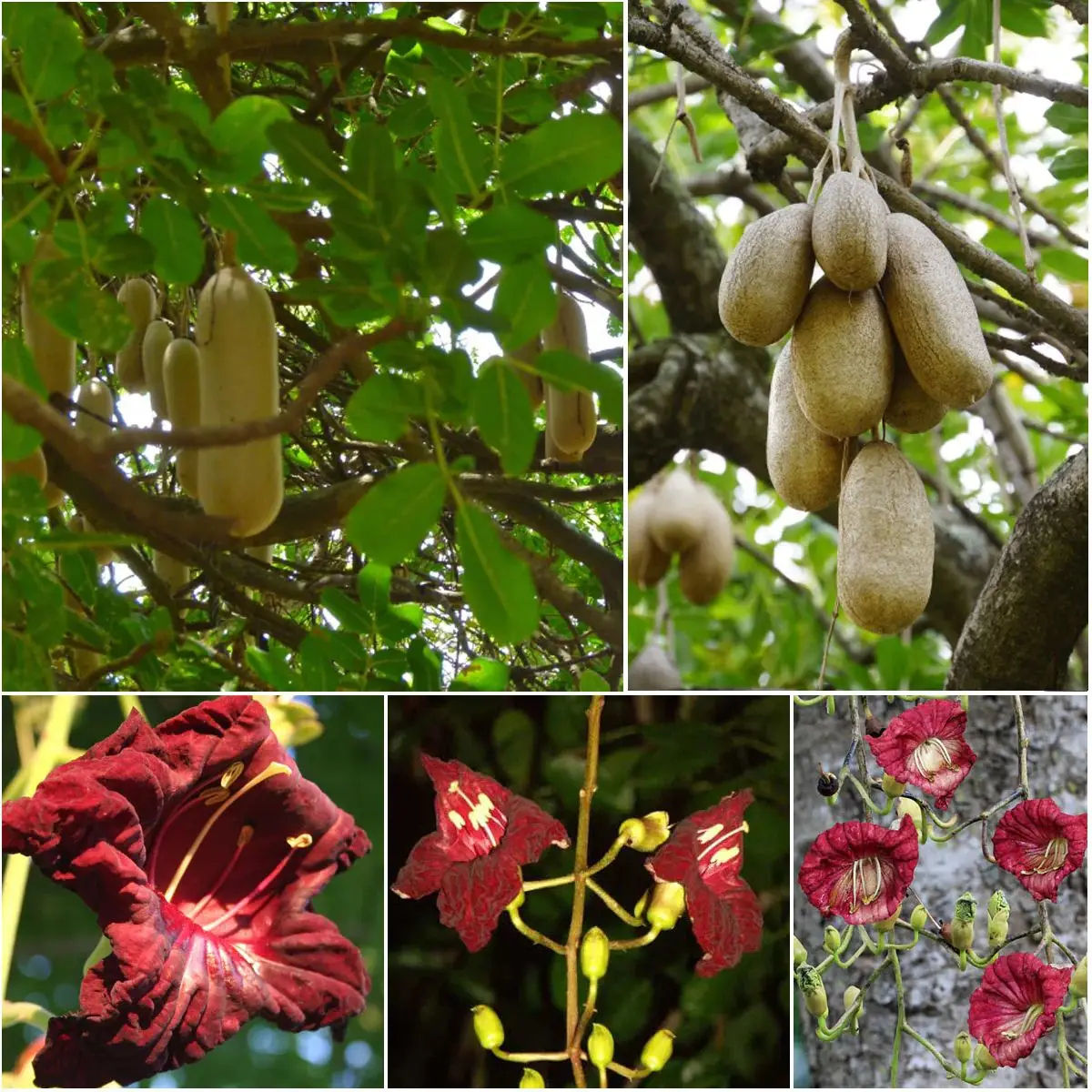
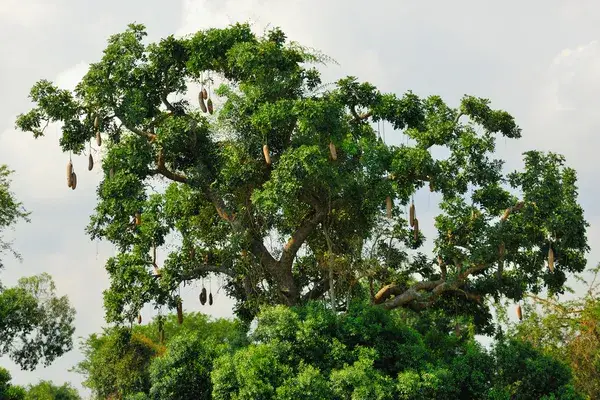
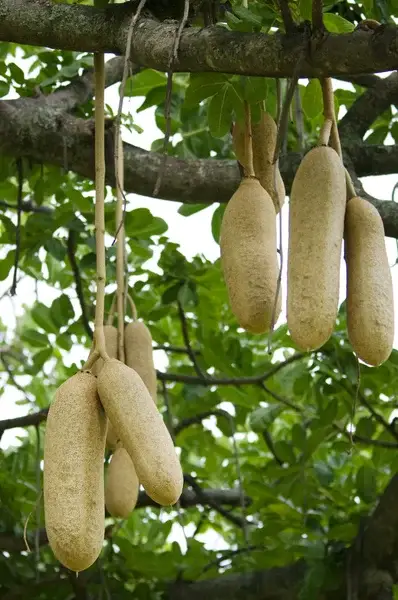
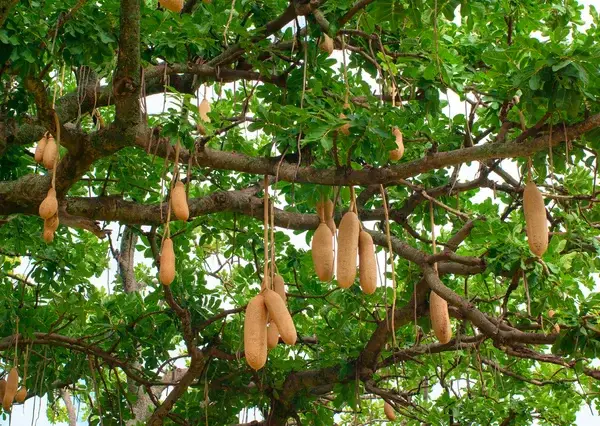
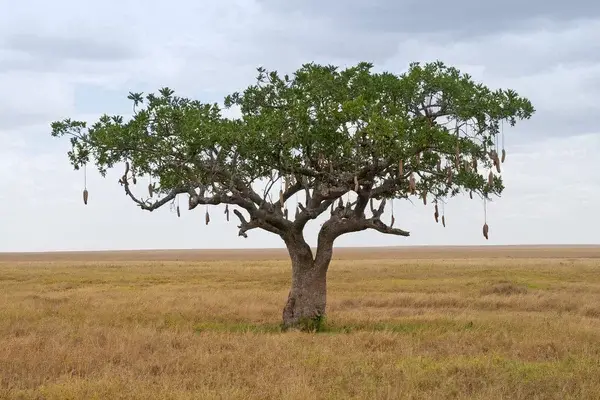
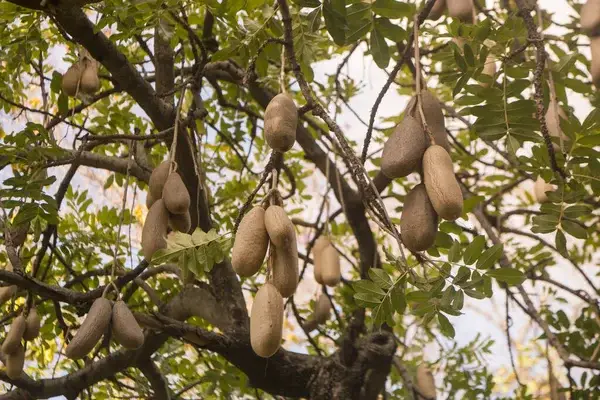
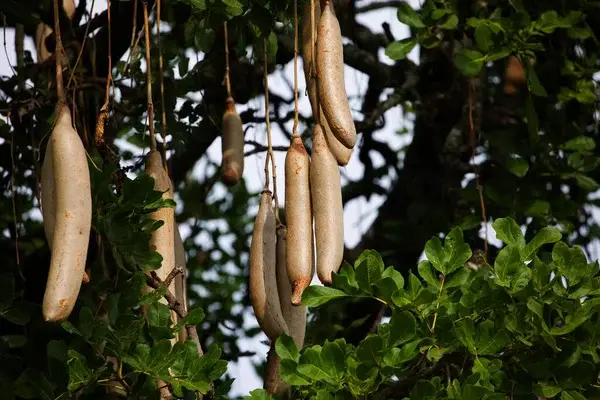
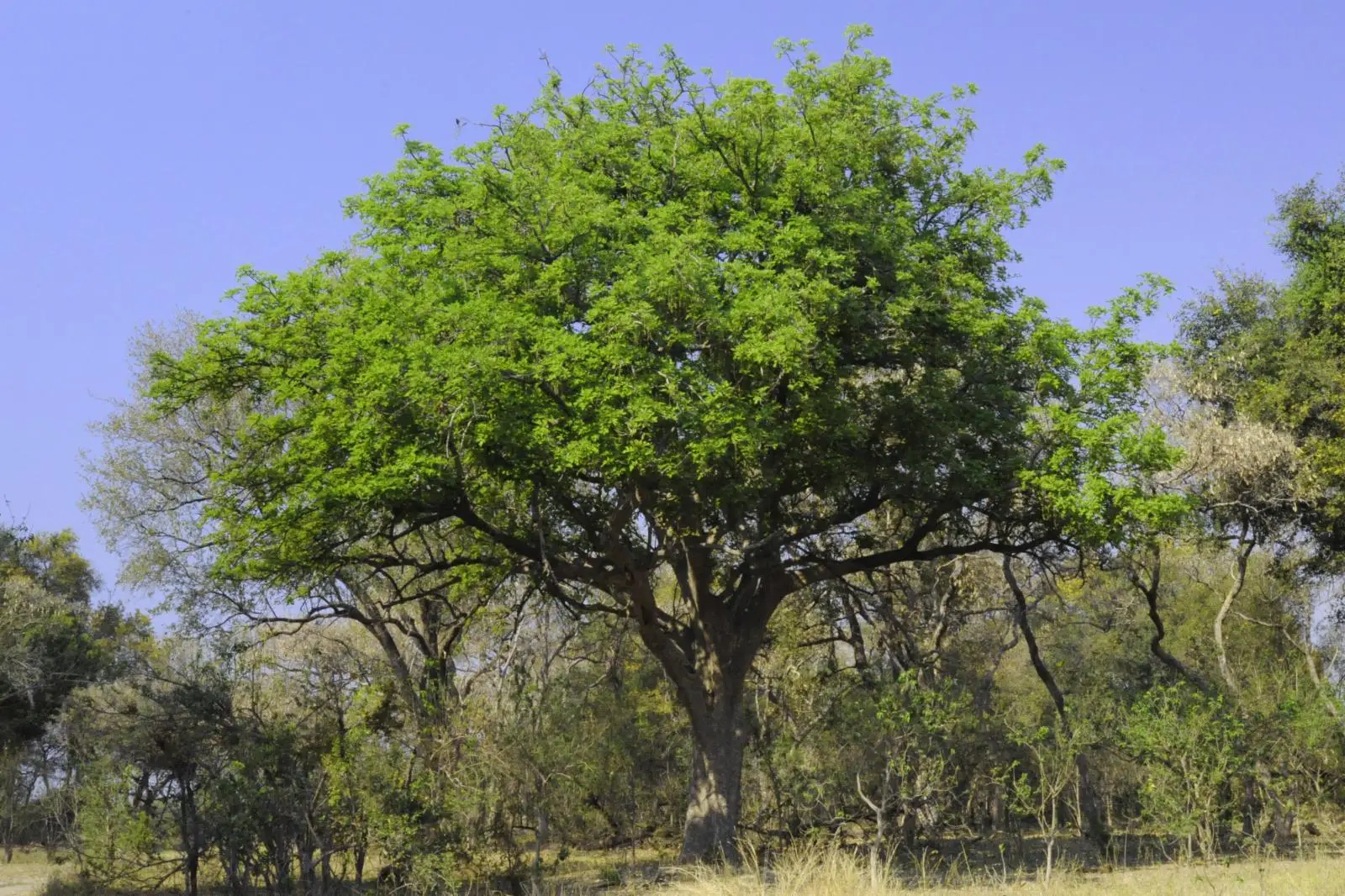
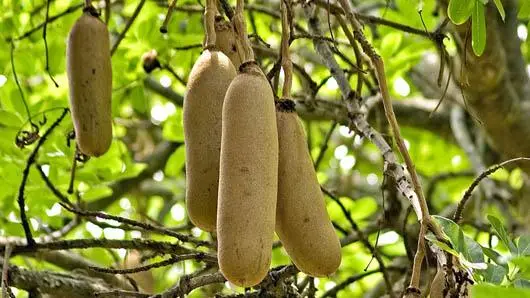
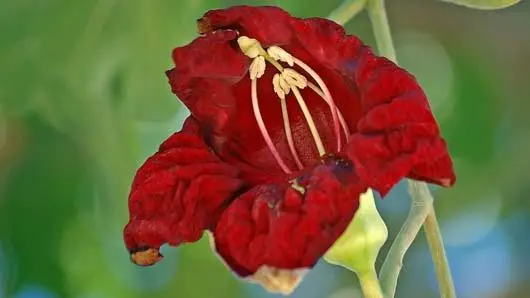
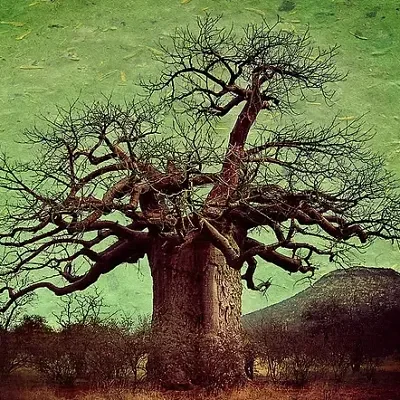
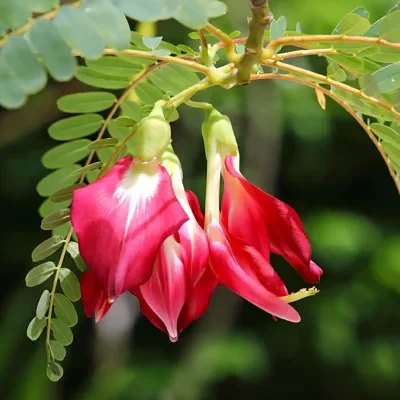
A medium-sized tree to 18 m (59 ft.) tall, native to savannas and riverine forests in central and southern Africa with attractive, glossy green foliage; beautiful, orchid-like, dark red flowers; and curious, sausage-like fruits that hang on long stalks below the crown. It is widely used in traditional African and Western medicine and in cosmetics and is a very popular ornamental for tropical regions in USDA Zones 10 and 11. Plants should be sited carefully as the falling fruits can be a nuisance.
Germination Guide
🌍 South and South-East Africa
Moderate
Kigelia pinnata, the sausage tree, is native to tropical Africa with distinctive sausage-shaped fruits and striking dark red flowers that bloom at night, pollinated by bats and insects.
Germination
Germination time
Expect germination in
7 – 25 days
Temperature
Min 20°C
Ideal 25°C
Max 30°C
Substrate moisture
💧💧 High
Seed Pre-treatment
-
💧
Soaking — 24 hours
Soak in warm water for 24-48 hours before sowing; some sources recommend overnight soaking
-
🔨
Mechanical scarification
Rubbing on sandpaper until seed coat is rubbed through recommended; without scarification germination can be very slow
-
📋
Additional notes
No pretreatment strictly required but germination rate is poor without scarification and soaking
Substrate & Container
Recommended substrate
river sand or sandy compost, herb/vegetable seed soil suitable
Recommended container
seedling trays
Growing Tips
Keep substrate wet until seeds germinate then maintain even moisture; cover pot with greenhouse or freezer bag to prevent drying; seeds germinate easily and tree develops very fast; seeds are approximately 1 cm long
Only logged in customers who have purchased this product may leave a review.

Reviews
There are no reviews yet.