
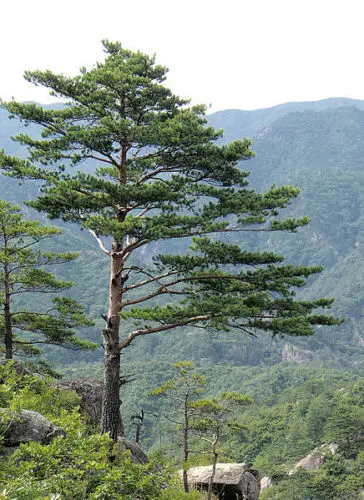
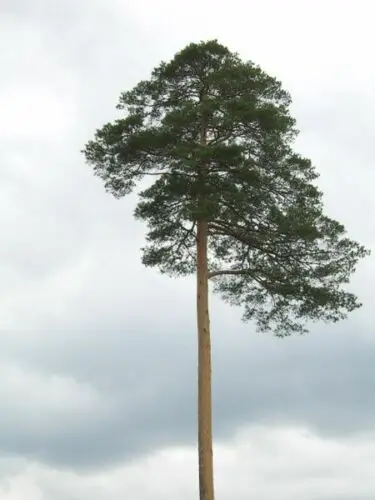
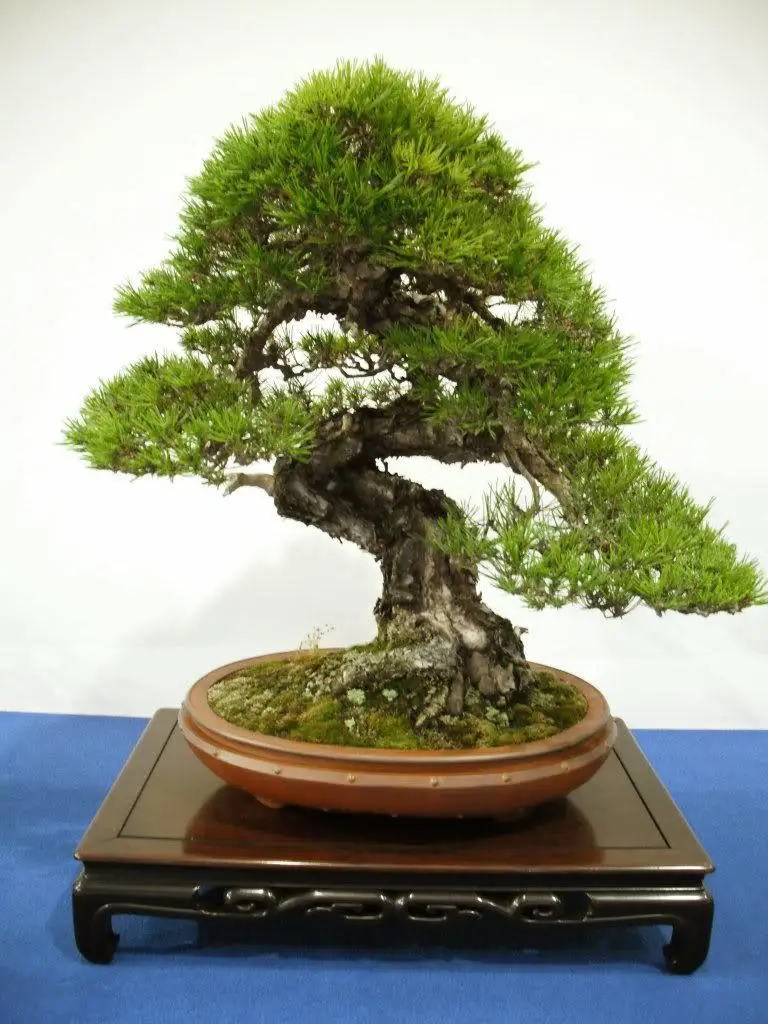
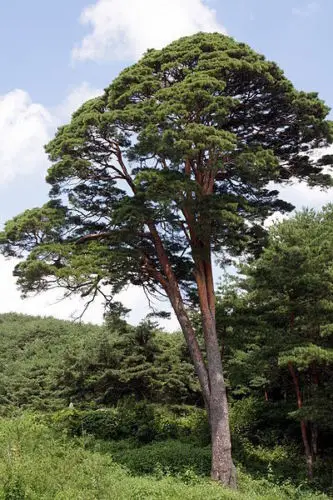
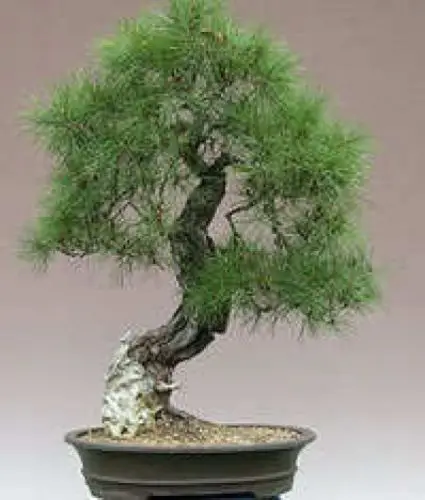
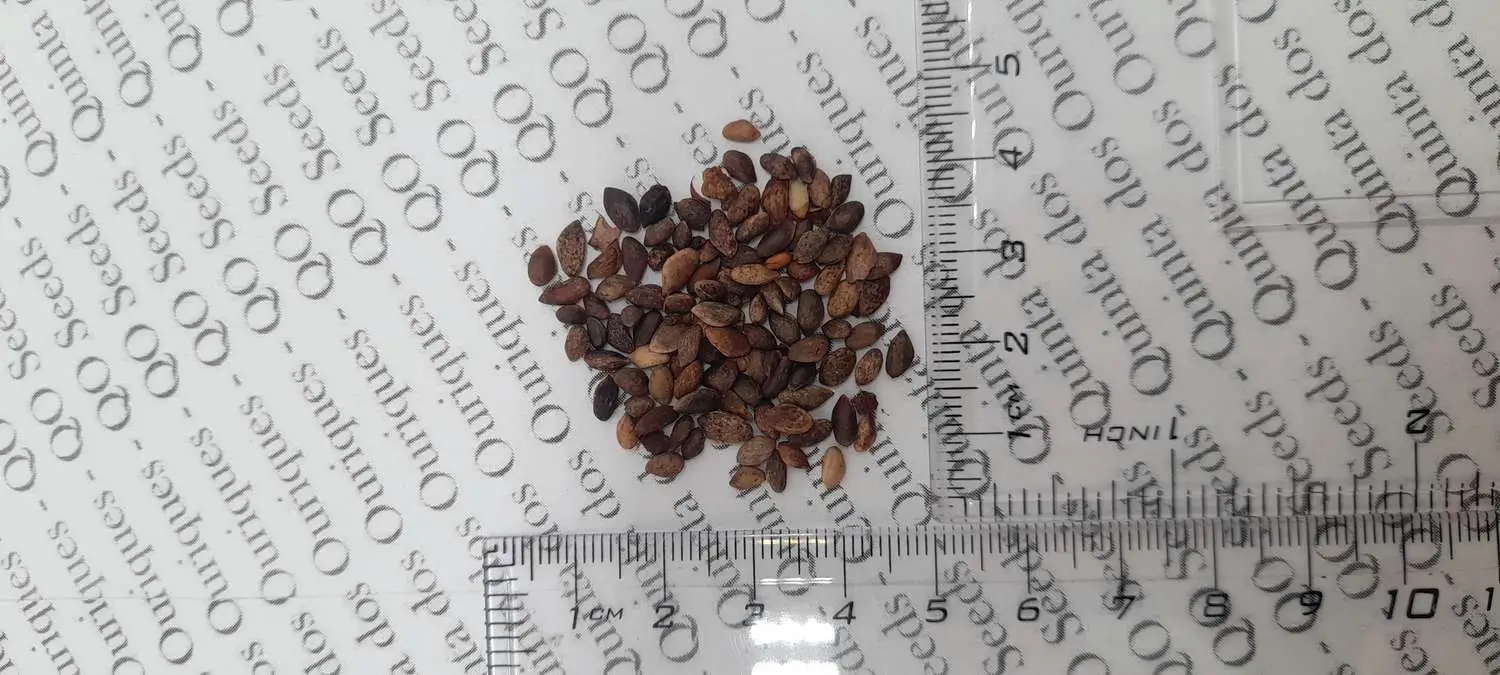
Grow the legendary tree that masters have cultivated for centuries. Pinus densiflora is the undisputed champion of bonsai—prized for its ethereal, airy foliage, exquisite peeling bark, and unparalleled grace. This hardy, moderate-care species thrives in containers and rewards patience with living sculpture worthy of display. Start your bonsai journey from seed—a meditation, a masterpiece, a lifetime of beauty.
There is a reason Japanese masters have revered Pinus densiflora for over a thousand years: it is pure poetry in wood and needle.
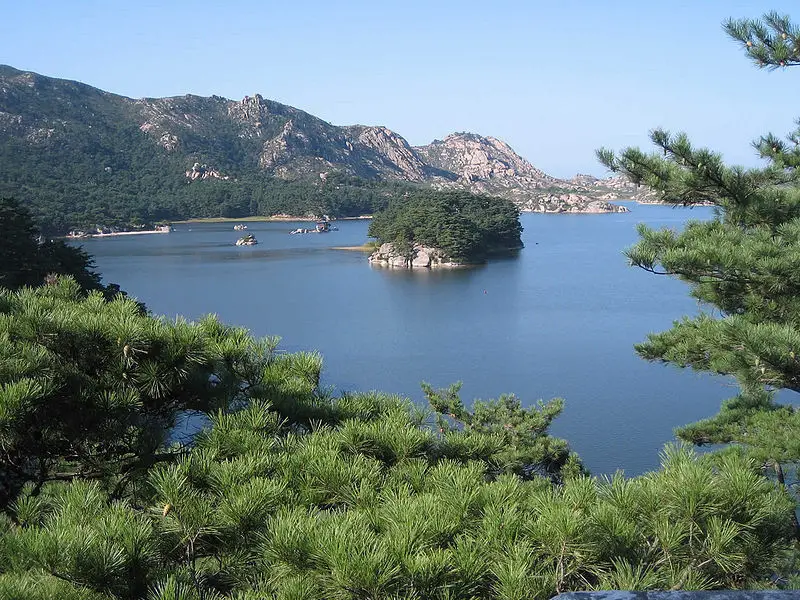
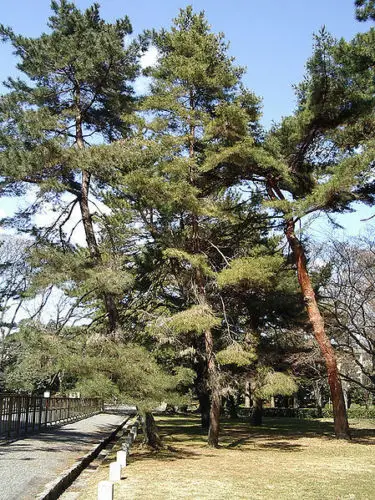
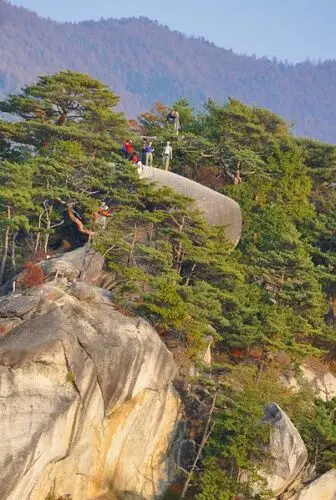
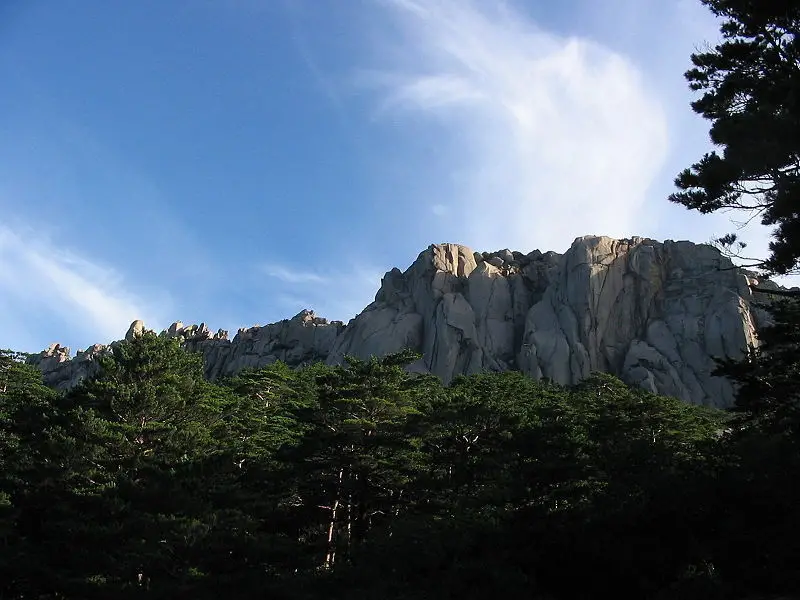
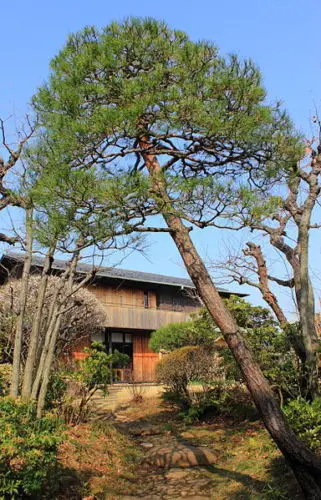
Native to Japan, Korea, and northern China, this remarkable pine has shaped both landscapes and cultures. It was the principal structural wood of Japan’s most sacred architecture—the temples and palaces of the Muromachi and Edo periods—and remains woven into the fabric of Japanese aesthetic philosophy. The name itself—Akamatsu, the “red pine”—speaks to its defining glory: bark that deepens from grey-green youth to magnificent reddish-brown maturity, exfoliating in papery plates that catch light like living lacquer.
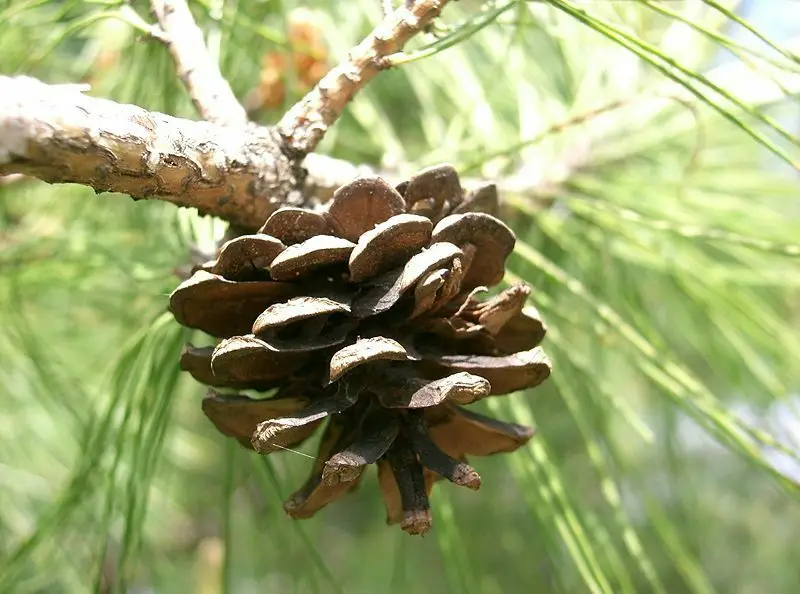
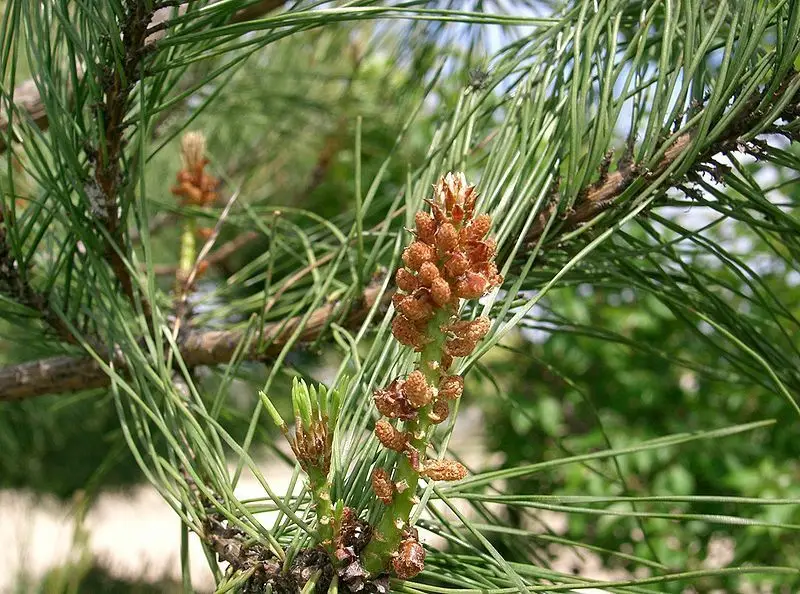
But here is where Pinus densiflora truly transcends: it is the undisputed queen of bonsai. For centuries, this species has been the master’s tree, the meditation, the living sculpture that separates the casual grower from the devoted cultivator. Unlike the sterner Japanese Black Pine, the Red Pine offers something rarer—a delicate, feminine elegance. Its needles are softer, shorter, arranged in airy bunches at the twig tips, creating a silhouette so refined it seems weightless. The tree produces two flushes of growth in a season, gifting the artist with opportunities to refine and perfect. Small, golden-tan cones clustered at branch nodes add subtle ornamental interest for years. Every detail—the bark, the foliage, the branching habit—conspires toward beauty that rewards long-term cultivation with unparalleled character.
What makes this tree even more precious: it is surprisingly rewarding to grow. Hardy across temperate and cool climates, tolerant of dryness once established, moderate in its watering needs compared to other pines, it asks less drama than it delivers. Plant it in full sun, give it well-drained soil (slightly acidic), and it settles into the quiet work of becoming magnificent. Young trees establish readily when planted small, making seed propagation ideal. This is a tree that forgives the beginner’s honest mistakes while offering masters infinite refinement.
Start your Pinus densiflora from seed and you are not simply growing a plant—you are joining a lineage of artists, philosophers, and gardeners stretching back centuries. You are participating in one of humanity’s most profound dialogues with nature. You are beginning a relationship measured not in seasons but in decades, a conversation between hand and wood and time. This is how legends are grown.
Only logged in customers who have purchased this product may leave a review.

Reviews
There are no reviews yet.