
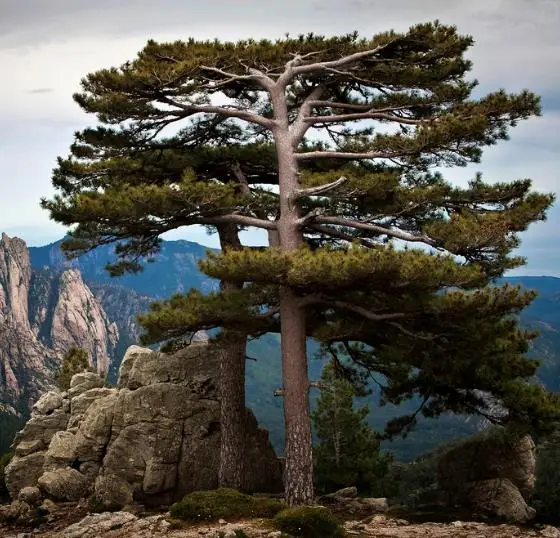
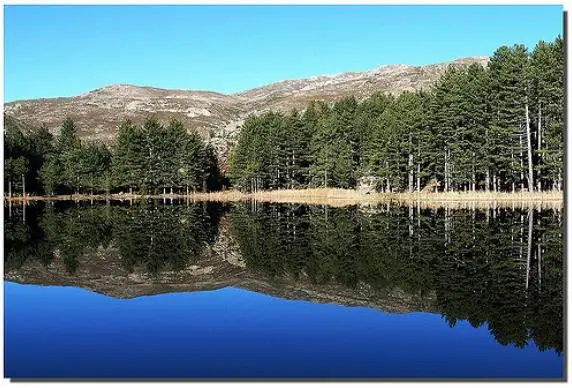
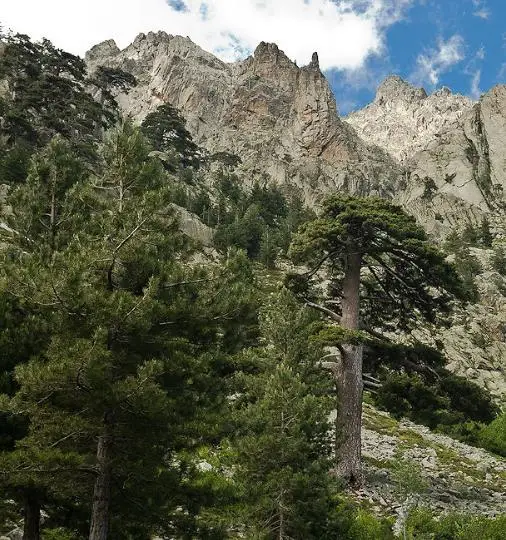
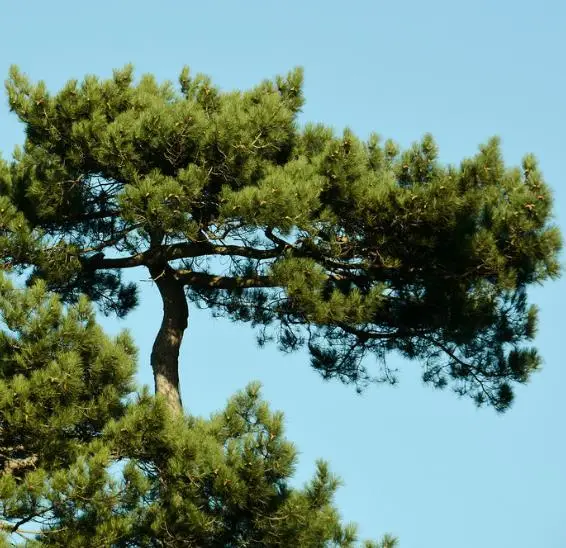
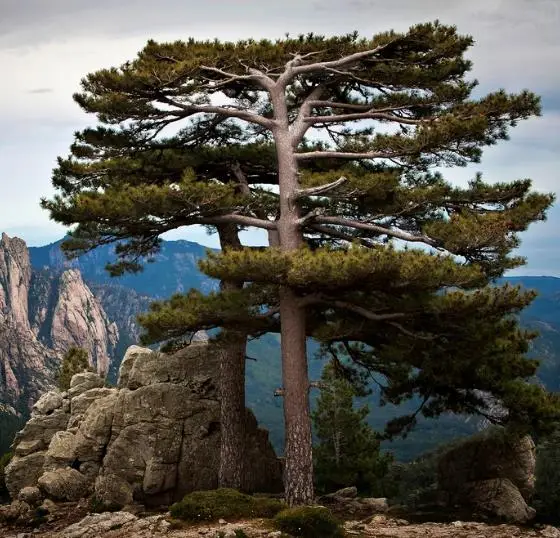
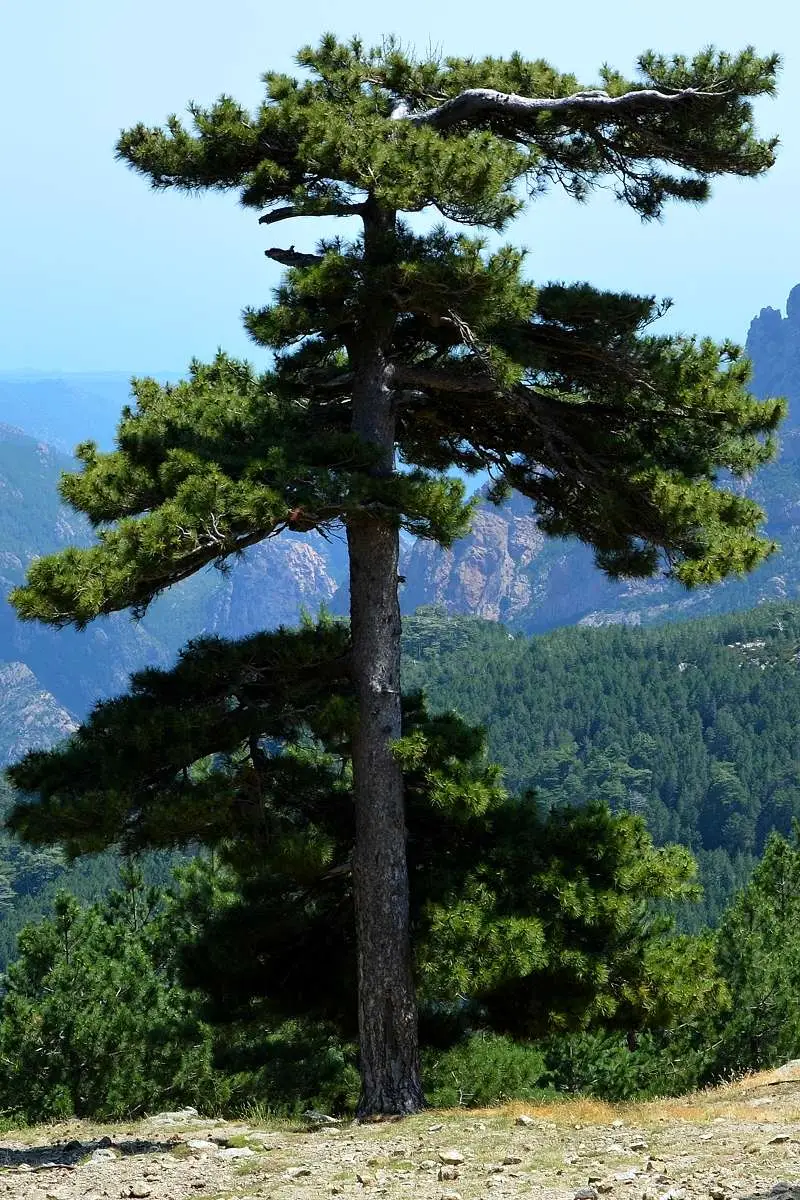
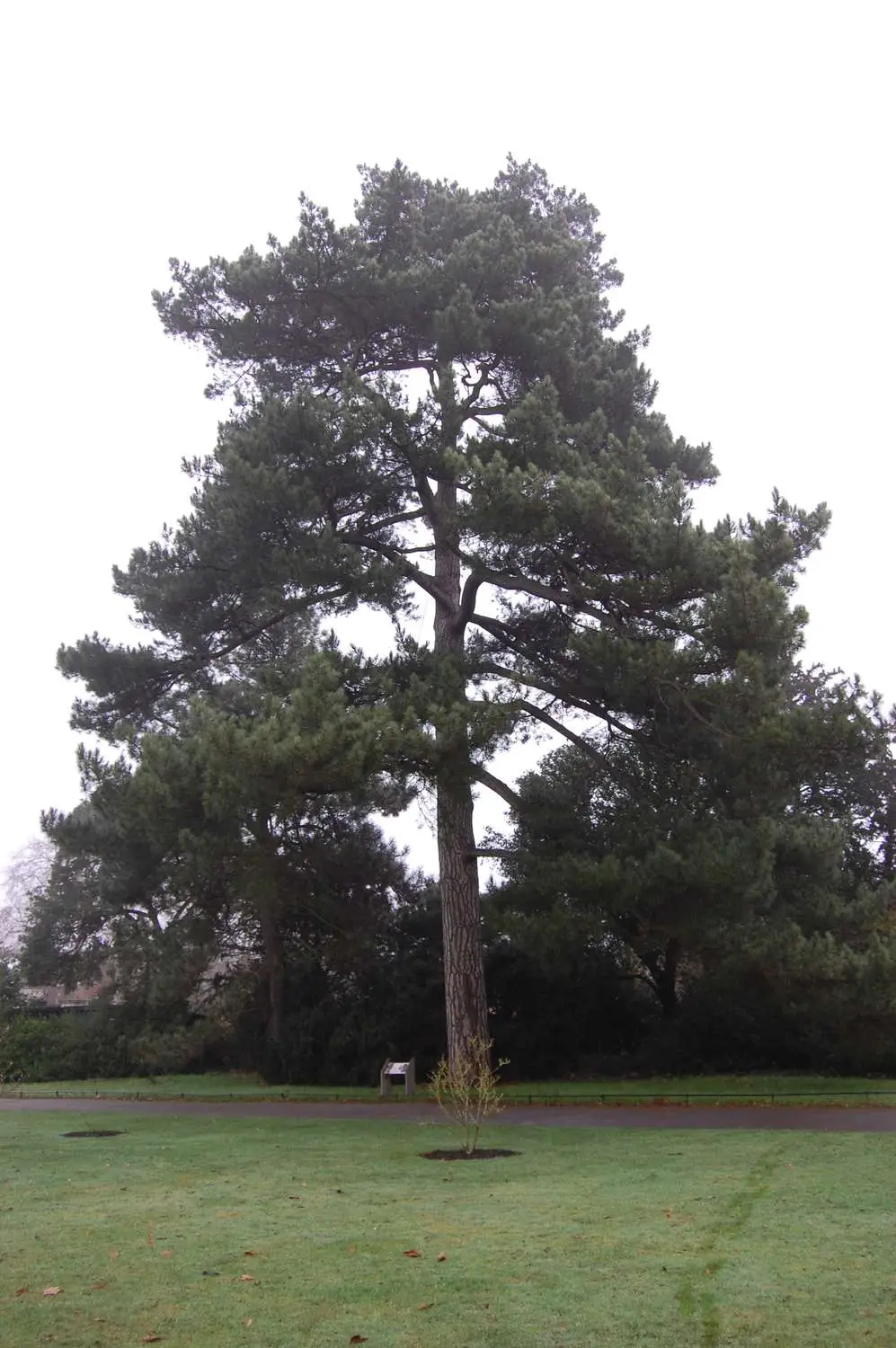
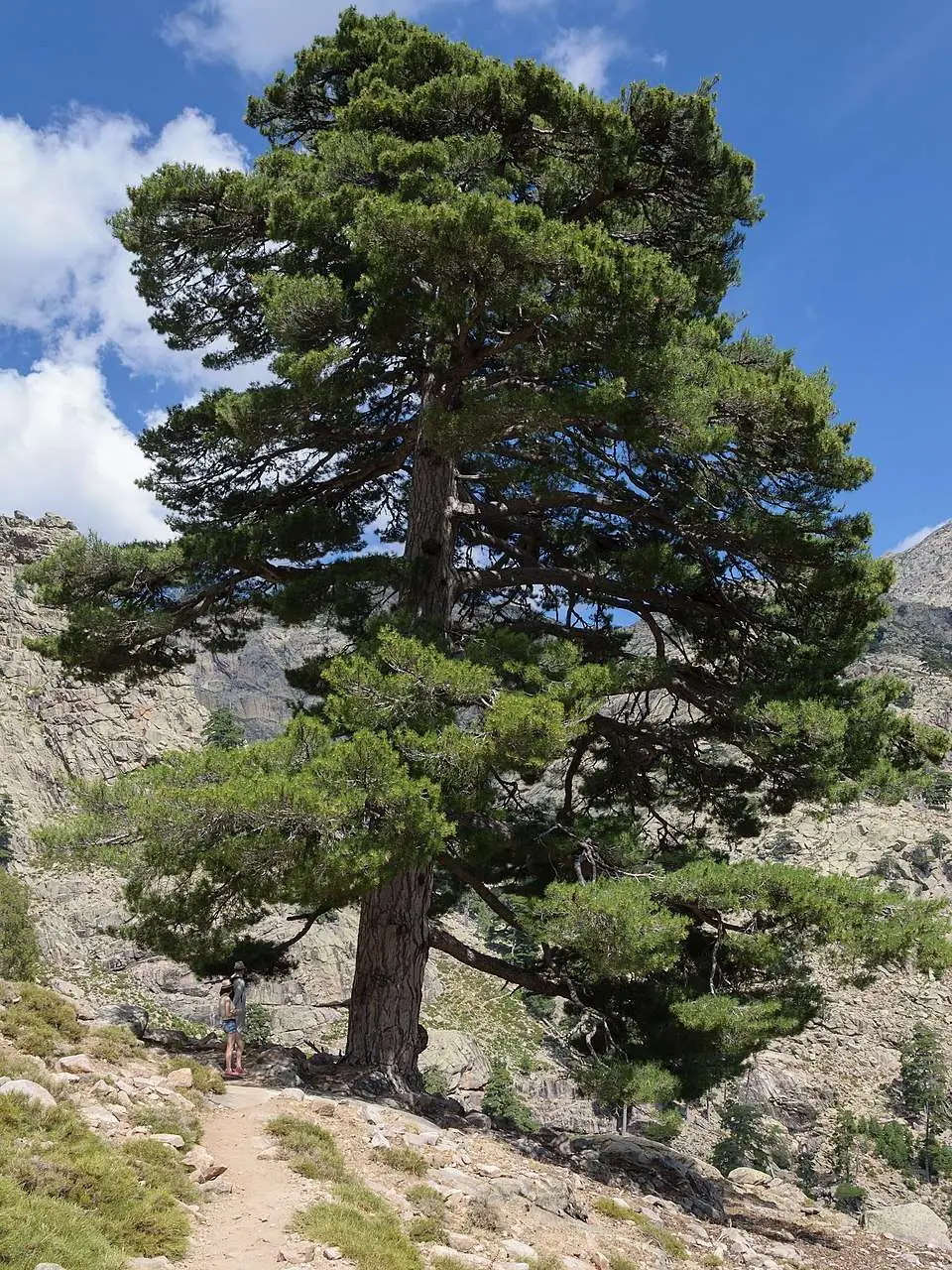
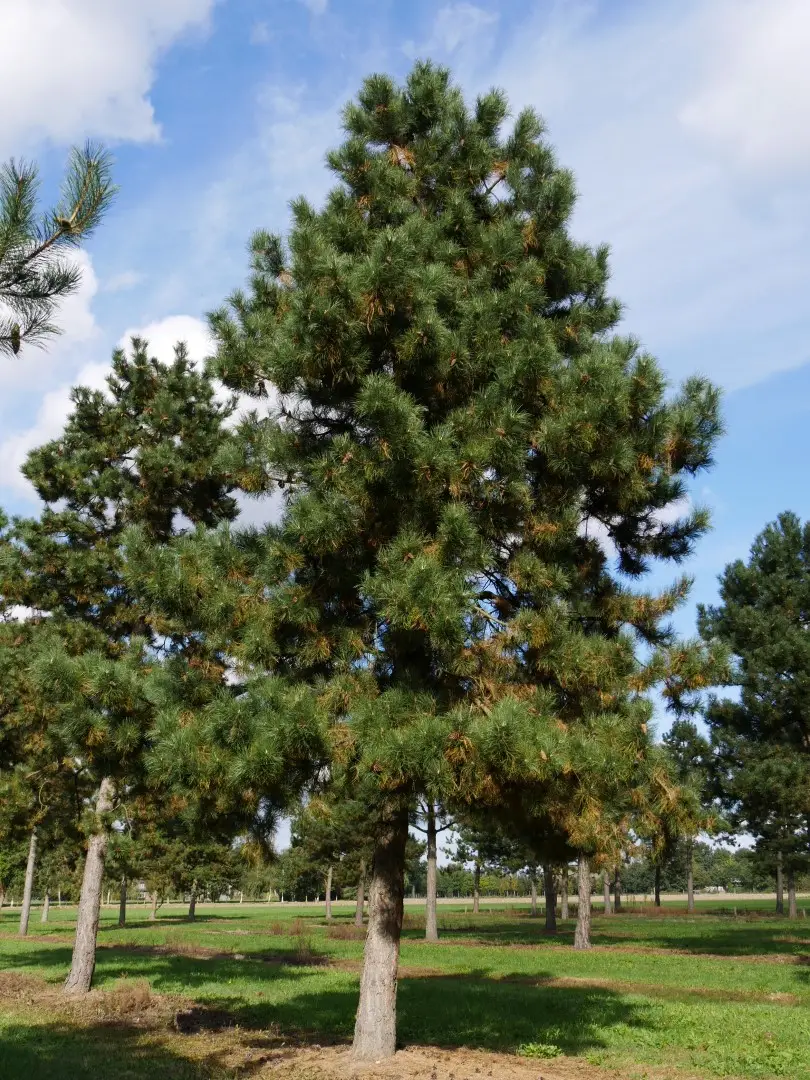
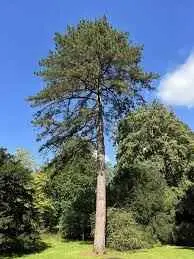
Grow the bonsai pine that commands respect: dark, sophisticated, impossibly elegant. Pinus nigra laricio’s deeply fissured bark and refined two-needle foliage create instant character—the wood hardens beautifully, the form matures with stunning visual depth. Prized by serious bonsai artists worldwide. Seed to specimen is a rewarding journey; young plants establish readily once going.
€1.92
Plant a living sculpture that will astound you for decades.
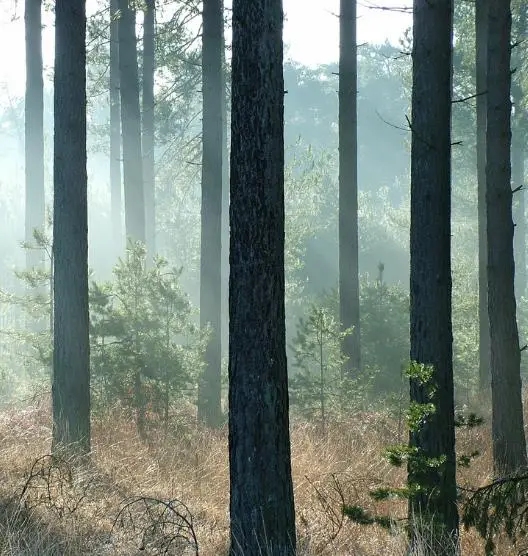
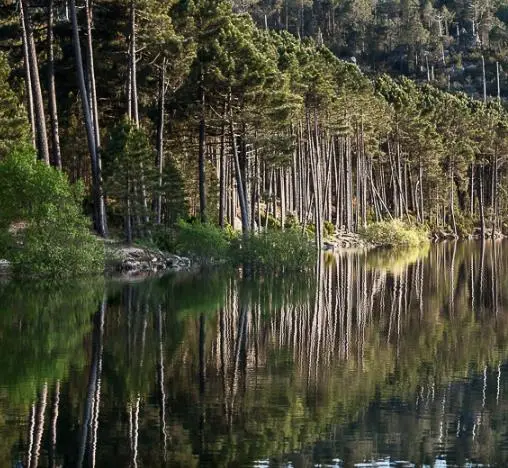
Pinus nigra subsp. laricio—the Corsican Pine—is the connoisseur’s choice for those who understand that bonsai is not hobby, but devotion. Native to the mountainous island strongholds of Corsica, the rocky ridges of Austria, and the limestone slopes of the Mediterranean basin, this tree carries the character of places where few others thrive: vertical, uncompromising, magnificently rooted in stone.
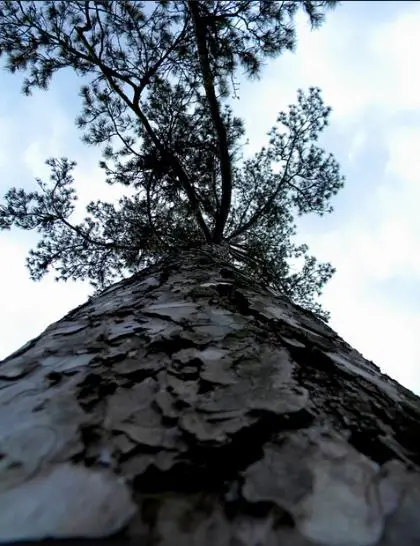
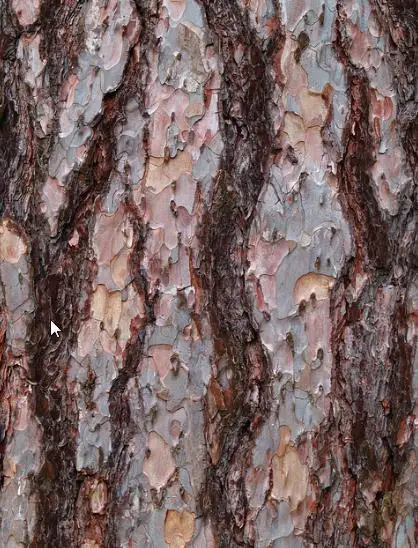
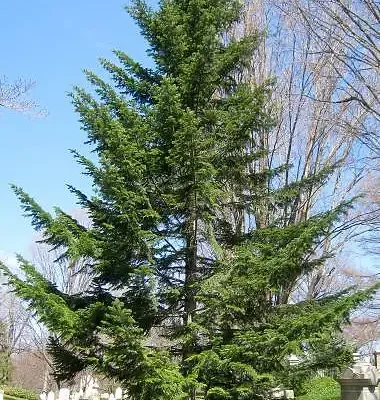
What sets laricio apart from its Eastern relatives is its refined elegance. The bark—lighter grey and more generously grooved than its Austrian cousin—develops extraordinary decorative plates as the tree ages, becoming a tactile, sculptural masterpiece. The needles are softer, more pliable, distinctly less aggressive than other black pines; they arrange in elegant paired fascicles of deep forest green. The twigs glow warm orange-brown. When young, the tree grows pyramidal and tidy; in maturity, it broadens into an almost umbrella-like crown—a form that rewards patient styling. Every year adds depth; every decade transforms it into something remarkable.
Bonsai artisans—from Tokyo to Berlin, from collectors to masters—reach for this species because it delivers what no photograph can convey: presence. The wood hardens with age, bark fissures deepen into living art, and the tree’s natural resilience allows for the precise, sustained styling that defines fine bonsai work. Unlike more temperamental pines, laricio tolerates the full spectrum of climates—cold winters, hot summers—holding its grace in both. Its ability to develop ramification through careful pinching, its responsiveness to wiring in autumn, and its legendary hardiness make it the thinking gardener’s pine. This is not a tree for impatience. It is a tree for those who understand that excellence requires time, and that time spent shaping a living thing is time well spent.
Growing from seed is straightforward once you understand the rhythm. Stratify seeds in a cold, moist medium for 4–6 weeks (they respond well to this winter treatment), then sow them in spring into a light, well-draining seed mix. Keep the seedbed consistently moist but never waterlogged. Germination occurs in 1–3 weeks; seedlings emerge vigorous and eager. Place young plants in full sun—they cannot tolerate shade—and ensure excellent drainage. Water freely during the growing season (May through July), then reduce in autumn as the tree hardens its wood. The beauty of laricio is that once established, it becomes almost indestructible: it tolerates chalk and limestone soils with ease, shrugs off drought once mature, and laughs at coastal wind. It grows slowly at first—this is your advantage as a bonsai artist, allowing you to shape structure from the very beginning—then accelerates impressively, giving you annual growth of up to a meter in optimal conditions. Full sun, well-drained soil, and patience: these are the only demands.
Grow this seed into a bonsai and you are growing more than a tree. You are growing a teacher—something that will show you, year after year, what happens when resilience, clarity, and beauty become one. The Corsican Pine stands upright in places where nothing else will stand. Start it from seed, and you will understand why collectors spend lifetimes with just one.
Only logged in customers who have purchased this product may leave a review.

Reviews
There are no reviews yet.