
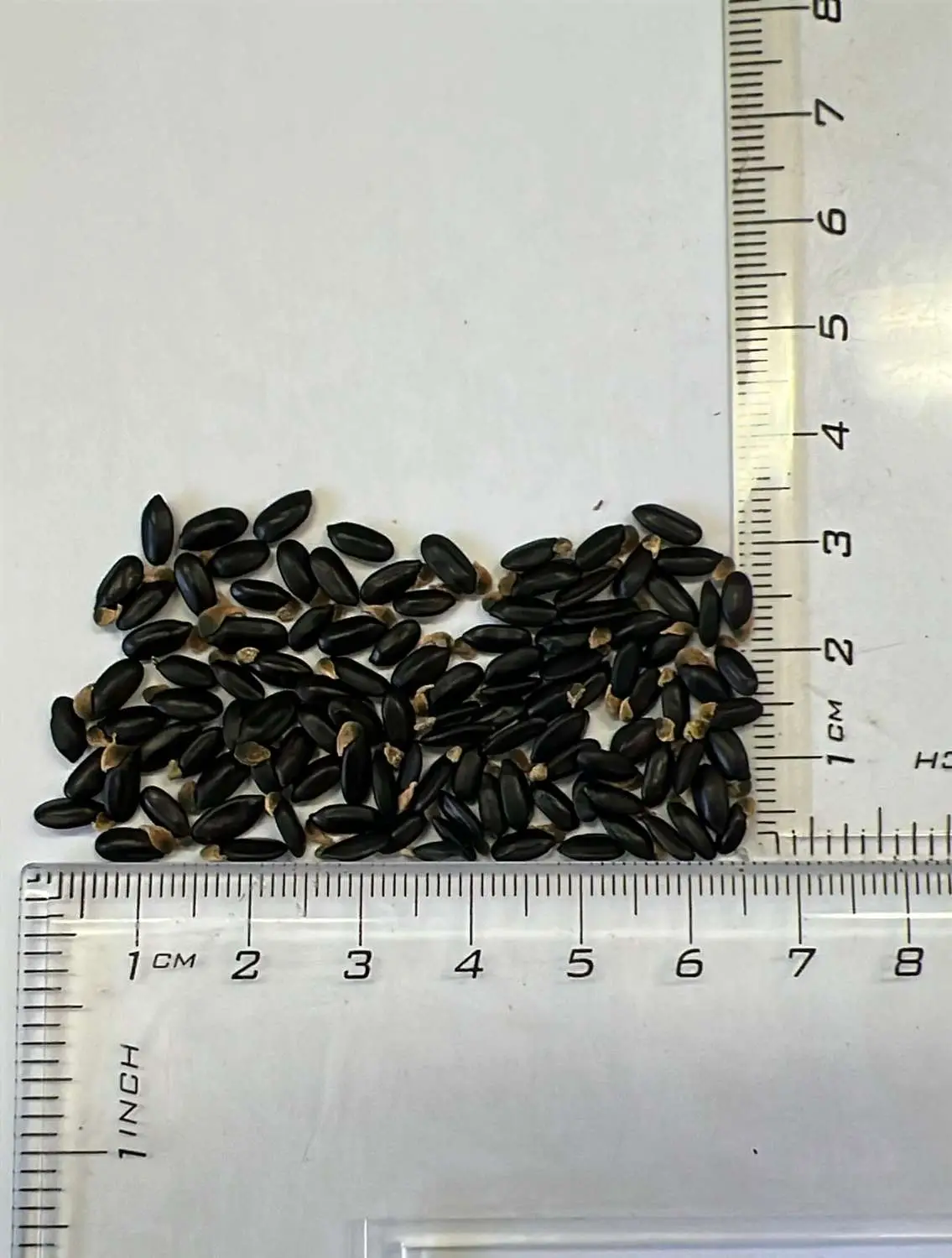
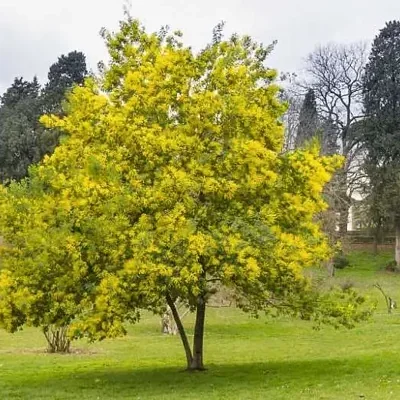
Grow your own honey-maker. This Australian native erupts in fragrant golden flowers that bees adore, while its purple-tinted feathery foliage stays ornamental all year. Hardy, fast-growing, and easy—perfect for sun-drenched gardens. RHS Award winner. Watch it flourish from seed.
€10.91
Every bloom is a gift to pollinators—and to you. Acacia baileyana ‘Purpurea’ is the tree that keeps on giving: honey-rich flowers from winter through spring, stunning purple-to-silver foliage that steals the show in any garden, and virtually zero fuss once established. This is the power plant your garden—and your local bees—have been waiting for.
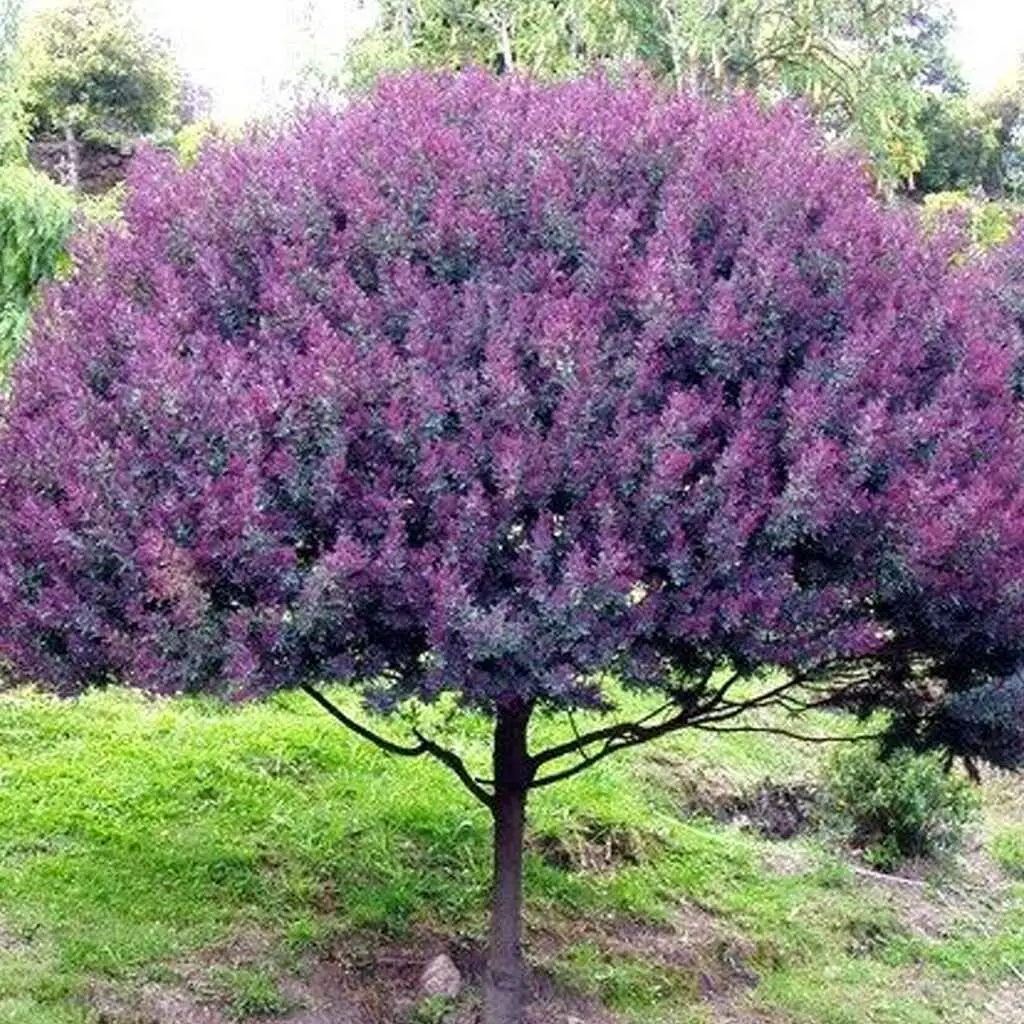
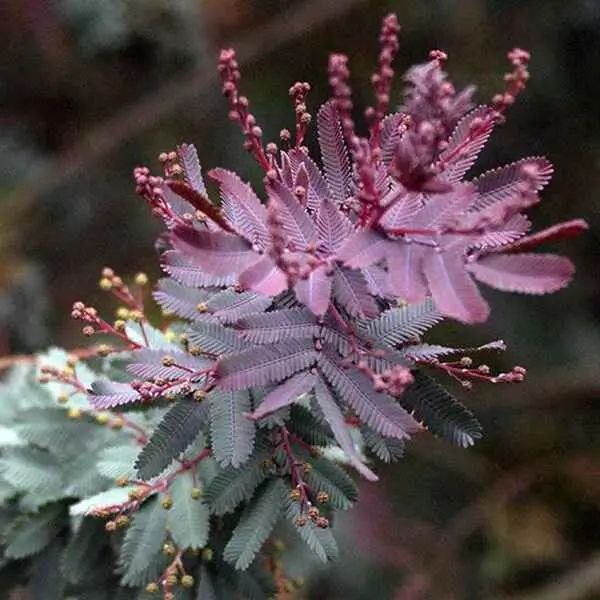
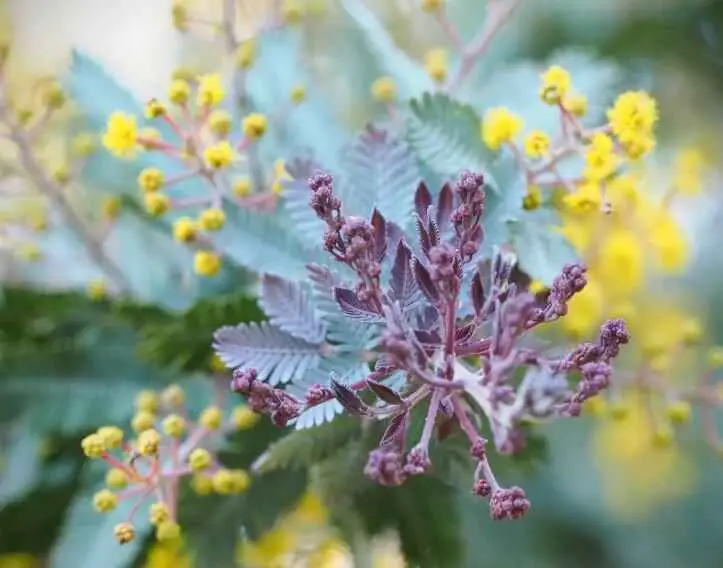
Native to the tablelands of New South Wales near Cootamundra, this cultivar has earned the Royal Horticultural Society’s prestigious Award of Garden Merit for good reason. What sets ‘Purpurea’ apart is its striking purple-tinged new growth, which emerges throughout the year in gorgeous lavender and mauve shades before softening into a silvery blue-gray. Even when flowers fade, the foliage sings—a living color-shift that delivers twelve months of ornamental drama.
But here’s where it truly shines: Acacia baileyana is prized across Europe in the cut flower industry and, most importantly, it’s a celebrated food source for bees and honey production. Those golden, sweetly fragrant, ball-shaped flower clusters aren’t just beautiful—they’re nectar and pollen bombs that pollinators can’t resist. Grow this tree and you’re not just gardening; you’re feeding local bees, supporting native ecosystems, and potentially harvesting honey-rich blooms for cutting (or allowing bees to do what they do best). Beekeepers and pollinator gardeners adore this species. The flowers appear in abundance from late winter into spring, providing critical forage when many other plants have gone dormant.
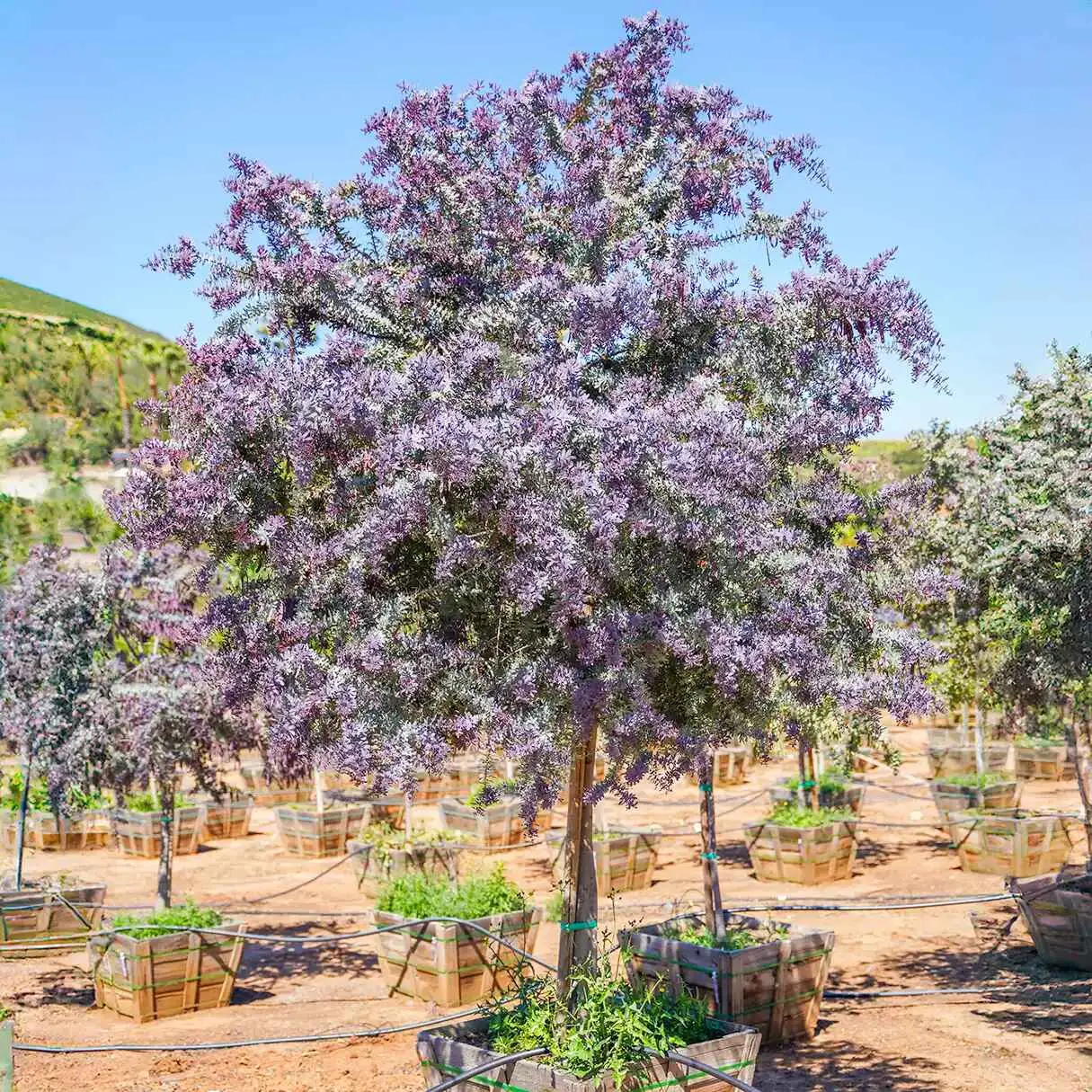
Cultivation is refreshingly simple. Plant in full sun and well-drained soil—it’s that straightforward. Once established, it tolerates drought beautifully, requires minimal maintenance, and grows with impressive vigor (expect 1–2 metres per year). It adapts to various soil types and thrives in Mediterranean to warm temperate climates. Young plants establish easily from seed when sown in spring at minimum 18°C. Water freely during growth; reduce watering in winter. As a fast-growing tree reaching 4–8 metres tall with weeping, graceful branches, it becomes a sculptural focal point in your garden while quietly supporting the entire ecosystem. This is ornamental value with genuine ecological purpose.
Start your seeds now and imagine it: in just a few years, a jewel of a tree clothed in purple foliage, crowned with golden flowers, and humming with contented bees. This is the garden magic we all crave—beauty that feeds the soul *and* the pollinators.
Only logged in customers who have purchased this product may leave a review.
Reviews
There are no reviews yet.