Description
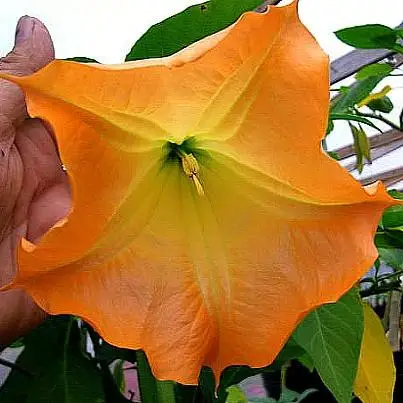
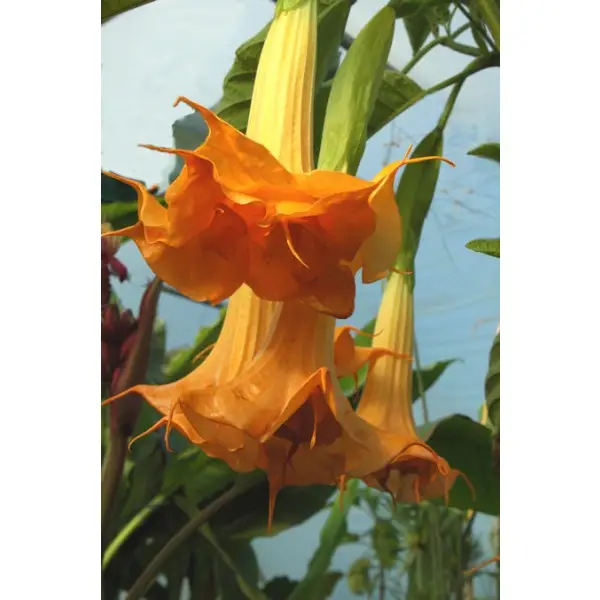
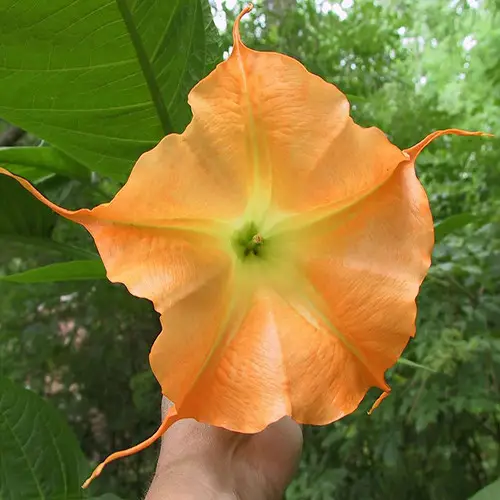
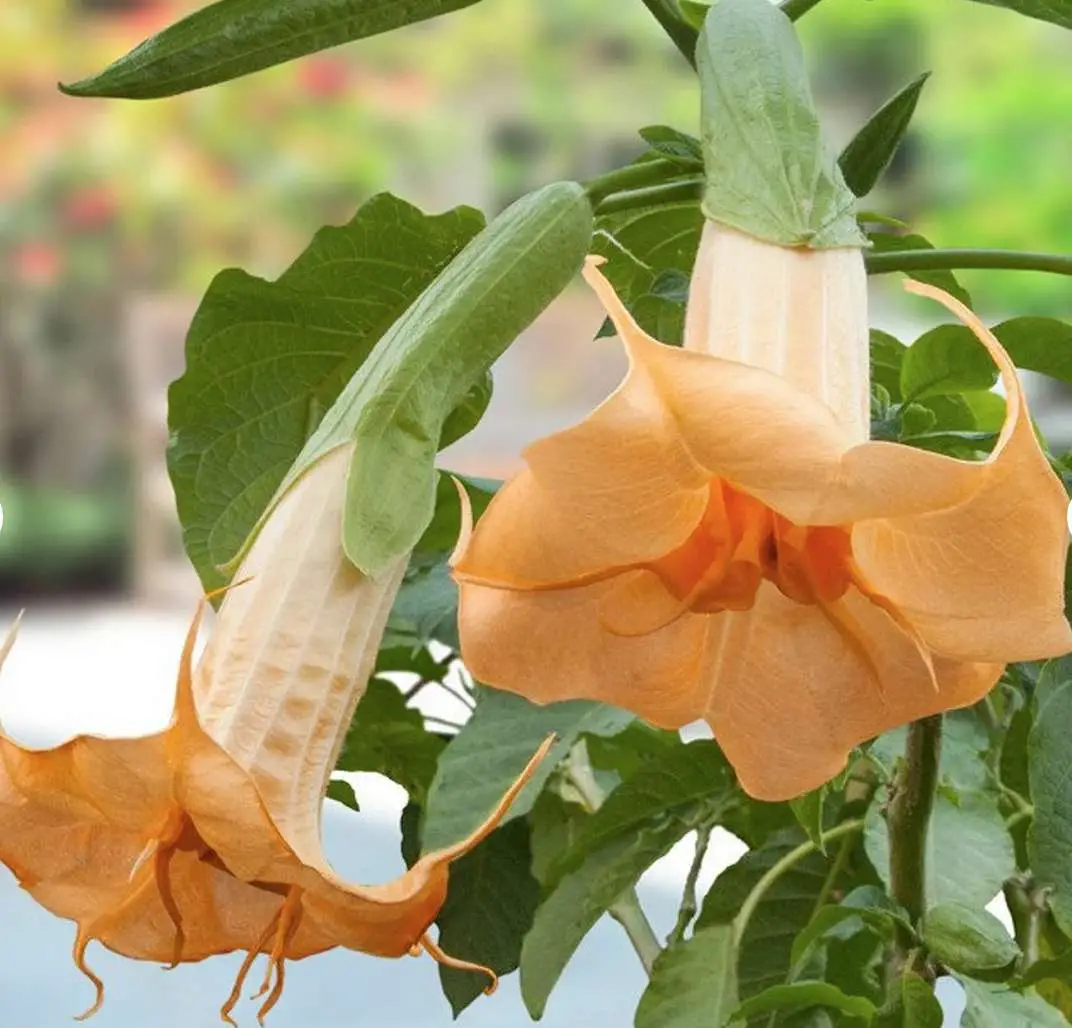
This is Brugmansia suaveolens Orange. This plant can be trained as a shrub or small tree. These seeds were gathered from a tree that is about 15 feet high. The trumpet shaped flowers are absolutely beautiful and wonderfully fragrant. In the evening they open up wide and the smell of this plant attracts pollinating moths. During the day the blooms remain half closed. This plant is a larval host to the Placidula euryanassa butterfly. This butterfly uses chemicals from the plant to make itself taste bad and ward off predators. USDA Hardiness Zones 8 to 11
Germination Guide
🌍 Southeastern Brazil
Easy
Brugmansia suaveolens, commonly known as Angel's Trumpet, is a tropical shrub native to southeastern Brazil. This member of the Solanaceae family produces large, fragrant, trumpet-shaped flowers and is known for its intoxicating evening fragrance. Although all plant parts are highly toxic if ingested, it remains a popular ornamental. Seeds germinate reliably with warm temperatures, consistent moisture, and adequate light.
Germination
Germination time
Expect germination in
21 – 60 days
Temperature
Min 21°C
Ideal 24°C
Max 27°C
Substrate moisture
💧💧 High
Seed Pre-treatment
-
💧
Soaking — 24 hours
Warm water soak for 24-36 hours before sowing. This softens seed coat and improves germination.
-
🔨
Hot water scarification
Soak seeds in warm water (not boiling) for 24-36 hours to soften the pithy seed coat
-
📋
Additional notes
Soak seeds in warm water (not boiling) for 24-36 hours before sowing. Optional: peel the corky seed coat carefully for larger seeds.
Substrate & Container
Recommended substrate
Peat-based seed starting mix with 30-40% perlite or vermiculite, or half potting soil and half sand or perlite
Recommended container
Small pots (4-6 inches) with drainage holes
Growing Tips
Press seeds lightly onto soil surface; light is essential for germination and burial reduces success rates. Keep substrate moist but not waterlogged; use misting rather than watering to prevent damping off. Cover pots with transparent plastic to maintain humidity and speed germination. Maintain warm soil temperature (70-80°F) using a heat mat if possible. Good air circulation is crucial to prevent fungal issues. Germination may be slow and erratic; do not discard pots too quickly. Seedlings may emerge with the corky seed coat still attached; mist frequently to soften it. Once germinated, provide bright, indirect light; avoid direct sun for first few days after emergence. Transplant when seedlings have one to two sets of true leaves. Note: plants require a main stem fork (at 80-150 cm height) before flowering begins.
Only logged in customers who have purchased this product may leave a review.


Reviews
There are no reviews yet.