Description
Picture a towering pillar of white-silk hair crowned with magenta blooms that hummingbirds cannot resist—this is Oreocereus celsianus, the romantic wild cactus of high Andean peaks.
Native to Argentina, Bolivia, and Peru, this columnar beauty grows in the semi-arid Andean region at elevations that range from 9,510 to 11,810 feet. For centuries, indigenous mountain dwellers have treasured it for far more than its compelling silhouette. This distinct species of columnar cactus is found in high-altitude regions of the Andes Mountains in South America. The name itself—celsianus—honors Jacques Philippe Martin Cels (1740-1806), a French botanist specializing in horticulture, cementing its place in botanical history.
The real magic? Dual harvests of abundance and beauty. The showy flowers attract both bees and Patagona gigas, the largest species of hummingbird, and the fruits of Oreocereus species are edible and are often consumed by people within its natural habitat. In spring, mature cacti bloom in spring, developing tubular flowers that are cerise to magenta in color, borne from the stem tips. These aren’t fleeting ornaments—they’re a gateway to edible treasure. The fruits that follow are foraged and eaten by mountain communities, making your plant a living pantry wrapped in sculptural drama. Imagine hosting a garden where nature’s most exquisite pollinators visit daily, where your own harvest awaits come summer.
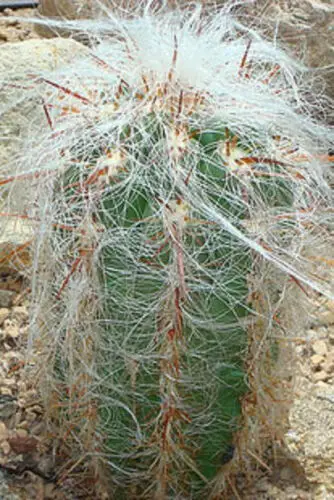
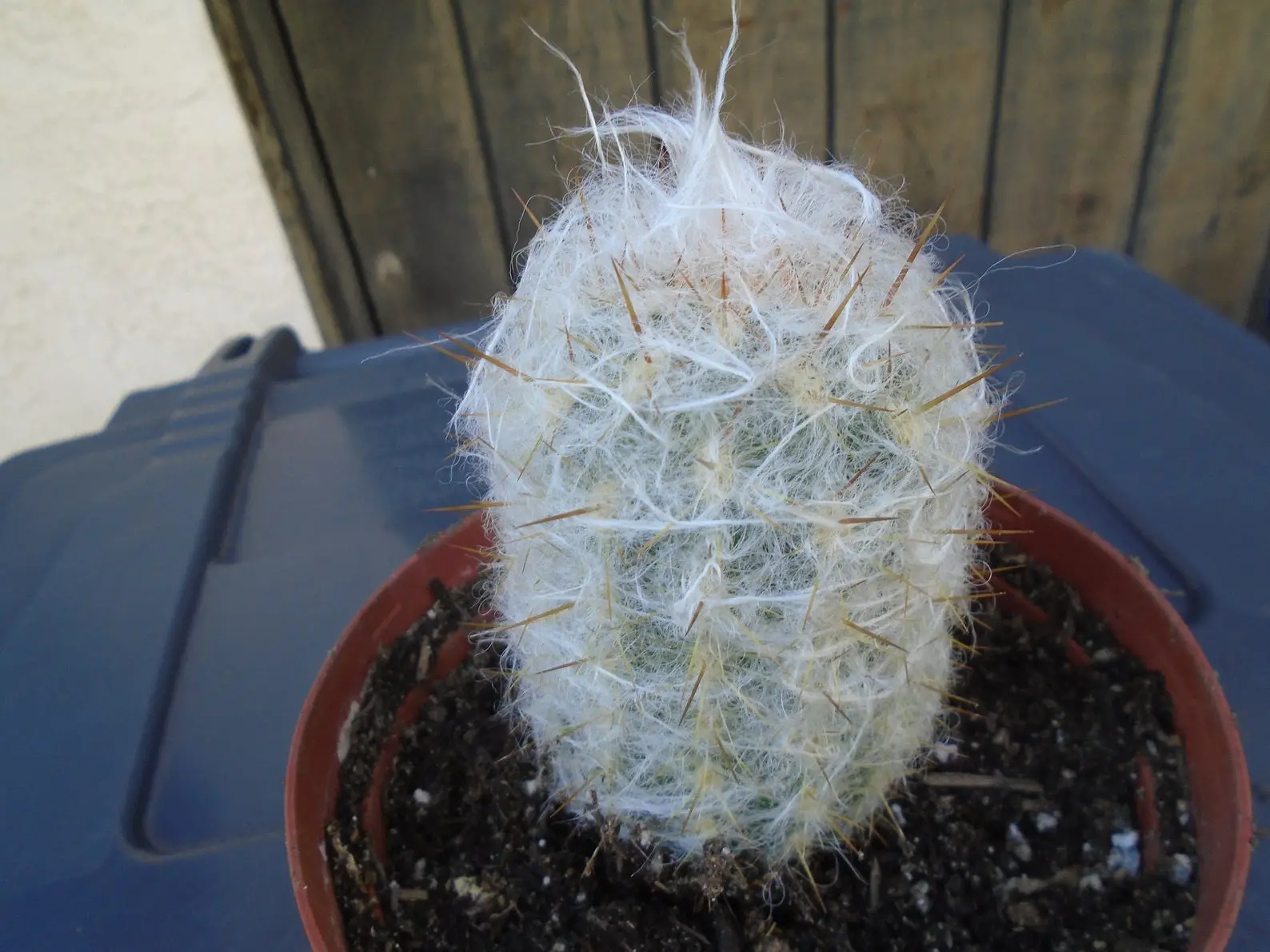
Cultivation is remarkably straightforward. In cultivation it is easy, adaptable and best suited to warm temperate climates. Although it can handle partial shade, Oreocereus celsianus thrives in full sun. If grown indoors, a sunny window is a good spot. The plant’s most striking feature—its long, dense covering of white hairs and orange-yellow spikes, which resemble the beard of an old man, not only adds to its aesthetic appeal but also serves as protection against heat and frost. More hours of direct sun will induce it to grow a thicker coat. For soil, this cactus grows best in well-draining soil. You can either use commercial soil for cacti or make your own mix. Water it thoroughly, but allow the soil to dry out completely before watering again. It grows best in USDA Plant Hardiness Zones 8a to 10b, with average minimum winter temperatures ranging from 10 to 40 °F. Container or ground, indoors or out—this adaptable mountain dweller meets you where you are.
Grow Oreocereus celsianus from seed and participate in the slow, meditative art of nurturing a piece of the high Andes. Watch it transform year by year into a magnificent columnar presence—a botanical heirloom that feeds your garden’s pollinators, delights your eye, and eventually rewards you with wild fruit. This is not merely a plant; it’s a living connection to mountain mystery, resilience, and generosity.
Germination Guide
🌍 Argentina, Bolivia, Peru - Andes Mountains
Moderate
Oreocereus celsianus, also known as Old Man of the Andes, is a columnar cactus from high-altitude regions of the Andes mountains. Seeds germinate best with constant temperature and humidity.
Germination
Germination time
Expect germination in
5 – 180 days
Temperature
Min 14°C
Ideal 21°C
Max 26°C
Substrate moisture
💧 Medium
Substrate & Container
Recommended substrate
Sandy loam soil with good drainage
Recommended container
Terracotta or ceramic pot with drainage holes
Growing Tips
Keep soil moist but not soaking wet. Germination may be slow and sporadic even with optimal conditions. Spring/summer sowing recommended.
Only logged in customers who have purchased this product may leave a review.



Reviews
There are no reviews yet.