
Grow your own medicinal marvel. This South African tree aloe rewards you with sapphire-blue sculptural leaves and glowing winter blooms while gifting precious gel for skin and wellness. The soothing, nutrient-rich sap rivals the classics—extracted fresh when you need it. Beginner-friendly from seed; low water, high drama. A dual-purpose beauty that pollinators adore.
€1.94
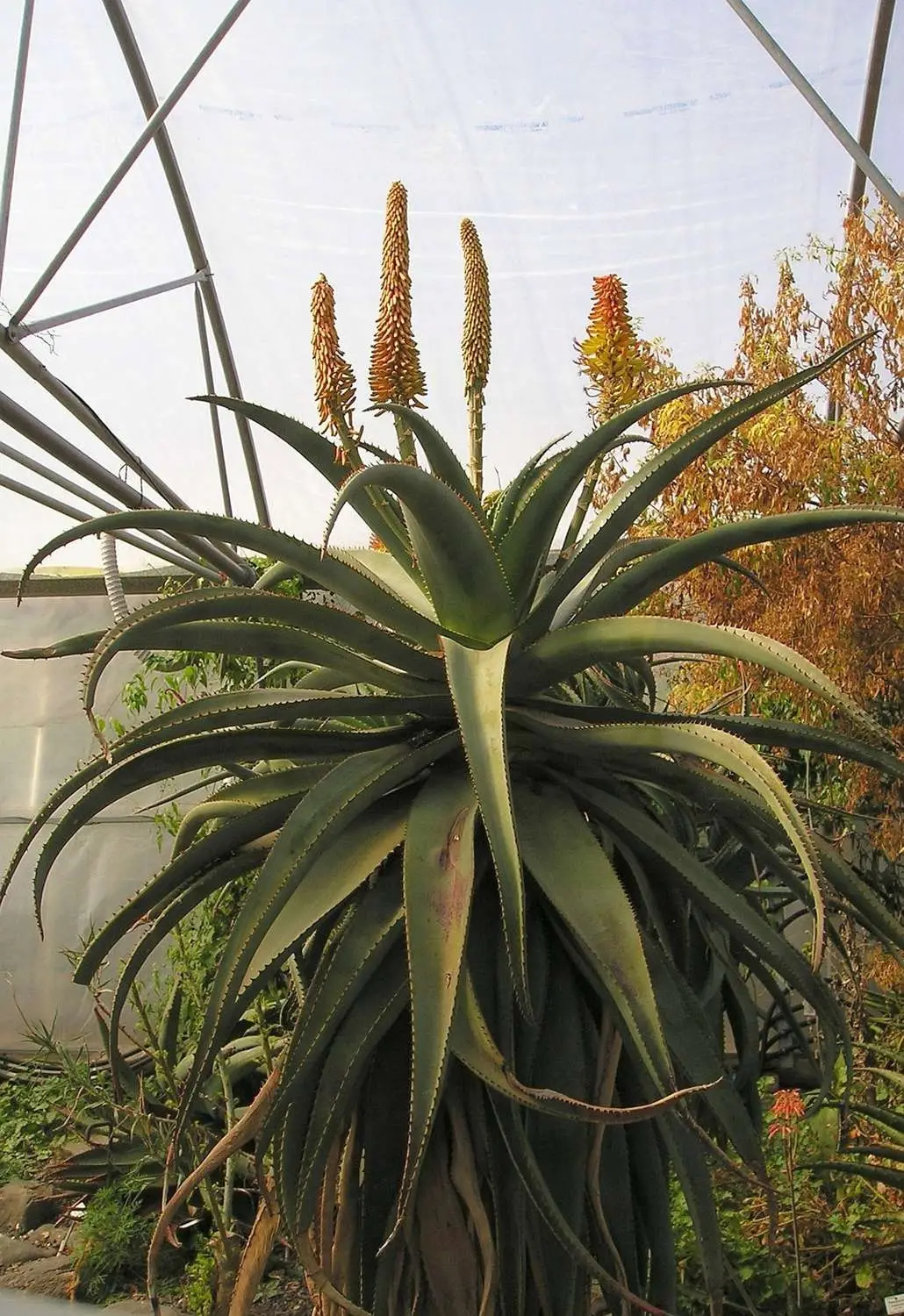
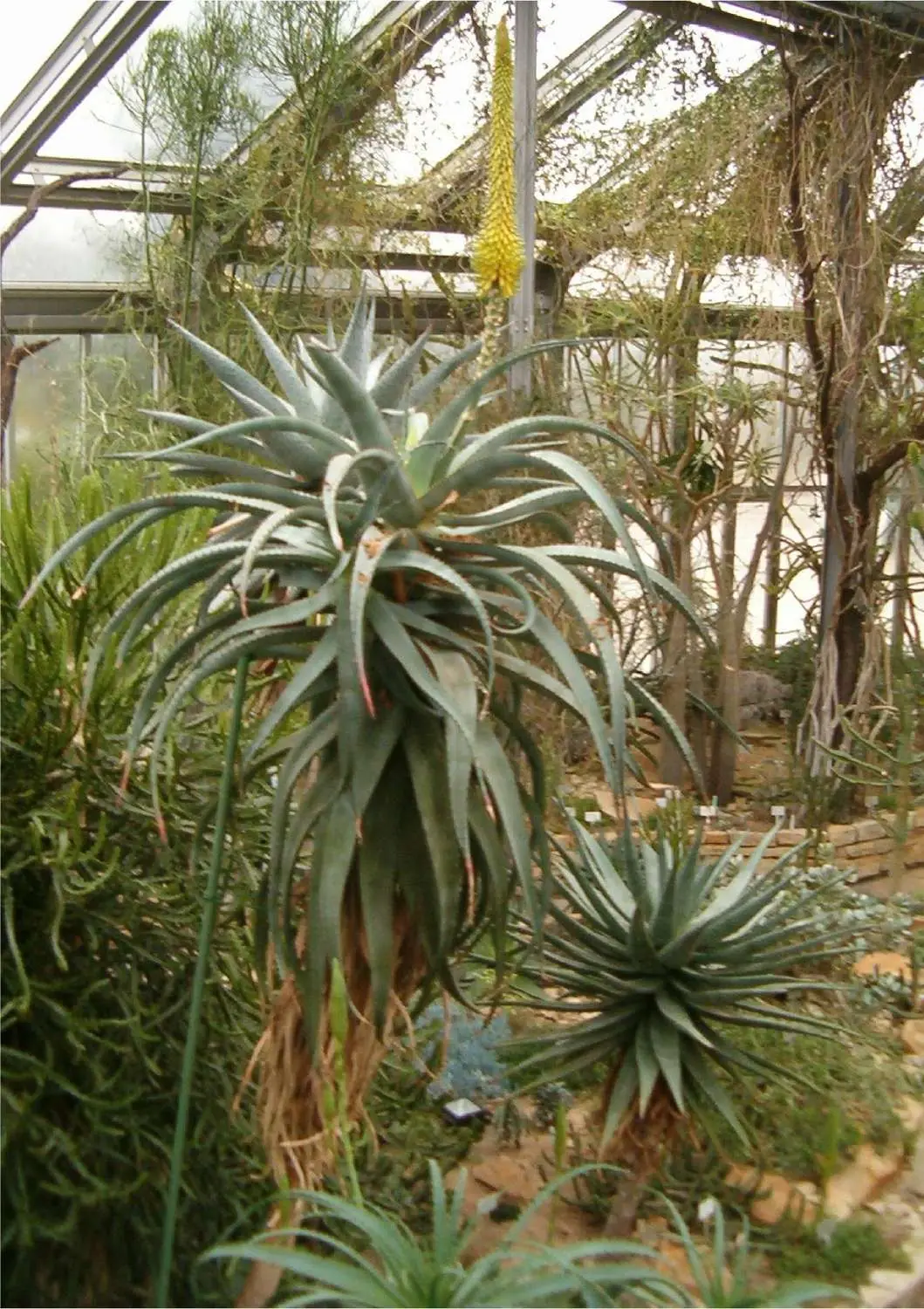
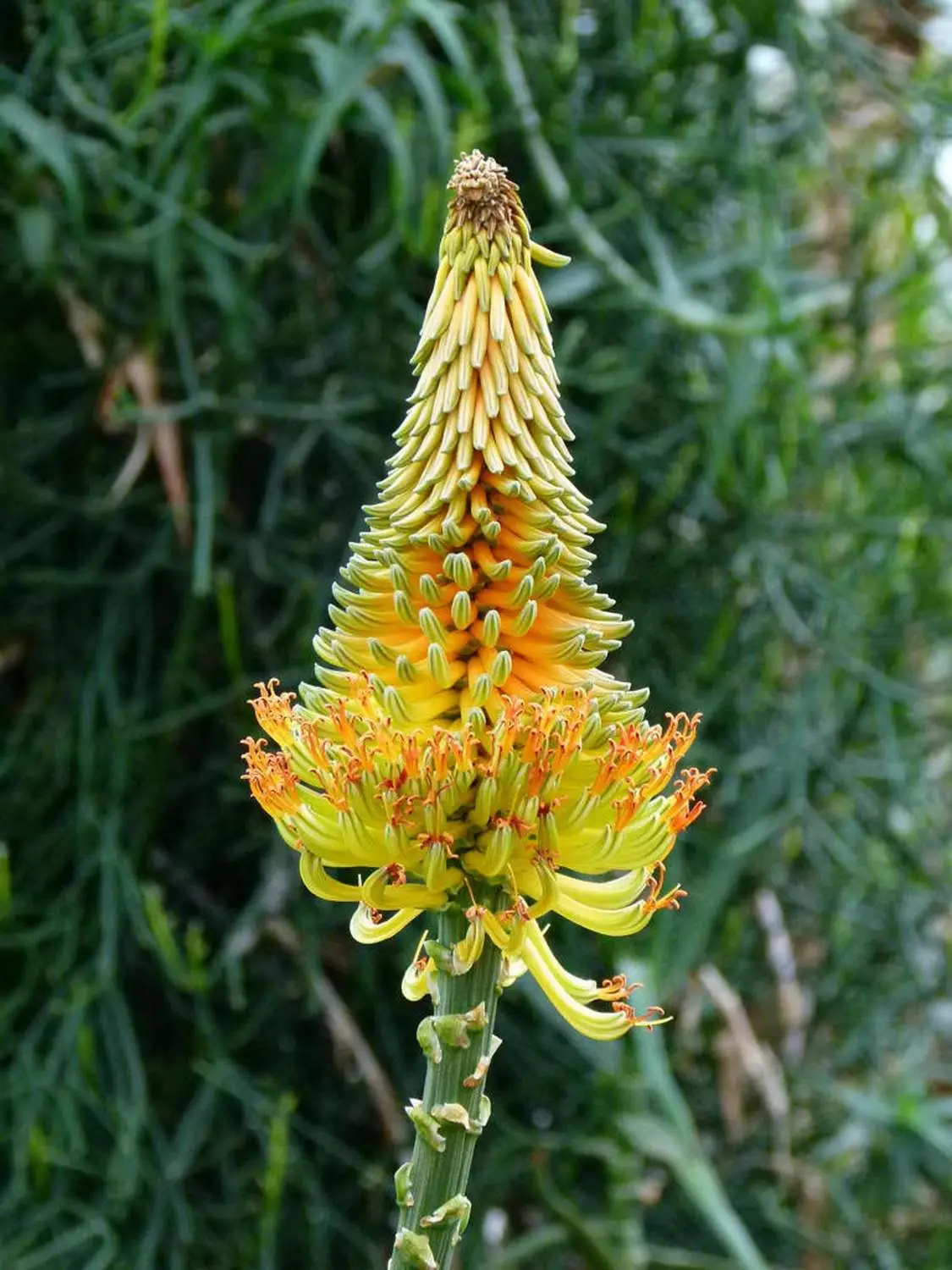
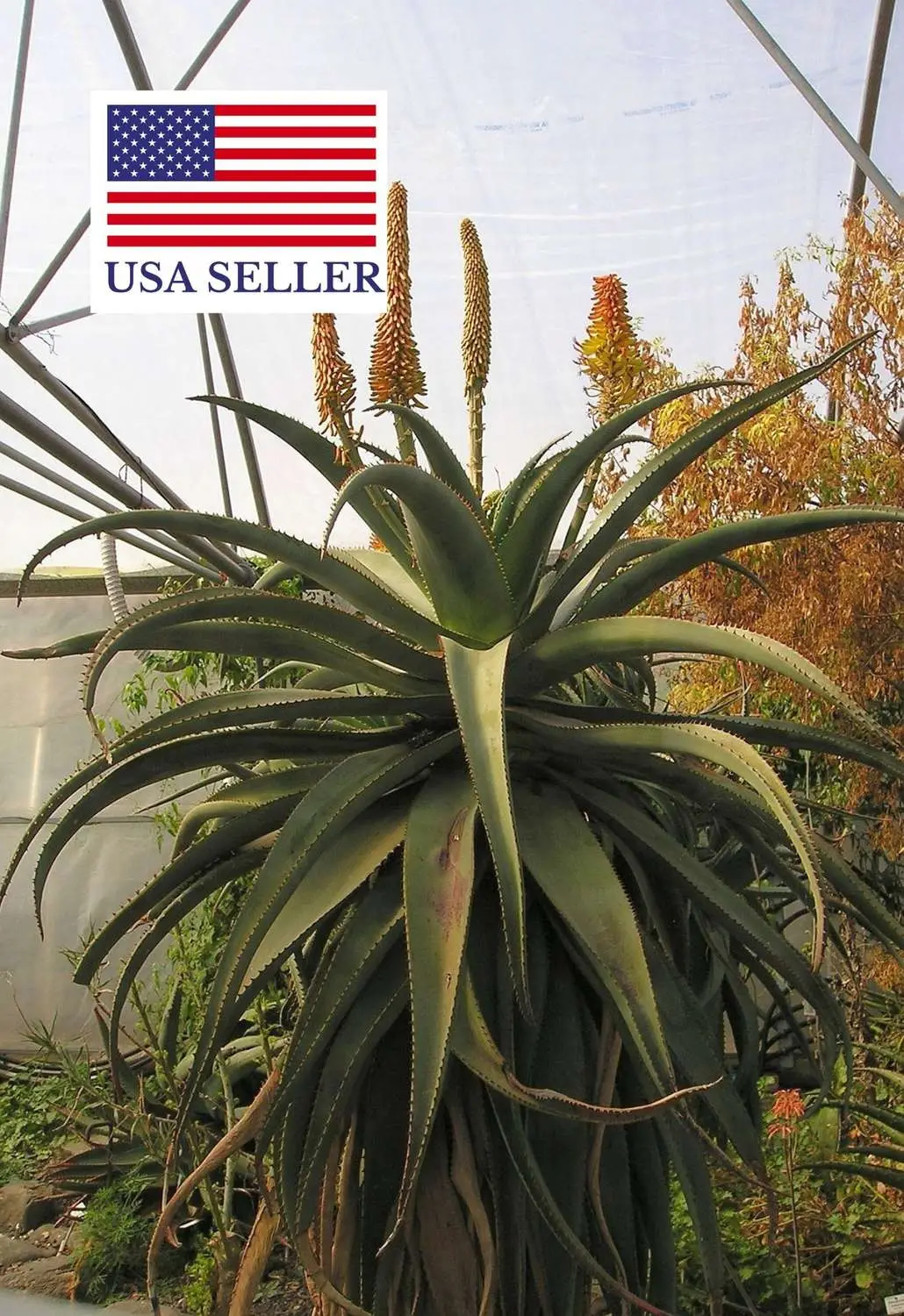
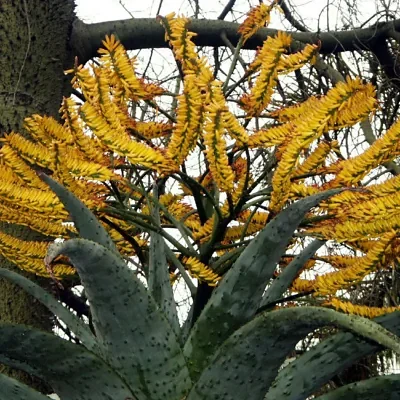
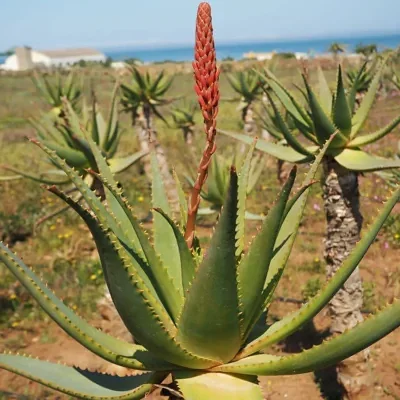
Picture this: a single towering stem crowned with an explosion of blue-green, sword-like leaves that curve outward in defiant grace. In winter, when most gardens sleep, Aloe africana sets itself ablaze—tall spires erupting in deep orange buds that ripen to gold, attracting bees and sunbirds in waves. This is not just a plant. This is sculpture with purpose.
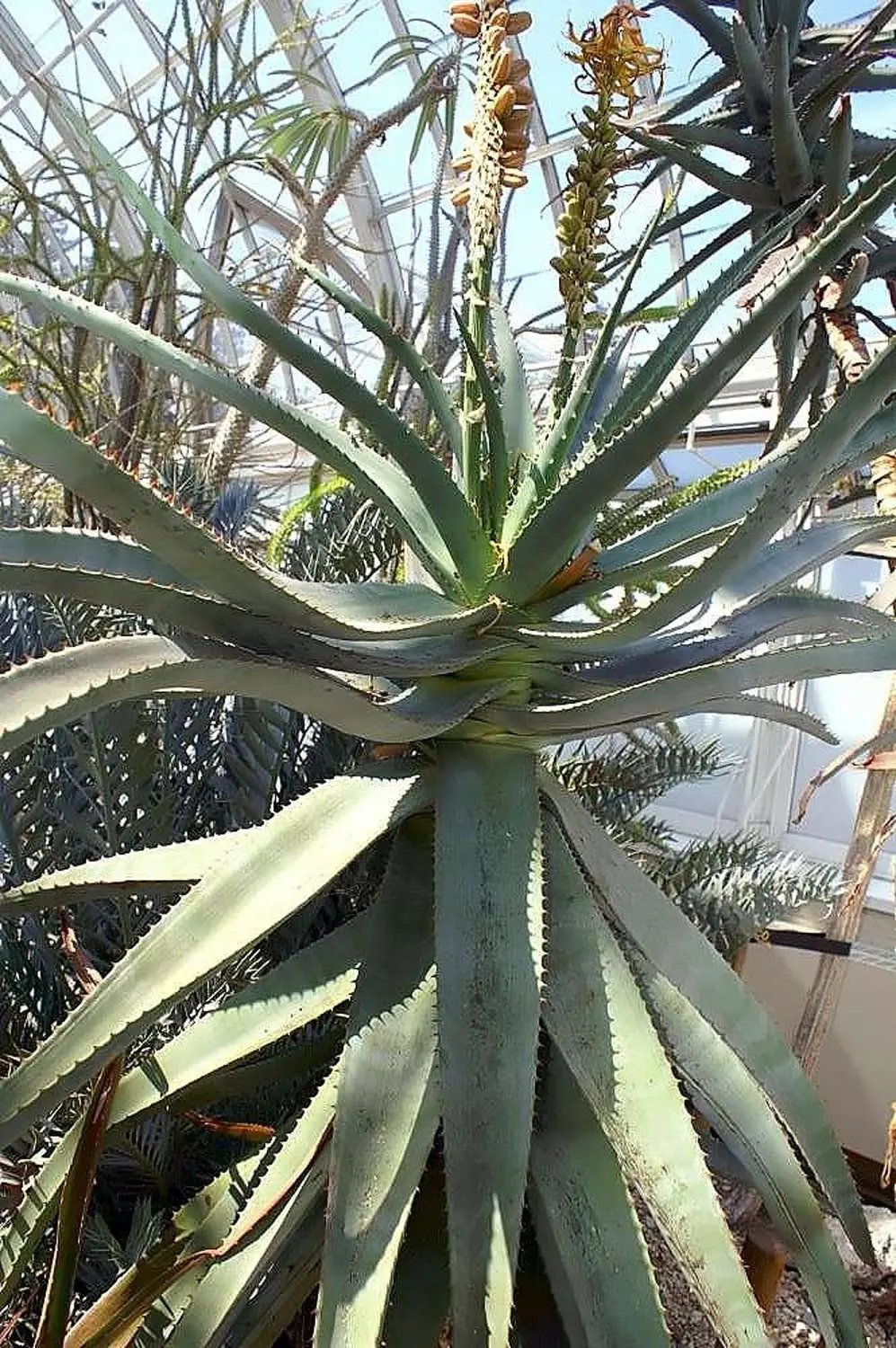
Aloe africana hails from the Eastern Cape of South Africa, a region where coastal winds carve tough, resilient plants. Known historically as the Uitenhage Aloe, it’s been treasured in European gardens since the 18th century—and for good reason. It stands apart from its cousins with a wilder, less-symmetrical leaf rosette that feels alive, almost untamed. The leaves themselves are a study in color: grayish-green under normal conditions, they can blush purplish-pink during dry spells, deepening to richer tones as seasons shift. Each leaf can stretch two feet long, thick and succulent, storing nature’s pharmacy within.
But here’s where Aloe africana truly shines: the gel. Rich in soothing compounds and used for centuries in traditional African medicine, the inner leaf yields a precious, clear gel prized for skin care and wellness applications. Unlike ornamental aloes, this species produces gel in meaningful quantities—enough to harvest and use. Extract it fresh from mature leaves for immediate skincare relief, or store for later. The gel is cooler than the outer latex; it’s the clean, transparent inner treasure packed with hydrating polysaccharides and natural compounds that work quietly on dry skin, minor irritations, and sensitivity. You’re not just growing decoration; you’re cultivating a living apothecary. This plant also serves as a pollinator magnet—bees cannot resist those nectar-rich winter flowers, making it invaluable for any garden that welcomes beneficial insects.
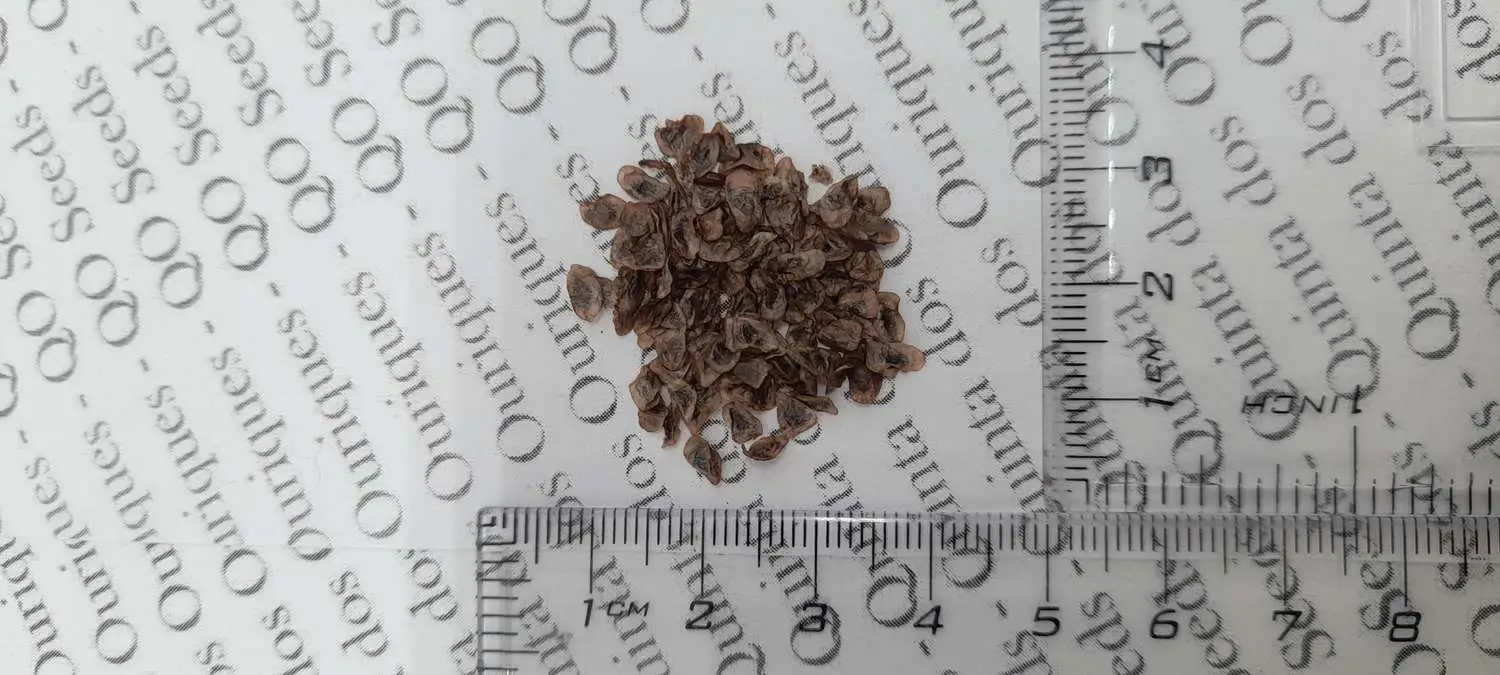
Growing Aloe africana from seed is forgiving and rewarding. The plant adapts to most well-draining soils and thrives in full sun—the more light, the more vibrant the leaf color and the earlier the blooms. Water sparingly; these are desert survivors that store moisture in their fleshy leaves and need only occasional hydration once established. In pots or coastal gardens, in USDA zones 9–12, it flourishes with minimal fuss. Germination takes about three weeks from seed sown in spring or summer. Plants grow slowly but steadily, reaching flowering maturity at four to five years—a patient investment that pays dividends. Whether you plant in sandy soil outdoors or keep it container-bound on a sunny patio, Aloe africana asks little and delivers abundance: striking architecture, healer’s gel, and flowers that fuel entire ecosystems.
This is the aloe for growers who want more than beauty—who want purpose, medicine, and resilience in one sculptural form. Grow it from seed, watch it mature, and in a few years, you’ll have a living legacy that supports your skin, feeds the bees, and commands respect in any space. The African Aloe is not just a houseplant or a garden accent. It’s a bridge between the wild and the cultivated, between art and utility. Start your seeds today and join generations of gardeners who’ve discovered why this particular aloe has remained beloved for nearly three centuries.
Only logged in customers who have purchased this product may leave a review.
Reviews
There are no reviews yet.