Description
Protea nitida seeds can benefit from Seed Smoke Primer, which is also available in our shop. Make sure to take a look!
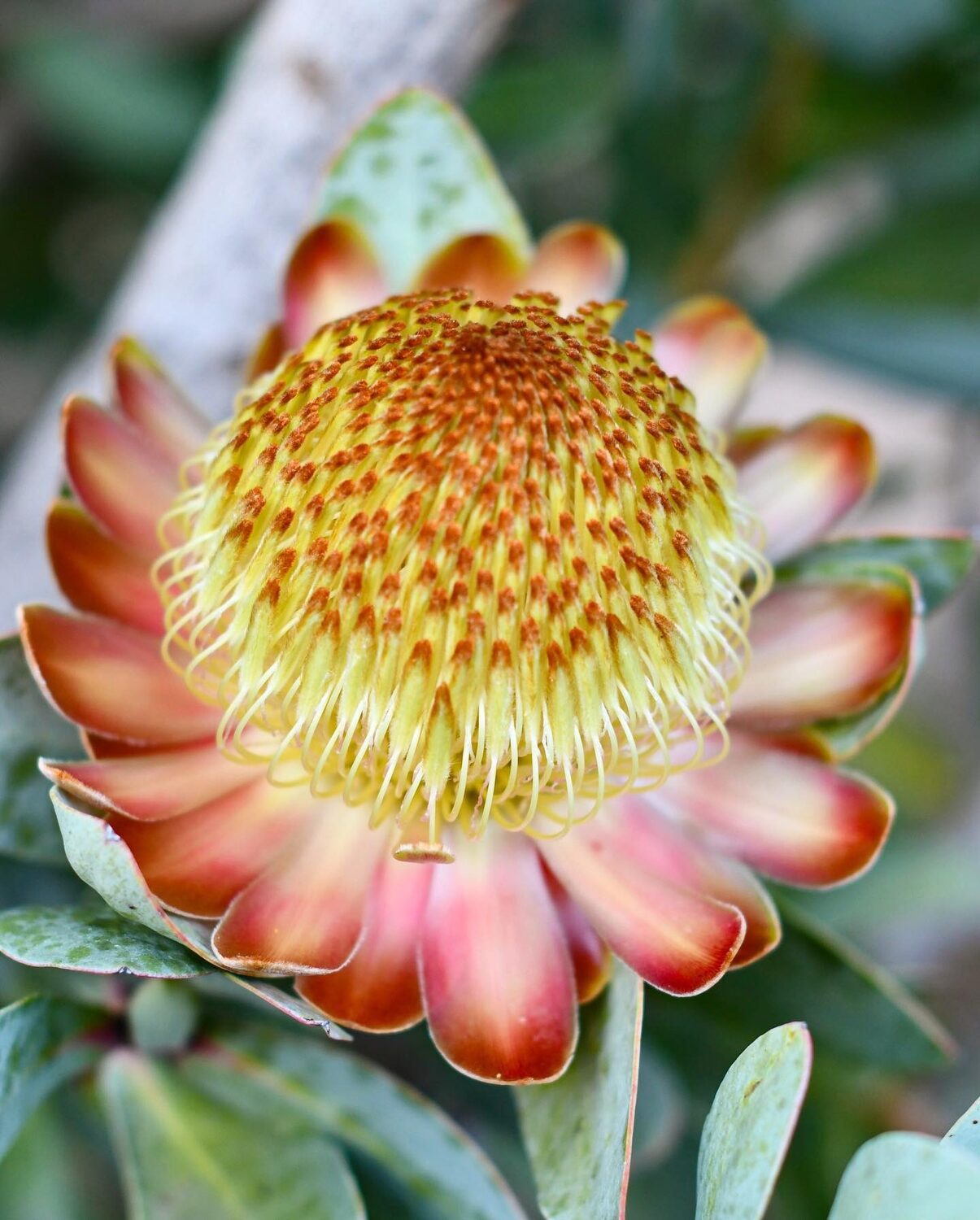
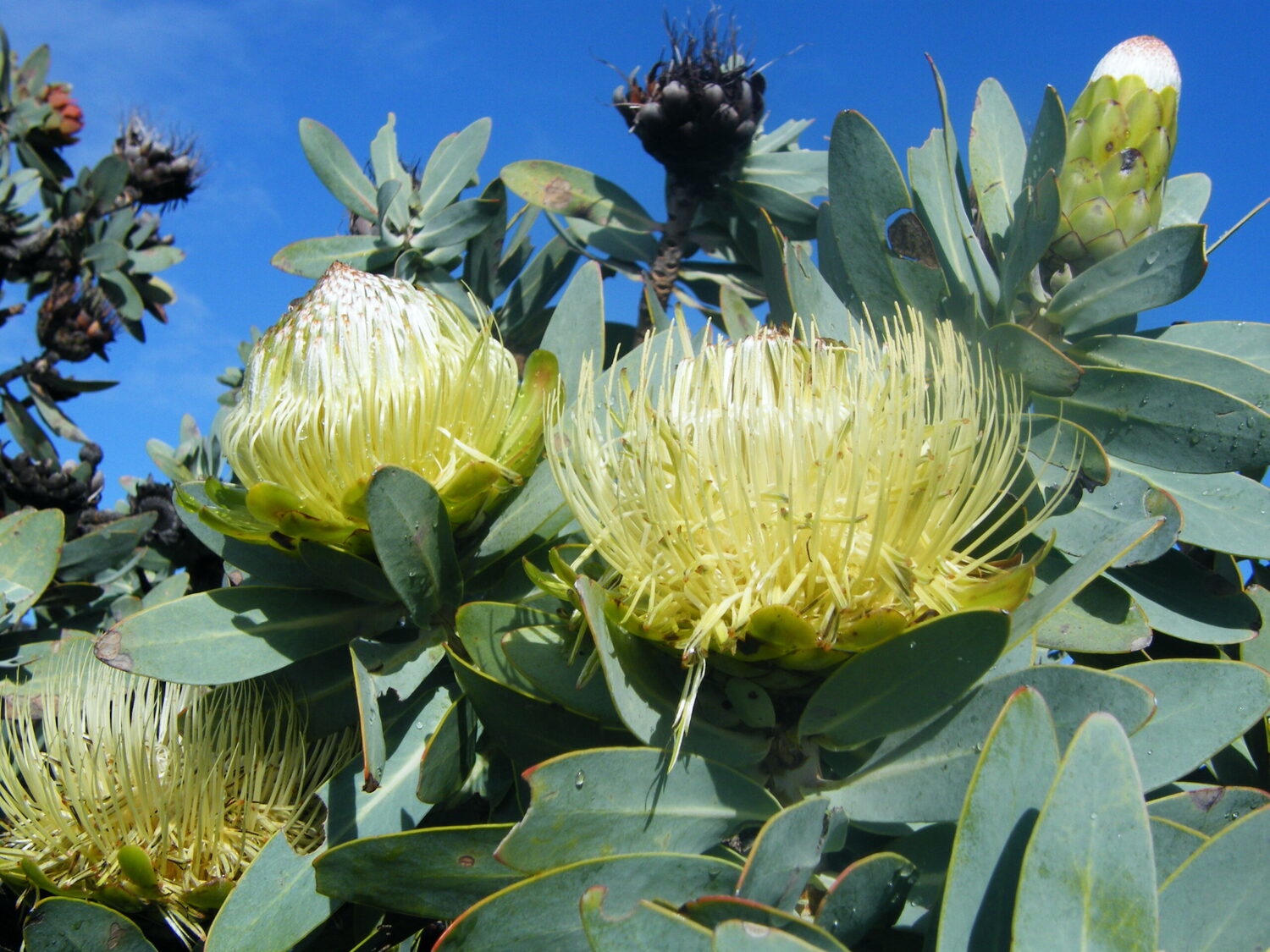
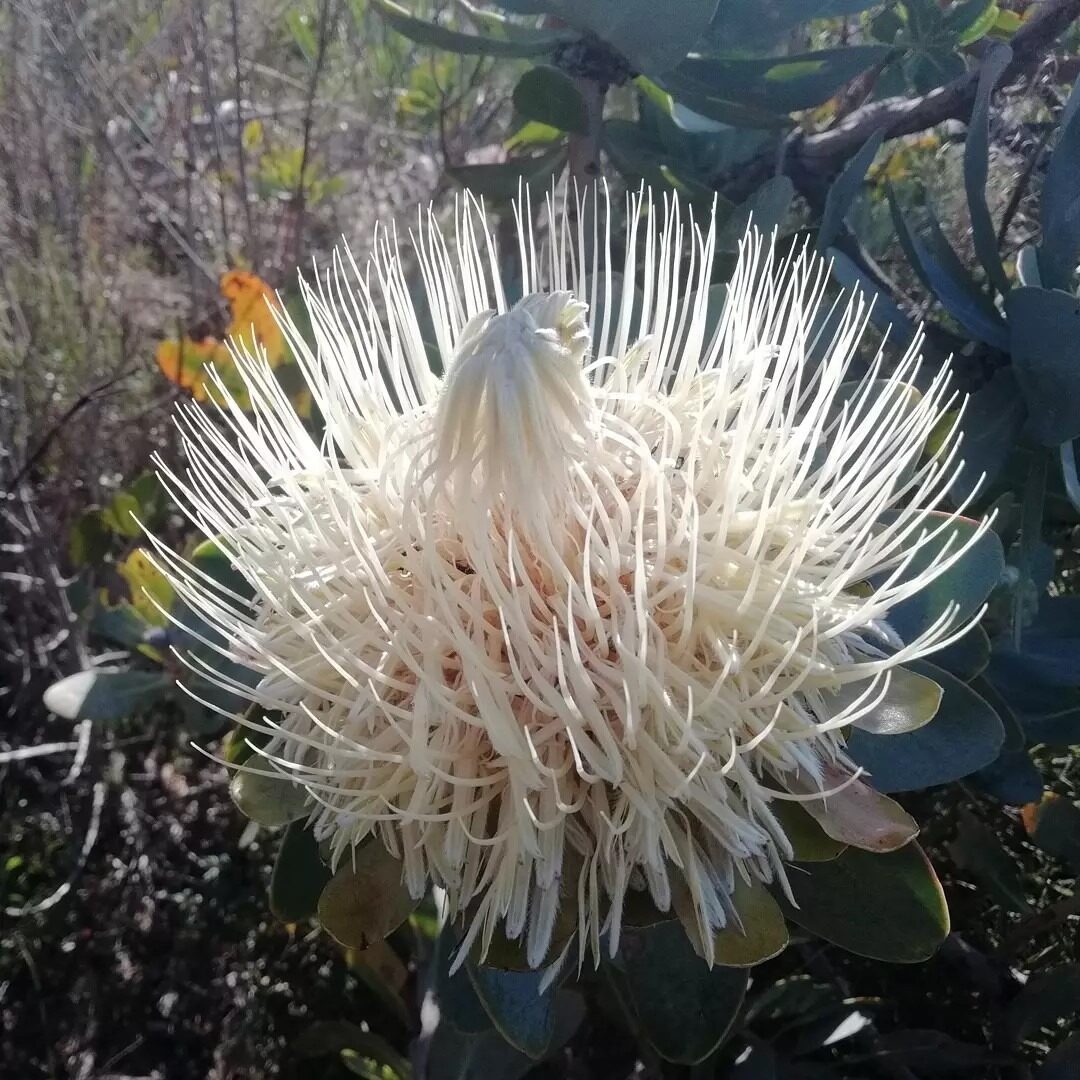
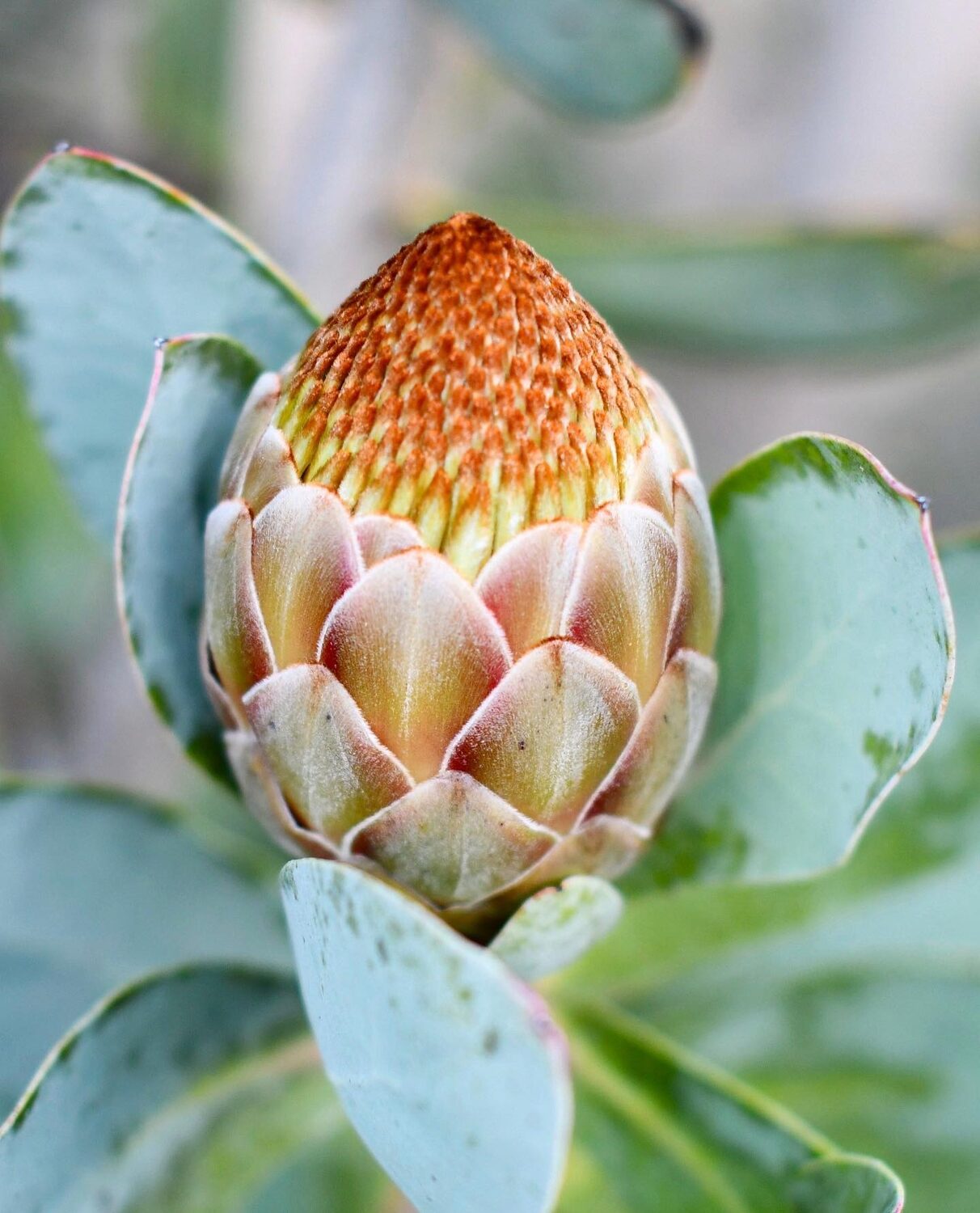
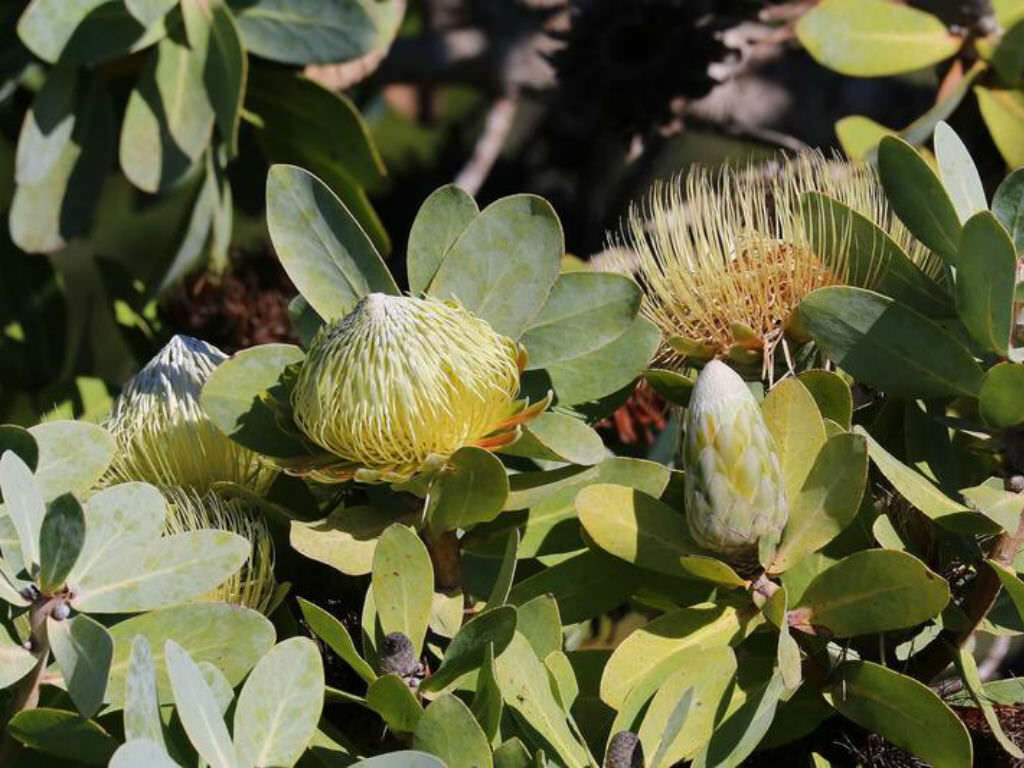
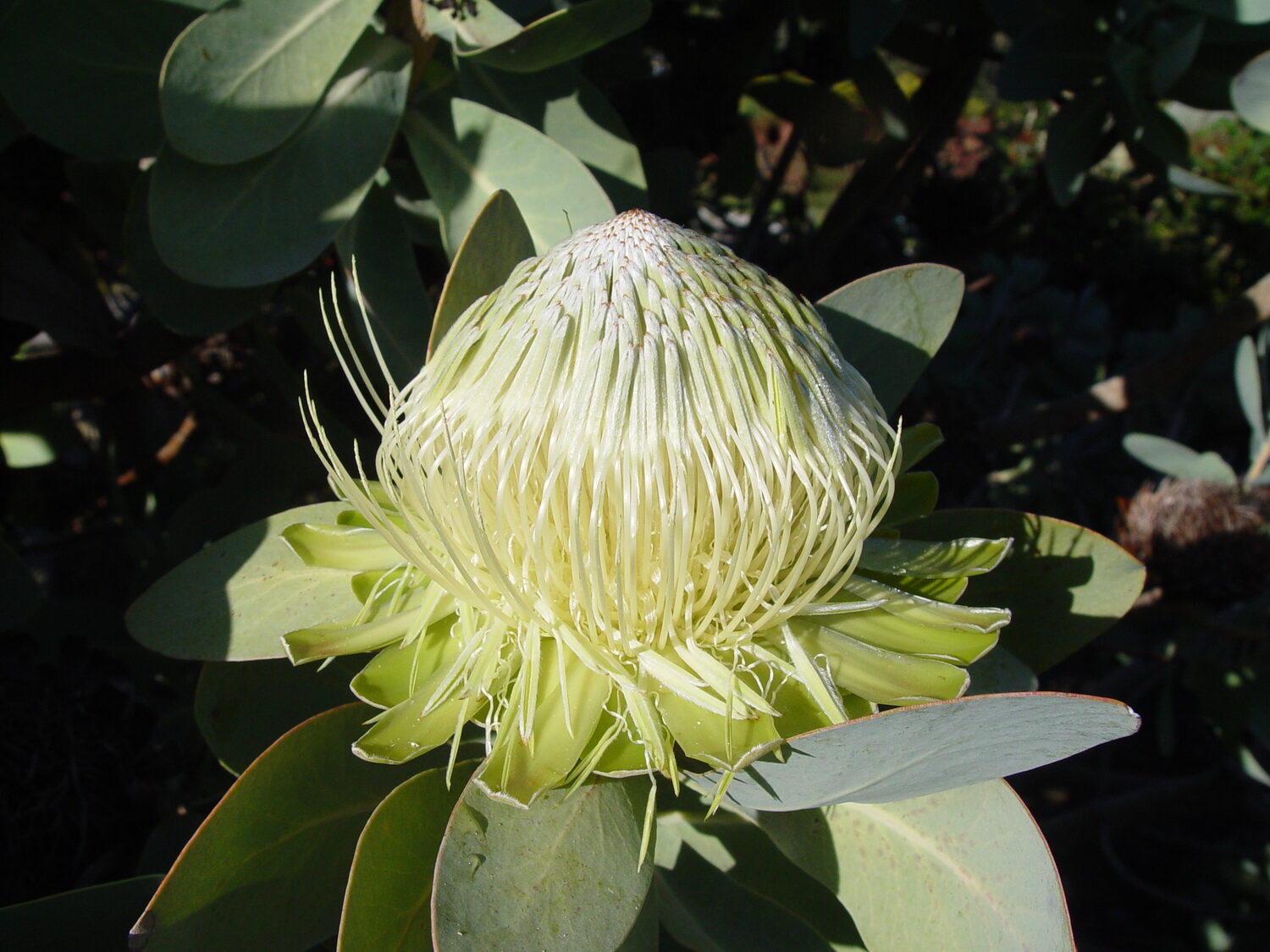
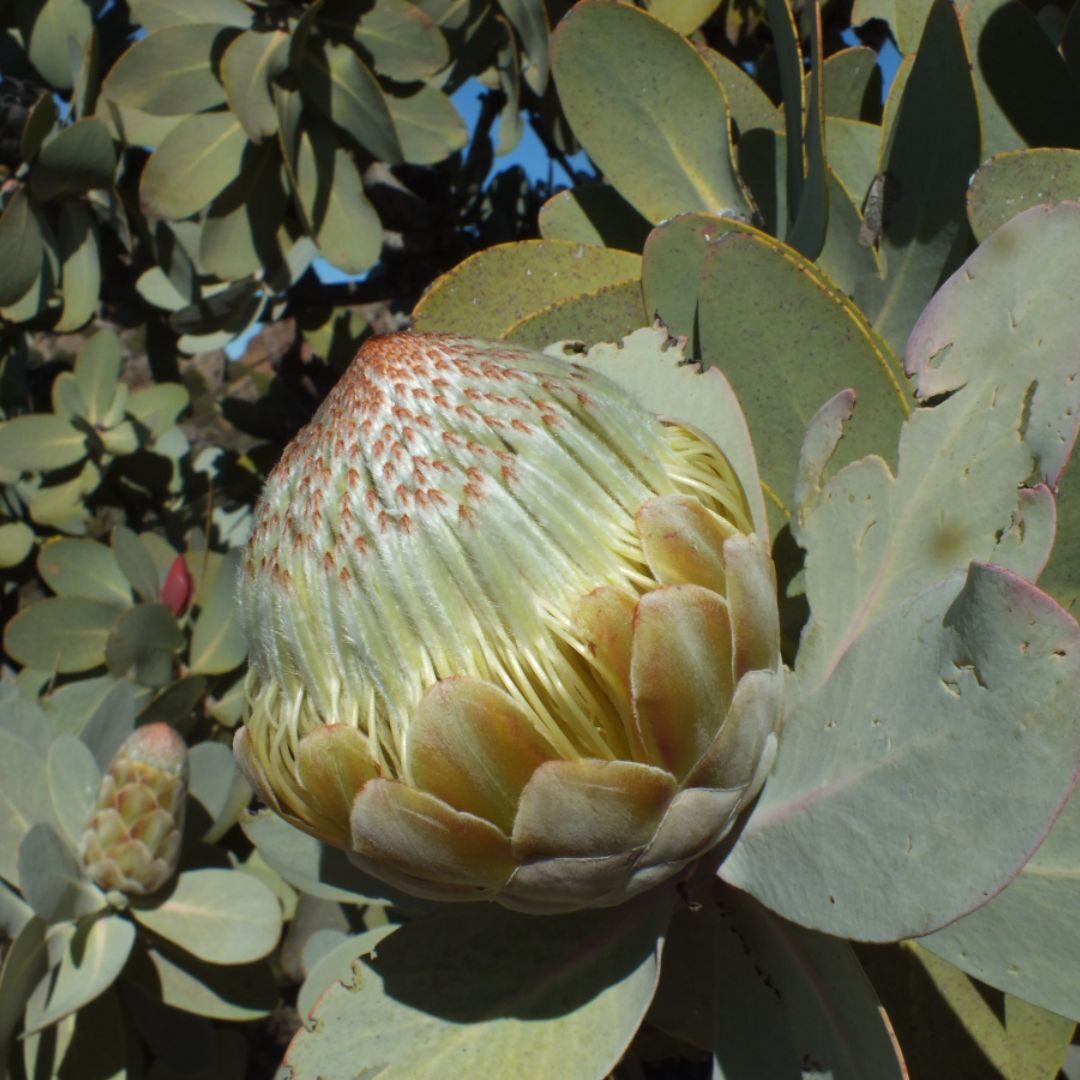
Protea nitida is a small evergreen tree or large shrub native to South Africa’s fynbos regions, valued for its ornamental foliage and historical cultural uses. It typically grows 3 to 8 meters tall, forming a rounded crown with smooth grey to bluish-green leathery leaves. From late winter to spring, it produces attractive flower heads with pink to creamy white bracts that attract birds and pollinators. The bark was traditionally used to make wagon parts, giving rise to the name “Wagon Tree.” This species thrives in full sun and well-drained, acidic soils and is well adapted to periodic fire. It is ideal for native gardens, wildlife-friendly landscapes, and low-maintenance ornamental planting in Mediterranean-type climates.
Germination Guide
🌍 Eastern Cape and Western Cape of South Africa
Moderate
Protea nitida, commonly called wagon tree, is a slow-growing South African tree endemic to the Eastern Cape and Western Cape regions. Seeds require smoke or hot water pre-treatment combined with significant day-night temperature fluctuation (approximately 12°C difference) for successful germination, which typically occurs in 3-4 weeks.
Germination
Germination time
Expect germination in
21 – 30 days
Temperature
Min 16°C
Ideal 19°C
Max 22°C
🌡️ Temperature alternation recommended
— Temperature difference of about 12°C between day and night is critical for germination. Do not germinate with bottom heat or in hothouses.
Substrate moisture
💧💧 High
Sowing depth
Lightly covered
Seed Pre-treatment
-
💧
Soaking — 24 hours
Soak in hot water at exactly 50°C for 30 minutes, or in smoke seed solution for 24 hours. Rainwater preferred.
-
🔥
Smoke/Fire treatment
Smoke seed treatment highly beneficial. Soak seeds in smoke seed solution for 24 hours or use smoke primer disks in 50ml water.
-
📋
Additional notes
Smoke treatment and hot water soaking are recommended pre-treatments. After hot water treatment, dry and dust lightly with fungicide such as Thiram.
Substrate & Container
Recommended substrate
Well-drained acidic medium pH 5.5: 2 parts peat or decomposed pine needles, 2 parts coarse river sand, 1 part perlite or polystyrene pellets
Recommended container
Seed trays with transparent cover or 500ml plastic seedling bags
Growing Tips
Sow in autumn or spring when day-night temperature difference is about 12°C. Keep seeds moist but not waterlogged; use rainwater or tested water to avoid chlorine and alkalinity. Sterilize substrate before sowing to prevent fungal infections. Do not apply fertilizer or manure to seedlings; use organic plant food like fish or seaweed emulsion only if needed. Keep seed trays in semi-shade and protect from rodents and birds. Transplant seedlings into individual 1-litre pots once true leaves appear. Do not use bottom heat during germination.
Only logged in customers who have purchased this product may leave a review.

Reviews
There are no reviews yet.