Description
Leucadendron rubrum seeds can benefit from Seed Smoke Primer, which is also available in our shop. Make sure to take a look!
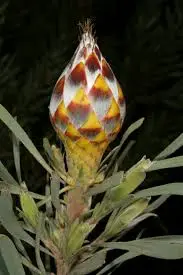
Leucadendron rubrum is a hardy, evergreen shrub belonging to the Proteaceae family and native to South Africa’s fynbos regions. It typically grows between 1 to 2 meters tall, forming a dense, bushy habit with narrow, leathery leaves that may take on reddish tones, especially in new growth or under stress. Like other Leucadendrons, it is dioecious, with male and female flowers borne on separate plants. The male flower heads are small and cone-like, while the female cones develop woody structures that protect the seeds, which are usually released after fire. Adapted to nutrient-poor, well-drained soils, it thrives in full sun and is drought- and fire-tolerant, making it an important species in its native ecosystem as well as an attractive choice for ornamental cultivation.
Germination Guide
🌍 Western Cape, South Africa - Fynbos biome
Moderate
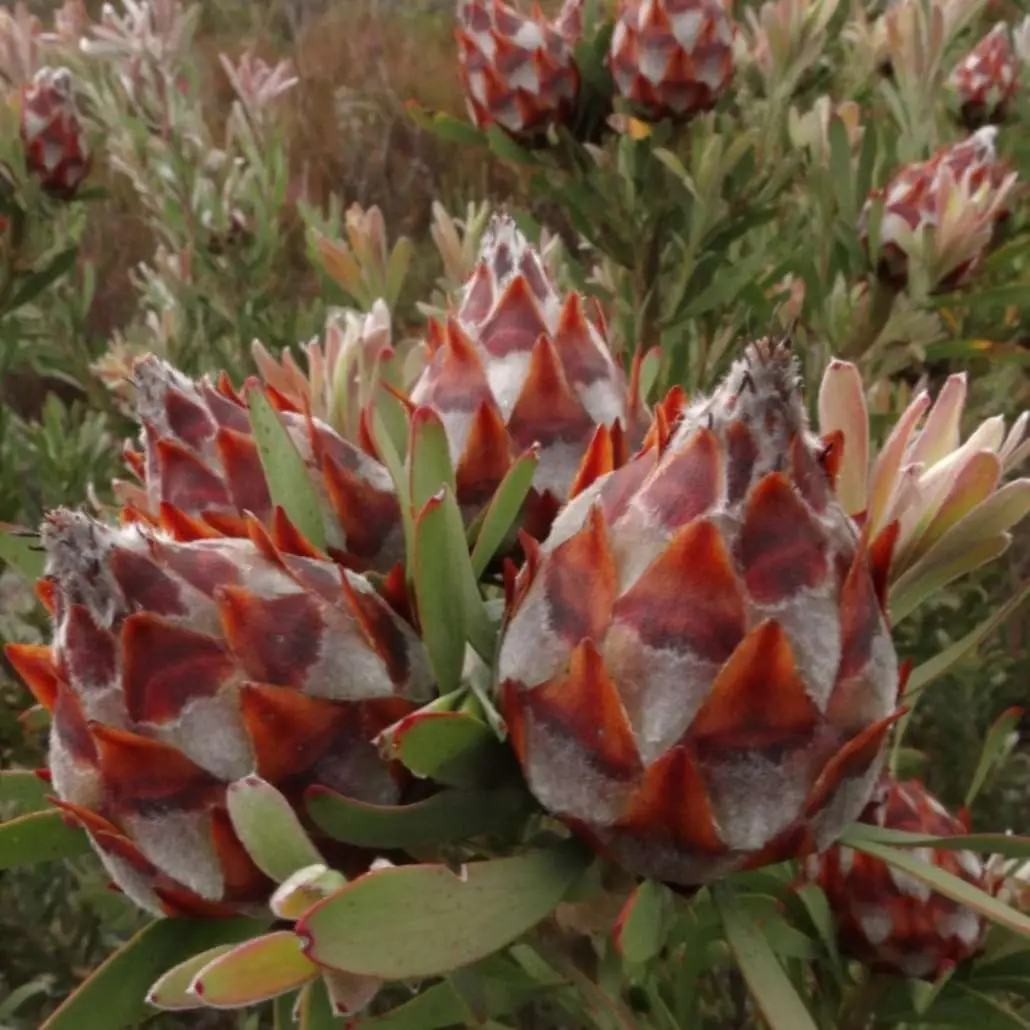
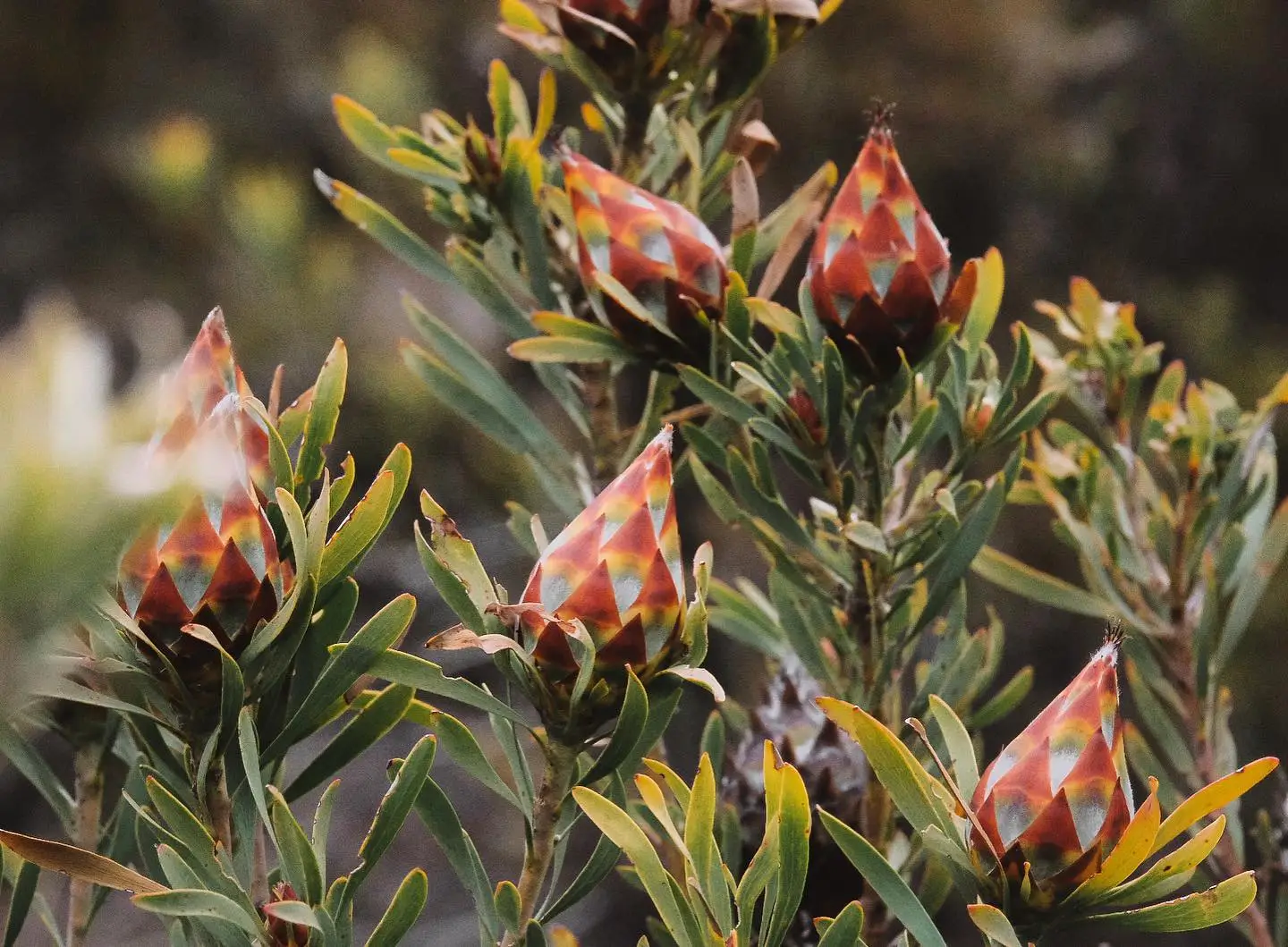
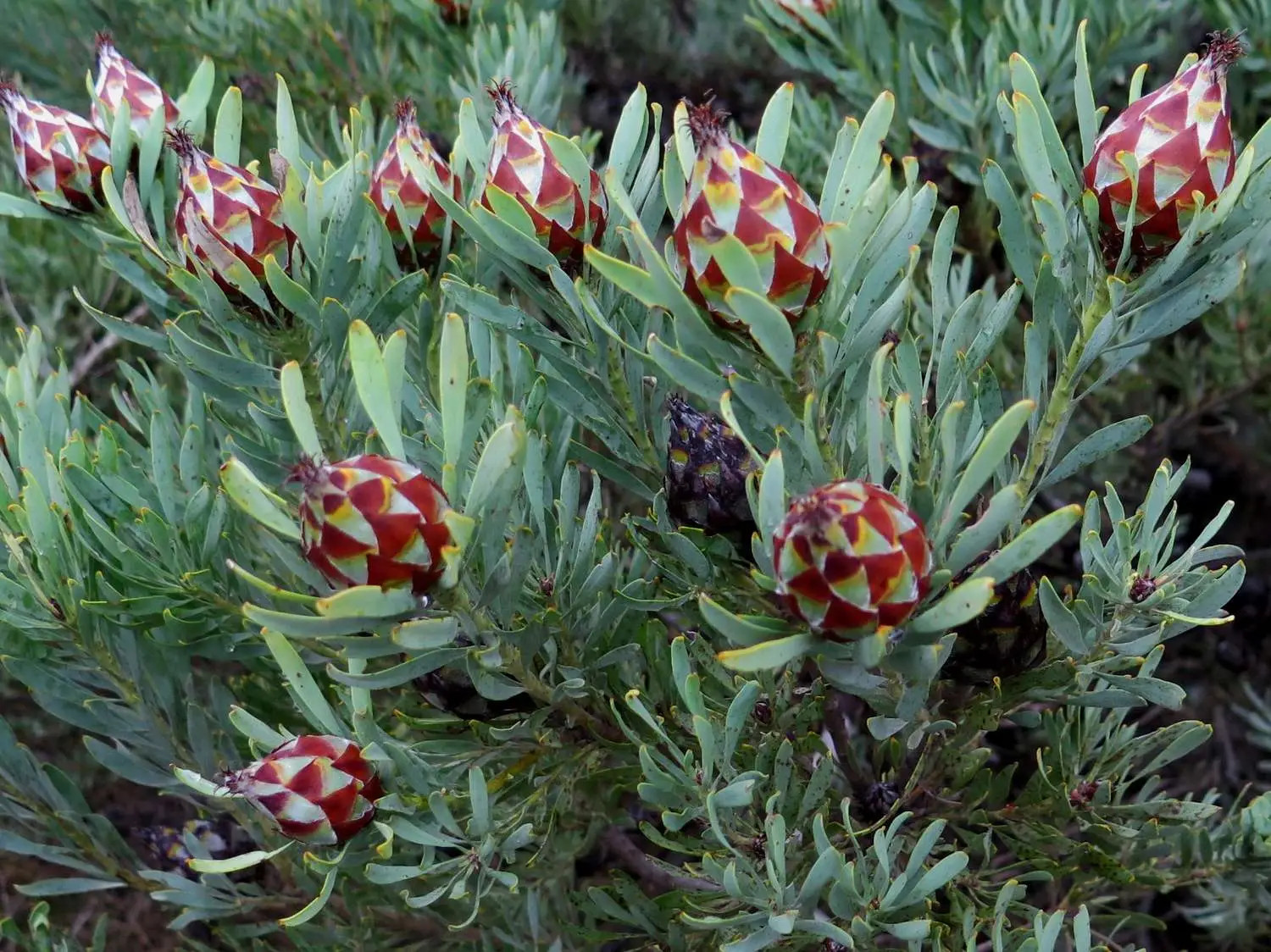
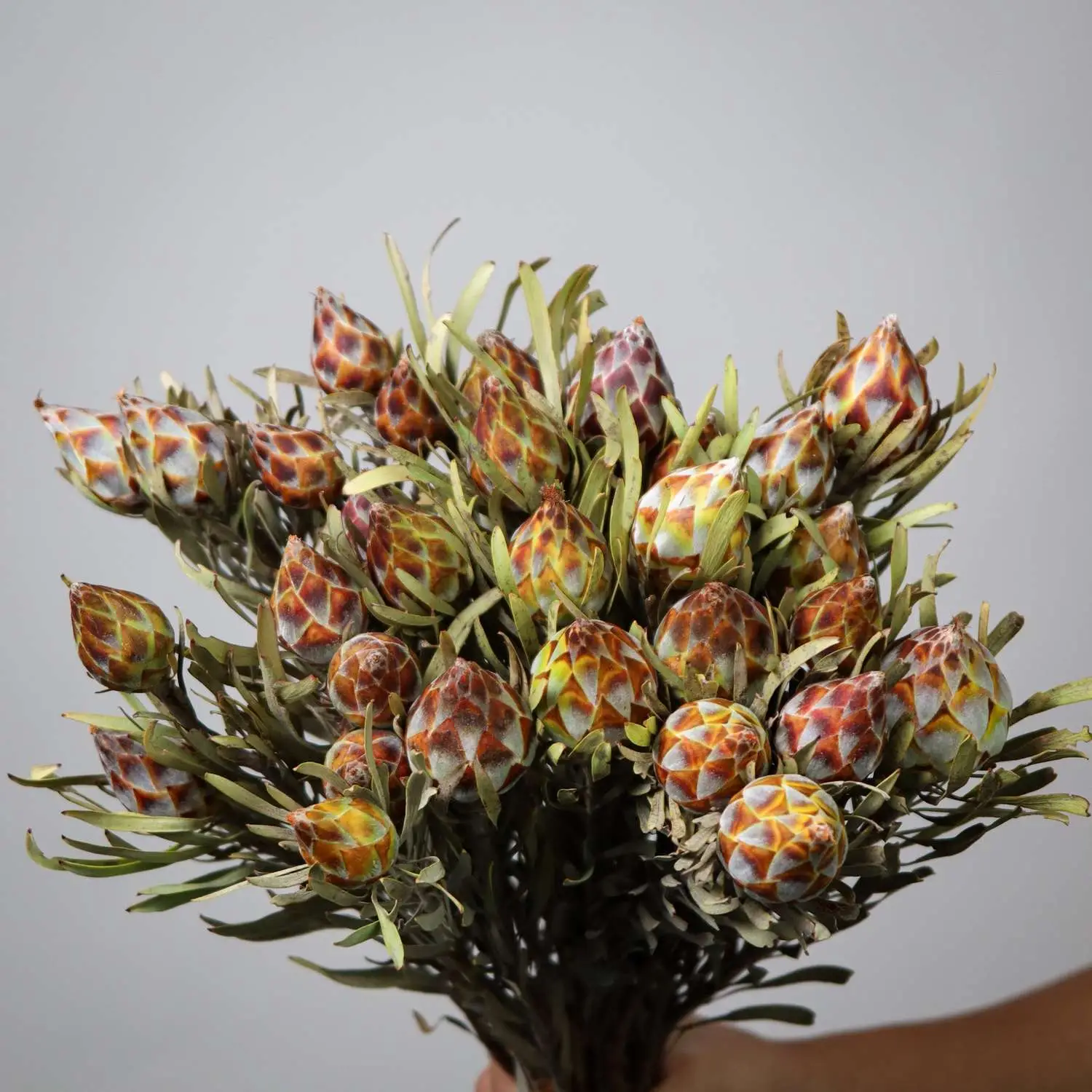
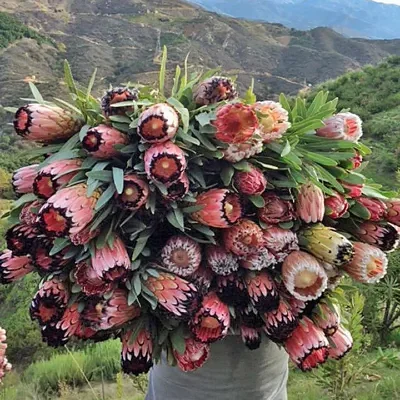
Leucadendron rubrum, commonly known as the Spinning Top Conebush, is a fire-adapted evergreen shrub endemic to South Africa's fynbos biome. Its distinctive female cones resemble spinning tops and are highly valued in floristry. This species benefits significantly from smoke treatment during germination, mimicking its natural regeneration cycle following fire in its native habitat.
Germination
Germination time
Expect germination in
14 – 120 days
Temperature
Min 16°C
Ideal 20°C
Max 22°C
🌡️ Temperature alternation recommended
— Day-night temperature fluctuation of approximately 12°C is beneficial for germination. Sow in autumn or spring for natural temperature cycling
Substrate moisture
💧💧 High
Sowing depth
Lightly covered
Seed Pre-treatment
-
💧
Soaking — 24 hours
Warm water gradually cooled to room temperature, or preferably seed smoke solution (Smoke Seeds) for 18-24 hours with rainwater if available
-
🔥
Smoke/Fire treatment
Smoke seed (smoke disk) highly recommended for 18-24 hours as primary pre-treatment. Smoke application enhances germination by mimicking natural post-fire conditions in the fynbos ecosystem
-
📋
Additional notes
Immersion in smoke seed solution for 18-24 hours is the preferred treatment. Alternative: warm water immersion for 24 hours. Smoke treatment enhances germination rates significantly
Substrate & Container
Recommended substrate
Peat moss with perlite in 60:40 ratio, or well-draining acidic soil mix with coarse sand and leaf mould
Recommended container
Transparent plastic container with lid or seedtray in sunny position
Growing Tips
Germination typically begins within 2-3 weeks. Maintain well-lit conditions without direct intense sunlight. Check moisture every 2-3 days - keep substrate moist but never waterlogged, as downy seed hairs collect water and promote rotting. Provide temperature fluctuation (day-night cycle of ~12°C) if possible. Once two true leaves develop, transplant seedlings to individual containers in a lightly shaded location with good air circulation. Avoid phosphorus-containing fertilizers after germination. Do not discard seeds that fail to germinate initially - some may germinate in subsequent weeks or years. Good air circulation is critical to prevent fungal issues.
Only logged in customers who have purchased this product may leave a review.


Reviews
There are no reviews yet.