
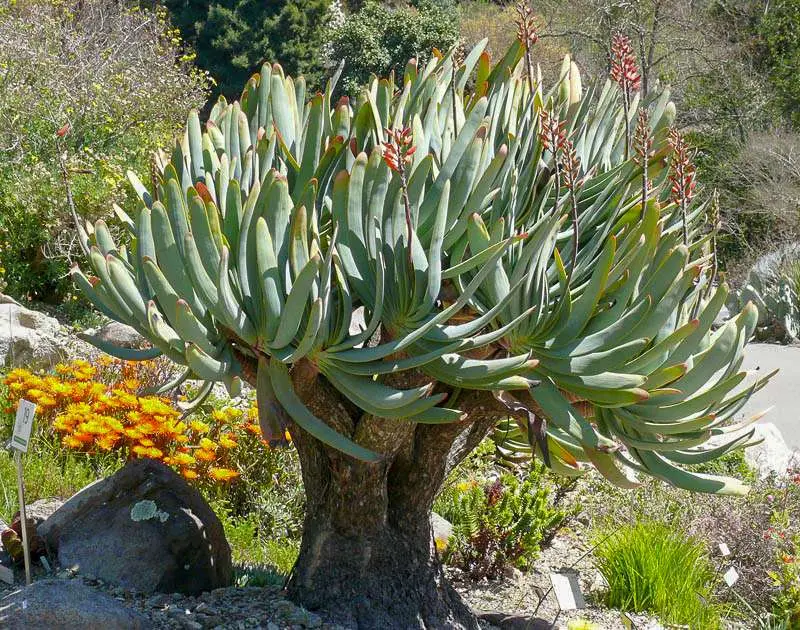
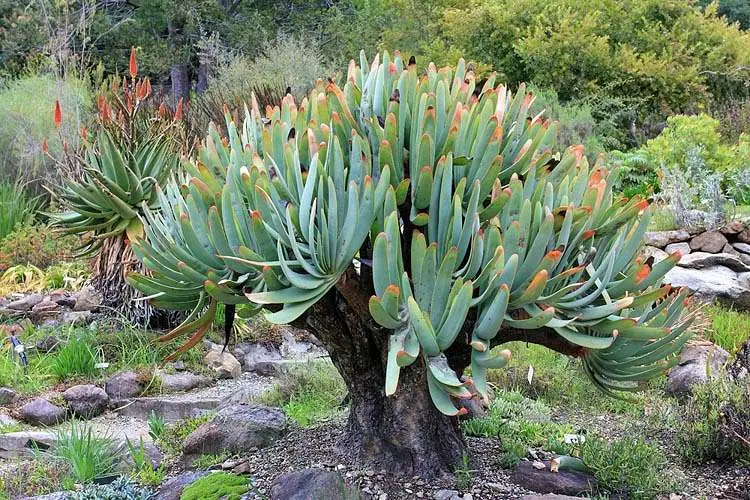
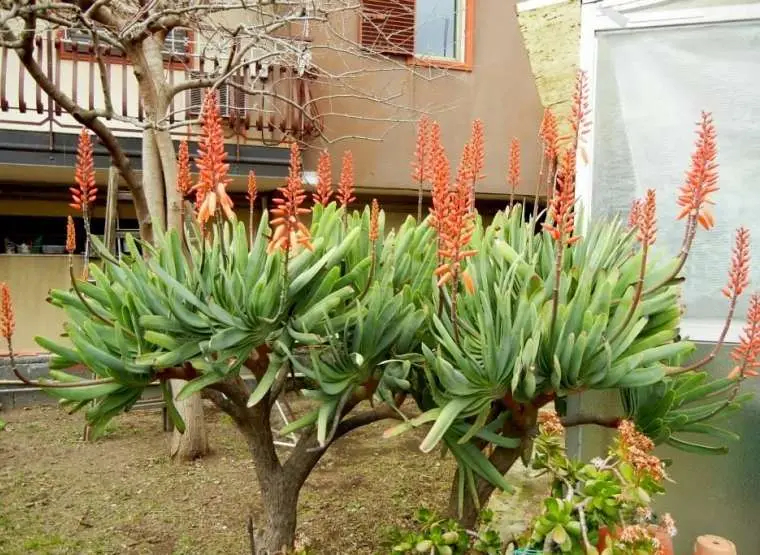
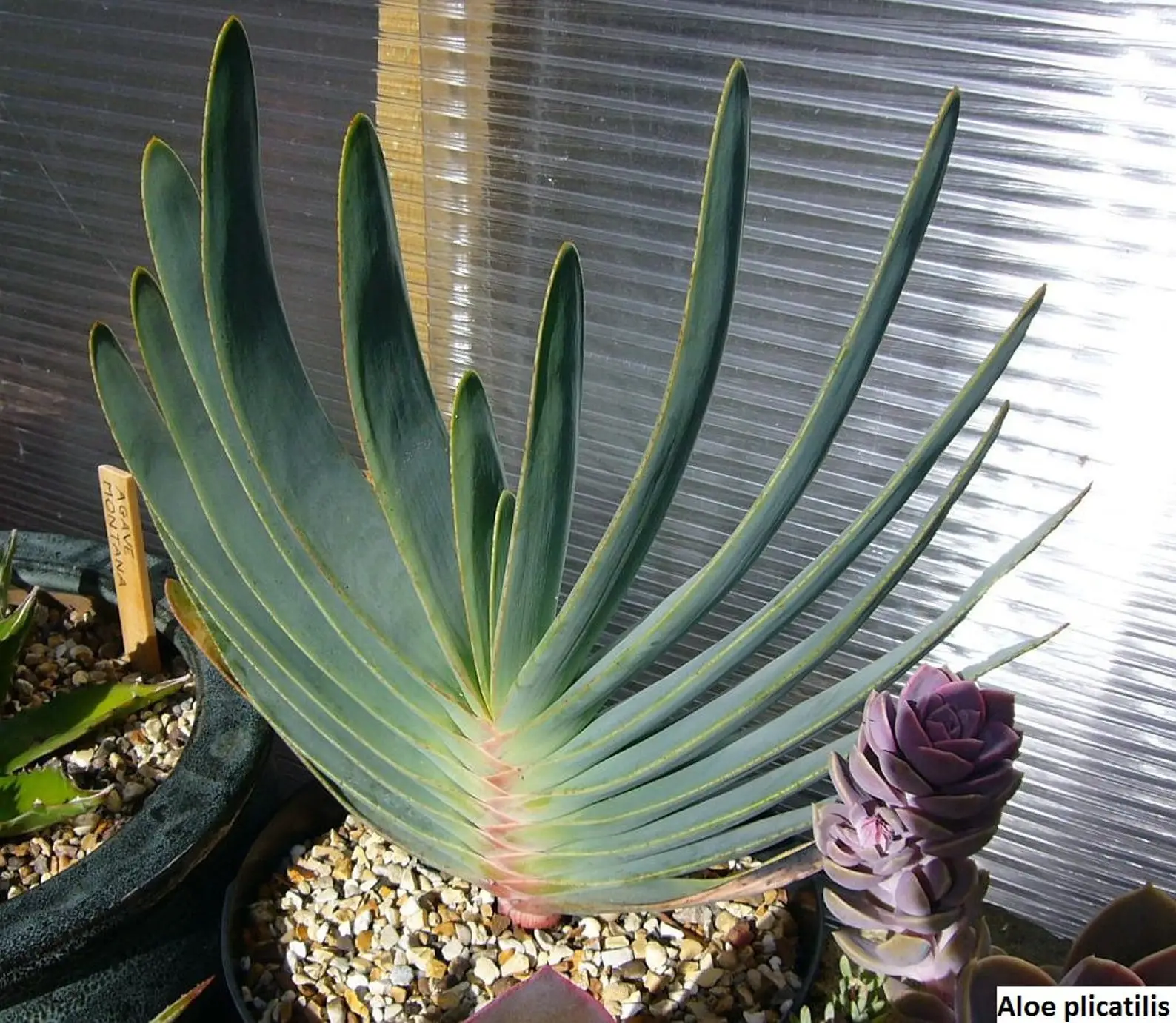
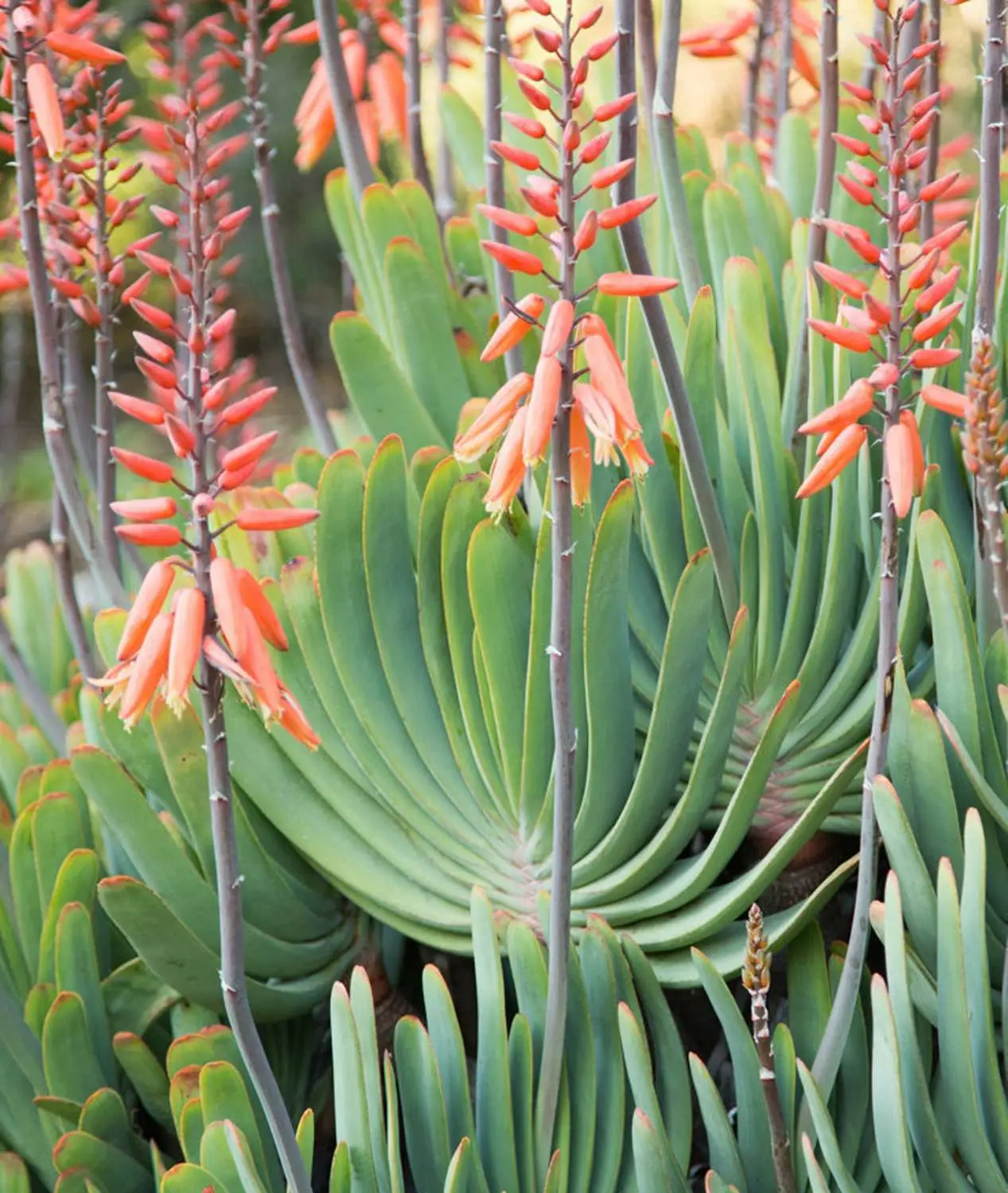
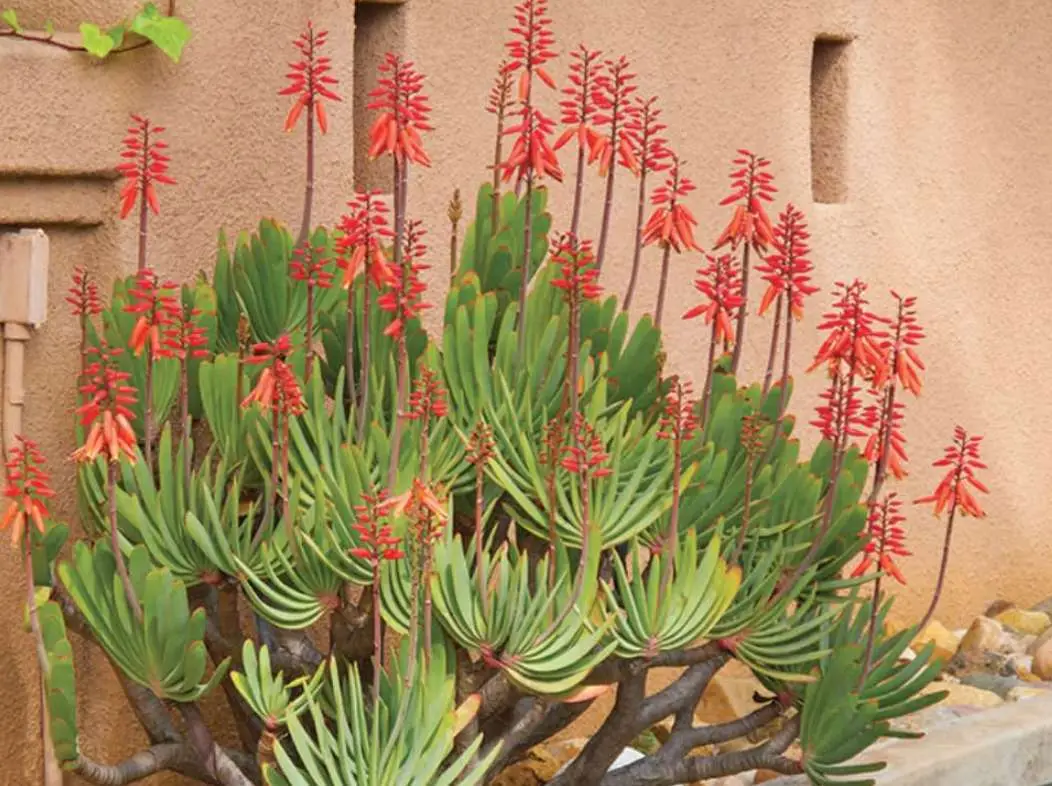
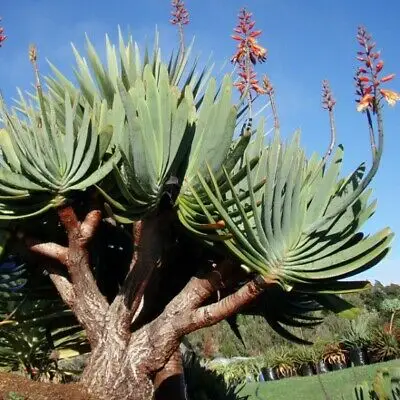
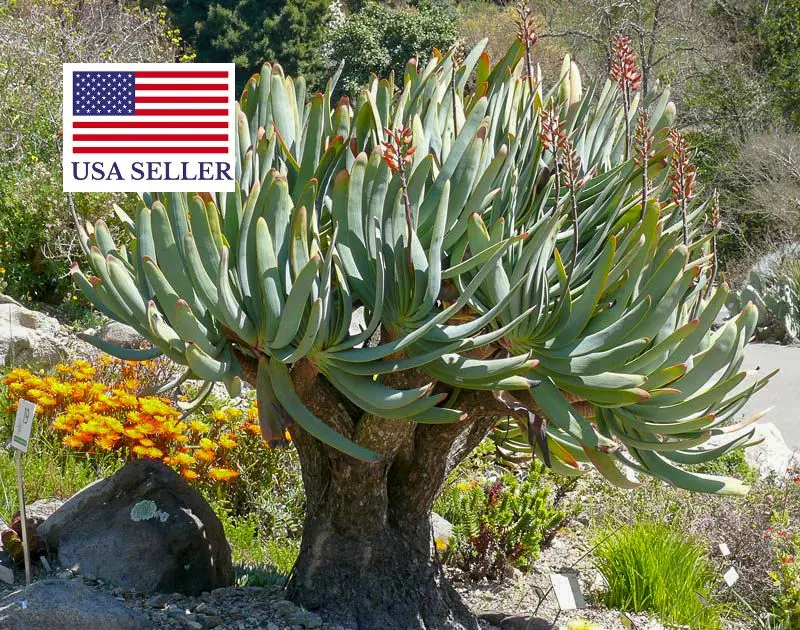
Witness living architecture unfold. Aloe plicatilis grows into a naturally bonsai-like small tree with perfectly fanned grey-green leaves and dramatic spring blooms in crimson and pink. Incredibly slow-growing and easy to cultivate—this South African rarity transforms any space into a gallery piece. Plant from seed and watch your masterpiece develop over years, creating something utterly unique that stops visitors in their tracks.
€7.77
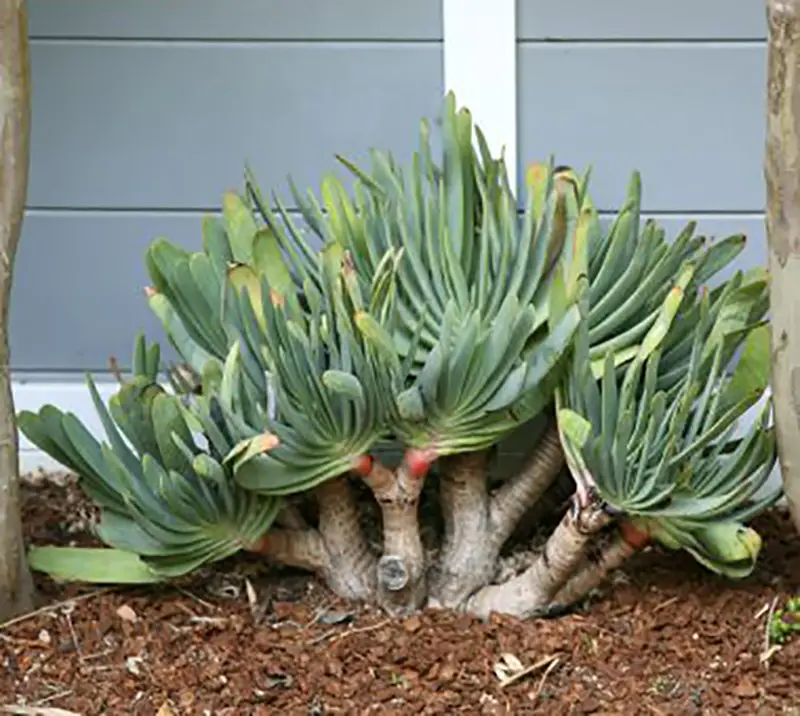
This plant is unique in appearance and looks like nothing else on earth. It’s not similar to any other aloe and takes the form of a large bonsai with unusual and striking fan-like arrangement of its leaves. To the imaginative, the leaf-heads look a bit like a mass of grey hands, raised in the air. The moment you see Aloe plicatilis, you understand why collectors and garden artists become obsessed with it.
This succulent is endemic to a few mountains in the Fynbos ecoregion of the Western Cape in South Africa, growing wild on steep, rocky, south-facing slopes in well-drained, sandy, slightly acidic soil. For nearly three centuries—cultivated since the Chelsea Physic Garden in 1731 and illustrated in botanical publications since 1799—this botanical treasure has captivated growers who crave something extraordinary. It is very popular as a garden subject in parts of the world with Mediterranean climate, and in California, where substantial numbers are offered for sale in the nursery trade.
Here is where Aloe plicatilis truly excels: as a natural bonsai and living sculpture. Unlike typical aloe rosettes, the fan-like leaves are held in opposing pairs, stacked like paddles, creating a sculptural silhouette that looks intentional, almost architectural—the leaves are arranged like a handheld fan. This is not a plant; this is an art form you grow from seed. It forms a small bonsai-like tree that grows slowly, reaching 1 to 5 meters in its native habitat, but rarely exceeds 2 meters high in cultivation. Growth is slow, typically adding 10-20 cm per year, meaning your plant becomes an heirloom—a living meditation on patience and beauty. For fans of bonsai and other sculptural trees, fan aloe offers striking appeal. Each branch develops its own geometry; each leaf cluster becomes a perfect paddle of bluish gray foliage. And when spring arrives, the plants appear to burst into flames as they suddenly produce masses of bright pink flowers that may range from crimson to orange, each approximately 2 inches tall. Beyond its role as living sculpture, the gel has wound-healing properties and in some areas in South Africa it is used in a drink to stimulate the immune system and treat diabetes, adding a layer of functional interest to its undeniable beauty.
Cultivating Aloe plicatilis from seed is refreshingly straightforward. The Fan Aloe requires minimal care and is easily grown, making it accessible even to those new to succulents. Position it in full sun to part shade, with morning sun and afternoon shade in very hot regions. It prefers well-draining, gravelly, or sandy soil, and grows well in any well-draining soil as long as there is good drainage. As a succulent, it is well-suited to dry conditions and capable of storing water in its leaves, making it ideal if you’re looking for plants that require less frequent watering. Water when the soil completely dries off during its growing season. The Fan Aloe requires plenty of light for healthy growth and to bloom to its fullest. In colder climates, it is hardy to USDA zones 9 to 12. Elsewhere, it can be moved outside for summer but must be brought indoors before freezes. In cultivation it should be grown in a soil medium with a pH of 5.5-6.5. Plant from seed, provide bright light and superb drainage, and let time do what it does best: transform your nursery-grown seedling into an architectural masterpiece that tells the story of your patience and your love of the extraordinary.
Grow Aloe plicatilis from seed, and you’re not just growing a plant—you’re cultivating a conversation piece, a meditation on slowness in a fast world, a tiny piece of South Africa’s fynbos mountains in your own garden or home. This is the plant that makes people stop and stare. This is the plant that reminds you why you fell in love with plants in the first place. Start your seed today.
Only logged in customers who have purchased this product may leave a review.


Reviews
There are no reviews yet.