Description
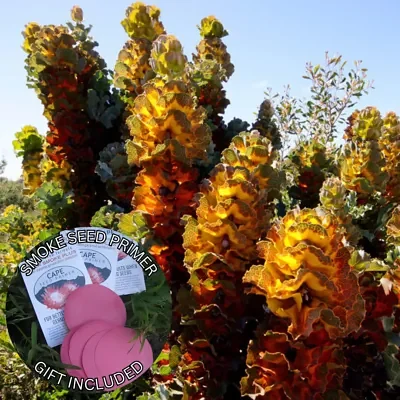
Protea cynaroides seeds and Protea magnifica seeds can benefit from Seed Smoke Primer, which is also available in our shop. Make sure to take a look!
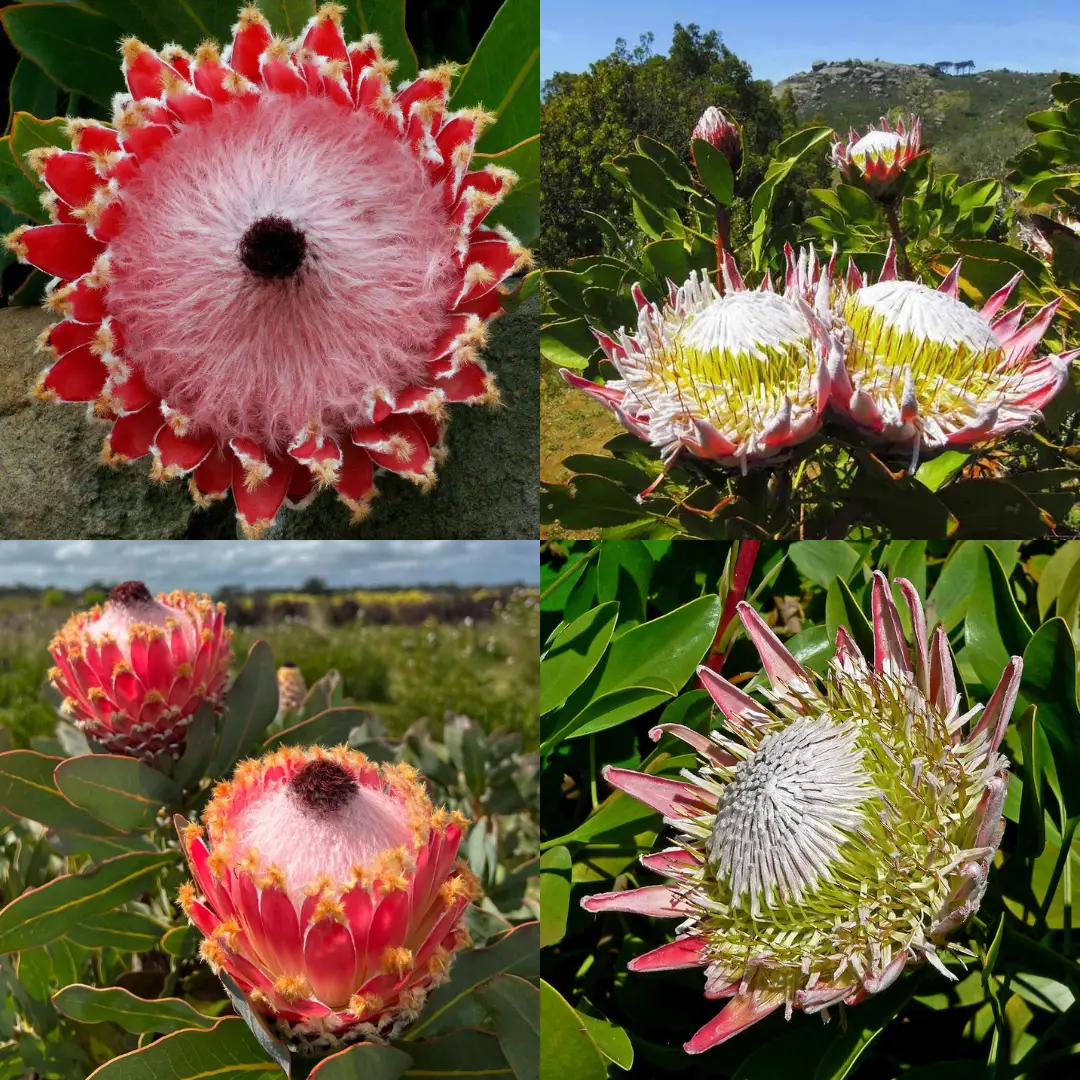
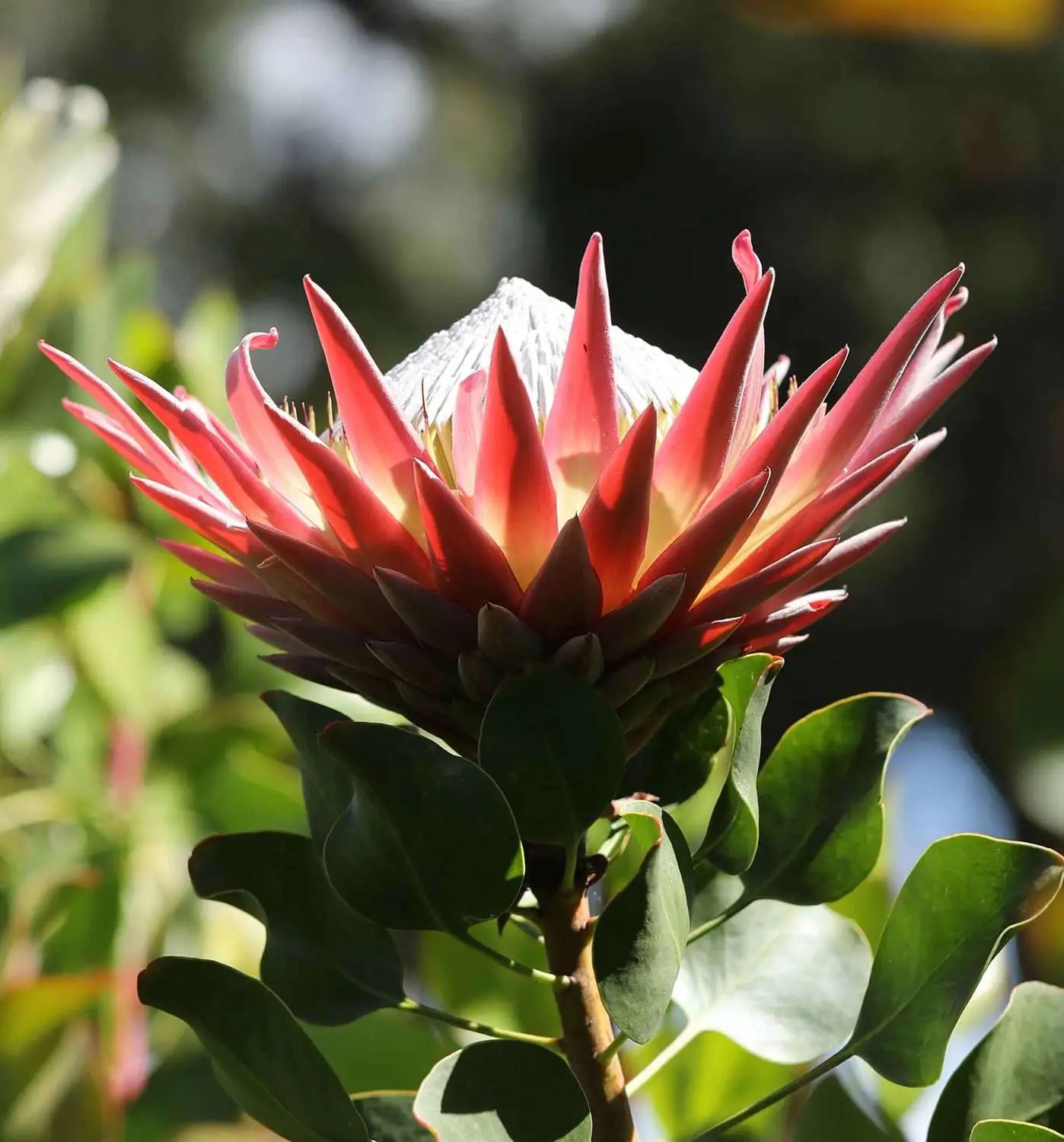
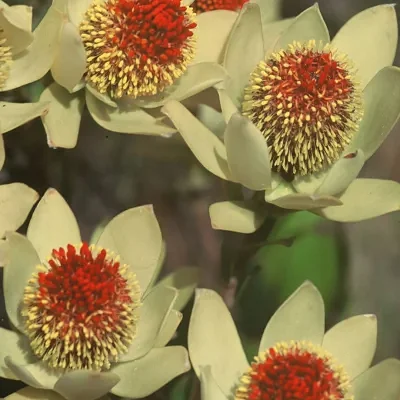
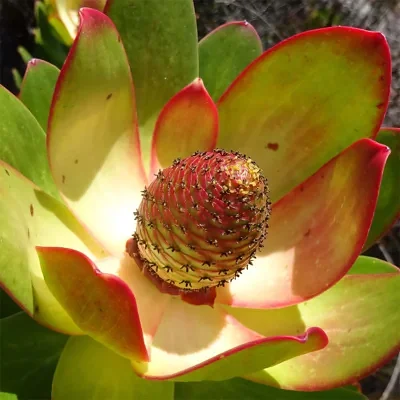
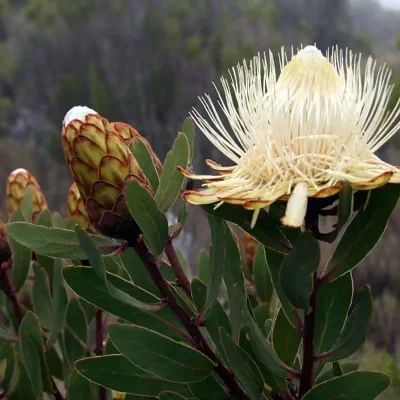
Protea cynaroides and Protea magnifica together represent two of the most spectacular and iconic members of the South African fynbos flora. Both are evergreen, woody shrubs valued for their bold architectural form and exceptionally large, long-lasting flower heads.
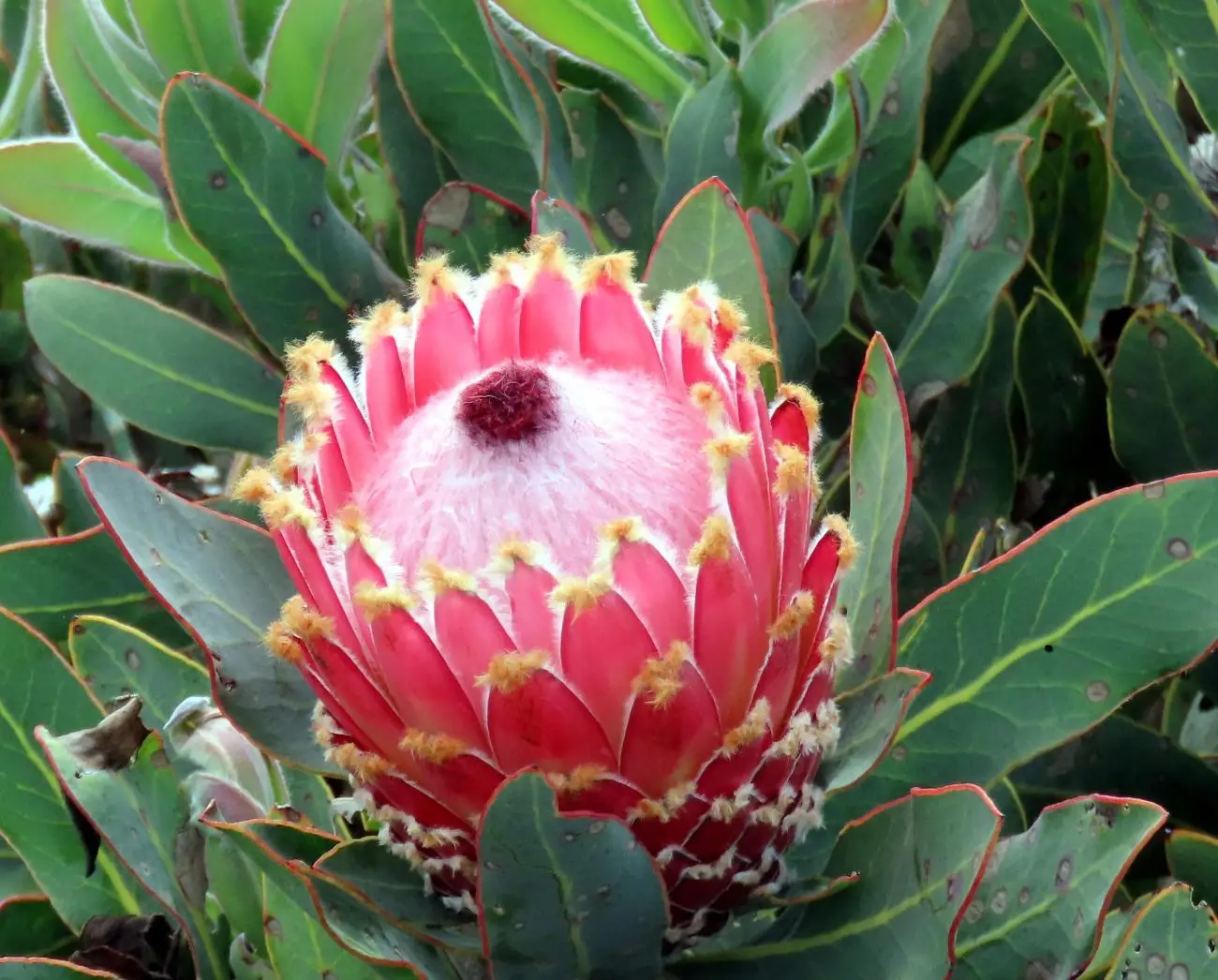
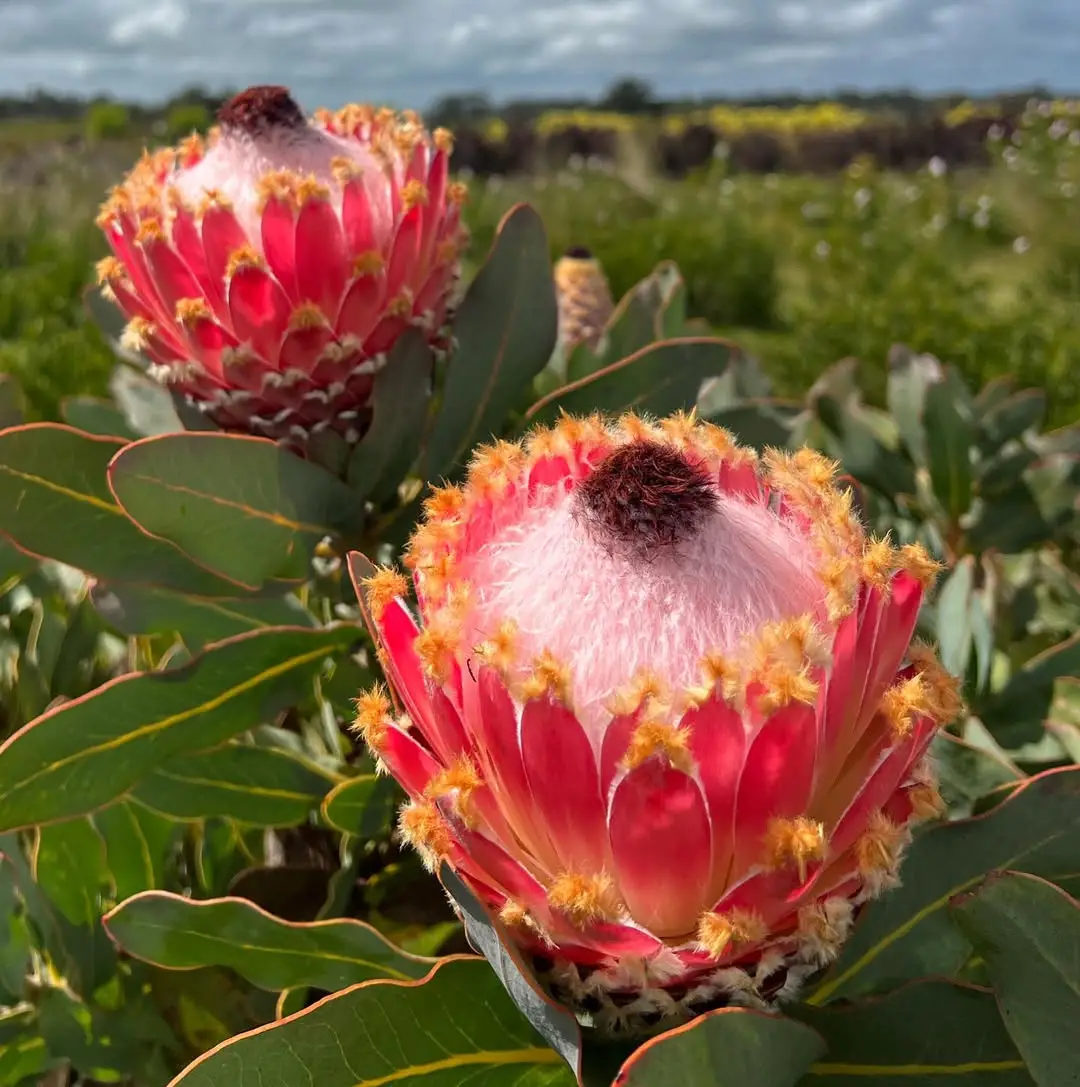
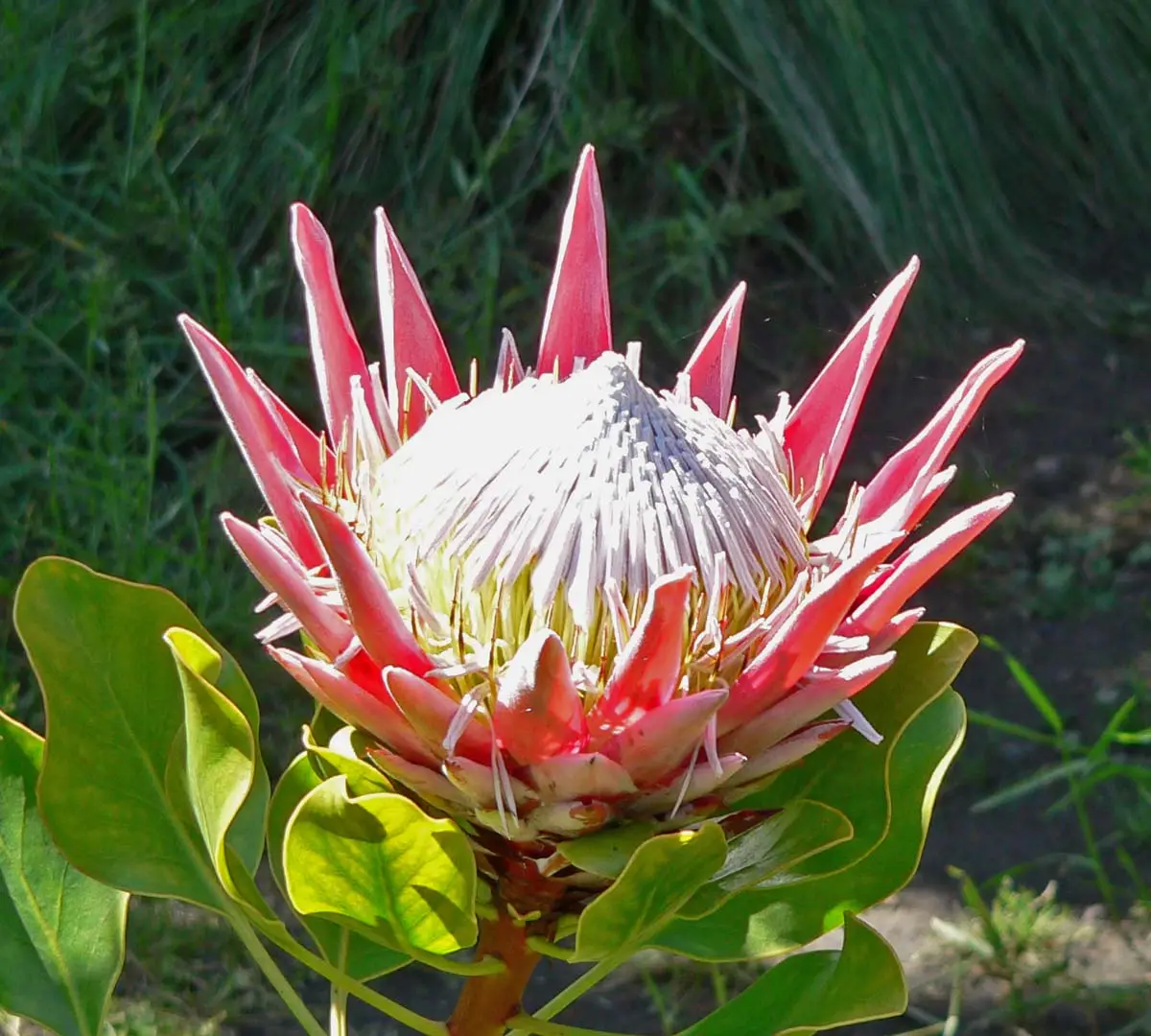
Protea cynaroides, the national flower of South Africa, is renowned for producing some of the largest blooms in the genus, with massive central discs surrounded by thick, petal-like bracts in shades of pink, cream, and silvery white. Protea magnifica, often considered one of the most visually refined proteas, features equally impressive but more symmetrical flowers with silky, silvery-pink bracts and a refined, sculptural appearance.
Both species typically grow 1 to 2 meters tall and wide, forming sturdy shrubs with leathery, oval leaves. They thrive in full sun and require well-drained, acidic, low-phosphorus soils. Adapted to Mediterranean-type climates, they tolerate drought, wind, and poor soils once established but are sensitive to waterlogging and excessive fertilization. Their dramatic blooms attract birds and pollinators and are highly valued for landscaping and the cut-flower trade, making this combination ideal for collectors and native plant gardens seeking maximum visual impact.
Germination Guide
🌍 Cape Floristic Region, South Africa (Western Cape)
Difficult
Protea cynaroides (King Protea) and Protea magnifica (Queen Protea) are iconic South African shrubs native to the Cape Floristic Region's fynbos biome. Both species have evolved to respond to fire-related cues, requiring specialized seed treatments including smoke exposure and temperature fluctuations to break dormancy. These challenging-to-germinate seeds demand careful attention to temperature cycles, substrate composition, and fungal prevention for successful seedling establishment.
Germination
Germination time
Expect germination in
30 – 120 days
Temperature
Min 10°C
Ideal 20°C
Max 25°C
🌡️ Temperature alternation recommended
— Day/night temperature fluctuation of 10-12°C essential for germination; ideal day temperature 20°C, night 10°C; sow in autumn/spring for natural temperature oscillation
Substrate moisture
💧💧 High
Seed Pre-treatment
-
💧
Soaking — 24 hours
Soak in lukewarm water (24 hours) or hot water at 50°C (30 minutes) before planting; or 1% hydrogen peroxide for 24 hours for fungal sanitation
-
🔨
Mechanical scarification
Scarify seed before soaking in hot water treatment for Protea magnifica; mechanical scarification may help break seed coat
-
🔥
Smoke/Fire treatment
Smoke seed primer in water for 24 hours (most effective); dissolve one smoke primer disk in 50ml water. Smoke treatment significantly improves germination rates
-
📋
Additional notes
Combine hot water soak (50°C for 30 minutes) plus smoke primer treatment (24 hours) plus fungicide dip (Thiram or similar) for best results. Alternatively, warm water soak (24 hours) with smoke primer
Substrate & Container
Recommended substrate
Sandy, well-drained mix: coarse sand and peat (1:1) with perlite or vermiculite; pH 5-6 (acidic)
Recommended container
Individual pots or seed trays with transparent cover/lid; ensure good drainage; suspend seedlings off ground on wire mesh
Growing Tips
Check containers every 2-3 days for moisture and ventilation; avoid direct sunlight during germination. Use rainwater or distilled water (avoid chlorinated or alkaline water). Once cotyledons appear, gradually acclimate seedlings to full sun. Maintain constant moisture without waterlogging; allow soil to dry slightly before evening watering. Protect from insects and rodents with shade cloth enclosure (30% shade). Never fertilize with phosphorus-containing products; use low-phosphorus fertilizer only. Transplant carefully with minimal root disturbance to individual pots once true leaves form. Keep seedlings in protected conditions until they have hardened off before moving outdoors.
Only logged in customers who have purchased this product may leave a review.

Reviews
There are no reviews yet.