Description
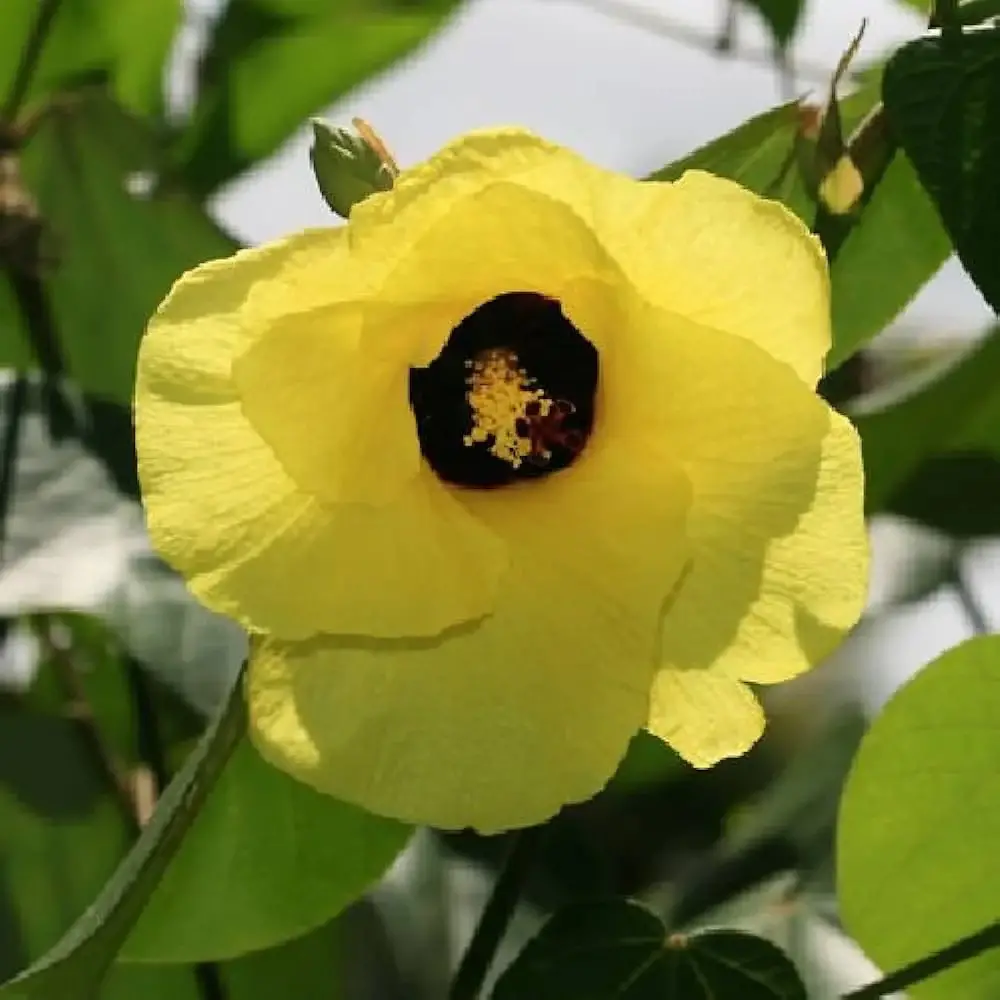
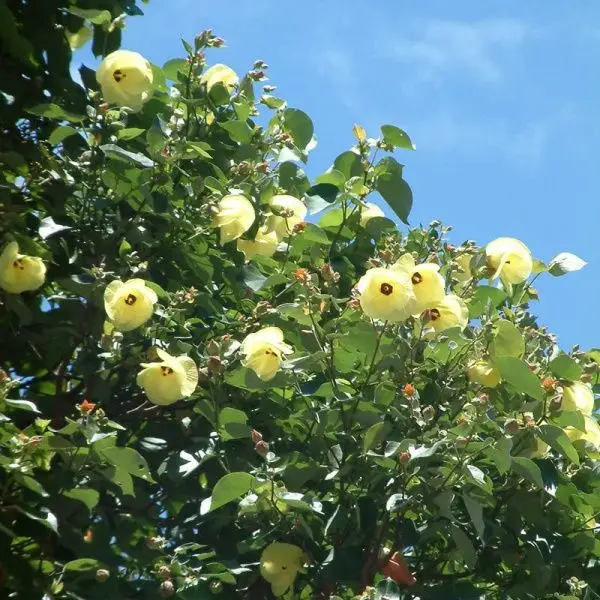
Hibiscus tiliaceus, is a species of flowering tree in the mallow family, Malvaceae, with a pantropical distribution along coastlines. It has also been introduced to Florida and New Zealand. It has been debated whether this species is native or introduced to Hawaii.
Hibiscus tiliaceus reaches a height of 4–10 m (13–33 ft), with a trunk up to 15 cm (5.9 in) in diameter. The flowers of H. tiliaceus are bright yellow with a deep red center upon opening. Over the course of the day, the flowers deepen to orange and finally red before they fall. The branches of the tree often curve over time.
Germination Guide
🌍 Tropical Africa, South Asia, Southeast Asia, East Asia, Australia, Pacific Islands
Moderate
Hibiscus tiliaceus, commonly known as Sea Hibiscus or Beach Hibiscus, is a tropical evergreen shrub or small tree native to coastal regions across tropical Africa, South Asia, Southeast Asia, Australia, and the Pacific Islands. Seeds require pre-treatment including mechanical scarification and warm water imbibition to overcome seed coat dormancy. With proper conditions including warmth, humidity, and well-draining substrate, germination typically occurs within 14-28 days.
Germination
Germination time
Expect germination in
14 – 28 days
Temperature
Min 18°C
Ideal 24°C
Max 29°C
Substrate moisture
💧💧 High
Sowing depth
Lightly covered
Seed Pre-treatment
-
💧
Soaking — 24 hours
Soak seeds in warm or tepid water for 24 hours or overnight. This softens the seed coat and improves germination rates. Change water if possible during soaking.
-
🔨
Mechanical scarification
Mechanical scarification with fine sandpaper or knife nicking is essential to break the hard seed coat and allow moisture penetration. This significantly speeds up germination time.
-
📋
Additional notes
Mechanical scarification combined with warm water imbibition is highly recommended and greatly improves germination success rates.
Substrate & Container
Recommended substrate
Well-draining, porous, light seed-raising mix free of pathogens. Avoid heavy, water-logged soils. Can include peat and vermiculite.
Recommended container
Seed starter tray with transparent dome to control humidity, or plastic pot with clear plastic cover
Growing Tips
Keep substrate consistently moist but not waterlogged to prevent seed rot. Maintain humidity at 60-80% using a transparent cover or dome. Provide temperatures between 20-27°C (68-81°F) for optimal germination, with heat mats helping to stabilize temperature fluctuations. Use fluorescent or LED lights if natural light is insufficient, providing 12-16 hours of light daily once seedlings emerge. After germination, gradually acclimate seedlings to direct light and outdoor conditions before transplanting. Monitor for damping off and ensure good air circulation. Do not discard seeds too early—some may germinate weeks later if conditions improve. Transplant to larger pots once seedlings develop several sets of leaves.
Only logged in customers who have purchased this product may leave a review.



Reviews
There are no reviews yet.