Description
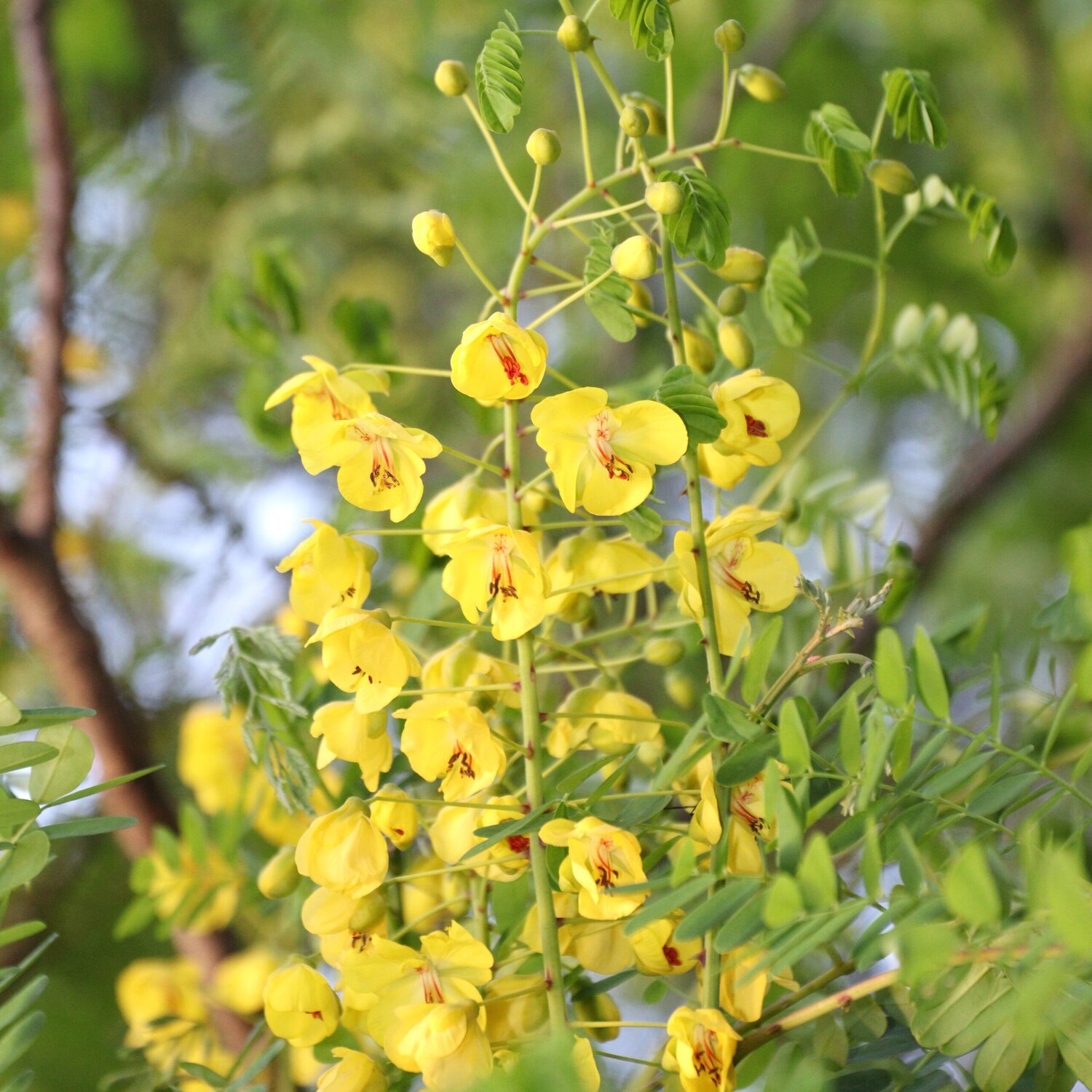
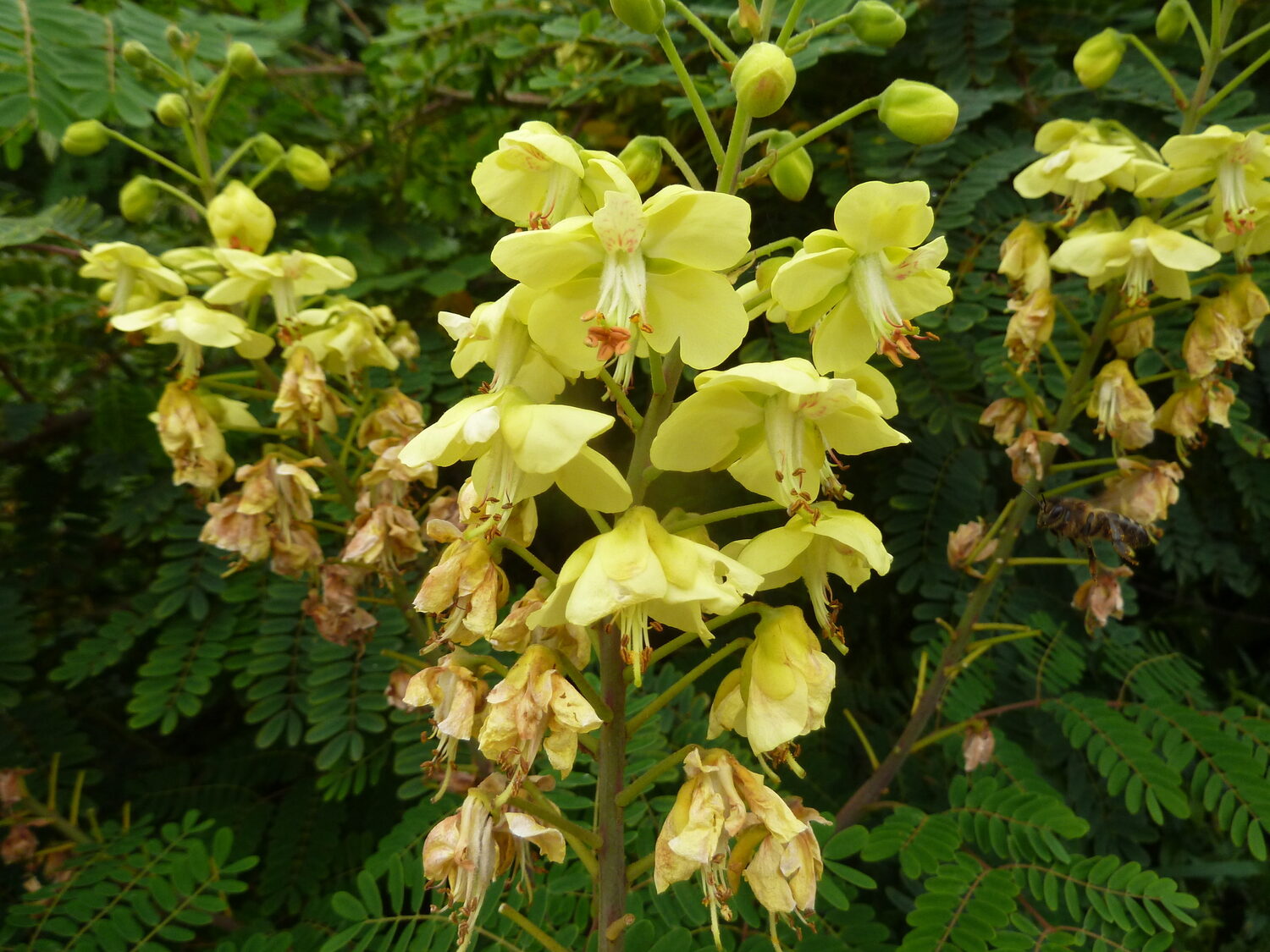
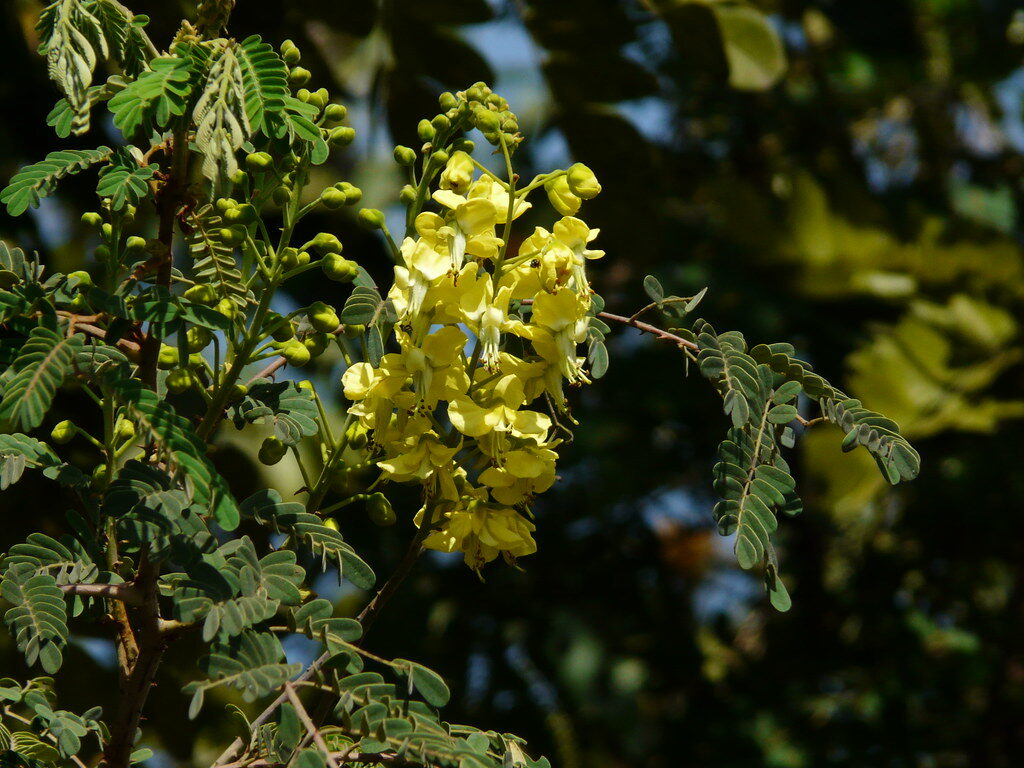
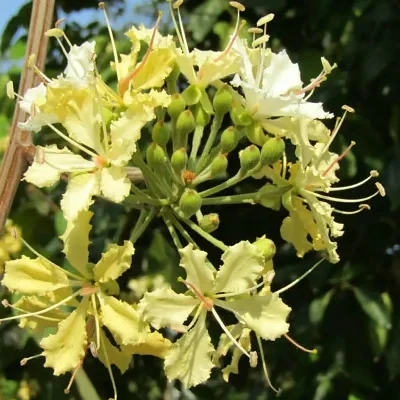
Biancaea decapetala, also known as cat’s claw or Mysore thorn, is a sprawling, thorny shrub or woody vine belonging to the Fabaceae family. Native to tropical and subtropical regions of Asia, it’s recognized by its distinctive, sharp, recurved thorns, which are arranged in pairs along its stems and resemble a cat’s claws. These thorns allow it to climb over other vegetation, forming dense, impenetrable thickets. Its leaves are bipinnately compound, and it produces fragrant, yellow flowers in elongated clusters. The plant’s fruit is a flat, brown pod containing several seeds.
Germination Guide
🌍 India to South Central and South Japan; tropical and subtropical Asia
Moderate
Climbing shrub or liana in Fabaceae family, native to tropical and subtropical Asia; vigorous growing thorny plant with hypogeal germination type
Germination
Germination time
Expect germination in
from 14 days
Temperature
Min 10°C
Ideal 20°C
Max 30°C
Substrate moisture
💧 Medium
Sowing depth
Lightly covered
Seed Pre-treatment
-
💧
Soaking
Seeds soaked in water; water soaking treatment improves germination
-
🔨
Hot water scarification
Seeds should be soaked in water before planting to improve germination
-
📋
Additional notes
Water soaking pre-treatment recommended for improved germination rates
Substrate & Container
Recommended substrate
bem drenado, solo areno-argiloso
Recommended container
potes individuais em viveiro
Growing Tips
Sow in fairly sunny position in nursery seedbed; prick out seedlings when large enough to handle into individual pots; grow in greenhouse at least first winter before planting in permanent positions after last frost
Only logged in customers who have purchased this product may leave a review.

Reviews
There are no reviews yet.