Description
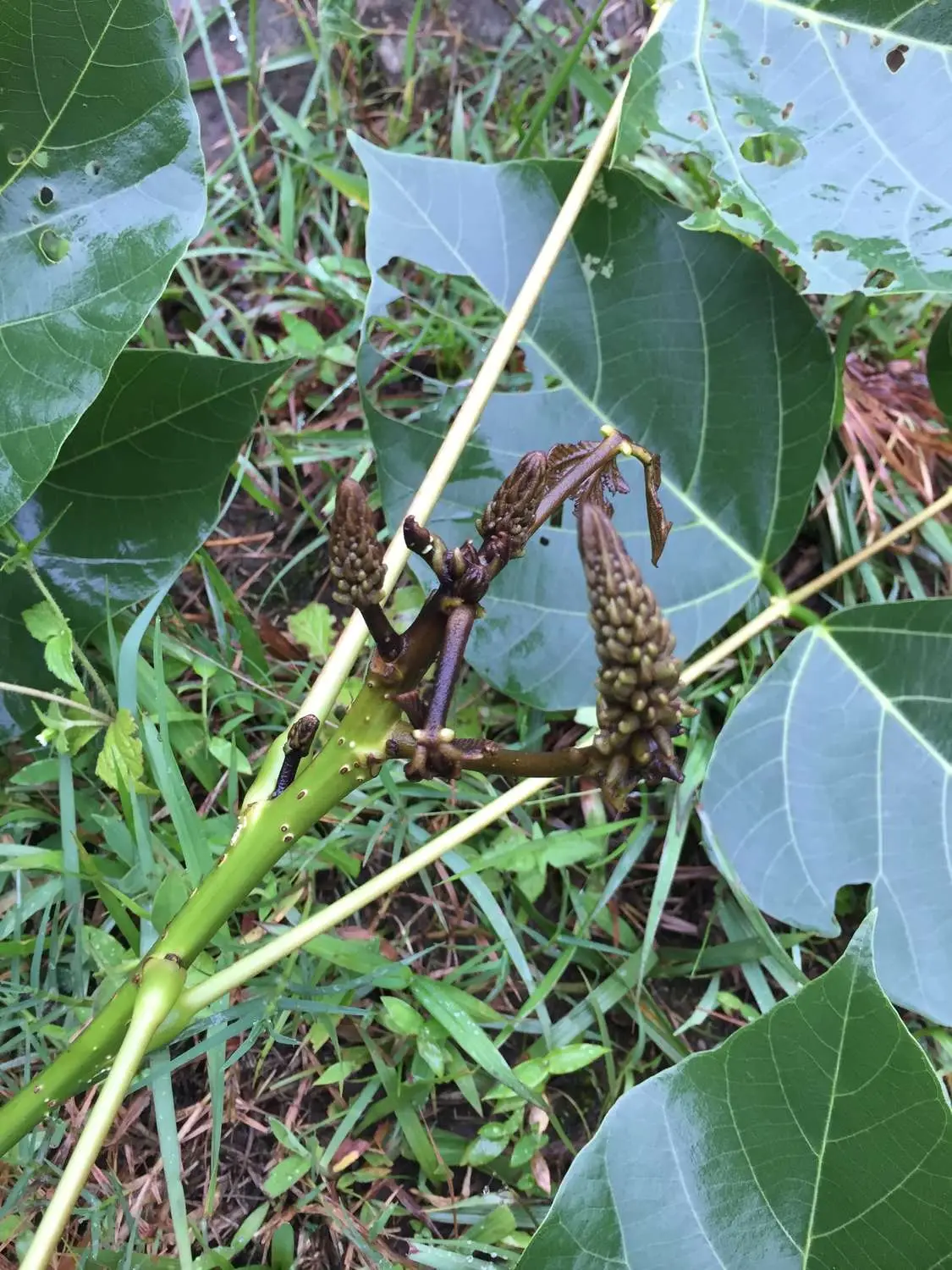
Erythrina is a genus of flowering plants in the pea family, Fabaceae. It contains about 130 species, which are distributed in tropical and subtropical regions worldwide. They are trees, with the larger species growing up to 30 m (98 ft) in height. The generic name is derived from the Greek word erythros, meaning “red”, referring to the flower color of certain species.
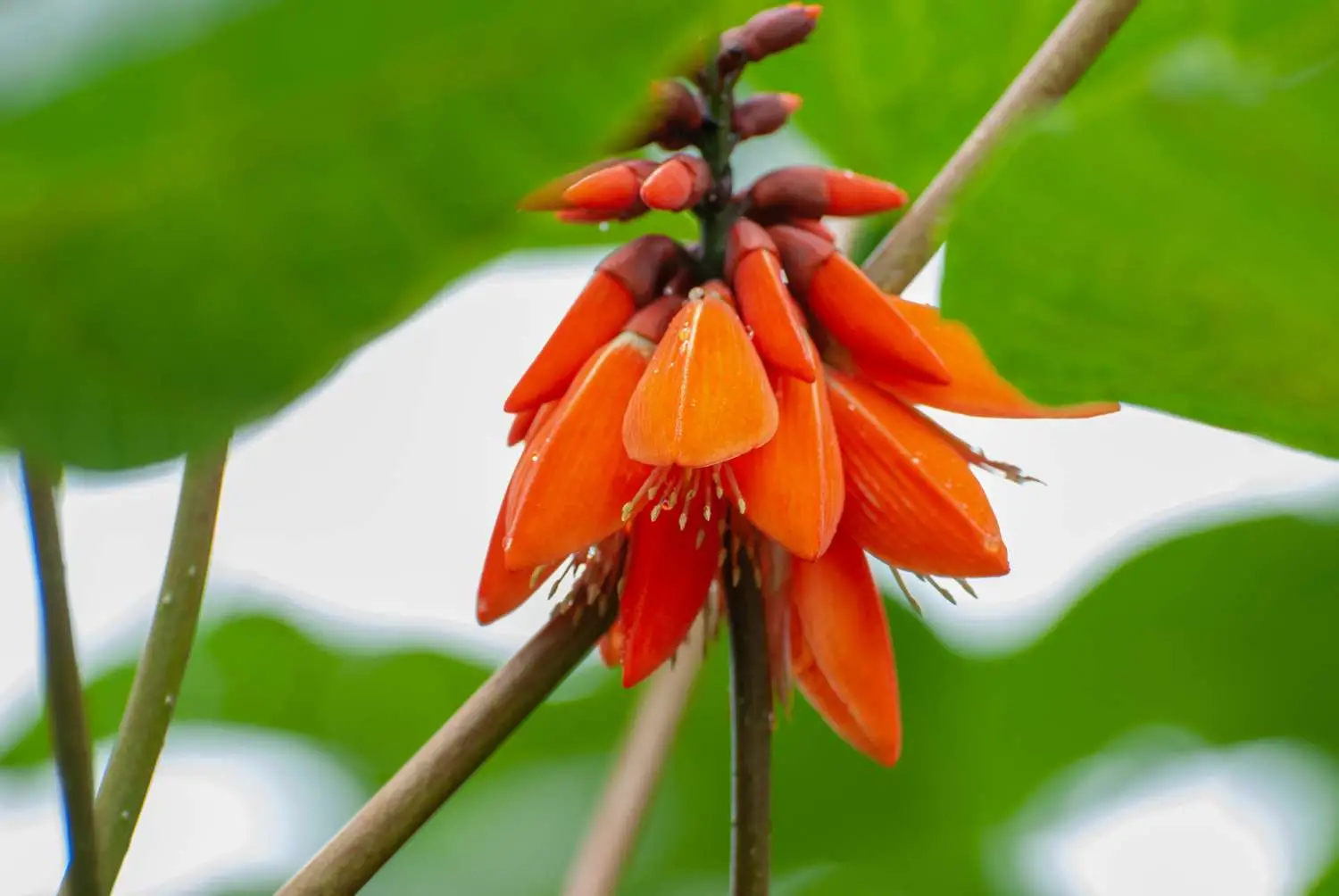
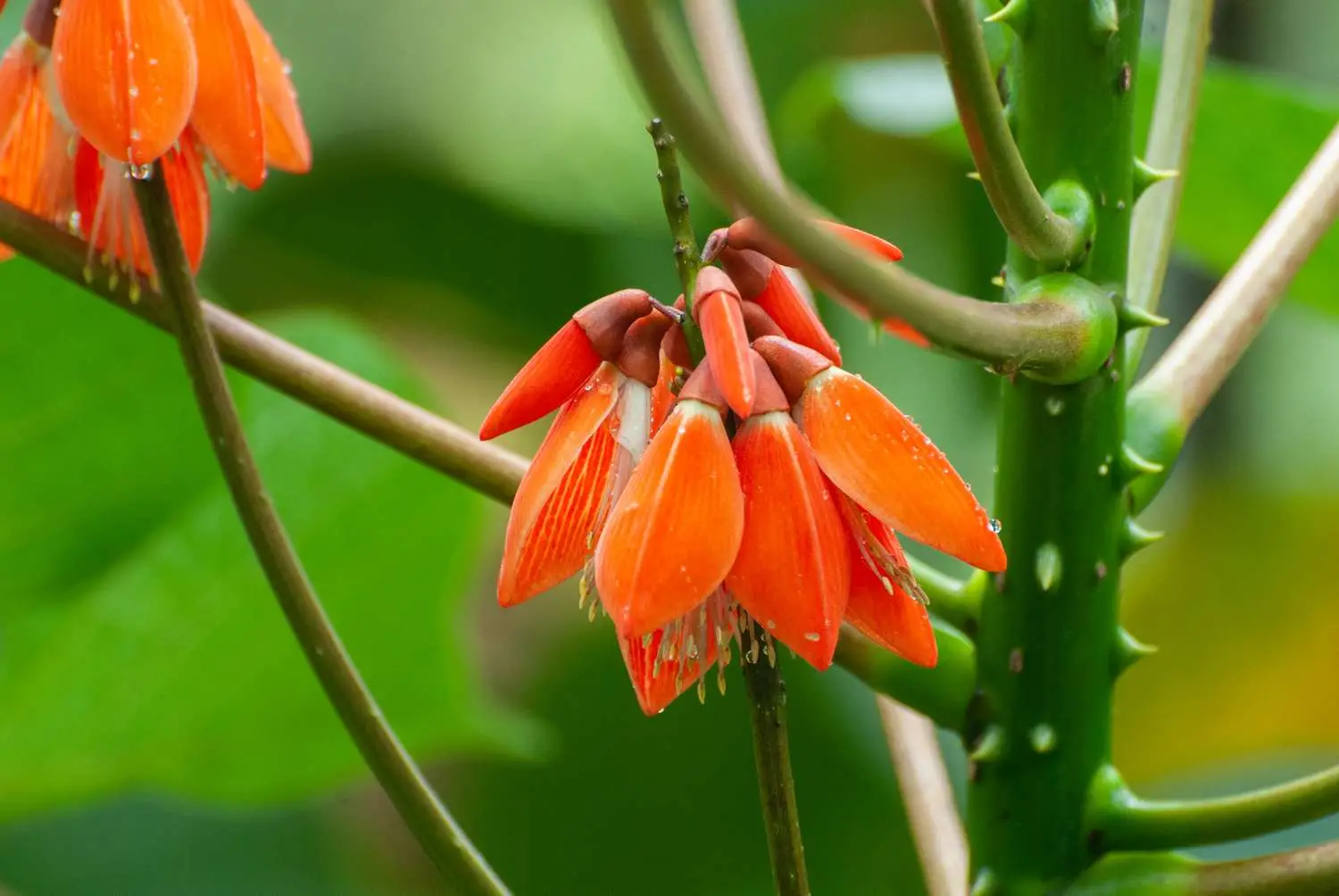
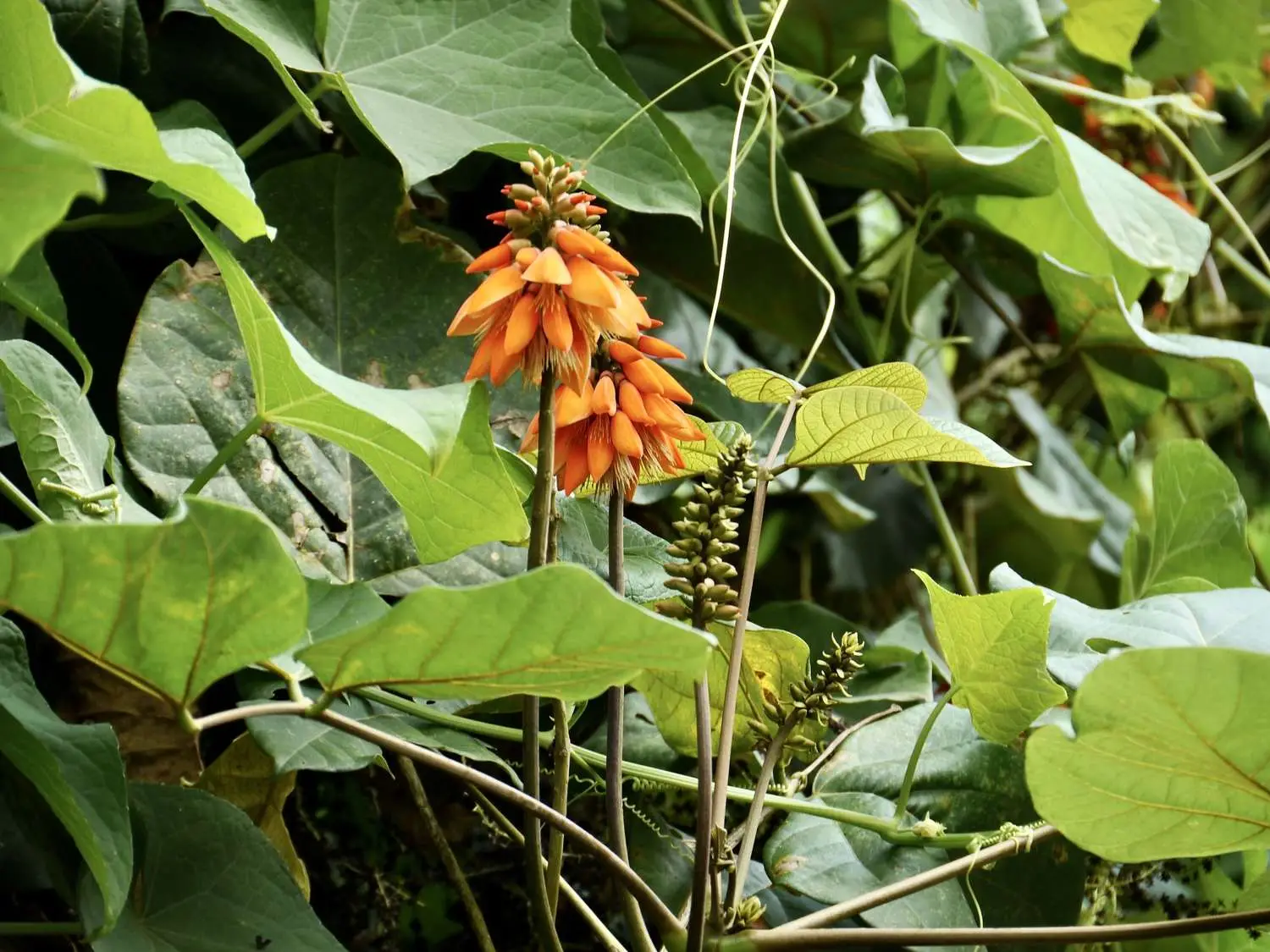
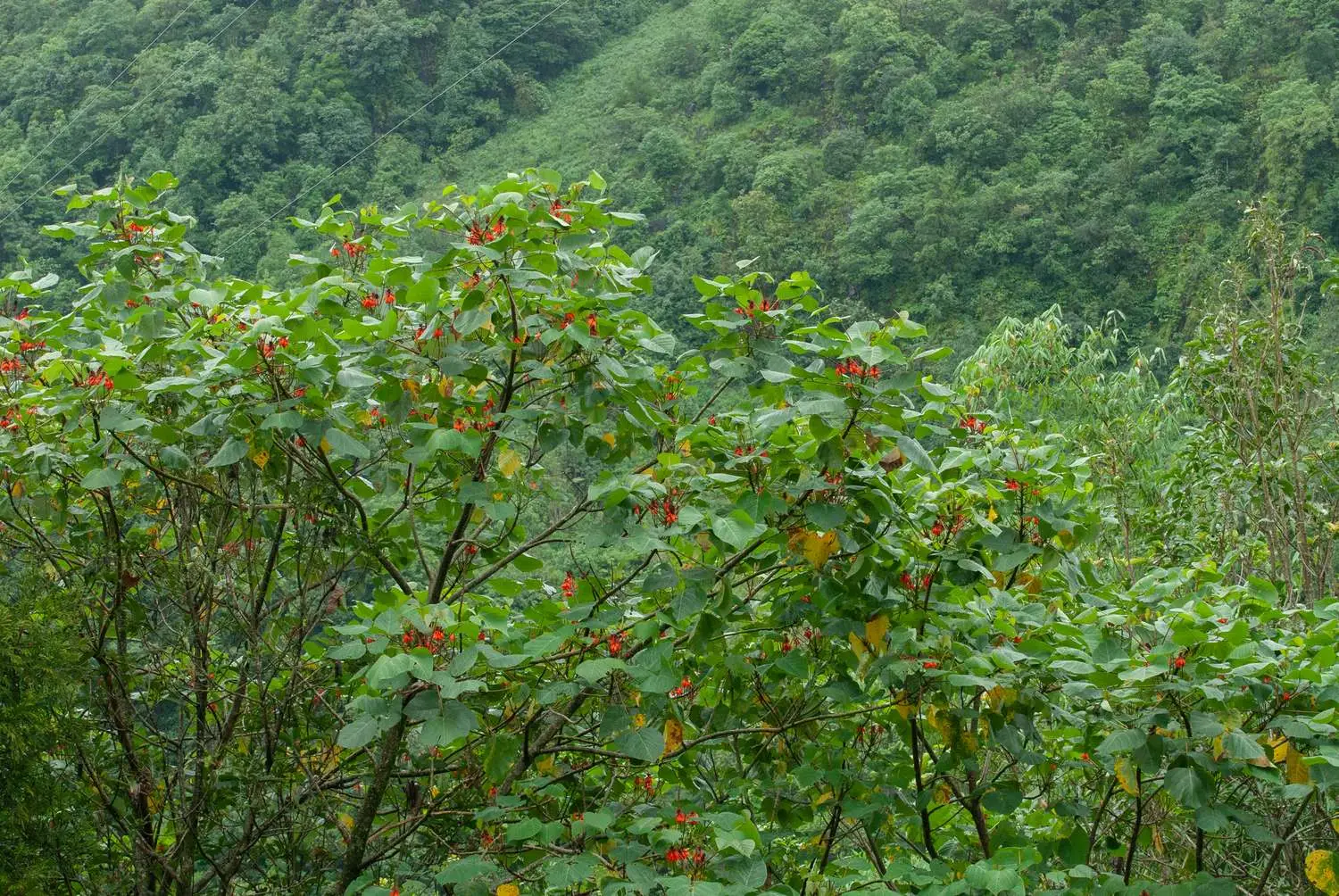
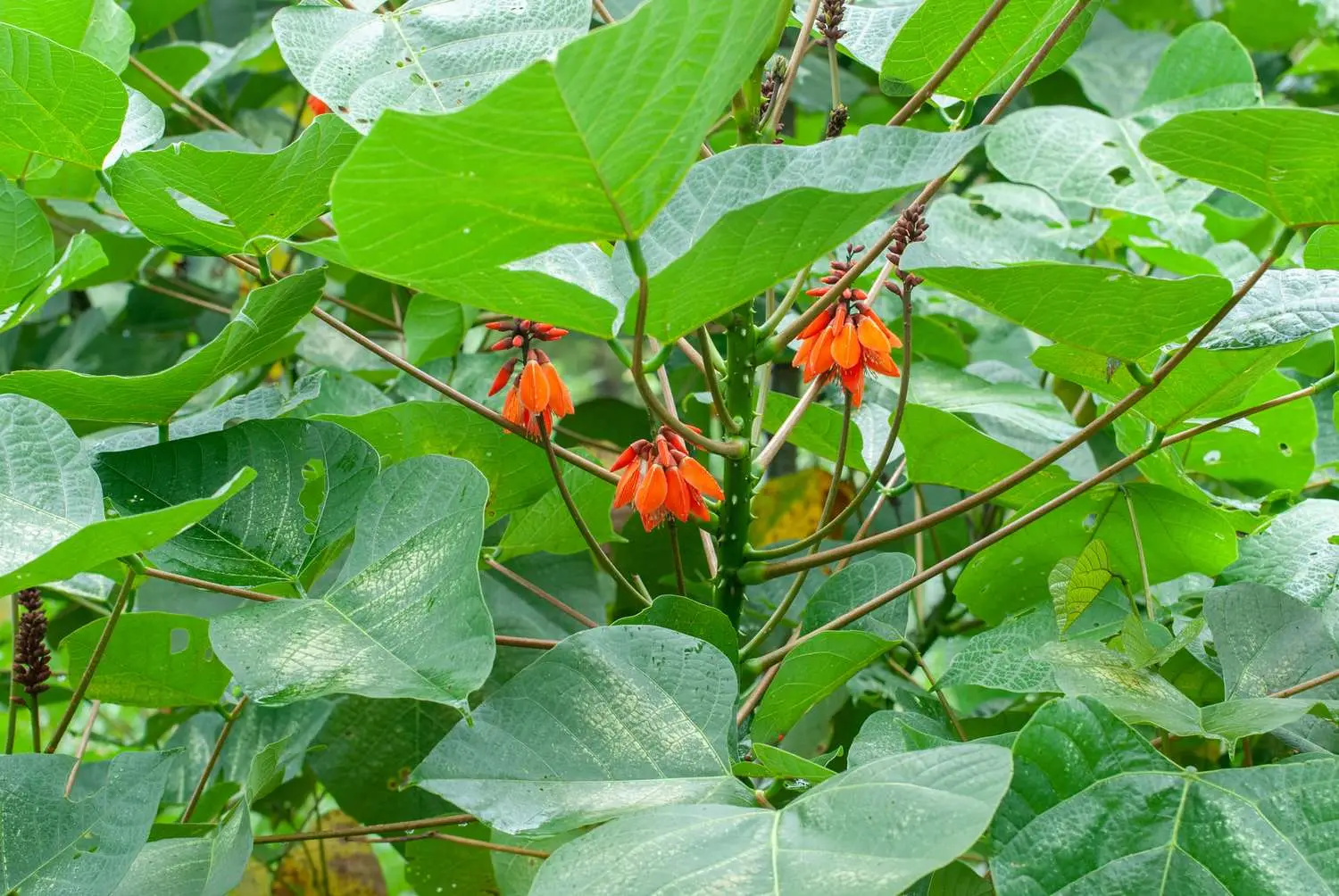
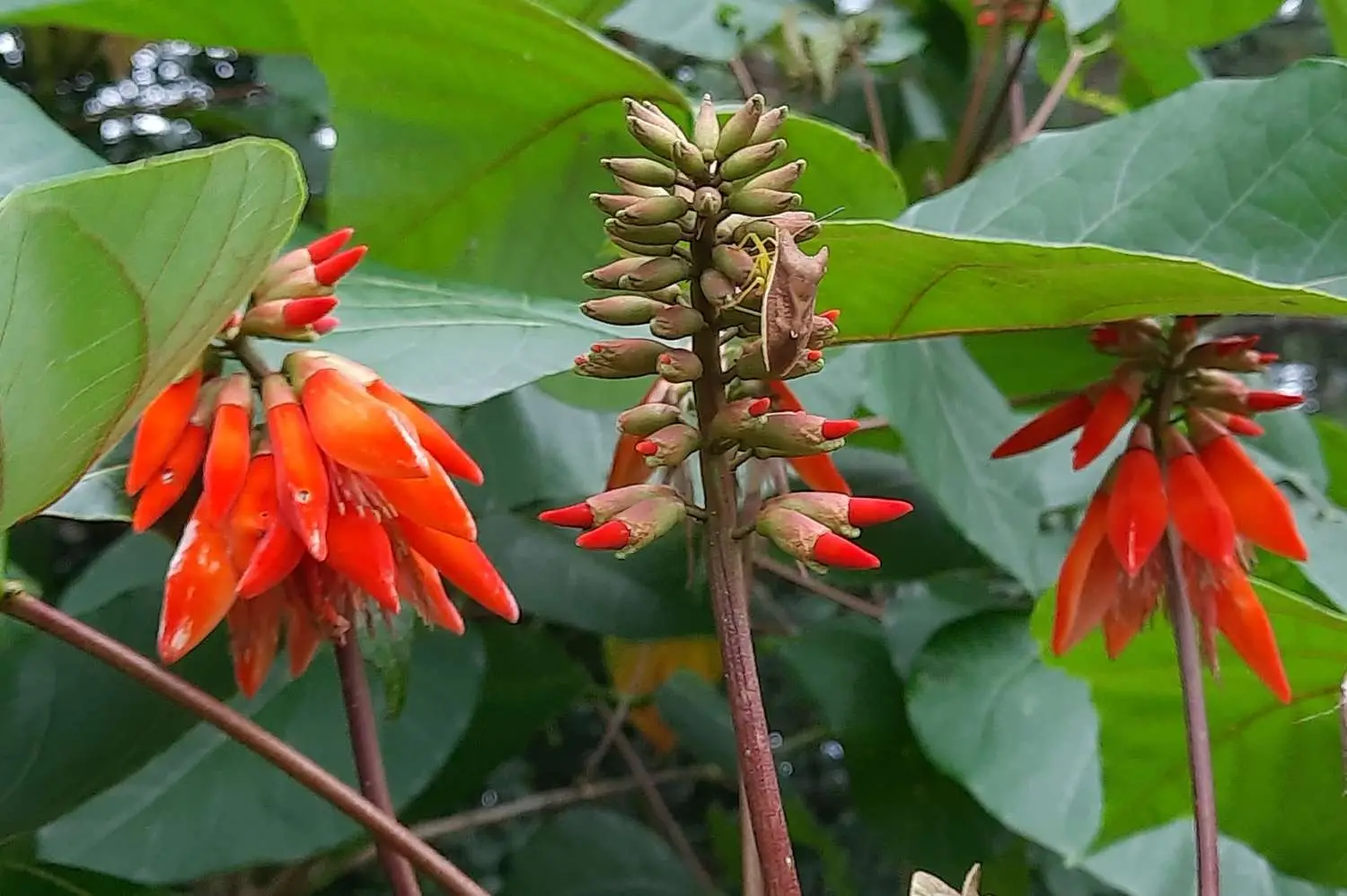
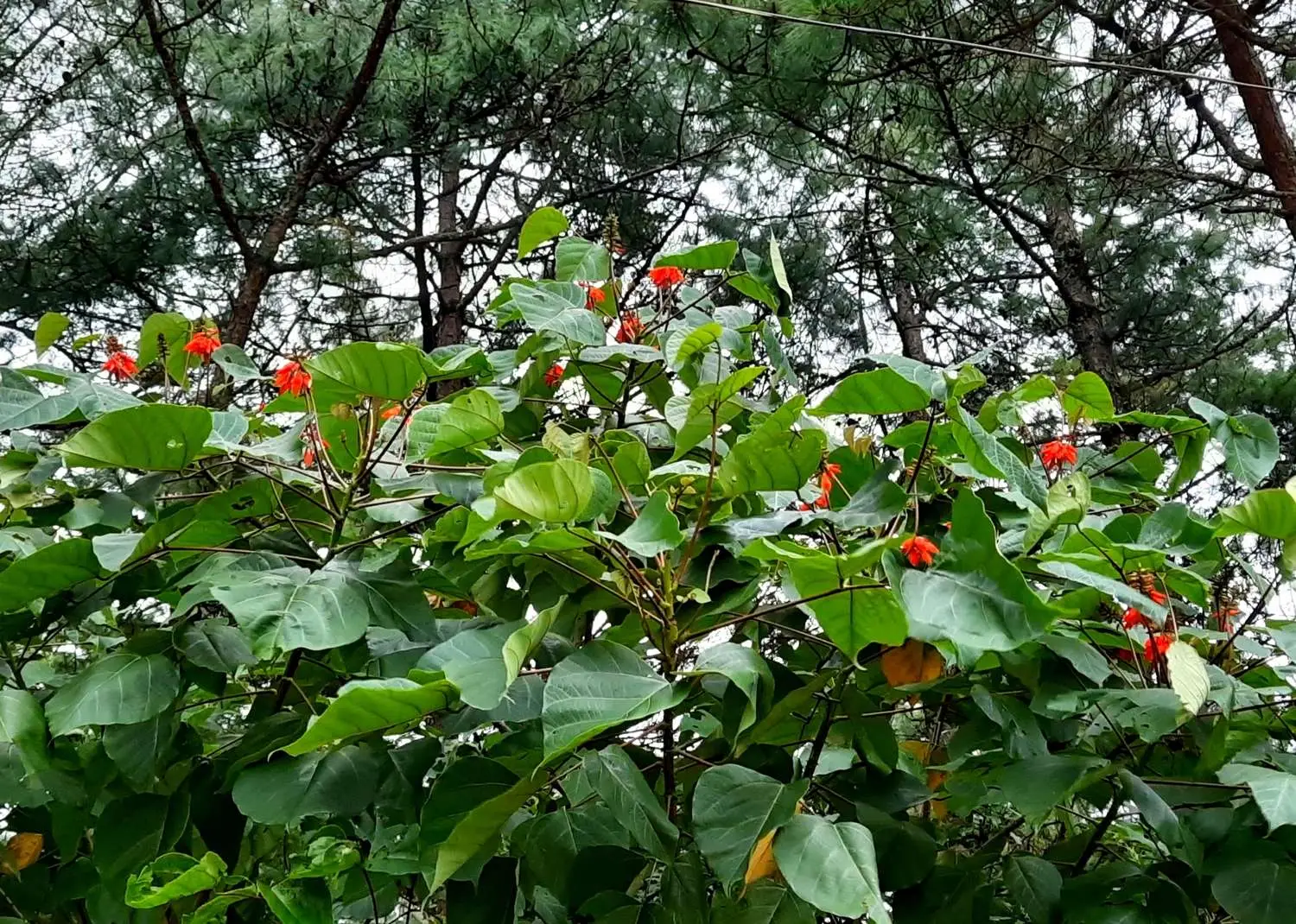
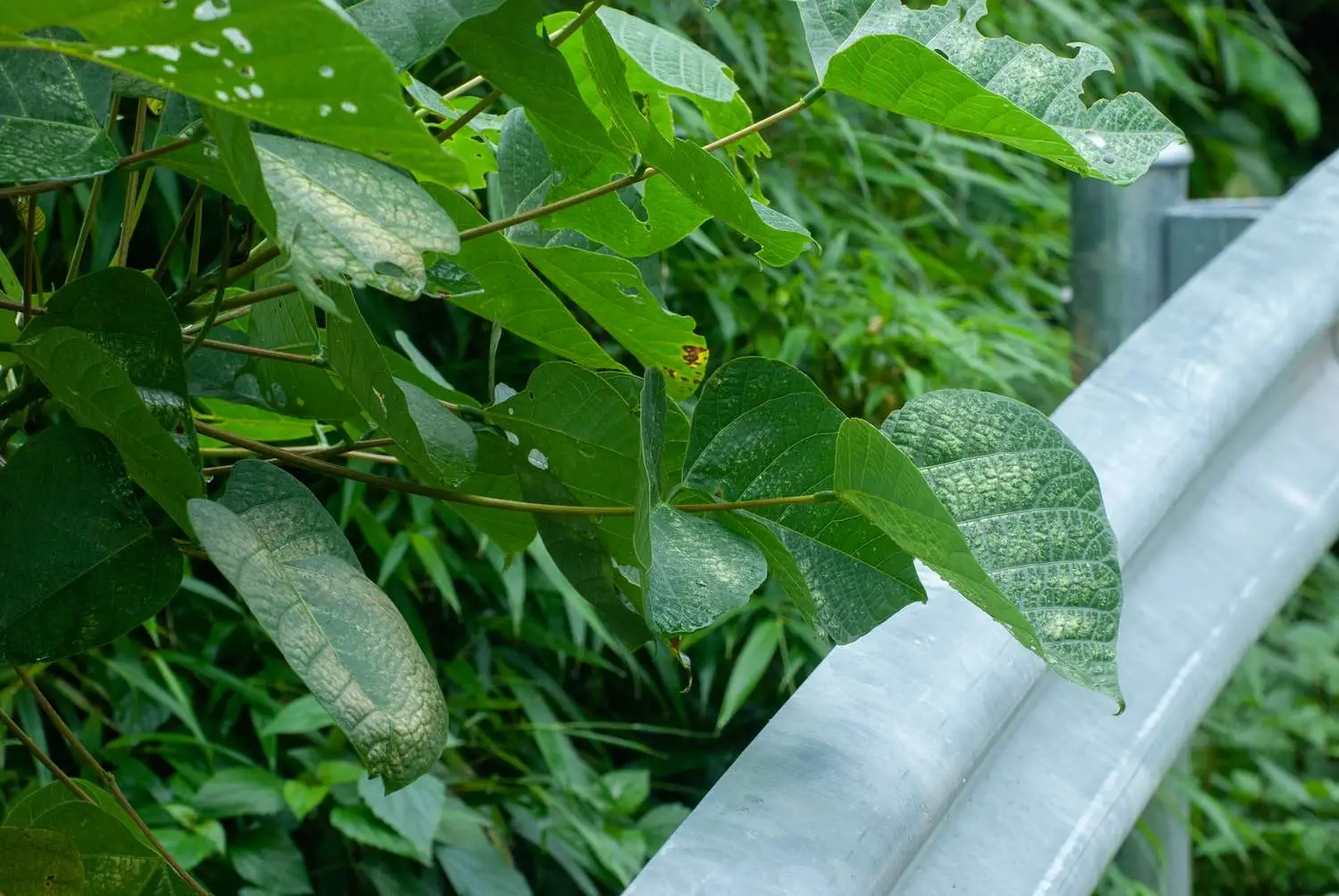
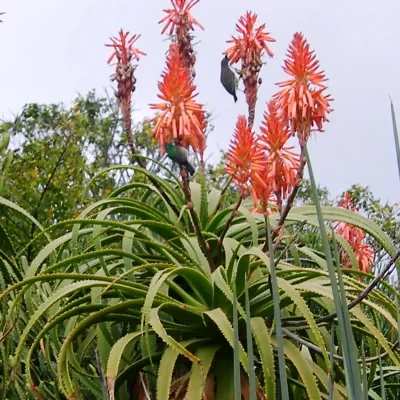
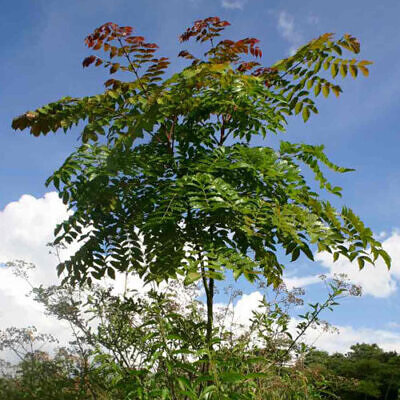
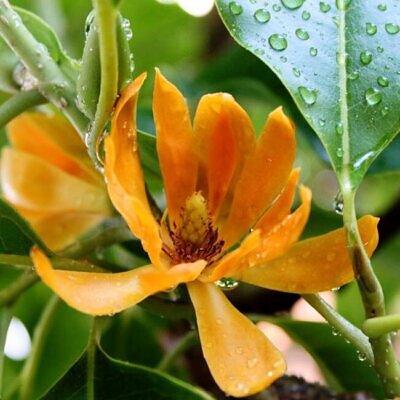
A small, spiny, dry deciduous tree with large, tripartite leaves and upright inflorescences with very attractive, orange to red flowers. It is native from the Himalayas between 1500 and 3000m to southern China and best suited to warm temperate climates.
Germination Guide
🌍 Indian Subcontinent to South Central China and Thailand, Hainan, found at elevations up to 3,000 metres in the Himalayas of Nepal
Easy
Erythrina arborescens, commonly known as Himalayan Coral Tree or Eastern Coral Bean, is a small spiny deciduous tree native to the Himalayas and southern China that produces stunning orange-red flowers. Seeds have a hard coat that requires scarification or hot water treatment to improve germination rates. Fresh seeds typically germinate within 4-6 weeks at warm temperatures (20-25°C).
Germination
Germination time
Expect germination in
10 – 42 days
Temperature
Min 20°C
Ideal 22°C
Max 25°C
Substrate moisture
💧 Medium
Seed Pre-treatment
-
💧
Soaking — 24 hours
Soak seeds in warm water for 24 hours with daily water changes. Most seeds will swell and should be sown immediately. Alternatively, pour nearly boiling water over seeds and let them soak as the water cools for 12-24 hours.
-
🔨
Mechanical scarification
Mechanical scarification with sandpaper or a gentle nick to the seed coat, or hot water treatment (nearly boiling water poured over seeds, then soaking 12-24 hours). Floating seeds should be scarified before re-soaking.
-
📋
Additional notes
Hot water treatment or mechanical scarification followed by warm water soaking for 24 hours. For floating seeds after soaking, gently scarify and re-soak before sowing.
Substrate & Container
Recommended substrate
Well-drained sandy seed sowing mix or peaty seed compost
Recommended container
Seed trays or individual pots with drainage holes
Growing Tips
Use a float test to check seed viability before treatment. Keep the substrate consistently moist but not waterlogged to prevent damping off. Provide bright light after seedlings emerge. Thin seedlings to prevent overcrowding. Once seedlings reach 10-15 cm height, gradually acclimate to outdoor conditions if growing outdoors. These legumes fix atmospheric nitrogen and prefer sunny locations with well-drained soil.
Only logged in customers who have purchased this product may leave a review.

Reviews
There are no reviews yet.