
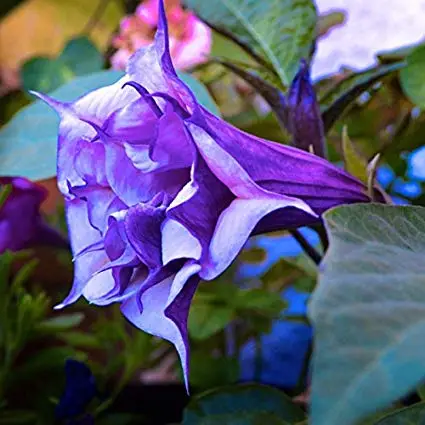
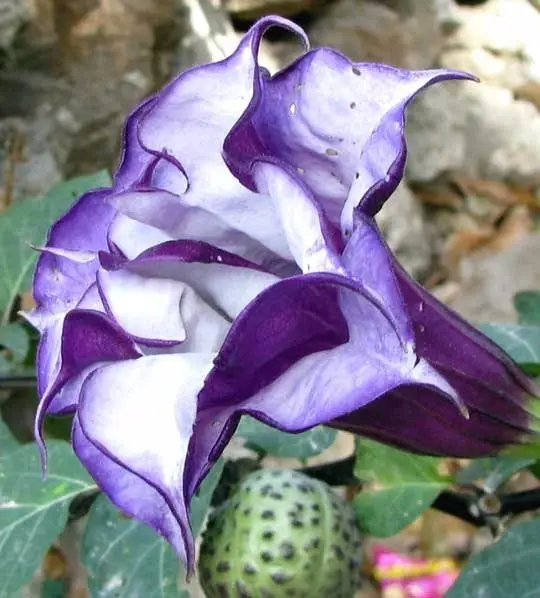

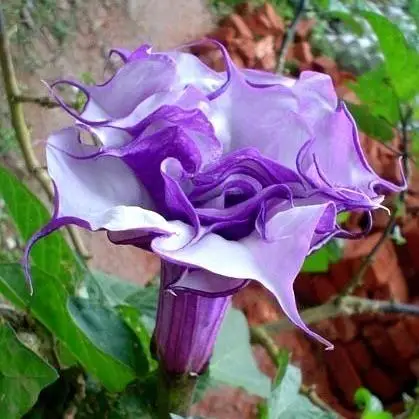
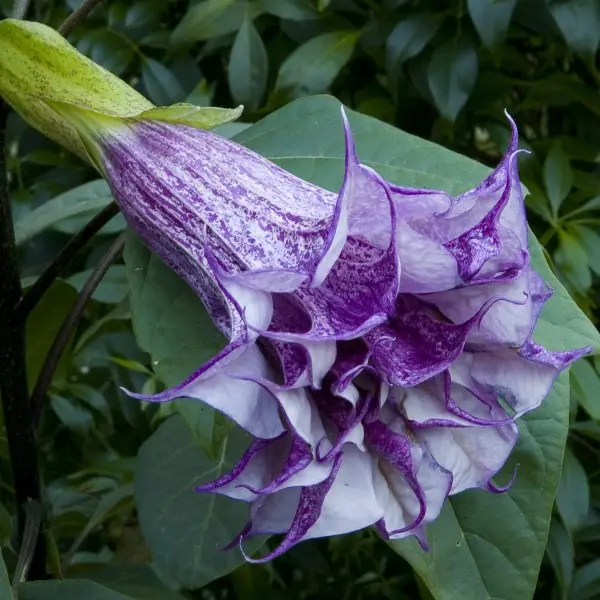
Furled petals of lilac striped deep purple spiral open at dusk, releasing an intoxicating lily-like fragrance that fills the night air. These exotic upright trumpets—sometimes double or triple—appear throughout summer’s heat on a fast-growing plant that thrives where others wilt. Easily grown from seed and blooming reliably in warm climates, this is the ultimate patio showstopper that makes strangers stop and stare.
€4.52
The moment dusk falls, your garden transforms: tightly pleated buds burst open to reveal ruffled petals of lilac and deep purple, releasing a fragrance so powerful and sweet it stops you mid-stride. This is Datura metel ‘Purple’—a plant that defies the ordinary and turns every evening into theater.
Native to the warmth of India and Southeast Asia, this sacred plant arrived in China via Silk Road traders centuries ago, where it became woven into the very fabric of spirituality and medicine. Known as the sacred flower of Shiva in Hindu tradition, Datura metel has been documented in Sanskrit literature and ancient Buddhist tantric texts for over two millennia. Its flowers appear in Hindu Tantric art connected to the divine power of transformation—a plant that embodies both danger and transcendence, poison and healing. Today, serious gardeners and flower lovers seek it precisely because it delivers something most plants cannot: genuine emotional impact, night magic, and botanical theater.
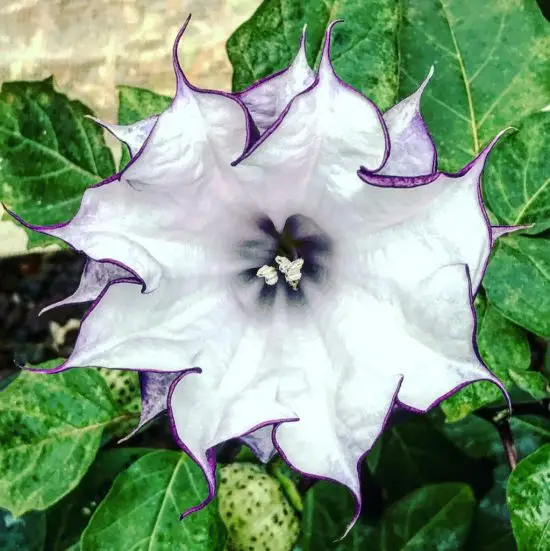
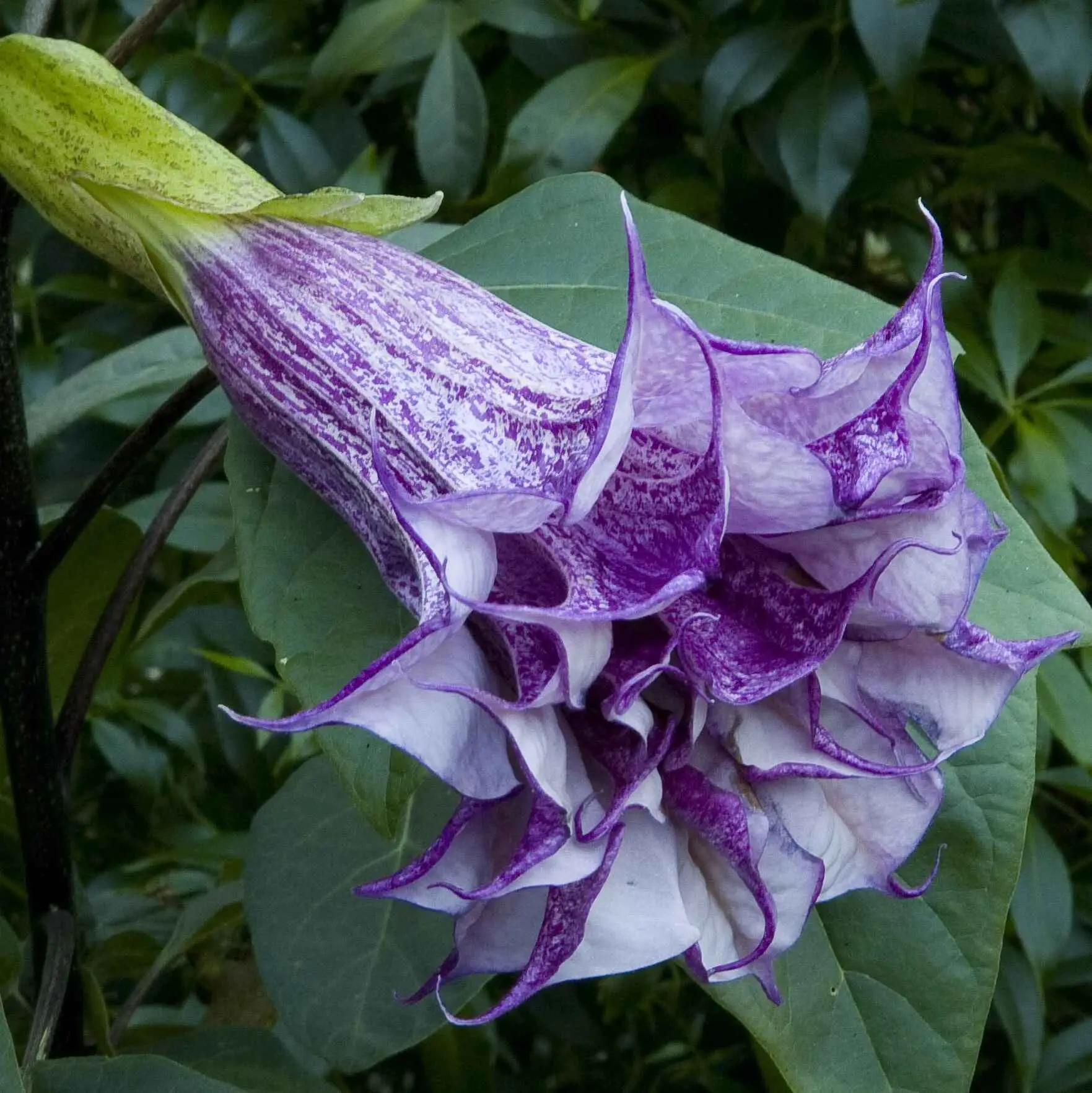
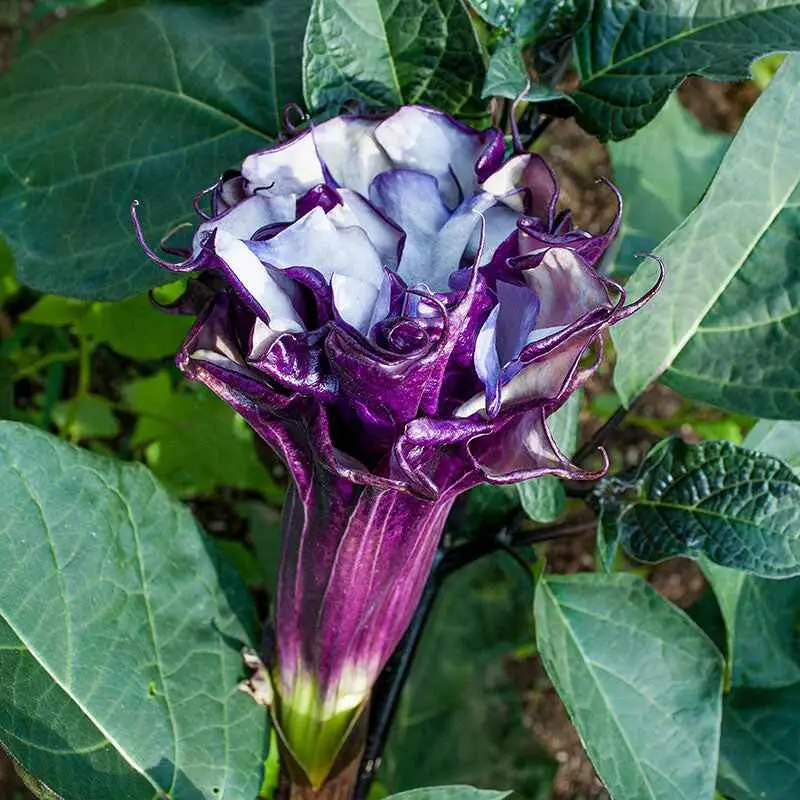
What makes the Purple cultivar truly special is its flowers. Unlike the single-flowered forms of its wild ancestors, ‘Purple’ reliably produces double or triple corollas—each corolla displaying a deep purple exterior with silvery white, furled inner petals that twist open like the most intricate tutu. These aren’t quiet flowers. They’re commanding, upward-facing trumpets reaching 7 inches or more, and when darkness falls, they release a lily-like fragrance so intoxicating it becomes almost narcotic. By day, bumblebees pry open the buds to rob pollen. By night, moths circle in reverence. The blooms appear continuously from spring through fall in warm climates, and the foliage itself—large, dark green, somewhat coarse-textured—provides bold architectural interest that complements fine-leaved plants beautifully. The stems, often purple-black, add another layer of visual drama.
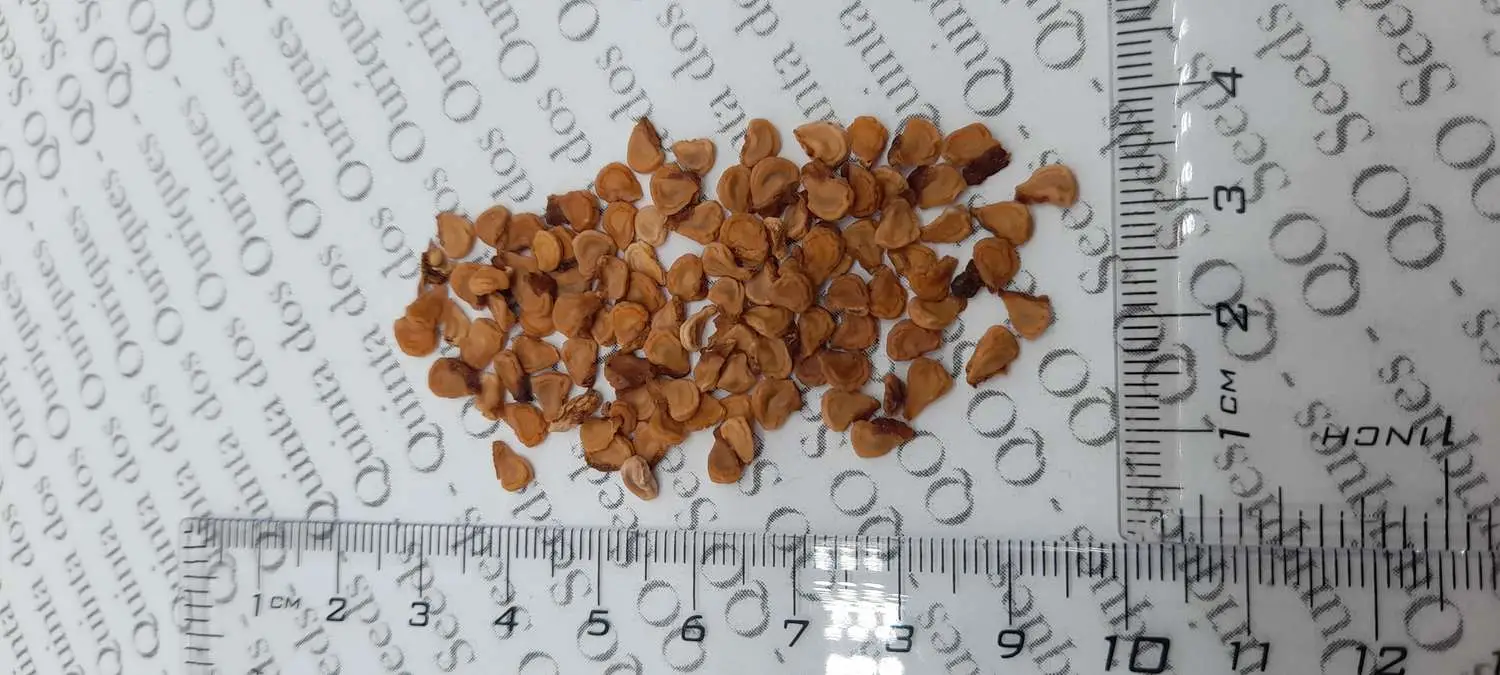
Here’s what makes growing it from seed so rewarding: Datura metel ‘Purple’ is genuinely easy. It’s a fast-growing annual or tender perennial that loves heat—the hotter, the better. Sow indoors 2 months before your last frost, keeping soil at 75-80°F with a humidity dome until germination. Alternatively, direct sow 2 weeks after your last frost in warm zones. Once established, it’s remarkably forgiving. Grow it in full sun in average to humus-rich, well-drained soil; it actually thrives in summer heat and becomes somewhat drought-tolerant once established. Water regularly—about an inch per week—to promote maximum blooming, and add phosphorus-rich fertilizer monthly to keep the flowers coming. In containers (which it absolutely thrives in), you can move it to a warm, protected spot to enhance growth and fragrance. Plants reach 3-4 feet tall and wide, creating an impressive mounded specimen that commands attention. Pinch off spent flowers to encourage continuous blooming rather than seed development, and you’ll have a plant that produces multiple blooms at once—the kind of specimen that makes strangers stop on the sidewalk.
This is a plant for gardeners who understand that true beauty sometimes wears danger as its crown. Every seed you sow is a small act of defiance against ordinary gardens. Grow Datura metel ‘Purple’ from seed and watch your garden—and your evenings—transform into something unforgettable.
Only logged in customers who have purchased this product may leave a review.


Reviews
There are no reviews yet.