Description
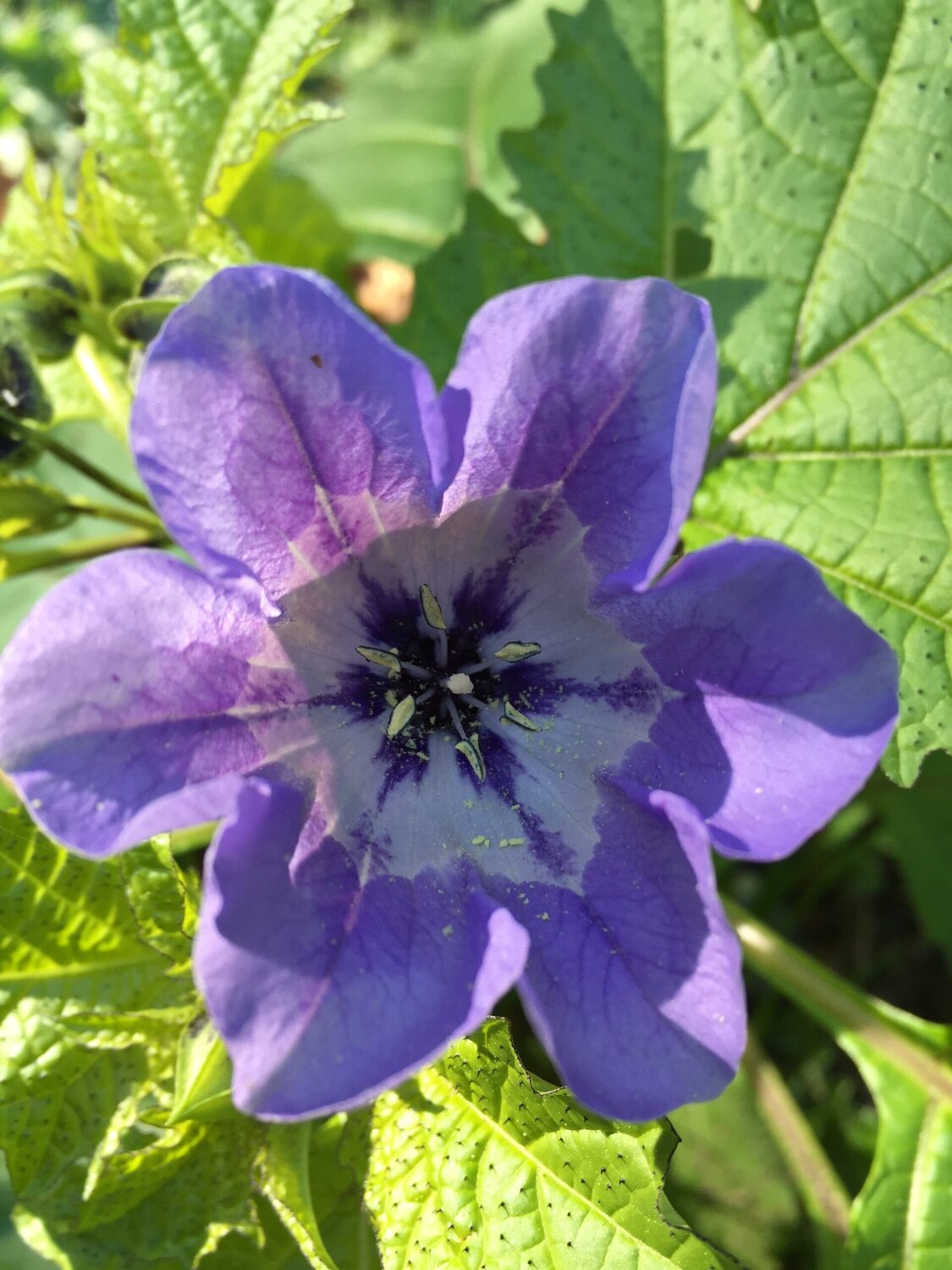
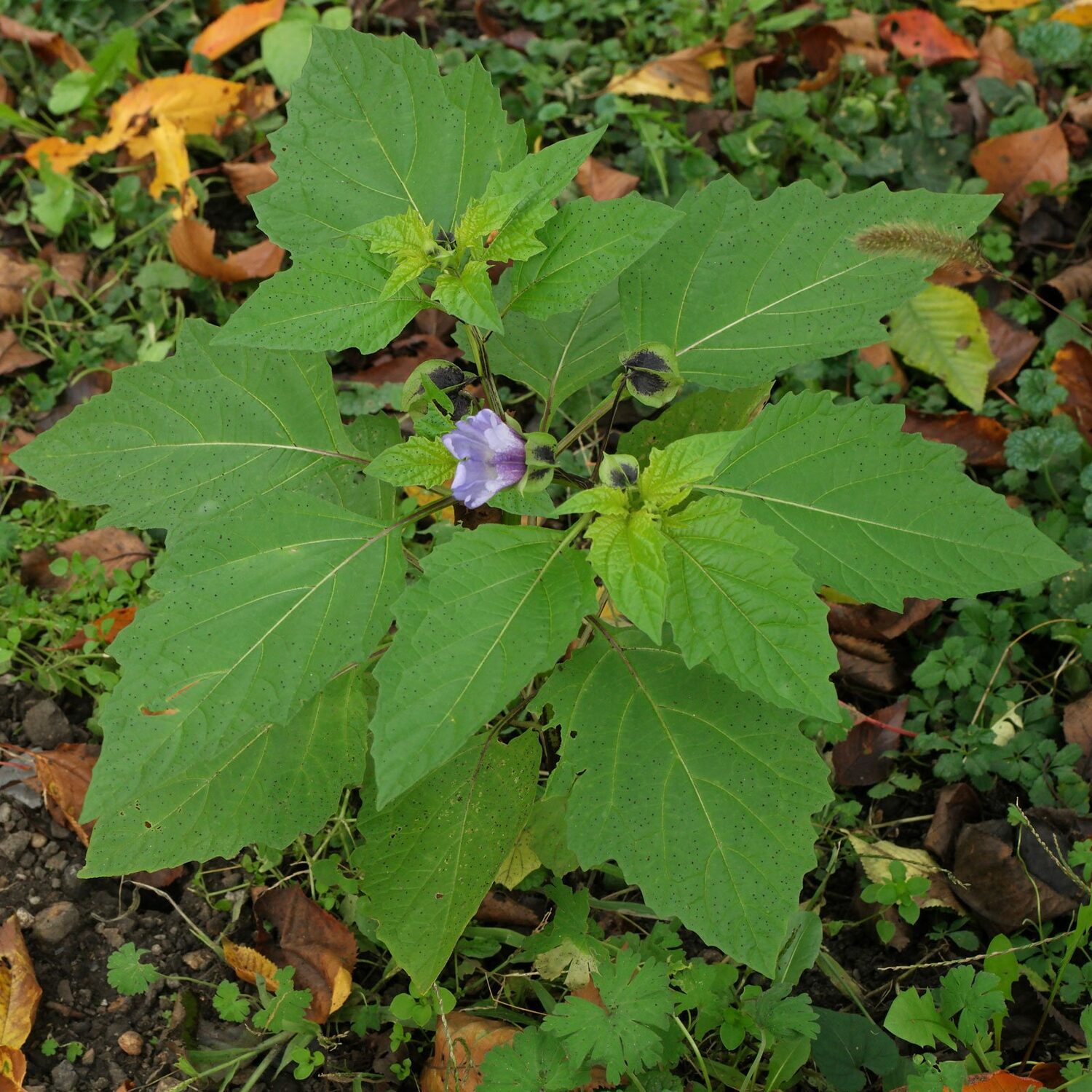
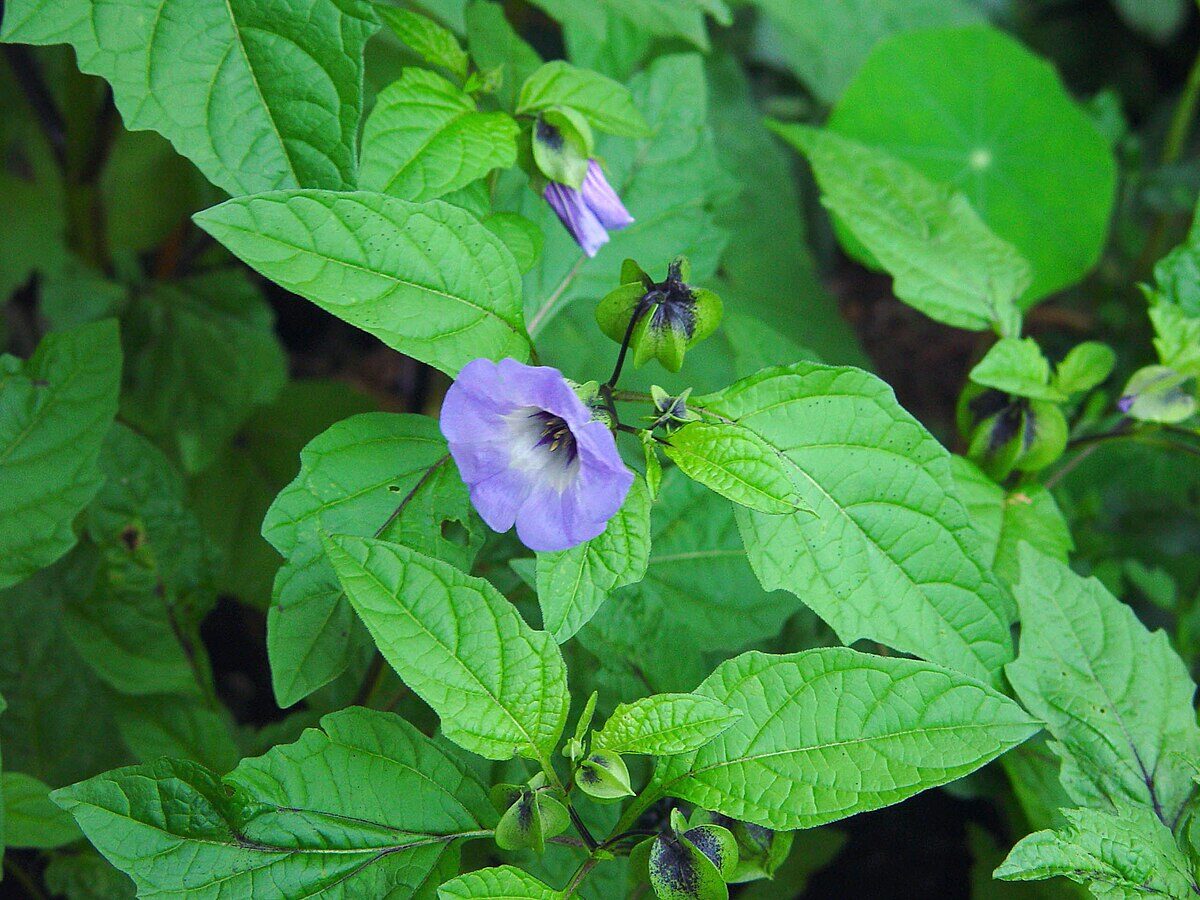
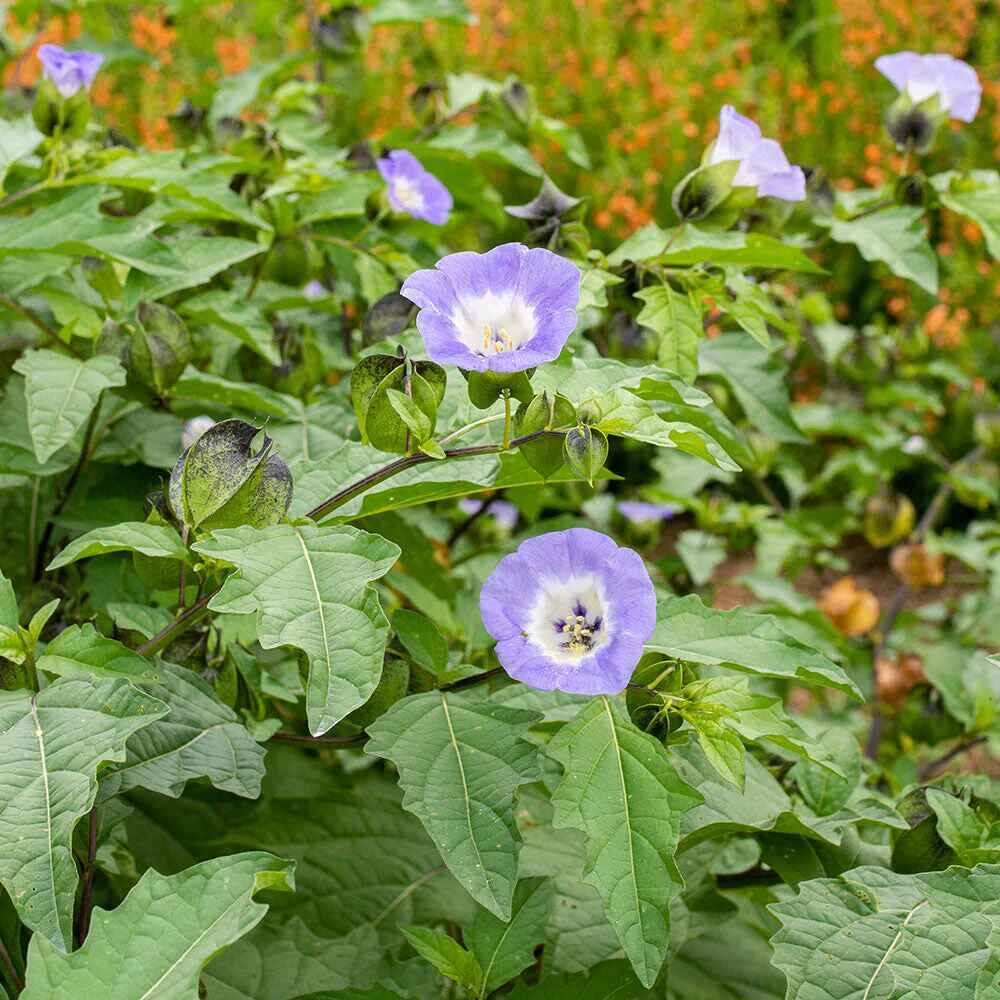
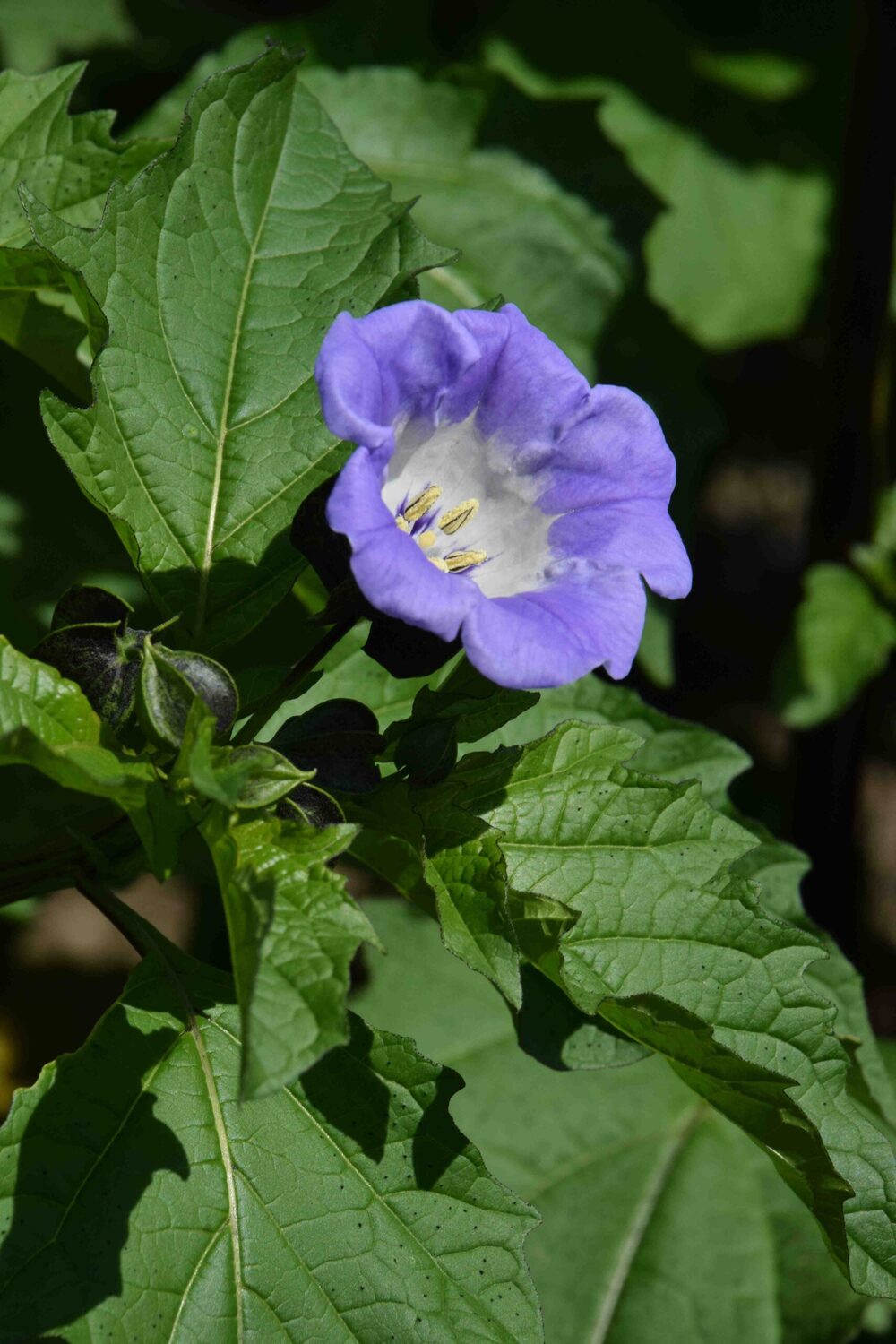
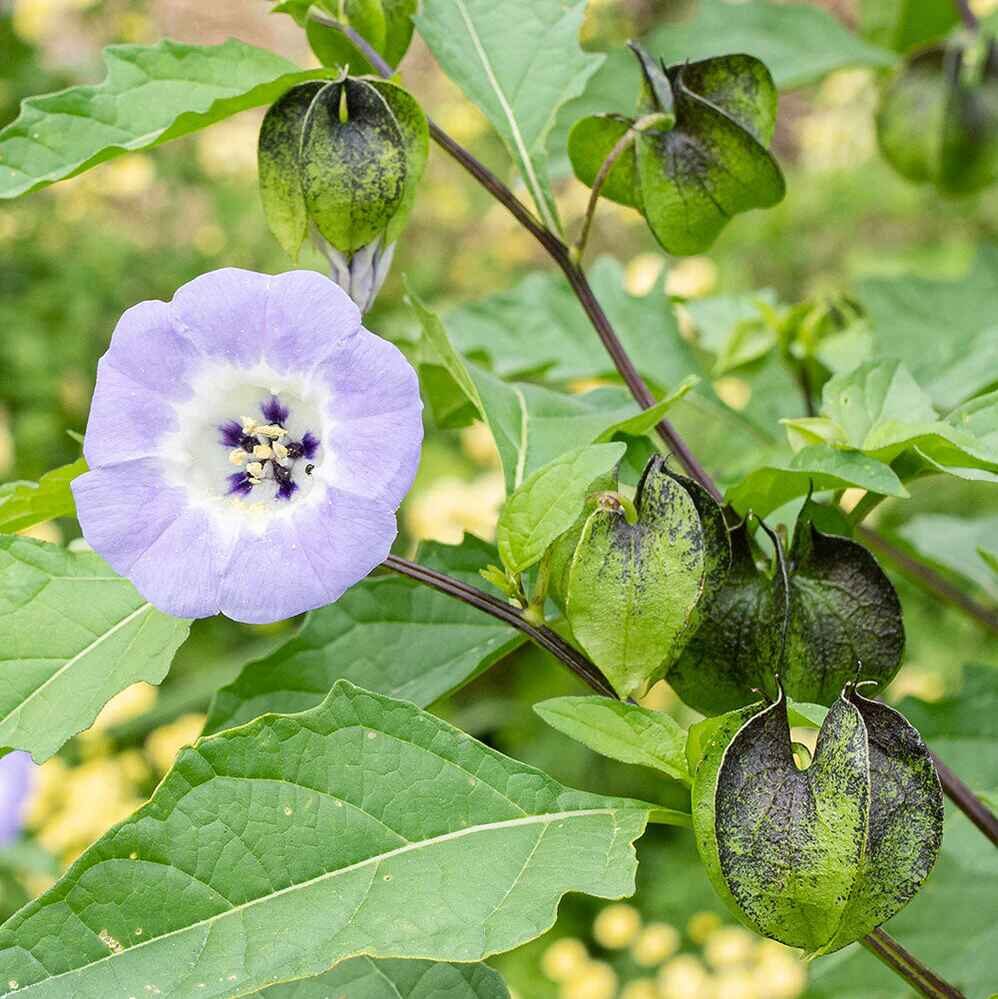
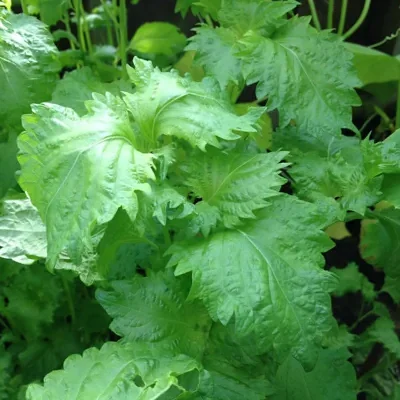
Nicandra physalodes, commonly known as the “Shoo-fly plant” or “Apple of Peru,” is a fast-growing annual plant in the nightshade family. It can reach heights of 3 to 6 feet, with large, wavy-edged leaves and light blue to purple bell-shaped flowers that have white centers. The plant is called the “Shoo-fly plant” due to its insect-repellent properties.
After the flowers fade, they develop into distinctive, inflated, papery seed pods that resemble Chinese lanterns. The pods enclose a dry fruit containing many tiny, brown, D-shaped seeds. A single plant can produce thousands of seeds, which are known for their long viability, sometimes remaining dormant in the soil for years. The plant often self-seeds prolifically. The entire plant, including the seeds, is considered toxic if ingested by humans and animals.
Germination Guide
🌍 Western South America - Northwest Argentina, Bolivia, North and Central Chile, Peru
Moderate
Nicandra physalodes is an annual species in the nightshade family (Solanaceae), native to western South America. Known as Apple of Peru or Shoo-fly plant for its insect repellent properties. Seeds have a relatively thick seed coat and exhibit strong physiological dormancy.
Germination
Germination time
Expect germination in
14 – 21 days
Temperature
Min 15°C
Ideal 22°C
Max 25°C
🌡️ Temperature alternation recommended
— Temperature fluctuation between 15-25°C helps break dormancy; alternating temperatures 25-15°C improves germination
Substrate moisture
💧 Medium
Substrate & Container
Recommended substrate
Well-drained seed compost, moist soil
Recommended container
8cm pots after germination
Growing Tips
Seeds should be sown barely covered (1mm deep); light improves germination; keep substrate consistently moist but well-drained; sow 7-8 weeks before last frost for transplanting; self-seeds freely after flowering; prefers full sun to partial shade
Only logged in customers who have purchased this product may leave a review.

Reviews
There are no reviews yet.