
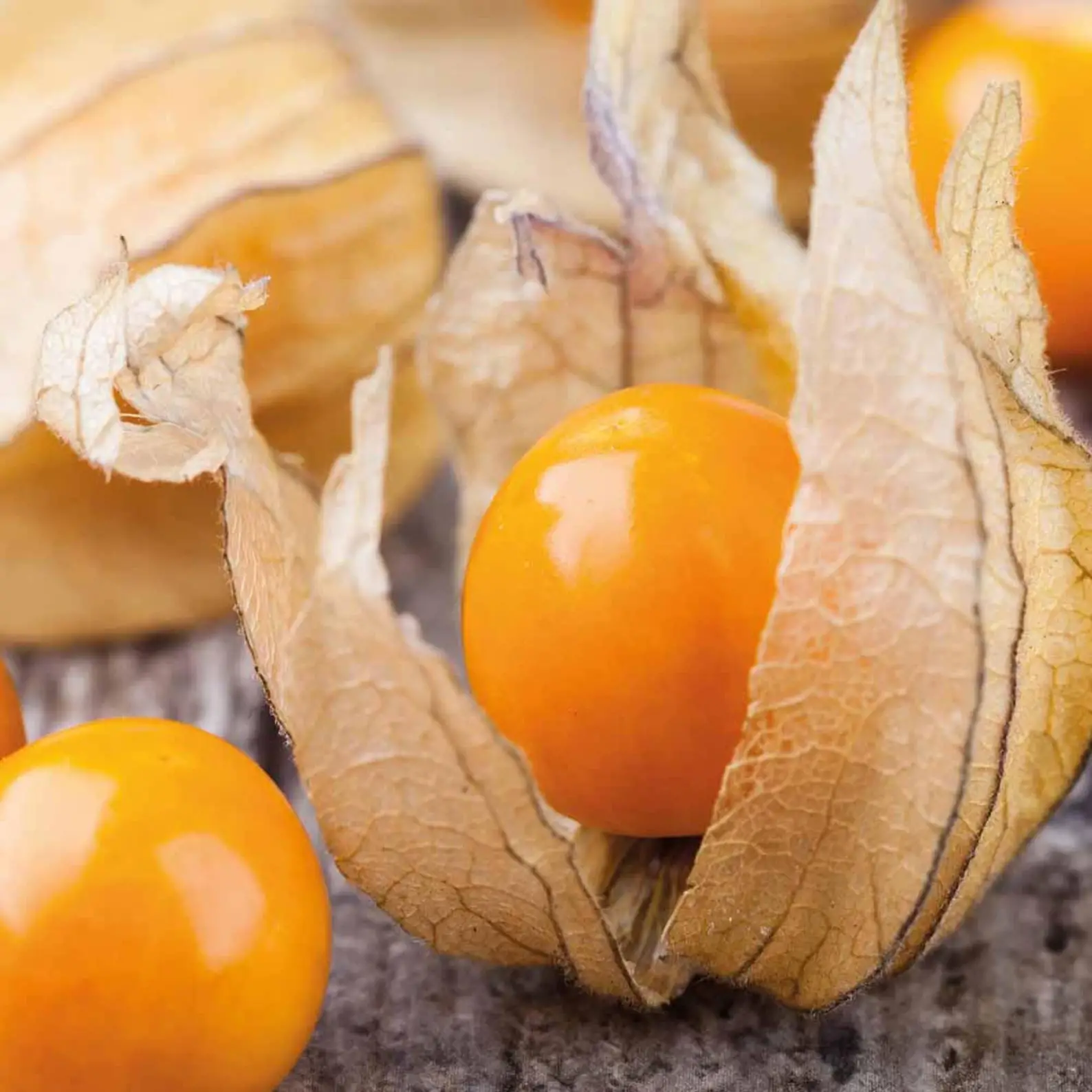
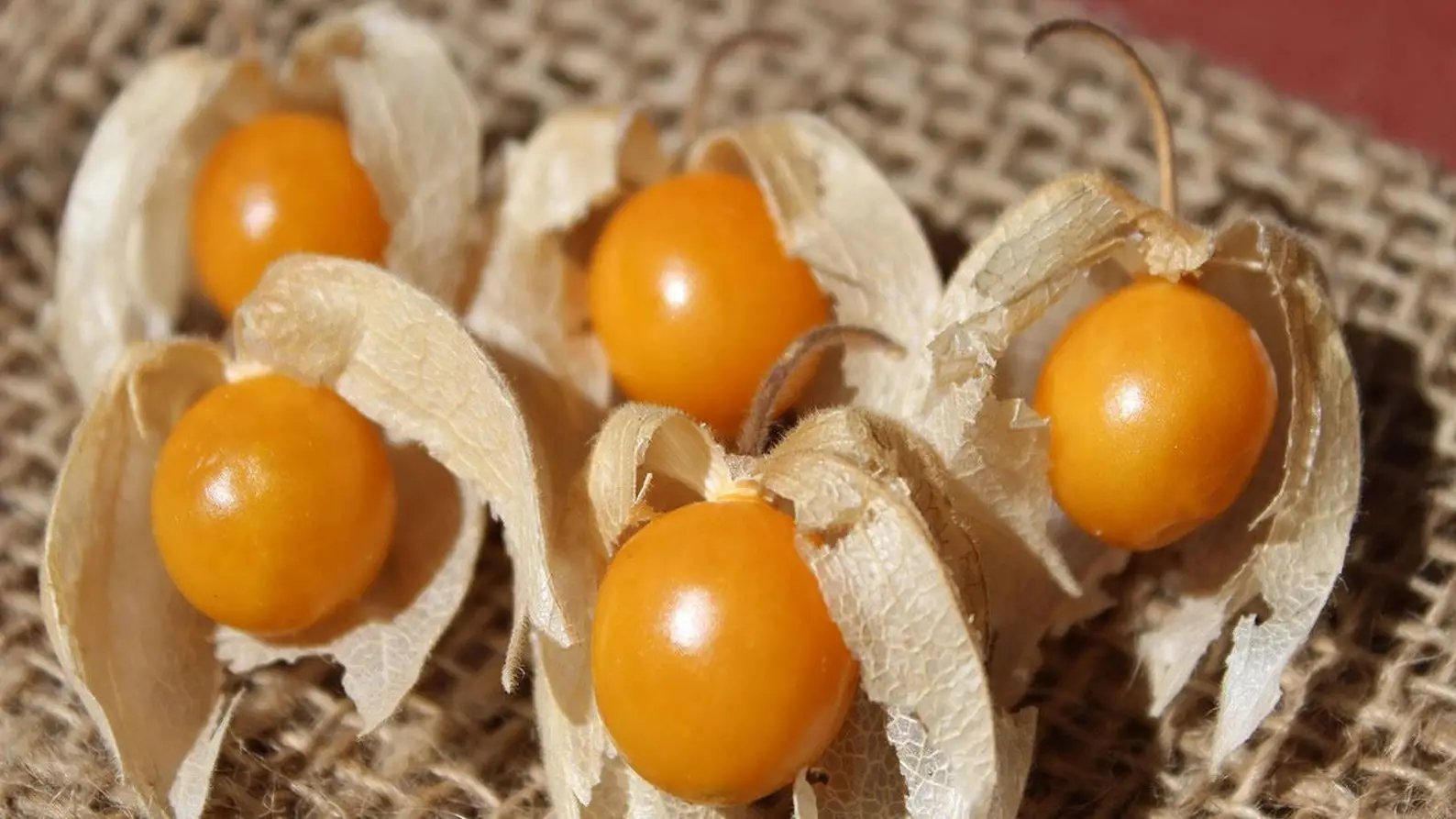
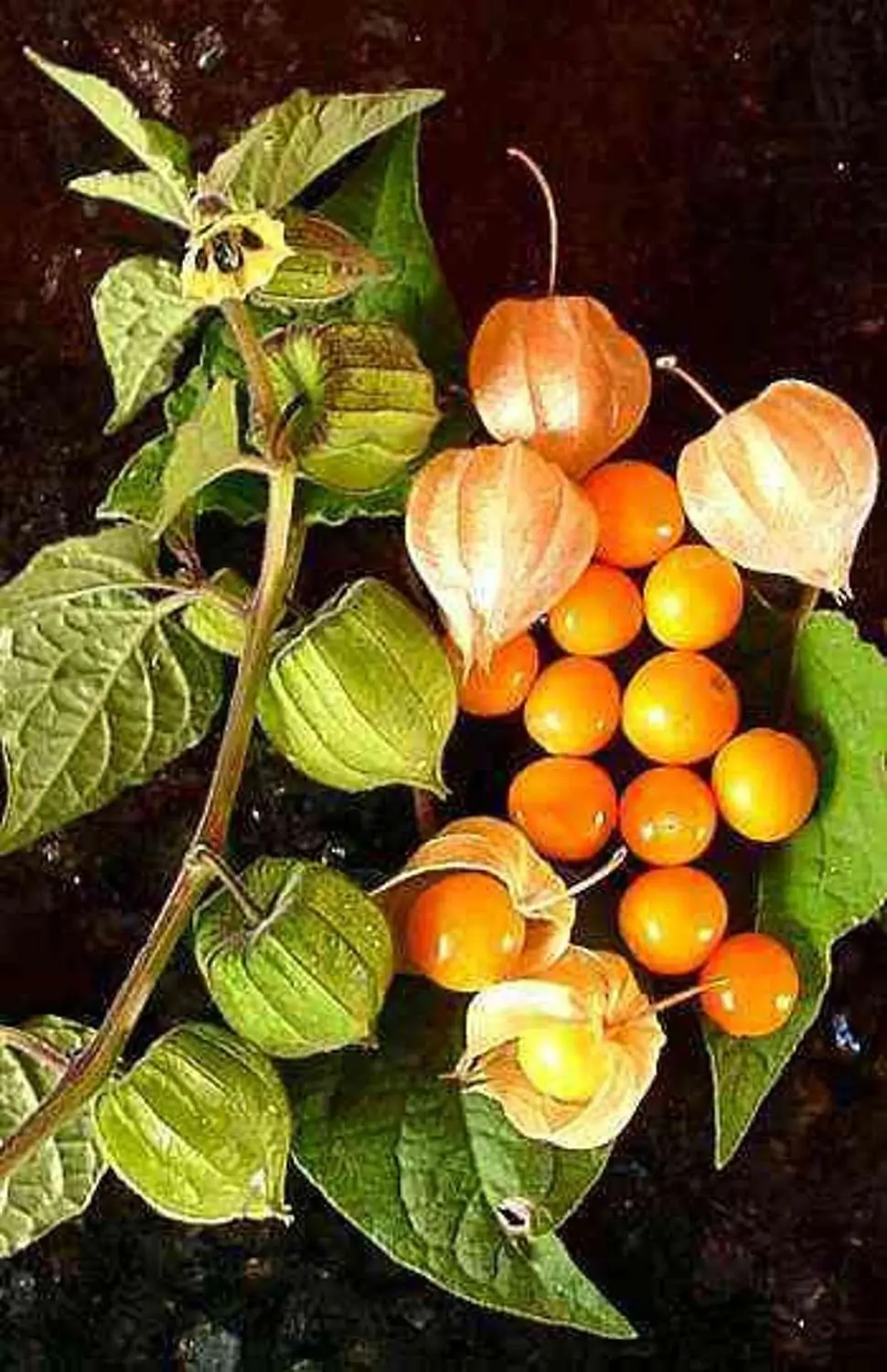
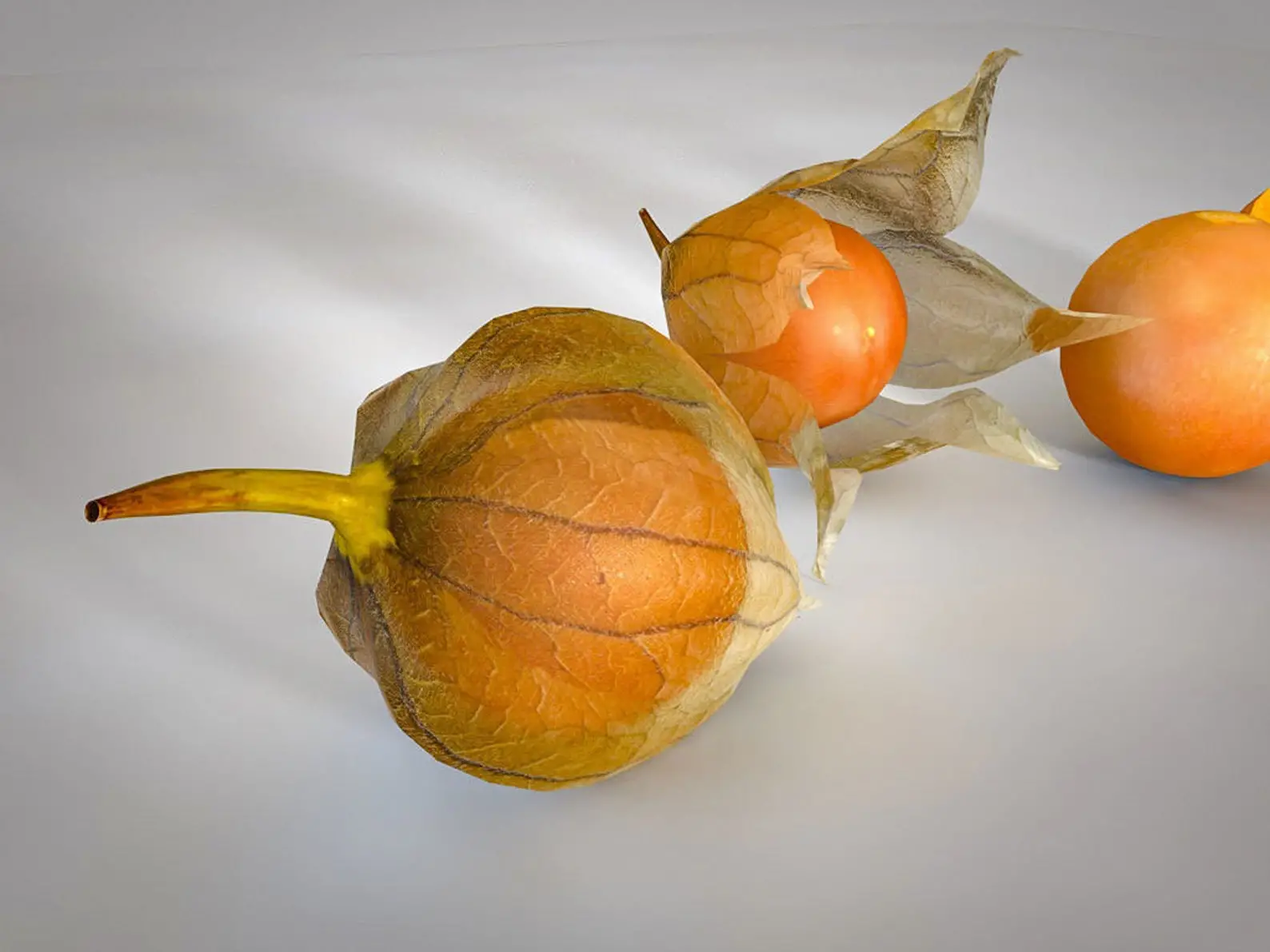
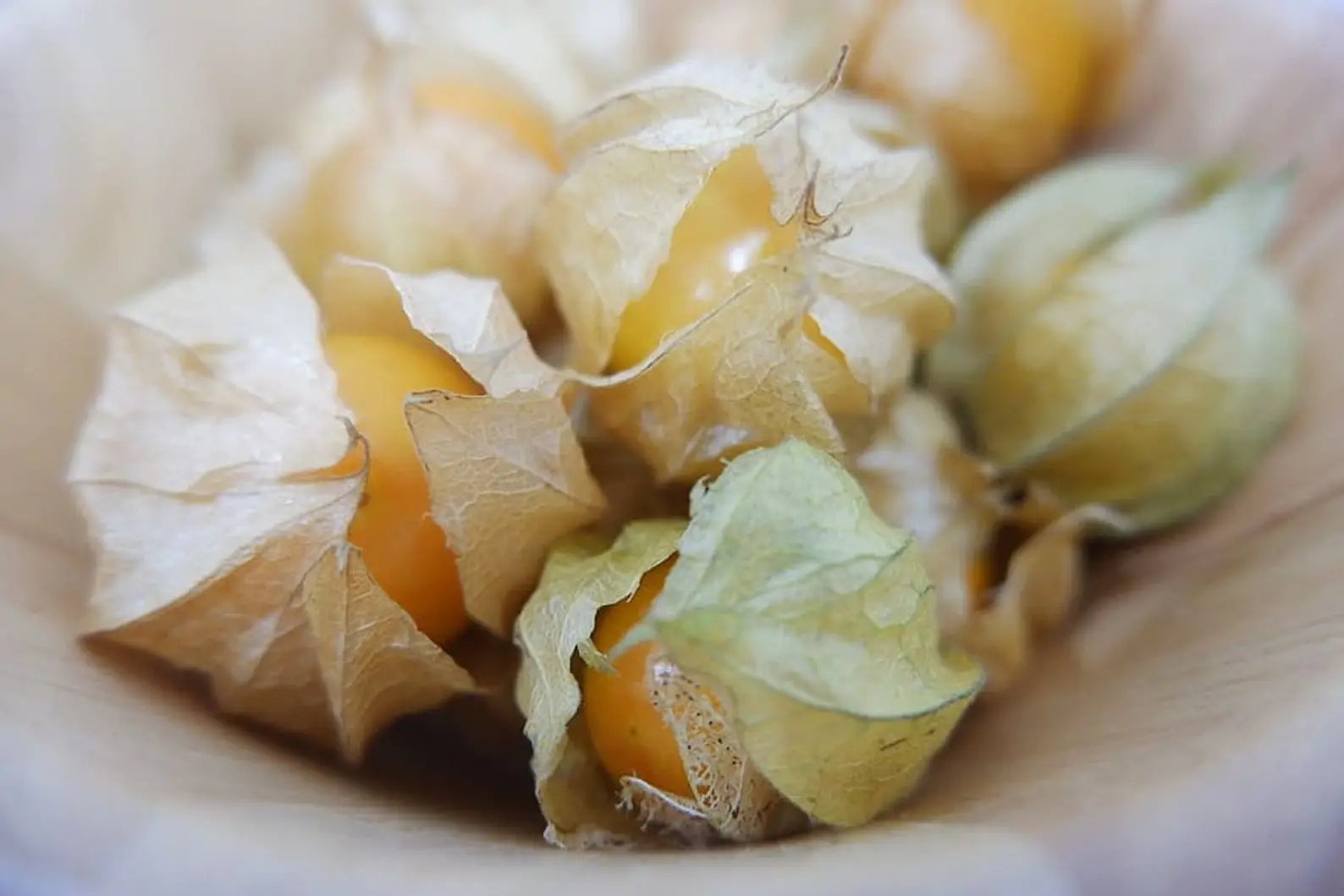
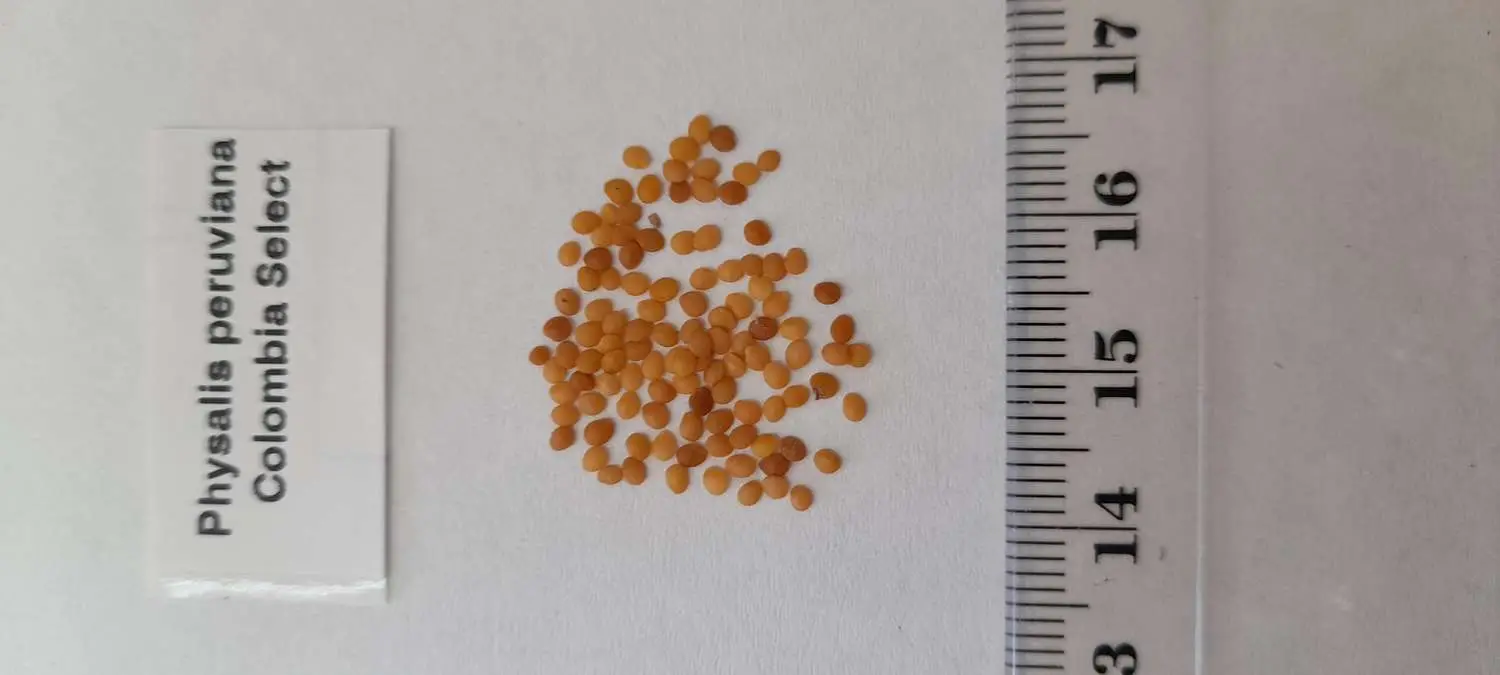
Taste the legend: Inca Berry from the cloud forests of Colombia. Each luminous golden orb sits cradled in a papery lantern—pure theatre, pure fruit. Sweet-tart tropical notes of pineapple and cherry tomato burst on your tongue. Use fresh, make jam, garnish desserts, or dry like raisins. Ridiculously easy to grow from seed. Prolific harvests from just one plant. Grow it.
€1.92
Picture this: a fruit that comes wrapped in its own silk lantern, protected and ready to dazzle. That is Physalis peruviana ‘Colombia Select’—the Inca Berry, a treasure the Inca nobility prized and your garden can grow.
**From the Andes to Your Garden**
Native to the Andes from Venezuela to Bolivia between 1400 and 3600 m, this plant carries millennia of heritage. The fruits have been consumed since pre-Columbian times and were among the plants most prized by Incan nobility. Our ‘Colombia Select’ seeds are from plants commercially grown for their fruit in Colombia, and are likely to produce larger and sweeter fruit than regular Physalis peruviana. This is not your backyard curiosity—this is Colombian selection perfection, hand-chosen for flavor and yield.
**The Fruit That Tastes Like Desire**
This is where magic happens. Removed from its calyx, it is bright yellow to orange in color, and sweet when ripe, with a characteristic, mildly tart grape-like flavor. But “grape-like” barely captures it. The taste combines different flavors including pineapple, cherry tomato, strawberry, and fig. That’s a tropical symphony in a cherry-sized globe. Ripe berries taste like pineapple met tomato in a sunlit orchard.
As a cook’s fruit, Inca Berry is endlessly versatile. Cape gooseberries are made into fruit-based sauces, pies, puddings, chutneys, jams and ice cream, or eaten fresh in salads and fruit salads. In Latin America, it is often consumed as a batido or smoothie, and because of its showy husk, it is used in restaurants as a decorative garnish for desserts. Snack on them fresh plucked from the plant. Simmer them into jam. Dip them in chocolate. Drop them into morning smoothies. Scatter them across a summer salad. Your kitchen becomes an artist’s studio when Inca Berries are in season.
Beyond flavor, these fruits pack serious nutrition. The fruit contains vitamins A and C and some B complex (thiamine and niacin). The protein and phosphorus levels are exceptionally high for a fruit. It’s a good source of provitamin A, vitamin K, vitamin B1 and various minerals including iron, magnesium, phosphorus, copper, manganese and potassium. You’re not just eating candy—you’re nourishing yourself with every bite.
**Easier Than You Think**
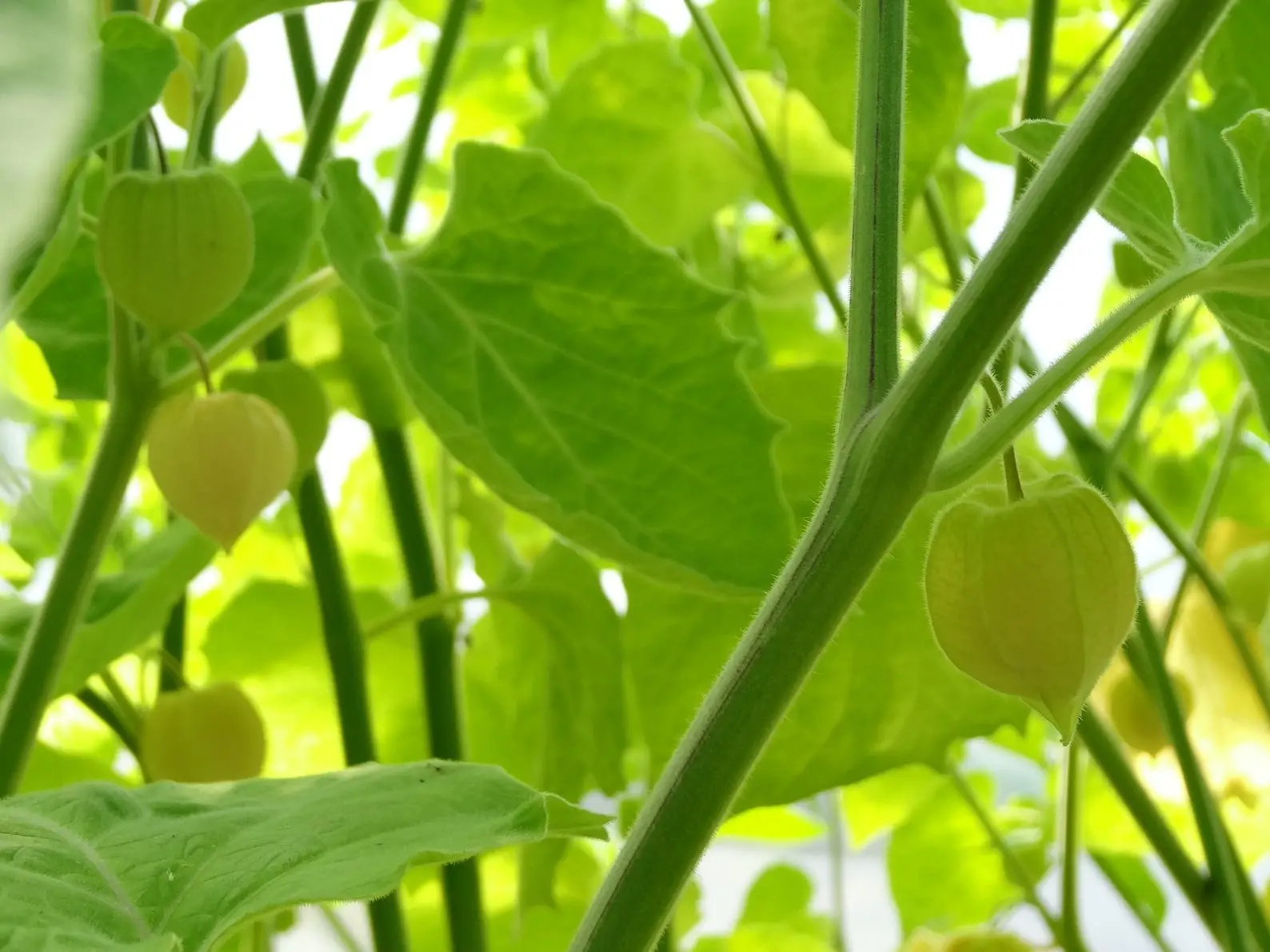
Here’s the beautiful secret: Physalis peruviana is becoming more and more popular in the UK. This is not only because it looks beautiful, but also because of its delicious tasting berries and how easy it is to grow. The Inca Berry is very easy to grow from seed. It is very easy to cultivate, requires a long growing season because it flowers late and ripens its fruits during the fall. Sow early in late March to mid-April in godets, warm until germination (15 days), and plant in place at the end of May when the risk of frost is over.
What does it need? It prefers full sun or partial shade in well-drained soil, and grows vigorously in sandy loam. Deep and regular watering during flowering and fruit fill is the main ask. Here’s the pro move: Do not apply fertiliser when flowering. Cape Gooseberry thrives with minimal application. Adding fertiliser to mature plants tends to produce excessive leaf growth, inhibiting flowering and fruiting. Restraint pays off—this plant produces abundance through simplicity, not excess feeding.
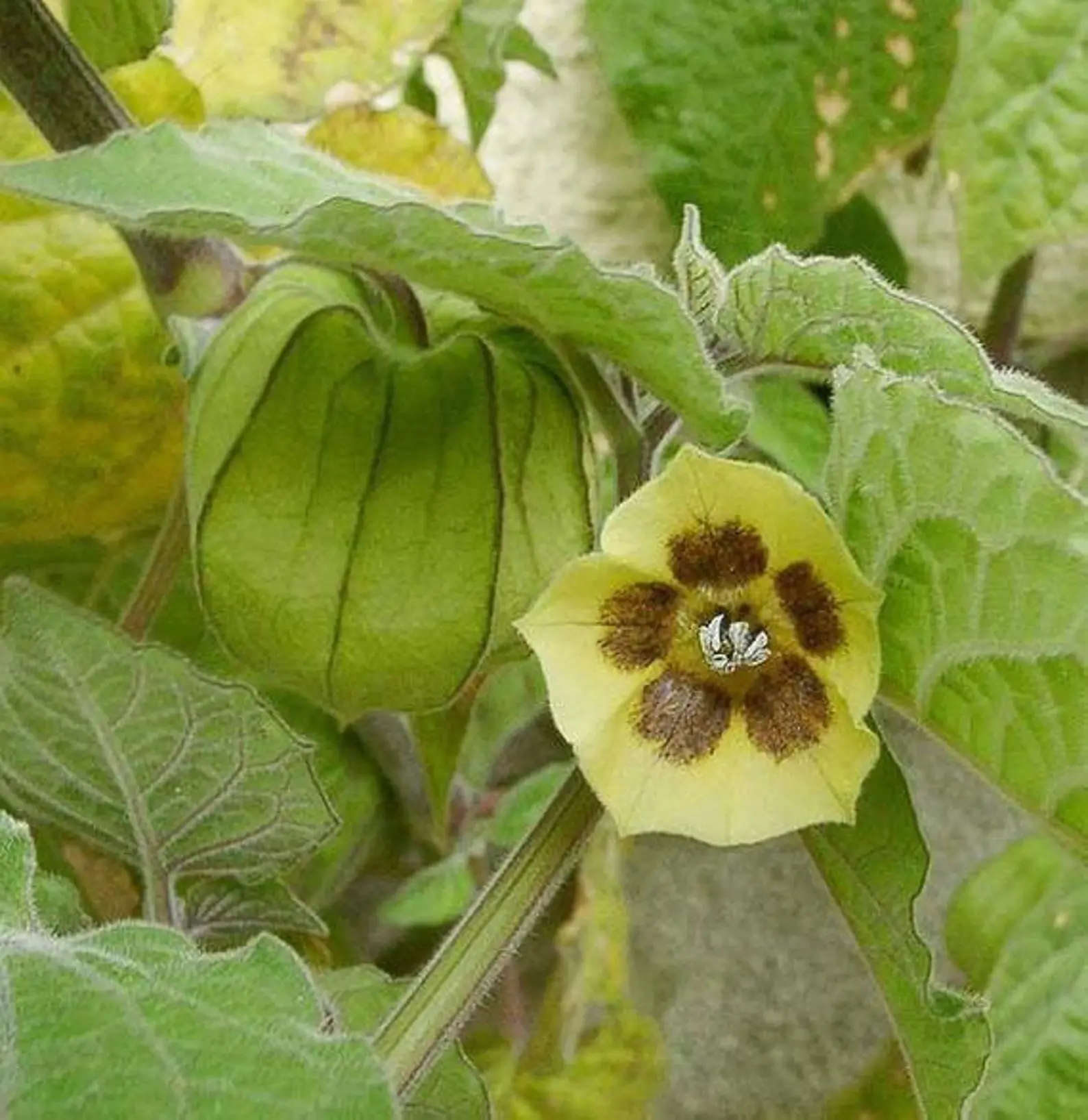
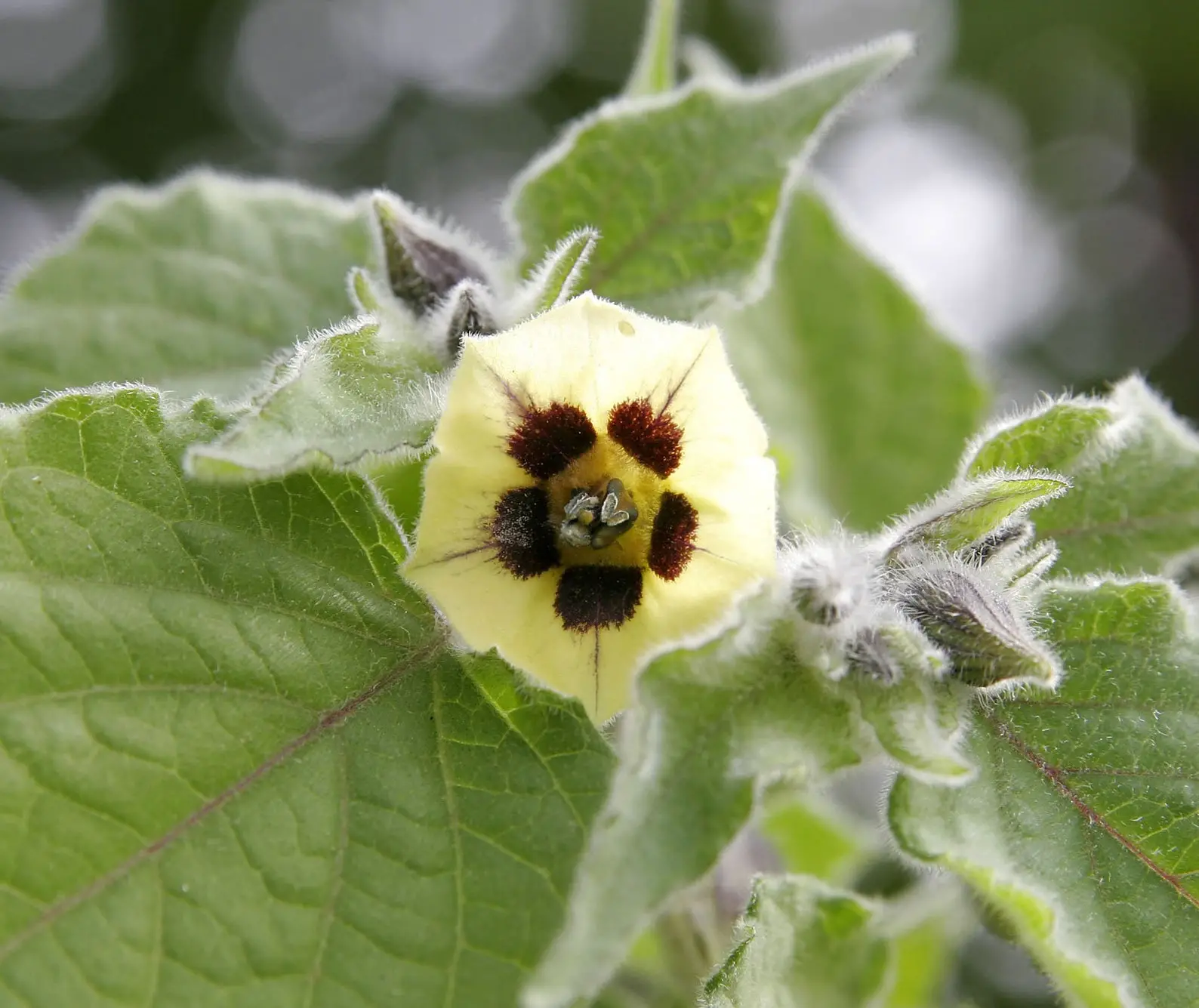
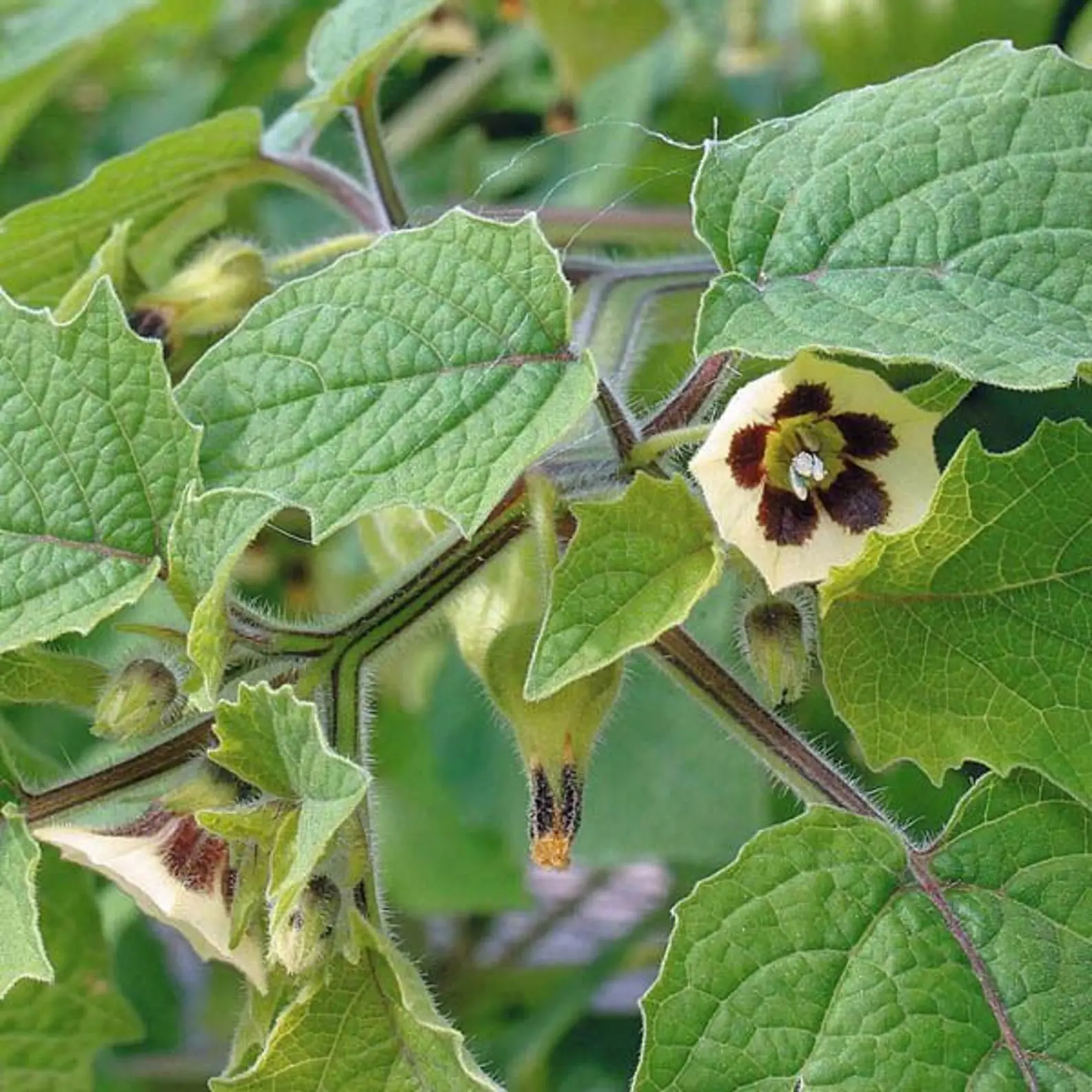
The plant itself is ornamental. Physalis peruviana is a tender perennial subshrub (grown as an annual in cool regions) with heart-shaped leaves and nodding yellow flowers marked by small chocolate speckles inside the petals. After pollin
Only logged in customers who have purchased this product may leave a review.

Reviews
There are no reviews yet.