
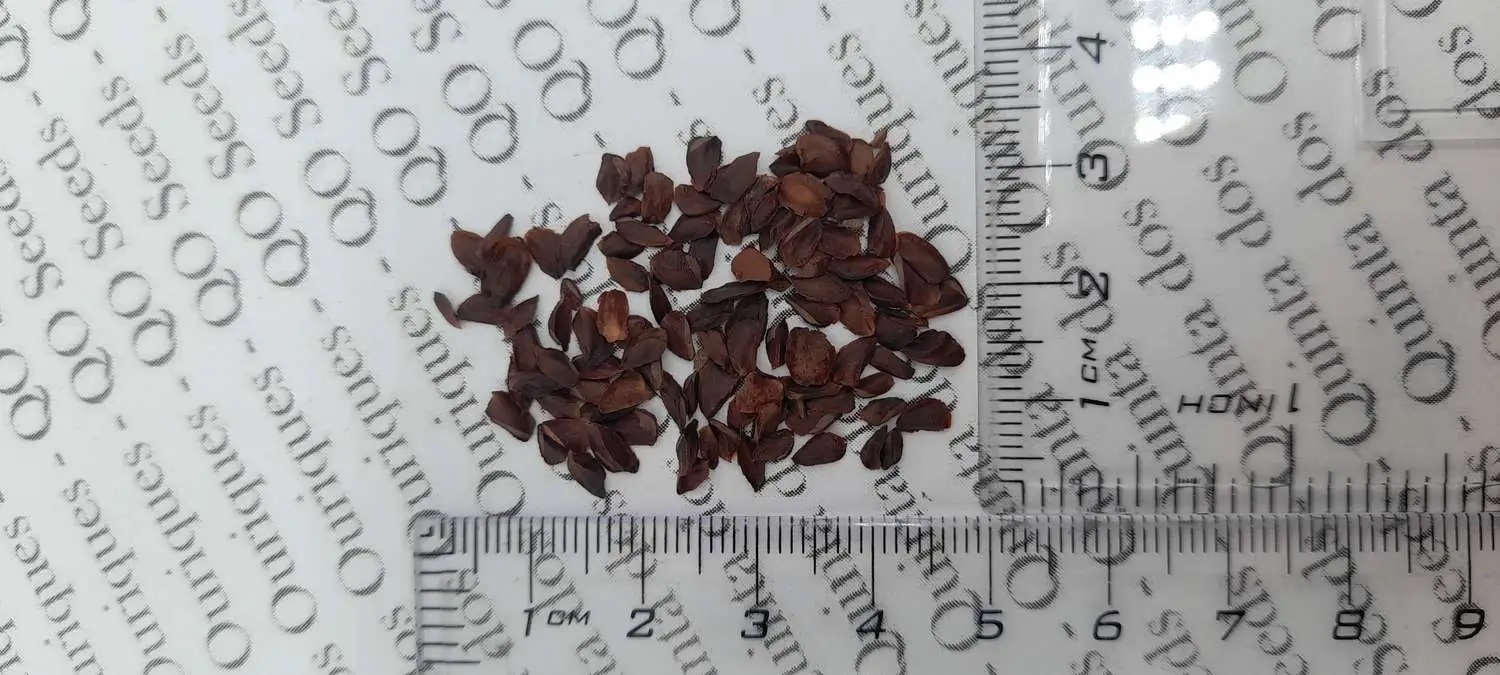
The wood that built Japan for a thousand years is now in your hands. Sugi releases a distinct, refreshingly clear cedar scent with cool notes of citrus and sandalwood—a fragrance that permeates the finished wood. Its heartwood runs from pale pink through warm amber to deep reddish-brown, with its sapwood offering a clean, pale contrast. The fragrant, reddish brown wood is lightweight
€5.17
Sugi has long been valued for the beauty of both the tree and wood and is widely planted around temples. You hold in your hands the seed of legend.
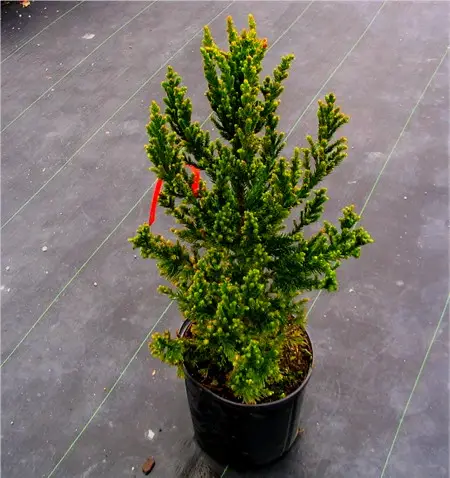
Cryptomeria japonica, commonly known as the Japanese Cedar or Sugi, is a coniferous evergreen tree native to Japan. Japanese Cedar is the national plant of Japan and often planted near shrines and temples. It is by far the most populous tree species in the country, covering 12% of total land area, accounts for 44% of Japan’s artificial forests, and 18% of Japan’s total forest area. This is no ornamental curiosity—this is the backbone of Japanese civilization. In its native habitat, it can grow to 200′ tall, and is exceptionally long-lived. One tree on the Japanese island of Yakushima is thought to be between 2,000 and 7,000 years old, and is part of the UNESCO World Heritage Site.
But what makes Sugi truly irresistible is its wood. Sugi (Cryptomeria japonica) has shaped Japan’s built environment for centuries. From ancient shrines to contemporary architecture, no other species is more deeply embedded in how Japan has chosen to build. Sugi is Japan’s most culturally embedded timber. Japanese cedar is rich in natural oils and tannins, making it highly resistant to water damage, rot and insects. This is why it has been used as a primary architectural material for centuries in Japan, despite the humid climate. Its tannin chemistry makes it the traditional substrate for yakisugi (shou sugi ban), the charring process taking the architectural world by storm. Sugi has a distinct and refreshingly clear cedar smell. It has cool notes of citrus and sandalwood—a scent that lingers in wood for decades, a signature of authenticity and quality that modern construction cannot replicate. The grain is straight and pronounced; distinct enough to read clearly across a room, and refined enough to work in close-detail joinery. Whether you dream of harvesting timber in 50 years, charring boards for your dream home, or simply possessing a tree with a soul—this is the species.
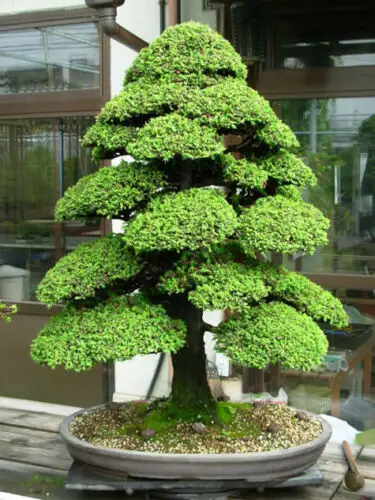
Japanese cedar also offers the possibility of grown in a pot, which makes it a excellent choice for bonsai due to its adaptability and resistance. Cryptomeria japonica is an evergreen conifer, highly valued as an ornamental tree and for bonsai thanks to its dense and elegant foliage. However there are around 80 different forms of this plant, from giant forest trees to tiny miniatures, so from that one species there is much diversity and garden value. The same species that reaches 200 feet in Yakushima can become a contemplative bonsai masterpiece on your windowsill.
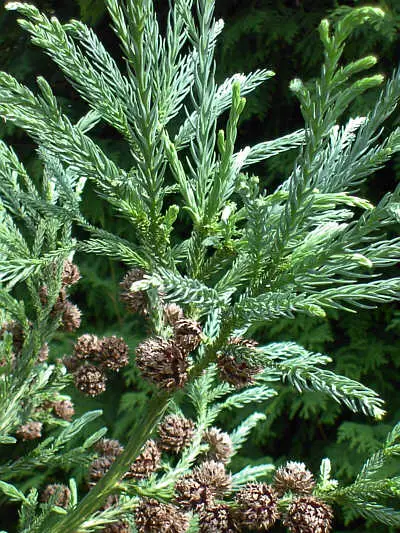
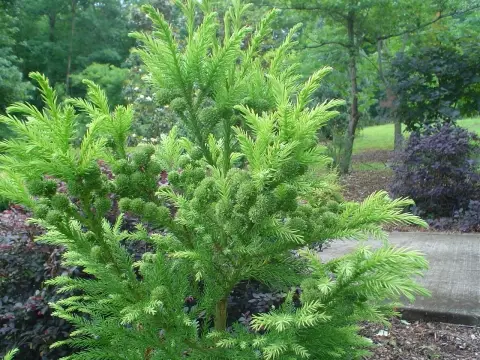
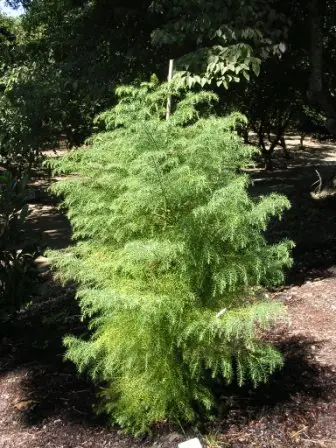
Known for its naturally conical habit and its thick, red, fibrous bark, the C.japonica has narrowly wedge-shaped light-green (fading to dark-green) leaves arranged in 5-ranked spirals around its shoots. This is a tree that grows with purpose: pyramidal grace, soft needles that shift color with the seasons, bark that peels in auburn strips like ancient parchment. Cryptomeria japonica is an evergreen Tree growing to 20 m (65ft) by 8 m (26ft) at a fast rate—it will reward your patience with vigor.
Cultivation is straightforward for the devoted grower. Suitable for: light (sandy), medium (loamy) and heavy (clay) soils. Suitable pH: mildly acid, neutral and basic (mildly alkaline) soils and can grow in very acid soils. It cannot grow in the shade. It prefers moist soil. Plant in full sun where it will receive unfiltered light, keep the soil consistently moist but well-drained, and the tree will establish itself with the steadiness of an ancient tradition. <cit
Only logged in customers who have purchased this product may leave a review.
Reviews
There are no reviews yet.