Description
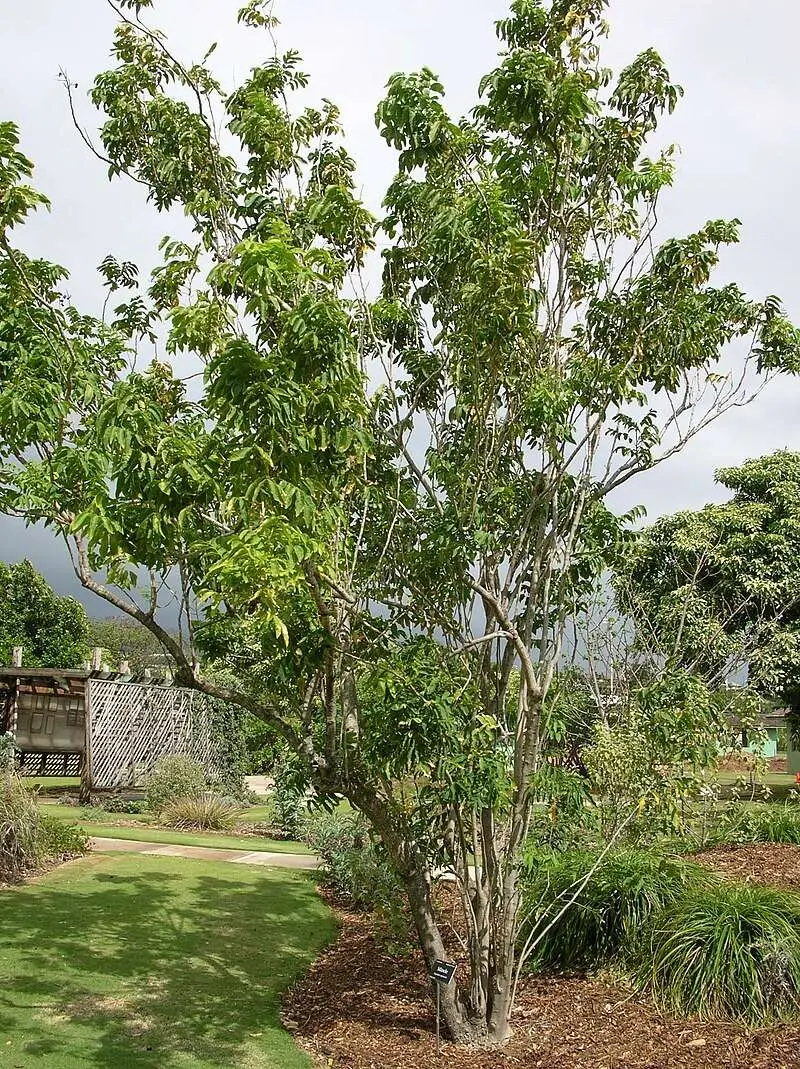
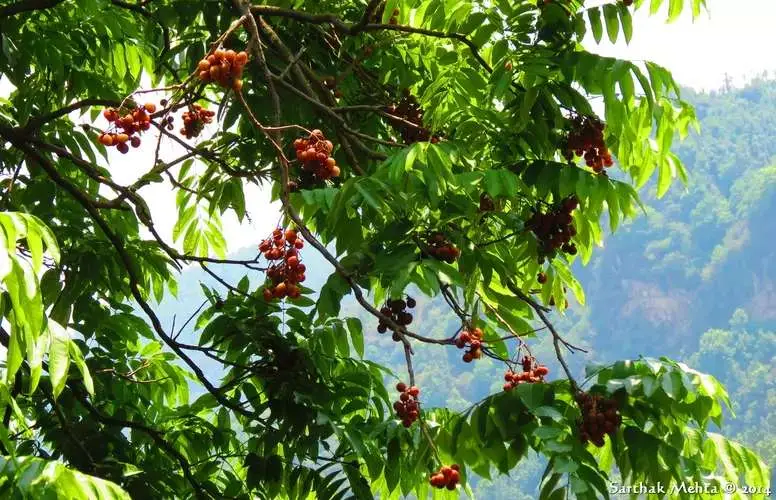
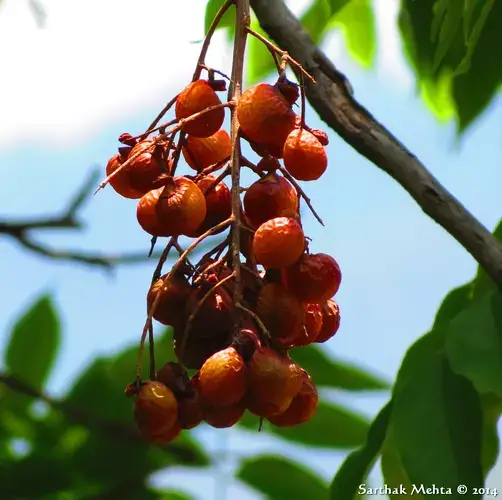
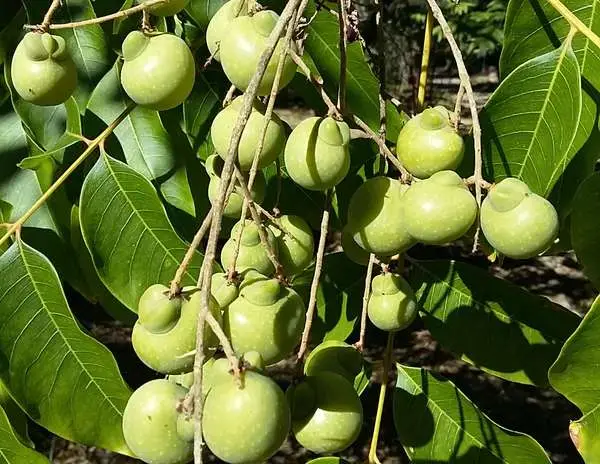
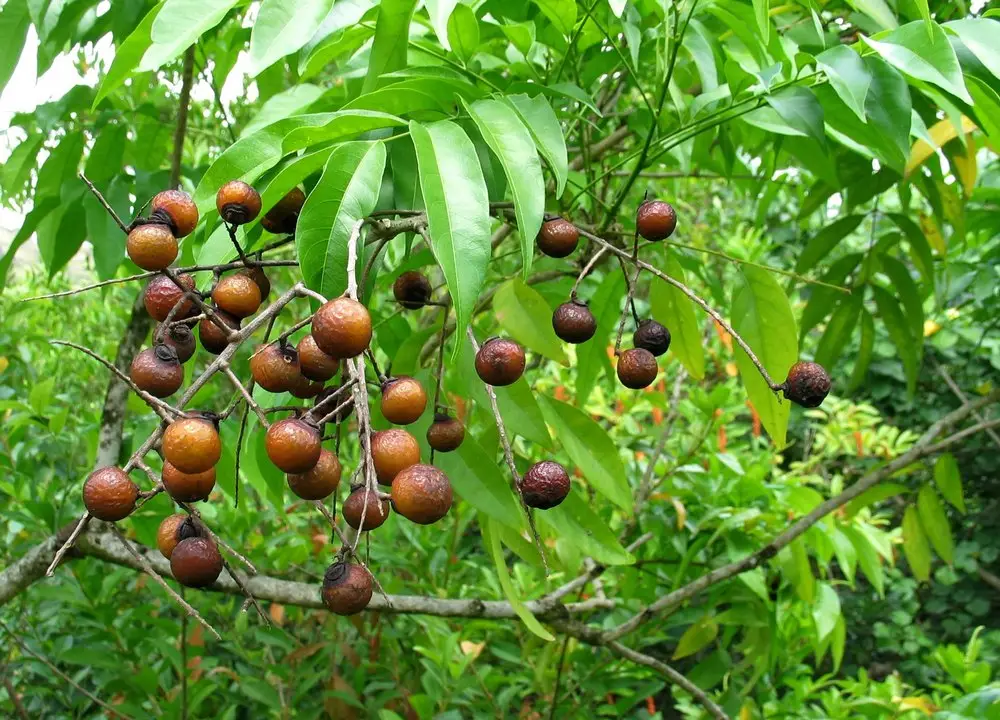
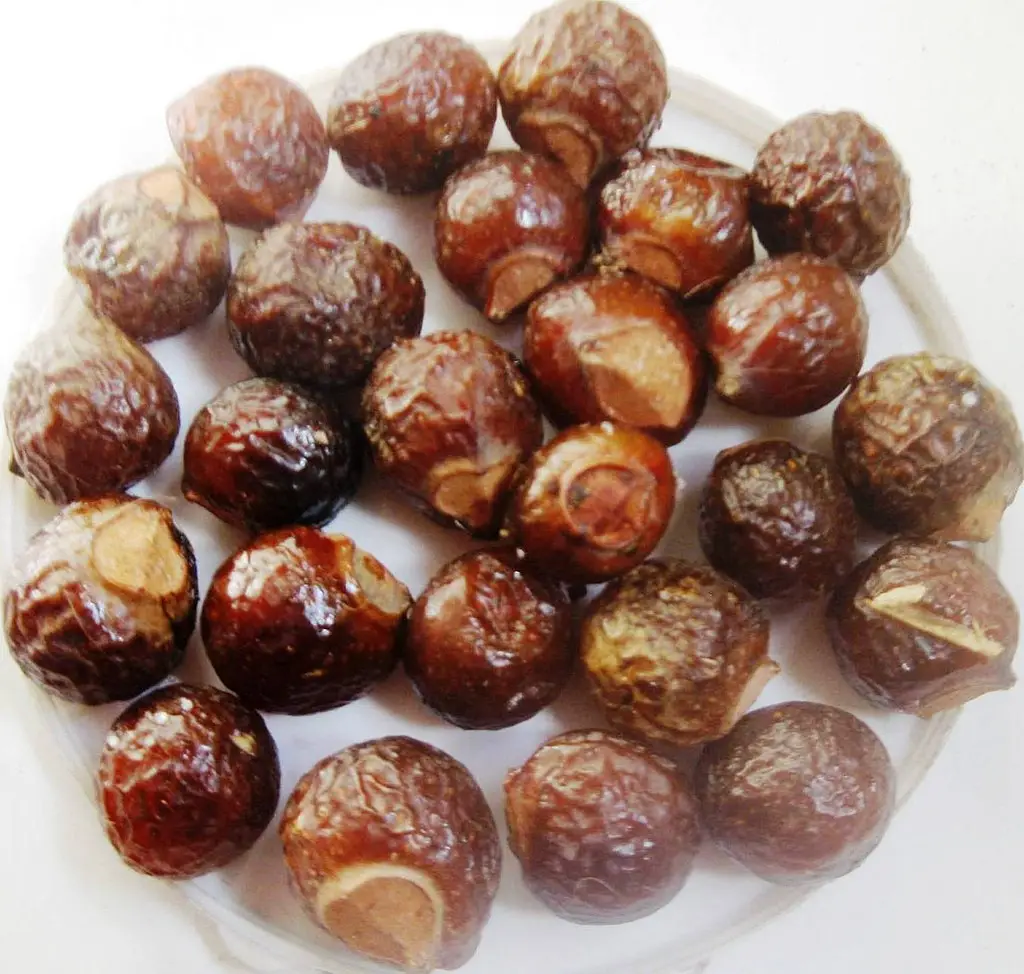
Sapindus mukorossi, commonly known as Indian soapberry, washnut, ritha or Chinese soapberry, is a species of tree in the family Sapindaceae. It is a deciduous tree that grows in the lower foothills and midhills of the Himalayas at altitudes of up to 1,200 metres (4,000 ft).It is also native to western coastal Karnataka, Maharashtra, and Goa in India; as well as Indochina, southern China, Japan and Taiwan as known by its many indigenous peoples. It is tolerant to reasonably poor soil, can be planted around farmers’ homes, and one tree can produce 30 to 35 kilograms (66 to 77 lb) of fruit per year.
Germination Guide
🌍 India, China, Nepal, Himalayan region
Difficult
Sapindus mukorossi is a deciduous tree native to India, China, and the Himalayan region. Seeds exhibit physical dormancy due to hard seed coat, requiring pretreatment for successful germination.
Germination
Germination time
Expect germination in
21 – 56 days
Temperature
Min 21°C
Ideal 24°C
Max 27°C
Substrate moisture
💧 Medium
Seed Pre-treatment
-
💧
Soaking — 24 hours
Cold water soaking 72 hours or hot water treatment 100°C for 10 seconds effective alternatives to acid
-
🔨
Chemical scarification
Concentrated H2SO4 for 20 minutes followed by rinsing or 75-90 minutes in concentrated acid optimal. Mechanical scarification with sandpaper also effective.
-
❄️
Cold stratification — 60 days at 2°C
-
📋
Additional notes
Hard seed coat requires pretreatment. Highest germination (68-90%) with H2SO4 scarification. Hot water (100°C, 10 sec) also effective.
Substrate & Container
Recommended substrate
Potting soil, peat moss, sand mixture, well-draining
Recommended container
Deep pots for vertical tap roots
Growing Tips
Seeds retain viability 1-2 years. Large seeds show better germination than small seeds. Untreated seeds show only 7-30% germination. Temperature must be warm (70-80°F). Patience needed as germination can be slow and sporadic.
Only logged in customers who have purchased this product may leave a review.

Reviews
There are no reviews yet.