
Hold 3,000 years of history in your hands. Grow Sequoiadendron giganteum—Earth’s mightiest tree—as an intimate bonsai masterpiece. Develop its legendary reddish-brown bark, sculptural form, and relentless vigor into a living monument. From tiny seed to ancient symbol: a rewarding challenge for dedicated cultivators. Start your journey today.
€4.84
Imagine nurturing a living legend that towers as the largest organism ever to grace our planet—all beginning from a single, impossibly tiny seed.
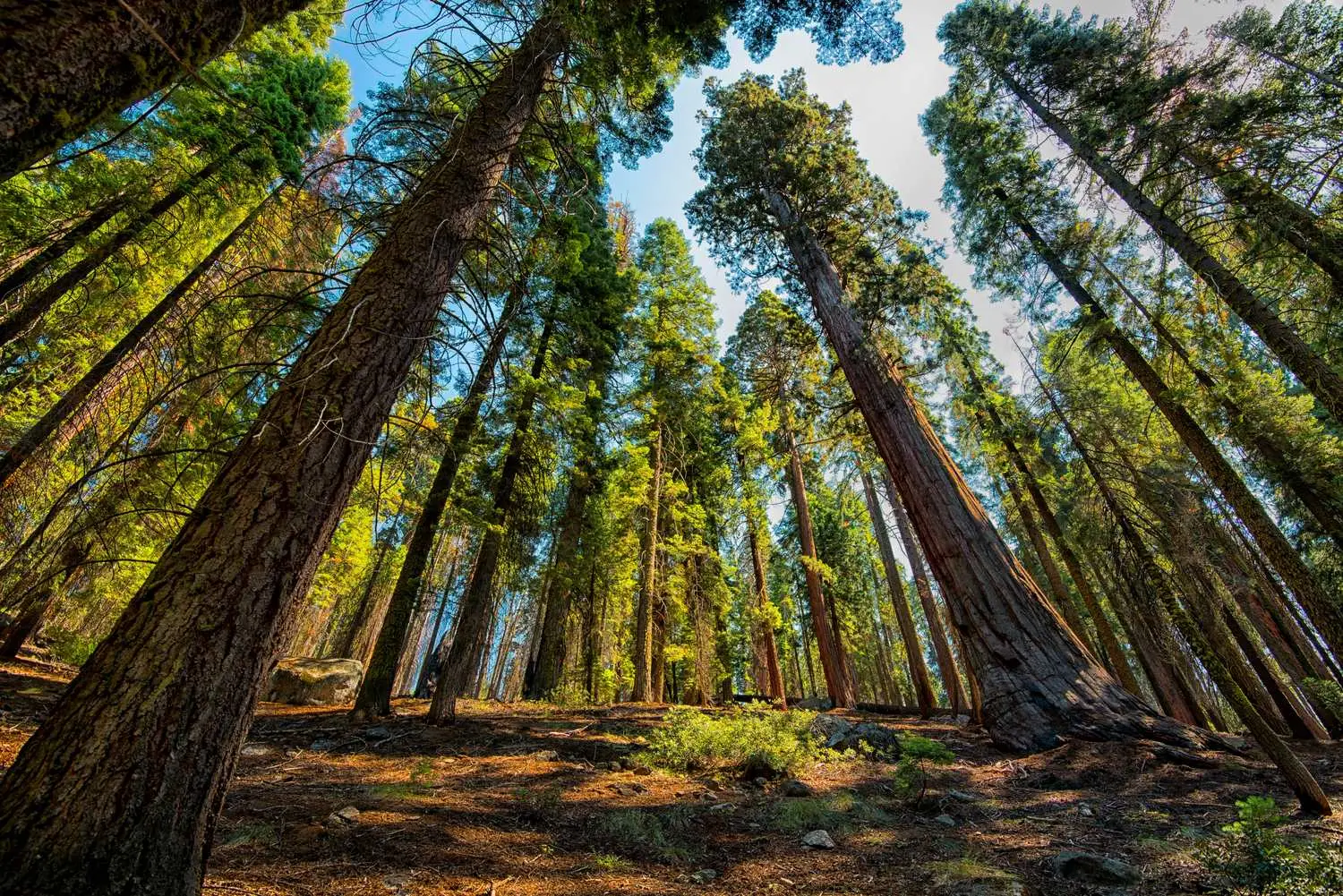
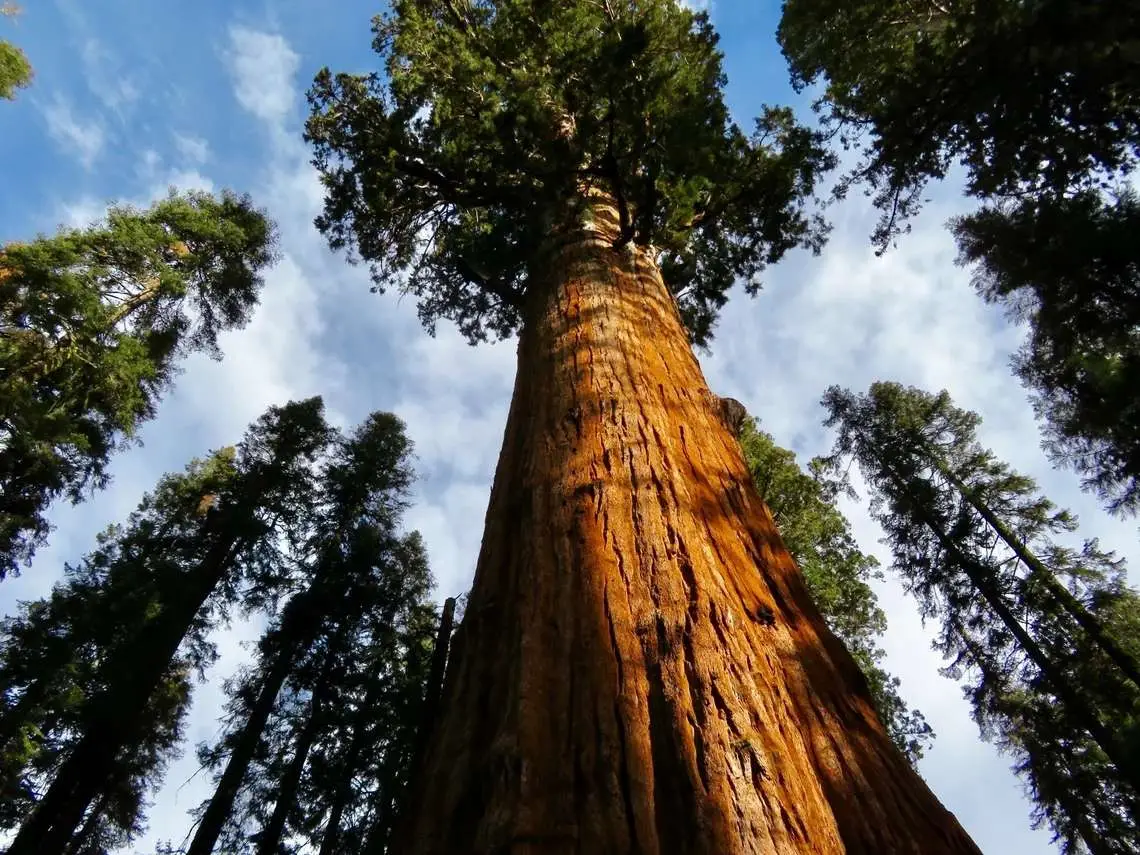
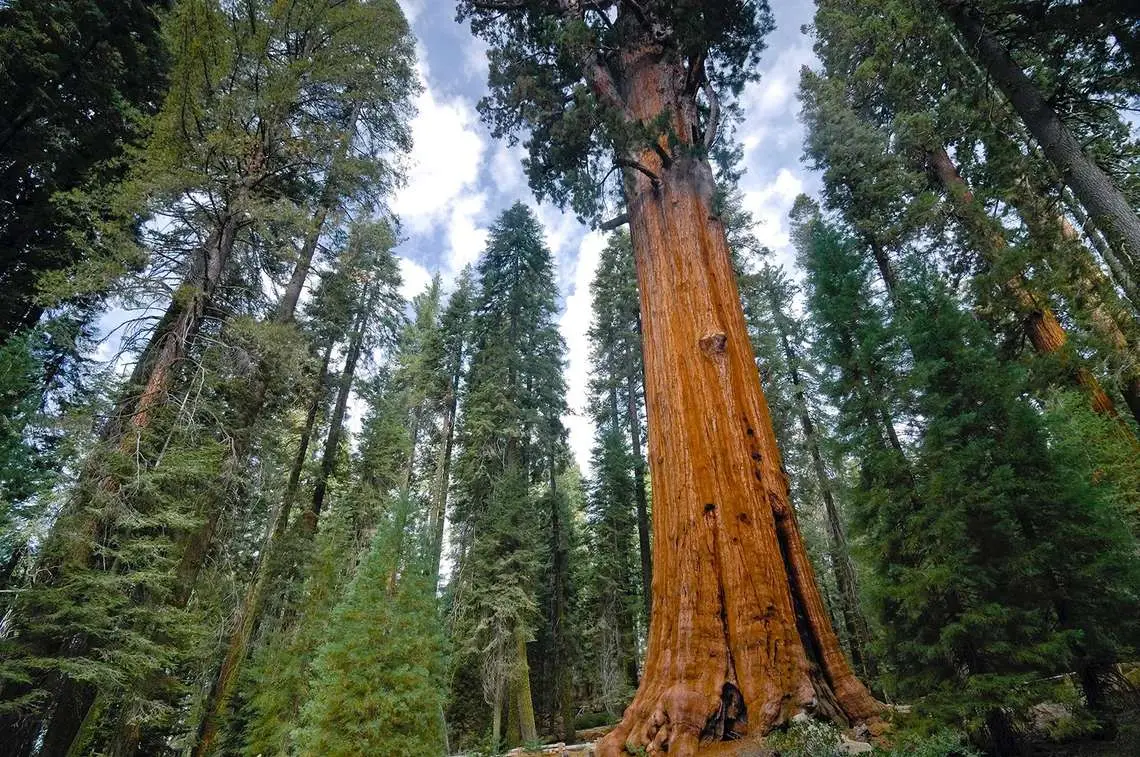
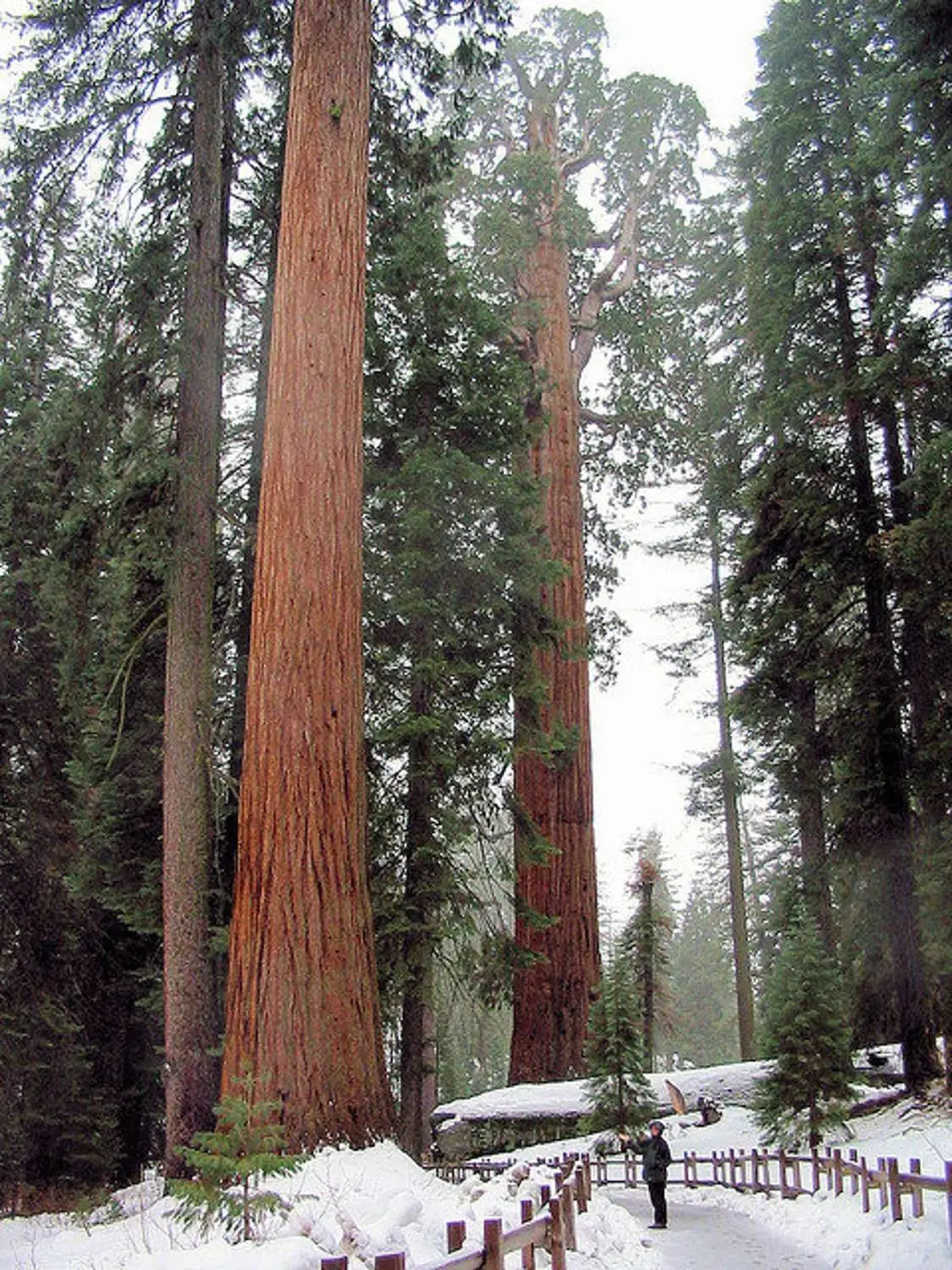
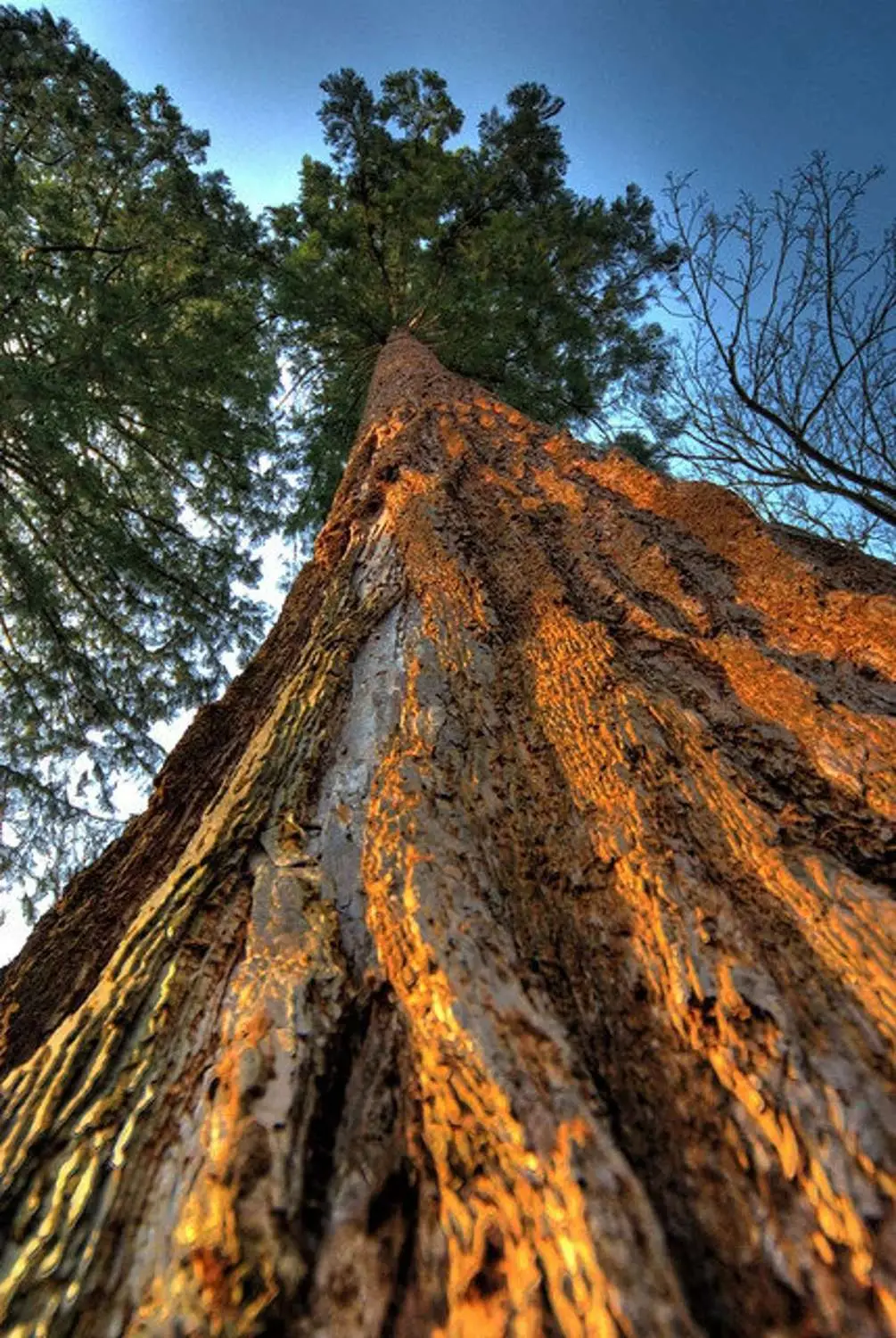
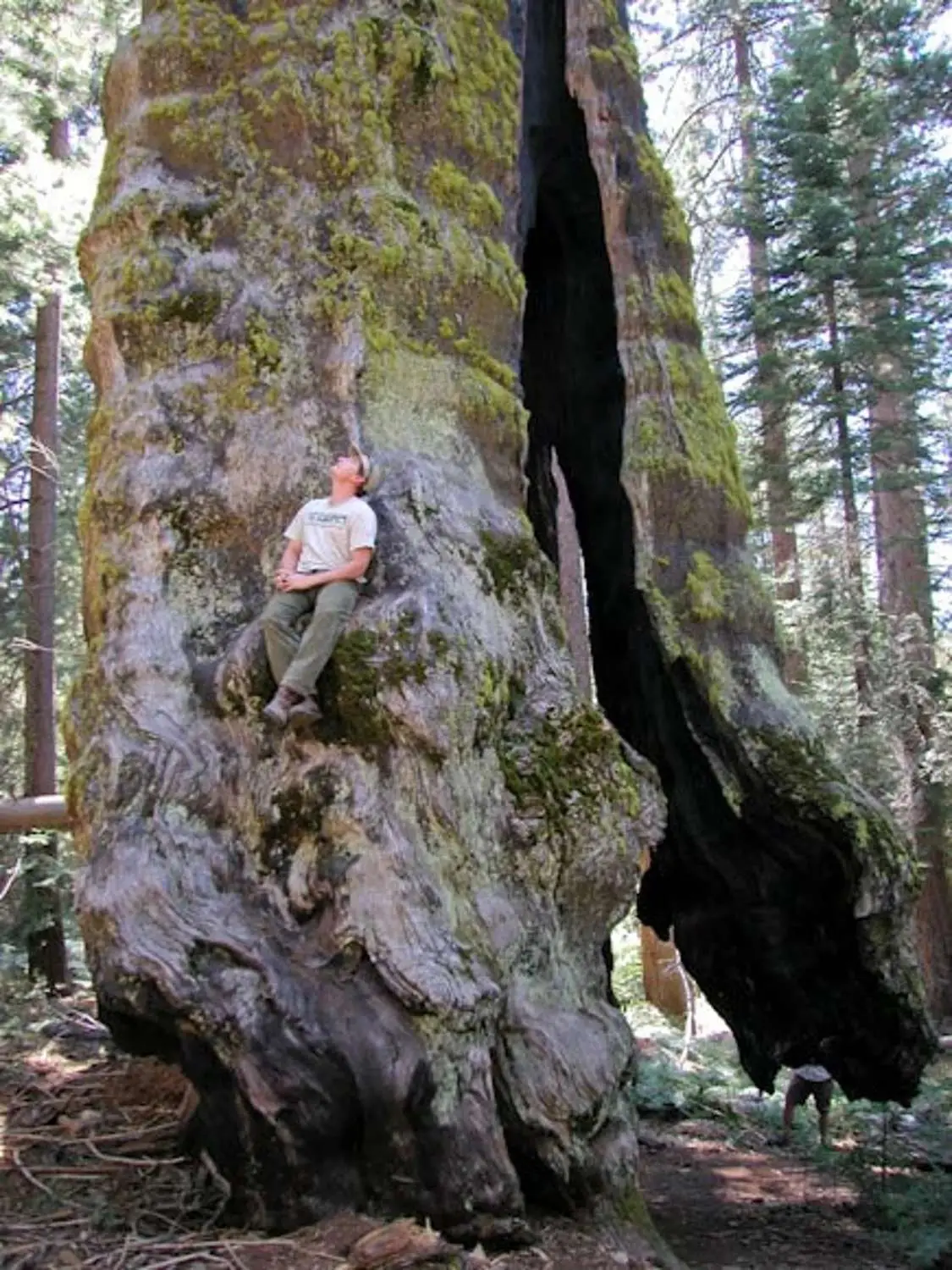
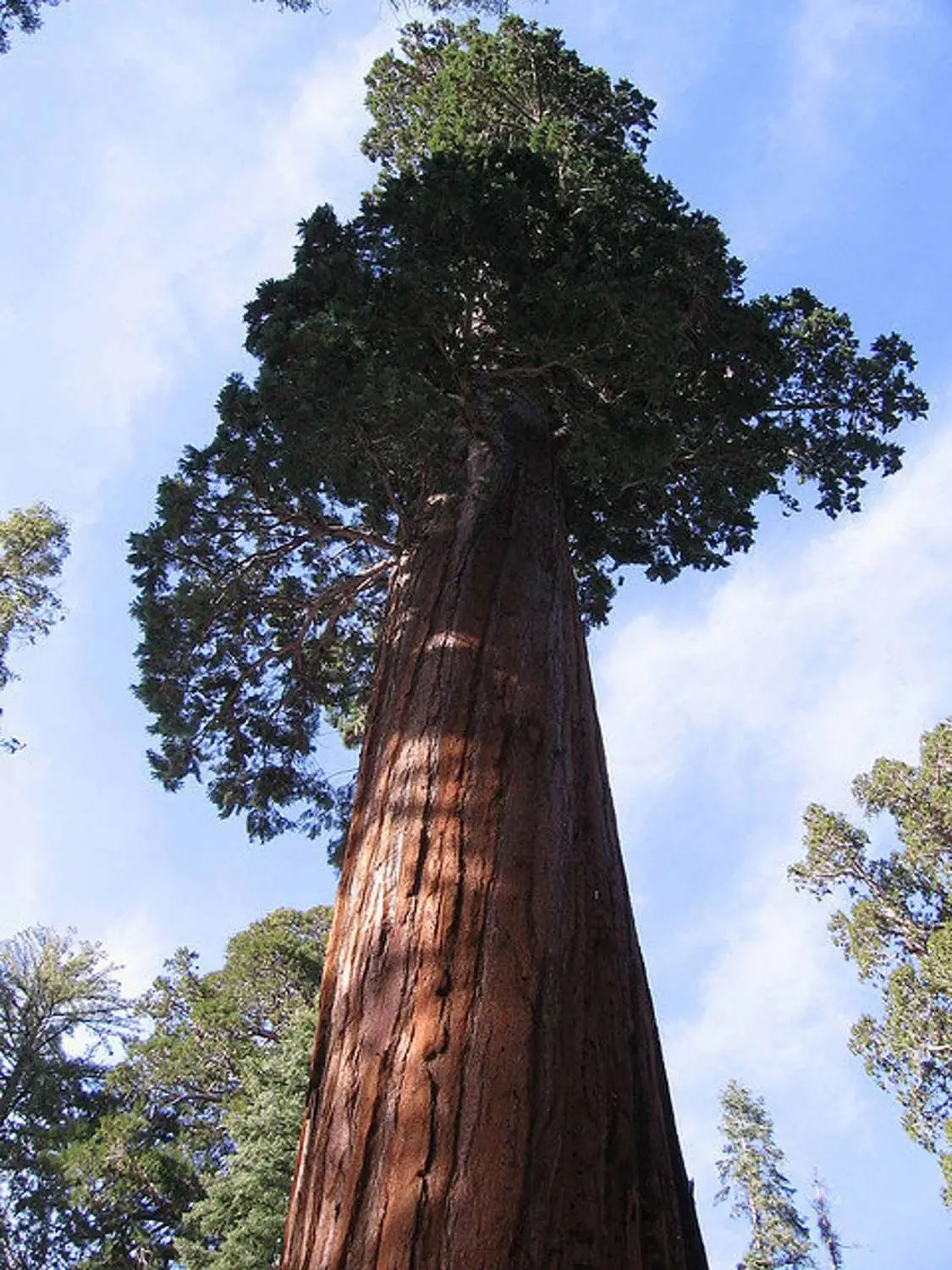
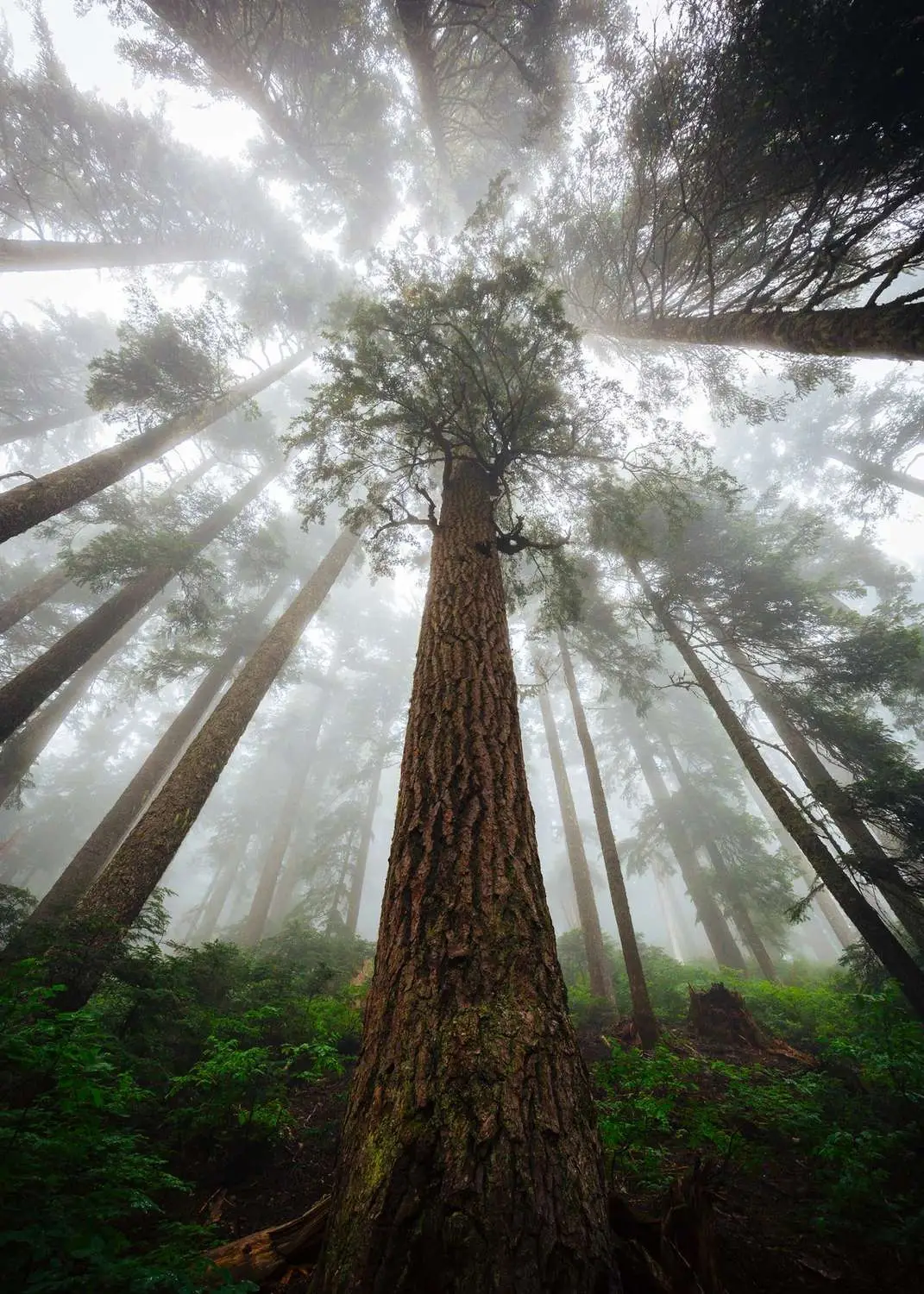
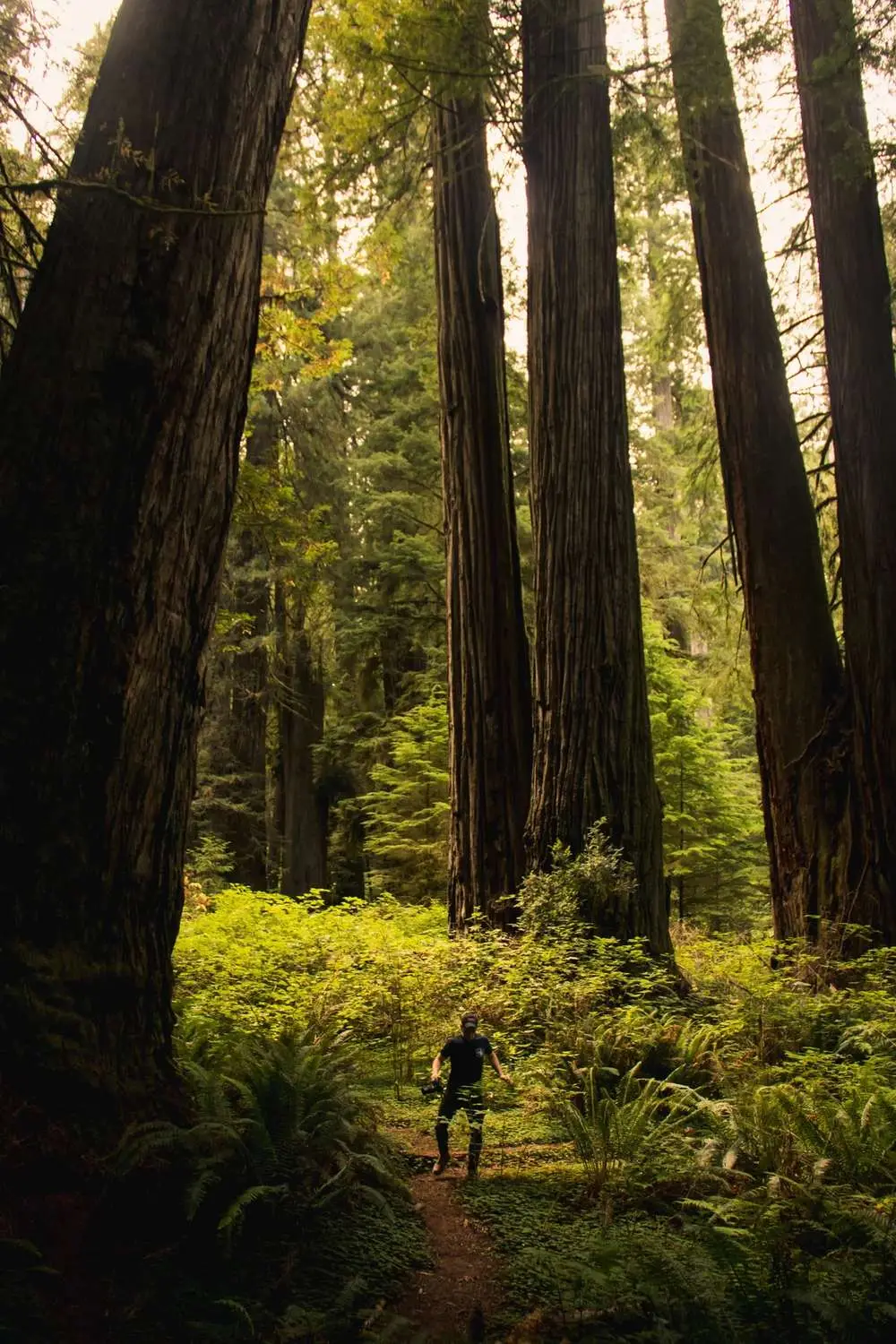
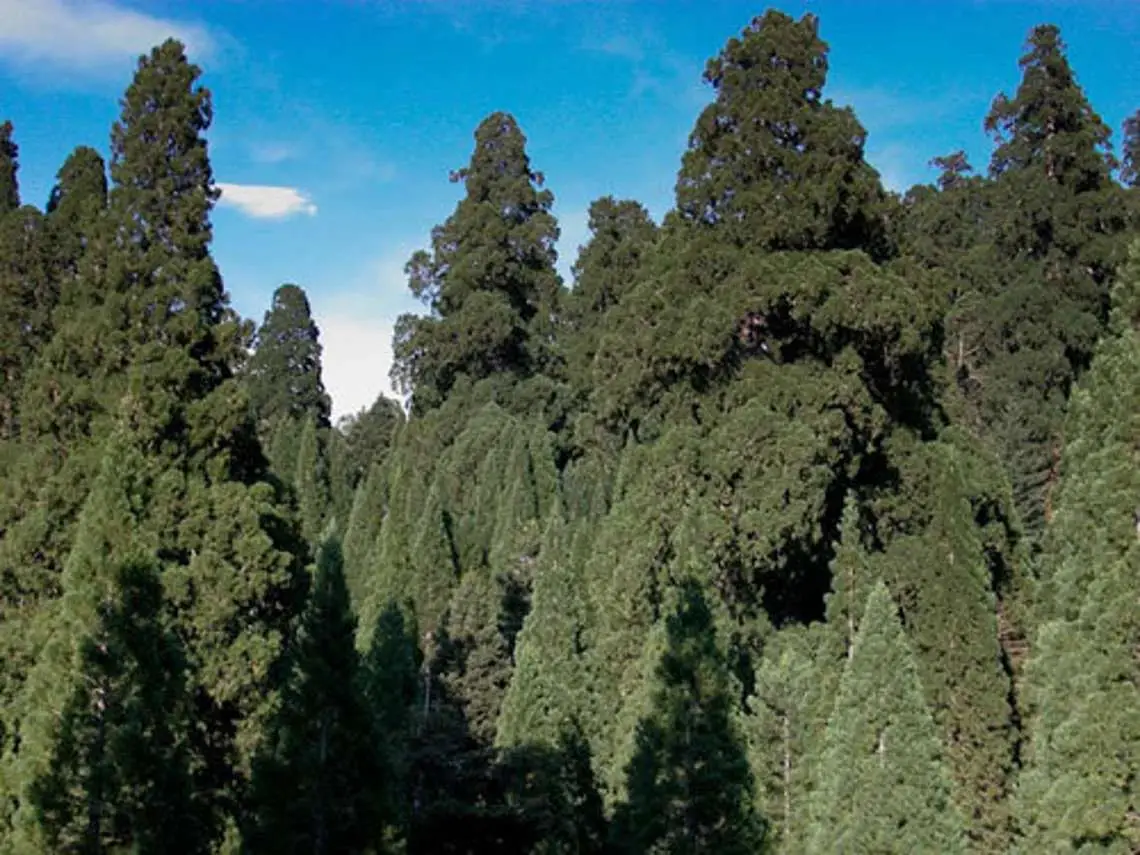
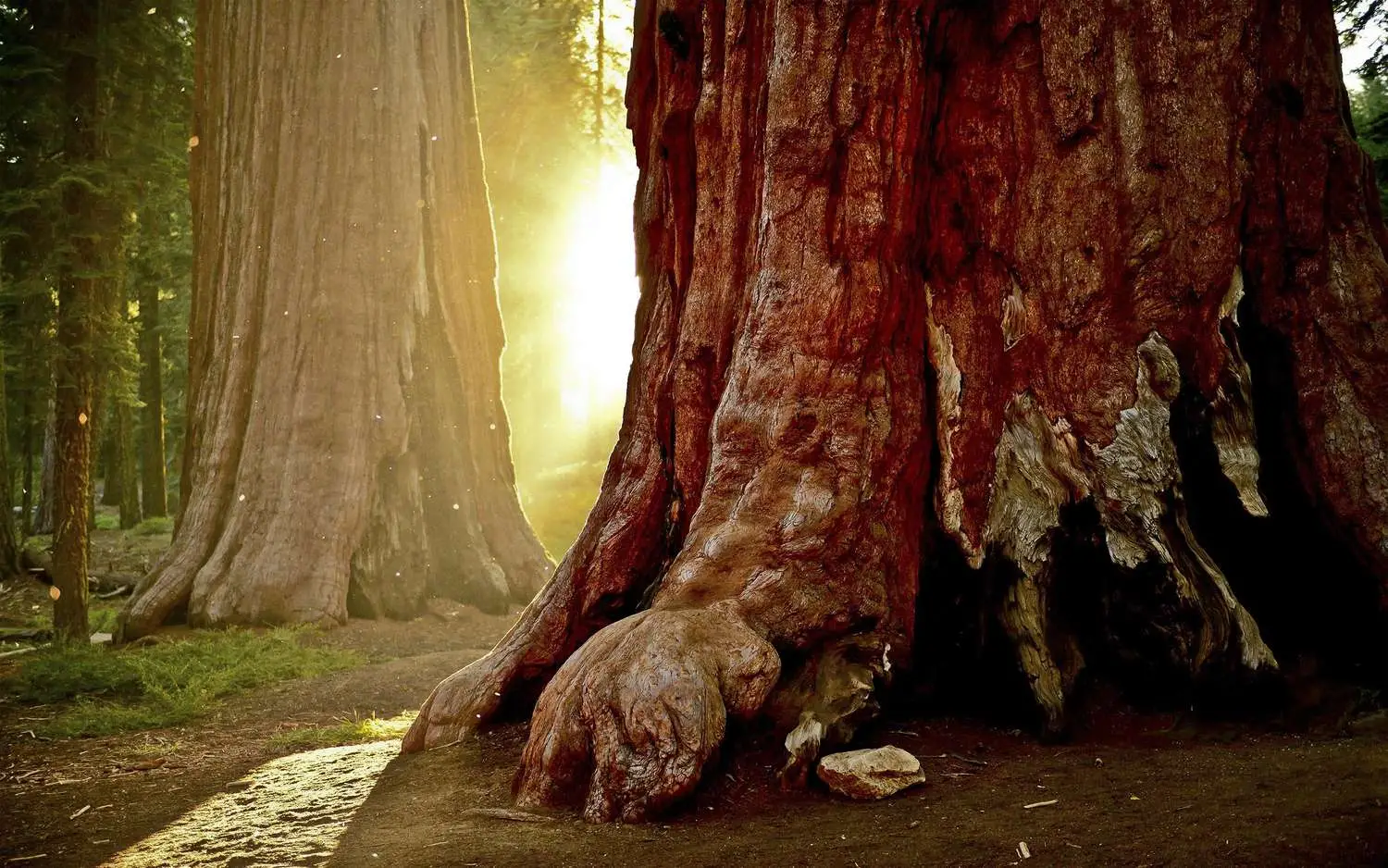
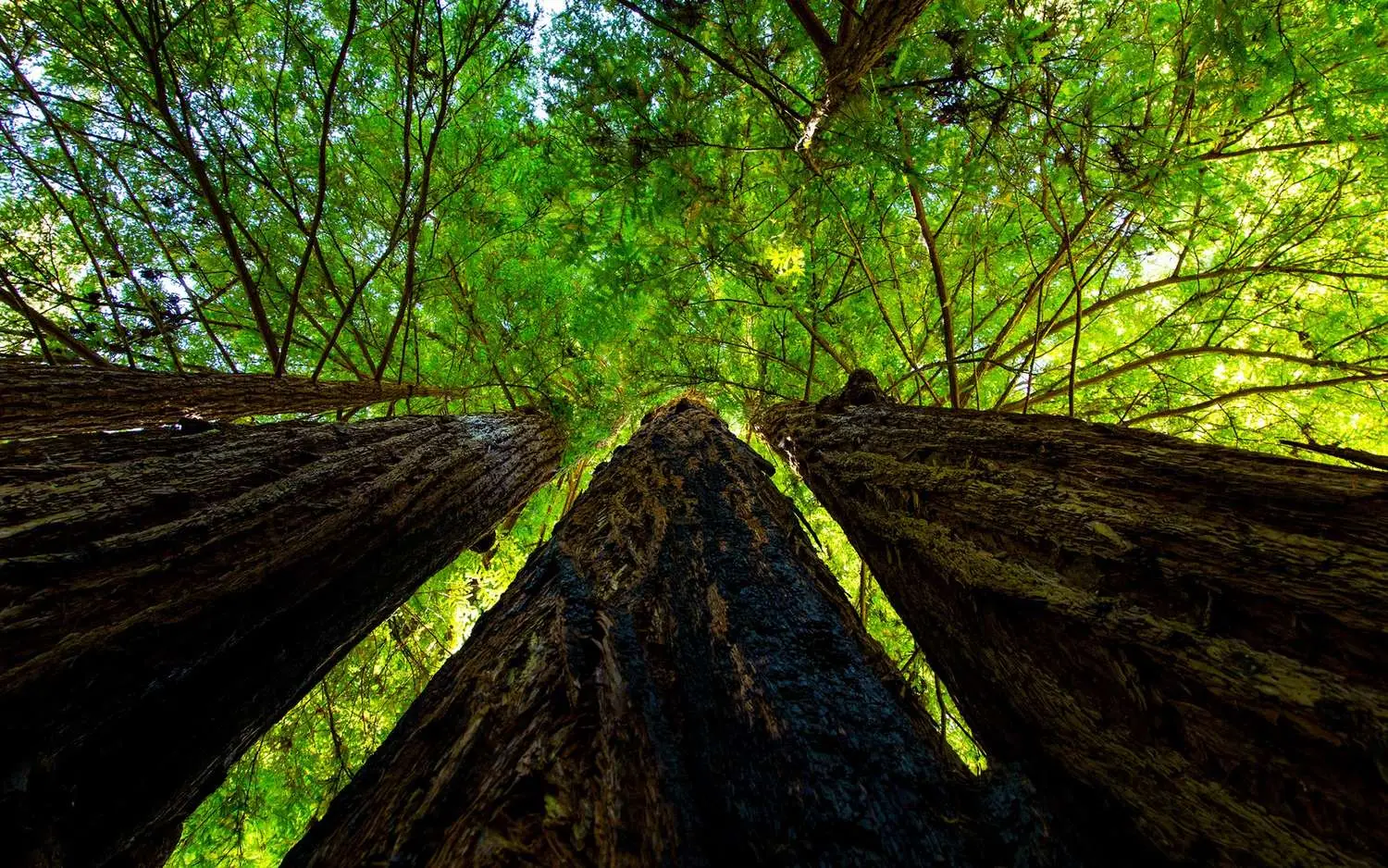
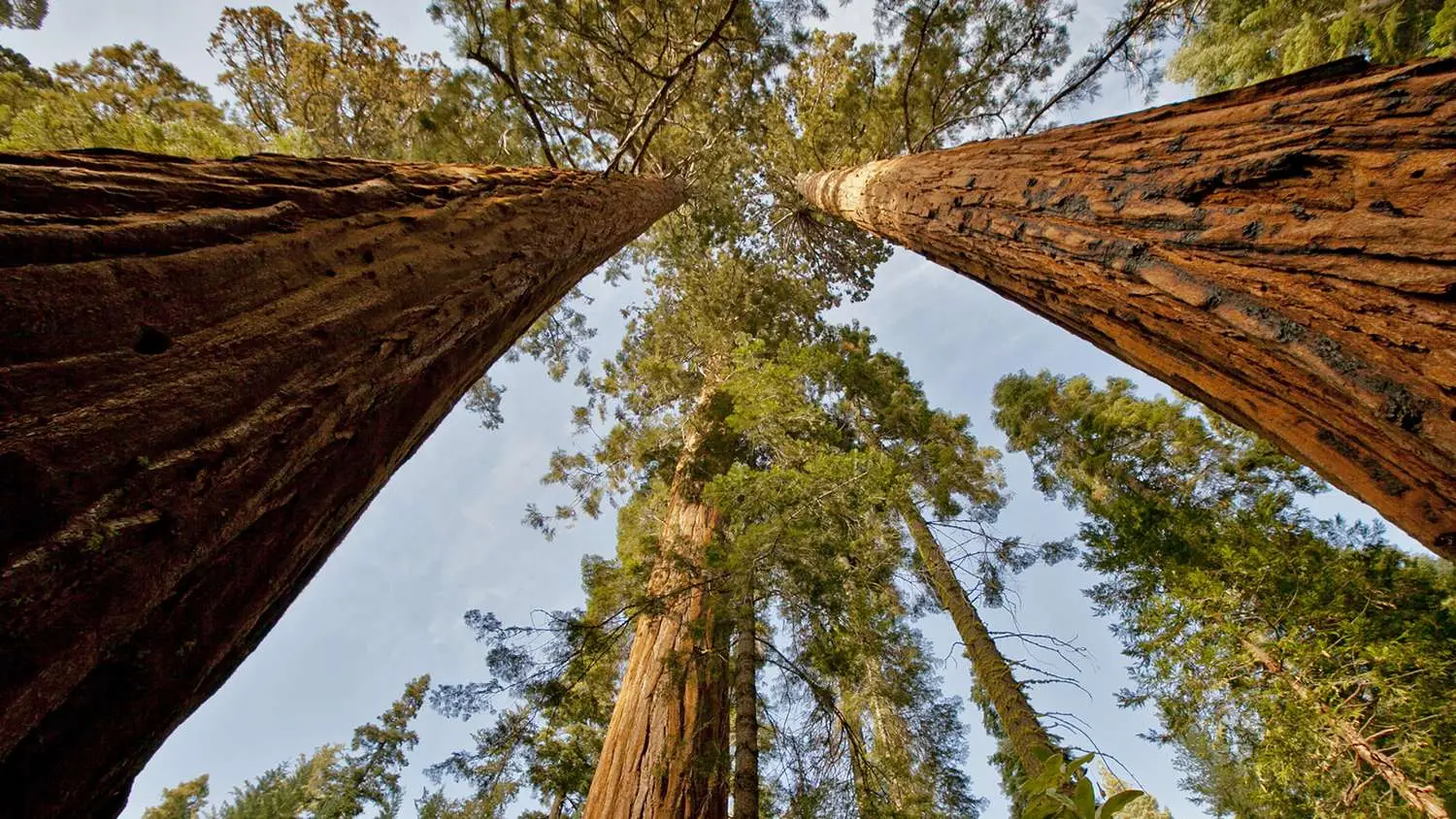
Sequoiadendron giganteum is the largest tree in the world, a vigorous evergreen conifer adorned with a massive fluted trunk covered with thick, reddish-brown bark and dense conical crown. This California native is long-lived (2000-3000 years), making it not merely a tree but a bridge between millennia. Oldest known redwood fossils date back more than 200 million years to the Jurassic period—you’re growing a species that has watched continents shift.
**THE BONSAI VISION: Majesty in Miniature**
While most gardeners admire the Giant Sequoia from afar, you can cultivate something extraordinary: a bonsai version of Earth’s supreme giant. Especially interesting seedlings can be transplanted and light shaped in the bonsai style—these are one-of-a-kind specimens. A giant sequoia bonsai is one of the most impressive and rewarding bonsai plants you can grow, yes it can be “bonsai-ed” with patience and care. Unlike easier bonsai species, the Giant Sequoia demands respect—selective pruning, consistent feeding, and unwavering commitment to coax its naturally colossal form into elegant restraint. The reward? Imagine rugged bark and a timeless looking tree resting neatly as a planting in your home—a conversation piece that embodies resilience, longevity, and uncompromising beauty.
**BEAUTY THAT WHISPERS ACROSS CENTURIES**
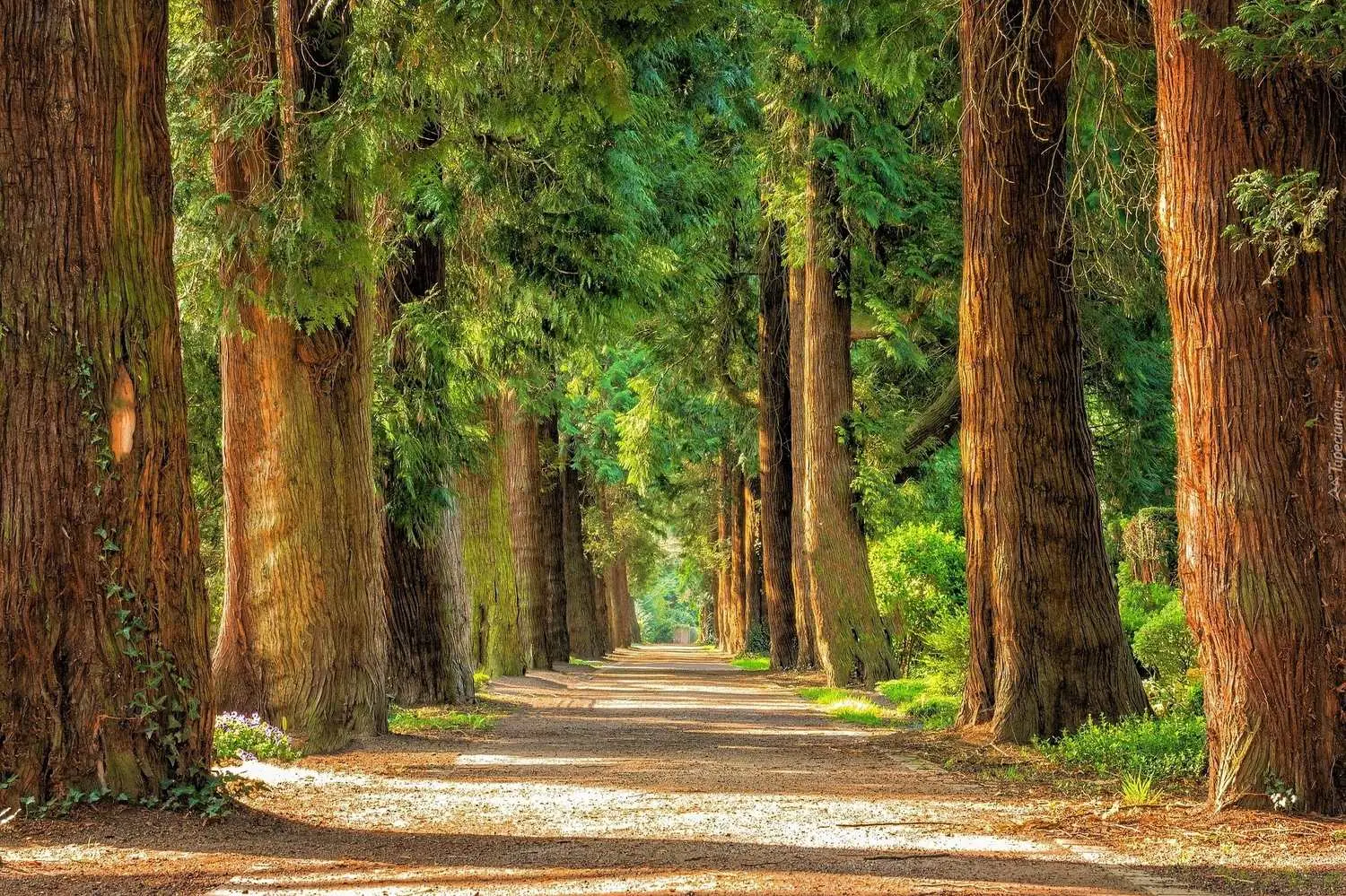
Young trees have a beautiful, broad-pyramidal shape with branches that droop at the ends. The blue-green needles are awl-shaped, slightly appressed, and arranged spirally around pristine stems. But the true magic lies in the bark—spongy, rich reddish brown, ridged and furrowed, and can be 12 inches thick (30 cm) or even thicker on mature trees. As your bonsai ages, this bark becomes a textured map of patience and growth, deepening in character year after year.
**GROWING FROM SEED: AN ADVENTURE, NOT A SHORTCUT**
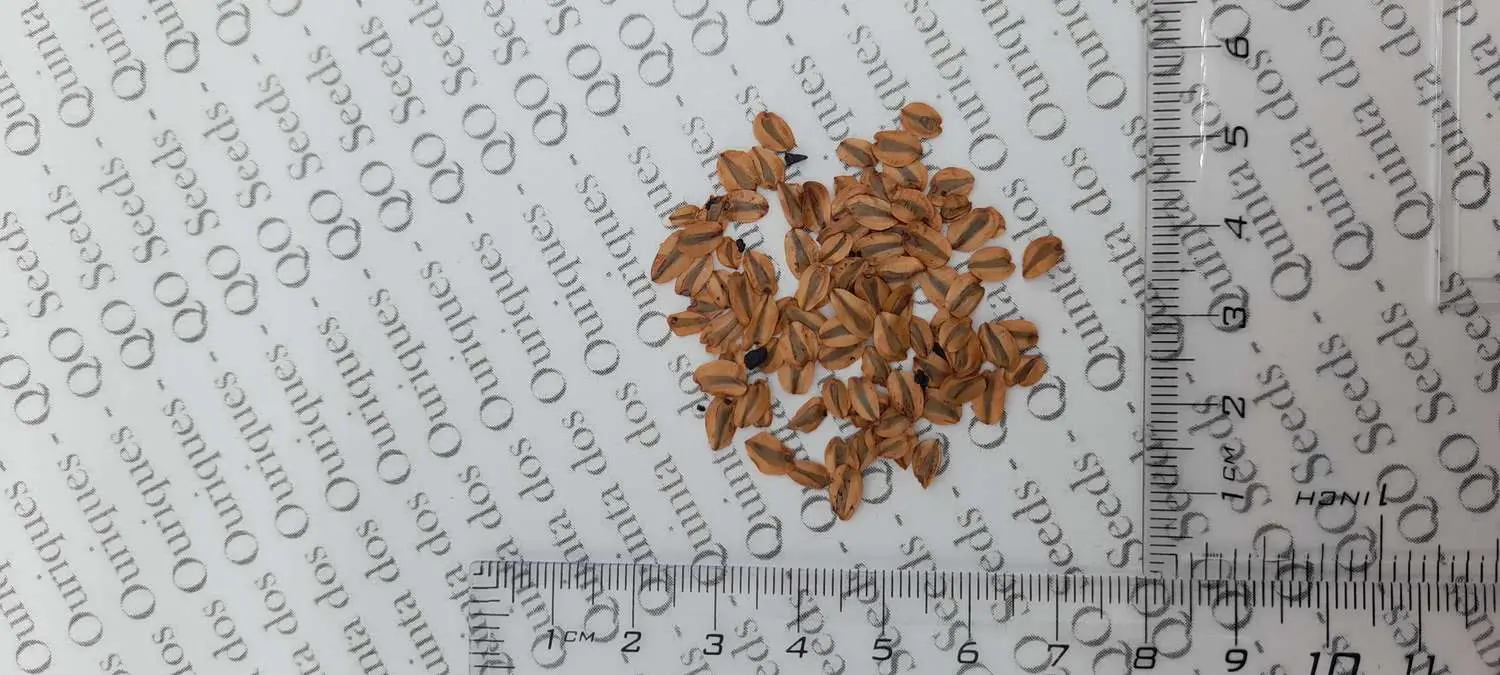
Growing a giant sequoia from seed is not the easiest thing in the world, but it’s certainly not impossible—after successful germination, you become the proud owner of baby giant redwoods. Seeds require cold stratification (4–5 ºC, 30–40 days to ~9 weeks), shallow sowing and germination in 2–5 weeks. Germination ranges from 30-40%, with optimum temperatures for germination ranging from 60-70 degrees. In pots, use deep containers and fabric for aerial root pruning; partial shade initially and full sun once established. The seedling phase demands attention—this is where your devotion separates the casual collector from the true custodian of giants.
**LIGHT, WATER, SOIL: THE SACRED TRINITY**
Sequoias require a Mediterranean climate with moderate, cool summers and mild, wet winters, thriving in areas with full sun exposure and well-draining soil. For bonsai, constantly moist soil is preferred—the sequoia prefers consistent moisture; an occasional soaking is good but an occasional drying is bad; think moist not muddy. Sequoias are ravenous feeders and will grow accordingly; it is a mistake to attempt to miniaturize the giant sequoia by withholding nourishment—miniaturization must be done with bonsai techniques such as selective branch pruning. Feed regularly during the growing season; your vigilance in the nursery phase becomes your tree’s legacy.
**THE LONGEVITY PROMISE**
You’re not planting a tree. You’re planting an ancestor. Giant sequoias reach ages of more than 3,200 y
Only logged in customers who have purchased this product may leave a review.


Reviews
There are no reviews yet.