
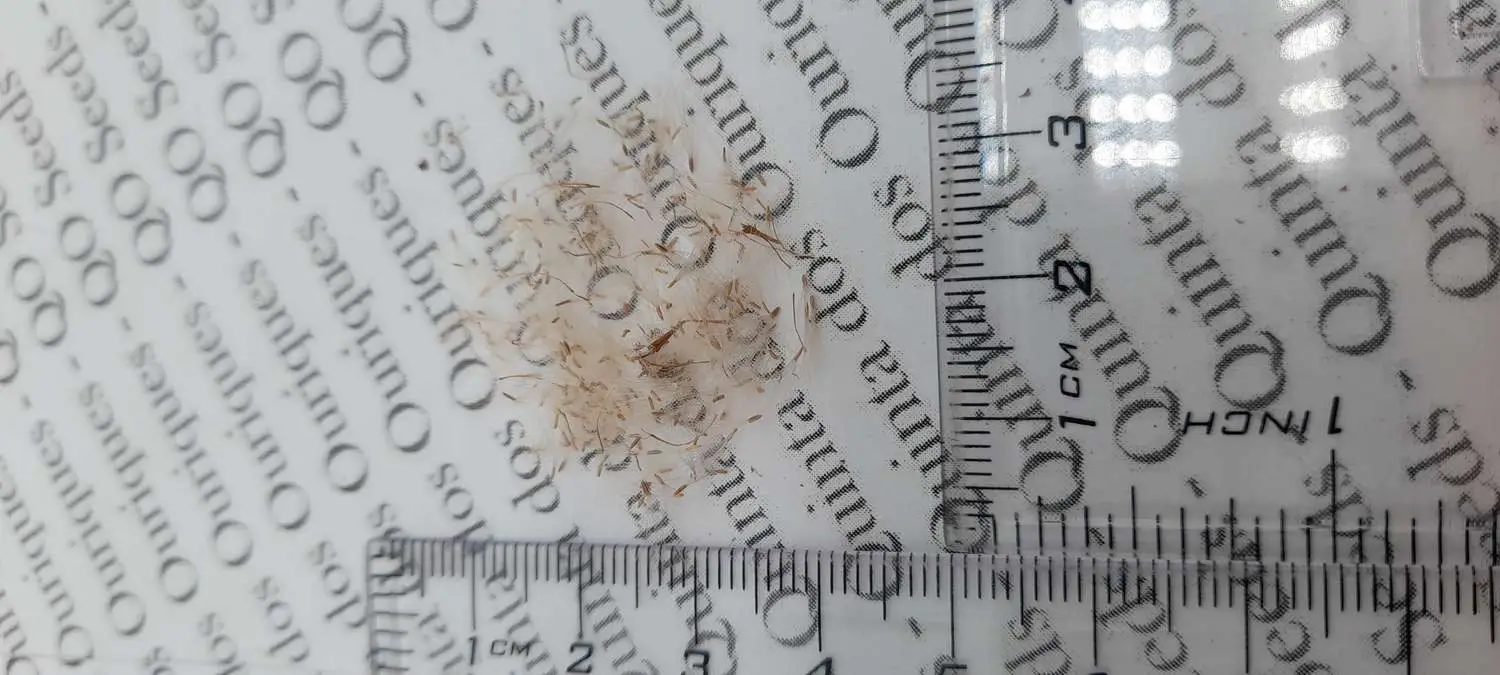
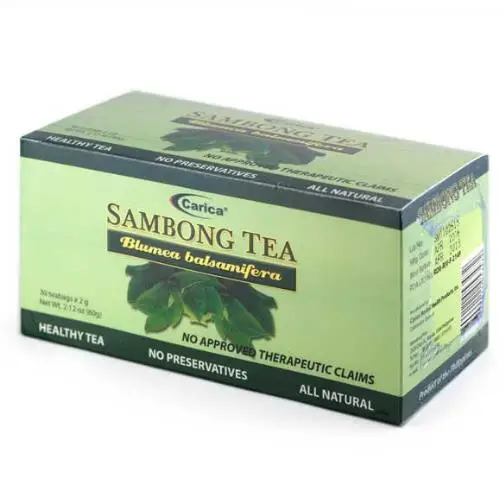
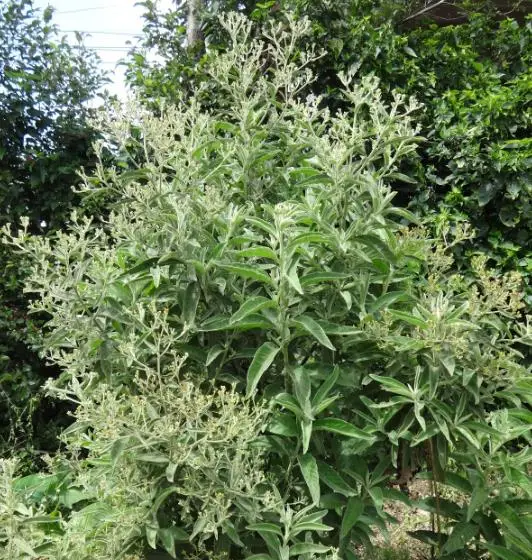
Grow your own pharmacy. Blumea balsamifera (Sambong) is the legendary kidney-stone fighter trusted across Southeast Asia for centuries. Brew its aromatic leaves into a potent diuretic tea—officially recognized by the Philippine Department of Health—or harvest fresh for tinctures. This softly hairy, camphor-scented shrub thrives in sun to part-shade and loves minimal fussing. From seed to first therapeutic harvest in just 3-6 months. Click to bring home hea
€1.92
Sambong, scientifically known as Blumea balsamifera, is an extraordinary plant celebrated for its medicinal properties and ecological importance. This is not ornamental greenery. This is a living medicine cabinet.
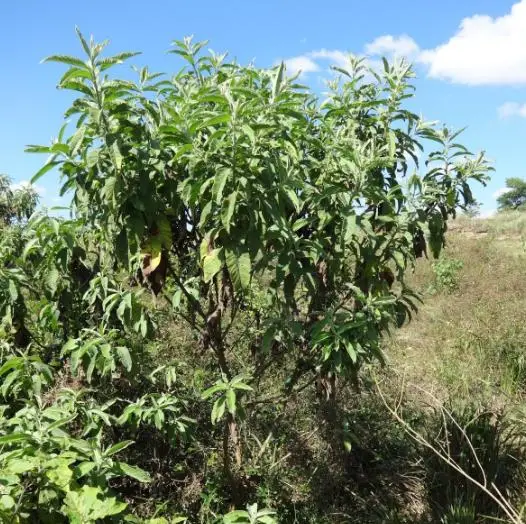
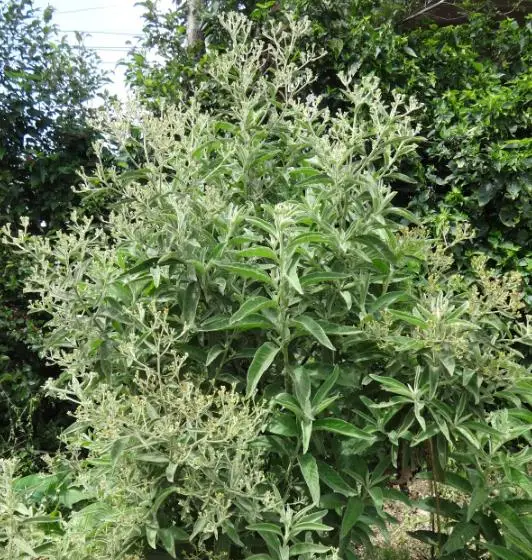
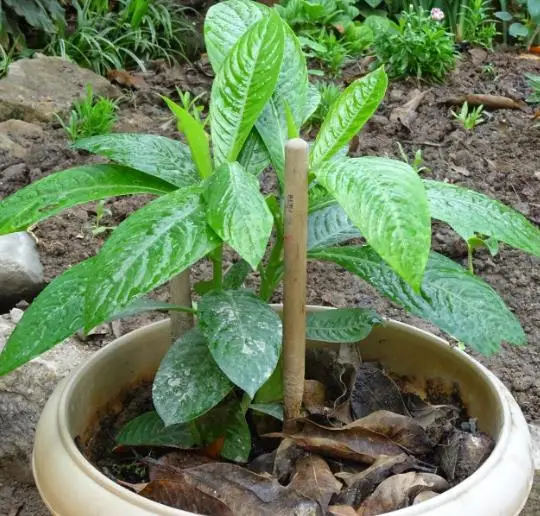
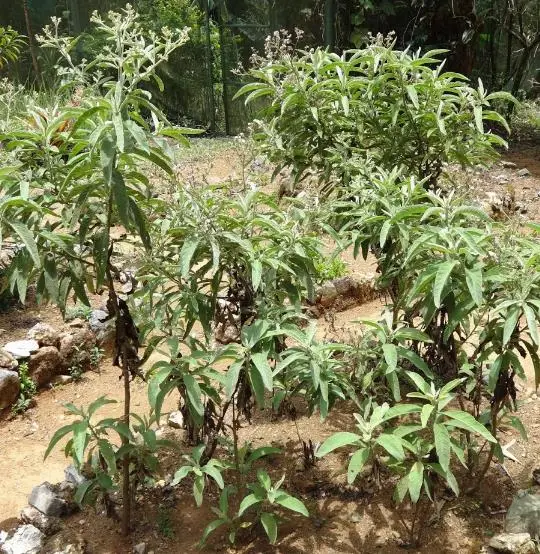
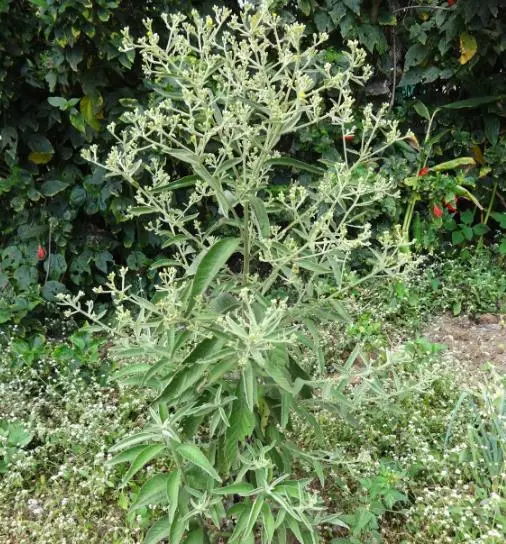
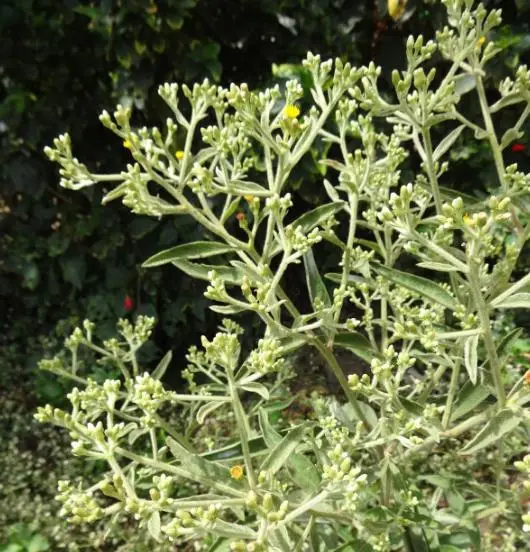
Blumea balsamifera (L.) DC. (Asteraceae), also known as sambong, has been used as medicine for thousands of years in Southeast Asia countries, such as China, Malaysia, Thailand, Vietnam, and Philippines. This species is the most woody and fragrant member of the genus. It has been described physically as: Softly hairy, half woody, strongly aromatic shrub, 1-4 meters (m) high. When you crush its lance-shaped leaves between your palms, you’re released into a world of camphor—a scent so pronounced it transforms a garden corner into a living apothecary.
Here’s where Sambong becomes irresistible: As a diuretic, sambong is an herb used to treat urolithiasis (urinary tract or kidney stones) and urinary tract infections, and thus reduces high blood pressure. It is approved by the Philippine Department of Health, Institute of Traditional and Alternative Health Care, and by the Bureau of Plant Industries of the Department of Agriculture. This isn’t folk wisdom alone—this is *state-sanctioned* medicine. The tea has a woody taste, with hint of menthol, described on an official Government of the Philippines website as “a strong camphoraceous odor and a pungent taste”. The whole plant and its crude extracts, as well as its isolated constituents, display numerous biological activities, such as antitumor, hepatoprotective, superoxide radical scavenging, antioxidant, antimicrobial and anti-inflammation, anti-plasmodial, anti-tyrosinase, platelet aggregation, enhancing percutaneous penetration, wound healing, anti-obesity, along with disease and insect resistant activities. Beyond kidney stones, Sambong works as an expectorant, an antidiarrheal and an antispasmodic, all of which treat some symptoms of the common cold. This single shrub is a respiratory soother, a digestive ally, and a warriors’ remedy.
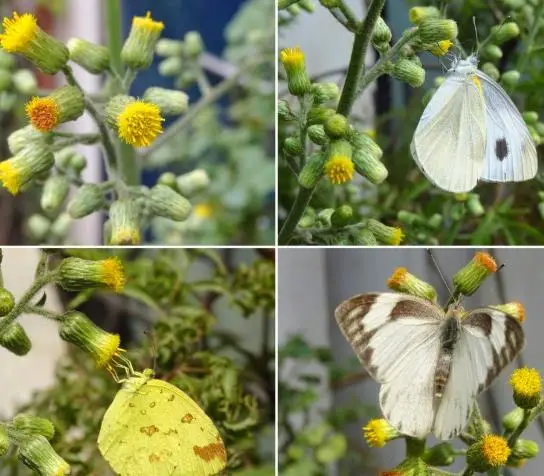
Growing Sambong from seed is almost unfairly easy. Blumea balsamifera is a perennial shrub that can grow up to 3 meters tall. It thrives in tropical and subtropical climates, preferring well-drained soil and full sun to partial shade. Annual rainfall of 500-1,800 mm is suitable, though it tolerates dry spells once established, sprouting from underground parts after disturbances like fire. Cultivation requires minimal intervention, with occasional fertilization using a balanced NPK formula (e.g., 10-10-10) every 4-6 weeks during the growing season to enhance vigor. Watering should keep soil moderately moist without saturation. This shrub wants to live. Leaves for medicinal use are harvested starting 3-6 months after planting, once plants reach maturity, with commercial yields reaching up to 50,000 kg of fresh leaves per hectare when cut multiple times annually. Your own plant will reward you with harvestable medicine by late spring. Flowers: Clusters of small yellow bead-like heads. The plant produces charming yellow flower heads that bloom in clusters, further enhancing its visual appeal. Year-round blooms. A shrub that keeps giving.
Imagine walking into your garden when your kidneys ache, when a cold scratches your throat, when you need a natural edge. Imagine reaching for your own Sambong. Not something ordered, not something uncertain—something you grew from a seed you held in your hand, nurtured through seasons, and now harvest fresh. That’s the intimacy Blumea balsamifera offers. That’s why growers in the Philippines, Thailand, China, and India have cheri
Only logged in customers who have purchased this product may leave a review.
Reviews
There are no reviews yet.