Description
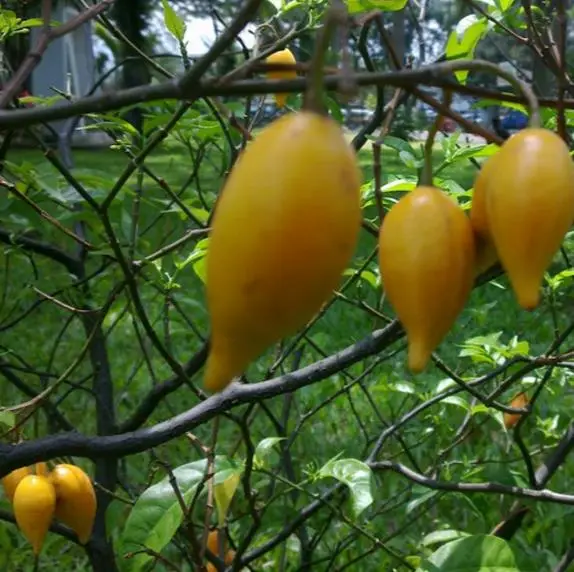
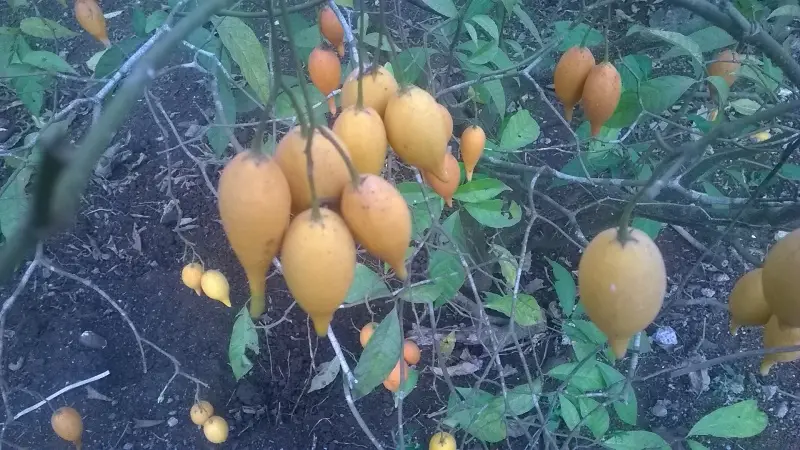
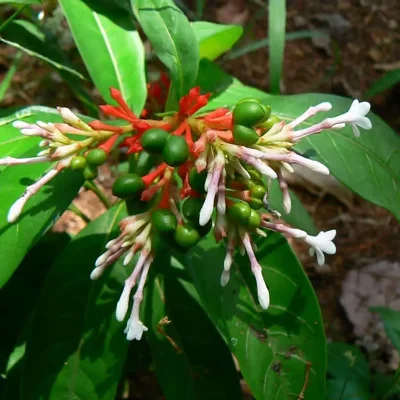
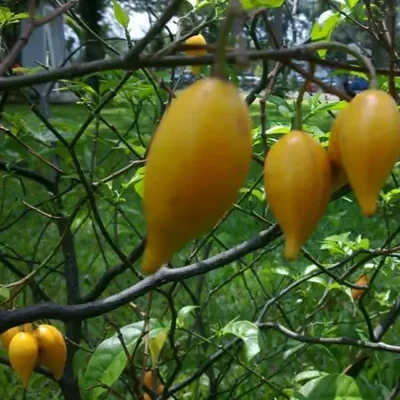
Medicinal plant, a grove of immeasurable value; native to africa, more precisely, to gabon and cameroon.
A medication of the highest order for physical and mental illnesses.
The plant is a powerful detoxification tool, removing mercury and aluminum from the muscles and blood, eliminating parasites, candida, viruses and many other malefic microorganisms. Removes all legal and illegal drugs from our body.
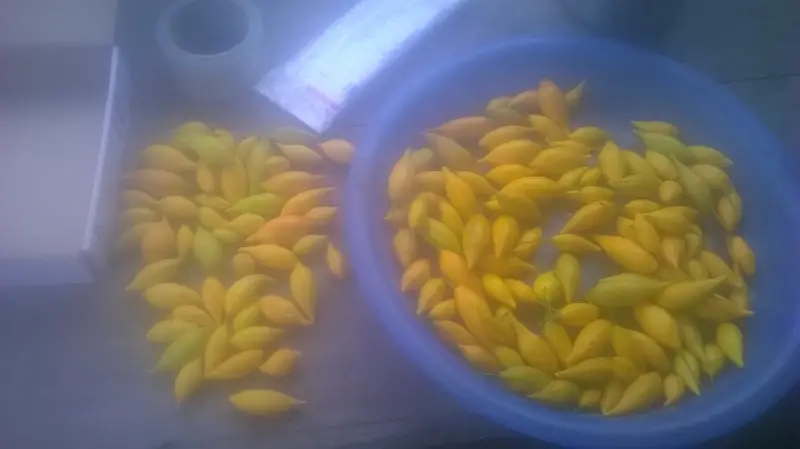
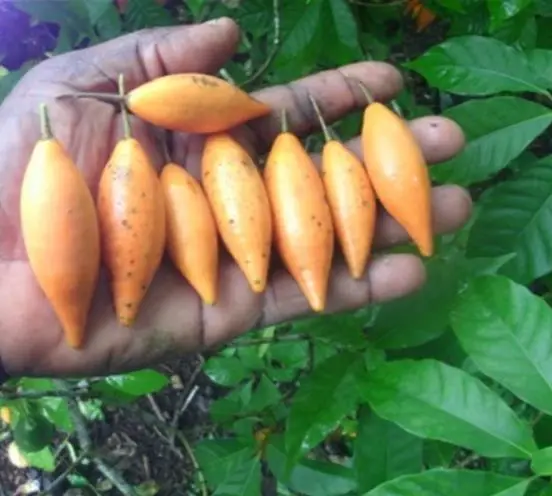
Fresh seeds of this specimen are a prize.
There are so many reliable recommendations that we limit ourselves to providing below the various links we use for the study and research of this species
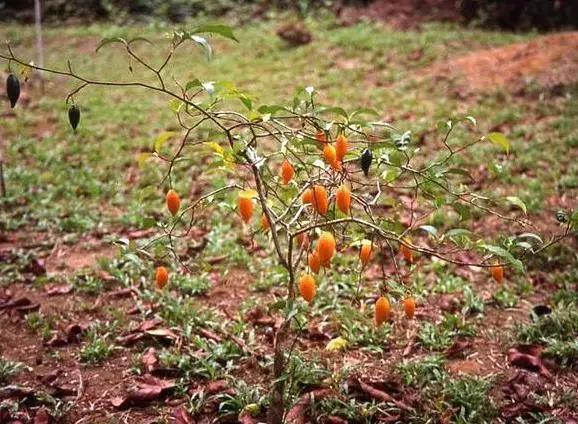
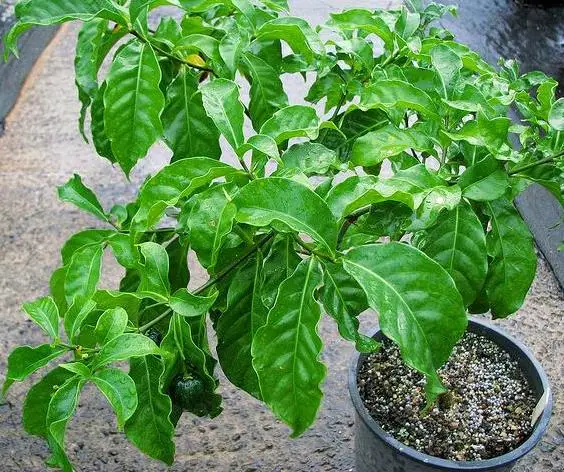
Usually grows up to 2 meters in height, but in ideal conditions it can reach up to 10 meters in height.
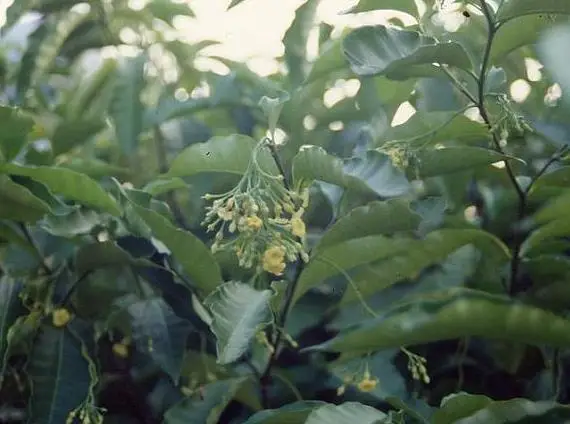
The species is native to the humid forests of western central Africa, where temperatures generally fluctuate above 20 ° C, and often reach up to 40 ° C, it grows in areas of tropical forest, swampy soils or wet savannas; blooms and bears fruit throughout the year.
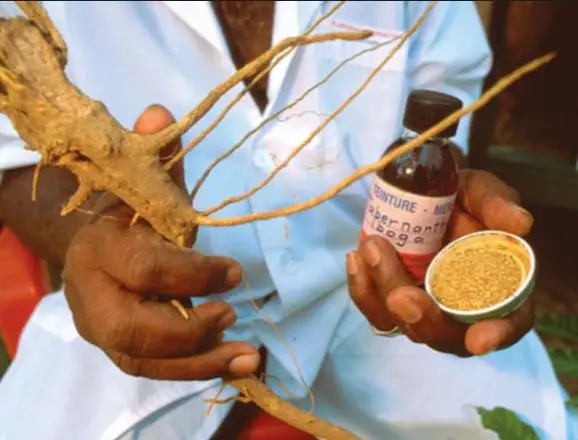
Tabernanthe i. is the plant that has at its root the active principle, a precursor of debates, initiatives, controversies in the current world. It is believed to be able to antagonize and cancel the action of a series of alkaloids of intense bioactivity on the brain
Excerpt from the article written by bia labate:
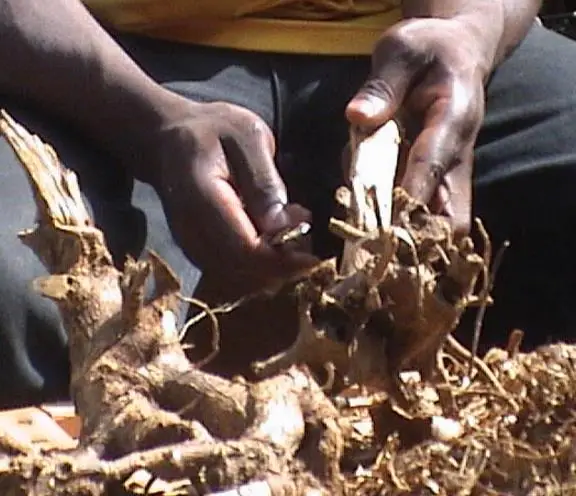
Today is used by traditional healers in the countries of the Congo basin and in the religion of Bouiti in Equatorial Guinea, Cameroon and above all in Gabon, where important members of the country’s political and military hierarchies are adepts. The root bark is mainly used but medicinal properties are also attributed to the leaves, the trunk bark and the root. In the gabon, the root and the root bark are easily found in traditional pharmacies and in the markets of major cities. There is an NGO dedicated entirely. If the current trend is maintained, the collection of wild species is putting it at risk of extinction.
Germination Guide
🌍 West-Central Africa: Gabon, Cameroon, Democratic Republic of Congo, Republic of Congo, Angola, and Central African Republic
Very Difficult
Tabernanthe iboga is an evergreen tropical rainforest shrub native to West-Central Africa, primarily Gabon, Cameroon, and the Congo Basin, where it thrives in humid understory conditions with consistently warm temperatures. This species is extremely challenging to propagate from seed due to the remarkable perishability of its seeds, which lose viability rapidly once the seed coat dries. Despite these challenges, successful germination is achievable with proper technique, soaking, and maintenance of warm, moist conditions throughout the extended germination period
Germination
Germination time
Expect germination in
2 – 180 days
Temperature
Min 25°C
Ideal 30°C
Max 35°C
Light
🌑 Darkness required
Substrate moisture
💧💧 High
Seed Pre-treatment
-
💧
Soaking — 24 hours
Soak seeds in warm water (below 40°C) for 24 hours or overnight. Fresh, moist seeds germinate more easily; soaking helps seeds imbibe water and improves germination rate
-
🔨
Mechanical scarification
Mechanical scarification increases germination rate considerably. Apply with extreme caution to avoid damaging the seed; alternatively, if seeds are very fresh and moist, scarification may not be necessary
-
📋
Additional notes
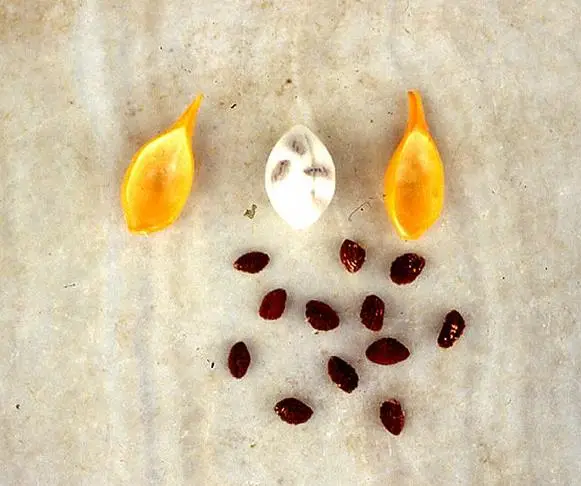
Seeds are very perishable with extremely short viability. Fresh, moist seeds maintain viability for approximately 4 months when stored in a moist environment at around 10°C. Once the seed coat dries, germination becomes difficult and seedlings may rot
Substrate & Container
Recommended substrate
Well-draining, porous mixture such as peat with perlite (60/40%), vermiculite, coco peat, or sphagnum. Avoid waterlogging
Recommended container
Trays, pots, or propagation containers with heating capability
Growing Tips
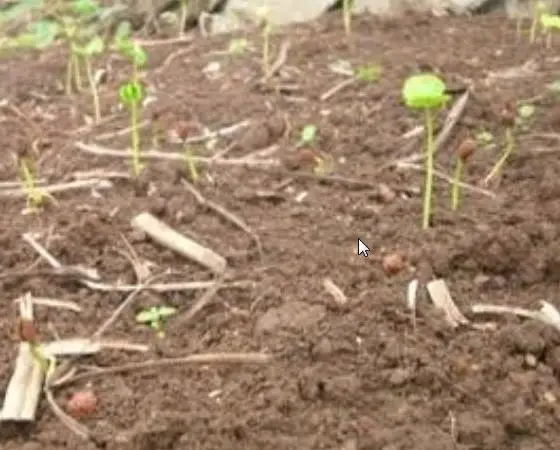
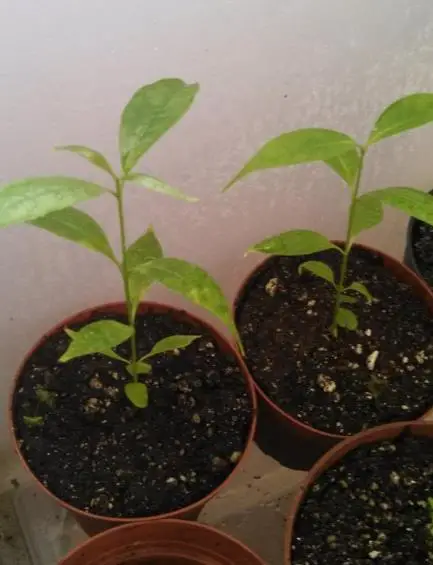
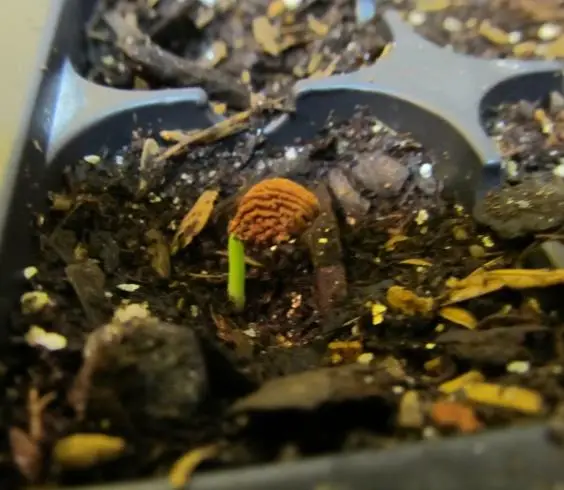
Always source the freshest seeds possible and soak immediately in warm water before sowing. Keep seeds and seedlings in complete darkness at 30-35°C with high humidity—use a propagator with heating if available. Maintain constant moisture but avoid waterlogging, as this promotes fungal problems. Germination can occur within 2-3 weeks but may extend to 6 months; patience is essential. Never expose seedlings to dry air until they have developed at least 3 sets of true leaves. At 3 sets of leaves, transplant to a sand-based medium (90% coarse sand with 10% potting mix). Once plants reach 5 pairs of leaves, transfer to nutrient-rich potting soil and provide filtered sunlight. This species grows slowly; expect several years before maturity
Only logged in customers who have purchased this product may leave a review.

Reviews
There are no reviews yet.