Sapindus mukorossi — Washnut | The Eco-Soap Tree You Grow Yourself

Grow your own natural laundry soap. Sapindus mukorossi produces golden berries packed with saponins—a natural surfactant that cleans clothes, hair, and skin without chemicals. In 5 years, a single tree yields 30+ kg of fruit annually. Easy to grow in warm climates with moderate water. Start from seed and join the sustainable cleaning revolution.

This product is currently out of stock and unavailable.

You May Also Like

Description

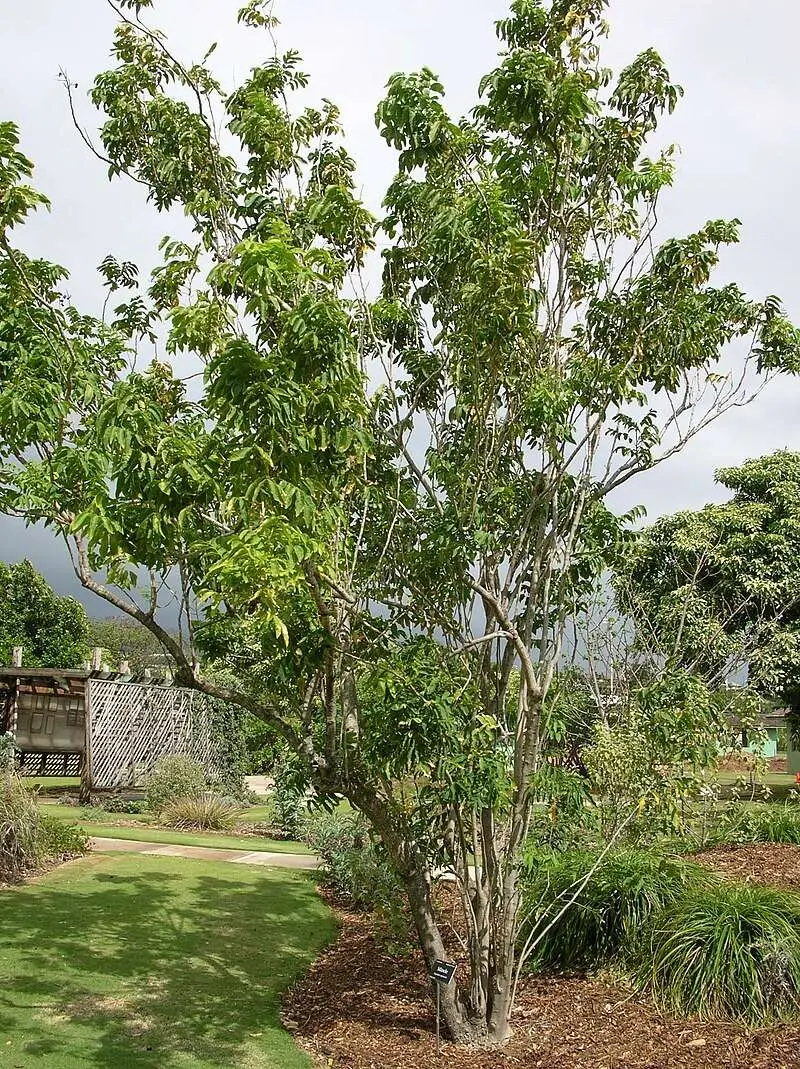
Imagine harvesting soap from your own tree. Sapindus mukorossi—the Indian soapberry or washnut—is a deciduous wonder that produces nature’s most perfect cleaning agent: berries bursting with saponins, the same soap-like compounds that have cleaned humanity for millennia.

For over 2,000 years, this tree has been revered across Asia. In ancient India, documented in Ayurvedic texts, the fruit was prized as reetha or ritha. In Tang Dynasty China (618–907 CE), it was cultivated for both soap production and medicine. Hindu mythology associates it with Lakshmi, goddess of prosperity and purification. The Rigveda mentions it as a symbol of cleansing. This is not a novelty—this is ancestral plant knowledge, proven across centuries.

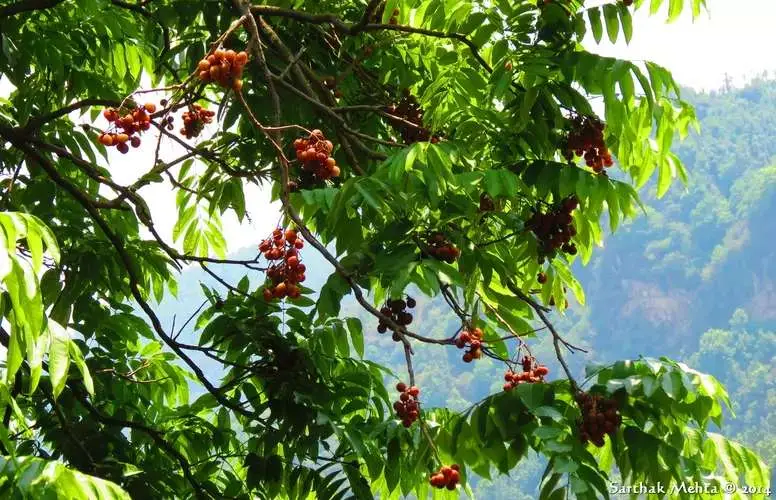
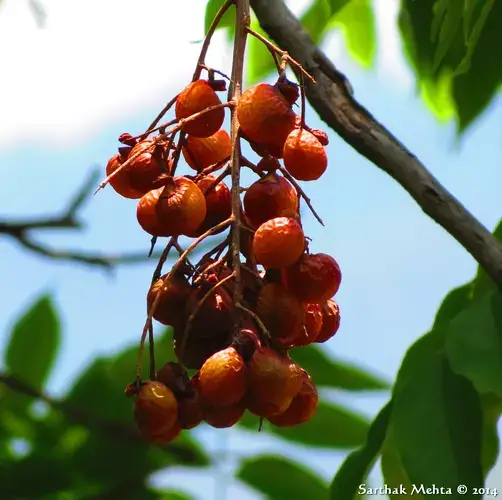
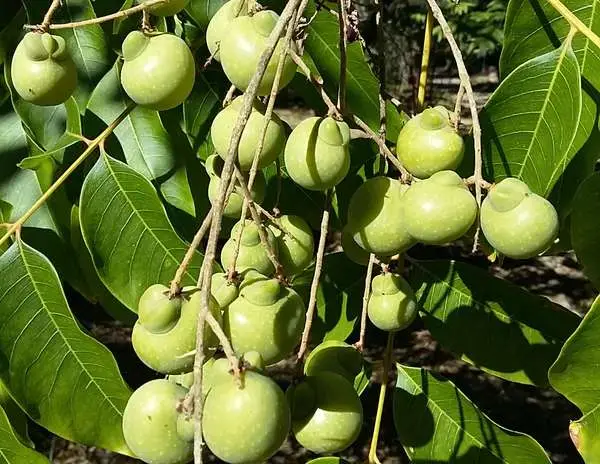
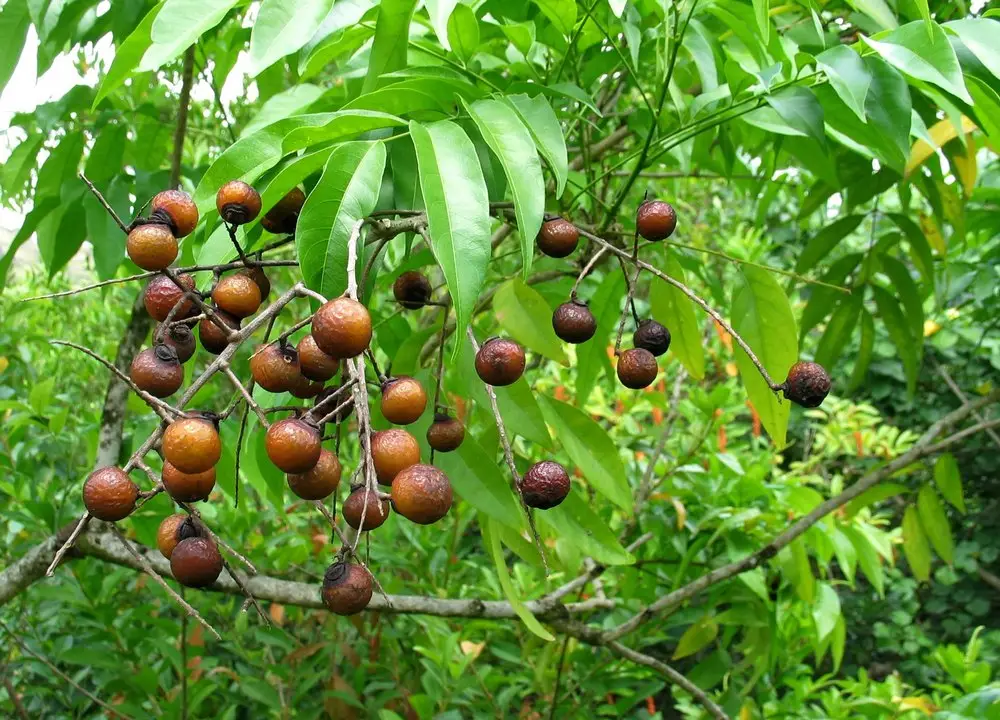
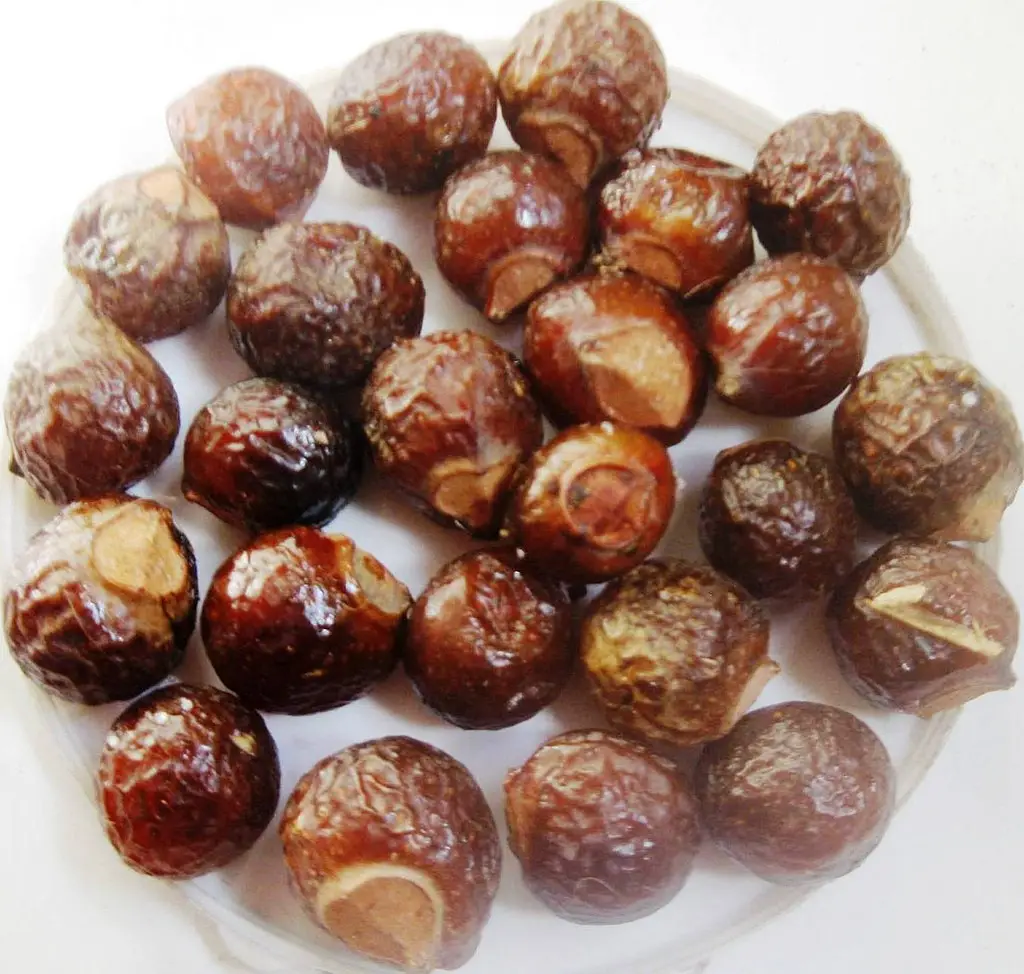
Here’s what makes Sapindus mukorossi the botanical superstar of sustainable living: the fruit contains 10–11.5% natural saponins—the highest concentration among 12 known soapberry species. When you harvest the golden-brown drupes and dry them, the shells become your entire cleaning arsenal. Drop a handful into a cotton bag, toss it in the washing machine, and watch as the berries release a natural surfactant that lifts dirt, grime, and oil from fabric without stripping delicate fibers or harming skin. No synthetic chemicals. No plastic bottles. Pure, biodegradable cleansing power. One tree produces 30–35 kilograms of fruit per year—enough soap for a family to clean clothes, wash dishes, shampoo hair, scrub skin, and even restore tarnished silverware. The powdered seed kernels work as a natural insecticide. The wood becomes furniture. Every part of this tree earns its place in your garden.

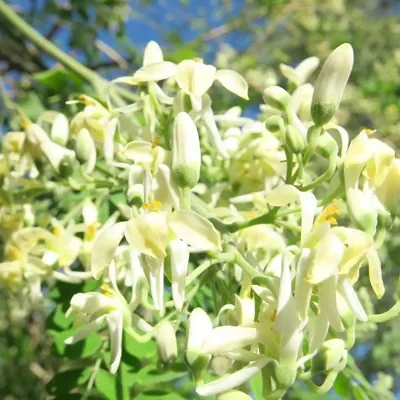
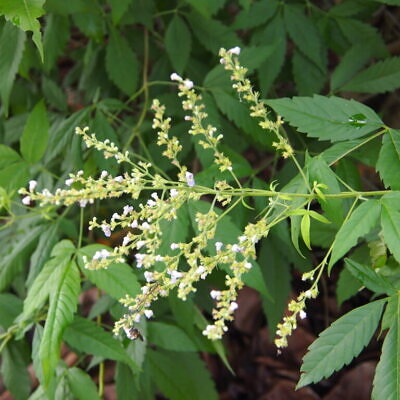
Growing it is a pleasure, not a burden. Sapindus mukorossi thrives in tropical to subtropical climates (USDA zones 9–11) in full sun. It tolerates poor, rocky, sandy, or clay soils—it’s not fussy about fertility, though it performs best in well-drained loam. Water moderately; established trees are surprisingly drought-tolerant. The foliage is large and decorative, the early summer flower panicles are eye-catching with their creamy blooms (and they attract bees), and the tree grows at a fast rate to a stately 50–65 feet. Yes, it takes patience—expect fruiting in 5–10 years—but that wait is part of the reward. You’re planting legacy. You’re planting independence from the petrochemical supply chain.

Start your soapberry adventure from seed. As you nurture each seedling into a thriving tree, you’re creating a living monument to ancient wisdom and modern sustainability. In a decade, you won’t just have a beautiful shade tree—you’ll have an annual harvest of pure, gentle soap. You’ll hold in your hand what your ancestors held, what emperors valued, what modern science has finally confirmed: nature’s perfect detergent, growing quietly in your own yard.

Germination Guide

🌍 India, China, Nepal, Himalayan region
Difficult

Sapindus mukorossi is a deciduous tree native to India, China, and the Himalayan region. Seeds exhibit physical dormancy due to hard seed coat, requiring pretreatment for successful germination.

Germination
Germination time
Expect germination in

21 – 56 days

Temperature

Min 21°C
Ideal 24°C
Max 27°C

Light
☁️ Indifferent

Substrate moisture
💧 Medium

Sowing depth
0.5 cm

Germination rate
68 %


Seed Pre-treatment
  • 💧

    Soaking — 24 hours
    Cold water soaking 72 hours or hot water treatment 100°C for 10 seconds effective alternatives to acid
  • 🔨

    Chemical scarification
    Concentrated H2SO4 for 20 minutes followed by rinsing or 75-90 minutes in concentrated acid optimal. Mechanical scarification with sandpaper also effective.
  • ❄️


    Cold stratification — 60 days at 2°C
  • 📋

    Additional notes
    Hard seed coat requires pretreatment. Highest germination (68-90%) with H2SO4 scarification. Hot water (100°C, 10 sec) also effective.

Substrate & Container
Recommended substrate
Potting soil, peat moss, sand mixture, well-draining

Recommended container
Deep pots for vertical tap roots


Growing Tips
Seeds retain viability 1-2 years. Large seeds show better germination than small seeds. Untreated seeds show only 7-30% germination. Temperature must be warm (70-80°F). Patience needed as germination can be slow and sporadic.

Reviews

There are no reviews yet.

Only logged in customers who have purchased this product may leave a review.

Related Products