
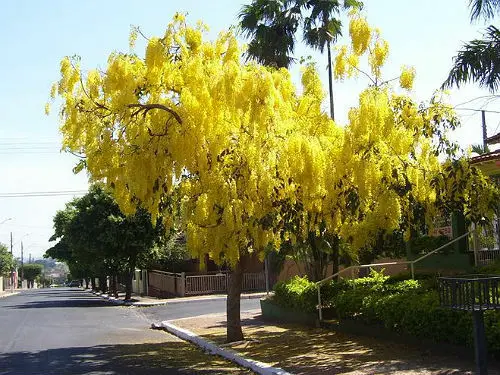
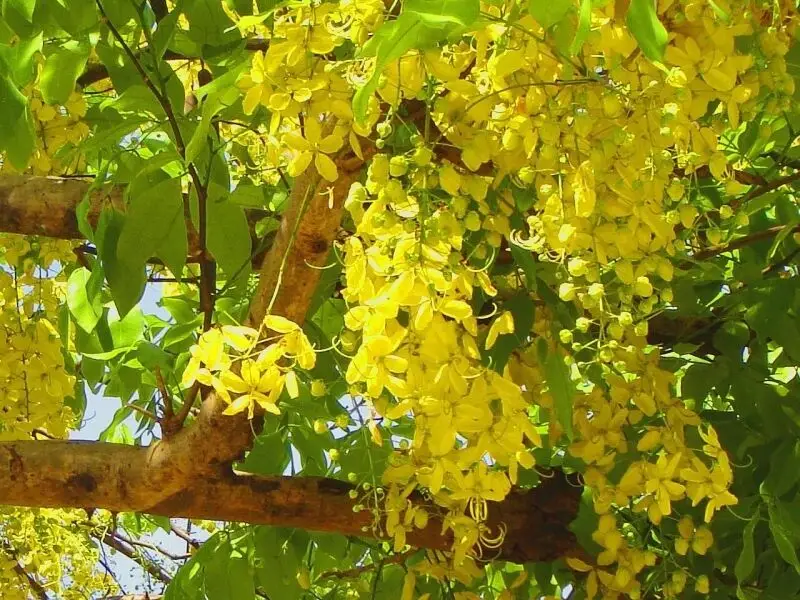
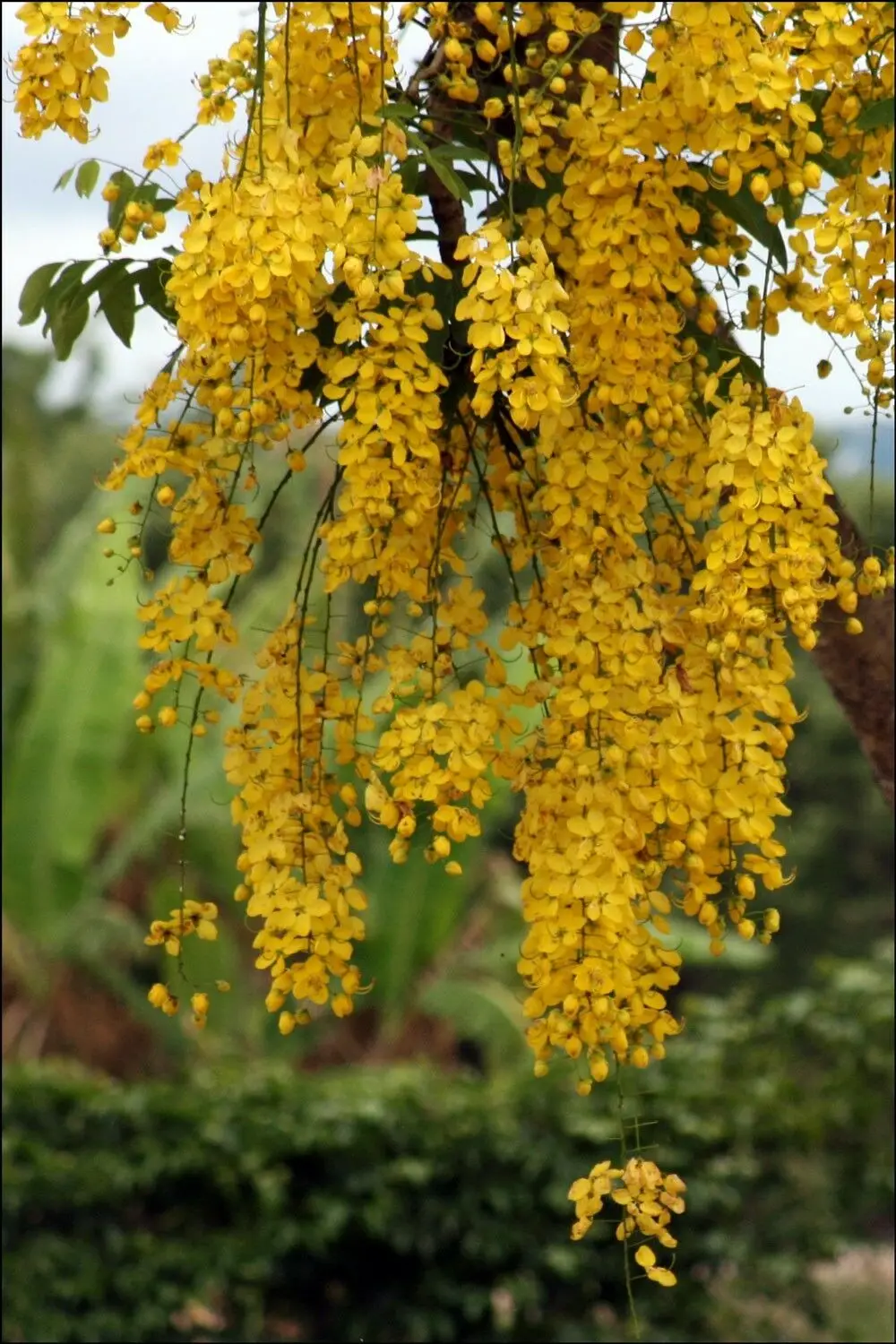
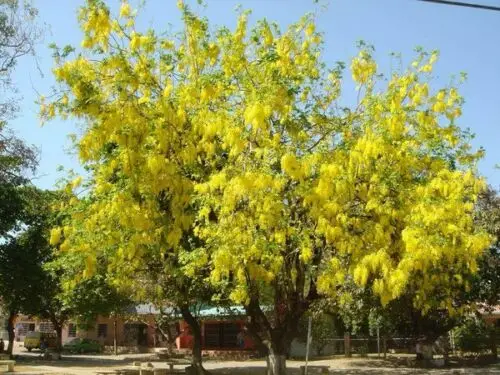

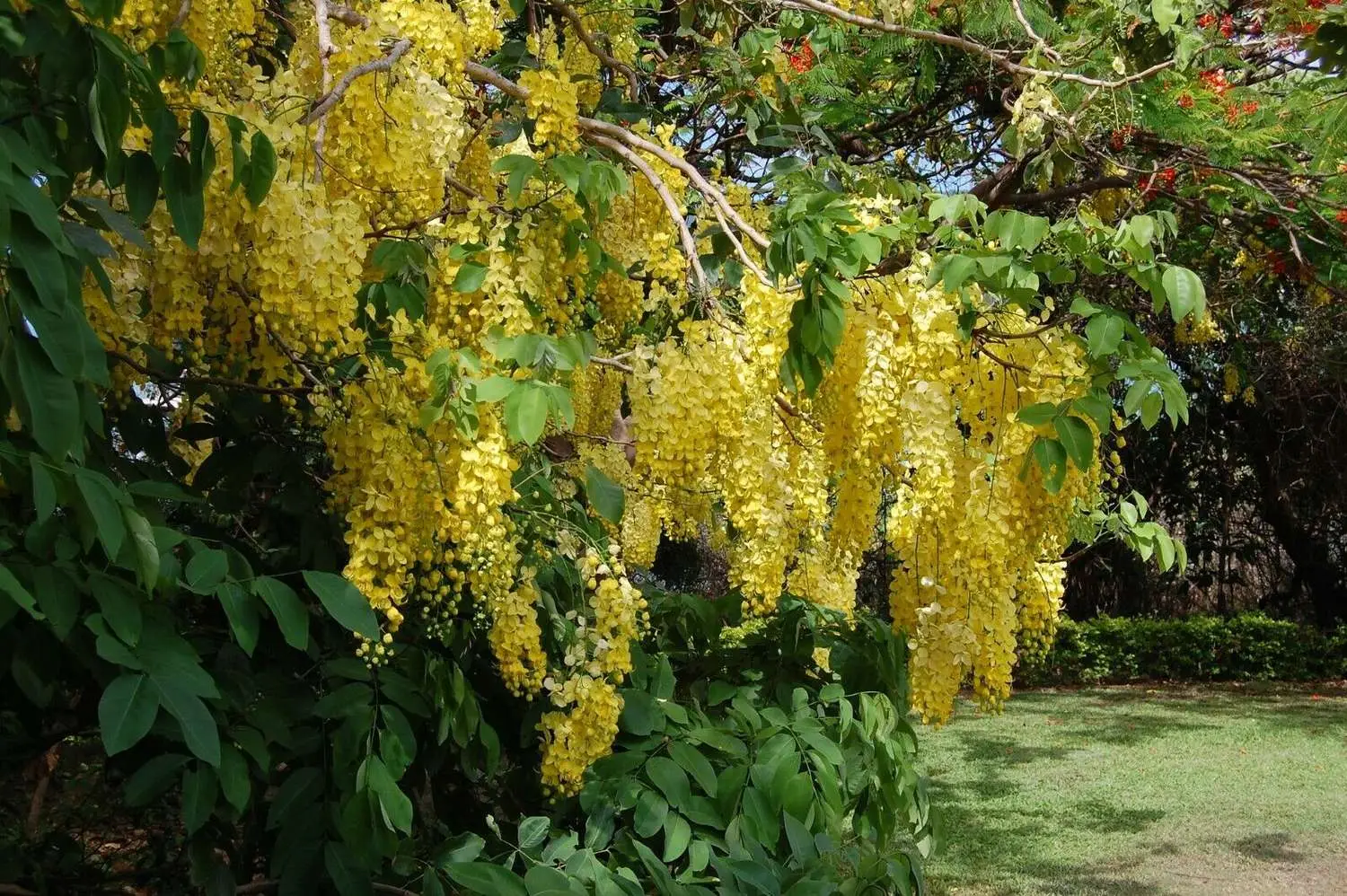
Grow the legendary “disease killer” revered in Ayurveda for millennia. Cassia fistula delivers cascading golden flowers AND fruit pulp rich in anthraquinones, flavonoids, and compounds validated for antioxidant, anti-inflammatory, and wound-healing power. Easy from seed; thrives in sun and well-drained soil. Harvest blooms and pods for traditional wellness—beauty and medicine, together at last.
€1.92
Imagine a tree so sacred, so potent, that ancient Ayurvedic healers called it Aragvadha—the disease killer—and it has earned that name for over 2,000 years. Cassia fistula, the Golden Shower Tree, is far more than ornamental spectacle. It is living pharmacy, medicinal treasure, and botanical legend rolled into one luminous canopy.
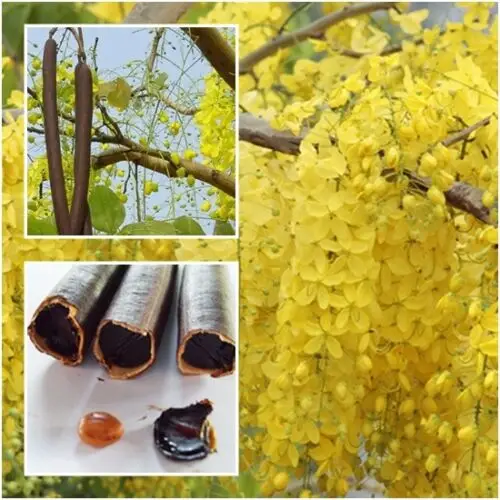
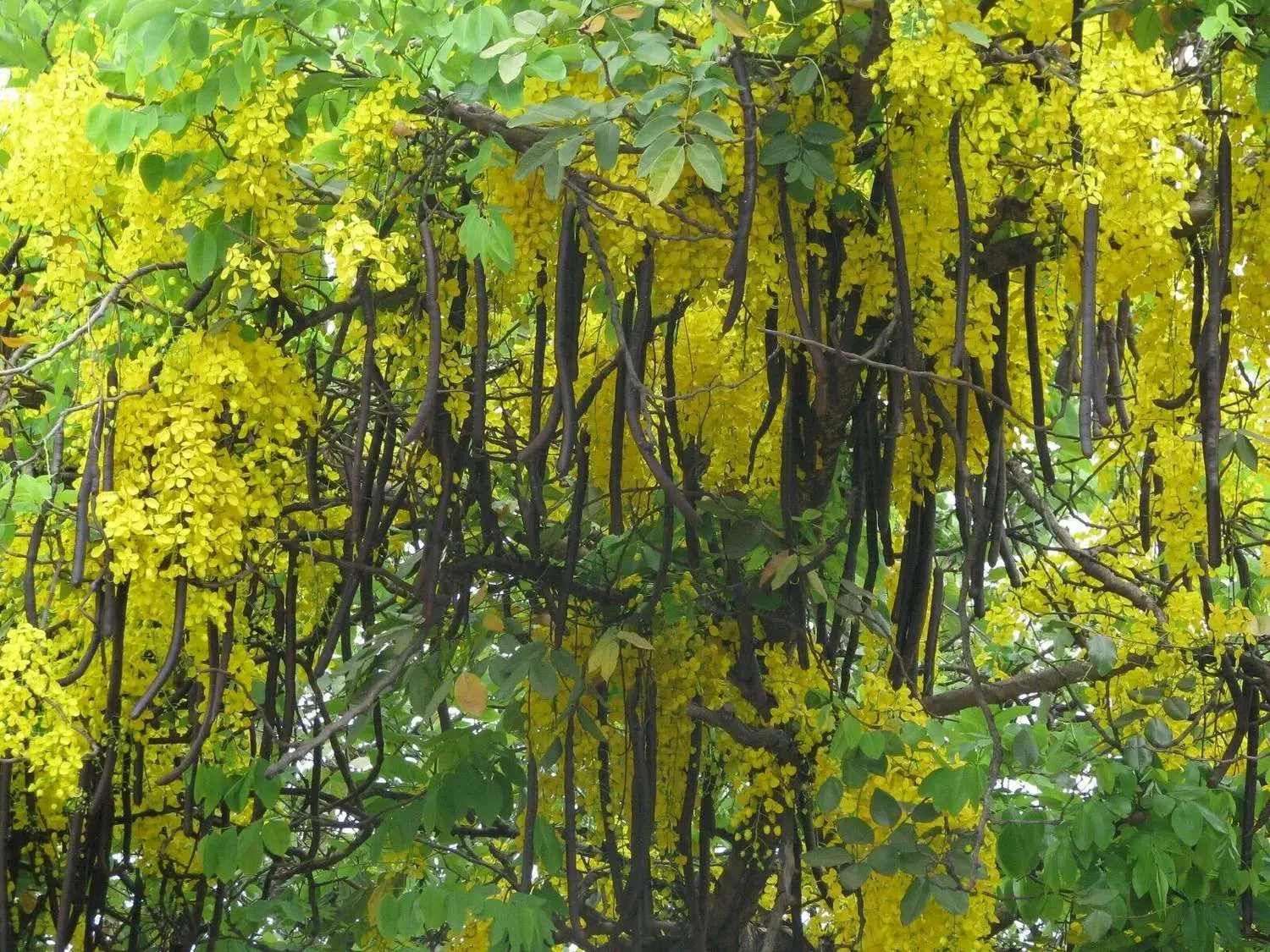
Native to the Indian subcontinent and Southeast Asia, this remarkable species holds the status of national tree and flower of Thailand, state flower of both Kerala and Delhi, and appears in the ancient Indian epics Ramayana and Mahabharata. In Sri Lanka, its durable heartwood was used to construct sacred structures at Adam’s Peak. The species name, fistula, derives from Latin for “pipe,” referring to the long, cylindrical seed pods that become vessels for healing compounds.
But here is what makes Cassia fistula truly irresistible: the medicinal potential locked within every part of this tree. Modern pharmacological research has validated what traditional medicine knew for centuries. The fruit pulp—sticky, golden, concentrated with bioactive compounds—is rich in anthraquinones, sennosides, flavonoids, phenolic acids, glycosides, and tannins. These compounds exhibit potent antioxidant, antimicrobial, anti-inflammatory, hepatoprotective, antidiabetic, and wound-healing properties. In Ayurveda, the ripe fruit has been used traditionally as a gentle laxative and for treating constipation, fever, skin diseases, diabetes, and cardiac disorders. Modern studies have expanded its documented applications: antitumor activity, anti-ulcer benefits, hepatic protection, and even traditional use in Persian medicine for mouth ulcers and skin inflammations. The bark, leaves, flowers, and roots each contribute their own therapeutic signatures. Flowers are sometimes eaten fresh in India; leaves have been used to supplement livestock nutrition. Every component of this tree is recognized for medicinal purpose. When you grow Cassia fistula from seed, you are cultivating not merely a garden tree but a living apothecary, a connection to thousands of years of healing wisdom.
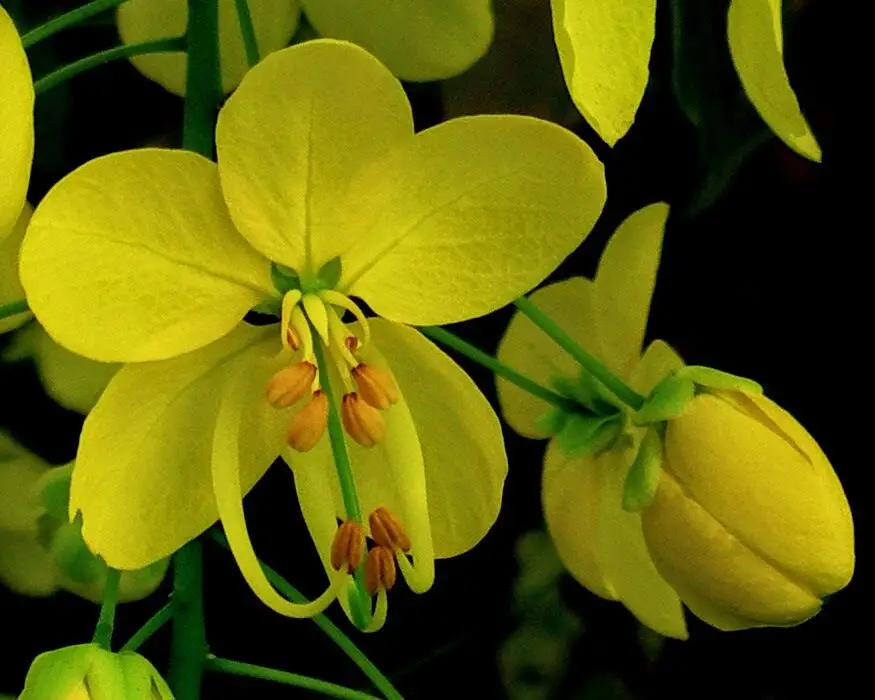
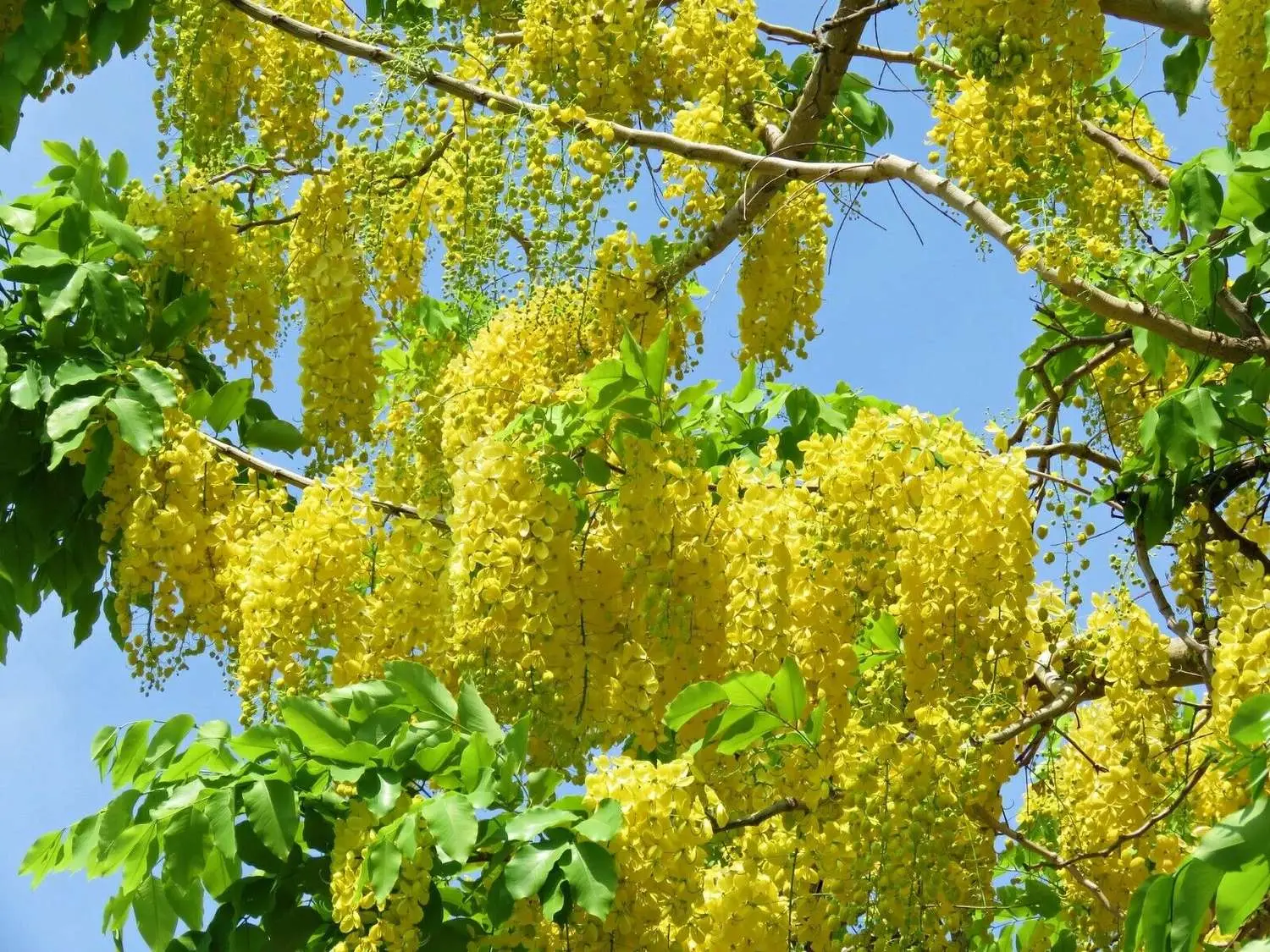
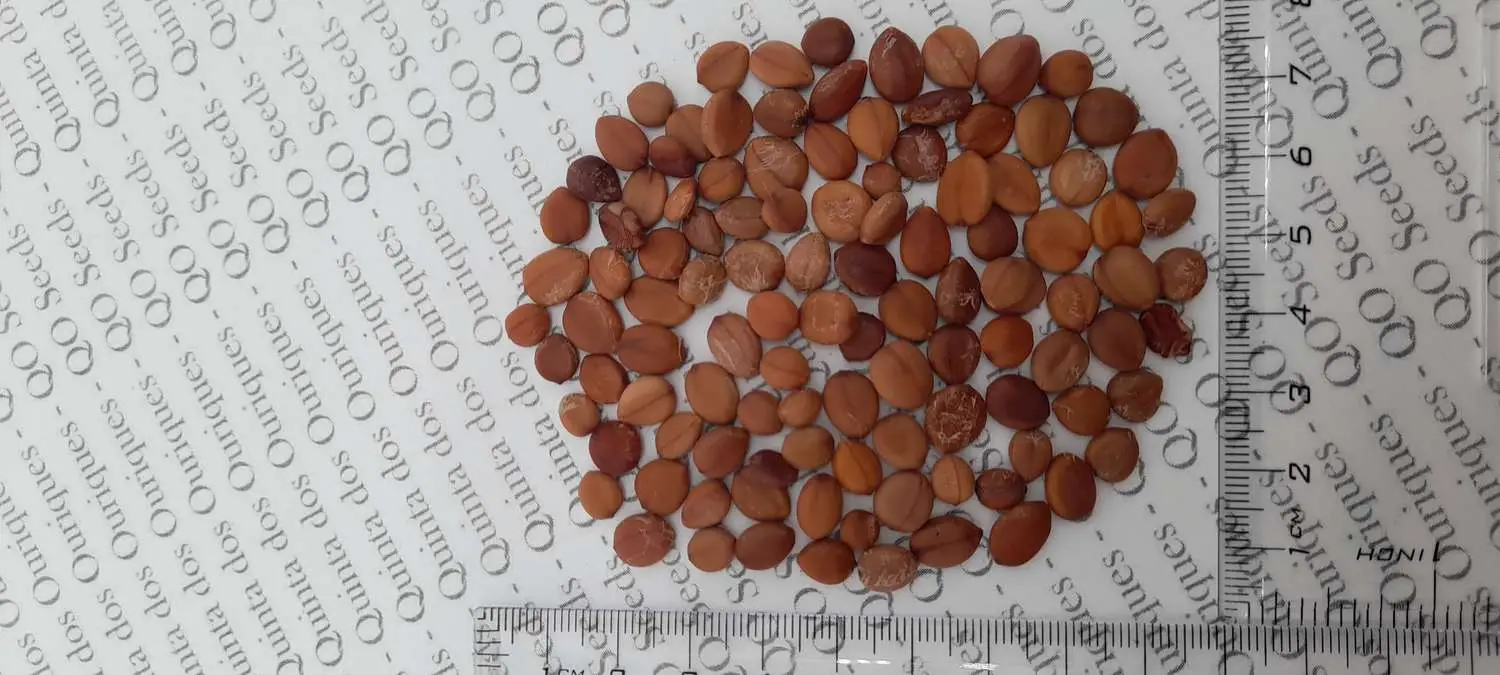
Growing Cassia fistula is refreshingly straightforward. This tree thrives in full sun—it demands at least 6–8 hours of direct light daily for optimal flowering and vigor. It prefers well-drained soil, adapting to sandy, loamy, or clay substrates with a pH between 5.5 and 7.5; avoid waterlogged conditions that invite root rot. Young plants benefit from regular watering, but once established, the tree is moderately drought-tolerant and relatively salt-tolerant, making it resilient in variable conditions. Seeds germinate readily within 10–20 days after scarification and a 24-hour soak. The tree grows at a moderate to rapid pace, reaching 30–40 feet at maturity with a graceful, sometimes drooping canopy that frames those legendary golden flower clusters. In May–June, the tree produces 8–18 inch pendulous racemes of bright yellow, five-petaled flowers—a literal shower of gold that covers the entire crown. Long, dark-brown cylindrical pods follow, ripening over months and providing both visual interest and the precious pulp for medicinal use. Hardy in USDA zones 9–11, it tolerates brief, light frost but prefers warm, tropical to subtropical climates.
This is your invitation to grow something with double purpose: a tree that feeds the eyes with incomparable beauty and the body with centuries-old wellness medicine. Start your seeds today, and in a few years, you will have a living monument to healing, a bridge between ancient Ayurvedic wisdom and modern botanical science, flowering and fruiting in your own garden.
Only logged in customers who have purchased this product may leave a review.
Reviews
There are no reviews yet.