
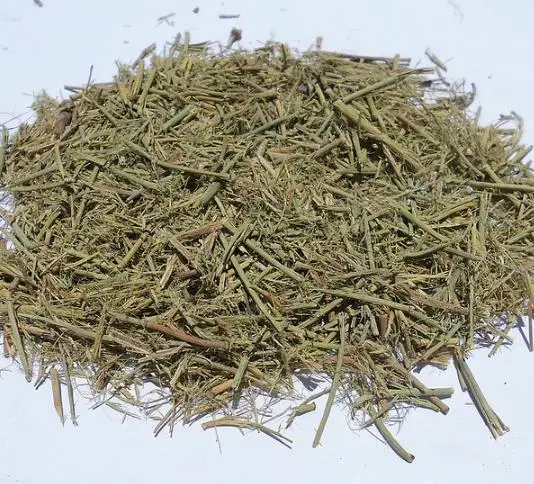
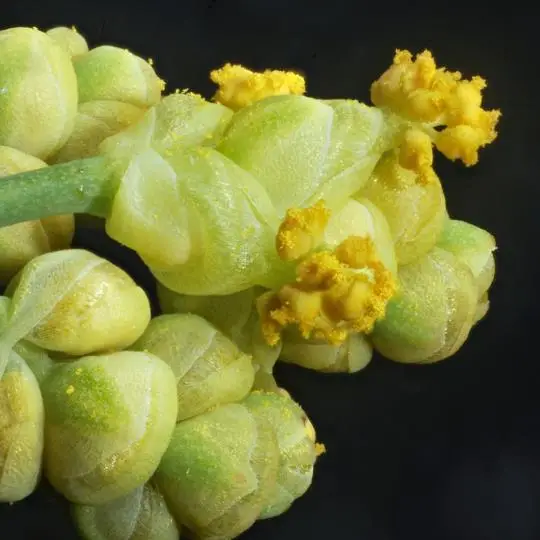
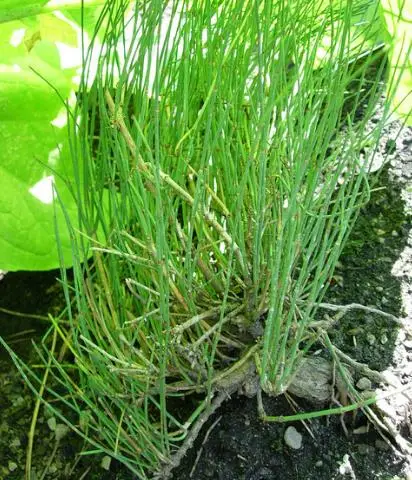
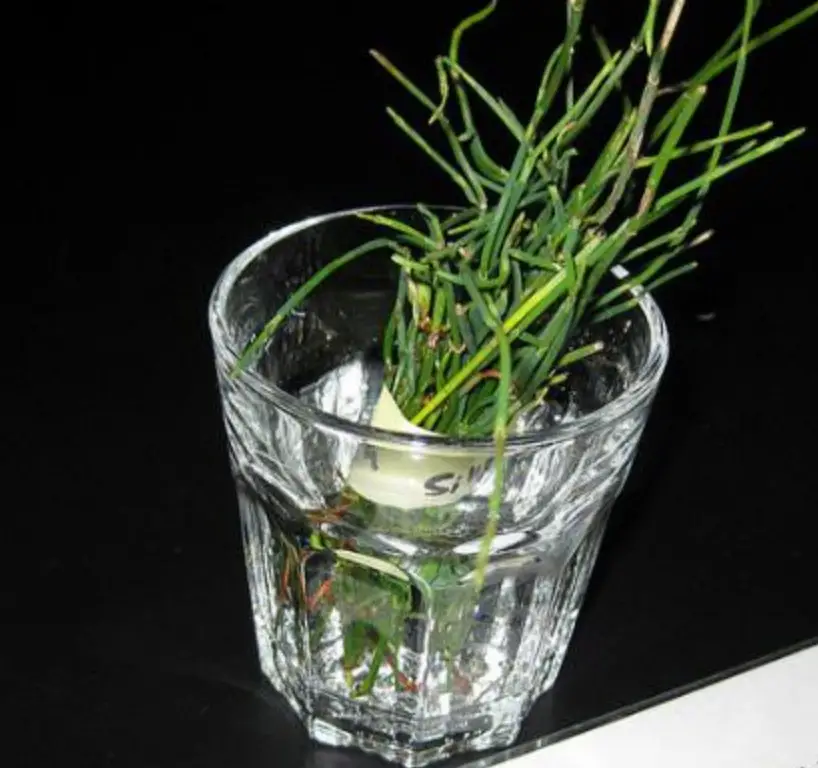
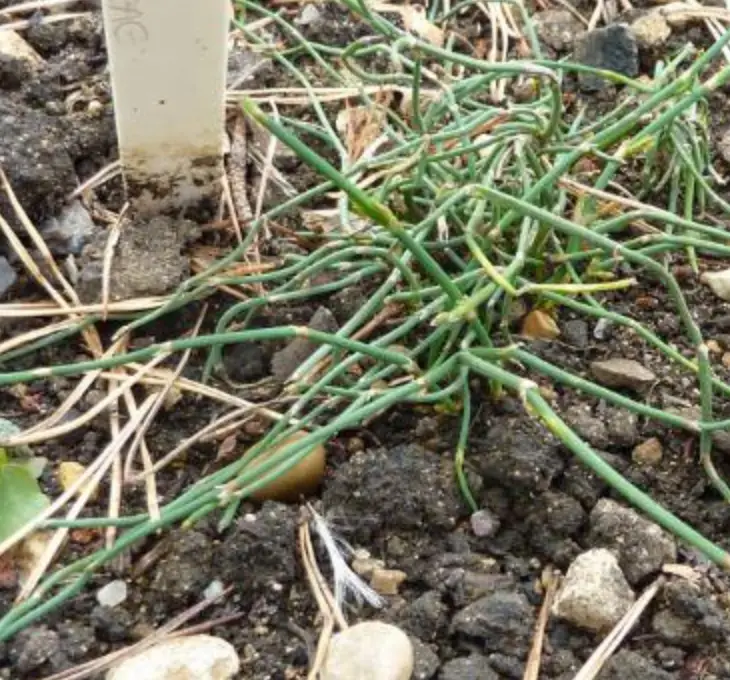
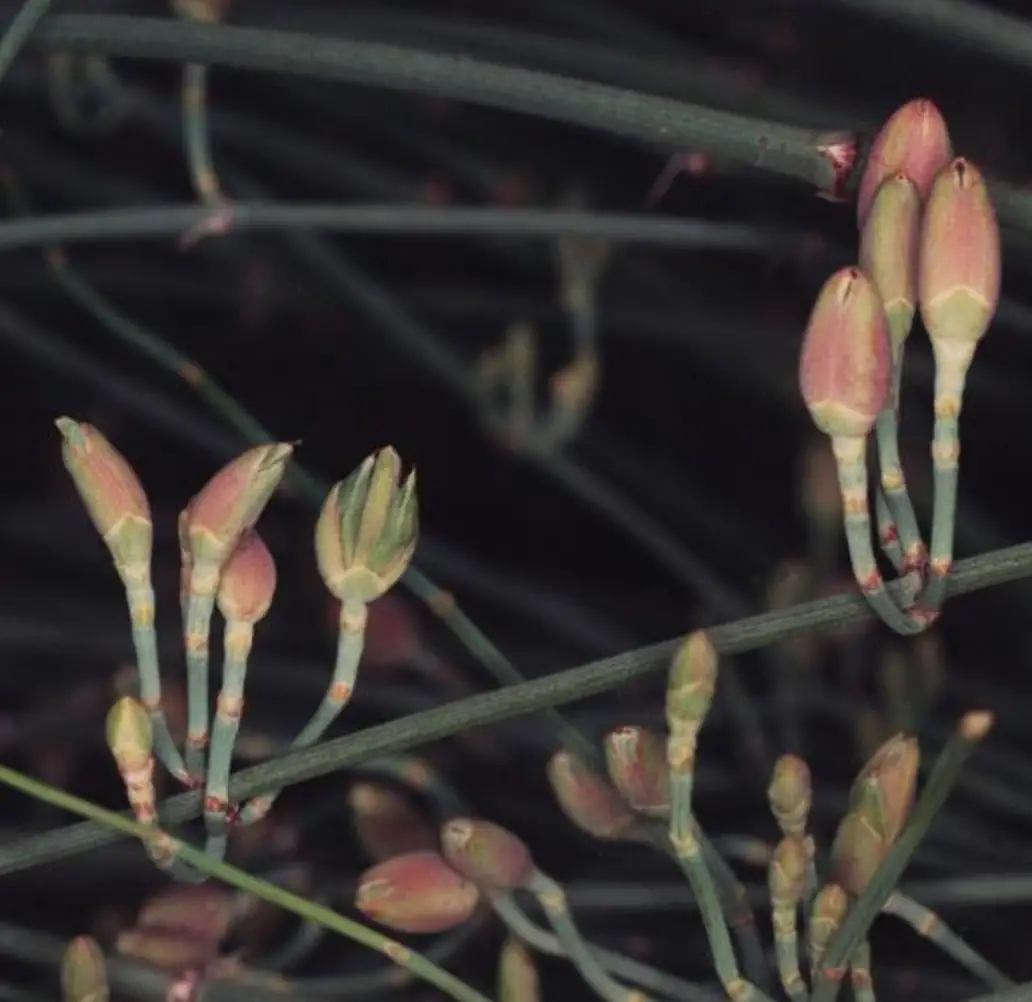
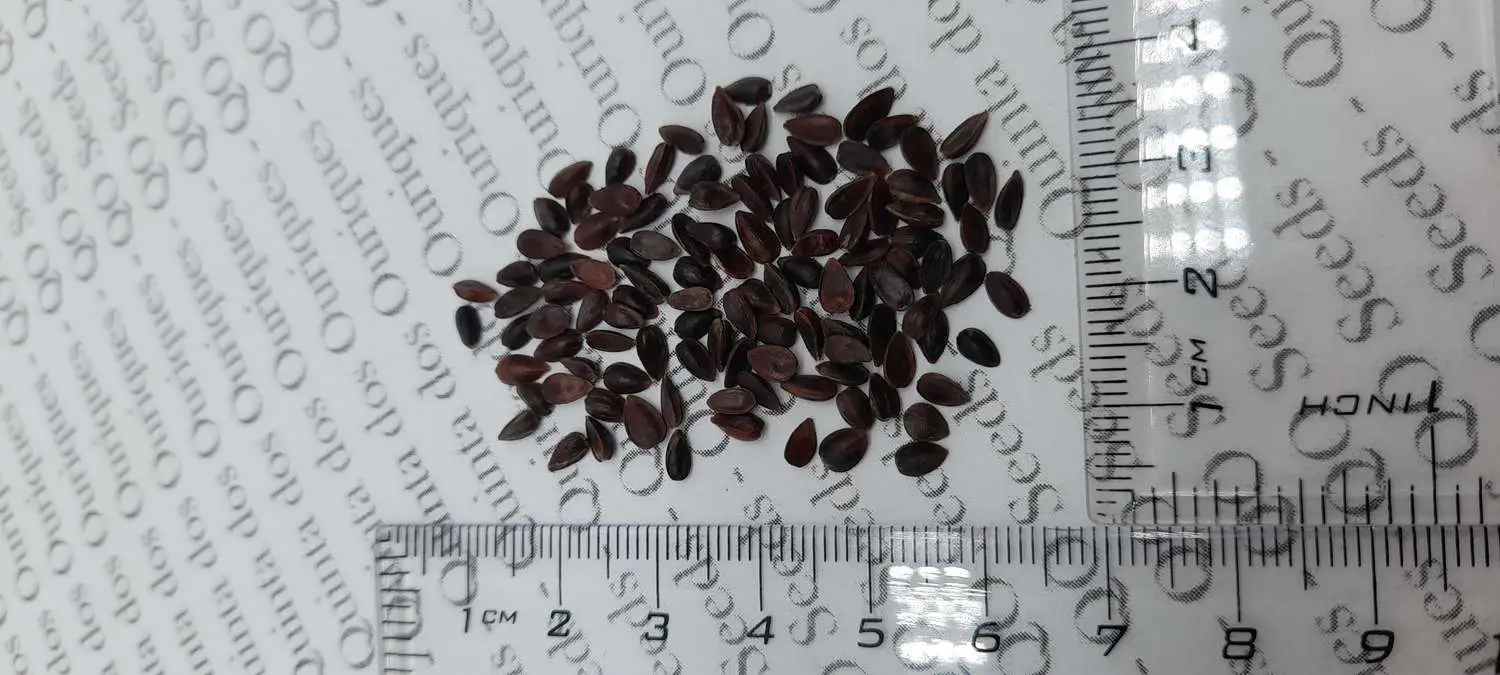
Meet the herbal legend that has powered Chinese medicine for millennia. Ephedra sinica—Ma Huang—delivers the storied power of ancient respiratory support in a strikingly minimal plant: green jointed stems, delicate scale-like foliage, and brilliant red berries. Grow this living piece of botanical history from seed with minimal fuss: full sun, well-drained soil, and drought tolerance mean it thrives where others surrender. Own the lineage.
Ephedra sinica is not just another shrub—it is a botanical heir to five millennia of healing tradition, a plant so revered in Chinese medicine it earned the status of one of the 50 fundamental herbs in the classical pharmacopeia.
Native to the arid highlands of northern China, Mongolia, and Russia, Chinese Ephedra evolved to thrive in unforgiving terrain. It survives where ordinary plants wilt, clinging to rocky slopes and dry riverbeds between 400 and 1,600 meters elevation. Yet within that harsh-adapted frame lies a plant of remarkable botanical intrigue: a gymnosperm (relative of conifers) with photosynthetic green stems and scale-like leaves reduced nearly to nothing—a masterpiece of desert adaptation that whispers of ancient resilience.
The heart of Ephedra sinica’s magic lies in its traditional use as a respiratory and vitality herb. For over 5,000 years—documented since 2800 BC in the earliest Chinese medical texts—the stems have been harvested in autumn, dried, and brewed into tea or prepared as tinctures to support the body’s natural defenses against colds, coughs, bronchial symptoms, and seasonal respiratory challenges. It earned its Chinese name, ma huang (“yellow astringent”), for the distinctive bitter, pungent character of its stems. Traditional practitioners recognized dual roles: the aerial parts to invigorate and support, the roots (ma huang gen) to anchor and stabilize—a botanical duality that modern chemistry is only beginning to understand. The plant contains complex alkaloid compounds and anti-inflammatory constituents that explain centuries of empirical use. Grow this herb from seed and you cultivate not just a plant, but a tangible link to the medicine cabinets of emperors and folk healers alike.
Ephedra sinica is remarkably forgiving in cultivation. It demands full sun—that is non-negotiable—and well-drained, gritty soil mimicking its native arid habitat (sandy loam with added perlite or gravel works perfectly). It thrives in USDA zones 4–9, tolerating cold winters and scorching summers with equal equanimity. Water sparingly once established; the plant is drought-tolerant and actually prefers dry conditions. It requires no fertilizer—poor soils are its comfort zone. Seeds germinate readily in warm, moist conditions (around 68°F), pressing gently into sandy soil without burying them. Within 2–3 years, you’ll have harvestable stems. This is a plant that rewards minimal intervention and maximal neglect, perfect for the gardener who values substance over fussy care.
Imagine stepping into your garden on a cool morning and seeing that distinctive jointed green framework catching the light, knowing that within those stems lives the echo of ancient wisdom—a living medicine, a botanical time capsule, a shrub that asks nothing but sun and well-drained earth in return for centuries of human trust. Grow Ephedra sinica from seed today, and become a keeper of herbal history.
Only logged in customers who have purchased this product may leave a review.
Reviews
There are no reviews yet.