FREE SHIPPING OVER €30 FREE SHIPPING OVER €30

Achyranthes aspera — Apamarga | The Lord of All Plants: Potent Ayurvedic Medicine Herb

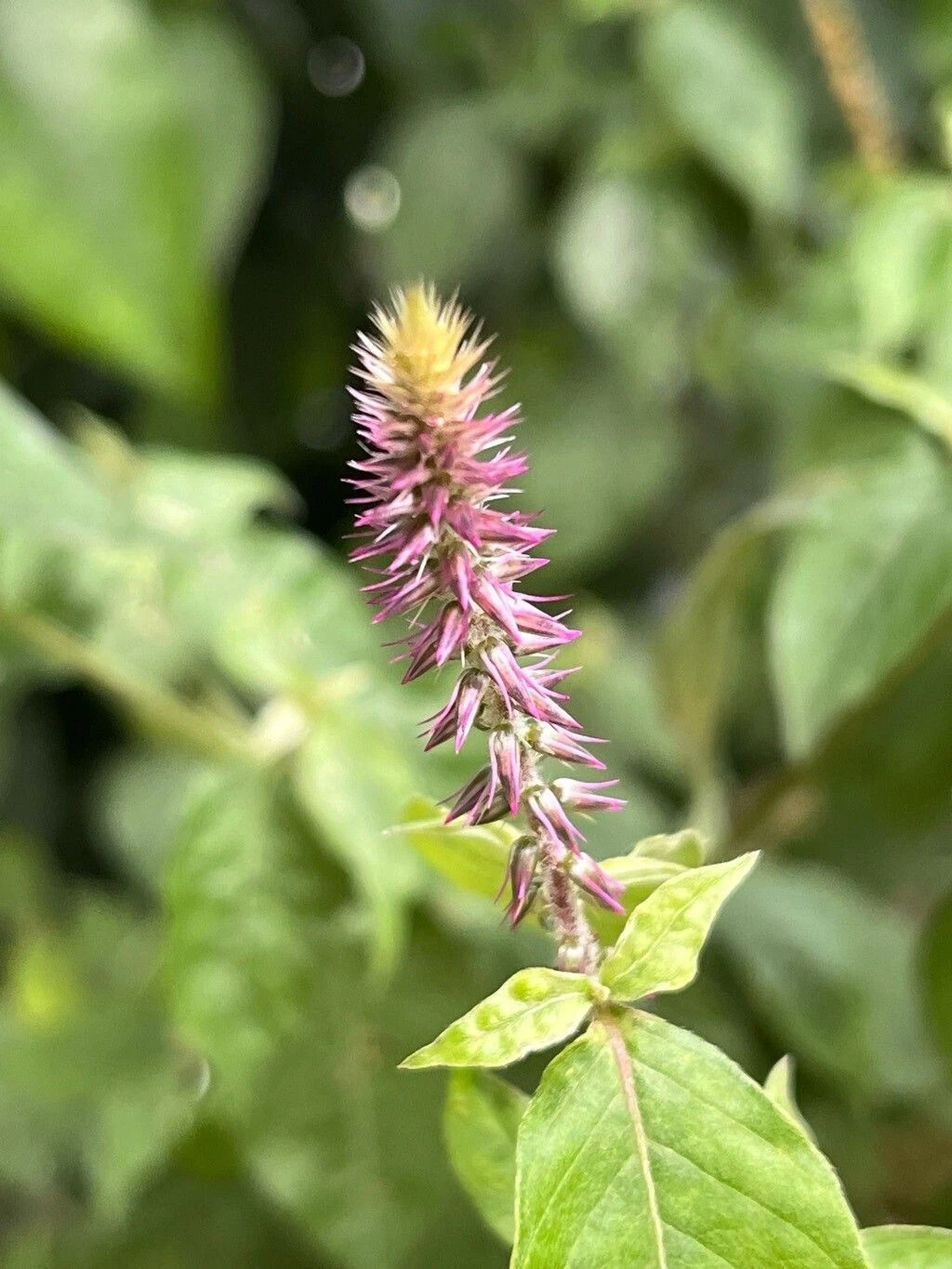
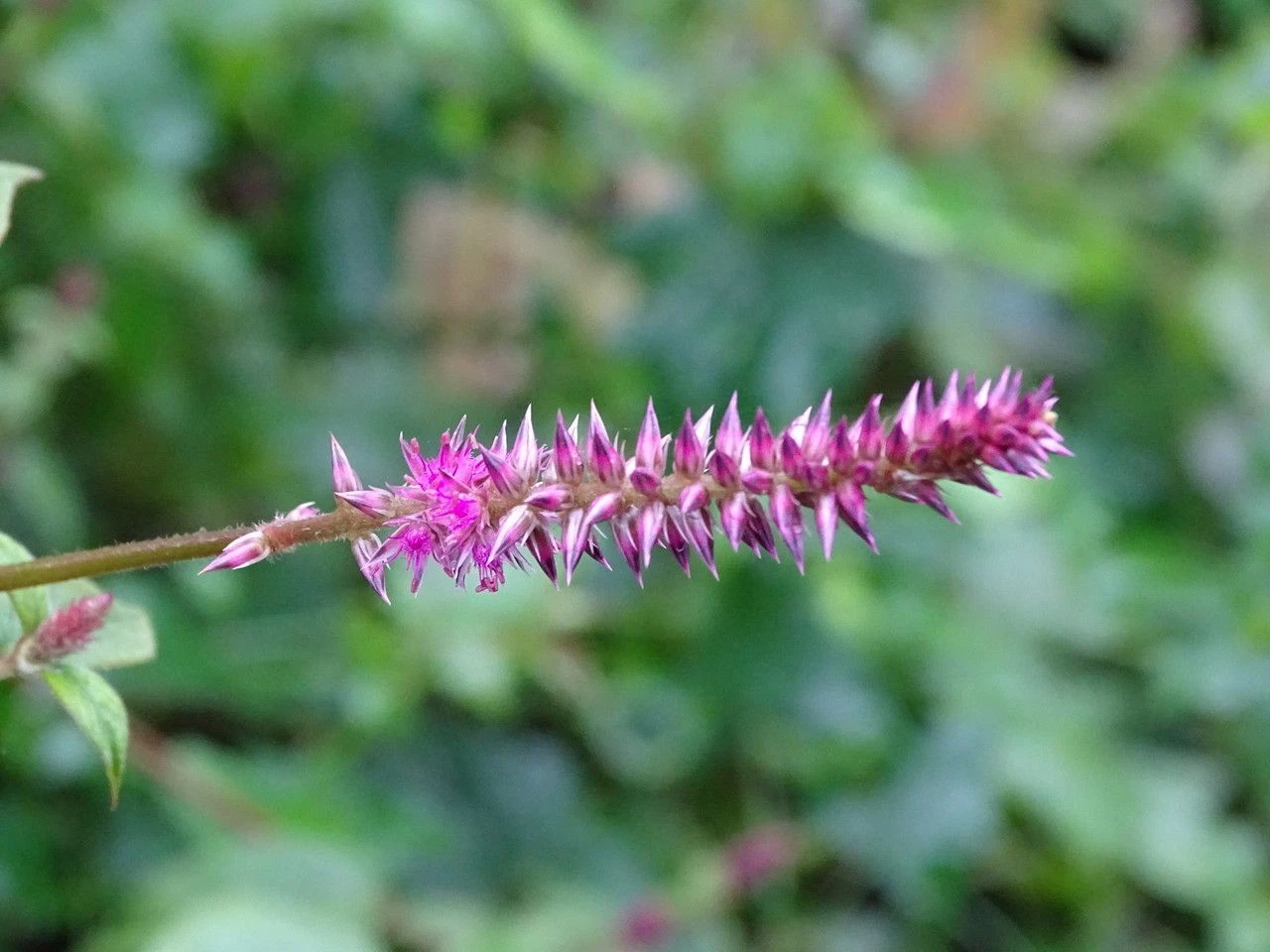
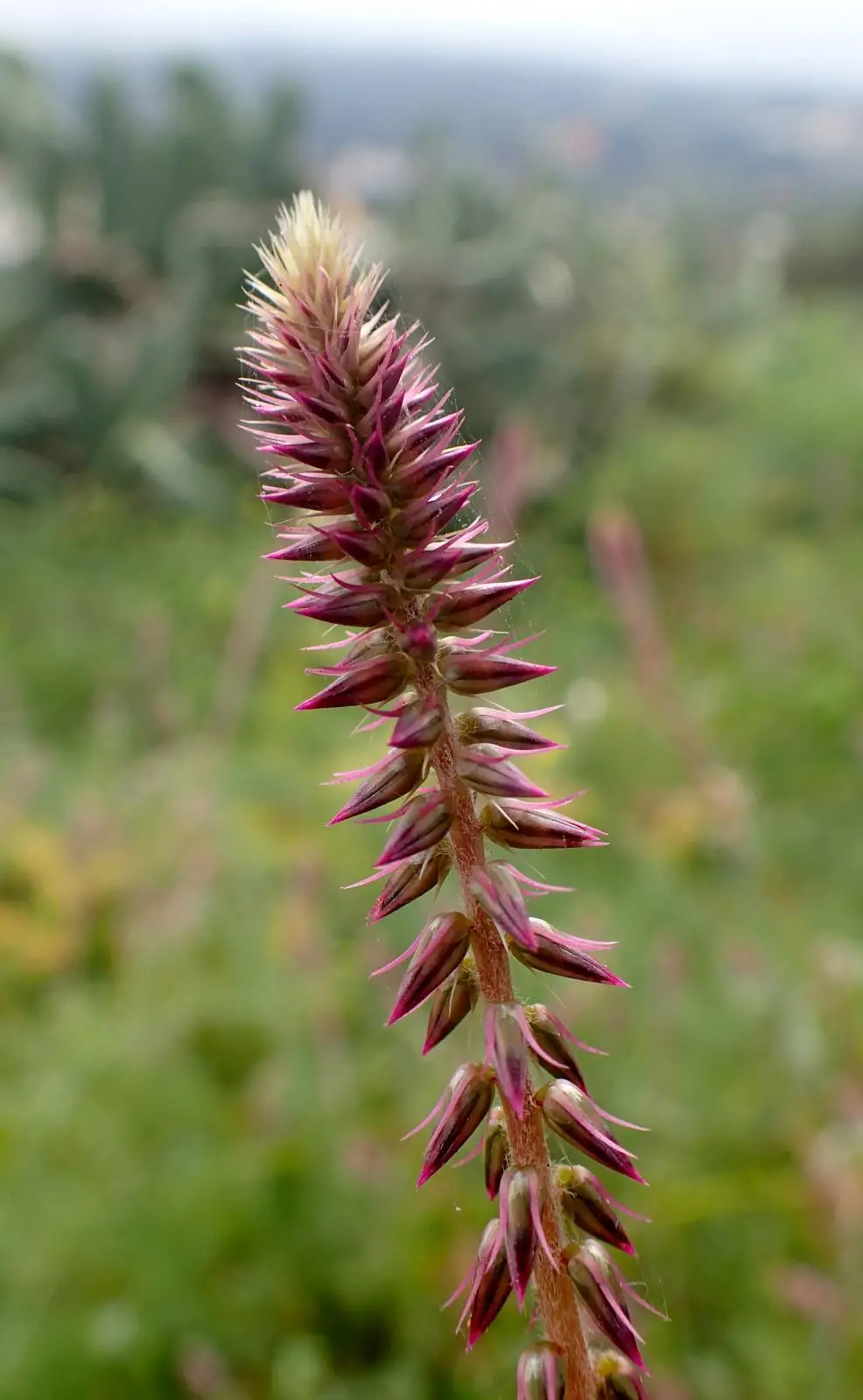
Grow the legendary Apamarga—revered in Ayurveda for 5,000 years as an all-purpose healer. This potent herb is renowned for anti-inflammatory, antibacterial, and wound-healing properties. Small greenish-white flowers and rough, character-filled foliage grace your garden while you cultivate a living pharmacy. Remarkably hardy—thrives in heat and poor soil. Start from seed and harvest within months.

1.92

SKU: P-2229 Categories: , Tags: , ,

You May Also Like

Description

This is the plant ancient healers called supreme, the herb from which divine power flows.

Achyranthes aspera, commonly known as the prickly chaff flower or Apamarga in Ayurveda, is a highly valued medicinal plant used across traditional healing systems. Its Sanskrit name ‘Apamarga’ means ‘to whip’ or ‘to wash,’ and according to the Atharvaveda, Apamarga is the lord of all plants that exist on earth. For millennia, Achyranthes aspera has been used in Ayurveda and folk medicine, embedded so deeply into healing traditions that an entire chapter in Charaka Samhita, the ancient Indian apothecary, is named ‘Apamarga Tanduliay’.

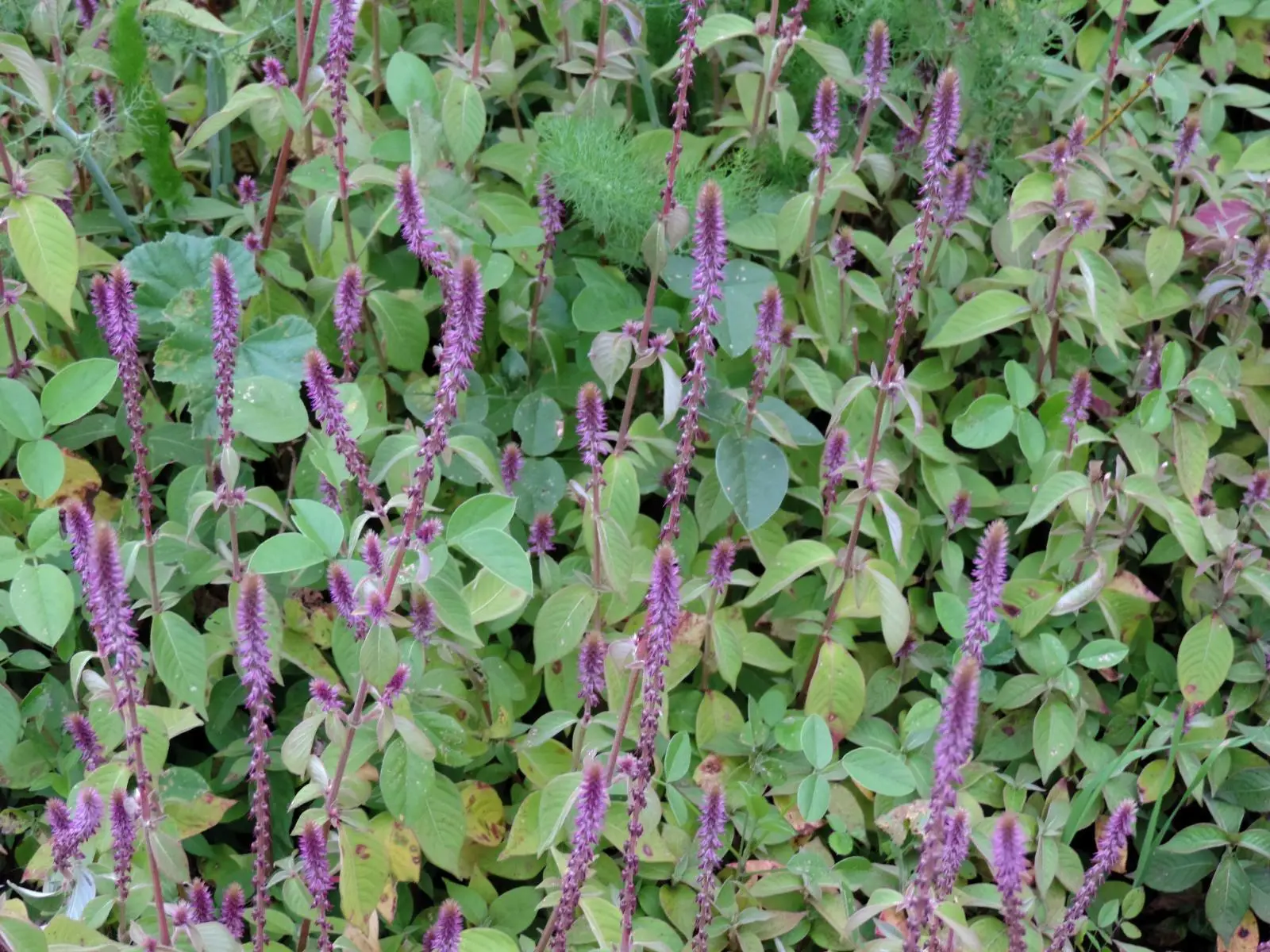
Indigenous to tropical regions of Asia and Africa, it is well known for its anti-inflammatory, antibacterial, and wound-healing properties. What makes this plant extraordinary is not merely its presence across continents, but its reputation—earned through centuries of clinical application. The plant is characterized by its erect, wiry stem, greenish-white flowers, and elongated leaves. Before flowers open, they are enclosed in hard and prickly bracts which, taken against the grain, catch everything that passes—clothes, animal fur, human skin—a texture that speaks to its raw, potent nature.

This is where Apamarga transforms from ornamental herb to indispensable ally. Apamarga is highly valued for its anti-inflammatory, antibacterial, and wound-healing properties. One of the most common uses is in wound healing—it speeds recovery and prevents infections. The topical application of Achyranthes aspera leaves extract speeds up the wound healing process owing to its astringent and anti-inflammatory actions. But this is only the beginning. The plant’s role extends to managing respiratory, digestive, dermatological, and reproductive conditions in natural medicine. Achyranthes aspera is known for its ability to reduce inflammation, making it effective in treating conditions like arthritis and joint pain. The plant’s digestive benefits help alleviate constipation, indigestion, and other gastrointestinal issues, while its expectorant properties make it useful in treating coughs, colds, and asthma. Contemporary pharmacology has revealed its anti-inflammatory, antimicrobial, and cardiovascular-modulating properties. Harvest the leaves fresh for poultices, dry them for tea and decoctions, or prepare ash for Ayurvedic Kshara formulations—each part of the plant yields different therapeutic treasures.

Growing Apamarga is refreshingly straightforward. The plant thrives in a variety of climates, from dry, arid regions to more humid environments, and its resilience and adaptability make it an easily accessible remedy. It loves full sun and tolerates poor, sandy, or loamy soil with minimal fuss. Water moderately once established; this plant laughs at drought. Apamarg can grow up to 1 meter in height, making it suitable for containers, garden beds, or medicinal plant borders. As a perennial plant that can live for several years, your initial investment yields harvests year after year. Seeds germinate easily in warm conditions—no special treatment needed. This is a plant that rewards the beginner and intrigues the serious herbalist.

Imagine walking into your garden and harvesting a leaf for inflammation, a root for respiratory distress, a handful of seeds for digestive support. This is the medicine Ayurvedic practitioners have prescribed for five thousand years, the plant healers across Africa and Asia reach for when nothing else suffices. In legen

Germination Guide

🌍 Southern Mexico, Central America, Caribbean, and western South America
Easy

Muntingia calabura, commonly known as Jamaica cherry, is a fast-growing tropical tree native to Central and South America, producing small edible sweet berries. Seeds require high temperature and light conditions for germination, reflecting its ecological role as a pioneer species that colonizes forest gaps. Germination is relatively easy and rapid when provided with proper warmth, bright light, and clean seeds free of gelatinous pulp.

Germination
Germination time
Expect germination in

7 – 42 days

Temperature

Min 15°C
Ideal 35°C
Max 35°C

Light
☀️ Light required

Substrate moisture
💧 Medium

Sowing depth
Lightly covered

Germination rate
70 %


Seed Pre-treatment
  • 📋

    Additional notes
    Remove gelatinous fruit pulp by washing repeatedly in water. Hot water treatment (boiling 30 seconds followed by cold water soak 12 hours) may enhance germination.

Substrate & Container
Recommended substrate
peat and perlite, sand and clay, well-draining potting mix

Recommended container
container with good drainage, seed trays, polyethylene bags


Growing Tips
Clean seeds thoroughly by washing to remove all gelatinous fruit pulp before sowing. Sow on surface and barely cover with soil; seeds are extremely tiny. Provide consistent warmth (25-35°C), bright light (6+ hours daily), and maintain moist but not waterlogged substrate. Germination is accelerated at 35°C under direct illumination. Do not place under shade; seedlings require full light. After emergence, seedlings grow slowly for 1-2 months, then accelerate dramatically. Transplant only when 2-3 cm tall. Acclimate for 4+ weeks before final planting. Plant transplants during warm periods with night temperatures consistently above 20°C.

Reviews

There are no reviews yet.

Only logged in customers who have purchased this product may leave a review.

Related Products