



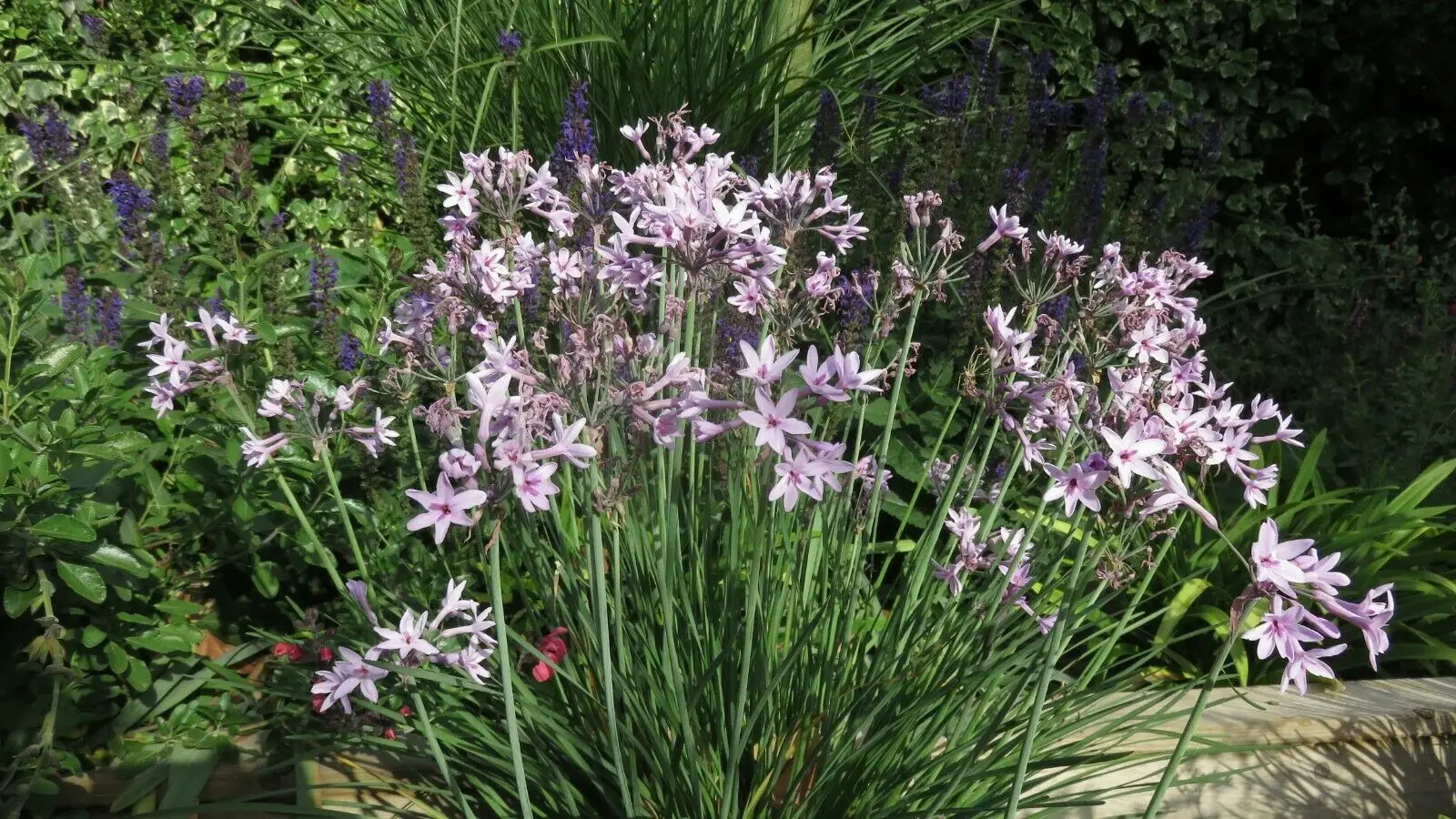
Grow your own culinary revolution: edible leaves and flowers with garlic’s sophistication—without the breath. Delicate lilac-pink stars bloom spring through fall while you harvest mild, peppery foliage for salads, soups, garnishes. Hardy, drought-tolerant, and remarkably easy. Start from seed and taste the difference.
€2.03
Picture this: a living herb garden that feeds you AND fills your borders with months of silken purple flowers. That’s the magic of Tulbaghia violacea, society garlic—a plant so gracefully dual-purpose, so generous with both leaf and blossom, that it belongs in every thoughtful gardener’s rotation.
Native to South Africa’s rocky grasslands, this unassuming bulbous perennial carries a heritage as rich as its fragrance. For centuries, Zulu people have harvested its leaves and flowers as a beloved leaf vegetable and seasoning. The Dutch governor Ryk Tulbagh, for whom the plant is named, wouldn’t have imagined how this ‘society’ herb would eventually grace gardens worldwide—but its refined restraint explains everything. This isn’t bombastic garlic; it’s garlic’s eloquent cousin, all subtlety and elegance.
Here’s where most gardeners fall in love: the culinary magic. Both leaves and flowers are edible, and here’s the revelation—they taste like garlic with none of garlic’s aggressive aftermath. Pinch a leaf into your salad and it whispers mild, garlicky warmth without overpowering. The flowers? Slightly peppery, onion-kissed, impossibly delicate to look at and equally graceful on the plate. Haute cuisine chefs prize them as garnishes; herbalists recognize their antimicrobial and anti-inflammatory potential. For the home gardener, it means you can season dishes, steep herbal tea, or simply snip blooms for the table—all from one tireless plant. Unlike common garlic chives, this is a living, flowering garnish that keeps producing for months. Traditionally, these parts have supported wellness too—used in folk medicine for infections, colds, and to support healthy digestion.
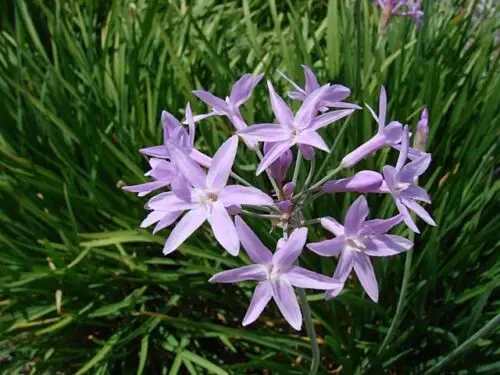
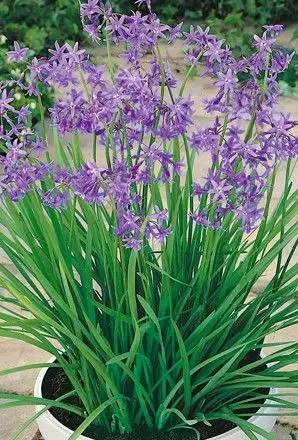
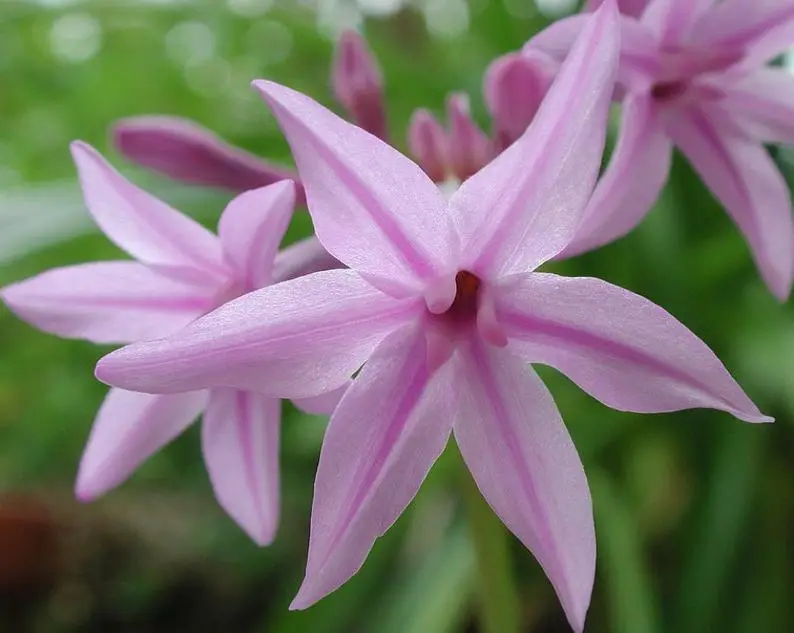
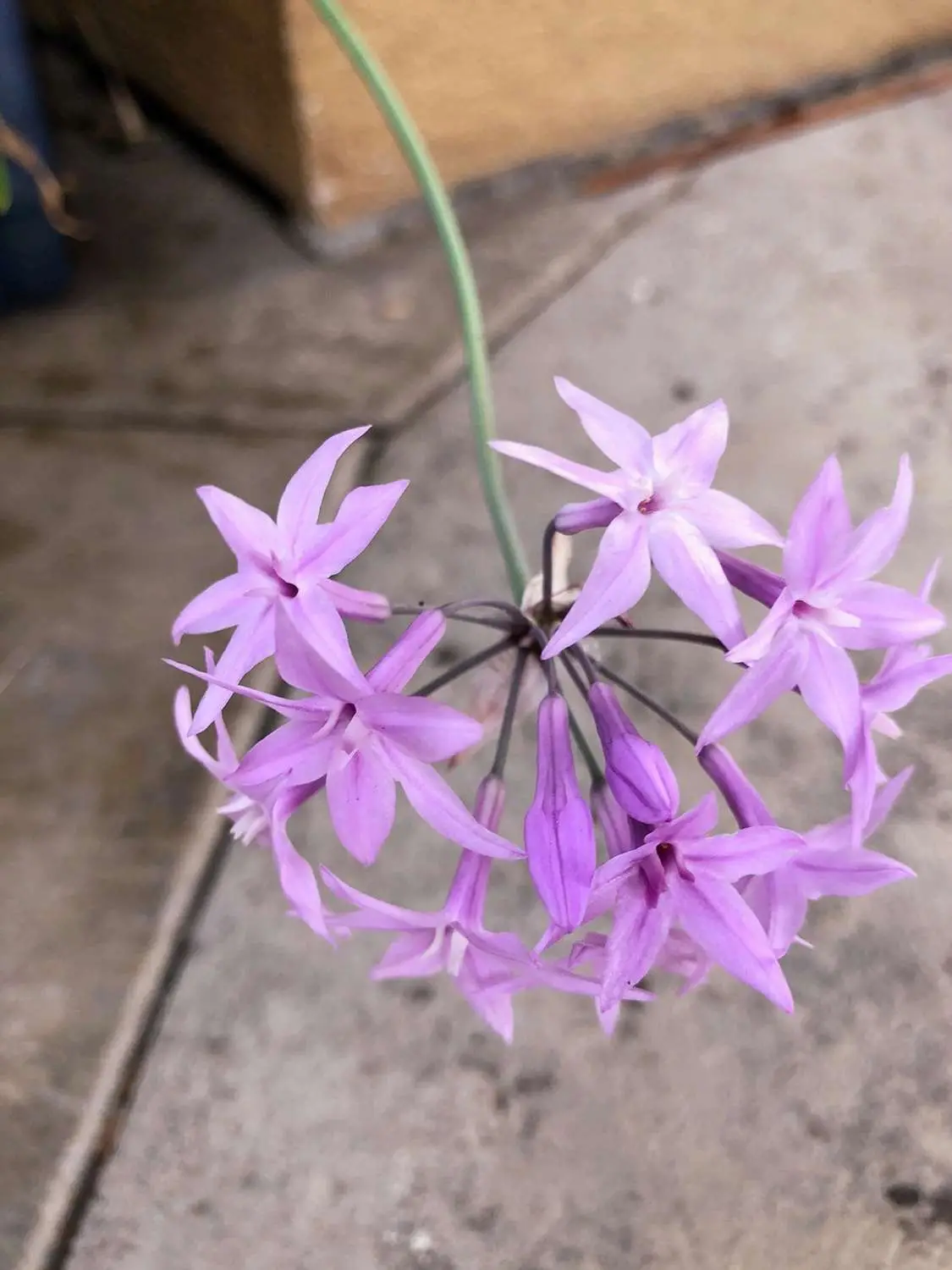
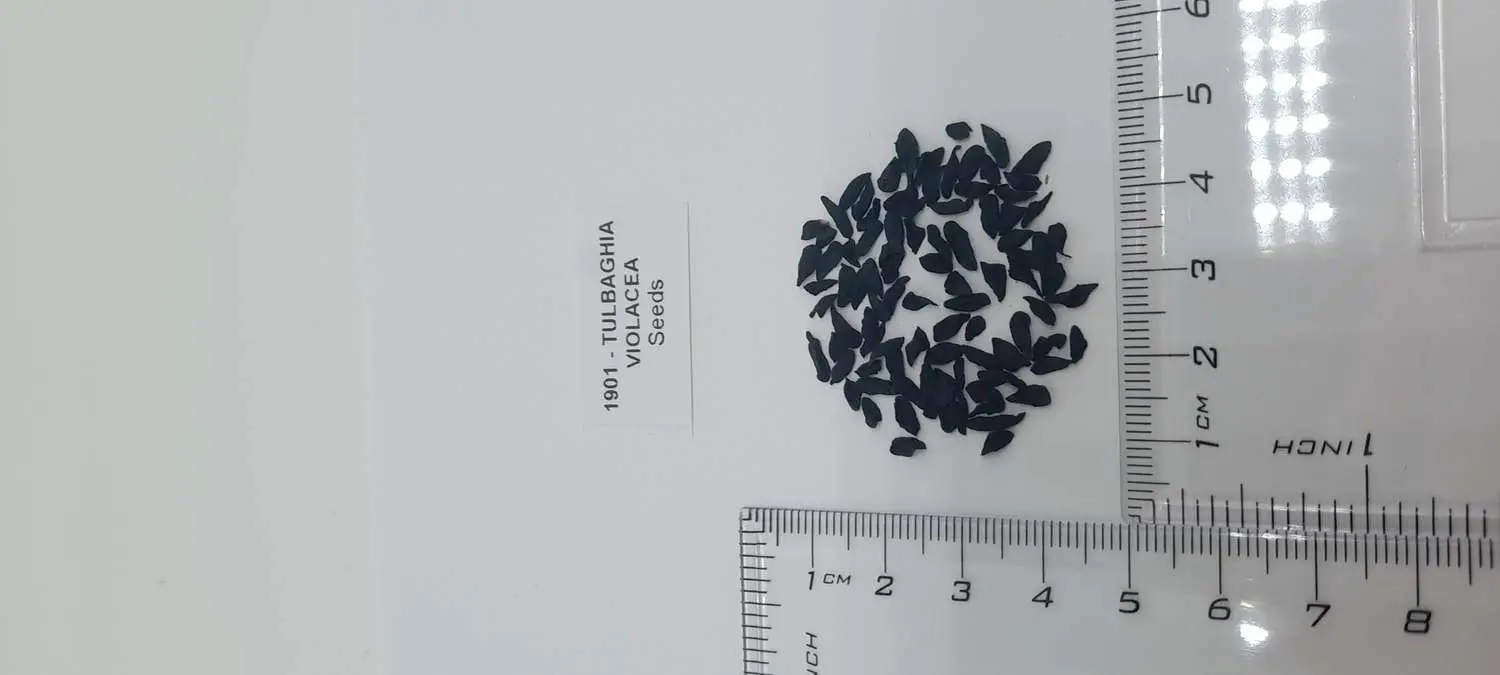
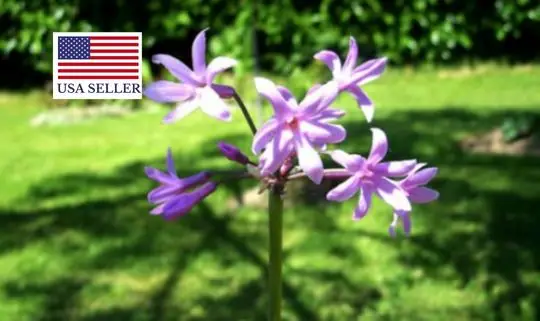
Growing society garlic from seed is straightforward and deeply rewarding. It thrives in full sun (though it tolerates partial shade) and demands well-drained soil—think sandy loam enriched with compost. Water regularly during the growing season, but once established, this plant laughs at drought. It grows easily in most soils and reaches a manageable 1–2 feet tall, forming compact, non-invasive clumps that won’t overrun your garden. Those narrow, grey-green, strap-like leaves are architectural and fine-textured; the flower stalks rise above them with clusters of star-shaped lilac-pink blooms held in elegant umbels. Each flower has six pointed petals and releases a sweet fragrance reminiscent of hyacinths. Flowering runs from late spring through fall, and in mild climates, blooms continue nearly year-round. Remarkably low-maintenance and pest-resistant (slugs are the only real concern), it’s the kind of plant that rewards the beginning gardener and satisfies the seasoned one. Propagate from seed sown in spring; seedlings flower by their second or third year. You can also divide clumps after establishment—each section quickly regenerates.
Grow Tulbaghia violacea from seed and you’re not just planting a herb. You’re cultivating a year-round conversation between beauty and utility, a fragrant edible that costs mere pennies, and a bridge between the wild grasslands of South Africa and your own kitchen table. This is the plant gardeners wish they’d discovered sooner—and the one they recommend to everyone they meet.
Only logged in customers who have purchased this product may leave a review.

Reviews
There are no reviews yet.