
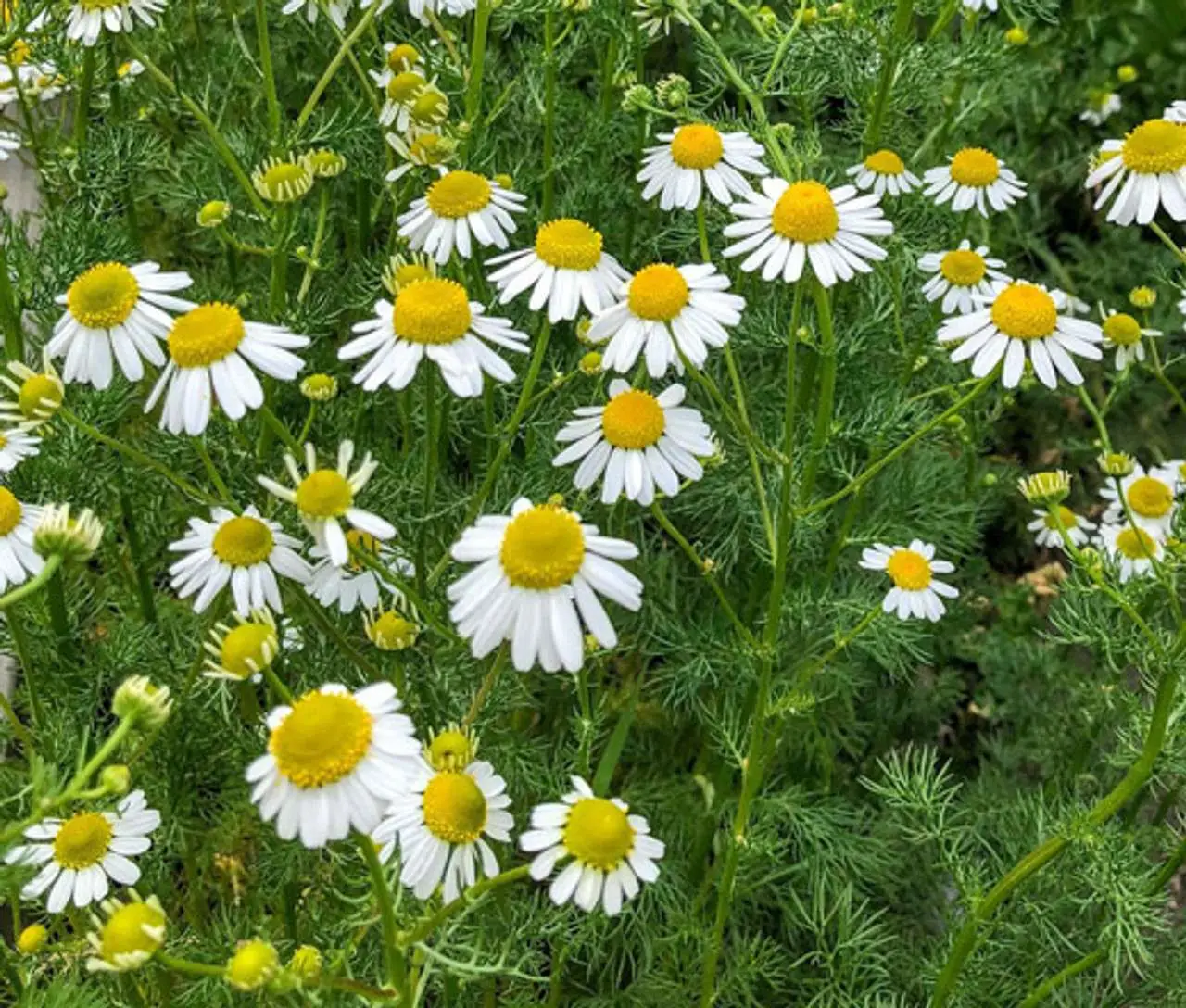
You’ve sipped the tea a thousand times. Now grow the legend yourself. Matricaria recutita flowers—harvested at peak bloom—brew into the world’s most beloved calming infusion. Steep, sip, sleep. This hardy annual thrives in sun and poor soil, self-seeds year after year, and rewards every pinch of attention with armfuls of delicate white-petaled blossoms. From monastery gardens to your kitchen table in 60 days. Your nervous system will thank you.
€1.92
There is no more perfect marriage of beauty and function than a flower that heals the hands that harvest it.
Matricaria recutita—German chamomile—has survived centuries of medicine’s revolution because it works. Monks planted it. Healers trusted it. Modern science confirms it. Today, millions steep its flowers to ease anxiety, calm racing thoughts, and drift into restorative sleep. But those shoppers know only half the story. The real magic happens in your own garden.
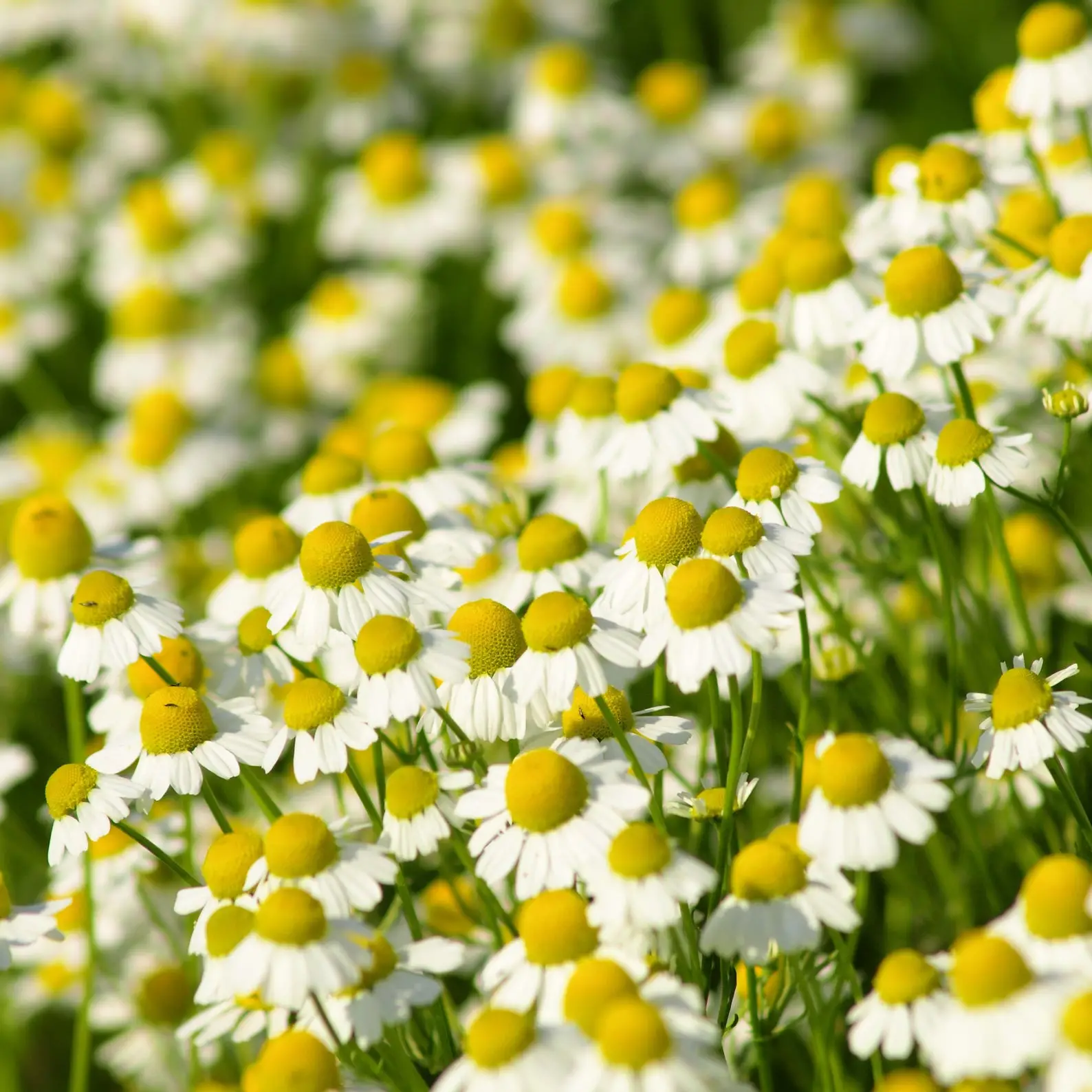
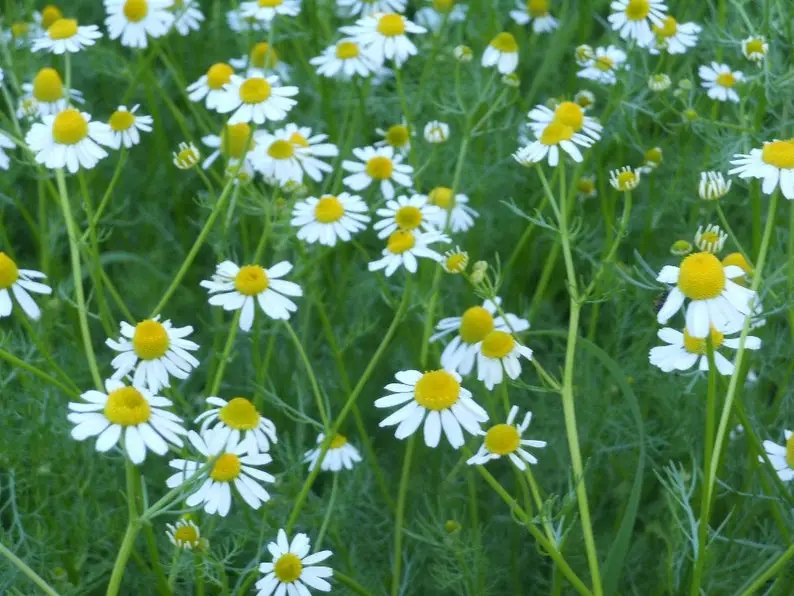
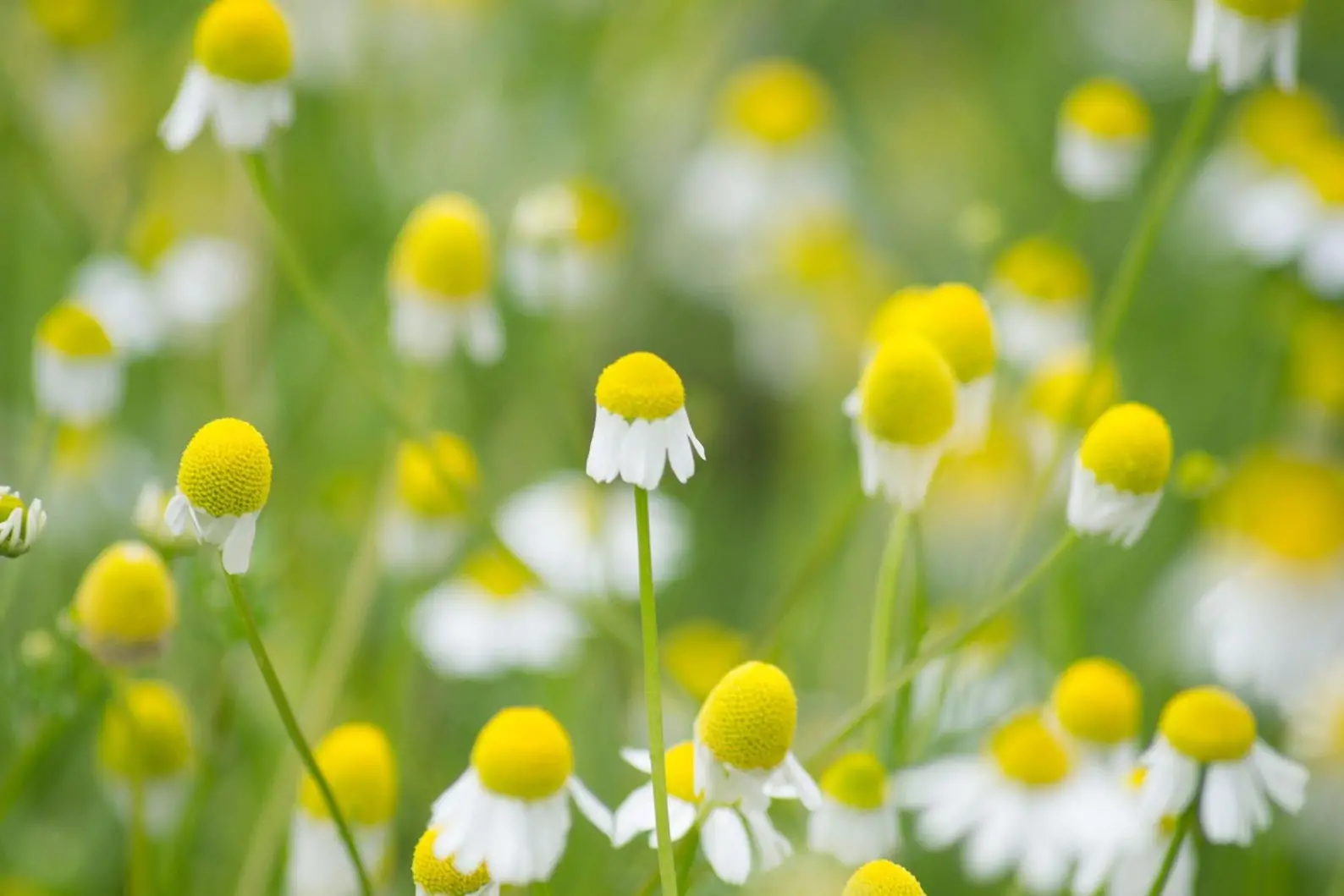
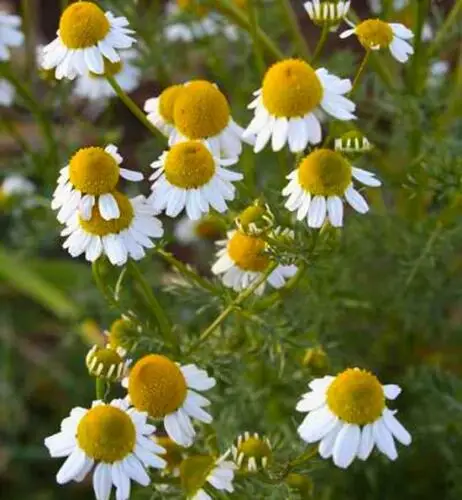
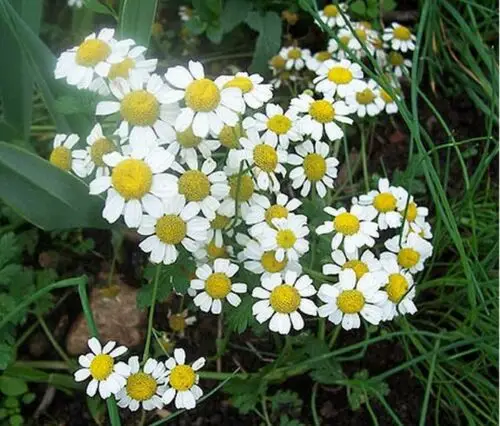
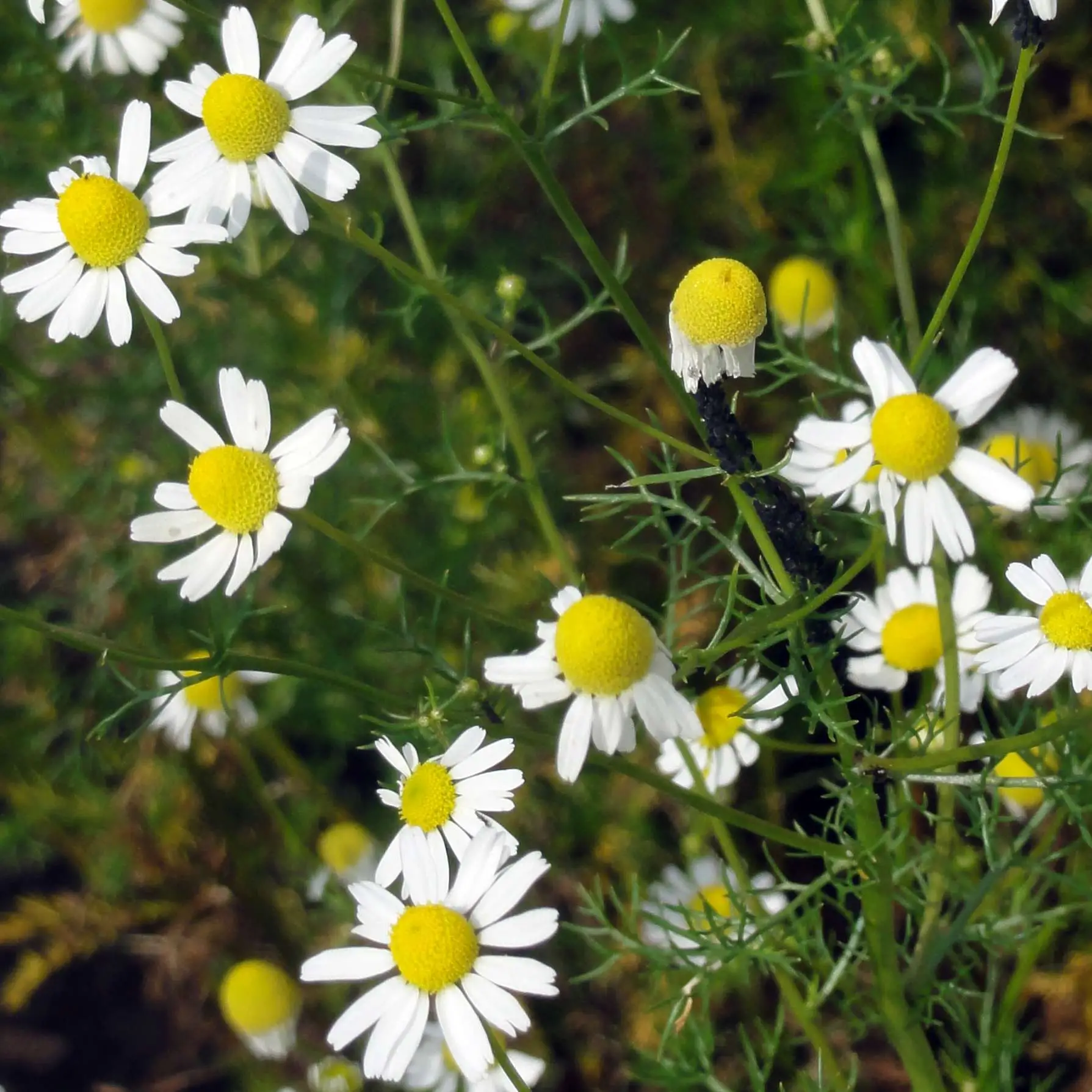
Originally native to southern and eastern Europe, German chamomile arrived in monastery gardens during the Middle Ages, where monks recognized its extraordinary dual nature: beauty for the eyes, medicine for the soul. The name itself—from Latin matrix, meaning “womb”—reflects ancient beliefs that this plant eased suffering. Across centuries and continents, it has naturalized everywhere humans cultivate gardens, becoming as essential to herbal lore as thyme and rosemary. What makes Matricaria recutita distinct is its delicate yet unmistakable form: feathery, bipinnate foliage in soft green, topped throughout summer with masses of miniature daisies. Each flower is a precise architecture—10 to 20 snowy-white ray petals forming a perfect ring around a dome of golden-yellow disc florets. When you brush the foliage, an apple-like fragrance releases instantly. It is ornament and utility fused into one airy, charming plant.
But here is where German chamomile becomes indispensable: it is the world’s premier sleep herb, the tea that works. Scientific research confirms what generations of grandmothers knew—that steeping these flowers delivers apigenin and other compounds with measurable anxiolytic and sedative effects. Unlike its bitter cousin Roman chamomile, Matricaria recutita brews sweeter, more approachable, more forgiving. Harvest the open flowers, dry them, and you have an endless supply of medicinal infusions for anxiety, insomnia, digestive cramping, and stress. But that is only the beginning. The same flowers steep into cosmetic floral waters that brighten tired eyes and calm inflamed skin. Add them to salads for subtle floral flavor, fold them into creams and cheeses, or infuse them into hair rinses that naturally lighten blonde tones. The essential oil—rich in chamazulene, giving it a hint of blue—goes into high-end cosmetics worldwide. One plant becomes tea, medicine, beauty ritual, culinary garnish, and household remedy. Few herbs offer such generous multiplicity.
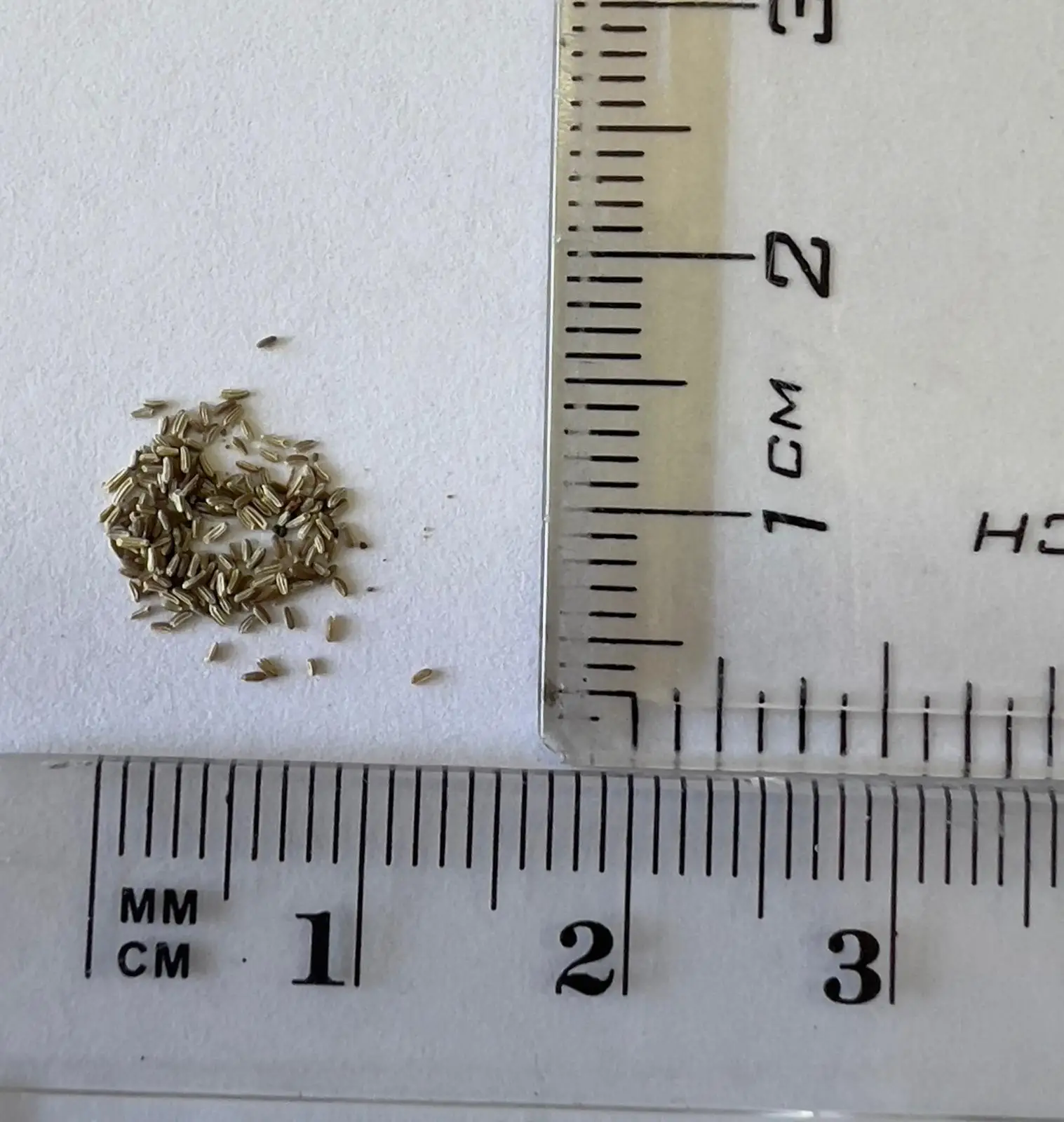
Growing Matricaria recutita demands almost nothing from you—which is precisely why it succeeds where other herbs fail. This hardy annual prefers full sun and well-drained soil but will thrive in poor, sandy, even heavy clay soils that other plants reject. It needs no fertilizer, tolerates light shade, and requires only moderate water once established. Sow seeds directly into the garden before your last frost, or start indoors 6–8 weeks prior and transplant after frost danger passes. Germination occurs within one to three weeks at warm temperatures. Space plants 12 inches apart. Within 60 days, you will have blooms. Deadhead spent flowers to encourage continuous flowering through summer into autumn. The real gift: German chamomile self-seeds prolifically. Plant it once, and it returns year after year, naturalizing like a weed—the good kind, the kind you planted on purpose. It grows to a modest 1–2 feet tall, compact enough for containers, herb gardens, or cottage garden borders, yet abundant enough to provide flowers for kitchen use and dried storage both.
Imagine beginning your day by stepping into the garden, pinching open blooms still wet with dew, knowing that in an hour you will steep them into warmth and drink deep peace. Imagine a medicine cabinet filled with amber glass jars of your own dried flowers—free, eternal, grown by your hands in earth you control. Imagine never again reaching for a commercial tea bag, because your garden produces something infinitely superior: freshness, potency,
Only logged in customers who have purchased this product may leave a review.

Reviews
There are no reviews yet.