
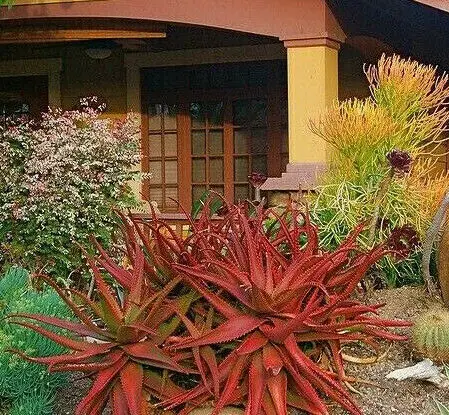

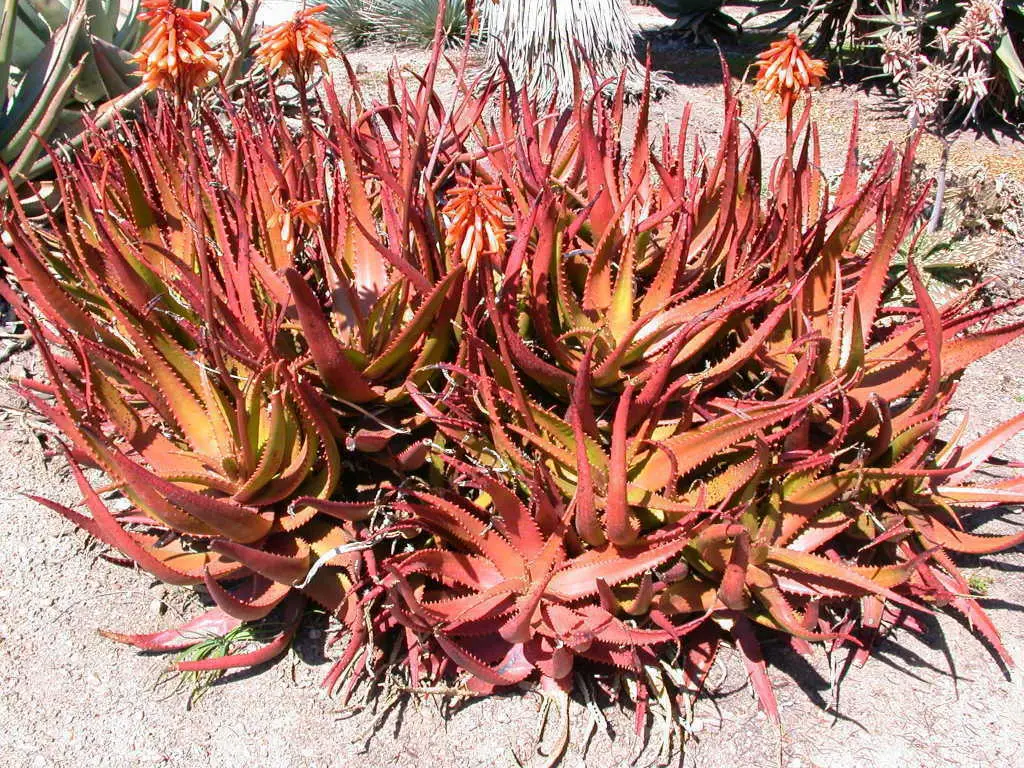

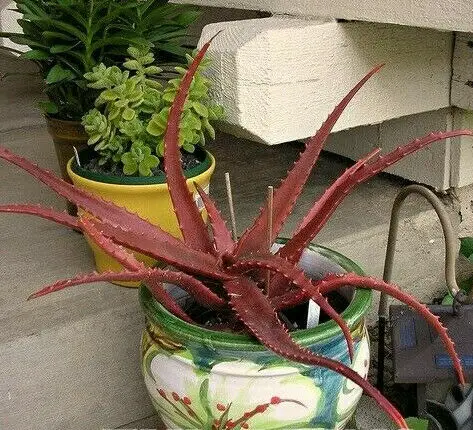

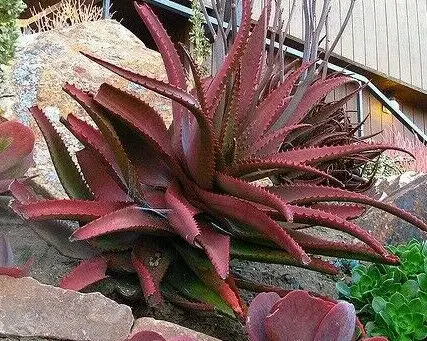
Picture leaves that shift from vibrant green to deep wine-red as autumn arrives—a living sculpture that ignites every winter garden. Aloe cameronii is the showstopper of the succulent world, crowned by spikes of glowing orange-red flowers that attract hummingbirds and bees. Drought-tolerant, nearly foolproof, and thriving on benign neglect, this African gem brings drama without demands. Grow from seed and watch color unfold.
€1.92
The moment you see Aloe cameronii in full winter blaze, you’ll understand why this African native commands reverence among plant collectors worldwide. This is the aloe that transforms gardens—not with height, but with an almost liquid intensity of color that deepens as the season cools.
Native to the granite hills and mountain cliffs of Malawi and Zimbabwe, Aloe cameronii was discovered in 1854 by Kenneth J. Cameron, a Scottish planter working in tropical Africa, and eventually sent to the Royal Botanic Garden at Kew where it captured hearts upon first flowering in 1903. What makes this species distinct is not merely its heritage but its almost contradictory nature: a drought-loving survivor that craves full sun yet produces some of the most saturated red foliage of any cultivated aloe—a deep, coppery crimson that holds its intensity for months, not days.
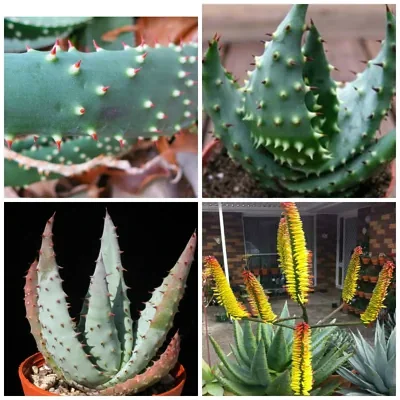
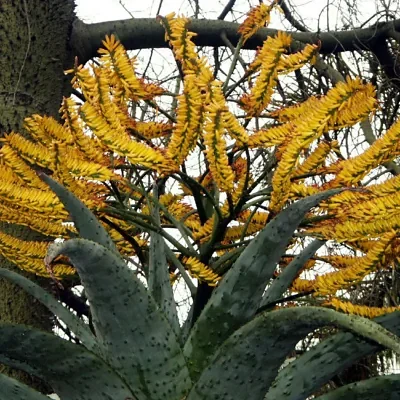
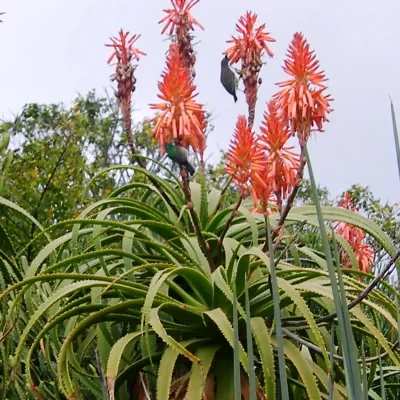
Here is where Aloe cameronii truly shines: as a winter statement plant and pollinator magnet. Unlike tender ornamentals that demand coddling, this medium-sized succulent becomes a living focal point when grown in full sun and allowed to dry between waterings. The fleshy, gracefully curving leaves display a stunning gradient from emerald green in spring to deep wine-red by winter—a transformation triggered by drought stress and cold. Then, from late fall through winter, tall spikes of brilliant orange-red flowers emerge, held a foot above the foliage, creating a stunning color contrast: crimson leaves crowned with coral blooms. These flowers are irresistible to nectar-seeking birds and beneficial insects, turning your garden into a wildlife sanctuary. The plant carries a delicate, musky-cinnamon scent that gardeners appreciate as a bonus. If you seek a specimen that earns its space through sheer beauty while requiring virtually no fussing, this is it.
Growing Aloe cameronii is almost embarrassingly easy—a feature that makes it perfect for beginners yet rewarding for experienced gardeners. Plant it in sandy, well-draining soil (or specially formulated succulent mix) in a pot or garden bed where it receives full sun to partial shade. Water sparingly during warm months to enhance the red coloration; less water triggers deeper, more intense pigmentation. In winter, reduce watering further and ensure excellent drainage—overwatering is the only threat to this hardy plant. It thrives in warm temperatures (70–80°F ideal) but tolerates light frost down to 25°F, making it suitable for many regions when protected from the harshest freezes. This is a slow-to-moderate grower that can live for 40 years or more once established, growing to a manageable 1–2 feet tall and 2–4 feet wide, forming elegant open rosettes that branch from the base. Its foliage remains emerald green only in low-light conditions; give it the sun it craves and watch the magic unfold.
Grow Aloe cameronii from seed and participate in one of horticulture’s most rewarding transformations. Begin with tiny green seedlings and over seasons watch them mature into crimson statements that anchor gardens, mesmerize visitors, and bloom with such fervent color that you’ll question whether nature truly made them. This is the red queen of the Aloe genus—the species whose foliage alone justifies every inch of garden space, every watering decision, every moment of care.
Only logged in customers who have purchased this product may leave a review.
Reviews
There are no reviews yet.