Description
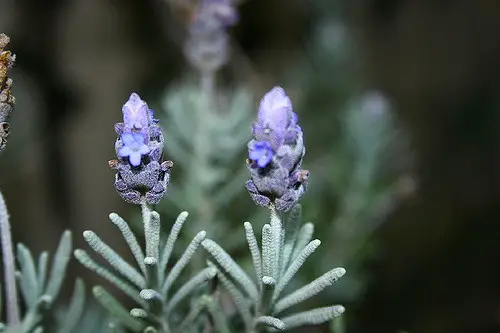
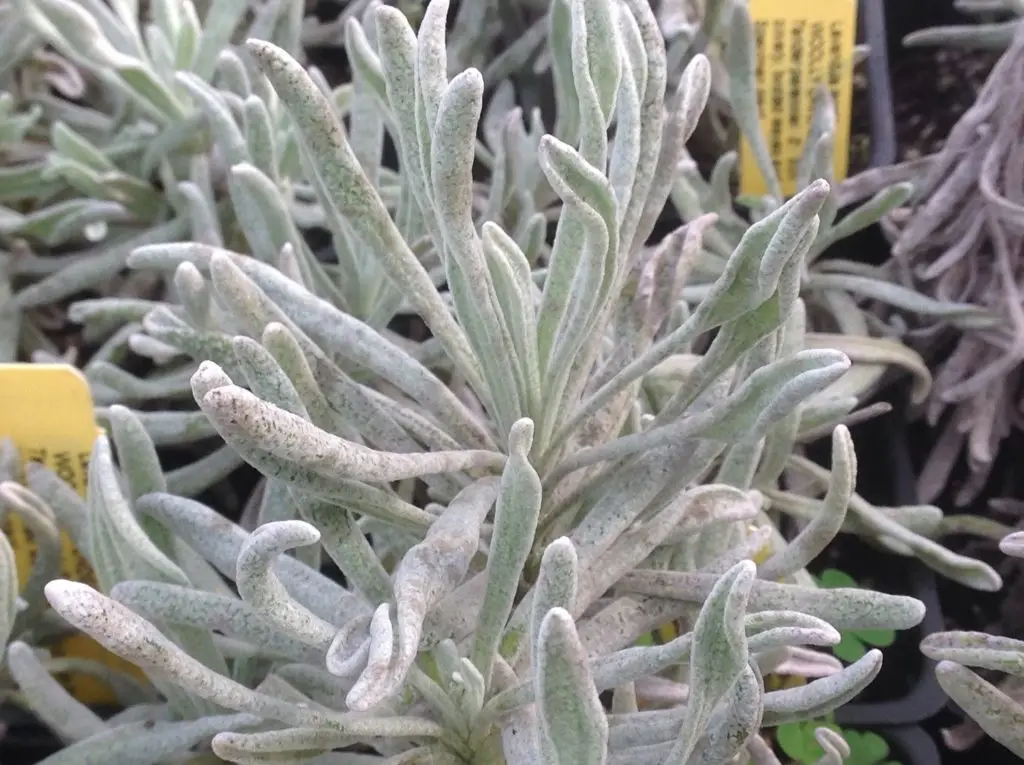
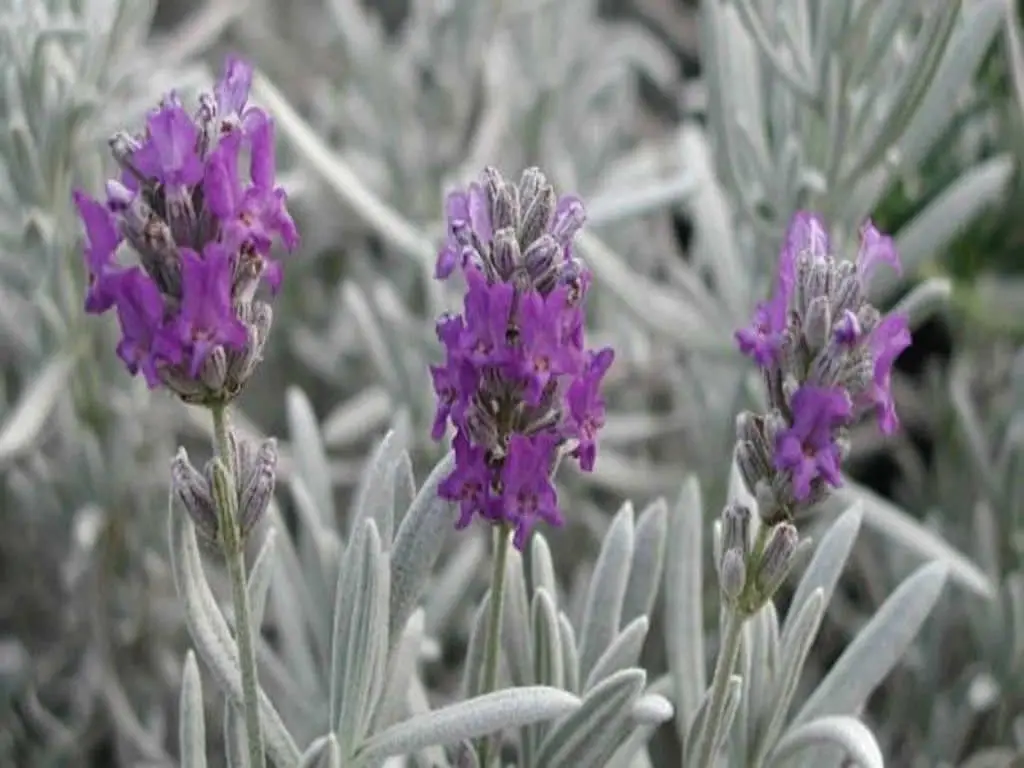
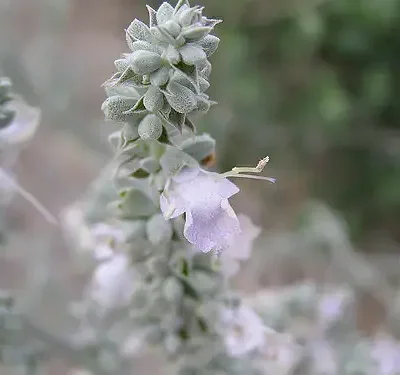
Lavandula lanata is a dwarf, evergreen shrub up to 3.3 feet (1 m) tall, with white-woolly stems and leaves. The flowers are dark purple, borne on narrow spikes and give off the familiar lavender scent.
HARDINESS: USDA hardiness zone 8a to 10b: from 10 °F (?12.2 °C) to 40 °F (+4.4 °C).
HOW TO GROW AND CARE:
As with most plants, your success in growing this coveted plant will depend both on what kind of growing conditions you can provide and which varieties you select to grow. Lavender plants will tolerate many growing conditions, but they thrive in warm, well-drained soil and full sun.
Like many plants grown for their essential oils, a lean soil will encourage a higher concentration of oils. An alkaline or especially chalky soil will enhance lavender’s fragrance.
Although most Lavenders are labeled hardy in USDA Zones 5 – 9, while you can grow Lavender in USDA Hardiness Zone 5, it is unlikely you will ever have a Lavender hedge. More realistically you can expect to have plants that will do well when the weather cooperates and to experience the occasional loss of a plant or two after a severe winter or a wet, humid summer.
Lavender is a tough plant and is extremely drought-resistant, once established. However when first starting you Lavender plants, don’t be afraid to give them a handful of compost in the planting hole and to keep them regularly watered during their first growing season.
Germination Guide
🌍 Southern Spain
Moderate
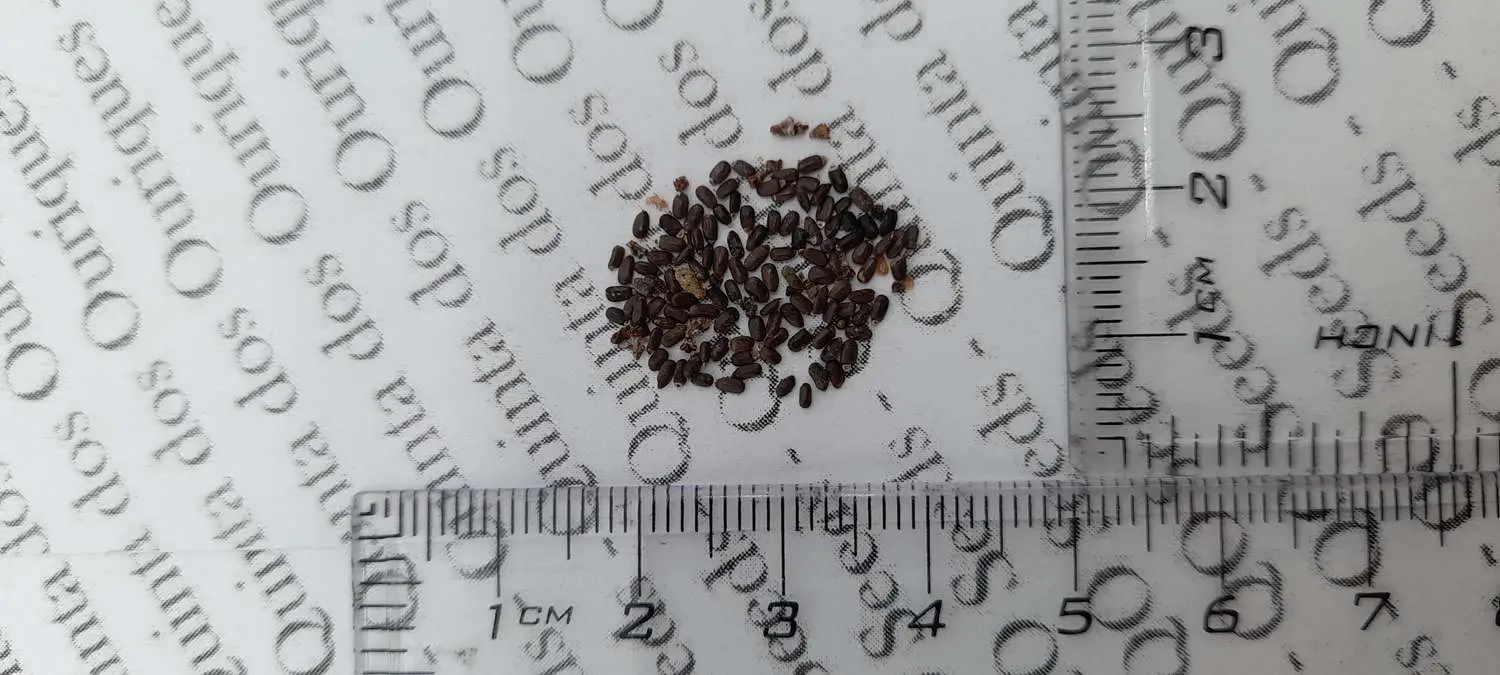
Lavandula lanata, commonly known as woolly lavender, is a Mediterranean shrub native to southern Spain, prized for its silvery-white woolly leaves and dark purple flowers. Seeds germinate moderately well at cool temperatures (15-21°C) with light exposure, typically taking 1-3 months in a greenhouse setting. This species is somewhat easier to germinate than some Mediterranean lavenders but requires careful attention to moisture and drainage.
Germination
Germination time
Expect germination in
30 – 90 days
Temperature
Min 15°C
Ideal 18°C
Max 21°C
Substrate moisture
💧 Medium
Sowing depth
Lightly covered
Substrate & Container
Recommended substrate
Well-draining seed-starting mix with sand, perlite, or vermiculite; neutral to slightly alkaline pH 6.5-8.0
Recommended container
Seed trays or shallow containers with drainage holes; greenhouse or cold frame preferred
Growing Tips
Sow seeds on soil surface or press lightly into substrate—do not bury deeply as light is essential for germination. Maintain cool to warm temperatures (15-21°C), not exceeding 25°C. Provide 12-16 hours of daily light. Keep substrate moist but never waterlogged to prevent fungal issues. Optional cold stratification (3 weeks at 4°C) may improve germination rates, particularly beneficial for cooler climates. Seeds prefer well-drained, slightly alkaline soil. Use a heating mat if indoor temperatures are variable. Thin or fast drainage prevents root rot. Seedlings should be transplanted to individual pots once they reach 2-3 inches tall with true leaves developed.
Only logged in customers who have purchased this product may leave a review.



Reviews
There are no reviews yet.